Market Research & Trends
Before diving into the exciting world of beverage creation, understanding the current market landscape is crucial. What are consumers craving? Which flavors are trending? What are the emerging niches that haven't been fully explored yet? A robust market research strategy will provide the answers you need to make informed decisions and position your beverage company for success. This goes beyond just knowing what's popular; it's about anticipating future trends and understanding the underlying motivations driving consumer choices.
Let's delve into some recent beverage market trends. The health and wellness movement continues to dominate, with consumers actively seeking low-sugar, organic, and functional beverages. Think kombucha, cold-pressed juices, and enhanced waters with added vitamins or adaptogens. Sustainability is another major driver, with a growing demand for eco-friendly packaging and ethically sourced ingredients. Brands that prioritize transparency and environmental responsibility are resonating strongly with today's consumers. We're also seeing a rise in demand for unique and exotic flavors, reflecting a more adventurous and globally-minded consumer base. Consider incorporating ingredients from different cultures or experimenting with unconventional flavor combinations to stand out from the crowd.
To illustrate these trends, consider the following data points:
- Non-Alcoholic Beverages are Booming: The non-alcoholic beverage market is experiencing substantial growth, driven by increasing health consciousness and changing social norms.
- Functional Beverages are Gaining Traction: Beverages with added health benefits, such as probiotics, vitamins, and antioxidants, are becoming increasingly popular.
- Sustainable Packaging is a Must-Have: Consumers are actively seeking beverages packaged in eco-friendly materials like recycled plastic, glass, or aluminum.
Conducting thorough market research involves several key steps. Start by analyzing existing market reports and industry publications to gain a broad overview of the beverage landscape. Next, identify your target audience and conduct surveys, focus groups, and interviews to understand their specific needs and preferences. Pay close attention to their purchasing habits, preferred flavors, and willingness to try new products. Finally, monitor social media and online forums to track emerging trends and identify potential gaps in the market. Remember, market research is an ongoing process. Continuously monitor the market and adapt your strategy as needed to stay ahead of the curve. Don't be afraid to experiment with new flavors, packaging, and marketing strategies to see what resonates with your target audience.
Licenses & Regulations
Navigating the legal landscape is a critical, often overlooked, aspect of starting a beverage company. The specific licenses and regulations you'll need will vary depending on your location, the type of beverage you're producing, and your distribution channels. Failing to comply with these regulations can result in hefty fines, legal action, and even the closure of your business. Therefore, it's essential to conduct thorough research and seek expert advice to ensure you're fully compliant.
Here’s a breakdown of some key regulatory areas to consider:
- Food and Beverage Safety Regulations: These regulations, often overseen by agencies like the FDA in the United States, ensure that your beverage is safe for consumption. This includes guidelines on ingredient sourcing, manufacturing processes, and packaging.
- Labeling Requirements: Accurate and informative labeling is crucial. You'll need to comply with regulations regarding ingredient lists, nutritional information, allergen warnings, and country of origin labeling.
- Alcohol Beverage Control (ABC) Laws: If you're producing alcoholic beverages, you'll need to navigate a complex web of state and federal ABC laws. These laws govern the production, distribution, and sale of alcoholic beverages.
- Business Licenses and Permits: You'll need to obtain the necessary business licenses and permits to operate legally in your chosen location. These may include general business licenses, food handler permits, and environmental permits.
Let’s look at some country-specific examples. In the United States, you'll need to register with the FDA and comply with the Food Safety Modernization Act (FSMA). In the European Union, you'll need to comply with the General Food Law Regulation and specific regulations for different types of beverages. In Canada, you'll need to comply with the Food and Drugs Act and Regulations. To obtain these licenses, you'll typically need to submit an application to the relevant government agency, provide detailed information about your business operations, and undergo inspections to ensure compliance with regulations. The application process can be lengthy and complex, so it's advisable to start early and seek professional assistance if needed.
Remember, regulations are constantly evolving. Stay informed about any changes to the laws and regulations that affect your business. Subscribe to industry newsletters, attend industry conferences, and consult with legal professionals to stay up-to-date. Compliance is not just a legal obligation; it's also a matter of building trust with your customers. By demonstrating your commitment to safety and quality, you can enhance your brand reputation and build a loyal customer base. Consider implementing a robust quality control system to ensure that your beverages consistently meet the highest standards. This system should include regular testing of ingredients and finished products, as well as thorough documentation of all manufacturing processes.
Funding & Financial Planning
Securing adequate funding is a vital step in launching and scaling your beverage company. A well-structured financial plan will not only help you attract investors but also guide your spending and ensure the long-term financial health of your business. This involves carefully assessing your startup costs, projecting your revenue streams, and managing your cash flow effectively.
Here's a look at potential funding sources:
- Personal Savings: Bootstrapping your business with your own savings is a common starting point. This demonstrates your commitment and reduces your reliance on external funding.
- Loans: Small business loans from banks or credit unions can provide a significant injection of capital. Be prepared to present a detailed business plan and financial projections to secure a loan.
- Angel Investors: Angel investors are individuals who invest in early-stage companies in exchange for equity. They can provide not only funding but also valuable mentorship and industry connections.
- Venture Capital: Venture capital firms invest in high-growth companies with significant potential. This option is typically more suitable for companies that have already achieved some traction and are looking to scale rapidly.
- Crowdfunding: Platforms like Kickstarter and Indiegogo allow you to raise funds from a large number of individuals in exchange for rewards or equity.
- Grants: Explore government grants and industry-specific grants that may be available to beverage companies.
Developing a comprehensive financial plan is essential, regardless of your funding source. This plan should include:
- Startup Costs: A detailed breakdown of all expenses required to launch your business, including equipment, ingredients, packaging, marketing, and legal fees.
- Revenue Projections: Realistic estimates of your sales revenue based on your target market, pricing strategy, and distribution channels.
- Cash Flow Projections: A forecast of your cash inflows and outflows over a specific period, typically 12-24 months. This will help you identify potential cash flow gaps and ensure you have sufficient funds to meet your obligations.
- Profit and Loss Statement: A summary of your revenues, expenses, and profits over a specific period. This will help you track your financial performance and identify areas for improvement.
- Balance Sheet: A snapshot of your assets, liabilities, and equity at a specific point in time. This will provide insights into your company's financial position and solvency.
When seeking funding, be prepared to answer tough questions from investors. They'll want to know about your business model, your competitive advantage, your management team, and your exit strategy. Practice your pitch and be prepared to provide detailed financial information to support your claims. Consider creating a pitch deck that visually summarizes your business plan and highlights your key strengths. Furthermore, understanding and mitigating financial risks is crucial. Conduct a thorough risk assessment to identify potential threats to your business, such as changes in consumer preferences, increased competition, or economic downturns. Develop contingency plans to address these risks and minimize their impact on your financial performance.
Production Line Setup
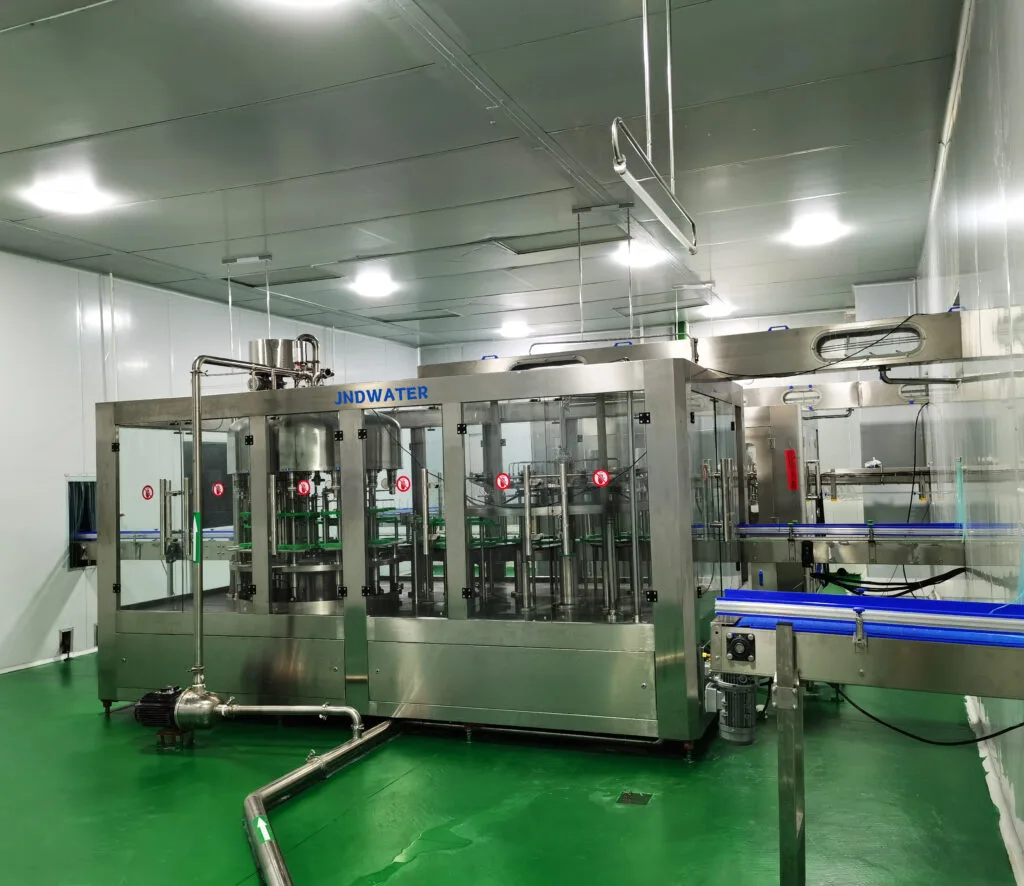
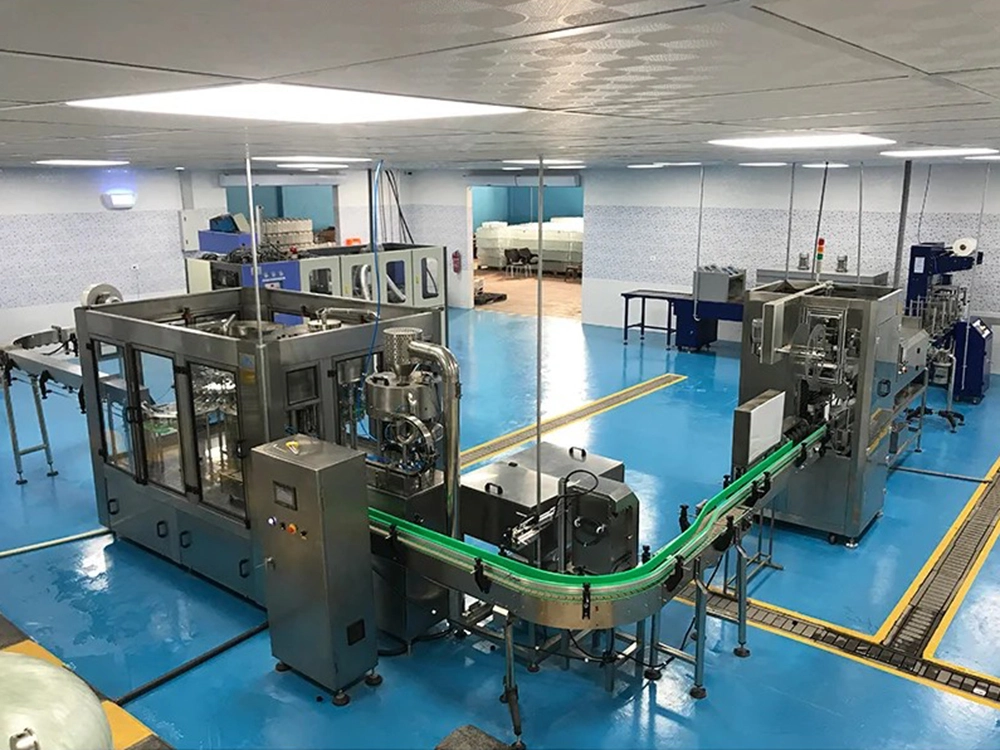
Setting up an efficient and reliable production line is paramount to producing high-quality beverages at scale. The specific equipment you'll need will depend on the type of beverage you're producing, your production volume, and your budget. However, there are some common pieces of equipment that are essential for most beverage production lines.
Here’s a breakdown of the key steps and equipment involved:
- Water Treatment System: Clean and pure water is essential for producing high-quality beverages. A water treatment system removes impurities and ensures that your water meets the required standards. This often includes filtration, purification, and sterilization processes.
- Mixing and Blending Equipment: This equipment is used to combine ingredients and create the desired flavor profile. The type of mixer you'll need will depend on the viscosity and volume of your ingredients.
- Pasteurization or Sterilization Equipment: These processes are used to kill harmful bacteria and extend the shelf life of your beverages. Pasteurization involves heating the beverage to a specific temperature for a specific time, while sterilization involves heating it to a higher temperature for a longer time.
- Filling and Bottling Equipment: This equipment is used to fill bottles, cans, or pouches with your beverage. The type of filler you'll need will depend on the type of packaging you're using and your production volume.
- Labeling and Packaging Equipment: This equipment is used to apply labels to your bottles or cans and package them into cases or cartons.
- Conveyor Systems: Conveyor systems are used to move bottles, cans, and cases along the production line. This helps to automate the production process and increase efficiency.
When selecting equipment, consider factors such as capacity, reliability, ease of maintenance, and energy efficiency. It's also important to choose equipment that is compatible with your existing infrastructure and can be easily integrated into your production line. Consider the specific role of each piece of equipment. For example, a high-speed filler can significantly increase your production capacity, while a precise labeling machine can enhance the appearance of your product. Also, consider the materials used in the equipment construction. Stainless steel is a common choice for beverage production equipment due to its durability, corrosion resistance, and ease of cleaning. Choose equipment that is designed for easy cleaning and sanitation to prevent contamination. In addition to selecting the right equipment, it's also important to optimize your production line layout. Arrange your equipment in a logical and efficient manner to minimize bottlenecks and maximize throughput. Consider using a simulation software to model your production line and identify potential areas for improvement.
Regular maintenance is crucial for ensuring the longevity and reliability of your production equipment. Establish a preventive maintenance schedule and train your staff on proper maintenance procedures. Keep spare parts on hand to minimize downtime in case of equipment failures. By carefully planning your production line setup and investing in high-quality equipment, you can ensure that your beverage company is able to produce high-quality beverages efficiently and reliably.
Marketing & Distribution Strategy
Even the most delicious beverage won't succeed without a solid marketing and distribution strategy. You need to effectively reach your target audience, create brand awareness, and ensure that your product is available where they shop. This involves crafting a compelling brand message, choosing the right marketing channels, and building strong relationships with distributors and retailers.
Let's examine some successful beverage marketing campaigns. Red Bull's focus on extreme sports and events has created a strong association with energy and adventure. Coca-Cola's consistent branding and emotional storytelling have made it one of the most recognizable brands in the world. These examples highlight the importance of creating a unique brand identity and communicating it effectively to your target audience.
Here are some key distribution channels to consider:
- Direct Sales: Selling your beverages directly to consumers through your own website, retail store, or farmers' market.
- Wholesale Distribution: Partnering with a wholesale distributor to reach a wider network of retailers.
- Retail Partnerships: Selling your beverages through grocery stores, convenience stores, restaurants, and bars.
- Online Retailers: Selling your beverages through online retailers like Amazon or specialized beverage marketplaces.
When choosing your distribution channels, consider factors such as your target market, your production volume, and your budget. Direct sales can be a good option for small-scale producers who want to maintain control over their brand and customer relationships. Wholesale distribution can provide access to a larger market but may require you to share a portion of your profits with the distributor. Retail partnerships can be a good way to reach a large number of consumers, but it's important to negotiate favorable terms with retailers. Online retailers can provide a convenient way for consumers to purchase your beverages, but you'll need to invest in shipping and handling. Social media marketing is a cost-effective way to reach a large audience and build brand awareness. Create engaging content that showcases your beverages and tells your brand story. Use social media to run contests, offer promotions, and interact with your customers. Email marketing can be used to nurture leads, promote new products, and build customer loyalty. Build an email list and send regular newsletters with valuable content and exclusive offers. Content marketing involves creating and sharing valuable, informative, and engaging content that attracts and retains your target audience. Create blog posts, articles, videos, and infographics that educate your audience about your beverages and the beverage industry.
Remember, building strong relationships with retailers and distributors is essential for long-term success. Attend industry trade shows, network with key players, and offer incentives to encourage them to promote your beverages. By crafting a well-defined marketing and distribution strategy, you can increase brand awareness, drive sales, and establish a strong presence in the competitive beverage market.
Custom Solutions & Case Studies
JND Water understands that every beverage company has unique needs and challenges. That's why we offer custom solutions tailored to your specific requirements. Whether you're a startup looking to set up your first production line or an established company seeking to optimize your existing operations, we can provide the expertise and equipment you need to succeed.
Here are some examples of custom solutions we offer:
- Customized Water Treatment Systems: We can design and build water treatment systems that meet your specific water quality requirements.
- Turnkey Production Lines: We can provide complete turnkey production lines, from water treatment to packaging, tailored to your production volume and beverage type.
- Equipment Optimization: We can help you optimize your existing equipment to improve efficiency and reduce costs.
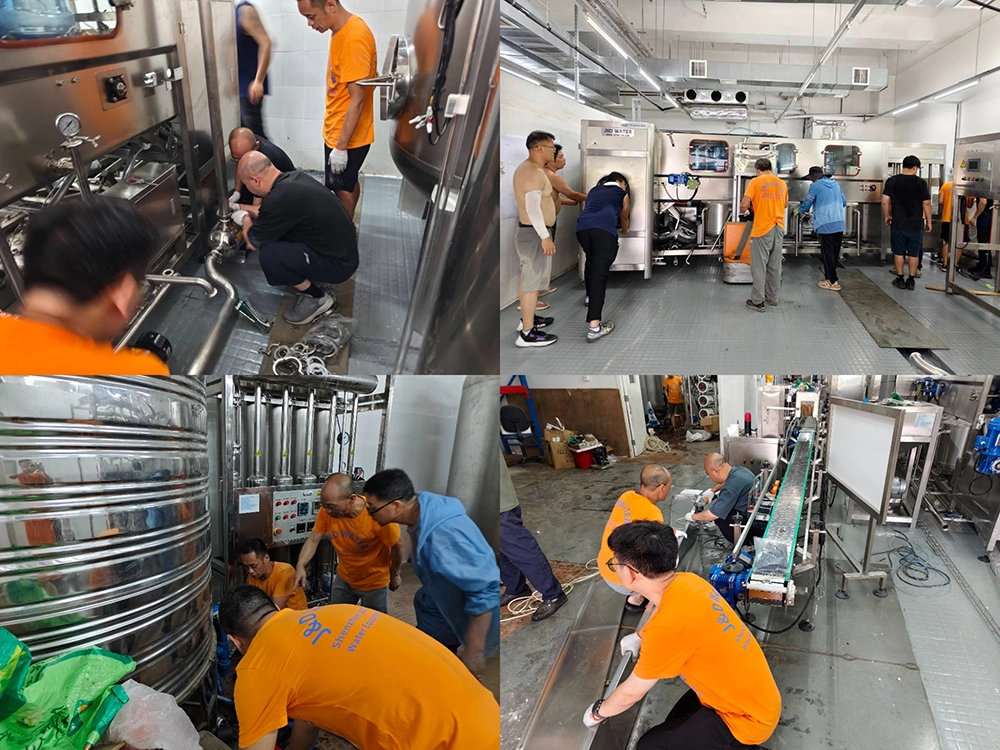
- Technical Support and Training: We provide ongoing technical support and training to ensure that your equipment is operating at peak performance.
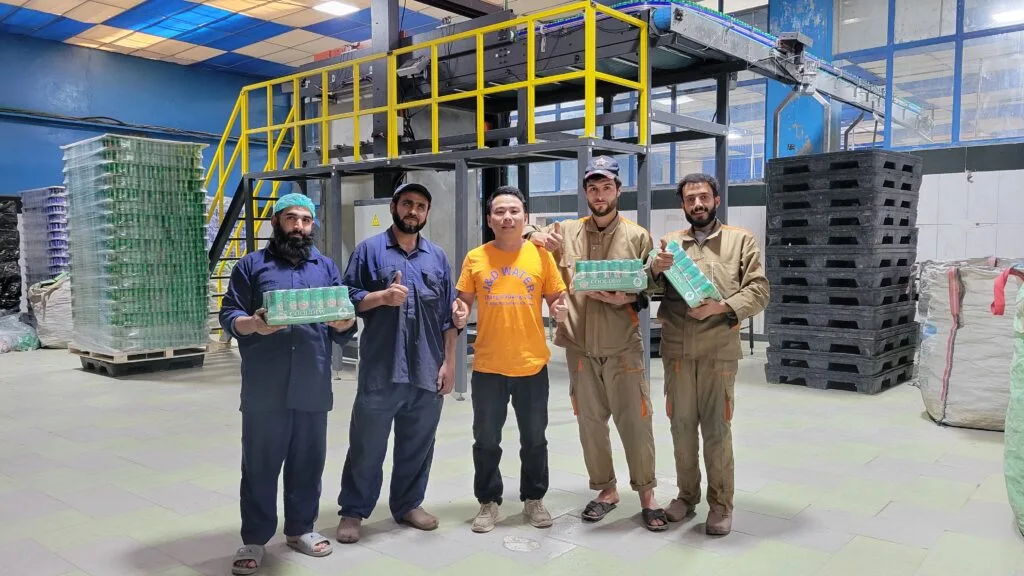
Let's look at some case studies of how JND Water has helped beverage companies achieve their goals. One example is a small startup that was looking to launch a new line of flavored waters. They needed a complete production line that was both affordable and scalable. JND Water provided a customized turnkey solution that included a water treatment system, mixing and blending equipment, a filling and bottling machine, and a labeling machine. The startup was able to launch their product successfully and quickly scale their production to meet growing demand.
Another example is an established beverage company that was looking to improve the efficiency of their existing production line. They were experiencing bottlenecks and high operating costs. JND Water conducted a thorough assessment of their production line and identified several areas for improvement. We then implemented a series of upgrades, including a new high-speed filler and a more efficient conveyor system. As a result, the company was able to increase their production capacity by 20% and reduce their operating costs by 15%. These case studies demonstrate JND Water's commitment to providing innovative and effective solutions that help beverage companies thrive. We work closely with our clients to understand their specific needs and challenges, and we develop customized solutions that deliver measurable results. Contact us today to learn more about how we can help you start or grow your beverage company.