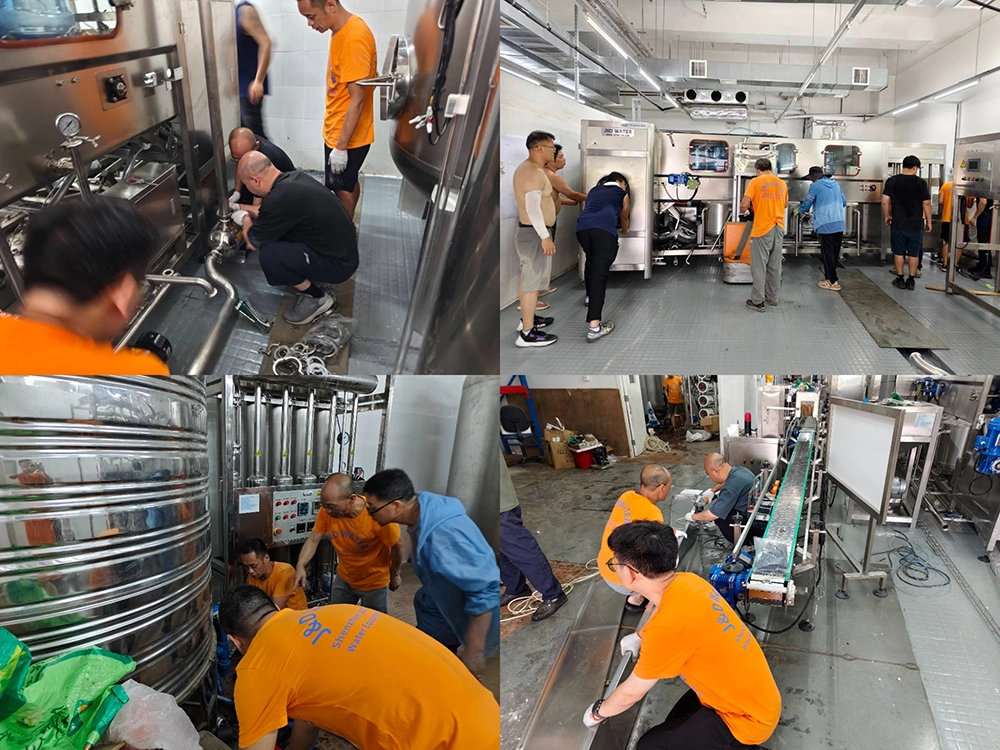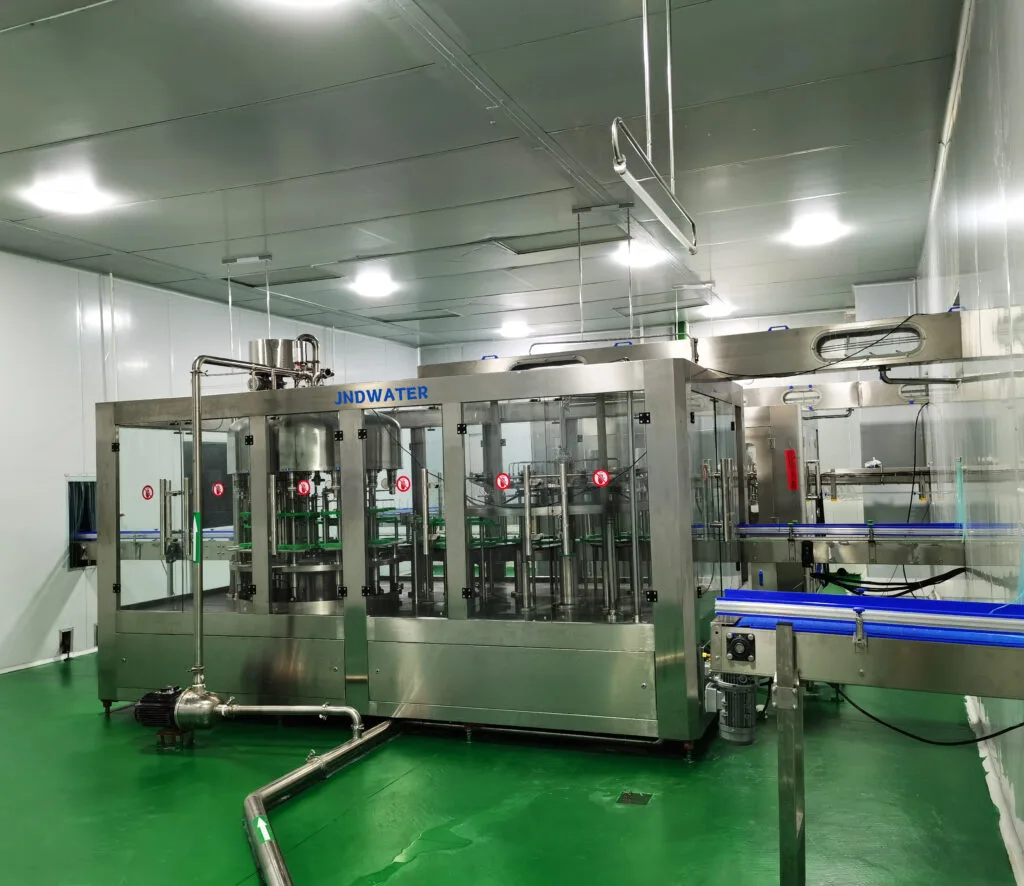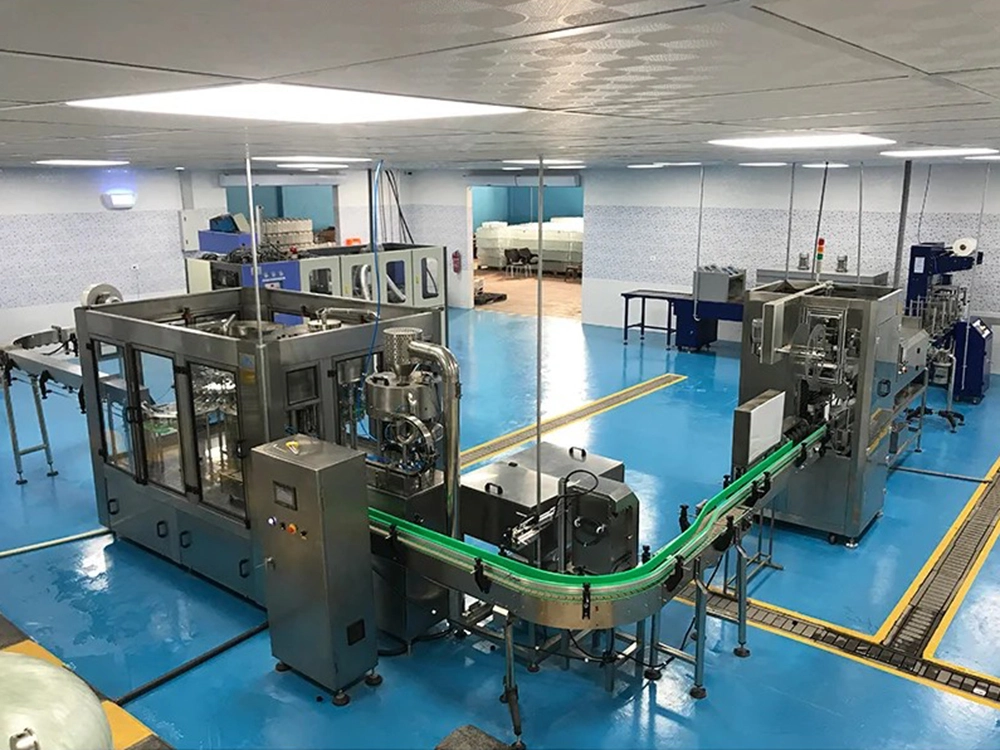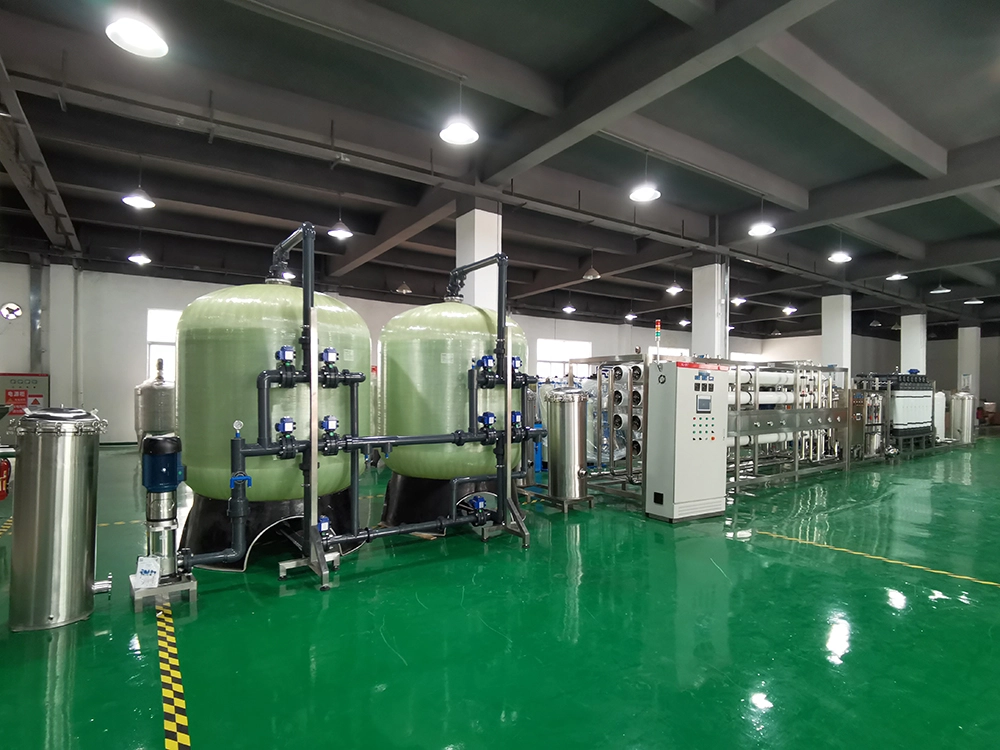
Shenzhen J&D Drinking Water Equipment Co., Ltd. offers turnkey projects such as bottled water production line, 5L bottled water production line, 5 gallon bottled water production line, juice beverage production line, tea beverage production line, energy drink production line, carbonated beverage production line, wine and beer production line, etc.
Starting a mineral water business starts with conducting a thorough market research. Analyze your competitors’ products and prices.
Look for high-quality mineral water. Conduct water quality tests to ensure it meets standards. Secure funding to purchase mineral water bottling line equipment, packaging materials, and set up a production facility. Obtain required business licenses and comply with health regulations.
Develop your own marketing strategy. Use social media, local advertising, and product sampling to promote your mineral water and build a customer base.
Jndwater’s products include: blow molding machine, water filling machine, carbonated filling machine, juice filling machine, labeling machine, packing machine, palletizer, depalletizer, bottle unscrambler, reverse osmosis pure water machine, mineral water machine, distilled water machine, seawater desalination machine, conveyor, etc.
News
How to start a business of mineral water?
Market Research and Analysis
Before diving into the refreshing world of mineral water, thorough market research and analysis are crucial. This foundational step will determine the viability and potential success of your venture. It's more than just understanding that people drink water; it's about identifying specific consumer needs, competitive landscapes, and untapped opportunities within the bottled water industry. Let's explore the key components of effective market research for starting a mineral water business.
1. Competitive Analysis: Know Your Rivals
Understanding who your competitors are, what they offer, and how they operate is paramount. A comprehensive competitive analysis should include:
- Identifying Key Players: List all the major and minor mineral water brands in your target market. This includes both national and local brands.
- Product Analysis: Analyze the types of mineral water they offer (e.g., still, sparkling, flavored), their packaging (e.g., plastic bottles, glass bottles, cans), and pricing strategies.
- Distribution Channels: Determine how your competitors distribute their products. Do they rely on supermarkets, convenience stores, restaurants, online sales, or a combination of channels?
- Marketing Strategies: Evaluate their marketing campaigns, branding, and promotional activities. What messages are they conveying to consumers? How are they positioning their products in the market?
- Strengths and Weaknesses: Identify the strengths and weaknesses of each competitor. What are they doing well? Where are they falling short?
Tools like SWOT analysis (Strengths, Weaknesses, Opportunities, Threats) can be invaluable in structuring your competitive analysis. By understanding your competitors' moves, you can identify opportunities to differentiate your brand and gain a competitive edge.
2. Identifying Market Gaps: Where's the Untapped Potential?
Market gaps represent unmet needs or underserved segments within the mineral water market. Identifying these gaps can provide a unique selling proposition for your brand. Consider the following:
- Unmet Consumer Needs: Are there specific consumer needs that existing brands are not adequately addressing? This could be related to specific health benefits, eco-friendly packaging, or unique flavor profiles.
- Underserved Segments: Are there specific demographic groups or geographic areas that are not well-served by existing brands? This could include targeting specific age groups, income levels, or regions with limited access to quality mineral water.
- Emerging Trends: Are there any emerging trends in the beverage industry that you can capitalize on? This could include the growing demand for functional beverages, sustainable products, or locally sourced ingredients.
For example, you might identify a gap in the market for mineral water packaged in biodegradable bottles or mineral water with added electrolytes for athletes. By focusing on a specific market gap, you can tailor your product and marketing efforts to a specific target audience, increasing your chances of success.
3. Understanding Consumer Behavior: What Drives Purchasing Decisions?
Understanding consumer behavior is essential for developing effective marketing strategies and product positioning. Consider the following factors:
- Consumer Preferences: What are consumers looking for in a mineral water brand? This could include taste, purity, health benefits, brand image, or price.
- Purchasing Habits: Where do consumers typically purchase mineral water? How often do they buy it? What factors influence their purchasing decisions?
- Demographics: What are the demographic characteristics of your target market? This includes age, gender, income level, education, and geographic location.
- Psychographics: What are the psychographic characteristics of your target market? This includes their values, attitudes, interests, and lifestyles.
Surveys, focus groups, and social media listening can provide valuable insights into consumer behavior. By understanding what motivates consumers to buy mineral water, you can develop marketing campaigns that resonate with your target audience and drive sales.
4. Tools for Market Research: Equip Yourself for Success
Numerous tools and resources can assist you in conducting effective market research. Some of the most popular options include:
- Online Surveys: Platforms like SurveyMonkey and Google Forms allow you to create and distribute surveys to gather feedback from consumers.
- Focus Groups: Conducting focus groups can provide valuable qualitative data on consumer preferences and attitudes.
- Market Research Reports: Companies like Mintel and Nielsen offer comprehensive market research reports on the bottled water industry.
- Government Resources: Government agencies like the U.S. Census Bureau and the Small Business Administration provide valuable data on demographics, economic trends, and industry statistics.
- Social Media Analytics: Tools like Google Analytics and social media analytics dashboards can help you track consumer behavior and engagement on social media platforms.
Remember to combine different research methods to get a well-rounded view of the market. Don't rely solely on one source of information.
By conducting thorough market research and analysis, you can gain a deep understanding of the mineral water market, identify opportunities, and develop a solid foundation for your business. This investment in research will pay dividends in the long run by helping you make informed decisions and avoid costly mistakes.
Water Quality Assurance
In the mineral water business, the purity and quality of your water are paramount. It's not just about quenching thirst; it's about providing a product that consumers trust and believe is safe and beneficial. Water Quality Assurance encompasses a series of rigorous testing procedures, adherence to strict standards, and obtaining necessary certifications. Let's delve into the essential aspects of ensuring the highest water quality for your mineral water business.
1. The Importance of Water Quality Testing: Protecting Your Brand and Consumers
Water quality testing is not merely a regulatory requirement; it's a fundamental responsibility to your consumers and a cornerstone of your brand's reputation. Regular and thorough testing helps to:
- Ensure Safety: Detect and eliminate harmful contaminants such as bacteria, viruses, heavy metals, and pesticides that can pose health risks to consumers.
- Maintain Purity: Verify that the water meets the required standards for mineral content, pH levels, and other key parameters.
- Comply with Regulations: Meet the stringent water quality standards set by regulatory agencies like the FDA (in the US) and EFSA (in Europe).
- Build Trust: Demonstrate your commitment to quality and safety, fostering consumer confidence in your brand.
- Prevent Recalls: Identify and address potential contamination issues before they lead to costly and damaging product recalls.
Failing to prioritize water quality testing can have severe consequences, including health risks for consumers, damage to your brand's reputation, legal liabilities, and business closure. It's an investment that safeguards your business and your customers.
2. Steps for Testing Water Quality: A Comprehensive Approach
A comprehensive water quality testing program should involve the following steps:
- Source Water Assessment: Conduct a thorough assessment of your water source to identify potential sources of contamination. This includes geological surveys, hydrological studies, and land use assessments.
- Regular Sampling: Establish a regular sampling schedule to collect water samples from various points in your production process, including the source water, treatment stages, and finished product.
- Laboratory Analysis: Send your water samples to a certified laboratory for analysis. The laboratory should be accredited by a recognized organization like ISO 17025.
- Testing Parameters: The laboratory should test for a wide range of parameters, including:
- Microbiological Contaminants: Bacteria, viruses, and parasites.
- Chemical Contaminants: Heavy metals, pesticides, herbicides, and industrial chemicals.
- Physical Parameters: Turbidity, color, odor, and taste.
- Mineral Content: Calcium, magnesium, potassium, and sodium.
- pH Level: Acidity or alkalinity of the water.
- Data Interpretation: Carefully review the laboratory results and compare them to the relevant water quality standards.
- Corrective Actions: If any contaminants are detected or if the water does not meet the required standards, take immediate corrective actions to address the issue. This may involve adjusting your treatment processes, changing your water source, or recalling contaminated products.
Remember to document all testing procedures, results, and corrective actions. This documentation will be essential for regulatory compliance and quality control.
3. Relevant Standards and Certifications: Meeting Industry Benchmarks
Adhering to relevant water quality standards and obtaining necessary certifications is crucial for demonstrating your commitment to quality and safety. Some of the most important standards and certifications include:
- FDA Regulations (USA): The Food and Drug Administration (FDA) regulates bottled water in the United States. Bottled water must meet the same safety standards as tap water.
- EFSA Regulations (Europe): The European Food Safety Authority (EFSA) regulates bottled water in Europe. EFSA sets strict standards for mineral water composition and labeling.
- IBWA Certification: The International Bottled Water Association (IBWA) offers a certification program for bottled water companies that meet its stringent quality standards.
- NSF International Certification: NSF International is an independent organization that certifies bottled water products and production facilities.
- ISO 22000: ISO 22000 is an international standard for food safety management systems.
Obtaining these certifications can provide a competitive advantage and enhance your brand's credibility.
4. Resources and Testing Kits: Tools for Water Quality Management
Numerous resources and testing kits are available to help you manage water quality. Some useful resources include:
- Water Testing Laboratories: Contact certified water testing laboratories in your area for laboratory analysis services.
- Water Treatment Equipment Suppliers: Consult with water treatment equipment suppliers to find the right equipment for your specific needs.
- Regulatory Agencies: Visit the websites of regulatory agencies like the FDA and EFSA for information on water quality standards and regulations.
- Industry Associations: Join industry associations like the IBWA to stay up-to-date on the latest trends and best practices in the bottled water industry.
You can also purchase water testing kits for on-site testing of certain parameters like pH levels and chlorine levels. However, it's important to note that these kits are not a substitute for laboratory analysis.
By implementing a robust water quality assurance program, you can protect your consumers, safeguard your brand's reputation, and ensure the long-term success of your mineral water business. Remember, quality is not an option; it's a necessity.
Equipment and Setup Costing
Understanding the financial implications of starting a mineral water business is crucial for success. Equipment and setup costs can be substantial, and a detailed breakdown is essential for accurate budgeting and securing funding. This section provides a comprehensive overview of the various costs involved, along with cost-saving tips and financing options.
1. Detailed Breakdown of Costs: From Source to Shelf
The costs associated with setting up a mineral water business can be categorized into several key areas:
- Water Source Acquisition:
- Land Purchase or Lease: Securing a reliable water source often involves purchasing or leasing land with a natural spring or well. Costs vary significantly depending on location and water rights.
- Water Rights and Permits: Obtaining the necessary water rights and permits can incur legal and administrative fees.
- Source Development: Developing the water source may require drilling, excavation, and construction of protective structures.
- Water Treatment Equipment:
- Filtration Systems: Removing sediment, impurities, and microorganisms requires various filtration systems, such as sand filters, activated carbon filters, and membrane filters.
- Disinfection Systems: Ensuring water safety involves disinfection methods like UV sterilization, ozonation, or chlorination.
- Mineral Adjustment Systems: Depending on the desired mineral content, you may need equipment to add or remove specific minerals.
- Bottling and Packaging Equipment:
- Bottle Washer: Cleaning and sanitizing bottles before filling is essential.
- Filling Machine: Accurately filling bottles with mineral water.
- Capping Machine: Sealing bottles to prevent contamination.
- Labeling Machine: Applying labels with product information and branding.
- Packaging Machine: Packing bottles into cases or cartons for distribution.
- Packaging Materials:
- Bottles: Costs vary depending on the material (PET plastic, glass), size, and design.
- Caps: Selecting appropriate caps to ensure a secure seal.
- Labels: Designing and printing attractive and informative labels.
- Cases/Cartons: Packaging for transporting and storing bottled water.
- Production Facility:
- Building or Renting: Establishing a production facility requires either constructing a new building or renting an existing space.
- Utilities: Costs for electricity, water, and waste disposal.
- Storage: Space for storing raw materials, finished products, and packaging materials.
- Other Costs:
- Quality Control Equipment: Testing equipment for ensuring water quality.
- Transportation: Vehicles for transporting raw materials and finished products.
- Office Equipment: Computers, printers, and other office supplies.
- Marketing and Advertising: Costs for promoting your brand and products.
- Salaries and Wages: Compensation for employees.
- Insurance: Coverage for property, liability, and workers' compensation.
- Permits and Licenses: Fees for obtaining the necessary permits and licenses to operate your business.
It's crucial to obtain accurate quotes from equipment suppliers, packaging manufacturers, and contractors to develop a realistic budget.
2. Comparison Tables: Evaluating Equipment Options
To make informed decisions about equipment purchases, consider creating comparison tables that evaluate different options based on key factors such as:
- Capacity: The amount of water the equipment can process per hour or day.
- Efficiency: The energy consumption and water usage of the equipment.
- Reliability: The durability and maintenance requirements of the equipment.
- Cost: The initial purchase price, installation costs, and operating expenses.
- Supplier Reputation: The experience and reputation of the equipment supplier.
Here's a sample comparison table for filling machines:
| Machine Type | Capacity (bottles/hour) | Cost | Pros | Cons |
|---|---|---|---|---|
| Manual Filling Machine | 100-200 | $1,000 - $3,000 | Low cost, simple operation | Low capacity, labor-intensive |
| Semi-Automatic Filling Machine | 500-1000 | $5,000 - $15,000 | Medium capacity, reduced labor | Higher cost than manual, requires some operator skill |
| Automatic Filling Machine | 1000+ | $20,000+ | High capacity, automated operation | High cost, requires specialized maintenance |
By comparing different options side-by-side, you can identify the equipment that best meets your needs and budget.
3. Cost-Saving Tips: Optimizing Your Investment
Starting a mineral water business can be expensive, but there are several ways to reduce your costs:
- Start Small: Begin with a smaller-scale operation and gradually expand as your business grows.
- Buy Used Equipment: Consider purchasing used equipment in good condition to save money.
- Negotiate Prices: Don't be afraid to negotiate prices with suppliers and contractors.
- Lease Equipment: Leasing equipment can be a more affordable option than purchasing it outright.
- Optimize Packaging: Choose cost-effective packaging materials and designs.
- Conserve Resources: Implement measures to conserve water and energy, reducing your utility bills.
- Seek Government Grants: Explore government grants and incentives for small businesses in the food and beverage industry.
4. Financing and Leasing Options: Funding Your Dream
Securing financing is often necessary to cover the costs of equipment and setup. Here are some potential financing options:
- Small Business Loans: Banks and credit unions offer small business loans to help entrepreneurs finance their ventures.
- Government-Backed Loans: The Small Business Administration (SBA) provides loan guarantees to lenders, making it easier for small businesses to obtain financing.
- Equipment Leasing: Leasing companies offer equipment leasing programs that allow you to use equipment without purchasing it.
- Venture Capital: Venture capital firms invest in high-growth potential companies.
- Angel Investors: Angel investors are wealthy individuals who invest in early-stage companies.
- Crowdfunding: Crowdfunding platforms allow you to raise money from a large number of people online.
When evaluating financing options, consider factors such as interest rates, repayment terms, and collateral requirements.
By carefully planning your equipment purchases, implementing cost-saving measures, and securing appropriate financing, you can successfully launch your mineral water business without breaking the bank.
Licenses and Regulatory Compliance
Navigating the complex landscape of licenses and regulatory compliance is a critical step in launching a mineral water business. Failing to comply with regulations can result in hefty fines, legal issues, and even business closure. This section provides a step-by-step guide to obtaining the necessary licenses and ensuring regulatory compliance.
1. Step-by-Step Guide: Securing Your Business Foundation
The specific licenses and permits required for a mineral water business vary depending on your location and the scope of your operations. However, here's a general checklist of common requirements:
- Business License: Obtain a general business license from your local city or county government. This license allows you to legally operate a business in your jurisdiction.
- State Business License: Depending on your state, you may also need to obtain a state-level business license.
- Federal Employer Identification Number (EIN): If you plan to hire employees, you'll need to obtain an EIN from the Internal Revenue Service (IRS).
- Food and Beverage License: Obtain a food and beverage license from your state or local health department. This license ensures that your facility meets the required sanitation and safety standards for producing and selling food and beverages.
- Bottled Water Permit: Many states require a specific permit for bottling and selling water. This permit ensures that your water source, treatment processes, and bottling facility meet the required standards for water quality and safety.
- Water Rights Permit: If you are extracting water from a natural source, you may need to obtain a water rights permit from your state's water resources agency. This permit grants you the legal right to use a specific amount of water from the source.
- Wastewater Discharge Permit: If your facility discharges wastewater, you may need to obtain a wastewater discharge permit from your state's environmental protection agency. This permit regulates the quality and quantity of wastewater that you can discharge.
- Labeling Approval: Your product labels must comply with federal and state labeling regulations. Submit your labels to the appropriate agencies for approval before printing them.
To determine the specific licenses and permits required for your business, contact your local city hall, county clerk's office, and state regulatory agencies.
2. Checklist of Necessary Permits and Regulations: Staying Compliant
Here's a more detailed checklist of necessary permits and regulations to consider:
- Federal Regulations:
- Food and Drug Administration (FDA): The FDA regulates bottled water under the Federal Food, Drug, and Cosmetic Act. Bottled water must meet the same safety standards as tap water.
- Environmental Protection Agency (EPA): The EPA regulates water sources and wastewater discharge.
- Fair Packaging and Labeling Act (FPLA): The FPLA requires accurate and informative labeling of consumer products.
- State Regulations:
- Department of Health: State health departments regulate food and beverage establishments, including bottled water facilities.
- Department of Environmental Protection: State environmental protection agencies regulate water sources, wastewater discharge, and air emissions.
- Department of Agriculture: State departments of agriculture may regulate certain aspects of food and beverage production and labeling.
- Local Regulations:
- City/County Business License: Required to operate a business within the city or county.
- Zoning Permits: Ensure that your facility is located in a properly zoned area.
- Building Permits: Required for any construction or renovation work on your facility.
- Fire Safety Permits: Ensure that your facility meets fire safety standards.
Staying informed about the latest regulations is crucial. Subscribe to newsletters from regulatory agencies and industry associations to stay up-to-date on any changes.
3. Links to Relevant Governmental Resources and Agencies: Your Compliance Toolkit
Here are some useful links to relevant governmental resources and agencies:
- U.S. Food and Drug Administration (FDA): https://www.fda.gov/
- U.S. Environmental Protection Agency (EPA): https://www.epa.gov/
- Small Business Administration (SBA): https://www.sba.gov/
- State Department of Health: (Search for your state's Department of Health website)
- State Department of Environmental Protection: (Search for your state's Department of Environmental Protection website)
- Local City Hall/County Clerk's Office: (Search for your local city hall or county clerk's office website)
These resources can provide valuable information on regulations, permits, and compliance requirements.
By diligently obtaining the necessary licenses and permits and ensuring ongoing regulatory compliance, you can protect your business from legal issues and build a reputation for quality and safety.
Marketing and Sales Strategies
With your mineral water business established and compliant, the next crucial step is to develop effective marketing and sales strategies to reach your target audience and drive revenue. This section provides a comprehensive guide to crafting a winning marketing plan, utilizing various marketing channels, and building a strong brand presence.
1. Comprehensive Guide: Crafting Your Marketing Plan
A well-defined marketing plan is essential for success. It serves as a roadmap for your marketing efforts, outlining your goals, target audience, strategies, and budget. Here are the key components of a comprehensive marketing plan:
- Executive Summary: A brief overview of your marketing plan, including your goals, strategies, and budget.
- Situation Analysis: An assessment of your current market position, including your strengths, weaknesses, opportunities, and threats (SWOT analysis).
- Target Audience: A detailed description of your ideal customer, including their demographics, psychographics, needs, and purchasing habits.
- Marketing Objectives: Specific, measurable, achievable, relevant, and time-bound (SMART) goals for your marketing efforts. Examples include increasing brand awareness, generating leads, and driving sales.
- Marketing Strategies: The overall approach you will take to achieve your marketing objectives. This includes your product positioning, pricing strategy, distribution channels, and promotional activities.
- Marketing Tactics: The specific actions you will take to implement your marketing strategies. This includes your advertising campaigns, social media activities, public relations efforts, and sales promotions.
- Marketing Budget: A detailed breakdown of your marketing expenses, including advertising costs, website development costs, and public relations fees.
- Marketing Evaluation: A plan for tracking and measuring the effectiveness of your marketing efforts. This includes key performance indicators (KPIs) such as website traffic, lead generation, and sales conversion rates.
Regularly review and update your marketing plan to adapt to changing market conditions and consumer preferences.
2. Techniques: Reaching Your Target Audience
Numerous marketing techniques can be used to reach your target audience. Here are some of the most effective options:
- Social Media Marketing:
- Build a Strong Presence: Create profiles on relevant social media platforms such as Facebook, Instagram, Twitter, and LinkedIn.
- Engage Your Audience: Share engaging content, run contests, and respond to comments and messages.
- Run Targeted Ads: Use social media advertising to reach specific demographic groups and interests.
- Influencer Marketing: Partner with social media influencers to promote your brand to their followers.
- Local Advertising:
- Print Advertising: Place ads in local newspapers, magazines, and directories.
- Radio Advertising: Run radio ads on local stations.
- Outdoor Advertising: Place billboards or posters in high-traffic areas.
- Local Events: Sponsor local events or participate in community fairs and festivals.
- Product Sampling:
- In-Store Demos: Offer free samples of your mineral water in grocery stores and convenience stores.
- Event Sampling: Distribute samples at local events and festivals.
- Partnerships: Partner with gyms, yoga studios, and other health-conscious businesses to offer samples to their customers.
- Content Marketing:
- Blog Posts: Create informative and engaging blog posts about the benefits of mineral water, healthy living, and sustainable practices.
- Infographics: Develop visually appealing infographics to share data and information about your products.
- Videos: Create videos showcasing your water source, bottling process, and the benefits of your mineral water.
- Ebooks: Offer free ebooks on topics related to mineral water and healthy hydration.
- Search Engine Optimization (SEO):
- Keyword Research: Identify relevant keywords that your target audience is searching for online.
- On-Page Optimization: Optimize your website content and structure for relevant keywords.
- Link Building: Build high-quality backlinks to your website from other reputable websites.
3. Case Studies and Success Stories: Learning from the Best
Analyzing successful marketing campaigns from other mineral water brands can provide valuable insights and inspiration. Look for case studies that highlight innovative marketing techniques, effective branding strategies, and successful sales promotions.
For example, some mineral water brands have successfully used social media to build a strong brand community by engaging with their followers, running contests, and partnering with influencers. Others have focused on sustainability by using eco-friendly packaging and promoting their commitment to environmental responsibility.
By learning from the successes (and failures) of others, you can develop a marketing plan that is tailored to your specific business and target audience.
Case Studies and Business Success Stories
Learning from the experiences of others who have successfully navigated the mineral water industry can provide invaluable insights and inspiration. Examining case studies and success stories allows you to understand the challenges, strategies, and key factors that contribute to building a thriving mineral water business.
1. Detailed Case Studies: Unveiling the Strategies of Success
In-depth case studies offer a comprehensive look at the journey of successful mineral water businesses. These studies typically cover the following aspects:
- Business Overview: A description of the company, its mission, and its target market.
- Challenges Faced: The obstacles and difficulties the company encountered during its start-up and growth phases. This could include challenges related to funding, production, distribution, marketing, or regulatory compliance.
- Solutions Implemented: The strategies and tactics the company used to overcome these challenges. This could include innovative marketing campaigns, efficient production processes, strategic partnerships, or effective cost-saving measures.
- Key Success Factors: The critical elements that contributed to the company's success. This could include a strong brand identity, a focus on quality, a commitment to sustainability, or a deep understanding of the target market.
- Financial Performance: An overview of the company's financial performance, including revenue, profit margins, and growth rates.
- Lessons Learned: The key takeaways and insights that other entrepreneurs can apply to their own mineral water businesses.
By analyzing these case studies, you can gain a deeper understanding of the complexities of the mineral water industry and identify best practices that can help you achieve your own business goals.
2. Highlighting Challenges and Solutions: Turning Obstacles into Opportunities
One of the most valuable aspects of case studies is their ability to highlight the challenges that businesses face and the solutions they implement to overcome those challenges. Here are some common challenges in the mineral water industry and potential solutions:
- Challenge: Intense Competition
- Solution: Differentiate your brand by focusing on a niche market, offering a unique product, or building a strong brand identity.
- Challenge: High Start-Up Costs
- Solution: Secure funding through loans, grants, or investors. Minimize costs by starting small, leasing equipment, and optimizing your production processes.
- Challenge: Regulatory Compliance
- Solution: Stay informed about the latest regulations and obtain all necessary licenses and permits. Work with experienced consultants to ensure compliance.
- Challenge: Distribution Challenges
- Solution: Develop a multi-channel distribution strategy that includes direct sales, online sales, and partnerships with retailers and distributors.
- Challenge: Marketing and Brand Building
- Solution: Develop a comprehensive marketing plan that includes social media marketing, content marketing, local advertising, and product sampling.
3. Testimonials and Quotes: The Voice of Experience
Testimonials and quotes from business owners offer valuable insights into the realities of running a mineral water business. These firsthand accounts can provide inspiration, motivation, and practical advice.
For example, a business owner might share their experience with securing funding, developing a sustainable packaging solution, or building a strong team. These testimonials can help you understand the challenges and rewards of entrepreneurship and learn from the successes and failures of others.
By incorporating case studies, highlighting challenges and solutions, and including testimonials and quotes, you can create a compelling and informative resource that will inspire and empower aspiring mineral water entrepreneurs.
Shenzhen J&D Drinking Water Equipment Co., Ltd. offers turnkey projects such as bottled water production line, 5L bottled water production line, 5 gallon bottled water production line, juice beverage production line, tea beverage production line, energy drink production line, carbonated beverage production line, wine and beer production line, etc.Starting a mineral water business starts with…