Introduction to the Beverage Industry
The beverage industry is a dynamic and ever-evolving sector, characterized by constant innovation and shifting consumer preferences. From established giants to burgeoning startups, the landscape is incredibly diverse, offering a multitude of opportunities for entrepreneurs with a passion for creating unique and refreshing drinks. Understanding the current state and future trends of the beverage industry is crucial for anyone looking to launch a successful drink company. Currently, the global beverage market is valued at trillions of dollars, encompassing a wide array of products including carbonated soft drinks, bottled water, juices, energy drinks, alcoholic beverages, and plant-based alternatives. The market is driven by factors such as increasing disposable incomes, changing lifestyles, and a growing awareness of health and wellness. Consumers are increasingly seeking healthier options, such as low-sugar drinks, organic beverages, and functional drinks that offer added health benefits. This trend has led to a surge in the popularity of products like kombucha, cold-pressed juices, and infused waters. Major players in the beverage industry include companies like Coca-Cola, PepsiCo, Nestlé, and Anheuser-Busch InBev. These companies have established global distribution networks and strong brand recognition, making it challenging for new entrants to compete. However, the industry is also witnessing the rise of smaller, independent brands that are carving out niches by focusing on specific consumer segments and offering unique products. To gain a deeper understanding of the market landscape, it’s highly recommended to consult industry reports from reputable sources like Mintel, Nielsen, and Statista. These reports provide valuable insights into market size, growth rates, consumer demographics, and emerging trends. Armed with this knowledge, entrepreneurs can identify opportunities and develop strategies to differentiate themselves in a competitive market.
Market Research and Consumer Trends
Before diving into the creation of your drink company, thorough market research is paramount. Understanding your target audience and the prevailing consumer trends will lay the foundation for a successful product and brand. Market research involves gathering and analyzing data about your potential customers, competitors, and the overall market environment. This process helps you identify opportunities, validate your product idea, and develop effective marketing strategies. Start by defining your target audience. Who are you trying to reach with your drink? Consider factors such as age, gender, income level, lifestyle, and geographic location. Once you have a clear picture of your ideal customer, you can begin to gather data about their preferences and behaviors. There are several methods you can use to conduct market research. Surveys are a great way to collect quantitative data about consumer preferences and attitudes. You can create online surveys using tools like SurveyMonkey or Google Forms and distribute them to your target audience through social media, email, or online forums. Focus groups involve gathering a small group of people to discuss their thoughts and feelings about your product idea. This method can provide valuable qualitative insights into consumer perceptions and motivations. Online research is another essential component of market research. Use search engines, social media, and industry websites to gather information about your competitors, market trends, and consumer behavior. Pay attention to what people are saying about your competitors' products and identify any unmet needs or opportunities. Analyzing the data you collect is crucial. Look for patterns and trends that can inform your product development and marketing strategies. For example, you might discover that your target audience is particularly interested in low-sugar drinks or that there is a growing demand for sustainable packaging. Consider using tools like Google Analytics to track website traffic and user behavior, providing insights into what resonates with your audience. By understanding your target market, you can tailor your product and marketing efforts to meet their specific needs and preferences, significantly increasing your chances of success in the competitive beverage industry.
Business Plan Development
A well-structured business plan is the roadmap to your drink company's success. It's not just a document for securing funding; it's a vital tool for guiding your decisions and keeping you on track. A comprehensive business plan should include several key components, each providing a detailed overview of a critical aspect of your business. Start with an executive summary that encapsulates the essence of your business plan. This should be a concise overview of your company, its mission, and its goals. It should also highlight the key elements of your plan, such as your target market, competitive advantages, and financial projections. Next, provide a detailed company description. This section should outline your company's history, its legal structure, and its mission statement. It should also describe your product or service, its unique features, and its value proposition. A thorough market analysis is crucial. This section should demonstrate your understanding of the beverage industry, your target market, and your competitors. It should include data on market size, growth rates, consumer demographics, and competitive landscape. Use this analysis to identify opportunities and threats and to develop strategies to differentiate your company. Your business plan should also include a detailed description of your products or services. Explain what makes your drink unique, its ingredients, its packaging, and its pricing. Highlight any intellectual property, such as patents or trademarks, that protect your product. Outline your marketing and sales strategy. This section should describe how you plan to reach your target market and generate sales. It should include information on your branding, advertising, public relations, and distribution channels. Develop a comprehensive financial plan. This section should include financial projections for the next three to five years, including income statements, balance sheets, and cash flow statements. It should also include a break-even analysis and a discussion of your funding needs. Provide detailed information on your management team and organizational structure. This section should highlight the experience and expertise of your key personnel and outline the roles and responsibilities of each team member. Finally, include any appendices that support your business plan, such as market research data, product specifications, and resumes of key personnel. There are numerous resources available to help you create a professional and effective business plan. The Small Business Administration (SBA) offers free templates and resources on its website. Additionally, you can find business plan examples and templates online from various sources. Creating a detailed and well-researched business plan is an investment in your drink company's future. It will help you clarify your goals, identify potential challenges, and secure the funding you need to succeed.
Legal and Regulatory Compliance
Navigating the legal and regulatory landscape is a critical step in starting a drink company. Failing to comply with the relevant laws and regulations can result in hefty fines, legal battles, and even the closure of your business. Understanding the legal requirements specific to the beverage industry is essential for ensuring your company operates legally and ethically. One of the first steps is to choose the right legal structure for your business. Common options include sole proprietorship, partnership, limited liability company (LLC), and corporation. Each structure has its own advantages and disadvantages in terms of liability, taxation, and administrative requirements. Consult with a legal professional to determine the best structure for your specific needs. Obtaining the necessary licenses and permits is another crucial step. Depending on your location and the nature of your business, you may need to obtain licenses and permits from federal, state, and local authorities. These may include a business license, a food manufacturing license, a liquor license (if you plan to produce alcoholic beverages), and a sales tax permit. Complying with food safety regulations is paramount. The Food and Drug Administration (FDA) regulates the production and labeling of food and beverages in the United States. You must ensure that your products meet FDA standards for safety, quality, and labeling. This includes adhering to good manufacturing practices (GMPs) and implementing a hazard analysis and critical control points (HACCP) system. Understanding labeling requirements is essential. The FDA requires that all food and beverage products be labeled with accurate and informative information, including the product name, ingredients list, nutrition facts panel, and allergen information. You must also comply with labeling requirements related to health claims and nutrient content claims. Protecting your intellectual property is crucial. Consider registering trademarks for your brand name and logo to prevent others from using them without your permission. You may also want to consider obtaining patents for any unique product formulations or manufacturing processes. Adhering to environmental regulations is increasingly important. Be aware of environmental regulations related to waste disposal, water usage, and energy consumption. Implement sustainable practices to minimize your environmental impact and comply with all applicable regulations. Staying informed about changes in laws and regulations is an ongoing process. The legal and regulatory landscape is constantly evolving, so it's important to stay up-to-date on the latest changes. Subscribe to industry newsletters, attend conferences, and consult with legal professionals to ensure you remain compliant. By taking the time to understand and comply with the relevant laws and regulations, you can protect your business from legal risks and build a reputation for integrity and responsibility.
Financing and Funding Options
Securing adequate financing is a critical hurdle for many aspiring drink companies. Starting a beverage business requires significant capital to cover expenses such as product development, manufacturing, marketing, and distribution. Understanding the various financing options available and choosing the right strategy for your specific needs is essential for success. One of the most common sources of funding for startups is personal savings. Using your own money to finance your business demonstrates your commitment and can make it easier to attract other investors. However, it's important to carefully assess your financial situation and avoid putting all your eggs in one basket. Another option is to seek funding from friends and family. This can be a good way to get your business off the ground, but it's important to treat these relationships professionally and clearly define the terms of the investment. Angel investors are individuals who invest their own money in early-stage companies. They typically provide funding in exchange for equity in the company and can also offer valuable mentorship and advice. Venture capital firms are investment companies that invest in high-growth potential startups. They typically provide larger amounts of funding than angel investors but also require a significant equity stake and a strong management team. Small business loans are available from banks and other financial institutions. These loans can be used to finance a variety of expenses, such as equipment purchases, inventory, and working capital. Government grants and loans are also available to small businesses. The Small Business Administration (SBA) offers a variety of loan programs and grant opportunities to help entrepreneurs start and grow their businesses. Crowdfunding is a popular way to raise money online from a large number of people. Platforms like Kickstarter and Indiegogo allow you to solicit donations or investments in exchange for rewards or equity in your company. Consider bootstrapping, which involves starting and growing your business with minimal external funding. This requires careful management of your resources and a focus on generating revenue early on. When seeking funding, it's important to have a well-prepared business plan and a clear understanding of your financial needs. Be prepared to pitch your business to investors and demonstrate its potential for success. It's also important to carefully evaluate the terms of any investment agreement and seek legal advice if needed. By exploring all your financing options and developing a sound financial strategy, you can increase your chances of securing the funding you need to launch and grow your drink company.
Product Development and Testing
The heart of any successful drink company lies in its product. Developing a unique, appealing, and high-quality beverage is essential for attracting customers and building a strong brand. The product development process involves several key stages, from initial concept to final formulation and packaging. Start with ideation and concept development. Brainstorm different drink ideas based on market research and consumer trends. Consider factors such as flavor profiles, ingredients, health benefits, and target audience. Develop several concepts and evaluate their potential. Next, focus on formulation and recipe development. Experiment with different ingredients and formulations to create a unique and delicious drink. Pay attention to factors such as taste, texture, aroma, and appearance. Work with a food scientist or beverage consultant to refine your recipe and ensure its stability and shelf life. Once you have a promising formulation, conduct thorough testing. This includes sensory testing, stability testing, and microbial testing. Sensory testing involves gathering feedback from consumers on the taste, appearance, and overall appeal of your drink. Stability testing assesses how well your drink holds up over time under different storage conditions. Microbial testing ensures that your drink is free from harmful bacteria and meets food safety standards. Refine your formulation based on the testing results. Use the feedback from sensory testing to improve the taste and appeal of your drink. Adjust the formulation to improve its stability and shelf life. Ensure that your drink meets all food safety standards. Develop your packaging and labeling. Choose packaging that is attractive, functional, and sustainable. Design a label that accurately reflects your brand and provides all the necessary information to consumers, including the product name, ingredients list, nutrition facts panel, and allergen information. Conduct pilot production runs. Before launching your product on a large scale, conduct pilot production runs to test your manufacturing process and ensure that you can consistently produce a high-quality product. Identify and address any issues that arise during the pilot production runs. Obtain necessary approvals and certifications. Ensure that your product and manufacturing facility meet all applicable regulatory requirements. Obtain any necessary approvals and certifications from regulatory agencies such as the FDA. Consider the story behind your product. Consumers are increasingly interested in the story behind the products they buy. Develop a compelling narrative that explains the inspiration behind your drink, its unique ingredients, and its health benefits. Share this story on your packaging, website, and marketing materials. By following a systematic product development process and conducting thorough testing, you can increase your chances of creating a winning beverage that resonates with consumers and drives the success of your drink company.
Production and Supply Chain Management
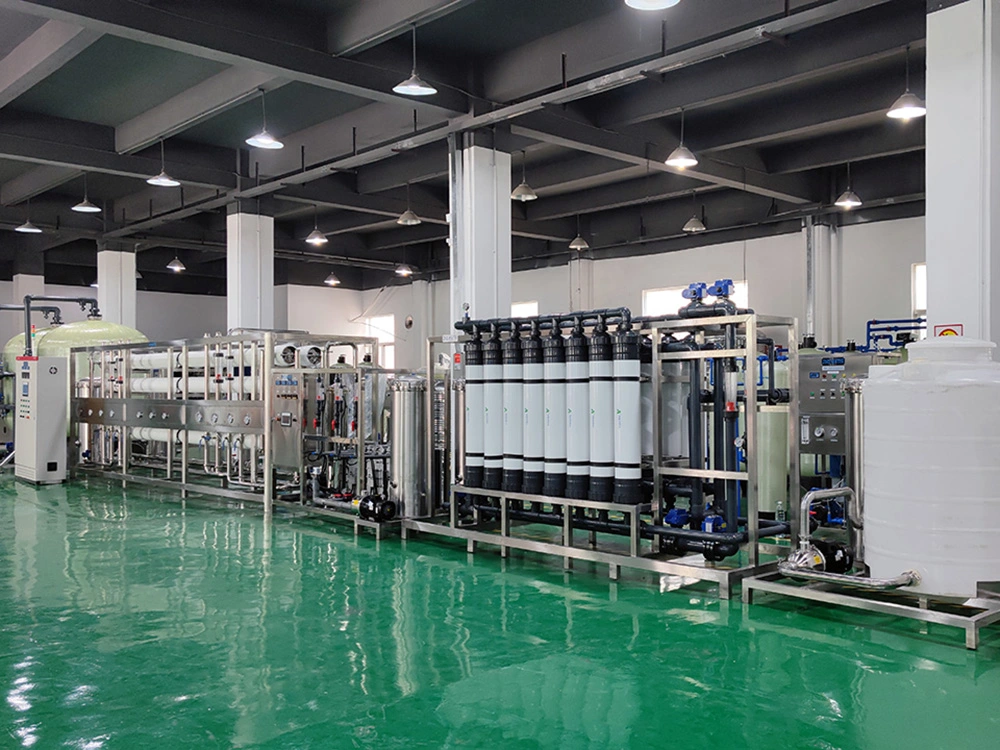
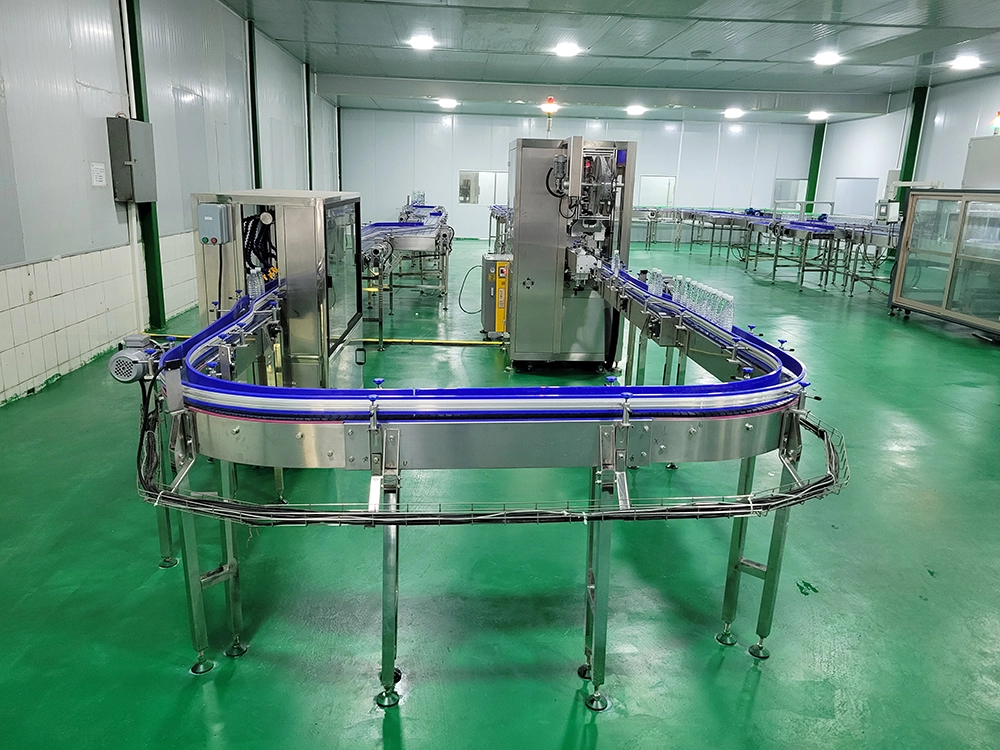
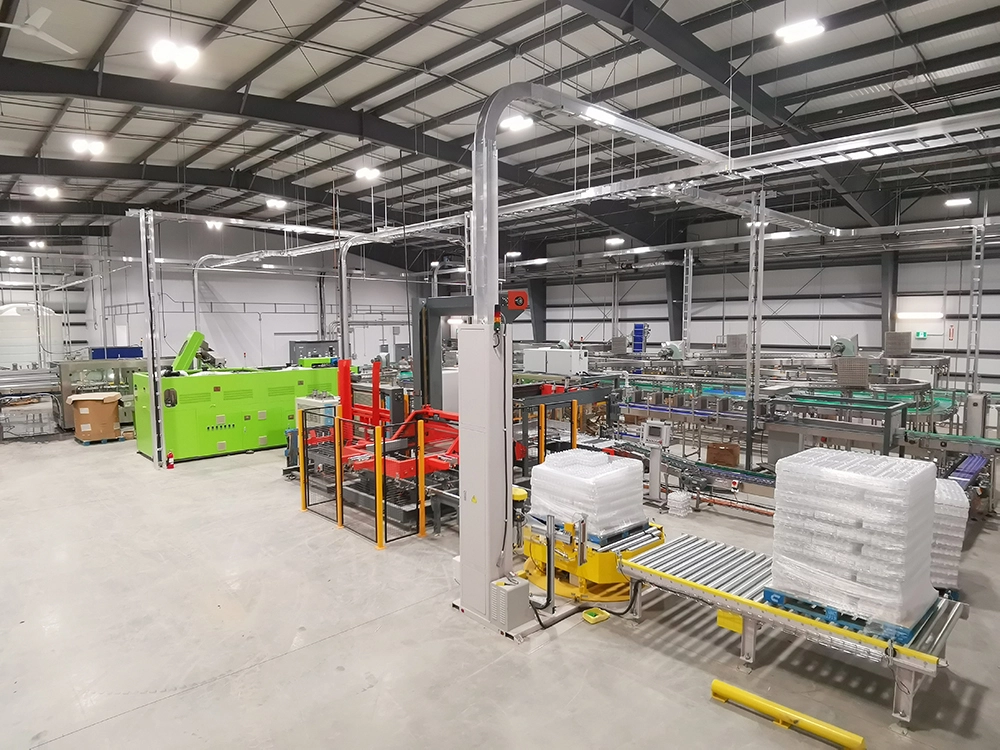
Efficient production and supply chain management are crucial for ensuring that your drink company can consistently produce and deliver high-quality products to meet customer demand. This involves carefully planning and coordinating all aspects of the production process, from sourcing raw materials to manufacturing, packaging, and distribution. Start by selecting the right production method. You can choose to manufacture your drinks in-house, outsource production to a contract manufacturer, or use a combination of both. Manufacturing in-house gives you more control over the production process but requires significant investment in equipment and facilities. Outsourcing production can be more cost-effective but requires careful selection of a reliable and qualified contract manufacturer. Develop a detailed production plan. This plan should outline the steps involved in the production process, the equipment and materials needed, the production schedule, and the quality control procedures. It should also include contingency plans for dealing with potential disruptions. Establish a reliable supply chain. This involves sourcing raw materials from reputable suppliers, negotiating favorable pricing and payment terms, and ensuring timely delivery of materials. Consider using a supply chain management software system to track inventory and manage orders. Implement quality control procedures. This includes inspecting raw materials, monitoring the production process, and testing finished products to ensure that they meet quality standards. Implement a hazard analysis and critical control points (HACCP) system to identify and control potential food safety hazards. Optimize your packaging process. Choose packaging materials that are attractive, functional, and sustainable. Implement efficient packaging procedures to minimize waste and ensure product integrity. Manage your inventory effectively. This involves forecasting demand, ordering materials in a timely manner, and storing inventory properly to prevent spoilage and damage. Use inventory management software to track inventory levels and optimize ordering quantities. Streamline your distribution process. Choose the most efficient and cost-effective distribution channels for your products. This may involve selling directly to retailers, using a distributor, or selling online. Implement a logistics management system to track shipments and manage deliveries. Consider sustainability in your production and supply chain. Implement sustainable practices to minimize your environmental impact. This may include using recycled materials, reducing waste, and conserving energy. Monitor and improve your production and supply chain performance. Track key performance indicators (KPIs) such as production costs, lead times, and defect rates. Use this data to identify areas for improvement and implement changes to optimize your production and supply chain. By implementing efficient production and supply chain management practices, you can ensure that your drink company can consistently produce and deliver high-quality products to meet customer demand while minimizing costs and environmental impact.
Branding and Marketing Strategies
In the competitive beverage industry, a strong brand and effective marketing strategies are essential for standing out from the crowd and attracting customers. Branding is more than just a logo or a name; it's the overall image and perception of your company and its products. Marketing is the process of communicating your brand message to your target audience and persuading them to buy your products. Start by defining your brand identity. This involves identifying your company's values, mission, and personality. What makes your brand unique? What are you trying to communicate to your customers? Develop a brand name and logo that reflect your brand identity. Your brand name should be memorable, easy to pronounce, and relevant to your products. Your logo should be visually appealing and recognizable. Create a brand style guide. This guide should outline the visual elements of your brand, including your logo, colors, typography, and imagery. It should also provide guidelines for how to use these elements consistently across all your marketing materials. Develop a marketing plan. This plan should outline your marketing goals, target audience, marketing strategies, and budget. It should also include a timeline for implementing your marketing activities. Utilize digital marketing channels. This includes creating a website, using social media, email marketing, and search engine optimization (SEO). Your website should be informative, visually appealing, and easy to navigate. Use social media to connect with your target audience, share your brand message, and promote your products. Email marketing can be used to build relationships with customers and promote sales. SEO can help you improve your website's ranking in search engine results pages. Consider traditional marketing channels. This includes advertising in print, radio, and television, as well as participating in trade shows and events. Traditional marketing can be effective for reaching a wider audience and building brand awareness. Implement a public relations strategy. This involves building relationships with journalists and bloggers to generate positive media coverage for your company and products. Public relations can be a cost-effective way to build brand awareness and credibility. Monitor and measure your marketing results. Track key performance indicators (KPIs) such as website traffic, social media engagement, and sales. Use this data to evaluate the effectiveness of your marketing activities and make adjustments as needed. Be authentic and transparent. Consumers are increasingly skeptical of marketing messages. Be honest and transparent in your communications and build trust with your customers. By developing a strong brand and implementing effective marketing strategies, you can increase brand awareness, attract customers, and drive sales for your drink company.
Distribution and Retail Partnerships
Getting your drink products into the hands of consumers requires a well-defined distribution strategy and strong retail partnerships. Distribution involves the process of moving your products from your manufacturing facility to retailers or directly to consumers. Retail partnerships are agreements with retailers to sell your products in their stores. There are several distribution channels to consider. Direct sales involve selling your products directly to consumers through your own website, retail store, or farmers market. This gives you more control over the customer experience but requires significant investment in marketing and sales. Wholesale distribution involves selling your products to distributors who then sell them to retailers. This can be a cost-effective way to reach a wider audience but gives you less control over the customer experience. Retail distribution involves selling your products directly to retailers who then sell them to consumers. This requires building relationships with retailers and negotiating favorable terms. Online marketplaces such as Amazon and Alibaba can provide access to a large customer base and streamline the distribution process. Choose the distribution channels that best suit your products, target market, and budget. When selecting retail partners, consider factors such as their customer base, store locations, and marketing capabilities. Look for retailers that align with your brand values and target market. Build strong relationships with your retail partners. This involves communicating regularly, providing excellent customer service, and offering incentives to promote your products. Negotiate favorable terms with your retail partners. This includes pricing, payment terms, and shelf placement. Offer marketing support to your retail partners. This may include providing point-of-sale materials, running promotions, and participating in joint marketing campaigns. Consider exclusive distribution agreements. This involves granting a distributor or retailer exclusive rights to sell your products in a specific geographic area. This can provide you with more control over the distribution process and ensure that your products are properly marketed. Monitor and evaluate your distribution and retail partnerships. Track key performance indicators (KPIs) such as sales, inventory levels, and customer satisfaction. Use this data to evaluate the effectiveness of your distribution and retail partnerships and make adjustments as needed. By developing a sound distribution strategy and building strong retail partnerships, you can ensure that your drink products are readily available to consumers and drive sales for your company.
Conclusion and Next Steps
Starting a drink company is a challenging but rewarding endeavor. It requires careful planning, dedication, and a willingness to adapt to the ever-changing market. This guide has provided a comprehensive overview of the key steps involved in launching a successful beverage business, from conducting market research to developing a product, securing financing, and establishing distribution channels. To summarize, the key takeaways are: Conduct thorough market research to identify opportunities and understand your target audience. Develop a detailed business plan to guide your decisions and secure funding. Comply with all applicable laws and regulations. Secure adequate financing to cover your startup costs. Develop a unique and appealing product. Implement efficient production and supply chain management practices. Develop a strong brand and effective marketing strategies. Establish distribution channels and build strong retail partnerships. As a next step, revisit your business plan and refine it based on the insights you've gained. Conduct further market research to validate your product idea and identify potential customers. Begin developing your product formulation and packaging. Start networking with industry professionals and potential investors. Seek advice from experienced entrepreneurs and mentors. Remember that starting a business is a marathon, not a sprint. Be patient, persistent, and adaptable. Don't be afraid to make mistakes, but learn from them. Celebrate your successes along the way. Here are some additional resources to help you on your journey: The Small Business Administration (SBA) offers free resources and counseling to entrepreneurs. SCORE is a non-profit organization that provides free mentoring and advice to small businesses. Industry associations such as the National Restaurant Association and the Beverage Marketing Corporation offer valuable resources and networking opportunities. Online forums and communities can provide support and advice from other entrepreneurs. By taking these next steps and continuing to learn and grow, you can increase your chances of success in the exciting and competitive beverage industry. We at JNDwater are here to support your journey. Our advanced equipment and expertise can help you streamline your production process, ensuring you create high-quality beverages efficiently and effectively. Contact us today to learn more about how we can help you bring your drink company vision to life.