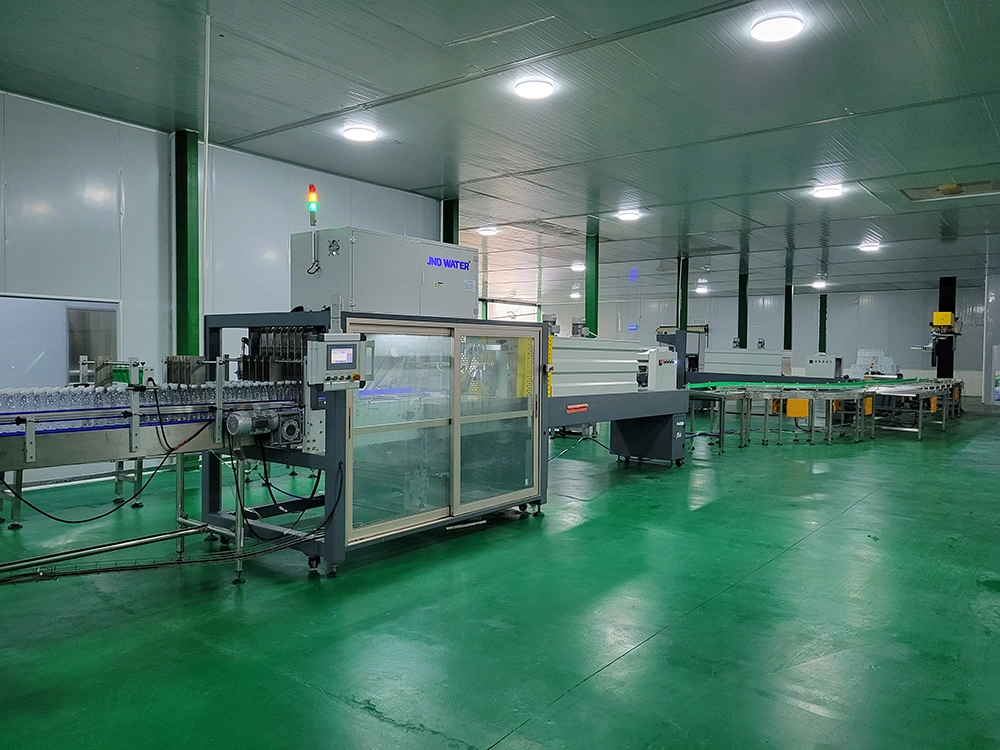
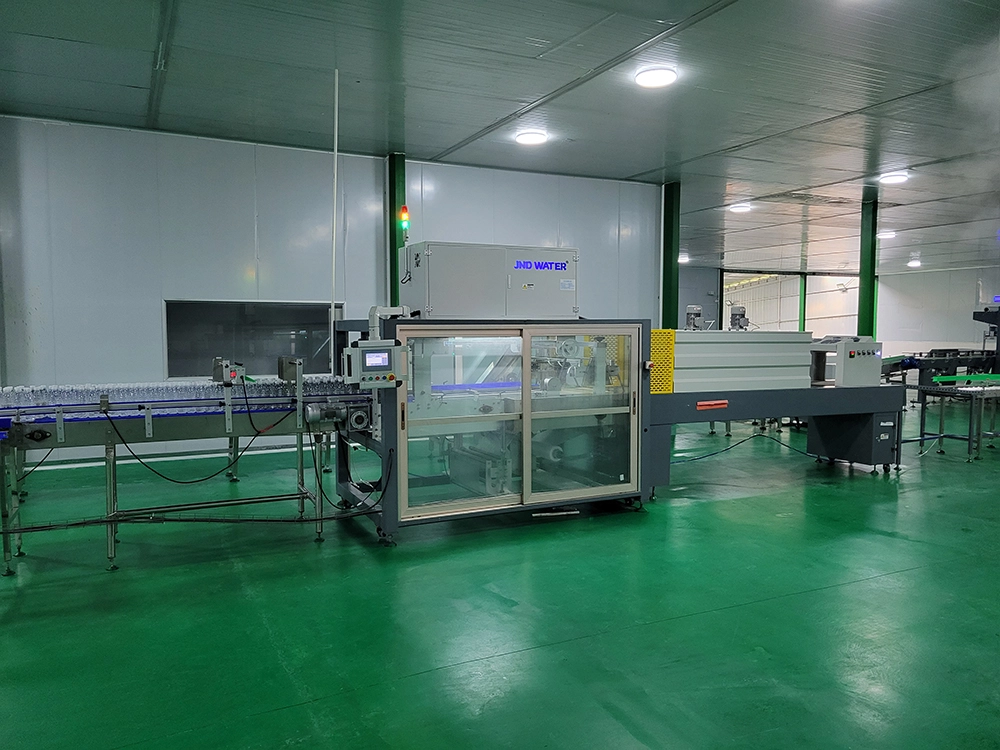
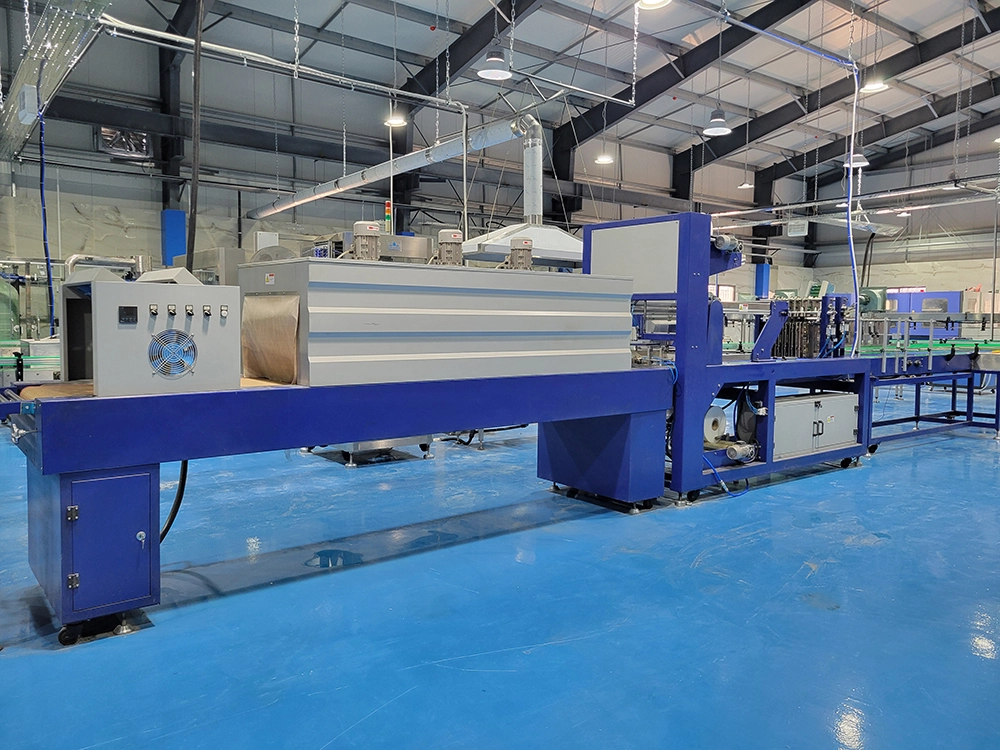
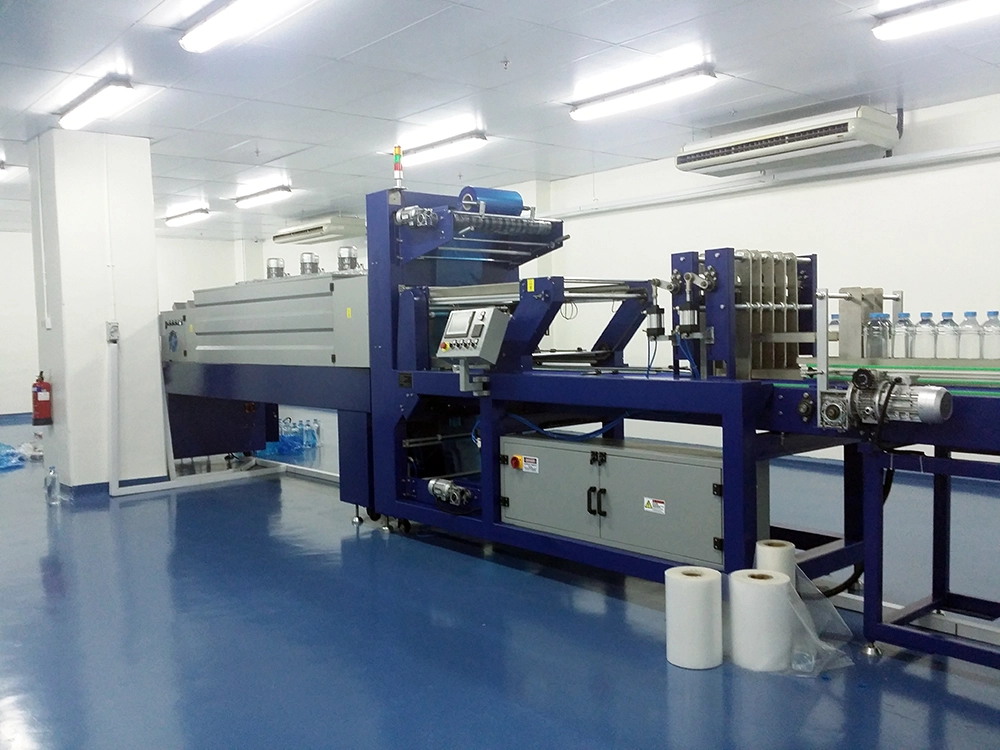
Working Principles and Mechanisms of Automatic Shrink Wrap Machines
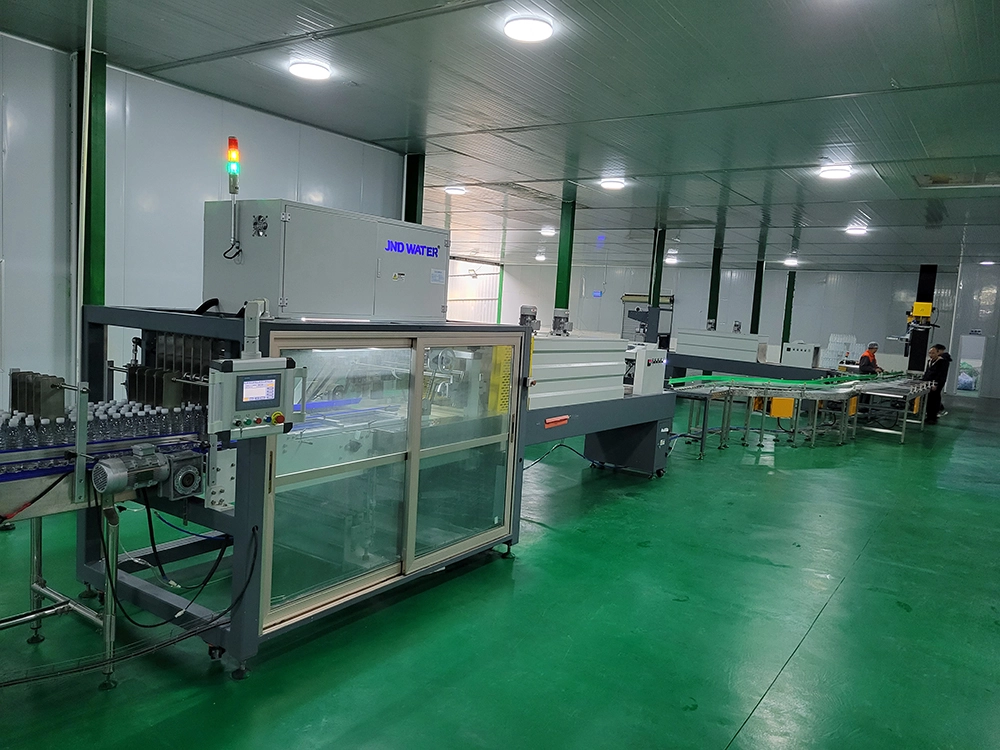
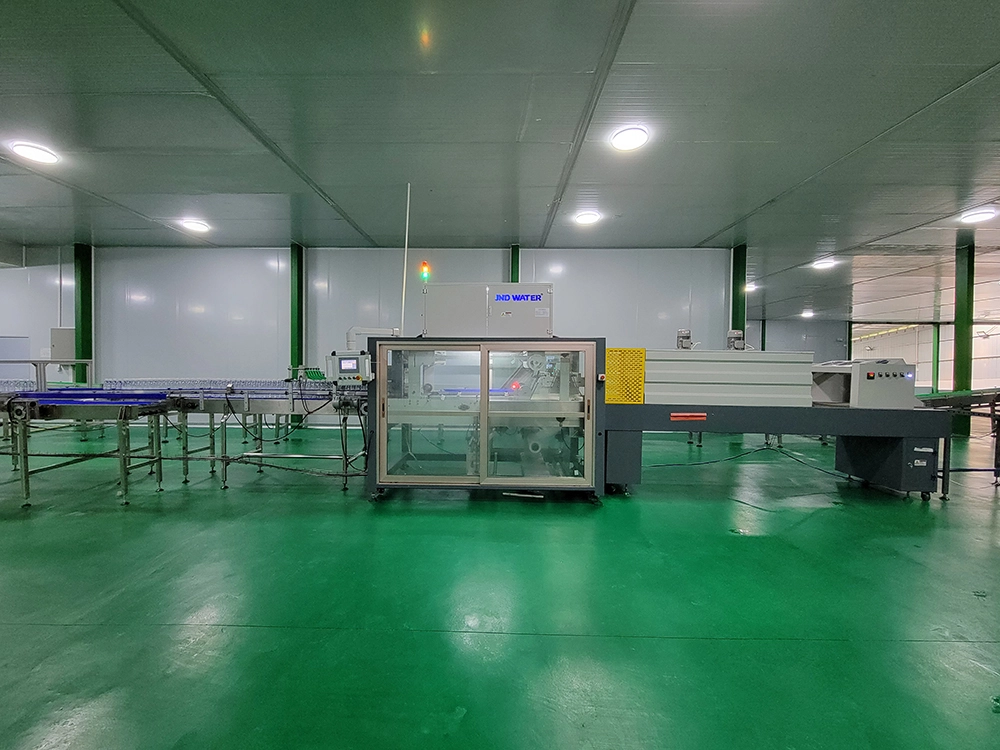
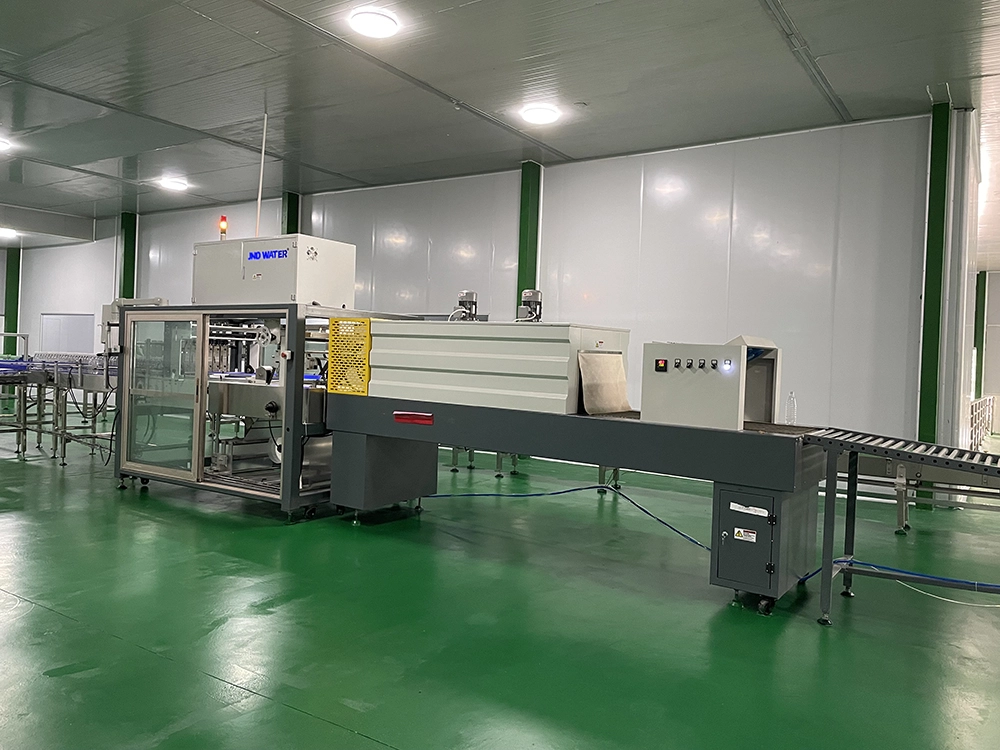
Understanding the inner workings of an automatic shrink wrap machine is crucial for appreciating its efficiency and effectiveness in modern packaging processes. These machines are designed to streamline the packaging of various products, from beverages and food items to pharmaceuticals and consumer goods. Let's delve into the step-by-step mechanical processes and internal mechanisms that make these machines operate seamlessly.
The Core Process: A Step-by-Step Breakdown
- Infeed and Alignment: The process begins with products being fed into the machine, often via a conveyor system. The machine precisely aligns the products to ensure consistent and accurate wrapping. Sensors play a vital role in detecting the presence and position of each item, preventing misfeeds and jams.
- Film Unwinding and Cutting: Rolls of shrink film, typically made of polyethylene (PE) or polypropylene (PP), are unwound from a spool. The machine then cuts the film to the appropriate length, based on the dimensions of the product or product bundle. Precise cutting mechanisms, such as heated blades or rotary cutters, ensure clean and consistent film separation.
- Wrapping: The cut film is then wrapped around the product or bundle. Different machines employ various wrapping techniques. Some use a single sheet of film that is folded around the product, while others use two sheets that are sealed together. The wrapping process must be tight and secure to prepare the product for the shrinking phase.
- Sealing: Once the product is wrapped, the edges of the film are sealed together to create a closed package. This is typically achieved using heat sealing, where heated elements melt the film edges and fuse them together. The sealing process is critical for maintaining the integrity of the package and preventing it from unraveling during the shrinking phase.
- Shrinking: The wrapped and sealed product then passes through a heat tunnel. This tunnel uses hot air to shrink the film tightly around the product. The temperature and duration of exposure are carefully controlled to achieve optimal shrinkage without damaging the product or the film.
- Cooling: After exiting the heat tunnel, the product enters a cooling zone. This rapidly cools the film, solidifying the shrink wrap and creating a tight, secure package. Cooling can be achieved using fans or chilled air.
- Output: Finally, the wrapped and cooled product is discharged from the machine, ready for further processing, storage, or shipment.
Internal Mechanisms and Key Components
- Conveyor System: The conveyor system is the backbone of the automatic shrink wrap machine, responsible for moving products through each stage of the wrapping process. These systems are often adjustable to accommodate different product sizes and shapes.
- Film Feeding and Cutting Mechanism: This mechanism ensures that the correct amount of film is unwound and cut for each product. It typically includes sensors, rollers, and cutting blades that work in precise synchronization.
- Sealing System: The sealing system uses heat to fuse the edges of the film together. It includes heated sealing bars, temperature controllers, and pressure mechanisms to ensure a strong and consistent seal.
- Heat Tunnel: The heat tunnel is a critical component that uses hot air to shrink the film around the product. It includes heating elements, temperature sensors, and air circulation systems to maintain a consistent and controlled temperature.
- Control System: The control system is the brain of the machine, responsible for coordinating all of the various mechanisms and ensuring that the wrapping process runs smoothly. It typically includes a programmable logic controller (PLC), sensors, and human-machine interface (HMI) for operator control and monitoring.
Enhancements and Customizations
Modern automatic shrink wrap machines often include advanced features such as automatic film splicing, which allows for continuous operation without the need to stop and reload film rolls. They may also include automatic label applicators, date coders, and other features to enhance the packaging process. For businesses with unique packaging needs, OEM & ODM options are available to customize machines to specific requirements.
By understanding the working principles and internal mechanisms of an automatic shrink wrap machine, businesses can make informed decisions about which machine is right for their needs and how to optimize its performance for maximum efficiency and productivity. A short animated video showcasing the entire process would further enhance understanding and demonstrate the machine's capabilities in a dynamic and engaging way.
User Testimonials and Case Studies: Real-World Success with Automatic Shrink Wrap Machines
Hearing directly from users about their experiences with automatic shrink wrap machines provides invaluable insights into the real-world benefits and challenges associated with these systems. User testimonials and case studies serve as powerful tools for demonstrating the effectiveness of JND Water's OEM & ODM automatic shrink wrap machines in various industries. Let's explore how these stories can highlight the advantages of adopting this technology.
The Power of User Testimonials
User testimonials offer a personal and relatable perspective on the impact of automatic shrink wrap machines. These firsthand accounts often focus on specific pain points that were resolved by implementing the technology, such as reducing labor costs, increasing production speed, or improving package appearance. A compelling testimonial might describe how a small beverage company was able to double its output with the same number of employees after investing in an automatic shrink wrap machine. Such stories resonate with potential customers who are facing similar challenges.
Case Studies: In-Depth Analysis of Success
Case studies take a more analytical approach, providing detailed information about the background, implementation, and results of using automatic shrink wrap machines in a specific business context. These studies typically include quantitative data, such as before-and-after comparisons of production rates, cost savings, and customer satisfaction. They also delve into the specific features and benefits of the machine that contributed to the positive outcomes. For example, a case study might examine how a large food processing plant reduced its packaging waste by 20% by switching to an automatic shrink wrap machine that uses thinner, more sustainable film.
Showcasing Diverse Applications
To effectively demonstrate the versatility of automatic shrink wrap machines, it's important to showcase case studies from a variety of industries. This could include examples from the beverage, food, pharmaceutical, cosmetic, and consumer goods sectors. Each case study should highlight the unique challenges and requirements of the industry and how the automatic shrink wrap machine was able to meet those needs. For instance, a case study from the pharmaceutical industry might focus on the machine's ability to maintain strict hygiene standards and ensure tamper-evident packaging.
OEM & ODM Success Stories
Highlighting successful OEM & ODM projects can be particularly impactful. These stories demonstrate the ability to customize automatic shrink wrap machines to meet highly specific and complex requirements. For example, a case study might describe how JND Water worked with a startup to design and build a custom shrink wrap machine that could handle irregularly shaped products. This would showcase the company's engineering expertise and commitment to providing tailored solutions.
Key Elements of Effective Case Studies
- Background: Provide context about the company, its industry, and the challenges it was facing.
- Implementation: Describe the process of selecting, installing, and integrating the automatic shrink wrap machine into the company's operations.
- Results: Present quantitative data on the impact of the machine, such as increased production, reduced costs, and improved quality.
- Benefits: Highlight the specific features and benefits of the machine that contributed to the positive outcomes.
- Testimonial: Include a quote from a satisfied customer that summarizes their experience with the machine.
By incorporating user testimonials and case studies into the product page, JND Water can build trust and credibility with potential customers. These stories provide tangible evidence of the value and effectiveness of automatic shrink wrap machines, making it easier for businesses to justify the investment.
Competitive Analysis: JND Water vs. the Competition
In the competitive landscape of automatic shrink wrap machines, providing a detailed analysis of how JND Water's offerings stack up against other major brands is crucial for informed decision-making. Potential buyers want to know they are making the best investment, and a well-researched competitive analysis can provide the necessary clarity. This section should focus on key aspects such as performance, pricing, customer feedback, and unique selling propositions.
Key Competitors and Their Strengths
Identify the primary competitors in the automatic shrink wrap machine market. These might include established brands known for their reliability, as well as newer entrants focusing on innovation and affordability. For each competitor, highlight their key strengths and weaknesses. For example:
- Company A: Known for high-speed, high-volume solutions but at a premium price point. Customer feedback often mentions excellent build quality but also higher maintenance costs.
- Company B: Offers more budget-friendly options, but performance may be limited for demanding applications. Customer reviews sometimes cite issues with durability and responsiveness of customer support.
- Company C: Specializes in niche applications and custom solutions. While highly adaptable, their lead times can be longer, and their pricing is often higher than standard models.
Performance Comparison
Compare JND Water's automatic shrink wrap machines to the competition based on measurable performance metrics. This could include:
- Speed: Units per minute or hour that the machine can process.
- Film Compatibility: Range of film types and thicknesses that the machine can handle.
- Product Size Range: Minimum and maximum product dimensions the machine can accommodate.
- Energy Efficiency: Power consumption per unit packaged.
- Downtime: Average downtime for maintenance and repairs.
Present this data in a clear and concise format, such as a table or chart, making it easy for potential buyers to compare the machines side-by-side. Be transparent about the data sources and methodologies used.
Pricing Analysis
Provide a general overview of the pricing for JND Water's automatic shrink wrap machines compared to the competition. While exact pricing may vary depending on customization and specific features, offer a range or relative comparison. For example:
- Entry-Level Models: JND Water's entry-level models are competitively priced, offering a balance of performance and affordability.
- Mid-Range Models: JND Water's mid-range models provide superior performance and features compared to competitors in the same price bracket.
- High-End Models: JND Water's high-end models offer comparable performance to top-tier competitors but with potentially more flexible customization options.
Customer Feedback and Reviews
Summarize customer feedback and reviews for JND Water's automatic shrink wrap machines, as well as those of the competitors. Highlight common themes and sentiments. This could include:
- Reliability and Durability: How often do customers report issues with machine breakdowns or wear and tear?
- Ease of Use: How easy is the machine to set up, operate, and maintain?
- Customer Support: How responsive and helpful is the customer support team?
- Overall Satisfaction: What is the overall level of satisfaction among customers?
Include direct quotes from customer reviews to add authenticity and credibility to the analysis.
Unique Selling Propositions (USPs)
Clearly articulate the unique selling propositions of JND Water's automatic shrink wrap machines. What sets them apart from the competition? This could include:
- Customization Options: The ability to tailor machines to specific customer requirements through OEM & ODM services.
- Innovative Technology: Proprietary features or technologies that enhance performance or efficiency.
- Superior Customer Service: A commitment to providing exceptional customer support and service.
- Competitive Pricing: Offering a balance of performance and affordability.
By providing a comprehensive competitive analysis, JND Water can empower potential buyers to make informed decisions and choose the automatic shrink wrap machine that best meets their needs. Transparency and objectivity are key to building trust and credibility.
Environmental and Safety Standards: JND Water's Commitment
In today's world, environmental responsibility and workplace safety are paramount. Customers are increasingly concerned about the environmental impact of their purchases, and businesses are obligated to ensure the safety of their employees. JND Water's commitment to environmental and safety standards in the design and operation of its automatic shrink wrap machines is a critical aspect that should be highlighted. This section should detail the specific measures taken to minimize environmental impact and ensure safe operation.
Energy Efficiency and Conservation
One of the most significant ways to reduce the environmental impact of automatic shrink wrap machines is to improve their energy efficiency. Detail the specific design features and technologies that contribute to energy conservation. This could include:
- Energy-Efficient Motors: Using high-efficiency motors that consume less power.
- Optimized Heating Systems: Designing heat tunnels with improved insulation and air circulation to minimize heat loss.
- Smart Controls: Implementing control systems that automatically adjust power consumption based on production volume and other factors.
- Standby Modes: Incorporating standby modes that reduce power consumption when the machine is not in use.
Provide data on the energy consumption of JND Water's automatic shrink wrap machines compared to industry averages. This can help customers understand the potential cost savings and environmental benefits of choosing JND Water.
Waste Reduction and Recycling
Another important aspect of environmental responsibility is minimizing waste and promoting recycling. Describe the measures taken to reduce waste in the manufacturing process and to make the machines more recyclable at the end of their life cycle. This could include:
- Material Selection: Using recyclable materials in the construction of the machines.
- Design for Disassembly: Designing the machines for easy disassembly and recycling of components.
- Film Optimization: Working with film suppliers to develop thinner, more sustainable shrink films.
- Waste Management: Implementing waste management programs in the manufacturing facility to reduce waste and promote recycling.
Safety Features and Standards
Ensuring the safety of operators is a top priority. Detail the specific safety features incorporated into JND Water's automatic shrink wrap machines to protect workers from injury. This could include:
- Emergency Stop Buttons: Strategically placed emergency stop buttons that immediately halt the machine in case of an emergency.
- Safety Guards and Interlocks: Physical barriers and interlocks that prevent access to moving parts and hazardous areas.
- Temperature Controls: Precise temperature controls and safety mechanisms to prevent overheating and burns.
- Noise Reduction: Design features to minimize noise levels and create a more comfortable working environment.
- Training and Documentation: Providing comprehensive training and documentation to ensure that operators are properly trained on safe operating procedures.
Compliance with Environmental and Safety Regulations
Highlight JND Water's compliance with relevant environmental and safety regulations, such as:
- ISO 14001: Certification for environmental management systems.
- OHSAS 18001 / ISO 45001: Certification for occupational health and safety management systems.
- CE Marking: Compliance with European safety standards.
- Local Regulations: Compliance with relevant environmental and safety regulations in the countries where the machines are sold.
By demonstrating a strong commitment to environmental and safety standards, JND Water can build trust and credibility with customers and stakeholders. This can be a significant competitive advantage in today's market.
Frequently Asked Questions (FAQs) About Automatic Shrink Wrap Machines
A comprehensive FAQ section is essential for addressing common questions and concerns that potential customers may have about automatic shrink wrap machines. This section should provide clear, concise, and informative answers to help users understand the product better and make informed decisions. Here are some key questions to consider including:
General Questions
- What is an automatic shrink wrap machine and how does it work?
An automatic shrink wrap machine is a packaging system that uses heat to shrink film tightly around a product or package. The process typically involves feeding the product into the machine, wrapping it with film, sealing the film, and then passing it through a heat tunnel to shrink the film. The result is a tight, protective, and visually appealing package.
- What are the benefits of using an automatic shrink wrap machine?
The benefits include increased production speed, reduced labor costs, improved package appearance, enhanced product protection, and tamper-evident packaging. Automatic shrink wrap machines can also handle a wide variety of product sizes and shapes.
- What types of products can be shrink wrapped?
Automatic shrink wrap machines can be used to package a wide range of products, including beverages, food items, pharmaceuticals, cosmetics, consumer goods, and industrial products.
- What types of shrink film are used in these machines?
Common types of shrink film include polyethylene (PE), polypropylene (PP), and polyvinyl chloride (PVC). The choice of film depends on the product being packaged, the desired level of protection, and the aesthetic requirements.
Technical Questions
- What are the power requirements for an automatic shrink wrap machine?
Power requirements vary depending on the size and complexity of the machine. Typical machines require 220V or 480V power and may consume several kilowatts of electricity. Consult the product specifications for detailed power requirements.
- What is the maximum product size that the machine can handle?
The maximum product size depends on the model of the machine. Check the product specifications for the maximum width, height, and length that the machine can accommodate.
- What is the production speed of the machine?
Production speed is measured in units per minute or hour and varies depending on the product size, film type, and machine settings. Consult the product specifications for the typical production speed.
- What is the heat sealing temperature range?
The heat sealing temperature range typically falls between 100°C and 200°C, depending on the type of film being used. The machine should have precise temperature controls to ensure consistent sealing.
Maintenance and Support Questions
- What is the recommended maintenance schedule for an automatic shrink wrap machine?
Regular maintenance is essential for ensuring optimal performance and longevity. The recommended maintenance schedule typically includes daily cleaning, weekly lubrication, and monthly inspections. Consult the user manual for detailed maintenance instructions.
- What type of technical support is available?
Technical support may include phone support, online support, on-site service, and spare parts availability. JND Water offers comprehensive technical support to ensure that customers can keep their machines running smoothly.
- How do I troubleshoot common problems with the machine?
The user manual provides troubleshooting tips for common problems such as film jams, sealing issues, and temperature fluctuations. If you are unable to resolve the problem, contact technical support for assistance.
- What is the warranty period for the machine?
The warranty period typically covers defects in materials and workmanship for a specified period of time, such as one year. Consult the warranty documentation for detailed terms and conditions.
Purchasing Questions
- What is the price of an automatic shrink wrap machine?
The price varies depending on the size, features, and complexity of the machine. Contact JND Water for a quote based on your specific requirements.
- What are the financing options available?
Financing options may include leasing, loans, and payment plans. Contact JND Water to discuss financing options.
- What is the lead time for delivery?
Lead time varies depending on the availability of the machine and any customization requirements. Contact JND Water for an estimated delivery date.
- What is the installation process?
Installation may be performed by JND Water's technicians or by a qualified technician hired by the customer. JND Water provides detailed installation instructions and support.
By providing a comprehensive FAQ section, JND Water can address common questions and concerns, build trust with potential customers, and streamline the sales process.
Downloadable Resources & Manuals for Automatic Shrink Wrap Machines
Providing downloadable resources and manuals is a crucial step in supporting customers and empowering them to maximize the value of their automatic shrink wrap machines. These resources offer in-depth information, technical specifications, and practical guidance for operation, maintenance, and troubleshooting. By offering these materials, JND Water demonstrates its commitment to customer satisfaction and fosters a deeper understanding of its products.
Types of Downloadable Resources
- Technical Documentation: This includes detailed specifications, drawings, and diagrams of the automatic shrink wrap machine. Technical documentation is essential for engineers, technicians, and anyone who needs a comprehensive understanding of the machine's design and functionality.
- Operation Manuals: Operation manuals provide step-by-step instructions on how to operate the machine safely and efficiently. They cover topics such as setup, startup, shutdown, and basic operation procedures.
- Maintenance Manuals: Maintenance manuals outline the recommended maintenance schedule and procedures for keeping the machine in optimal condition. They cover topics such as lubrication, cleaning, inspection, and component replacement.
- Troubleshooting Guides: Troubleshooting guides provide solutions to common problems that may arise during operation. They cover topics such as film jams, sealing issues, temperature fluctuations, and electrical faults.
- Product Brochures: Product brochures provide an overview of the machine's features, benefits, and specifications. They are useful for marketing and sales purposes and can help potential customers make informed decisions.
- Spare Parts Catalogs: Spare parts catalogs list all of the available spare parts for the machine, along with part numbers and descriptions. They are essential for ordering replacement parts when needed.
- Software Downloads: If the machine uses software for control or monitoring, provide links to download the latest version of the software.
Benefits of Providing Downloadable Resources
- Improved Customer Satisfaction: Customers appreciate having access to comprehensive information about their machines. This empowers them to solve problems on their own and reduces the need for technical support.
- Reduced Support Costs: By providing detailed documentation, JND Water can reduce the volume of support requests and free up its technical support team to focus on more complex issues.
- Enhanced Product Knowledge: Downloadable resources help customers gain a deeper understanding of the machine's capabilities and limitations. This can lead to more efficient operation and better utilization of the machine's features.
- Increased Sales: Providing detailed information about the machine can help potential customers make informed decisions and increase the likelihood of a sale.
- Improved SEO: Offering downloadable resources can improve the website's search engine optimization (SEO) by providing valuable content that attracts organic traffic.
Best Practices for Offering Downloadable Resources
- Make Resources Easy to Find: Place links to downloadable resources prominently on the product page and in the customer support section of the website.
- Organize Resources Clearly: Organize resources by product model and type of document. Use clear and descriptive file names.
- Use PDF Format: Use PDF format for documents to ensure that they can be viewed on any device.
- Keep Resources Up-to-Date: Regularly update resources to reflect the latest product features, software versions, and safety guidelines.
- Provide Multiple Languages: Offer resources in multiple languages to support customers around the world.
- Track Downloads: Track downloads to understand which resources are most popular and to identify areas where more information is needed.
By providing a comprehensive library of downloadable resources, JND Water can empower its customers to get the most out of their automatic shrink wrap machines and build long-term relationships.