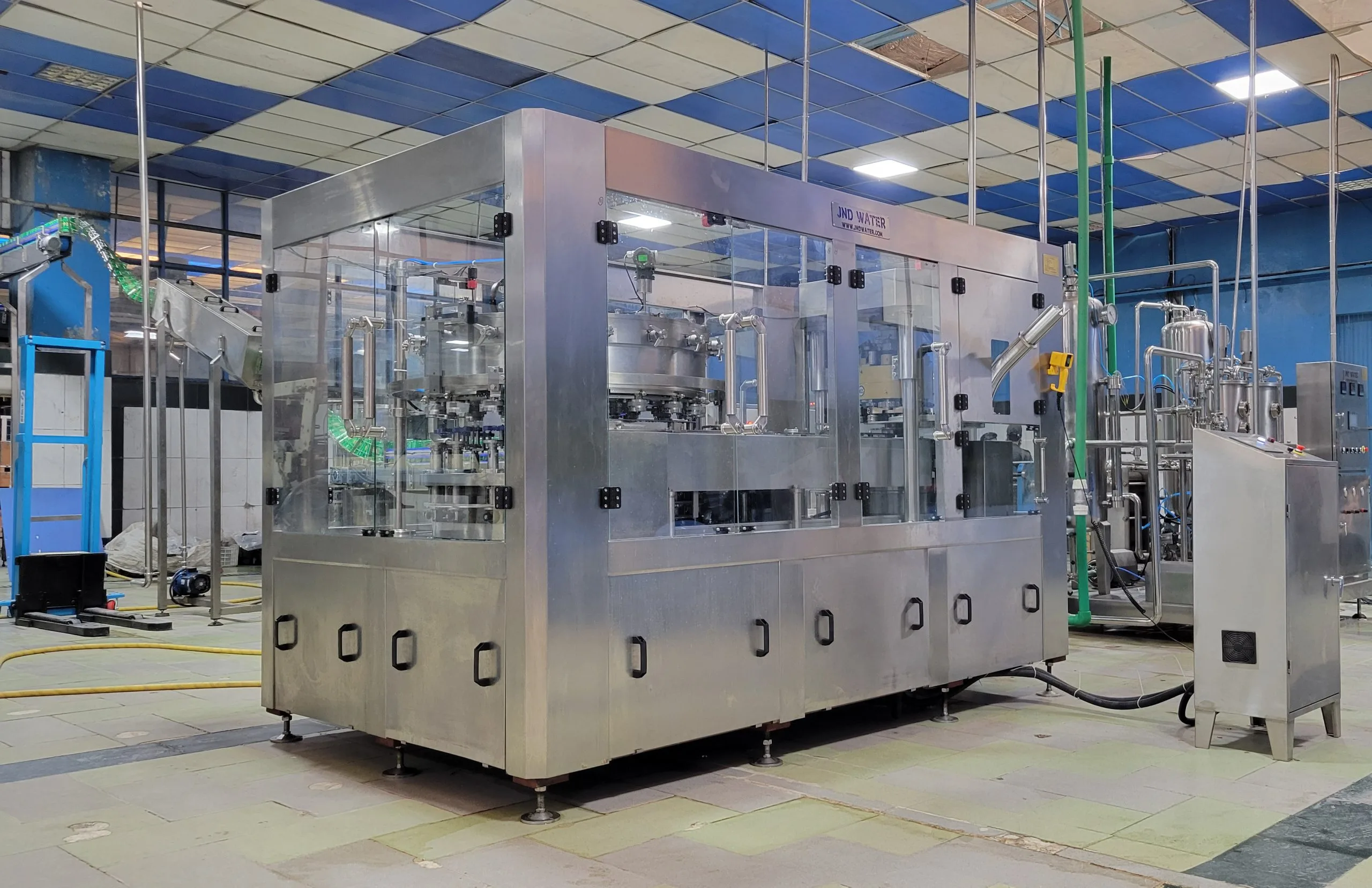
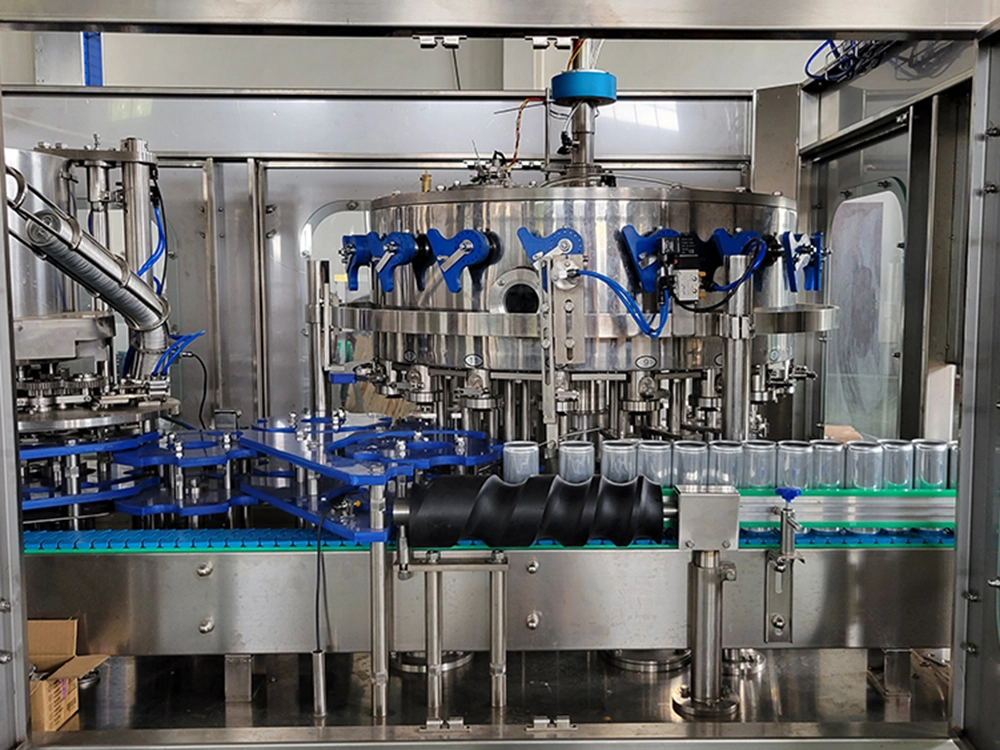
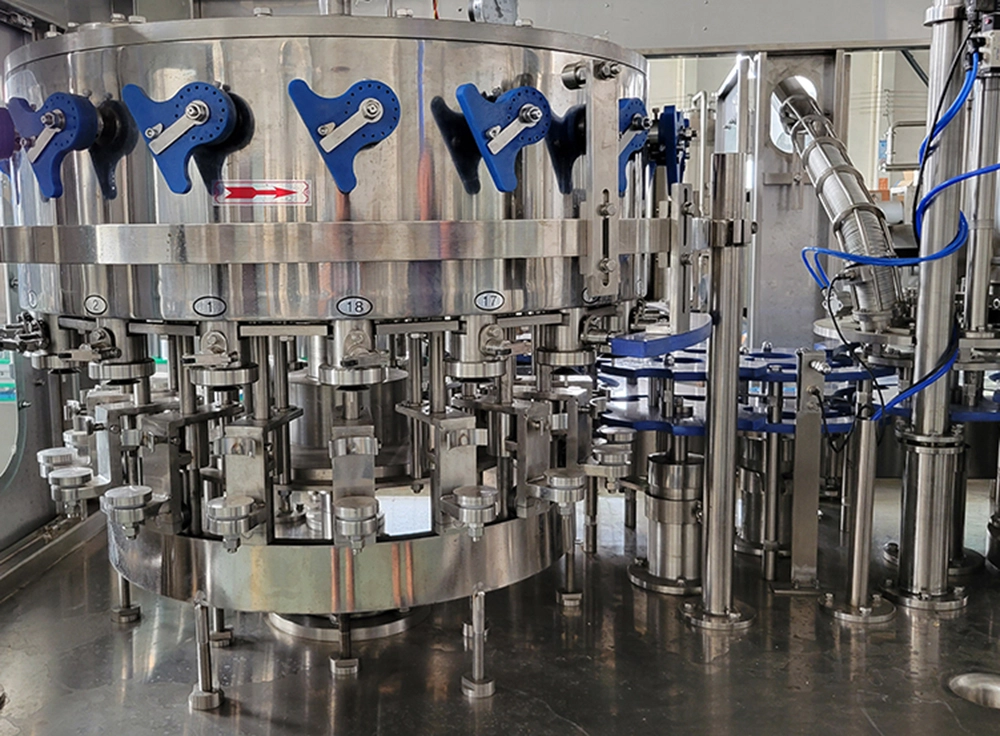
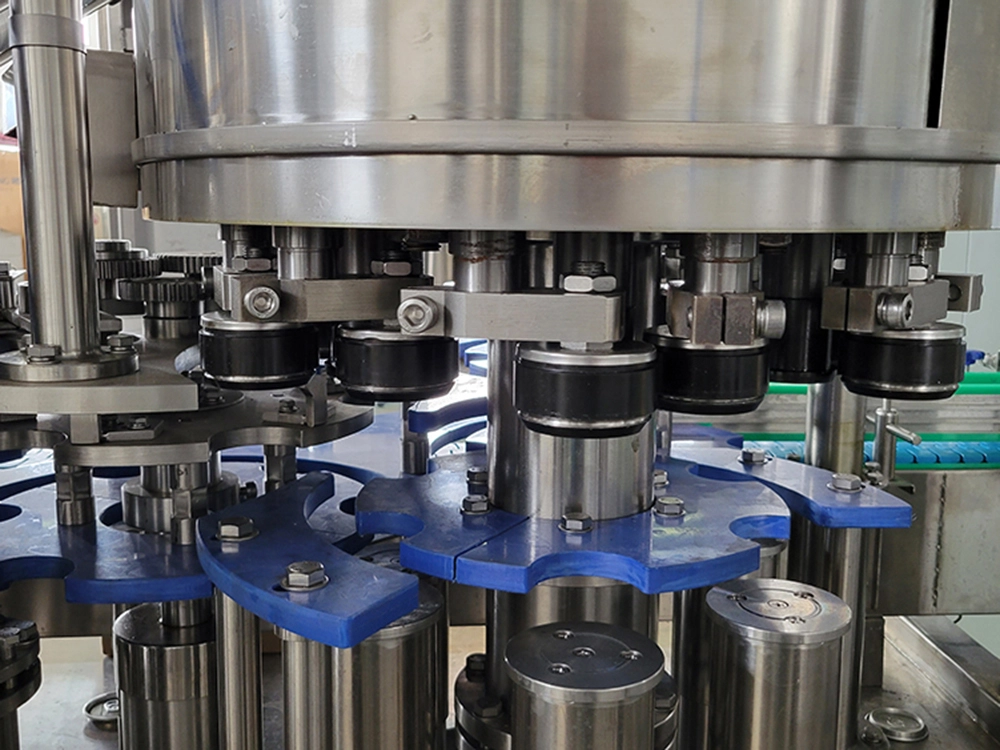
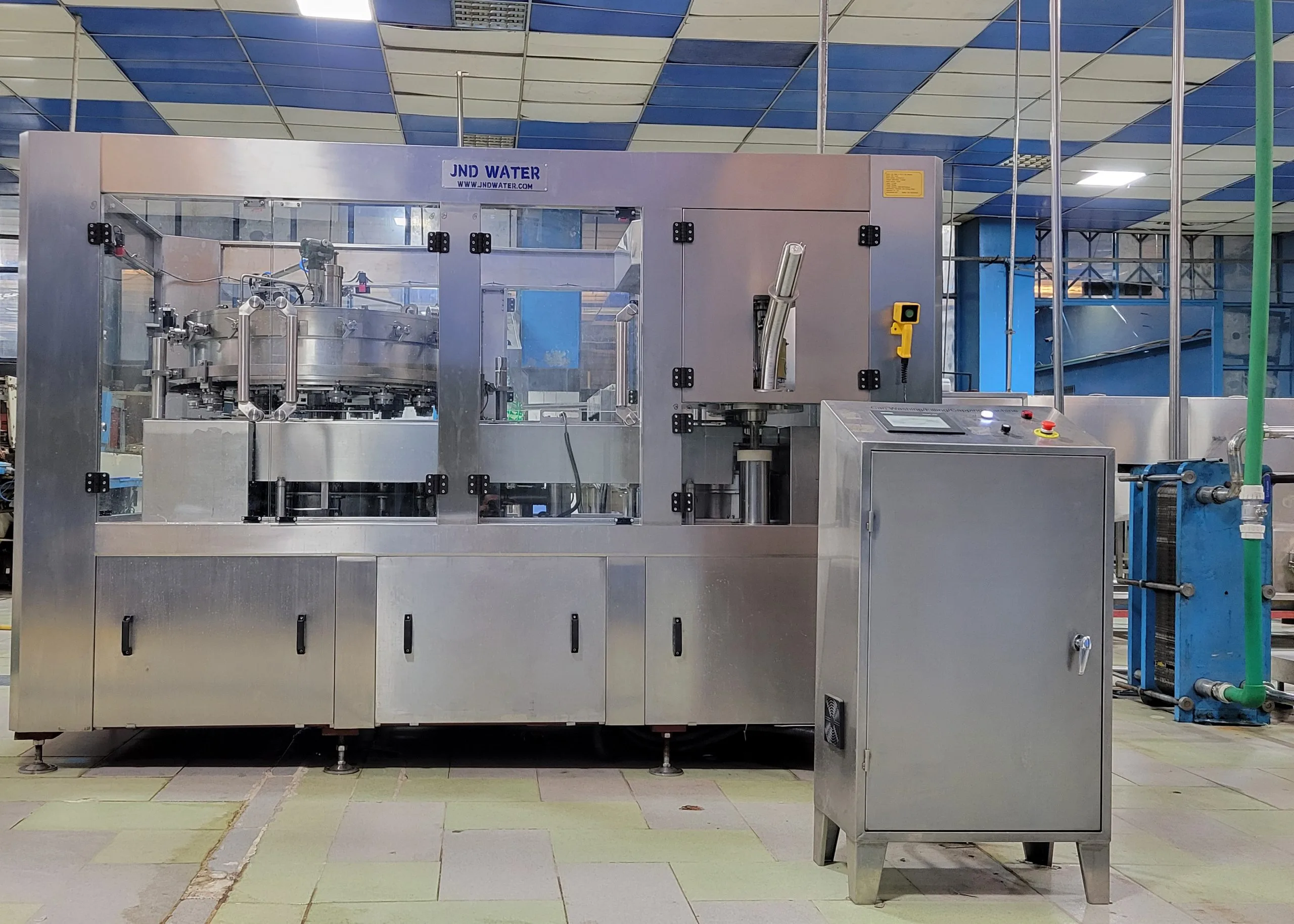
Introduction to OEM & ODM Beer Can Filling Machines
In the dynamic world of beverage production, especially within the craft beer industry, flexibility and customization are key. This is where Original Equipment Manufacturing (OEM) and Original Design Manufacturing (ODM) beer can filling machines come into play. But what exactly do these terms mean, and how can they benefit your brewery?
What is OEM? OEM, or Original Equipment Manufacturing, refers to a scenario where you, as the client, provide the design and specifications for a beer can filling machine. The manufacturer, in this case, JNDWATER, then produces the machine according to your exact requirements. Think of it as commissioning a bespoke suit – you choose the fabric, the cut, and every detail, and the tailor (JNDWATER) brings your vision to life.
What is ODM? ODM, or Original Design Manufacturing, takes things a step further. Here, JNDWATER not only manufactures the beer can filling machine but also designs it based on your broad requirements and needs. This is akin to collaborating with a designer who understands your brand and target market to create a unique product line. JNDWATER leverages its expertise and R&D capabilities to develop a filling machine that perfectly aligns with your brewery's goals.
Why Choose OEM or ODM? The beauty of OEM and ODM lies in their adaptability. They allow breweries, from startups to established giants, to tailor their equipment to meet specific production demands, space constraints, and branding requirements. Imagine a small-scale brewery with limited space needing a compact, high-efficiency filling machine. An ODM approach allows JNDWATER to design a solution that maximizes output while minimizing footprint. Or consider a larger brewery looking to expand its product line with uniquely shaped cans. An OEM partnership ensures the filling machine can handle these unconventional designs flawlessly.
JNDWATER's Expertise in OEM & ODM: JNDWATER stands out in the beverage equipment industry due to its commitment to understanding each client's unique challenges and opportunities. We don't just sell machines; we forge partnerships. Our team of experienced engineers and designers work closely with you throughout the entire process, from initial concept to final installation and ongoing support. We use cutting-edge technology and rigorous quality control measures to ensure that every OEM and ODM beer can filling machine delivers exceptional performance and reliability.
Examples of Successful OEM/ODM Implementations:
- Craft Brewery Expansion: A rapidly growing craft brewery partnered with JNDWATER through an ODM agreement to develop a filling machine that could handle their increased production volume while maintaining the quality and consistency their brand was known for. The result was a customized solution that doubled their output capacity and reduced filling errors by 15%.
- Specialty Beverage Producer: A company specializing in unique, non-traditional beverages required a filling machine capable of handling oddly shaped cans. Through an OEM agreement, JNDWATER manufactured a machine to their exact specifications, allowing them to efficiently package their innovative products.
Choosing between OEM and ODM depends on your brewery's internal capabilities and resources. If you have a well-defined design and simply need a reliable manufacturer, OEM might be the best option. If you need assistance with the design process and want to leverage the manufacturer's expertise, ODM is the way to go. Regardless of your choice, JNDWATER is here to guide you through the process and deliver a beer can filling machine that exceeds your expectations.
Benefits of Partnering with JNDWATER
Choosing the right partner for your beer can filling machine needs is a critical decision that can significantly impact your brewery's efficiency, profitability, and overall success. JNDWATER offers a compelling combination of expertise, customization, and support that sets us apart in the industry. Here's a detailed look at the benefits of partnering with us:
Customized Solutions Tailored to Your Needs: At JNDWATER, we understand that no two breweries are exactly alike. That's why we don't offer one-size-fits-all solutions. Instead, we take the time to understand your specific requirements, from production volume and can size to space constraints and budget limitations. Whether you need a fully automated, high-speed filling line or a more compact, semi-automatic system, we can tailor a solution that fits your needs perfectly. Our OEM and ODM capabilities ensure that you get a beer can filling machine that is optimized for your unique operation.
Enhanced Production Efficiency and Throughput: Our beer can filling machines are engineered for maximum efficiency and throughput. We utilize advanced technologies and precision components to minimize downtime, reduce waste, and optimize filling speeds. This translates to increased production capacity, allowing you to meet growing demand and improve your bottom line. Our machines are also designed for ease of operation and maintenance, further contributing to their overall efficiency.
Unwavering Commitment to Quality and Reliability: Quality is at the heart of everything we do at JNDWATER. We use only the highest quality materials and components in our beer can filling machines, and we adhere to strict quality control standards throughout the manufacturing process. Our machines are built to withstand the rigors of daily operation in a demanding brewery environment, ensuring years of reliable performance. We are confident in the durability and longevity of our machines, and we back them up with comprehensive warranties and responsive customer support.
Expert Technical Support and Service: Our commitment to our customers extends far beyond the initial sale. We provide comprehensive technical support and service to ensure that your beer can filling machine operates smoothly and efficiently for years to come. Our team of experienced technicians is available to provide remote troubleshooting, on-site repairs, and preventative maintenance services. We also offer training programs to help your staff become proficient in operating and maintaining the machine. We understand that downtime can be costly, so we are committed to providing timely and effective support to minimize disruptions to your production schedule.
Real-World Success Stories:
- Case Study: Regional Craft Brewery Achieves 30% Production Increase: A regional craft brewery partnered with JNDWATER to upgrade their existing filling line with a new, fully automated beer can filling machine. The result was a 30% increase in production capacity, allowing them to meet growing demand from their distributors. The brewery also reported a significant reduction in filling errors and waste, further contributing to their profitability.
- Testimonial: Startup Brewery Praises JNDWATER's Customization Capabilities: "As a startup brewery, we had very specific needs and a limited budget. JNDWATER worked with us to develop a customized beer can filling machine that fit our requirements perfectly. Their team was incredibly helpful and responsive throughout the entire process, and we couldn't be happier with the results." - John S., Founder, [Brewery Name]
Partnering with JNDWATER means gaining a trusted advisor and a reliable supplier of high-quality beer can filling machines. We are committed to helping you achieve your production goals and build a successful brewery. Contact us today to learn more about how we can help you optimize your filling operations.
How to Choose the Right Beer Can Filling Machine
Selecting the ideal beer can filling machine for your brewery is a crucial decision that hinges on several key factors. It's not just about buying a machine; it's about investing in a solution that aligns with your production needs, quality standards, and long-term goals. Here's a breakdown of the essential considerations to guide your choice:
Production Volume and Speed: This is arguably the most critical factor. Determine your current and projected production volume. A small-scale brewery might suffice with a semi-automatic machine, while a larger operation requires a fully automated, high-speed system. Consider the cans per minute (CPM) rating of the machine and ensure it meets your output requirements. Don't just look at the maximum CPM; consider the sustained CPM under typical operating conditions.
Can Size and Type: Different beers and beverages come in various can sizes and shapes. Ensure the filling machine can accommodate the range of can sizes you plan to use. Some machines are designed for standard cylindrical cans, while others can handle sleek cans, slim cans, or even uniquely shaped cans. Also, consider the can material (aluminum or steel) and ensure the machine is compatible.
Filling Accuracy and Precision: Accurate filling is essential for product consistency and to avoid overfilling or underfilling, which can lead to waste or customer dissatisfaction. Look for machines with precise filling mechanisms and automated weight checks to ensure consistent fill levels. Consider the filling technology used (e.g., volumetric, gravimetric) and its impact on accuracy.
Foam Control and CO2 Management: Beer is a carbonated beverage, and foam control is crucial during the filling process. Excessive foaming can lead to inaccurate filling, wasted product, and reduced production speed. Look for machines with advanced foam control features, such as CO2 purging, counter-pressure filling, and de-aeration systems. Proper CO2 management also helps maintain the beer's carbonation level and flavor profile.
Automation Level and Operator Skill: Consider the level of automation you need and the skill level of your operators. Fully automated machines require less manual intervention but may require more skilled technicians for maintenance and troubleshooting. Semi-automatic machines are more labor-intensive but may be a better option for smaller breweries with limited resources. Factor in training costs and ongoing maintenance requirements.
Maintenance and Cleaning: Regular maintenance and cleaning are essential for ensuring the longevity and hygiene of your beer can filling machine. Look for machines with easy-to-access components and CIP (Clean-in-Place) systems to simplify the cleaning process. Consider the availability of spare parts and the cost of maintenance services.
Budget and ROI: Finally, consider your budget and the return on investment (ROI) you expect from the machine. While it's tempting to go for the cheapest option, remember that quality and reliability are essential for long-term success. Factor in the cost of the machine, installation, training, maintenance, and potential downtime when calculating your ROI. A higher upfront investment in a quality machine can often lead to lower operating costs and a faster ROI in the long run.
Comparison Guide:
| Feature |
Semi-Automatic |
Fully Automatic |
| Production Volume |
Low to Medium |
Medium to High |
| Filling Speed |
Lower |
Higher |
| Automation Level |
Manual Operation |
Automated Process |
| Operator Skill |
Basic |
Advanced |
| Cost |
Lower |
Higher |
By carefully considering these factors and using the comparison guide, you can make an informed decision and choose the right beer can filling machine for your brewery.
Technical Specifications Explained
Understanding the technical specifications of a beer can filling machine is crucial for making an informed purchase and ensuring the machine meets your brewery's specific needs. These specifications provide a detailed overview of the machine's capabilities, performance, and operational requirements. Let's break down some of the most important technical specifications:
Production Capacity (Cans Per Minute - CPM): This indicates the maximum number of cans the machine can fill in one minute. It's a key indicator of the machine's throughput and its ability to meet your production demands. Be aware that the actual CPM may vary depending on factors such as can size, beer type, and operator skill. Always look for a machine with a CPM that exceeds your current needs to allow for future growth.
Filling Range (Can Size): This specifies the range of can sizes the machine can handle. It's essential to ensure the machine can accommodate the can sizes you plan to use, both now and in the future. The filling range is typically expressed in millimeters (mm) for diameter and height. Some machines may require change parts or adjustments to accommodate different can sizes.
Filling Accuracy: This indicates the precision with which the machine fills each can. Filling accuracy is typically expressed as a percentage deviation from the target fill volume (e.g., ±0.5%). Higher filling accuracy minimizes waste and ensures consistent product quality. Look for machines with advanced filling mechanisms and automated weight checks to ensure high filling accuracy.
Power Requirements: This specifies the electrical power required to operate the machine. It's essential to ensure your brewery's electrical system can provide the necessary voltage, amperage, and phase. Incorrect power supply can damage the machine and void the warranty. Check the power requirements carefully and consult with a qualified electrician if necessary.
Air Consumption: Many beer can filling machines use compressed air for various functions, such as can handling, valve actuation, and cleaning. Air consumption is typically expressed in liters per minute (LPM) or cubic feet per minute (CFM). Ensure your brewery's compressed air system can supply the required air pressure and volume. Insufficient air supply can affect the machine's performance and efficiency.
Dimensions and Weight: This specifies the physical size and weight of the machine. It's essential to ensure the machine fits within your brewery's available space and that the floor can support its weight. Consider the machine's dimensions when planning your layout and ensure there is sufficient clearance for operation and maintenance.
Materials of Construction: The materials used to construct the machine are critical for hygiene, durability, and corrosion resistance. Look for machines made from stainless steel (typically 304 or 316) for all parts that come into contact with the beer. Stainless steel is easy to clean, resistant to corrosion, and does not impart any flavor to the beer.
Control System: The control system is the brain of the machine, controlling its operation and providing feedback to the operator. Look for machines with user-friendly control panels, programmable logic controllers (PLCs), and human-machine interfaces (HMIs). Advanced control systems can provide real-time data on production performance, track errors, and automate cleaning cycles.
Technical Data Table Example:
| Specification |
Value |
| Production Capacity |
150 cans/minute |
| Filling Range |
200-500 ml |
| Filling Accuracy |
±0.3% |
| Power Requirements |
400V, 50Hz, 3-Phase |
| Air Consumption |
200 LPM |
By carefully reviewing these technical specifications, you can gain a comprehensive understanding of a beer can filling machine's capabilities and ensure it meets your brewery's specific requirements.
Comprehensive FAQ Section
Navigating the world of beer can filling machines can bring up a lot of questions. To help you make an informed decision, we've compiled a comprehensive FAQ section addressing common concerns and inquiries:
General Questions:
- What is a beer can filling machine?
A beer can filling machine is a piece of equipment used to automatically fill beer into aluminum or steel cans. It automates the process of filling, sealing, and sometimes labeling cans, ensuring consistency and efficiency in production.
- What are the different types of beer can filling machines?
There are primarily two types: semi-automatic and fully automatic. Semi-automatic machines require manual intervention for certain steps, while fully automatic machines automate the entire process from can feeding to sealing.
- How much does a beer can filling machine cost?
The cost varies widely depending on the type, capacity, and features of the machine. Semi-automatic machines can range from $10,000 to $50,000, while fully automatic machines can range from $50,000 to $500,000 or more.
Maintenance and Upgrades:
- How often should I maintain my beer can filling machine?
Regular maintenance is crucial for optimal performance and longevity. Daily cleaning, weekly inspections, and annual servicing by a qualified technician are recommended.
- What are some common maintenance tasks?
Common tasks include cleaning and sanitizing, lubricating moving parts, inspecting seals and gaskets, and calibrating sensors.
- Can I upgrade my existing beer can filling machine?
Yes, many machines can be upgraded with features such as increased capacity, improved filling accuracy, or enhanced automation. Contact JNDWATER to discuss your specific upgrade needs.
Customization and Specific Needs:
- Can I customize a beer can filling machine to fit my specific needs?
Absolutely! JNDWATER specializes in OEM and ODM solutions, allowing you to tailor the machine to your exact requirements. This includes can size, filling speed, and specific features.
- What if I need a machine that can handle different can sizes?
Many machines can be adjusted to accommodate different can sizes. Some may require change parts, while others have adjustable settings. Check the machine's specifications for its filling range.
- Does JNDWATER offer training on how to use the beer can filling machine?
Yes, JNDWATER provides comprehensive training programs to ensure your staff is proficient in operating and maintaining the machine.
Troubleshooting:
- What should I do if my beer can filling machine is not working properly?
First, consult the machine's manual for troubleshooting tips. If the problem persists, contact JNDWATER's technical support team for assistance.
- What are some common problems with beer can filling machines?
Common problems include filling inaccuracies, foaming issues, can jams, and seal failures.
- How can I prevent foaming during the filling process?
Ensure proper CO2 management, use a de-aeration system, and adjust the filling speed. Maintaining the correct beer temperature and pressure is also crucial.
Customer Question & Answer Example:
Question: "I'm a small craft brewery looking to expand my production. I have limited space and a tight budget. What type of beer can filling machine would you recommend?" - Sarah M.
Answer: "Based on your needs, I would recommend a semi-automatic beer can filling machine. These machines are more affordable and compact than fully automatic systems, making them ideal for small breweries with limited space and budget. While they require more manual intervention, they can still significantly increase your production efficiency compared to manual filling. JNDWATER offers a range of semi-automatic machines that can be customized to fit your specific can sizes and production volume. We also offer financing options to help you manage your investment."
This FAQ section is designed to provide you with a starting point for understanding beer can filling machines. If you have any further questions, please don't hesitate to contact JNDWATER for personalized assistance.
Step-by-Step Guide to the Beer Filling Process
Understanding the beer filling process is crucial for ensuring optimal performance and maintaining the quality of your product. Here's a step-by-step guide to the typical beer can filling process, highlighting key considerations at each stage:
1. Can Depalletizing and Feeding:
The process begins with empty cans being loaded onto a depalletizer, which removes them from the pallet and feeds them into the filling line. This can be done manually or automatically, depending on the scale of operation.
Key Considerations:
- Ensure the depalletizer is compatible with the can size and type.
- Properly align the cans to prevent jams and ensure smooth feeding.
- Maintain a consistent supply of cans to avoid interruptions in the filling process.
2. Can Rinsing and Cleaning:
Before filling, the cans are typically rinsed with water or air to remove any dust or debris that may have accumulated during storage or transportation. This ensures the cleanliness and hygiene of the final product.
Key Considerations:
- Use potable water or filtered air to rinse the cans.
- Ensure the rinsing system effectively removes all contaminants.
- Regularly clean and sanitize the rinsing system to prevent microbial growth.
3. CO2 Purging:
Prior to filling, the cans are purged with CO2 to remove oxygen. Oxygen can negatively impact the beer's flavor and shelf life, so minimizing its presence is crucial. CO2 purging creates an inert atmosphere within the can.
Key Considerations:
- Use high-purity CO2 to ensure effective oxygen removal.
- Optimize the CO2 purging time and pressure for your specific can size and beer type.
- Monitor the oxygen levels in the filled cans to verify the effectiveness of the purging process.
4. Filling:
The filling stage is where the beer is dispensed into the cans. This is typically done using a counter-pressure filling system, which maintains a consistent pressure within the can to minimize foaming and ensure accurate filling.
Key Considerations:
- Maintain a consistent beer temperature and pressure to minimize foaming.
- Ensure the filling nozzles are properly calibrated to deliver accurate fill volumes.
- Regularly inspect and maintain the filling valves to prevent leaks and ensure smooth operation.
5. Seaming:
After filling, the cans are immediately seamed to seal them. The seaming process involves crimping the lid onto the can body to create an airtight seal. This prevents oxygen from entering the can and maintains the beer's carbonation.
Key Considerations:
- Use high-quality lids that are compatible with the can type.
- Regularly inspect and maintain the seaming rollers to ensure a tight and consistent seal.
- Check the seam integrity regularly to prevent leaks and ensure product quality.
6. Can Drying:
After seaming, the cans may be dried to remove any moisture that may have accumulated during the filling or seaming process. This helps prevent corrosion and ensures proper labeling.
Key Considerations:
- Use an efficient drying system to remove moisture quickly and effectively.
- Ensure the drying system does not damage the cans or labels.
- Regularly maintain the drying system to prevent breakdowns and ensure optimal performance.
7. Labeling and Coding:
The final step is labeling and coding the cans with product information, such as the brand name, beer type, and expiration date. This is typically done using a labeling machine or inkjet coder.
Key Considerations:
- Use high-quality labels that are durable and resistant to moisture.
- Ensure the labels are accurately applied and properly aligned.
- Regularly maintain the labeling machine or inkjet coder to prevent errors and ensure legibility.
8. Packaging:
The labeled cans are then packaged into cartons or trays for distribution.
By following these steps and paying attention to the key considerations at each stage, you can ensure a smooth and efficient beer filling process that delivers high-quality, consistent results.
Customer Testimonials and Case Studies
Real-world experiences and success stories speak volumes. Here are customer testimonials and case studies showcasing how JNDWATER's beer can filling machines have helped breweries of all sizes achieve their production goals and improve their bottom line:
Testimonial 1: [Brewery Name] - Craft Brewery Expansion
"We were struggling to keep up with demand for our flagship IPA. Our old filling line was slow, unreliable, and prone to errors. We decided to invest in a new, fully automated beer can filling machine from JNDWATER, and it was the best decision we ever made. Our production capacity has increased by 40%, and we've significantly reduced our waste. The machine is easy to operate and maintain, and the JNDWATER team has been incredibly supportive throughout the entire process." - [Name], Head Brewer
Key Benefits Highlighted:
- Increased production capacity by 40%
- Reduced waste
- Improved reliability
- Easy operation and maintenance
- Excellent customer support
Case Study 1: [Brewery Name] - Startup Brewery Achieves Rapid Growth
Challenge: [Brewery Name], a startup brewery, needed a cost-effective and reliable beer can filling solution to launch their business and gain market share. They had limited capital and required a machine that could handle their initial production volume while allowing for future expansion.
Solution: JNDWATER recommended a semi-automatic beer can filling machine that was customized to fit their specific can sizes and production needs. The machine was easy to install and operate, and it provided consistent filling accuracy.
Results:
- [Brewery Name] successfully launched their business and quickly gained market share.
- Their production volume increased by 50% within the first year.
- They were able to maintain consistent product quality and minimize waste.
- The machine paid for itself within six months.
Data Points:
- Production volume increased by 50% in the first year.
- Machine ROI achieved in six months.
- Consistent filling accuracy maintained.
Testimonial 2: [Brewery Name] - Regional Brewery Improves Efficiency
"We were looking for a way to improve the efficiency of our filling operations and reduce our labor costs. JNDWATER's beer can filling machine has exceeded our expectations. It's incredibly fast and accurate, and it requires minimal operator intervention. We've been able to reduce our labor costs by 30% and increase our overall production efficiency." - [Name], Operations Manager
Key Benefits Highlighted:
- Reduced labor costs by 30%
- Increased production efficiency
- Fast and accurate filling
- Minimal operator intervention
Case Study 2: [Brewery Name] - National Brewery Enhances Product Quality
Challenge: [Brewery Name], a national brewery, was experiencing inconsistencies in their filling process, leading to variations in product quality and customer complaints. They needed a machine that could ensure consistent filling accuracy and minimize oxygen pickup.
Solution: JNDWATER provided a fully automated beer can filling machine with advanced CO2 purging and counter-pressure filling technology. The machine was designed to minimize oxygen exposure and ensure consistent fill levels.
Results:
- [Brewery Name] significantly improved their product quality and reduced customer complaints.
- They were able to achieve consistent filling accuracy across all their production runs.
- Oxygen pickup was minimized, resulting in improved beer flavor and shelf life.
- Brand reputation was enhanced.
Data Points:
- Customer complaints reduced by 40%.
- Filling accuracy improved by 25%.
- Oxygen pickup reduced by 15%.
These testimonials and case studies demonstrate the real-world benefits of partnering with JNDWATER for your beer can filling needs. Whether you're a startup brewery looking to launch your business or a national brewery seeking to improve efficiency and product quality, JNDWATER has a solution for you.