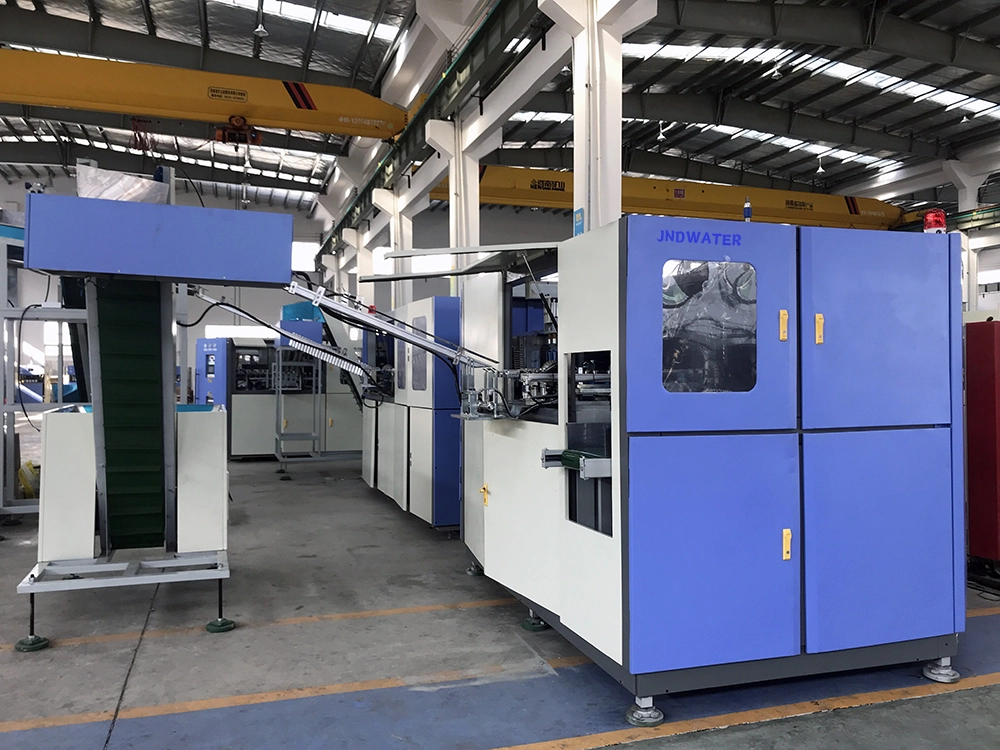
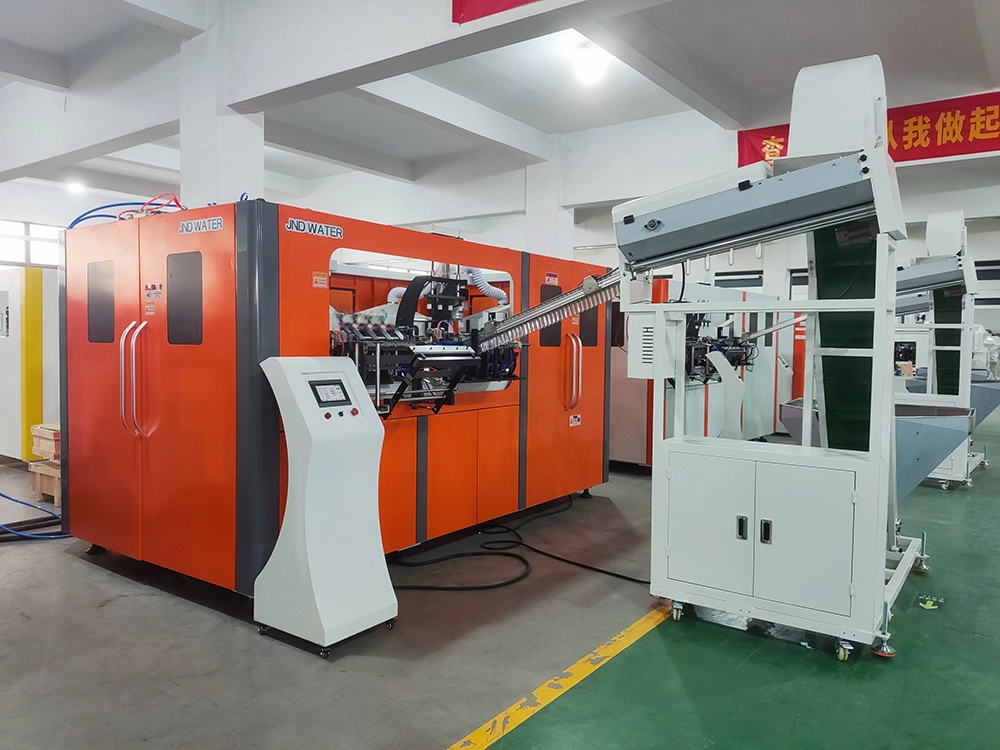
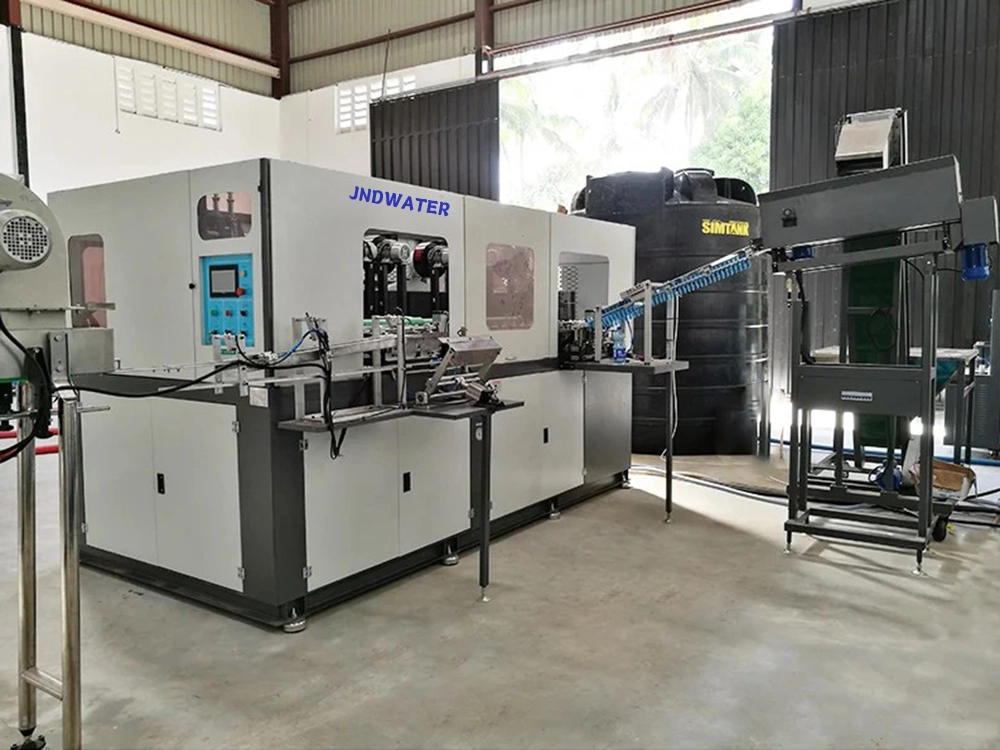
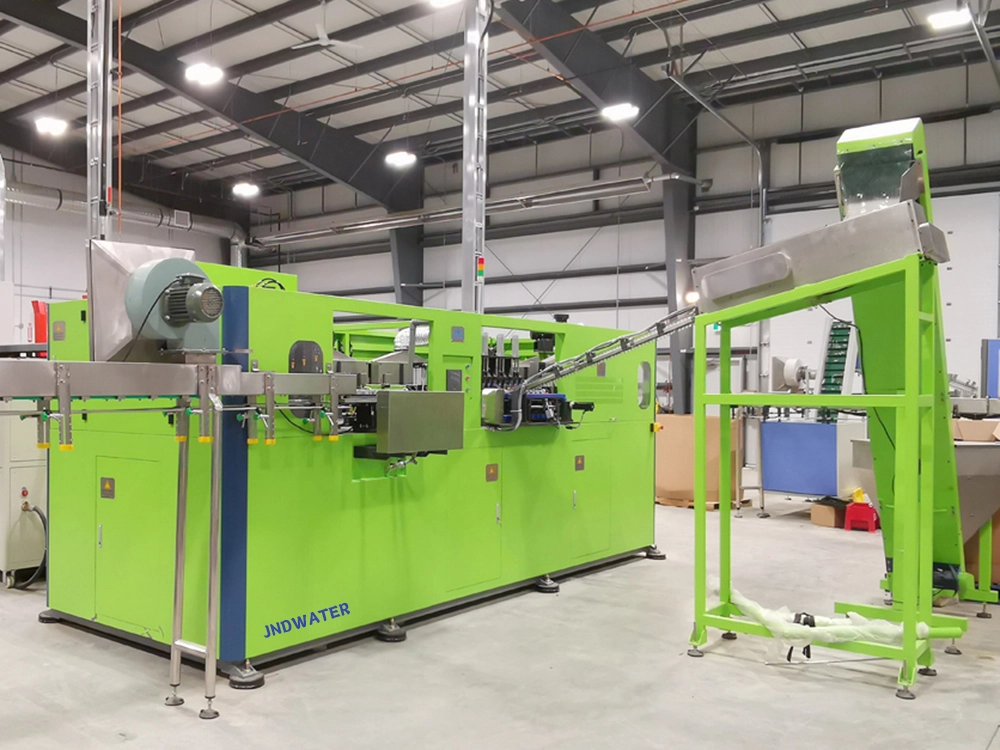
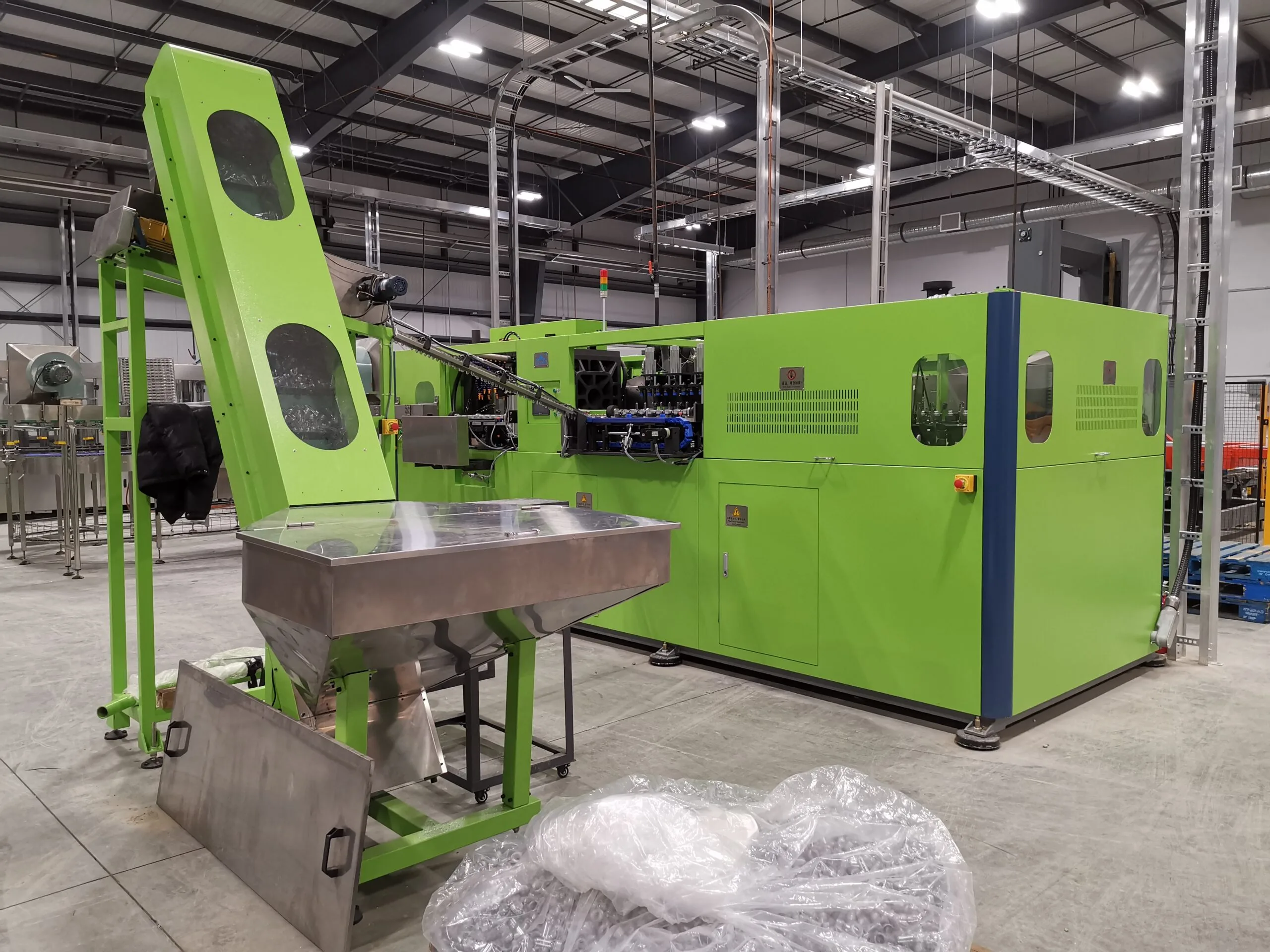
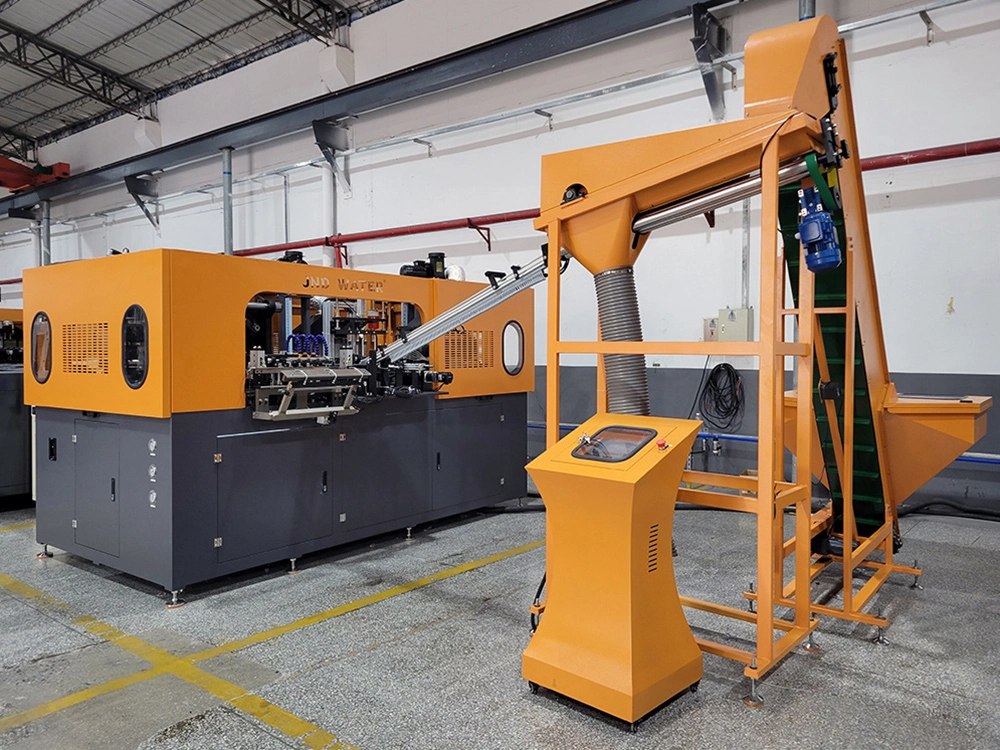
Introduction to PET Bottle Blow Molding Technology
What is PET bottle blow molding technology? It's a fascinating process used to create hollow plastic containers, primarily polyethylene terephthalate (PET) bottles. These bottles are ubiquitous, holding everything from water and soda to cooking oil and personal care products. The beauty of blow molding lies in its efficiency and ability to produce lightweight yet durable containers at high volumes. This makes it an ideal choice for the beverage and food industries, where cost-effectiveness and product preservation are paramount.
The process begins with a preform, often called a parison. This is a small, test-tube-shaped piece of PET that's already been molded. Think of it as the starting point for your bottle. The preform is then heated until it becomes pliable, almost like soft rubber. Next, it's placed inside a mold cavity that's shaped like the final bottle. High-pressure air is then blown into the preform, inflating it against the walls of the mold. This forces the PET to take the shape of the mold, creating the bottle's final form. Once the PET has cooled and hardened, the mold opens, and the finished bottle is ejected. The entire process, from preform to finished bottle, can take just a few seconds, making it incredibly efficient for mass production.
The history of blow molding dates back to the late 19th century, but the use of PET specifically for blow molding gained prominence in the mid-20th century. PET offered several advantages over other plastics, including its strength, clarity, and recyclability. Over the years, the technology has evolved significantly, with advancements in machine design, heating techniques, and mold materials. Today's PET bottle blow molding machines are highly sophisticated, incorporating computer controls and automated systems to ensure consistent quality and maximize production output. JNDWATER has been at the forefront of these advancements, continuously innovating to provide cutting-edge solutions to its clients.
The applications of PET bottle blow molding are vast and varied. You'll find PET bottles used extensively in the beverage industry for water, soft drinks, juices, and alcoholic beverages. They're also common in the food industry for packaging edible oils, sauces, and condiments. Beyond food and beverage, PET bottles are used for household cleaning products, personal care items like shampoo and lotion, and even pharmaceutical products. The versatility of PET, combined with the efficiency of blow molding, makes it a go-to choice for packaging across numerous sectors. To further illustrate this, consider the impact of PET bottles on reducing transportation costs. Their lightweight nature translates to lower fuel consumption during shipping, contributing to a more sustainable supply chain. Moreover, the clarity of PET allows consumers to easily see the product inside, enhancing shelf appeal and driving sales.
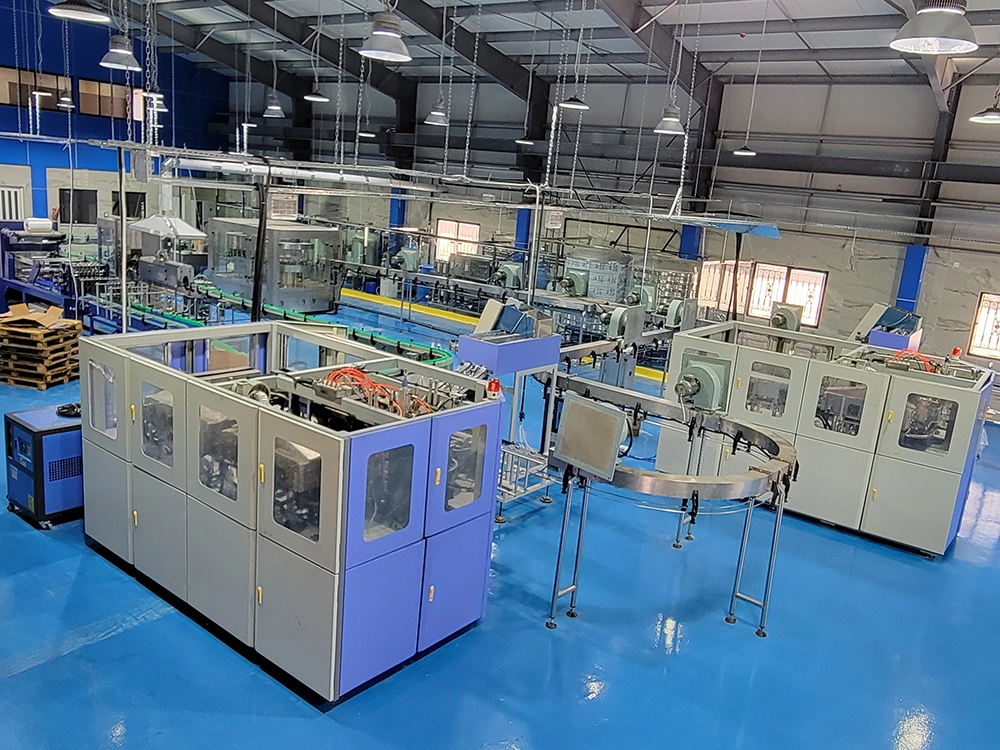
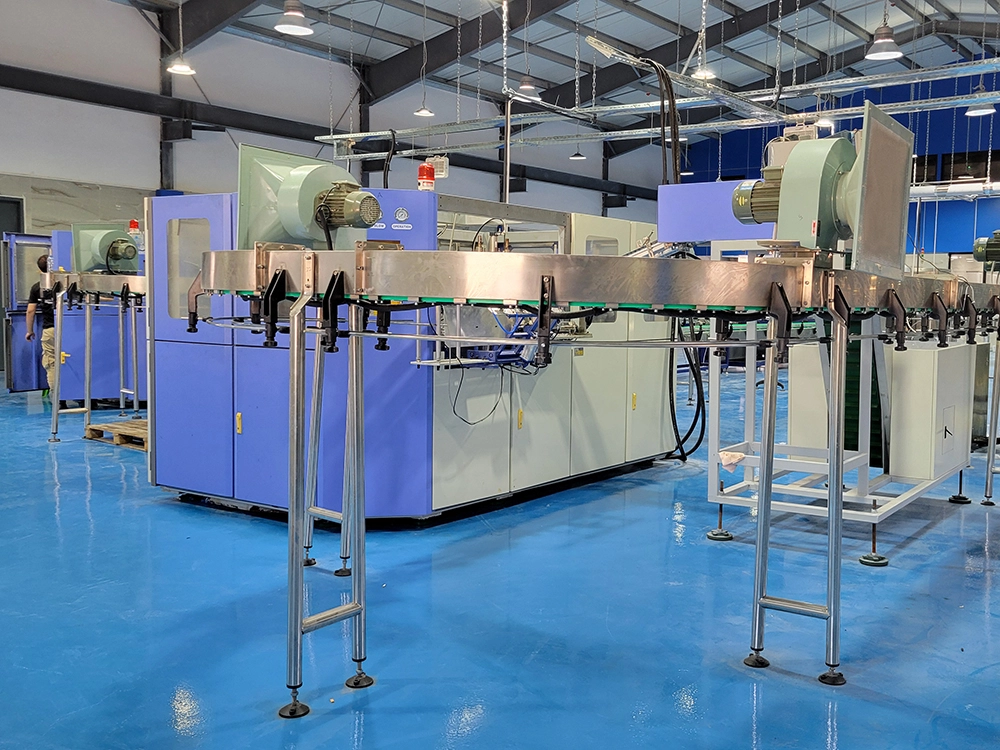
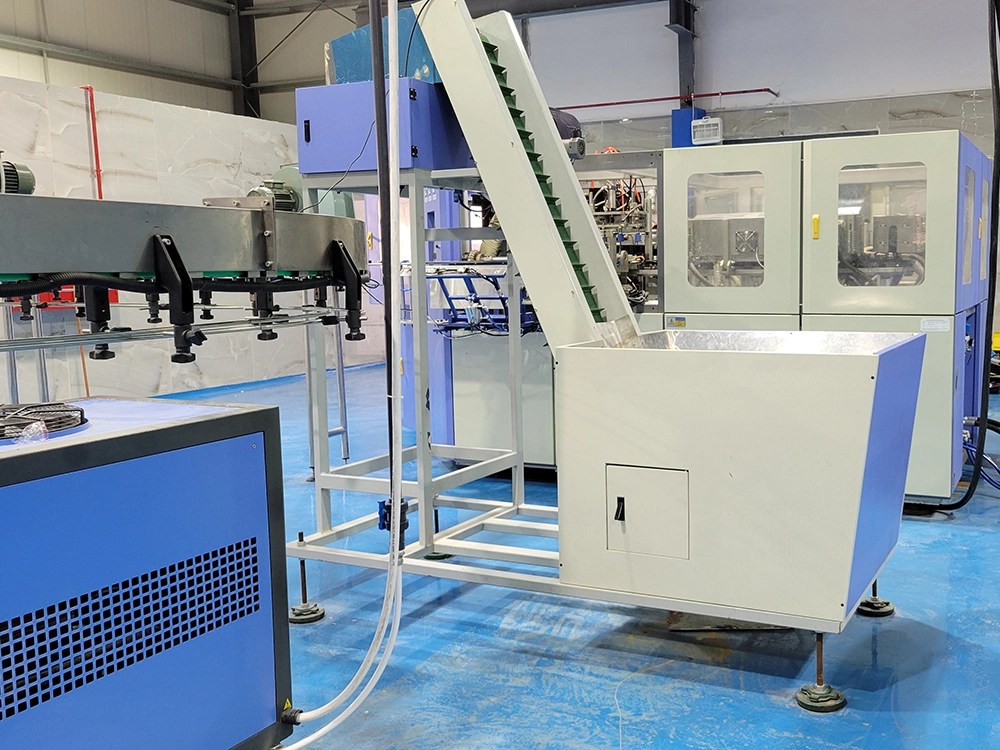
To truly understand the process, it's helpful to visualize it. Imagine a series of preforms being fed into a machine, heated to perfection, and then inflated into perfectly shaped bottles. A detailed schematic diagram would show the preform entering the heating chamber, followed by its transfer to the mold. You'd see the high-pressure air lines connected to the mold, and the finished bottle being ejected onto a conveyor belt. A manufacturing process video would bring this to life, showing the speed and precision of a modern PET bottle blow molding machine in action. Seeing the process unfold in real-time provides a deeper appreciation for the technology and its capabilities.
Comparison of Different Blow Molding Machine Models
Choosing the right bottle blow molding machine is crucial for optimizing your production process and achieving your business goals. JNDWATER offers a diverse range of models, each designed to meet specific needs and production volumes. Understanding the differences between these models is essential for making an informed decision. Let's delve into a comparison of some of JNDWATER's popular blow molding machine models, highlighting their specifications, features, performance, advantages, and potential drawbacks.
One key factor to consider is the machine's capacity. This refers to the number of bottles the machine can produce per hour. Smaller models are ideal for startups or businesses with lower production demands, while larger, high-speed machines are better suited for large-scale operations. For instance, a compact model might produce 1,000 bottles per hour, whereas a high-output model could churn out 10,000 bottles or more. The choice depends entirely on your production volume requirements and future growth projections.
Another important aspect is the type of blow molding process the machine utilizes. There are primarily two types: extrusion blow molding and injection blow molding. Extrusion blow molding is generally used for producing bottles with handles or complex shapes, while injection blow molding is often preferred for high-precision bottles with tight tolerances. JNDWATER offers machines that utilize both processes, allowing you to select the one that best aligns with your product design and quality requirements. Consider the materials you plan to use as well. Some machines are designed to work with a wider range of plastics than others. PET is a common choice, but you might also consider using polyethylene (PE) or polypropylene (PP), depending on your product's specific needs.
Beyond capacity and process, consider the level of automation. Some machines are fully automated, requiring minimal human intervention, while others require more manual operation. Automated machines typically offer higher efficiency and consistency, but they also come with a higher upfront cost. Manual machines, on the other hand, are more affordable but may require more labor and result in lower production rates. JNDWATER's range includes both fully automated and semi-automatic machines to cater to different budgets and operational preferences. Think about the long-term cost savings that automation can provide. While the initial investment might be higher, the reduced labor costs and increased production efficiency can quickly offset the initial expense.
To illustrate the differences, let's compare two hypothetical JNDWATER models: Model A and Model B. Model A is a compact, semi-automatic machine designed for small to medium-sized businesses. It has a capacity of 2,000 bottles per hour and utilizes the extrusion blow molding process. Its advantages include its affordability and ease of use. However, its drawbacks include lower production rates and the need for more manual labor. Model B, on the other hand, is a fully automated, high-speed machine designed for large-scale operations. It has a capacity of 10,000 bottles per hour and utilizes the injection blow molding process. Its advantages include high production rates, consistent quality, and minimal labor requirements. However, its drawbacks include a higher upfront cost and more complex operation. A detailed comparison table would further highlight these differences, listing specifications such as mold size, power consumption, and control system features. Actual case studies would also provide valuable insights into how different JNDWATER models have performed in real-world scenarios, helping you make a more informed decision.
Customer Testimonials and Case Studies
What do real customers say about JNDWATER bottle blow molding machines? Their experiences offer invaluable insights into the performance, reliability, and overall value of these machines. Customer testimonials and case studies provide concrete evidence of how JNDWATER has helped businesses across various industries achieve their production goals. These real-world examples can be incredibly helpful in your decision-making process, allowing you to see firsthand how JNDWATER machines have solved specific challenges and delivered tangible results.
One compelling way to showcase the effectiveness of JNDWATER machines is to highlight specific success stories. Imagine a small beverage company that struggled with inconsistent bottle quality and low production rates. After investing in a JNDWATER blow molding machine, they were able to significantly improve their bottle quality, increase their production output, and reduce their overall costs. This success story, backed by concrete data and specific details, would resonate strongly with potential customers facing similar challenges. The key is to provide quantifiable results, such as percentage increases in production volume, reductions in defect rates, or cost savings achieved through improved efficiency.
Another powerful approach is to present case studies that focus on different industries or applications. For example, a case study could showcase how a JNDWATER machine helped a cosmetics manufacturer produce uniquely shaped bottles with intricate designs, enhancing their brand image and attracting new customers. Another case study could highlight how a pharmaceutical company used a JNDWATER machine to produce sterile, tamper-proof bottles for their sensitive products, ensuring product safety and regulatory compliance. By showcasing the versatility of JNDWATER machines across diverse industries, you can demonstrate their ability to meet a wide range of needs and requirements. These case studies should include detailed information about the customer's specific challenges, the JNDWATER machine model used, the solutions implemented, and the results achieved. Include direct quotes from the customers themselves to add credibility and authenticity.
To further enhance the impact of customer testimonials and case studies, consider incorporating visual elements such as photos and videos. A video testimonial featuring a satisfied customer discussing their experience with a JNDWATER machine can be incredibly persuasive. Similarly, photos of the machine in action at the customer's facility can provide a visual representation of its performance and integration into their production line. Make sure the testimonials are genuine and unbiased. Highlight both the positive aspects and any challenges encountered, along with how JNDWATER helped overcome those challenges. This transparency will build trust and credibility with potential customers.
Don't just focus on the technical aspects of the machines. Also highlight the human element. Showcase the relationships JNDWATER builds with its customers, the level of support provided, and the commitment to customer satisfaction. This will demonstrate that JNDWATER is not just a machine supplier, but a trusted partner dedicated to helping its customers succeed. By weaving together compelling narratives, quantifiable results, and authentic customer voices, you can create a powerful collection of testimonials and case studies that effectively showcase the value of JNDWATER bottle blow molding machines.
Technical Support and After-Sales Service
What kind of technical support and after-sales service does JNDWATER offer? Investing in a bottle blow molding machine is a significant decision, and knowing that you have reliable support behind you is crucial. JNDWATER understands this and provides comprehensive technical support and after-sales service to ensure your machine operates smoothly and efficiently for years to come. This commitment to customer satisfaction extends beyond the initial purchase, providing you with peace of mind and maximizing the return on your investment.
A key component of JNDWATER's technical support is its team of highly skilled and experienced technicians. These experts are available to assist you with any issues you may encounter, from installation and setup to troubleshooting and maintenance. They possess in-depth knowledge of JNDWATER machines and can provide timely and effective solutions to keep your production line running smoothly. Whether you need assistance with a minor adjustment or a major repair, JNDWATER's technical team is ready to help. They can provide remote support via phone, email, or video conferencing, or they can dispatch a technician to your facility for on-site assistance. The goal is to minimize downtime and get your machine back up and running as quickly as possible.
In addition to technical support, JNDWATER also offers comprehensive after-sales service, including warranty coverage, maintenance programs, and spare parts availability. The warranty covers defects in materials and workmanship, providing you with protection against unexpected repairs. JNDWATER also offers customized maintenance programs designed to keep your machine in optimal condition and prevent costly breakdowns. These programs include regular inspections, lubrication, and component replacements, ensuring that your machine operates at peak performance and extends its lifespan. Access to spare parts is also critical for minimizing downtime. JNDWATER maintains a large inventory of genuine spare parts, ensuring that you can quickly obtain the parts you need when you need them. This eliminates the need to wait for parts to be manufactured or shipped from overseas, reducing downtime and keeping your production line running.
To further enhance its technical support and after-sales service, JNDWATER also provides comprehensive training programs for your operators and maintenance personnel. These programs cover the operation, maintenance, and troubleshooting of JNDWATER machines, empowering your staff to handle routine tasks and identify potential problems before they escalate. The training can be conducted at JNDWATER's facility or at your own facility, depending on your needs and preferences. JNDWATER also provides detailed manuals and documentation to support your training efforts. The manuals cover all aspects of the machine, from its components and operation to its maintenance and troubleshooting procedures.
To ensure prompt and efficient service, JNDWATER provides multiple channels for contacting its technical support team. You can reach them via phone, email, or online chat. JNDWATER also has a dedicated service portal where you can submit service requests, track their progress, and access a knowledge base of frequently asked questions. JNDWATER is committed to providing a fast response time to all service requests, typically responding within 24 hours. They also offer emergency service for critical situations, ensuring that you can get the help you need when you need it most. By providing comprehensive technical support and after-sales service, JNDWATER demonstrates its commitment to customer satisfaction and helps you maximize the value of your investment in its bottle blow molding machines. Contact information and rapid response channels should be prominently displayed on the website, making it easy for customers to reach out for assistance.
Energy Efficiency and Sustainability
Why is energy efficiency and sustainability important in bottle blow molding? In today's world, energy efficiency and sustainability are not just buzzwords; they are essential considerations for any manufacturing operation. The bottle blow molding industry is no exception. As environmental concerns grow and energy costs continue to rise, businesses are increasingly seeking ways to reduce their environmental footprint and improve their bottom line. JNDWATER recognizes the importance of energy efficiency and sustainability and has incorporated these principles into the design and manufacturing of its bottle blow molding machines.
One of the key ways JNDWATER enhances energy efficiency is through the use of advanced heating technologies. Traditional heating methods can be energy-intensive, wasting a significant amount of heat. JNDWATER machines utilize innovative heating systems that precisely control the temperature and minimize heat loss. This results in lower energy consumption and reduced operating costs. For example, some JNDWATER models incorporate infrared heating technology, which delivers heat directly to the preform, minimizing energy waste and improving heating efficiency. By optimizing the heating process, JNDWATER machines can significantly reduce energy consumption compared to older or less efficient models. This not only benefits the environment but also translates to substantial cost savings for your business.
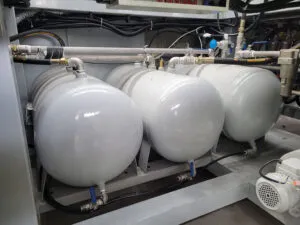
Another important aspect of energy efficiency is the design of the machine's pneumatic system. Blow molding machines rely heavily on compressed air to inflate the preforms. Inefficient pneumatic systems can leak air, wasting energy and increasing operating costs. JNDWATER machines are designed with optimized pneumatic systems that minimize air leakage and maximize air pressure utilization. This results in lower energy consumption and improved machine performance. JNDWATER also utilizes energy-efficient components, such as variable frequency drives (VFDs) on motors, to further reduce energy consumption. VFDs allow the motors to operate at variable speeds, adjusting their power consumption to match the actual demand. This can significantly reduce energy waste, especially during periods of low production volume.
Beyond energy efficiency, JNDWATER is also committed to sustainability. This includes using recyclable materials in the construction of its machines and designing machines that can process recycled PET (rPET). rPET is made from recycled PET bottles and can be used to produce new bottles, reducing the need for virgin plastic. JNDWATER machines are designed to handle rPET efficiently, allowing you to incorporate recycled materials into your production process and reduce your environmental impact. JNDWATER also promotes responsible waste management practices and encourages its customers to recycle their PET bottles. By working together, we can create a more sustainable future for the bottle blow molding industry.
To demonstrate its commitment to energy efficiency and sustainability, JNDWATER provides detailed energy consumption data and sustainability reports for its machines. These reports provide valuable insights into the energy performance of the machines and their environmental impact. JNDWATER also works with its customers to develop customized energy efficiency programs and sustainability initiatives. By providing data, guidance, and support, JNDWATER helps its customers reduce their environmental footprint and improve their bottom line. Actual data on energy savings achieved by JNDWATER machines compared to industry averages would be compelling. A sustainability report outlining JNDWATER's environmental initiatives and goals would further enhance its credibility in this area.
How to Choose the Right Blow Molding Machine
What factors should you consider when choosing a blow molding machine? Selecting the right bottle blow molding machine can be a complex process, but it's essential for ensuring your production line operates efficiently and effectively. With so many different models and options available, it's important to carefully consider your specific needs and requirements before making a decision. This comprehensive guide will walk you through the key factors to consider when choosing a blow molding machine, helping you make an informed decision that aligns with your business goals.
The first and most important factor to consider is your production volume. How many bottles do you need to produce per hour or per day? This will determine the size and capacity of the machine you need. If you have a low production volume, a smaller, semi-automatic machine may be sufficient. However, if you have a high production volume, you'll need a larger, fully automated machine. Consider your future growth projections as well. If you anticipate your production volume increasing in the future, it's wise to invest in a machine that can handle your future needs. Overestimating your production volume is generally better than underestimating it, as it gives you room to grow and avoid bottlenecks in your production line.
Another key factor to consider is the type of bottles you need to produce. What size, shape, and material will the bottles be? Different machines are designed to produce different types of bottles. Some machines are better suited for producing small, simple bottles, while others are better suited for producing large, complex bottles. The material you plan to use will also affect your choice of machine. Some machines are designed to work with a wider range of materials than others. PET is a common choice, but you might also consider using polyethylene (PE) or polypropylene (PP), depending on your product's specific needs. Consider the complexity of the bottle design. If you need to produce bottles with intricate shapes or features, you'll need a machine that is capable of handling those designs. The neck finish of the bottle is also an important consideration, as it will determine the type of capping or closure system you can use.
Beyond production volume and bottle type, consider your budget and operating costs. Blow molding machines can range in price from a few thousand dollars to several hundred thousand dollars. It's important to set a budget and stick to it. However, don't just focus on the upfront cost. Also consider the operating costs, such as energy consumption, maintenance, and labor. Energy-efficient machines can save you money in the long run, even if they have a higher upfront cost. Similarly, machines that are easy to maintain and operate can reduce your labor costs. Consider the availability of spare parts and technical support. Choose a machine from a reputable manufacturer that offers reliable service and support. A checklist of key considerations, including production volume, bottle type, budget, operating costs, and service support, would be a valuable tool for potential buyers.
Finally, don't hesitate to seek professional advice. Consult with experienced blow molding machine suppliers and ask for their recommendations. They can help you assess your needs and identify the best machine for your specific application. Visit trade shows and industry events to see different machines in action and talk to other users. By doing your research and seeking professional advice, you can make an informed decision and choose the right blow molding machine for your business. A comparison table of different machine models, highlighting their features, benefits, and drawbacks, would be a helpful resource. Customer testimonials and case studies can also provide valuable insights into the real-world performance of different machines.
Customization Options for OEM & ODM
What OEM & ODM customization options does JNDWATER offer? In today's competitive market, customization is key to differentiating your product and meeting specific customer needs. JNDWATER understands this and offers comprehensive OEM (Original Equipment Manufacturer) and ODM (Original Design Manufacturer) customization options for its bottle blow molding machines. Whether you need to modify an existing machine or develop a completely new one, JNDWATER can provide the expertise and support you need to bring your vision to life.
OEM customization involves modifying an existing JNDWATER machine to meet your specific requirements. This can include changes to the machine's size, capacity, features, or control system. For example, you might need to increase the machine's production volume, add a new feature, or integrate it with your existing production line. JNDWATER's team of engineers will work closely with you to understand your needs and develop a customized solution that meets your exact specifications. OEM customization is a cost-effective way to get a machine that is tailored to your specific needs without having to invest in a completely new design. It allows you to leverage JNDWATER's existing technology and expertise while still achieving a unique and customized solution.
ODM customization, on the other hand, involves developing a completely new machine from scratch. This is a more complex and time-consuming process, but it allows you to create a machine that is perfectly tailored to your specific needs. JNDWATER's team of engineers will work with you from the initial concept to the final design, ensuring that the machine meets your exact requirements. ODM customization is ideal for businesses that need a machine with unique features or capabilities that are not available on existing models. It allows you to create a truly innovative and differentiated product that sets you apart from the competition. JNDWATER's ODM services include everything from concept development and design to prototyping, testing, and manufacturing.
The OEM & ODM customization process typically involves several stages, starting with a detailed consultation to understand your needs and requirements. This is followed by a design phase, where JNDWATER's engineers develop a customized solution based on your specifications. Once the design is approved, a prototype is built and tested to ensure it meets your expectations. Finally, the machine is manufactured and delivered to your facility. JNDWATER provides ongoing support throughout the entire process, ensuring that you are satisfied with the final product. A clear timeline for each stage of the customization process would be helpful for potential clients.
To showcase its OEM & ODM capabilities, JNDWATER provides examples of past customization projects. These examples highlight the range of customization options available and demonstrate JNDWATER's ability to meet diverse customer needs. JNDWATER also provides expert advice and answers to frequently asked questions about OEM & ODM customization. This helps potential customers understand the process and make informed decisions. By offering comprehensive OEM & ODM customization options, JNDWATER empowers its customers to create innovative and differentiated products that meet their specific needs and requirements. Contact information for the OEM/ODM team should be readily available, along with a clear explanation of the intellectual property rights associated with customized designs.