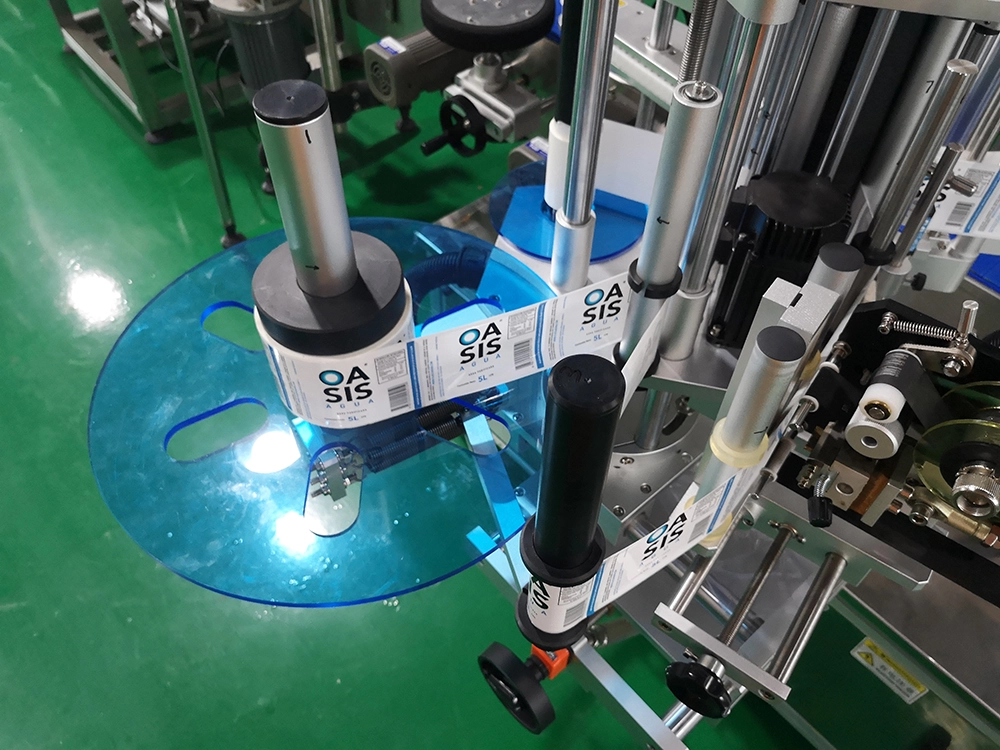
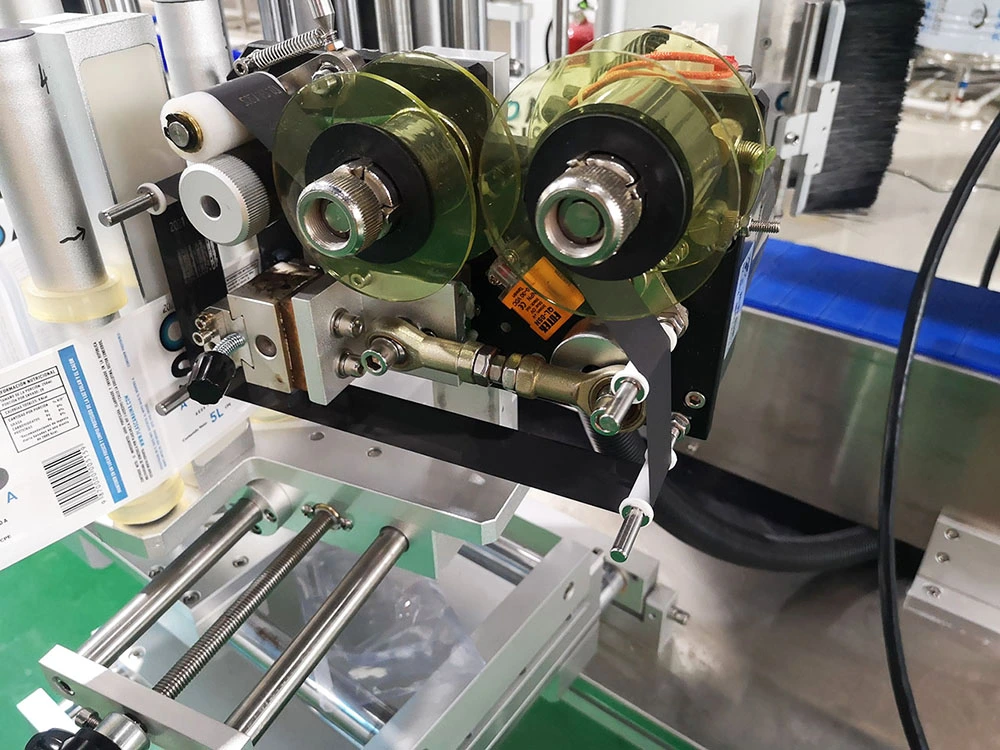
Understanding Bottle Sticker Labeling Machine Adaptability: Glass vs. Aluminum
When it comes to labeling, not all bottles are created equal. The material of the bottle—whether it's glass, aluminum, plastic, or something else—significantly impacts the labeling process. Each material presents unique challenges and requires specific considerations to ensure a perfect, lasting label application. A versatile bottle sticker labeling machine is designed to handle these variations, but understanding the nuances of each material is crucial for optimal performance.
Glass Bottles: Glass, a popular choice for beverages, pharmaceuticals, and cosmetics, offers a smooth, rigid surface that's generally easy to label. However, glass bottles come in various shapes and sizes, and their weight can pose challenges for high-speed labeling. Condensation can also be a problem, affecting the adhesive's ability to bond correctly. To tackle these issues, bottle sticker labeling machines often incorporate features like:
- Precise Label Placement: Ensuring the label is perfectly aligned on a cylindrical or uniquely shaped glass bottle requires advanced sensors and precise control over the labeling head.
- Condensation Management: Some machines include air knives or heating elements to dry the bottle surface before label application, guaranteeing a strong adhesive bond.
- Gentle Handling: Glass is fragile, so the machine must handle bottles gently to prevent breakage, especially at high speeds. This may involve using cushioned conveyors and soft applicators.
Aluminum Cans: Aluminum cans, widely used in the beverage industry, present a different set of challenges. They are lightweight, flexible, and often have a curved surface. The labeling process must account for these factors to avoid wrinkles, bubbles, or misalignment.
- Consistent Tension Control: Maintaining consistent tension on the label web is crucial to prevent stretching or tearing of the label material, especially when applying labels to curved surfaces.
- Roller Application: Using rollers to apply the label ensures even pressure distribution and eliminates air pockets, resulting in a smooth, wrinkle-free finish.
- High-Speed Capability: Beverage production lines operate at very high speeds, so the labeling machine must keep up without compromising accuracy or quality.
Solutions and Examples: Jndwater's bottle sticker labeling machines are engineered with these considerations in mind. For example, our machines can be equipped with servo-driven applicators for precise label placement on glass bottles, even at high speeds. We also offer models with automatic tension control and roller applicators for aluminum cans, ensuring consistent, high-quality labeling. One of our clients, a craft brewery, struggled with label wrinkling on their aluminum cans. After switching to a Jndwater labeling machine with advanced tension control, they saw a significant improvement in label quality and a reduction in waste.
Beyond Glass and Aluminum: The versatility of a bottle sticker labeling machine extends beyond glass and aluminum. Our machines can handle a wide range of materials, including PET, PVC, and HDPE plastics. Each material requires specific adjustments to the machine settings and label material to ensure optimal performance. We work closely with our clients to understand their specific needs and provide tailored solutions that meet their unique requirements.
Technical Support and Maintenance Services for Bottle Sticker Labeling Machines
Investing in a high-quality bottle sticker labeling machine is just the first step. To ensure its long-term performance and reliability, robust technical support and maintenance services are essential. At Jndwater, we understand this and offer a comprehensive suite of services to keep your labeling machine running smoothly.
Importance of Regular Maintenance: Like any piece of machinery, a bottle sticker labeling machine requires regular maintenance to prevent breakdowns and ensure optimal performance. Neglecting maintenance can lead to decreased efficiency, increased downtime, and costly repairs. A well-maintained machine will not only last longer but also produce higher-quality labels, reducing waste and improving your bottom line.
Frequency of Maintenance: The frequency of maintenance depends on several factors, including the machine's usage, the type of products being labeled, and the operating environment. However, as a general guideline, we recommend the following:
- Daily: Inspect the machine for any visible damage or loose parts. Clean the label path and applicator to remove any adhesive buildup.
- Weekly: Lubricate moving parts as recommended in the machine's manual. Check the tension of the label web and adjust as needed.
- Monthly: Perform a thorough inspection of all components, including sensors, motors, and control systems. Replace any worn or damaged parts.
- Annually: Schedule a professional maintenance visit from a Jndwater technician. We will perform a comprehensive inspection, clean and lubricate all components, and make any necessary adjustments or repairs.
Types of Services Provided: Jndwater offers a range of technical support and maintenance services to meet your specific needs. These include:
- Remote Support: Our team of experienced technicians is available to provide remote support via phone, email, or video conferencing. We can help you troubleshoot issues, answer questions, and provide guidance on machine operation and maintenance.
- On-Site Maintenance: For more complex issues or scheduled maintenance, we can dispatch a technician to your facility. Our technicians are highly trained and equipped to handle a wide range of repairs and maintenance tasks.
- Preventive Maintenance Programs: We offer customized preventive maintenance programs to help you keep your labeling machine in top condition. These programs include regular inspections, lubrication, cleaning, and parts replacement.
- Training: We provide comprehensive training to your operators and maintenance personnel on the proper operation and maintenance of your labeling machine. This training can be conducted on-site or at our facility.
Case Studies and Customer Testimonials: We have helped numerous clients improve the performance and reliability of their bottle sticker labeling machines through our technical support and maintenance services. For example, one of our clients, a large beverage manufacturer, was experiencing frequent breakdowns and high downtime with their labeling machine. After implementing our preventive maintenance program, they saw a significant reduction in downtime and a marked improvement in label quality. They also praised our remote support team for their quick response and helpful guidance.
Long-Term Performance and Efficiency: Investing in technical support and maintenance services is an investment in the long-term performance and efficiency of your bottle sticker labeling machine. By keeping your machine in top condition, you can minimize downtime, reduce waste, and improve your overall productivity. Contact Jndwater today to learn more about our technical support and maintenance services.
Navigating Market Trends and Innovative Technologies in Bottle Sticker Labeling Machines
The bottle sticker labeling machine industry is constantly evolving, driven by changing consumer preferences, stricter regulations, and advancements in technology. Staying abreast of these market trends and innovative technologies is crucial for businesses looking to optimize their labeling processes and gain a competitive edge. Let's delve into some of the key trends and technologies shaping the future of bottle sticker labeling.
Automation Takes Center Stage: One of the most significant trends in the industry is the increasing adoption of automation. Automated labeling systems offer numerous benefits, including increased speed, improved accuracy, and reduced labor costs. These systems can handle a wide range of bottle shapes and sizes and can be integrated with other production line equipment for seamless operation.
- Robotic Labeling: Robots are increasingly being used to pick and place labels with precision and speed. These robots can be programmed to handle complex labeling tasks and can adapt to changing production needs.
- Automated Inspection: Automated inspection systems use cameras and sensors to detect defects in labels, such as misprints, tears, or misalignments. These systems can automatically reject defective products, ensuring consistent quality.
- Smart Labeling: Smart labeling systems use sensors and data analytics to track and monitor the labeling process in real-time. This data can be used to identify bottlenecks, optimize performance, and predict potential problems.
The Rise of Digital Printing: Digital printing technology is revolutionizing the label industry, offering greater flexibility, faster turnaround times, and lower costs for short-run jobs. Digital printing allows for on-demand printing of variable data, such as barcodes, serial numbers, and promotional messages. This technology is particularly well-suited for businesses that need to customize labels for different products or markets.
- Inkjet Printing: Inkjet printing is a popular choice for digital label printing, offering high-quality images and vibrant colors. Inkjet printers can handle a wide range of label materials and can print variable data with ease.
- Laser Printing: Laser printing is another option for digital label printing, offering high-speed and durable prints. Laser printers are particularly well-suited for applications that require resistance to abrasion, chemicals, or UV light.
Sustainability and Eco-Friendly Materials: With growing concerns about environmental sustainability, businesses are increasingly looking for eco-friendly labeling solutions. This includes using recyclable label materials, reducing waste, and minimizing energy consumption. Label manufacturers are responding to this demand by developing new and innovative sustainable materials, such as biodegradable films and water-based adhesives.
- Recycled Materials: Using labels made from recycled materials is a great way to reduce your environmental impact. Recycled labels can be made from paper, plastic, or other materials.
- Biodegradable Materials: Biodegradable labels are made from materials that break down naturally over time. These labels are a good choice for products that are intended to be composted.
- Water-Based Adhesives: Water-based adhesives are more environmentally friendly than solvent-based adhesives. They are also safer for workers and produce fewer emissions.
Expert Insights and Industry Reports: According to a recent report by Smithers Pira, the global market for label printing is expected to reach $49.8 billion by 2024, driven by the increasing demand for packaged goods and the growing adoption of digital printing technology. Experts predict that automation and sustainability will continue to be key drivers of innovation in the label industry. At Jndwater, we are committed to staying at the forefront of these trends and technologies, providing our clients with the most advanced and efficient bottle sticker labeling solutions available.
E-E-A-T in Action: Customer Success Stories with Bottle Sticker Labeling Machines
At Jndwater, we believe that our expertise, experience, authority, and trustworthiness (E-E-A-T) are the cornerstones of our success. We're not just selling bottle sticker labeling machines; we're providing solutions that drive real results for our customers. Let's explore some specific customer success stories that highlight how our commitment to E-E-A-T translates into tangible business benefits.
Case Study 1: Streamlining Labeling for a Growing Craft Brewery
The Challenge: A rapidly expanding craft brewery was struggling to keep up with demand. Their existing labeling process was slow, inconsistent, and prone to errors, leading to wasted labels and lost production time. They needed a solution that could handle their increasing volume while maintaining the high-quality look and feel that their brand was known for.
The Solution: We recommended our high-speed bottle sticker labeling machine, equipped with advanced sensors and precise label placement capabilities. We also provided comprehensive training to their operators to ensure they could maximize the machine's efficiency. Our expert technicians worked closely with the brewery to optimize the machine's settings for their specific bottle types and label materials.
The Results: The brewery saw a significant improvement in their labeling efficiency, increasing their production output by 40%. They also experienced a dramatic reduction in label waste and errors, saving them thousands of dollars per year. The consistent, high-quality labeling enhanced their brand image and helped them attract new customers. This demonstrates our *experience* in understanding the unique needs of the beverage industry and providing tailored solutions.
Case Study 2: Enhancing Traceability for a Pharmaceutical Manufacturer
The Challenge: A pharmaceutical manufacturer needed to improve the traceability of their products to comply with stricter regulatory requirements. They needed a labeling solution that could print variable data, such as serial numbers and batch codes, with high accuracy and reliability. They also needed a system that could integrate with their existing inventory management system.
The Solution: We provided our bottle sticker labeling machine with integrated barcode printing and verification capabilities. The machine was able to print unique serial numbers on each bottle, allowing the manufacturer to track their products throughout the supply chain. Our team of software engineers worked with the manufacturer to integrate the labeling machine with their existing inventory management system, creating a seamless and automated traceability solution.
The Results: The pharmaceutical manufacturer was able to meet the stringent regulatory requirements and improve the traceability of their products. They also saw a reduction in errors and improved efficiency in their inventory management process. This showcases our *expertise* in providing solutions that meet the specific needs of highly regulated industries.
Case Study 3: Optimizing Labeling for a Cosmetics Company with Diverse Product Lines
The Challenge: A cosmetics company faced the challenge of labeling a wide variety of products with different shapes, sizes, and label requirements. They needed a flexible labeling solution that could handle their diverse product lines without requiring frequent changeovers or adjustments.
The Solution: We recommended our versatile bottle sticker labeling machine with quick-changeover capabilities. The machine was designed to accommodate a wide range of bottle sizes and shapes, and the label applicators could be easily adjusted to handle different label materials and sizes. We also provided training to their operators on how to quickly and easily change over the machine for different product lines.
The Results: The cosmetics company was able to streamline their labeling process and reduce changeover times by 50%. They also saw a significant improvement in label quality and consistency across their diverse product lines. This highlights our *authority* as a leading provider of flexible and adaptable labeling solutions.
These customer success stories demonstrate our commitment to providing high-quality bottle sticker labeling machines and exceptional customer support. We are proud to have helped our clients achieve their business goals and improve their bottom line. Our dedication to E-E-A-T ensures that we provide reliable, trustworthy, and effective solutions for all of your labeling needs.