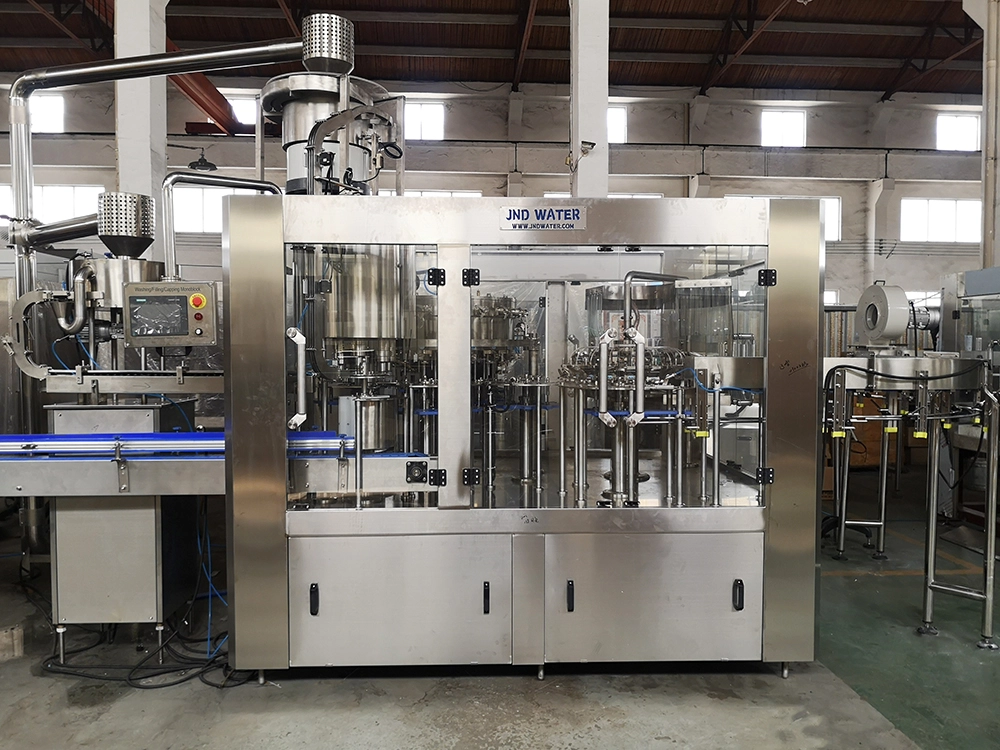
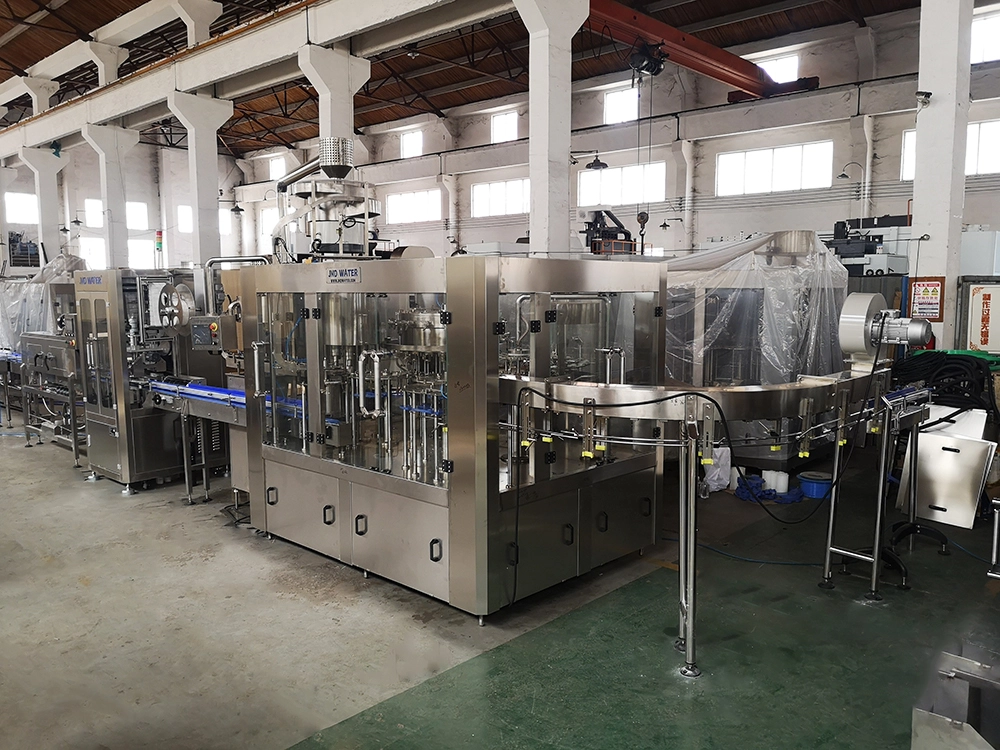
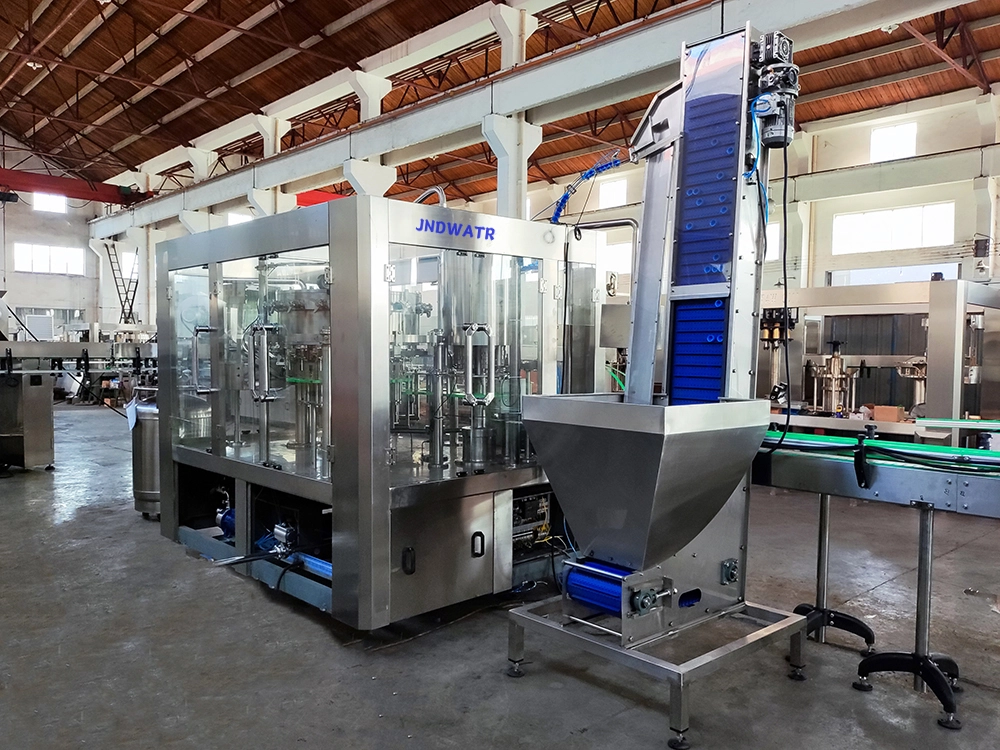
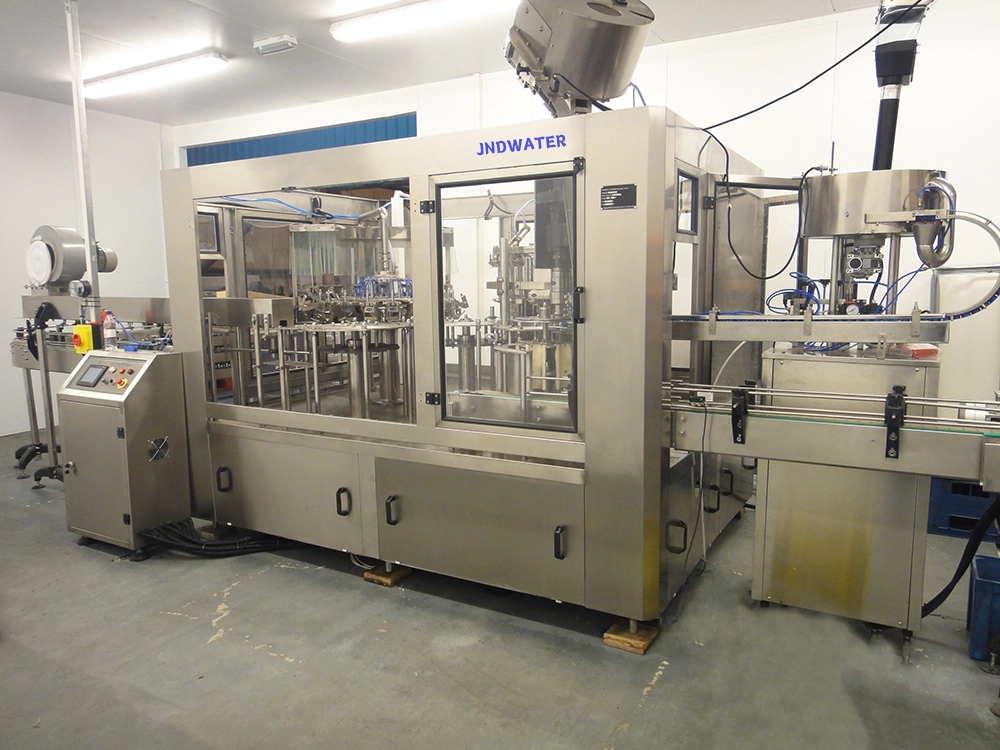
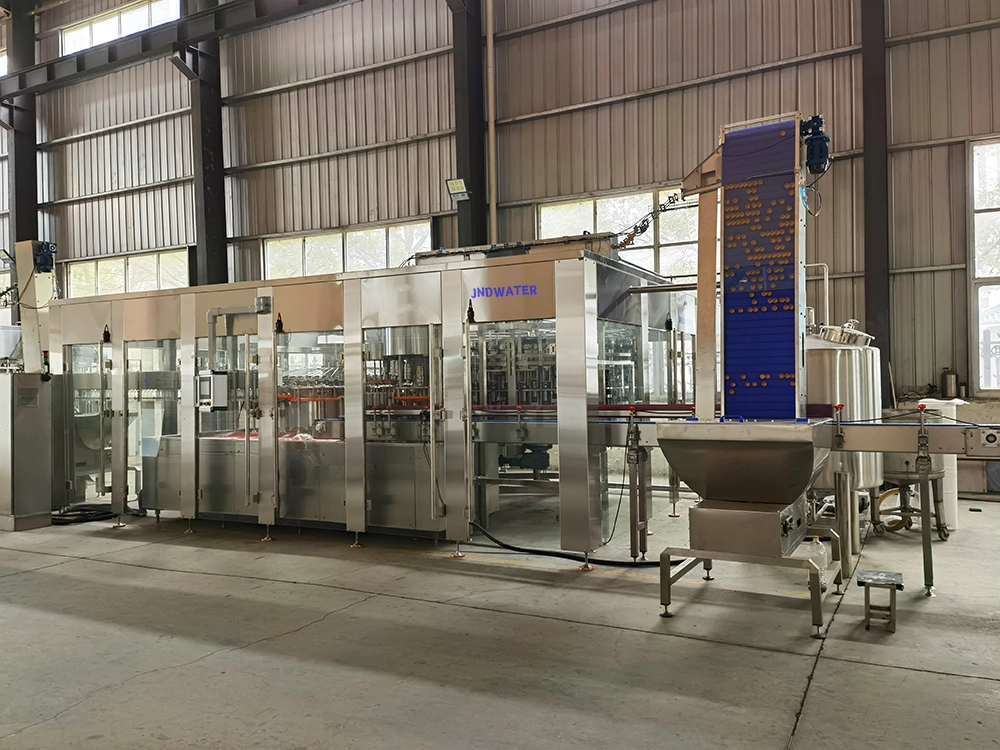
Introduction to Carbonated Soft Drink Filling Machines
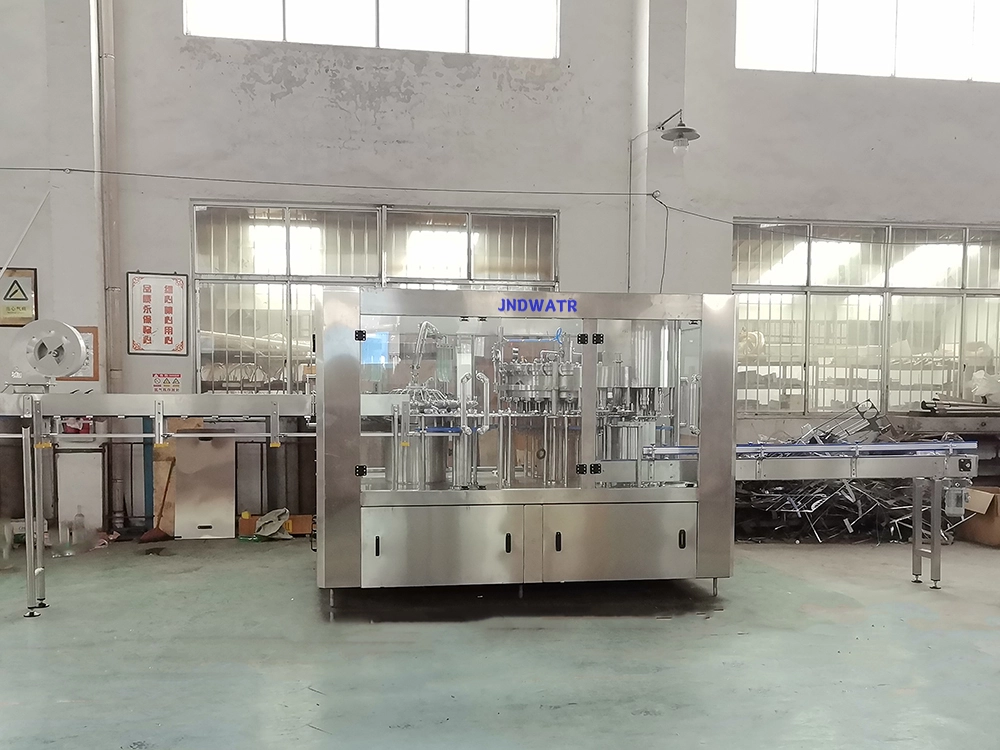
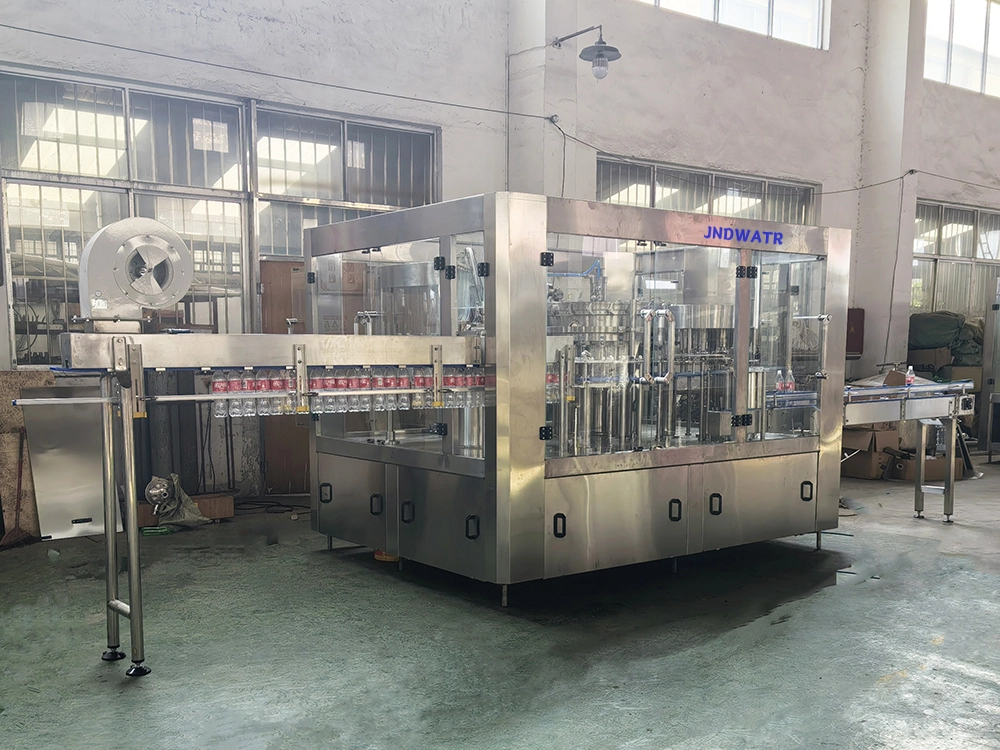
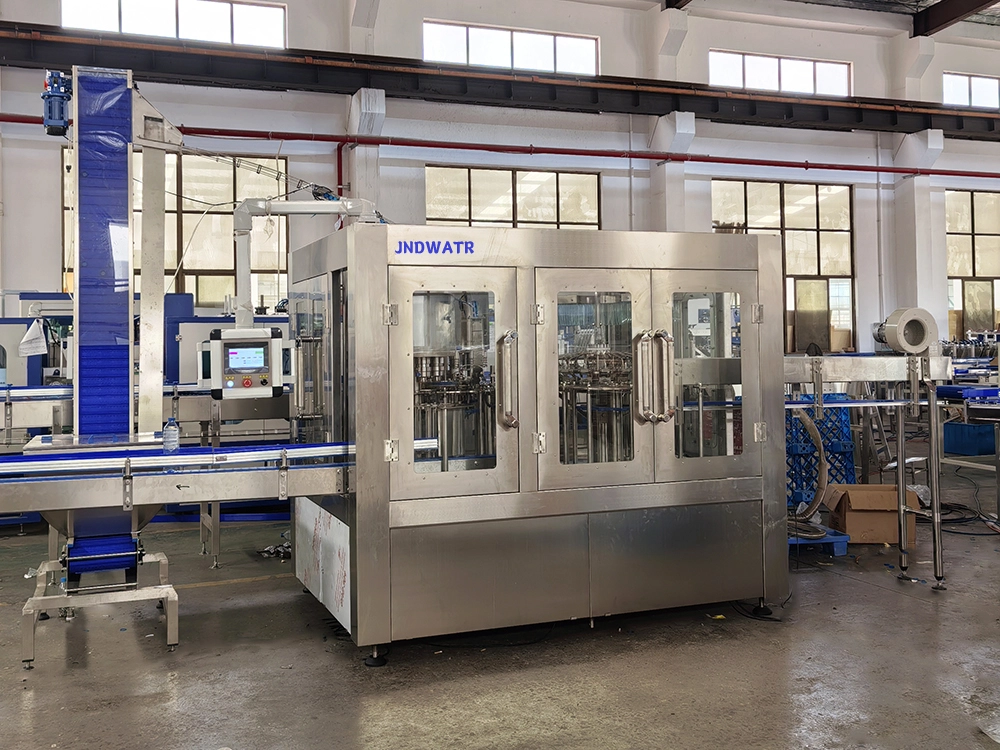
What is a carbonated soft drink filling machine? Simply put, it's a sophisticated piece of equipment designed to efficiently and accurately fill bottles or cans with carbonated beverages. These machines are the backbone of any carbonated soft drink production line, ensuring consistent fill levels, maintaining product quality, and maximizing production speed. But their role goes far beyond simply pouring liquid into a container. They are engineered to handle the unique challenges posed by carbonated drinks, such as preventing excessive foaming and maintaining the drink's carbonation throughout the filling process.
The core function of a carbonated soft drink filling machine revolves around several key processes. First, the empty containers are fed into the machine, often via a conveyor system. Then, the machine meticulously controls the filling process, ensuring that each container receives the precise amount of beverage. This is crucial not only for quality control but also for adhering to labeling regulations and minimizing product waste. Finally, the filled containers are sealed, often with caps or lids, and prepared for packaging and distribution. Modern filling machines integrate seamlessly with other production line components, such as labeling machines, date coders, and packaging equipment, creating a streamlined and automated production process. The technology behind these machines has evolved significantly over the years, incorporating advanced sensors, programmable logic controllers (PLCs), and sophisticated filling mechanisms to achieve optimal performance and reliability. From small-scale artisanal soda producers to large-scale multinational beverage companies, carbonated soft drink filling machines are essential for bringing these popular drinks to consumers worldwide. These machines are not just about speed; they're about precision, hygiene, and maintaining the integrity of the product. They ensure that every bottle or can of soda delivers the refreshing taste and fizz that consumers expect.
Benefits of Using Isobaric Filling Technology
What is isobaric filling technology? Isobaric filling, also known as pressure filling or counter-pressure filling, is a specialized technique used in carbonated soft drink filling machines to maintain the drink's carbonation during the filling process. This technology is particularly crucial for beverages that are highly carbonated, as it prevents the loss of CO2, which can lead to flat or unappealing drinks. The basic principle behind isobaric filling is to equalize the pressure inside the container with the pressure of the beverage being filled. This is achieved by first pressurizing the empty container with CO2 gas to match the pressure of the carbonated drink in the filling tank. Once the pressures are equalized, the beverage can flow smoothly into the container without causing excessive foaming or loss of carbonation. This controlled pressure environment ensures that the CO2 remains dissolved in the liquid, preserving the drink's fizz and taste.
The advantages of using isobaric filling technology in a carbonated soft drink filling machine are numerous. Firstly, it significantly enhances product quality by maintaining the desired level of carbonation. This results in a more refreshing and enjoyable drinking experience for the consumer. Secondly, isobaric filling improves production efficiency by reducing foaming, which can slow down the filling process and lead to inconsistencies in fill levels. By minimizing foam, the machine can fill containers more quickly and accurately, increasing overall throughput. Thirdly, this technology reduces product waste. Excessive foaming can cause spillage and require additional cleaning, leading to wasted product and resources. Isobaric filling minimizes these losses, contributing to a more sustainable and cost-effective production process. Furthermore, isobaric filling technology is adaptable to a wide range of container types and sizes, making it a versatile solution for various beverage production needs. Whether you're filling glass bottles, aluminum cans, or PET bottles, an isobaric filling machine can be configured to handle different container formats with ease. This flexibility allows beverage producers to cater to diverse market demands and packaging preferences. By investing in isobaric filling technology, beverage manufacturers can ensure consistent product quality, improve production efficiency, reduce waste, and gain a competitive edge in the market. It's a technology that pays dividends in terms of both product excellence and operational performance.
Comparison of OEM & ODM Services
What are OEM and ODM services? When it comes to sourcing carbonated soft drink filling machines, businesses often encounter the terms OEM (Original Equipment Manufacturer) and ODM (Original Design Manufacturer). Understanding the difference between these two service models is crucial for making informed decisions and choosing the right partner for your specific needs. OEM services involve manufacturing products according to the buyer's design and specifications. In this model, the buyer provides the complete design, including technical drawings, materials specifications, and quality control standards. The OEM manufacturer then produces the product based on these instructions, acting as a contract manufacturer. The buyer retains ownership of the design and intellectual property. ODM services, on the other hand, offer a more comprehensive solution. In this model, the ODM manufacturer designs, develops, and manufactures the product. The buyer typically provides a set of requirements or a general concept, and the ODM manufacturer takes care of the entire product development process, from initial design to final production. The ODM manufacturer owns the design and intellectual property, although this can be negotiated as part of the agreement.
Choosing between OEM and ODM services depends on several factors, including your company's design capabilities, manufacturing expertise, and budget. If you have a well-defined product design and the resources to manage the manufacturing process, OEM services may be a suitable option. This allows you to maintain control over the design and ensure that the product meets your exact specifications. However, if you lack in-house design capabilities or prefer to outsource the entire product development process, ODM services may be a better choice. This can save you time and resources, as the ODM manufacturer takes care of everything from design to production. ODM services can also be beneficial for businesses looking to quickly launch new products or enter new markets. By leveraging the ODM manufacturer's expertise and existing designs, you can accelerate the product development cycle and reduce time-to-market. However, it's important to carefully evaluate the ODM manufacturer's capabilities and ensure that they have the necessary expertise and resources to meet your quality standards. A key difference lies in intellectual property ownership. With OEM, you own the design. With ODM, the manufacturer typically does, unless otherwise negotiated. Consider your long-term product strategy and how important it is for you to own the design outright. Both OEM and ODM services offer distinct advantages, and the best choice depends on your specific needs and circumstances. Carefully consider your design capabilities, manufacturing expertise, budget, and intellectual property considerations before making a decision. A well-informed choice can lead to a successful partnership and a high-quality carbonated soft drink filling machine that meets your requirements.
Customer Success Stories and Case Studies
What impact does a carbonated soft drink filling machine have on a business? Real-world examples often provide the most compelling evidence of a product's value. Let's delve into a few customer success stories and case studies that highlight the transformative impact of investing in a high-quality carbonated soft drink filling machine. These stories showcase how businesses of various sizes have leveraged JNDwater's technology to overcome challenges, improve efficiency, and achieve significant growth. One compelling case study involves a small, family-owned soda company that was struggling to keep up with growing demand. Their existing manual filling process was slow, labor-intensive, and prone to inconsistencies in fill levels. This led to wasted product, increased labor costs, and dissatisfied customers. By investing in a semi-automatic carbonated soft drink filling machine from JNDwater, they were able to significantly increase their production capacity, reduce labor costs, and improve the consistency of their product. As a result, they were able to meet the growing demand, expand their distribution network, and increase their overall profitability. The owner of the company noted that the machine paid for itself within the first year of operation, thanks to the increased efficiency and reduced waste. Another success story comes from a larger beverage manufacturer that was looking to upgrade their existing filling line to improve efficiency and reduce downtime. Their existing equipment was outdated and prone to breakdowns, which resulted in significant production losses. By installing a fully automated carbonated soft drink filling machine from JNDwater, they were able to increase their production speed, reduce downtime, and improve the overall reliability of their filling line. This allowed them to meet their production targets more consistently, reduce maintenance costs, and improve their overall operational efficiency. The plant manager noted that the new machine had significantly reduced their total cost of ownership, thanks to its improved energy efficiency and reduced maintenance requirements.
These are just a few examples of how JNDwater's carbonated soft drink filling machines have helped businesses achieve their goals. These machines are not just about filling bottles; they're about optimizing your entire production process, reducing costs, and improving the quality of your product. When choosing a filling machine, consider not only the initial purchase price but also the long-term benefits in terms of increased efficiency, reduced waste, and improved product quality. Don't just take our word for it – listen to the voices of our satisfied customers. Their experiences demonstrate the real-world value of investing in a high-quality carbonated soft drink filling machine from JNDwater. We're confident that our machines can help your business achieve similar success. We encourage you to contact us to learn more about our products and how they can benefit your specific operation. We can provide you with detailed information, case studies, and customer testimonials to help you make an informed decision. We're committed to providing our customers with the best possible filling solutions and supporting them every step of the way. We're here to help you succeed in the competitive beverage market.
FAQ Section
What are some frequently asked questions about carbonated soft drink filling machines? To help you better understand carbonated soft drink filling machines, we've compiled a list of frequently asked questions (FAQs) that address common concerns and provide valuable insights. These FAQs cover a wide range of topics, from technical specifications to maintenance procedures, and are designed to provide you with the information you need to make informed decisions. Q: What types of containers can a carbonated soft drink filling machine handle? A: Our filling machines can handle a wide variety of containers, including glass bottles, aluminum cans, and PET bottles. We can customize the machine to accommodate different container sizes and shapes. Q: What is the filling speed of your carbonated soft drink filling machine? A: The filling speed depends on the specific model and the size of the container. Our machines can fill anywhere from 2,000 to 30,000 containers per hour. Q: What is the accuracy of your filling machine? A: Our filling machines are designed to provide highly accurate filling, with a typical accuracy of ±1-2ml. We use advanced sensors and control systems to ensure consistent fill levels. Q: What type of maintenance is required for a carbonated soft drink filling machine? A: Regular maintenance is essential to keep your filling machine running smoothly. This includes cleaning the machine regularly, lubricating moving parts, and inspecting for wear and tear. We provide detailed maintenance manuals and training to help you keep your machine in top condition.
Q: What is the lifespan of a carbonated soft drink filling machine? A: The lifespan of a filling machine depends on several factors, including the quality of the machine, the frequency of use, and the level of maintenance. With proper care and maintenance, our machines can last for 10-15 years or more. Q: What type of warranty do you offer on your filling machines? A: We offer a comprehensive warranty on all of our filling machines. The warranty covers defects in materials and workmanship for a period of one year from the date of purchase. Q: Can you provide training on how to operate and maintain the filling machine? A: Yes, we provide comprehensive training on how to operate and maintain our filling machines. Our training programs are designed to ensure that your staff is fully equipped to operate the machine safely and efficiently. Q: Do you offer spare parts for your filling machines? A: Yes, we maintain a large inventory of spare parts for all of our filling machines. We can ship spare parts quickly to minimize downtime in the event of a breakdown. Q: Can you customize a filling machine to meet my specific needs? A: Yes, we offer a wide range of customization options to meet your specific needs. We can customize the machine to accommodate different container sizes, filling speeds, and other requirements. These FAQs are intended to provide you with a general overview of carbonated soft drink filling machines. If you have any additional questions, please don't hesitate to contact us. We're here to help you find the perfect filling solution for your needs.
Maintenance and Support Services Offered
What kind of maintenance and support services are available? Investing in a carbonated soft drink filling machine is a significant decision, and ensuring its long-term performance and reliability is crucial for your business. That's why JNDwater offers a comprehensive range of maintenance and support services designed to keep your machine running smoothly and minimize downtime. Our services are tailored to meet the specific needs of our customers and are delivered by a team of highly skilled and experienced technicians. Our maintenance services include regular inspections, preventative maintenance, and repairs. We can work with you to develop a customized maintenance schedule that fits your production schedule and budget. Our preventative maintenance services are designed to identify and address potential problems before they lead to costly breakdowns. We use advanced diagnostic tools and techniques to assess the condition of your machine and identify any areas that require attention. Our repair services are available 24/7 to ensure that you can get your machine back up and running as quickly as possible in the event of a breakdown. We maintain a large inventory of spare parts to minimize downtime and ensure that repairs are completed efficiently.
In addition to our maintenance services, we also offer a range of support services, including technical support, training, and consulting. Our technical support team is available to answer your questions and provide assistance with any issues you may encounter. We can provide support via phone, email, or online chat. Our training programs are designed to ensure that your staff is fully equipped to operate and maintain the filling machine safely and efficiently. We offer both on-site training and classroom training options. Our consulting services can help you optimize your filling process and improve your overall operational efficiency. We can provide advice on everything from machine selection to process optimization. At JNDwater, we're committed to providing our customers with the best possible maintenance and support services. We understand that your filling machine is a critical asset, and we're here to help you keep it running smoothly for years to come. We believe that our comprehensive range of services, combined with our team of highly skilled technicians, makes us the ideal partner for your carbonated soft drink filling machine needs. We encourage you to contact us to learn more about our services and how we can help you maximize the performance and reliability of your filling machine. We're here to help you succeed in the competitive beverage market.
Technical Specifications and Customization Options
What are the technical specifications and customization options available? A carbonated soft drink filling machine is a complex piece of equipment, and understanding its technical specifications is essential for making informed decisions. JNDwater offers a wide range of technical specifications and customization options to meet the specific needs of our customers. Our machines are designed to be flexible and adaptable, allowing you to tailor them to your specific production requirements. Our technical specifications include filling speed, filling accuracy, container size range, and power consumption. Filling speed refers to the number of containers that the machine can fill per hour. Filling accuracy refers to the precision with which the machine fills each container. Container size range refers to the range of container sizes that the machine can accommodate. Power consumption refers to the amount of electricity that the machine consumes during operation. We offer a variety of customization options, including different filling heads, container handling systems, and control systems. Different filling heads are designed for different types of beverages and containers. Container handling systems are designed to transport containers through the filling process efficiently and reliably. Control systems are used to monitor and control the filling process, ensuring consistent fill levels and optimal performance.
In addition to these standard customization options, we also offer custom engineering services to meet your unique needs. Our team of experienced engineers can work with you to design and build a filling machine that is perfectly tailored to your specific requirements. For example, we can customize the machine to accommodate unusual container shapes, handle highly viscous beverages, or integrate with existing production line equipment. We understand that every beverage production operation is unique, and we're committed to providing our customers with the best possible filling solutions. That's why we offer a wide range of technical specifications and customization options. We encourage you to contact us to discuss your specific needs and how we can help you find the perfect filling machine for your operation. We're here to help you succeed in the competitive beverage market. We have successfully customized machines for clients producing everything from craft sodas in unique glass bottles to large-scale beverage companies filling standard aluminum cans. These customizations often involve adjustments to the filling head, container handling mechanisms, and control software to ensure seamless integration and optimal performance. For instance, a client producing sparkling juices required a filling machine that could handle pulpy beverages without clogging. We modified the filling head and incorporated a specialized filtration system to address this challenge, resulting in a highly efficient and reliable filling process. Our commitment to customization extends beyond the hardware. We also offer software customization options to integrate the filling machine with your existing enterprise resource planning (ERP) systems. This allows for real-time monitoring of production data, inventory management, and quality control, providing you with valuable insights to optimize your operations.
Global Market Trends in Carbonated Soft Drink Industry
What are the current trends in the carbonated soft drink industry? The global carbonated soft drink industry is a dynamic and ever-evolving market, influenced by changing consumer preferences, technological advancements, and economic factors. Understanding these trends is crucial for beverage manufacturers looking to stay ahead of the curve and maintain a competitive edge. One of the most significant trends in the carbonated soft drink industry is the growing demand for healthier alternatives. Consumers are increasingly concerned about the high sugar content and artificial ingredients in traditional sodas, leading to a surge in demand for low-sugar, sugar-free, and naturally sweetened beverages. This trend has spurred innovation in the industry, with manufacturers introducing new products that cater to health-conscious consumers. Another key trend is the increasing popularity of flavored sparkling water. Flavored sparkling water offers a refreshing and healthy alternative to traditional sodas, with zero calories and no artificial sweeteners. This trend has been driven by consumers' desire for healthier and more natural beverages. The rise of craft sodas is also a notable trend in the carbonated soft drink industry. Craft sodas are typically made with natural ingredients and unique flavor combinations, appealing to consumers who are looking for more premium and artisanal beverages. These sodas are often produced by small-scale manufacturers and sold in specialty stores and restaurants.
In addition to these consumer-driven trends, the carbonated soft drink industry is also being influenced by technological advancements. The development of more efficient and sustainable filling machines is helping manufacturers reduce costs and minimize their environmental impact. Advances in packaging technology are also allowing manufacturers to create more innovative and appealing packaging formats. The global carbonated soft drink market is highly competitive, with a mix of large multinational corporations and smaller regional players. The market is also characterized by a high degree of consolidation, with the largest players acquiring smaller companies to expand their market share. Looking ahead, the global carbonated soft drink industry is expected to continue to grow, driven by increasing demand in emerging markets and the ongoing innovation in the industry. Manufacturers that are able to adapt to changing consumer preferences and embrace new technologies will be best positioned to succeed in this dynamic market. Staying informed about these trends is essential for making strategic decisions about product development, marketing, and investment. By understanding the forces shaping the carbonated soft drink industry, you can position your business for long-term success. This includes not only adapting to consumer preferences for healthier options but also embracing sustainable practices in production and packaging. Consumers are increasingly aware of the environmental impact of their choices, and companies that prioritize sustainability are likely to gain a competitive advantage. Furthermore, leveraging data analytics to understand consumer behavior and personalize marketing efforts is becoming increasingly important. By analyzing data on purchasing patterns, demographics, and social media activity, manufacturers can tailor their products and marketing campaigns to specific target audiences, increasing their effectiveness and return on investment.
How to Choose the Right Carbonated Soft Drink Filling Machine
What factors should you consider when choosing a carbonated soft drink filling machine? Selecting the right carbonated soft drink filling machine is a critical decision that can significantly impact your production efficiency, product quality, and overall profitability. With a wide variety of machines available on the market, it's essential to carefully consider your specific needs and requirements before making a purchase. Here's a comprehensive guide to help you choose the right filling machine for your business. First, assess your production volume. The first step in choosing a filling machine is to determine your current and projected production volume. This will help you determine the filling speed and capacity that you need. If you're a small-scale producer, a semi-automatic filling machine may be sufficient. However, if you're a large-scale manufacturer, you'll need a fully automated filling machine to meet your production demands. Consider the types of containers you'll be filling. Different filling machines are designed to handle different types of containers, such as glass bottles, aluminum cans, and PET bottles. Make sure to choose a machine that is compatible with the types of containers you'll be using. If you plan to fill a variety of container sizes, look for a machine that offers adjustable filling heads and container handling systems. Evaluate the filling accuracy of the machine. Filling accuracy is crucial for ensuring consistent product quality and minimizing product waste. Look for a machine that offers high filling accuracy, typically within ±1-2ml. Advanced sensors and control systems can help ensure consistent fill levels.
Consider the level of automation you need. Filling machines range from manual to fully automated. Manual filling machines are the least expensive but require the most labor. Semi-automatic filling machines offer a balance between cost and automation. Fully automated filling machines are the most expensive but offer the highest level of efficiency and require the least labor. Evaluate the maintenance requirements of the machine. Regular maintenance is essential to keep your filling machine running smoothly. Look for a machine that is easy to maintain and has readily available spare parts. A detailed maintenance manual and training program can also be helpful. Consider the reputation and reliability of the manufacturer. Choose a filling machine from a reputable manufacturer with a proven track record of reliability. Look for a manufacturer that offers excellent customer support and technical assistance. Check customer reviews and testimonials to get a sense of the manufacturer's reputation. Compare prices and features. Don't just focus on the initial purchase price. Consider the total cost of ownership, including maintenance, repairs, and spare parts. Compare the features and benefits of different machines to find the one that offers the best value for your money. By carefully considering these factors, you can choose the right carbonated soft drink filling machine for your business. This will help you improve your production efficiency, product quality, and overall profitability. Remember to prioritize your specific needs and requirements, and don't hesitate to seek expert advice from experienced professionals in the beverage industry. Investing in the right filling machine is a long-term investment that can pay dividends for years to come. To aid in your decision, create a spreadsheet comparing different models based on these criteria. Assign weights to each criterion based on your priorities (e.g., filling speed might be more important than container size range). This will provide a quantitative basis for your decision-making process. Finally, consider visiting a trade show or a manufacturer's facility to see the machines in operation and speak with experts. This hands-on experience can provide valuable insights and help you make a more informed decision.