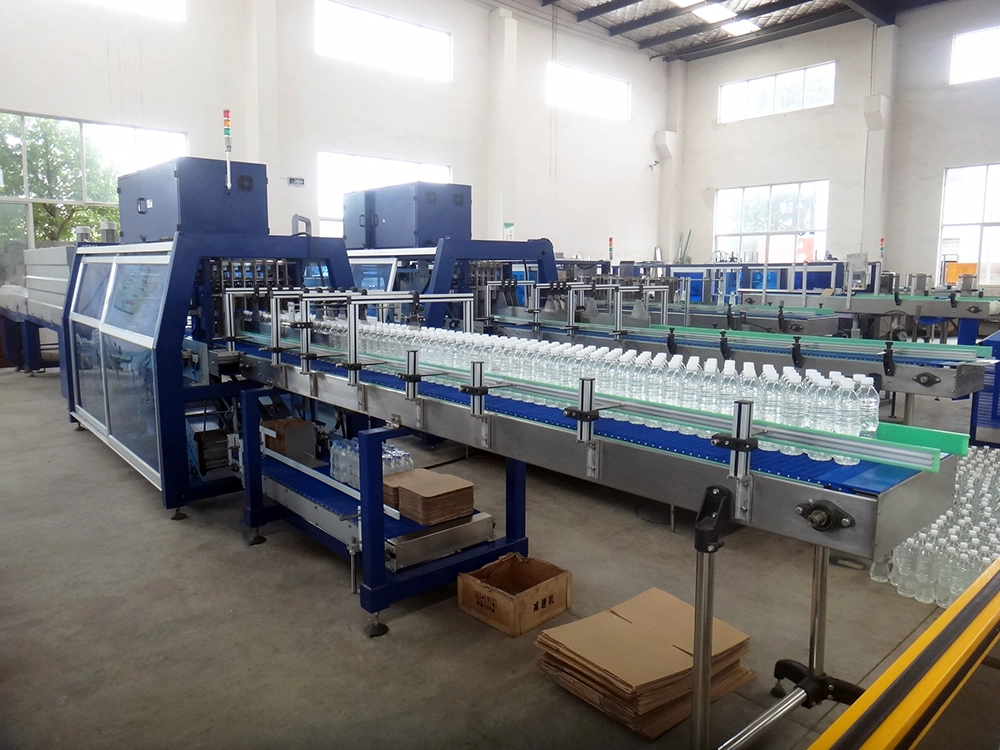
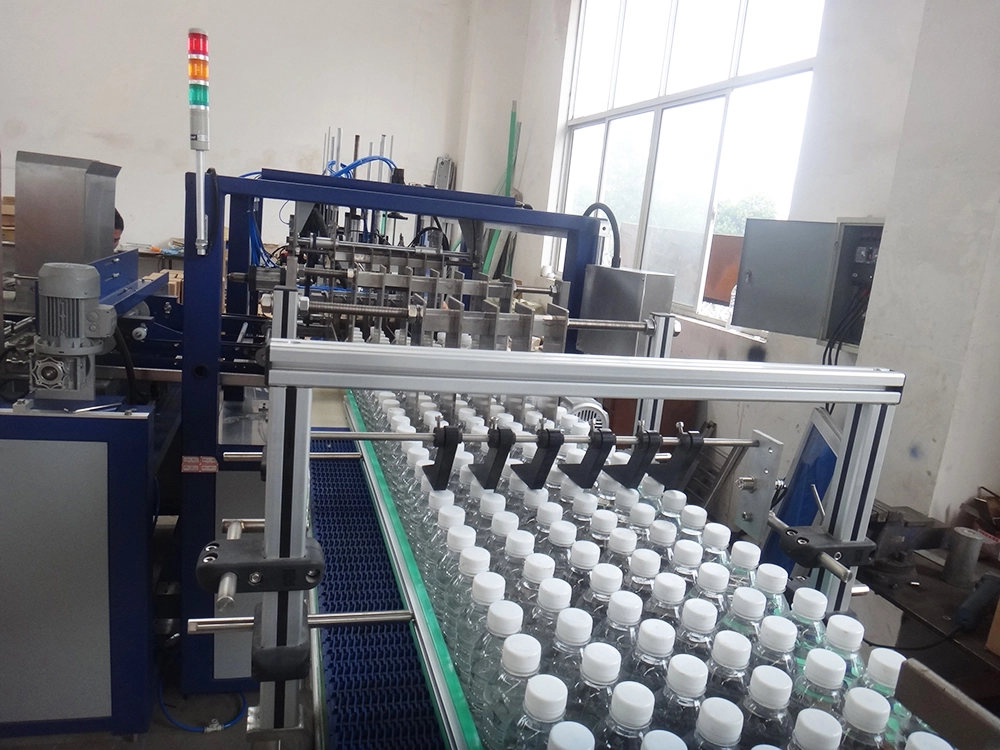
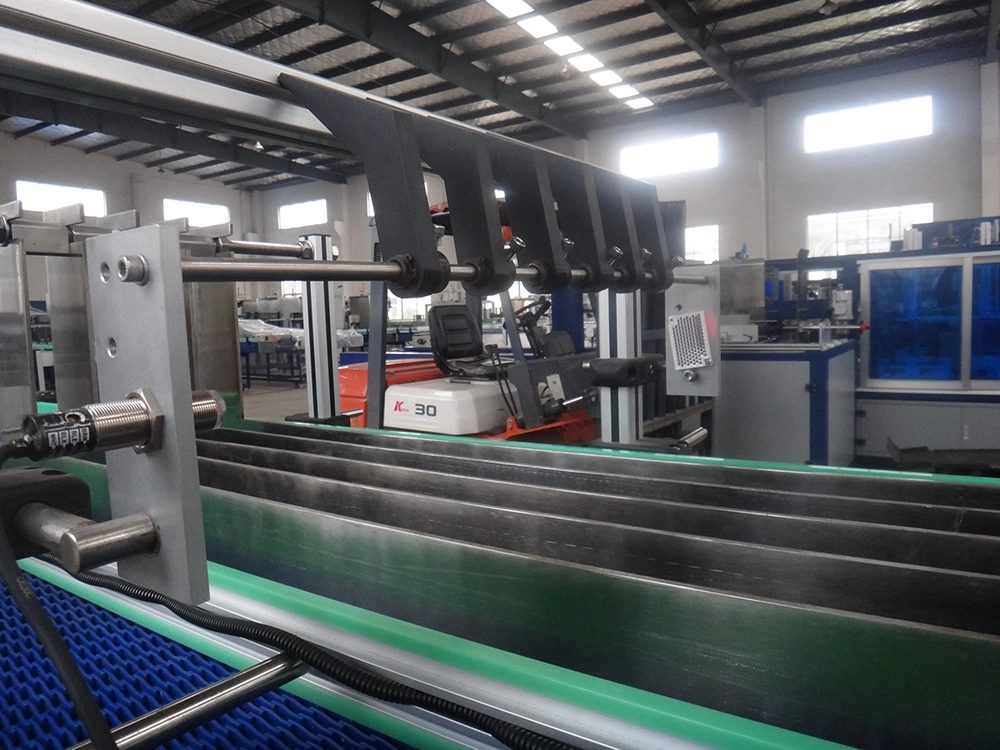
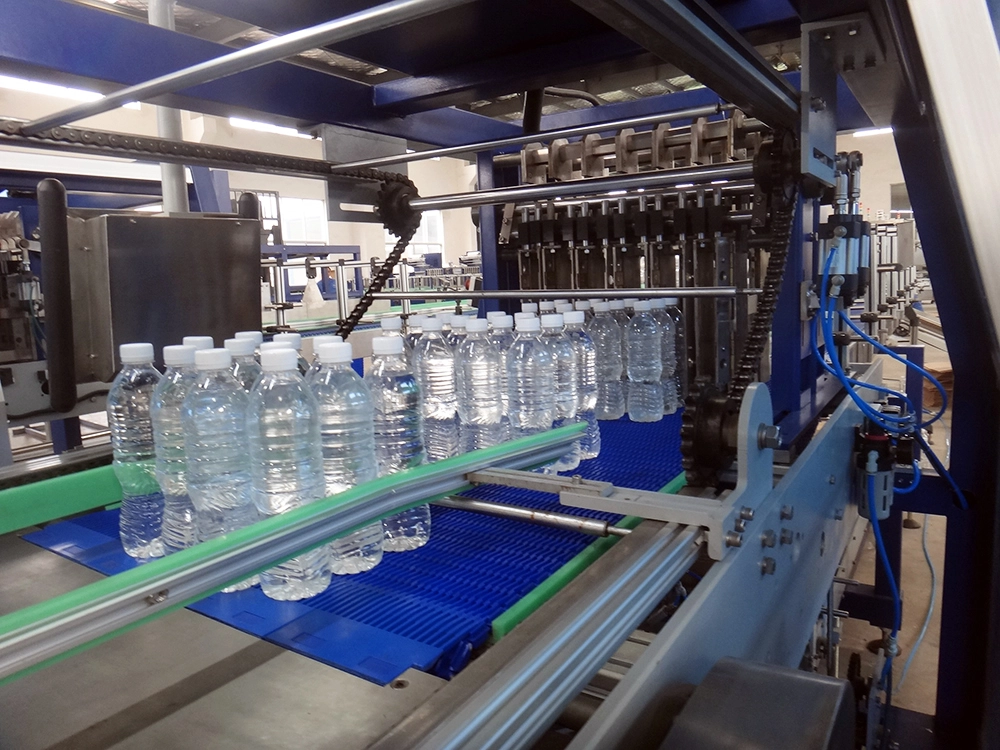
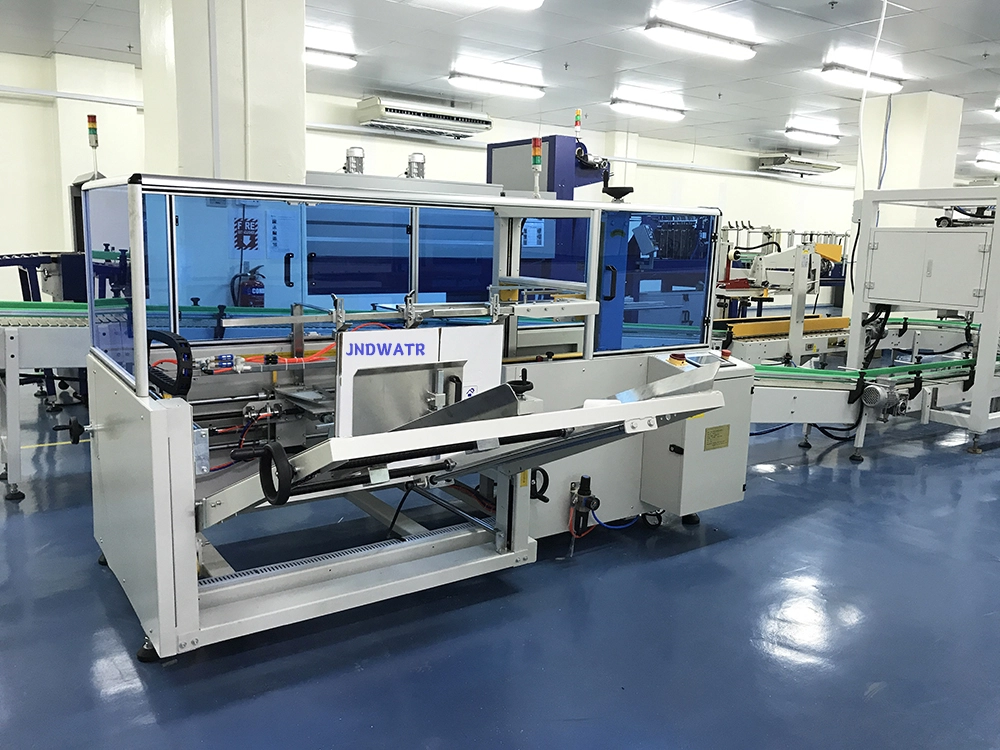
Detailed Introduction to Cardboard Packaging Machines
Let's dive into the world of cardboard packaging machines. These machines are the backbone of modern packaging lines, designed to automate the process of forming, filling, and sealing cardboard boxes. Understanding their basic operation, key functions, and the diverse applications they serve is crucial for any business looking to optimize its packaging process.
At its core, a cardboard packaging machine takes flat cardboard blanks and transforms them into fully formed boxes ready for product insertion. The process typically involves several stages: first, the machine picks up a blank, often using vacuum suction to ensure accurate handling. Next, the blank is folded along pre-scored lines to create the basic box shape. Adhesive, usually hot melt glue, is then applied to secure the flaps. Depending on the machine's complexity, it may also include features like automatic product loading, barcode scanning, and quality control checks.
The functions of a cardboard packaging machine extend beyond simple box formation. Modern machines can handle a wide range of box sizes and styles, from standard rectangular boxes to more complex designs with custom inserts or dividers. They can also integrate with other packaging line components, such as conveyors, labeling machines, and palletizers, to create a fully automated packaging system. This level of integration significantly reduces manual labor, increases throughput, and ensures consistent packaging quality.
Cardboard packaging machines find applications across numerous industries. In the food and beverage sector, they are used to package everything from canned goods and bottled drinks to snack foods and confectionery. The pharmaceutical industry relies on these machines for packaging medication, medical devices, and healthcare products, often with strict requirements for hygiene and tamper-evidence. In the e-commerce sector, cardboard packaging machines are essential for efficiently packaging and shipping a wide variety of products, from electronics and apparel to books and household goods. The versatility and efficiency of these machines make them an indispensable asset for any business that relies on cardboard packaging.
The history of cardboard packaging machines is rooted in the need for faster and more efficient packaging solutions. Early versions were largely mechanical, relying on complex systems of gears and levers. As technology advanced, these machines became increasingly automated, incorporating electronic controls, sensors, and robotics. Today, modern cardboard packaging machines are highly sophisticated, capable of self-diagnostics, remote monitoring, and data analysis. Industry standards, such as those set by the International Safe Transit Association (ISTA), ensure that packaging meets specific performance criteria for safe and reliable shipping. These standards drive continuous innovation in machine design and functionality, ensuring that cardboard packaging remains a viable and sustainable packaging solution for the future.
Advantages of Using Cardboard Packaging Machines
Investing in a cardboard packaging machine offers a multitude of advantages, impacting everything from operational costs to environmental sustainability. Let's delve into a detailed analysis of these benefits, examining the cost-effectiveness, efficiency gains, and environmental impact of automating your cardboard packaging process.
One of the most significant advantages is the cost savings achieved through automation. By replacing manual labor with a machine, businesses can drastically reduce labor costs, especially in regions with high wages. A cardboard packaging machine can operate continuously with minimal supervision, eliminating the need for multiple employees to perform repetitive tasks. This not only reduces direct labor expenses but also lowers indirect costs associated with training, benefits, and employee turnover. Furthermore, automated packaging reduces material waste. Machines are programmed to use the precise amount of cardboard needed for each box, minimizing errors and overages that can occur with manual packaging. Over time, these savings can add up to a substantial return on investment.
Efficiency is another key benefit. Cardboard packaging machines can significantly increase packaging throughput compared to manual methods. These machines can form, fill, and seal boxes at a much faster rate, allowing businesses to process more orders and meet tight deadlines. The speed and consistency of automated packaging also reduce the risk of errors and delays, improving overall operational efficiency. In addition, the integration of cardboard packaging machines with other production line components, such as conveyors and palletizers, creates a seamless and streamlined workflow, further enhancing efficiency and reducing bottlenecks.
The environmental impact of using cardboard packaging machines is also noteworthy. While cardboard itself is a relatively sustainable packaging material, the efficiency of automated packaging can further reduce its environmental footprint. By minimizing material waste and optimizing box sizes, businesses can use less cardboard overall, reducing the demand for raw materials and the energy required for production. Furthermore, automated packaging can improve the efficiency of transportation. Uniformly sized and shaped boxes are easier to stack and pack, maximizing the use of space in trucks and containers. This reduces the number of shipments needed, lowering fuel consumption and greenhouse gas emissions. Many modern cardboard packaging machines are also designed with energy-saving features, such as automatic shut-off and optimized power consumption, further reducing their environmental impact.
Numerous industry reports and user case studies support these advantages. For example, a report by PMMI, The Association for Packaging and Processing Technologies, found that businesses that invest in packaging automation experience an average increase in productivity of 20% and a reduction in labor costs of 15%. User case studies from companies in the food and beverage industry have shown similar results, with some businesses reporting a payback period of less than two years for their investment in cardboard packaging machines. These findings underscore the significant benefits of automating cardboard packaging and highlight the potential for businesses to improve their bottom line and reduce their environmental impact.
Why Choose JNDWATER as Your OEM & ODM Partner?
Selecting the right partner for your cardboard packaging machine needs is a critical decision that can significantly impact your business's success. JNDWATER stands out as a premier OEM & ODM partner, offering a unique combination of technical innovation, quality control excellence, and comprehensive after-sales service. Let's explore the specific reasons why JNDWATER is the ideal choice for your packaging automation needs.
JNDWATER's commitment to technical innovation is evident in its cutting-edge machine designs and advanced features. The company invests heavily in research and development, constantly pushing the boundaries of what's possible in cardboard packaging technology. JNDWATER's machines incorporate the latest advancements in automation, robotics, and sensor technology, ensuring optimal performance and efficiency. The company's engineering team works closely with clients to understand their specific needs and develop customized solutions that meet their unique requirements. Whether it's a high-speed packaging line for a large-scale food manufacturer or a flexible packaging solution for a small e-commerce business, JNDWATER has the expertise and capabilities to deliver innovative and effective solutions.
Quality control is paramount at JNDWATER. The company adheres to strict quality standards throughout the entire manufacturing process, from material selection to final assembly. JNDWATER uses only the highest quality components and materials, ensuring the durability and reliability of its machines. Each machine undergoes rigorous testing and inspection before it leaves the factory, guaranteeing that it meets the company's exacting standards. JNDWATER's commitment to quality extends beyond the manufacturing process. The company also provides comprehensive training and support to its clients, ensuring that they can operate and maintain their machines effectively. This dedication to quality and reliability minimizes downtime and maximizes the lifespan of JNDWATER's machines, providing long-term value to its clients.
JNDWATER's after-sales service is another key differentiator. The company understands that its relationship with clients extends beyond the initial sale. JNDWATER provides comprehensive support throughout the entire lifecycle of its machines, including installation, training, maintenance, and repair. The company has a team of experienced technicians who are available to provide on-site support and remote troubleshooting. JNDWATER also maintains a large inventory of spare parts, ensuring that clients can quickly and easily obtain the parts they need to keep their machines running smoothly. This commitment to after-sales service provides clients with peace of mind, knowing that they can rely on JNDWATER for ongoing support and assistance.
JNDWATER has a proven track record of success in helping businesses of all sizes optimize their packaging operations. The company has worked with clients in a wide range of industries, including food and beverage, pharmaceuticals, e-commerce, and manufacturing. JNDWATER's success stories include helping a leading food manufacturer increase its packaging throughput by 30%, assisting a pharmaceutical company in meeting strict regulatory requirements, and enabling an e-commerce business to efficiently package and ship a growing volume of orders. These success stories demonstrate JNDWATER's ability to deliver tangible results and provide exceptional value to its clients.
Customer Testimonials and Success Stories
Real-world feedback from satisfied customers is invaluable in demonstrating the effectiveness and reliability of cardboard packaging machines. Let's explore some specific testimonials and success stories from JNDWATER clients across various industries, highlighting the challenges they faced, the solutions JNDWATER provided, and the positive outcomes they achieved.
One example comes from a large beverage company that was struggling with inconsistent packaging quality and high labor costs. Their manual packaging process was slow, prone to errors, and required a significant number of employees. JNDWATER worked closely with the company to design and implement a fully automated cardboard packaging line. The solution included a high-speed box erector, an automatic product loader, and a sealing machine. The results were dramatic. The company saw a significant increase in packaging throughput, a reduction in labor costs of over 40%, and a marked improvement in packaging quality. The consistent and reliable performance of the JNDWATER machine allowed the company to meet growing demand and improve its overall profitability.
Another success story comes from a pharmaceutical manufacturer that needed to upgrade its packaging process to meet stricter regulatory requirements. The company was facing challenges with ensuring the integrity and tamper-evidence of its packaging. JNDWATER provided a customized cardboard packaging solution that included features such as barcode scanning, serialization, and tamper-evident seals. The machine was also designed to meet the stringent hygiene standards required in the pharmaceutical industry. The JNDWATER solution enabled the company to comply with all relevant regulations, improve the security of its packaging, and enhance its reputation for quality and safety.
An e-commerce business specializing in subscription boxes also benefited from JNDWATER's expertise. The company was experiencing rapid growth and needed a more efficient way to package and ship its products. JNDWATER provided a flexible cardboard packaging solution that could handle a variety of box sizes and shapes. The machine was also designed to be easy to operate and maintain, minimizing downtime and maximizing productivity. The JNDWATER solution enabled the company to scale its operations, reduce its shipping costs, and improve the overall customer experience.
These testimonials and success stories provide concrete evidence of the benefits of using JNDWATER's cardboard packaging machines. By automating their packaging processes, these companies were able to reduce costs, improve efficiency, enhance quality, and meet their specific business needs. These examples demonstrate JNDWATER's commitment to providing innovative and effective solutions that deliver tangible results.
To further enhance the credibility and authenticity of these testimonials, it's essential to provide specific details about the companies involved, such as their names, locations, and the specific project data. This information allows potential customers to verify the claims made in the testimonials and gain a deeper understanding of the benefits of working with JNDWATER.
Technical Specifications Comparison Table
A detailed technical specifications comparison table is essential for potential buyers to make informed decisions about which cardboard packaging machine best suits their needs. Let's create a comprehensive table that covers various models offered by JNDWATER, highlighting their key technical data and functional features. This will allow users to easily compare and contrast the different options and select the machine that meets their specific requirements.
The table should include the following columns:
- Model Number: The specific model number of the cardboard packaging machine.
- Box Size Range: The minimum and maximum dimensions of the boxes that the machine can handle (length, width, height).
- Speed: The maximum number of boxes that the machine can package per minute.
- Power Consumption: The amount of power that the machine requires to operate (in kilowatts).
- Air Pressure: The required air pressure for pneumatic components (in PSI or bar).
- Machine Dimensions: The overall dimensions of the machine (length, width, height).
- Weight: The weight of the machine.
- Control System: The type of control system used (e.g., PLC, HMI).
- Features: A list of key features, such as automatic box forming, sealing, labeling, and product loading.
- Materials: The types of materials that the machine can handle (e.g., corrugated cardboard, kraft paper).
Here's an example of how the table might look:
| Model Number |
Box Size Range (L x W x H) |
Speed (Boxes/Minute) |
Power Consumption (kW) |
Air Pressure (PSI) |
Machine Dimensions (L x W x H) |
Weight (kg) |
Control System |
Features |
Materials |
| JND-CPM-100 |
150-400mm x 100-300mm x 80-200mm |
Up to 20 |
3 |
80 |
2000mm x 1200mm x 1500mm |
500 |
PLC |
Automatic box forming, sealing |
Corrugated cardboard |
| JND-CPM-200 |
200-500mm x 150-350mm x 100-250mm |
Up to 25 |
4 |
80 |
2500mm x 1500mm x 1800mm |
650 |
PLC, HMI |
Automatic box forming, sealing, labeling |
Corrugated cardboard, kraft paper |
In addition to the table, it's helpful to include charts and visualizations to make the data more accessible and easier to understand. For example, a bar chart could be used to compare the speed of different models, or a scatter plot could be used to show the relationship between box size range and machine dimensions. These visual aids can help potential buyers quickly identify the machine that best meets their needs.
Step-by-Step Guide on How to Operate Cardboard Packaging Machine
A comprehensive step-by-step guide is crucial for users to understand how to properly operate and maintain their cardboard packaging machine. This guide should cover all aspects of machine operation, from initial installation and setup to routine maintenance and troubleshooting. The goal is to provide users with the knowledge and skills they need to operate their machines safely and efficiently.
The guide should begin with a section on machine installation. This section should cover topics such as unpacking the machine, positioning it in the correct location, connecting it to power and air supplies, and leveling the machine. It should also include instructions on how to connect the machine to other components of the packaging line, such as conveyors and palletizers. Clear diagrams and illustrations should be included to help users visualize the installation process.
Next, the guide should cover machine setup. This section should explain how to adjust the machine to handle different box sizes and shapes, how to set the sealing parameters, and how to configure the control system. It should also include instructions on how to load cardboard blanks into the machine and how to adjust the product loading mechanism. Again, clear diagrams and illustrations should be included to help users understand the setup process.
The guide should then cover machine operation. This section should explain how to start and stop the machine, how to monitor its performance, and how to respond to alarms and error messages. It should also include instructions on how to adjust the machine's speed and how to fine-tune the sealing parameters. Safety precautions should be emphasized throughout this section.
Finally, the guide should cover machine maintenance. This section should explain how to perform routine maintenance tasks, such as cleaning the machine, lubricating moving parts, and inspecting for wear and tear. It should also include instructions on how to troubleshoot common problems, such as jams, misfeeds, and sealing failures. A list of recommended spare parts should also be included.
To enhance the user experience, the guide should include high-quality images or videos that demonstrate each step of the operation and maintenance process. These visual aids can help users understand the instructions more easily and reduce the risk of errors. The guide should also be written in clear and concise language, avoiding technical jargon whenever possible. It should be organized in a logical and easy-to-follow manner, with clear headings and subheadings.
FAQ Section
A well-structured FAQ (Frequently Asked Questions) section is an invaluable resource for potential customers, addressing their common queries and concerns. This section should cover a wide range of topics, from product selection and purchasing processes to after-sales support and technical specifications. Let's create a comprehensive FAQ section that provides clear and concise answers to the most common questions about JNDWATER's cardboard packaging machines.
Here are some examples of questions that should be included in the FAQ section:
- What types of cardboard packaging machines does JNDWATER offer? This question should provide an overview of the different models available, highlighting their key features and applications.
- How do I choose the right cardboard packaging machine for my business? This question should offer guidance on selecting the appropriate machine based on factors such as box size, speed requirements, and budget.
- What is the lead time for a cardboard packaging machine? This question should provide an estimate of the time required to manufacture and deliver a machine.
- What is the warranty on JNDWATER's cardboard packaging machines? This question should explain the terms and conditions of the warranty, including the coverage period and any exclusions.
- What type of after-sales support does JNDWATER provide? This question should detail the support services available, such as installation, training, maintenance, and repair.
- How do I order spare parts for my cardboard packaging machine? This question should explain the process for ordering spare parts and provide contact information for the parts department.
- What are the payment options for purchasing a cardboard packaging machine? This question should list the accepted payment methods, such as credit card, bank transfer, and letter of credit.
- Does JNDWATER offer financing options for cardboard packaging machines? This question should explain whether financing options are available and provide contact information for the financing department.
- What are the shipping options for cardboard packaging machines? This question should list the available shipping methods, such as sea freight, air freight, and land transport.
- What are the installation requirements for a cardboard packaging machine? This question should outline the requirements for installing the machine, such as power supply, air pressure, and floor space.
To enhance the user experience, the FAQ section should be organized in a logical and easy-to-navigate manner. The questions should be grouped by topic, and each question should be linked to a clear and concise answer. The answers should be written in plain language, avoiding technical jargon whenever possible. The FAQ section should also be easily accessible from all pages of the website.
To further improve the visibility of the FAQ section in search engine results, it's important to use structured data markup, such as FAQ Schema. This markup helps search engines understand the content of the FAQ section and display it in a more informative way in search results. This can increase click-through rates and drive more traffic to the website.