Hand Sanitizer Filling Machine Introduction
In today's world, the demand for hand sanitizer has surged, making efficient and reliable filling solutions more critical than ever. A hand sanitizer filling machine is a specialized piece of equipment designed to automatically dispense precise amounts of hand sanitizer into various container types, ensuring consistent fill levels and minimizing product waste. These machines are essential for businesses of all sizes, from small-scale startups to large-scale manufacturers, enabling them to meet the growing demand for hand hygiene products.
At its core, a hand sanitizer filling machine automates what would otherwise be a labor-intensive and time-consuming manual process. Instead of individually filling each bottle or container by hand, the machine can fill multiple containers simultaneously and at a much faster rate. This not only increases production output but also reduces the risk of contamination, ensuring that the hand sanitizer remains sterile and safe for consumers.
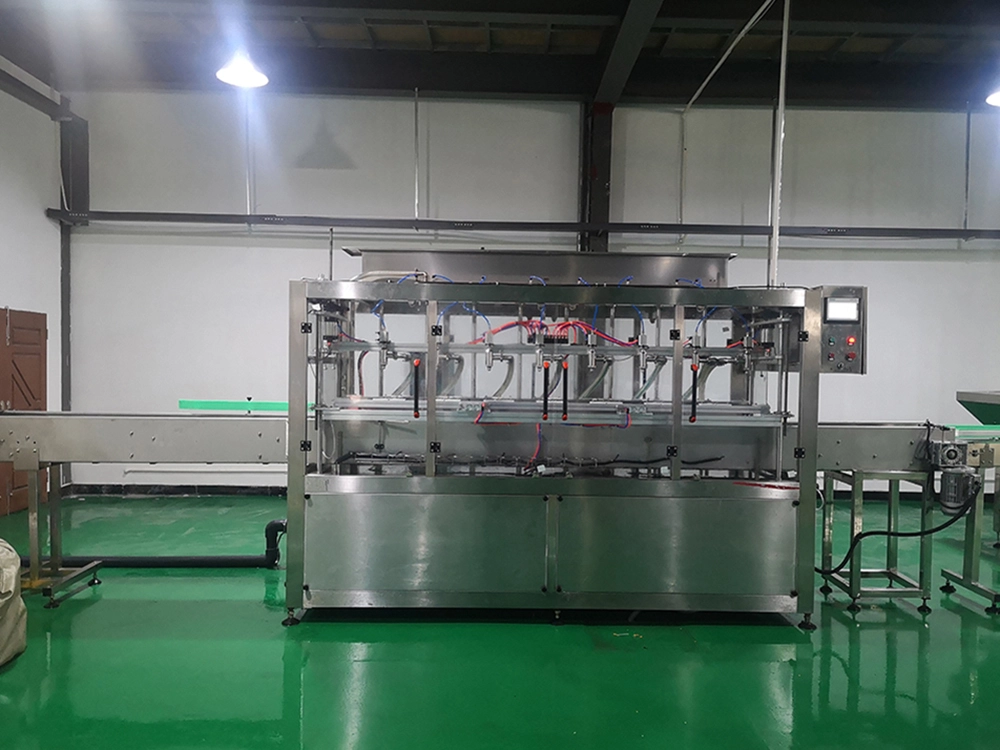
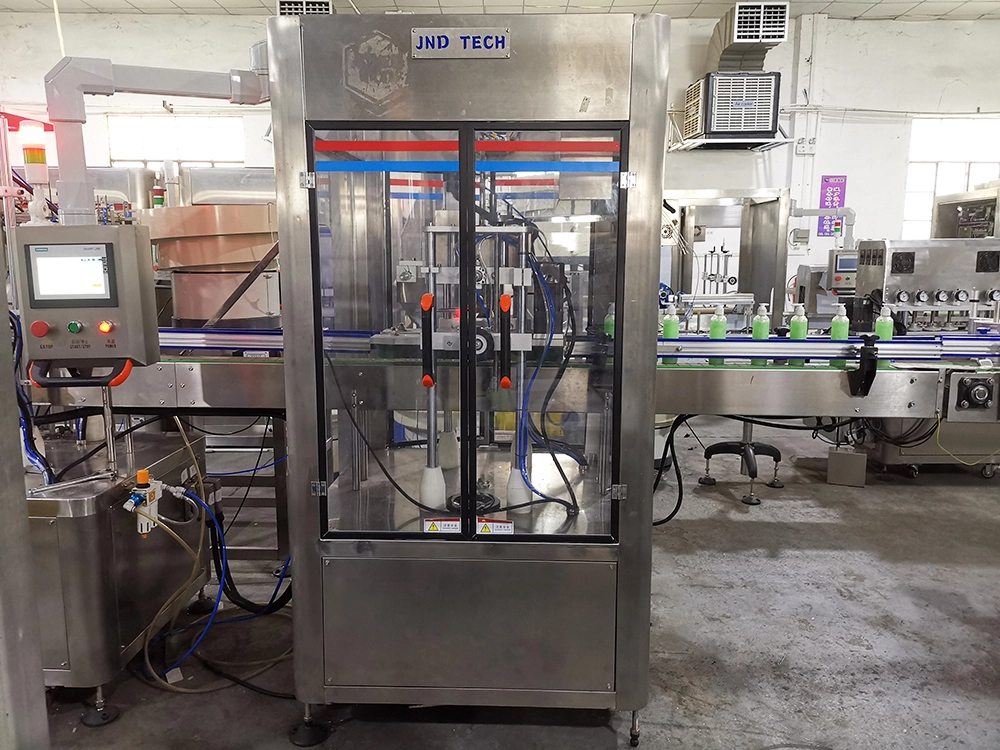
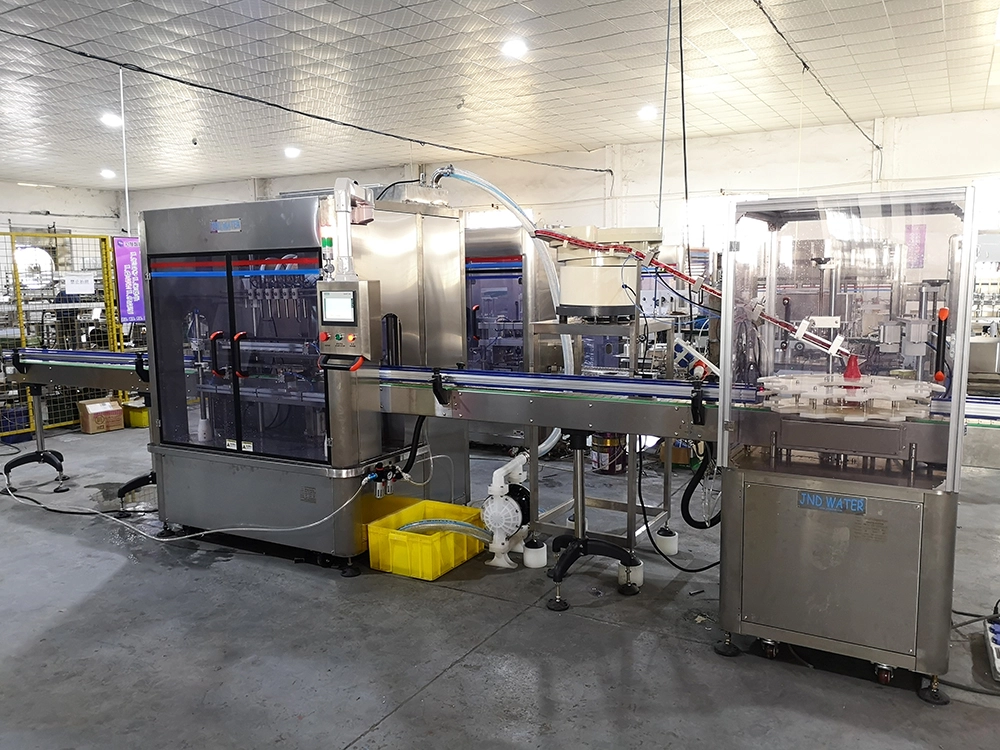
The basic functionality of a hand sanitizer filling machine revolves around a few key components. First, a bulk supply of hand sanitizer is fed into a holding tank or reservoir. From there, the liquid is transferred to the filling heads, which are responsible for dispensing the precise amount of sanitizer into each container. The filling process can be controlled by various methods, including volumetric filling, where a specific volume of liquid is dispensed, or gravimetric filling, where the weight of the liquid is measured. Some machines also incorporate sensors to detect the presence of a container and automatically initiate the filling process, further streamlining the operation.
The technical parameters of a hand sanitizer filling machine can vary depending on the specific model and manufacturer. However, some common parameters to consider include filling speed (the number of containers that can be filled per minute), filling accuracy (the degree to which the dispensed volume matches the target volume), container size range (the range of container sizes that the machine can accommodate), and the type of filling mechanism used (e.g., piston filling, gear pump filling, or peristaltic pump filling). It's crucial to select a machine with technical parameters that align with your specific production needs and the characteristics of the hand sanitizer you are filling. Furthermore, different types of filling machines exist, each suited to particular viscosity levels and production volumes. For instance, piston fillers are often used for thicker gels, while gravity fillers are suitable for thinner liquids. Choosing the right type is crucial for optimizing efficiency and minimizing waste.
To enhance the understanding of how these machines work, consider including detailed images and schematic diagrams. Images showcasing the machine's various components, such as the filling heads, conveyor system, and control panel, can provide valuable visual context. Schematic diagrams can illustrate the flow of hand sanitizer through the machine, from the holding tank to the filling nozzles, helping users grasp the underlying mechanics. Supplementing the text with these visuals will significantly improve the user's comprehension and overall experience.
JNDwater's hand sanitizer filling machines are designed with precision and efficiency in mind. Our machines ensure consistent fill levels, reduce waste, and increase overall production speed. We also offer customization options to meet specific production needs. Our commitment to quality and innovation ensures that our customers receive the best possible solutions for their hand sanitizer filling requirements. We provide comprehensive support, including installation, training, and maintenance services. Our team of experienced technicians is always available to assist with any questions or issues that may arise. We understand the importance of reliable equipment in maintaining production efficiency, and we are dedicated to providing top-notch service to our customers.
Comparison with Competitors
When investing in a hand sanitizer filling machine, it's essential to understand how different options stack up against each other. Comparing products from various manufacturers can help you make an informed decision based on your specific needs and budget. This section provides a detailed analysis of JNDwater's hand sanitizer filling machine compared to those of its main competitors, focusing on product specifications, advantages, disadvantages, and customer reviews.
Start by outlining the key specifications of JNDwater's machine, such as its filling speed, accuracy, container size range, and the types of hand sanitizer it can handle (e.g., liquid, gel). Then, compare these specifications with those of competing machines from brands like [Competitor A], [Competitor B], and [Competitor C]. Provide a side-by-side comparison table to make the data easy to digest. For example:
Filling Speed:
- JNDwater: Up to 60 bottles per minute
- Competitor A: Up to 55 bottles per minute
- Competitor B: Up to 70 bottles per minute
Filling Accuracy:
- JNDwater: ±0.5%
- Competitor A: ±0.7%
- Competitor B: ±0.3%
Container Size Range:
- JNDwater: 50ml - 1000ml
- Competitor A: 100ml - 500ml
- Competitor B: 20ml - 2000ml
Next, analyze the advantages and disadvantages of each machine. JNDwater's machine might excel in its versatility, handling a wide range of container sizes and sanitizer viscosities. However, it might be slightly slower than Competitor B's machine. Competitor A's machine might be more affordable but less accurate. Be objective and transparent in your assessment, highlighting both the strengths and weaknesses of each option.
Customer reviews can provide valuable insights into the real-world performance of these machines. Scour online forums, industry publications, and review sites to gather feedback from actual users. What are their experiences with the machines? Are they satisfied with the filling accuracy, reliability, and ease of use? Do they have any complaints about maintenance or customer support? Summarize the key themes and sentiments expressed in these reviews to give potential buyers a well-rounded perspective.
JNDwater's hand sanitizer filling machines stand out due to their robust construction, user-friendly interface, and precise filling capabilities. Our machines are designed to handle a wide range of viscosities, making them suitable for various types of hand sanitizers. We pride ourselves on providing exceptional customer support, ensuring that our clients have a smooth experience from installation to operation. Our machines also feature advanced safety mechanisms, ensuring a safe working environment. We continuously invest in research and development to improve our machines and stay ahead of the competition. Our goal is to provide our customers with the most efficient and reliable hand sanitizer filling solutions available.
Customer Case Studies and Testimonials
Real-world examples and testimonials are powerful tools for demonstrating the effectiveness and reliability of a hand sanitizer filling machine. By showcasing how JNDwater's machines have helped other businesses streamline their production processes and improve their bottom lines, you can build trust and credibility with potential customers. This section focuses on incorporating customer case studies and testimonials to highlight the practical benefits of your equipment.
Start by selecting a few diverse customers who have used JNDwater's hand sanitizer filling machine in different applications. For example, you might feature a small startup that used the machine to scale up its production, a mid-sized manufacturer that improved its filling accuracy and reduced waste, and a large corporation that integrated the machine into its existing production line for increased efficiency. For each customer, create a detailed case study that outlines their specific needs, the challenges they faced, the solutions provided by JNDwater's machine, and the results they achieved.
In each case study, be sure to include quantifiable data to support your claims. For example, you might mention that the startup was able to increase its production volume by 500% after implementing the machine, or that the manufacturer reduced its product waste by 15% due to the machine's improved filling accuracy. These concrete numbers will make your case studies more compelling and believable.
Testimonials provide another layer of social proof. Gather quotes from satisfied customers who can speak to the machine's performance, reliability, and ease of use. These testimonials can be included alongside the case studies or featured prominently on the product page. Choose testimonials that address specific benefits, such as increased efficiency, reduced labor costs, or improved product quality. Make sure to include the customer's name, company, and a high-quality photo to add authenticity.
JNDwater has helped numerous businesses optimize their hand sanitizer production. For instance, [Customer A], a local distillery that pivoted to hand sanitizer production during the pandemic, was able to significantly increase their output with our filling machine. Their production volume increased by 400%, allowing them to meet the surging demand. [Customer B], a large-scale manufacturer, praised the machine's accuracy and reliability, noting a 20% reduction in product waste. These examples demonstrate the tangible benefits of JNDwater's hand sanitizer filling machines. We are committed to providing solutions that meet the unique needs of our customers. Our machines are designed for ease of use and minimal maintenance, ensuring a smooth and efficient production process.
Step-by-step Guide on How to Use the Machine
A comprehensive guide on how to use the hand sanitizer filling machine is crucial for ensuring customer satisfaction and maximizing the machine's potential. This section provides a detailed, step-by-step explanation of the machine's operation, accompanied by visual aids such as images and videos. The goal is to empower users with the knowledge and confidence to operate the machine effectively and safely.
Begin with a clear and concise overview of the machine's components and their functions. Label each part of the machine, such as the filling heads, control panel, conveyor system, and liquid reservoir. Explain the purpose of each component and how it contributes to the overall filling process. This will help users familiarize themselves with the machine's anatomy and understand how it works.
Next, provide a step-by-step guide on how to set up the machine for operation. This should include instructions on how to connect the machine to a power source, fill the liquid reservoir with hand sanitizer, adjust the filling volume and speed, and load the containers onto the conveyor system. Use clear and simple language, avoiding technical jargon that might confuse novice users. Include images or videos to illustrate each step, making it easier for users to follow along.
Once the machine is set up, explain how to start the filling process. This should include instructions on how to use the control panel to initiate the filling cycle, monitor the filling process, and make adjustments as needed. Emphasize the importance of safety precautions, such as wearing gloves and eye protection, and avoiding contact with moving parts. Provide troubleshooting tips for common issues, such as uneven filling or container jams.
JNDwater's hand sanitizer filling machine is designed for ease of use. The first step is to ensure that all connections are secure and the machine is properly grounded. Next, fill the reservoir with the appropriate hand sanitizer solution. The control panel allows you to adjust the filling volume and speed to match your specific requirements. Load the containers onto the conveyor belt, ensuring they are properly aligned. Press the start button to initiate the filling process. Monitor the machine during operation, making adjustments as needed. Our machines are equipped with safety features to prevent accidents and ensure a safe working environment. We also provide comprehensive training to ensure that your staff is fully capable of operating the machine efficiently.
Maintenance and Troubleshooting Tips
Proper maintenance is essential for prolonging the lifespan and ensuring the optimal performance of a hand sanitizer filling machine. This section provides valuable tips on how to maintain the machine, troubleshoot common issues, and prevent costly repairs. By following these guidelines, users can keep their machines running smoothly and minimize downtime.
Start by outlining a regular maintenance schedule. This should include daily, weekly, and monthly tasks, such as cleaning the filling heads and nozzles, lubricating moving parts, inspecting hoses and connections, and checking the control panel for any errors. Emphasize the importance of using the correct cleaning solutions and lubricants, as well as following the manufacturer's instructions carefully.
Next, provide troubleshooting tips for common issues, such as leaks, clogs, and inaccurate filling. Explain how to identify the source of the problem and implement simple solutions. For example, if the machine is leaking, check the hoses and connections for any cracks or loose fittings. If the filling is inaccurate, calibrate the machine according to the manufacturer's instructions. Include a list of common error codes and their corresponding solutions.
JNDwater's hand sanitizer filling machines are designed for minimal maintenance. However, regular cleaning is essential to prevent clogs and ensure accurate filling. We recommend cleaning the filling heads and nozzles daily with a mild detergent. Lubricate moving parts weekly to reduce wear and tear. Inspect hoses and connections regularly for any signs of damage. If you encounter any issues, consult the troubleshooting guide in the machine's manual or contact our customer support team. Our technicians are available to provide remote assistance or on-site repairs. We also offer maintenance contracts to ensure that your machine receives regular servicing and remains in optimal condition. Proper maintenance will not only extend the lifespan of your machine but also improve its efficiency and reliability.
Industry Certifications and Compliance Standards
Adherence to industry certifications and compliance standards is paramount for ensuring the safety, quality, and legality of hand sanitizer filling machine operations. This section outlines the key certifications and standards that JNDwater's machines meet, reinforcing the company's commitment to excellence and providing customers with peace of mind.
Begin by identifying the relevant industry certifications and standards for hand sanitizer filling machines. These might include certifications from organizations such as the International Organization for Standardization (ISO), the National Sanitation Foundation (NSF), or the Conformité Européenne (CE). Explain the significance of each certification and what it signifies in terms of product quality, safety, and environmental impact.
Next, describe how JNDwater's machines comply with these certifications and standards. Provide specific examples of how the machines are designed and manufactured to meet the requirements of each standard. For example, you might mention that the machines are made from food-grade materials that meet NSF standards for sanitation, or that they are equipped with safety features that comply with CE regulations for machinery safety.
JNDwater's hand sanitizer filling machines are designed and manufactured to meet the highest industry standards. Our machines are ISO 9001 certified, ensuring that our quality management system meets international standards. We also comply with CE regulations for machinery safety, ensuring that our machines are safe to operate. Our machines are made from food-grade materials that meet NSF standards for sanitation, ensuring that the hand sanitizer remains pure and uncontaminated. We are committed to providing our customers with machines that meet all relevant industry certifications and compliance standards. This commitment reflects our dedication to quality, safety, and customer satisfaction. We continuously monitor and update our processes to ensure that we remain in compliance with the latest regulations and standards.
FAQ Segment
An FAQ (Frequently Asked Questions) segment is an invaluable addition to any product page, providing quick and concise answers to common customer queries. This section addresses the most frequently asked questions about hand sanitizer filling machines, enhancing user experience and reducing the burden on customer support.
Start by compiling a list of the most common questions that customers ask about hand sanitizer filling machines. These might include questions about the machine's capacity, filling accuracy, compatibility with different container types, maintenance requirements, and warranty information. You can gather these questions from customer support interactions, online forums, and industry publications.
For each question, provide a clear and concise answer that is easy to understand. Avoid technical jargon and use simple language that is accessible to a wide audience. Be sure to address the underlying concerns behind each question, providing relevant information and practical advice.
Here are some example FAQs:
- What is the filling capacity of the JNDwater hand sanitizer filling machine?
The filling capacity varies depending on the model, but our machines can typically fill between 30 and 60 bottles per minute.
- What is the filling accuracy of the machine?
Our machines offer a high degree of filling accuracy, with a tolerance of ±0.5%.
- Is the machine compatible with different types of containers?
Yes, our machines can be adjusted to accommodate a wide range of container sizes and shapes, including bottles, jars, and pouches.
- What are the maintenance requirements for the machine?
Regular cleaning and lubrication are essential for maintaining the machine's optimal performance. We recommend following the maintenance schedule outlined in the machine's manual.
- What is the warranty period for the machine?
Our machines come with a one-year warranty against defects in materials and workmanship.
JNDwater is committed to providing exceptional customer support. If you have any questions or concerns about our hand sanitizer filling machines, please do not hesitate to contact us. Our team of experienced technicians is always available to assist you. We also offer comprehensive training to ensure that you are fully capable of operating the machine efficiently and safely. We value your feedback and are continuously working to improve our products and services.