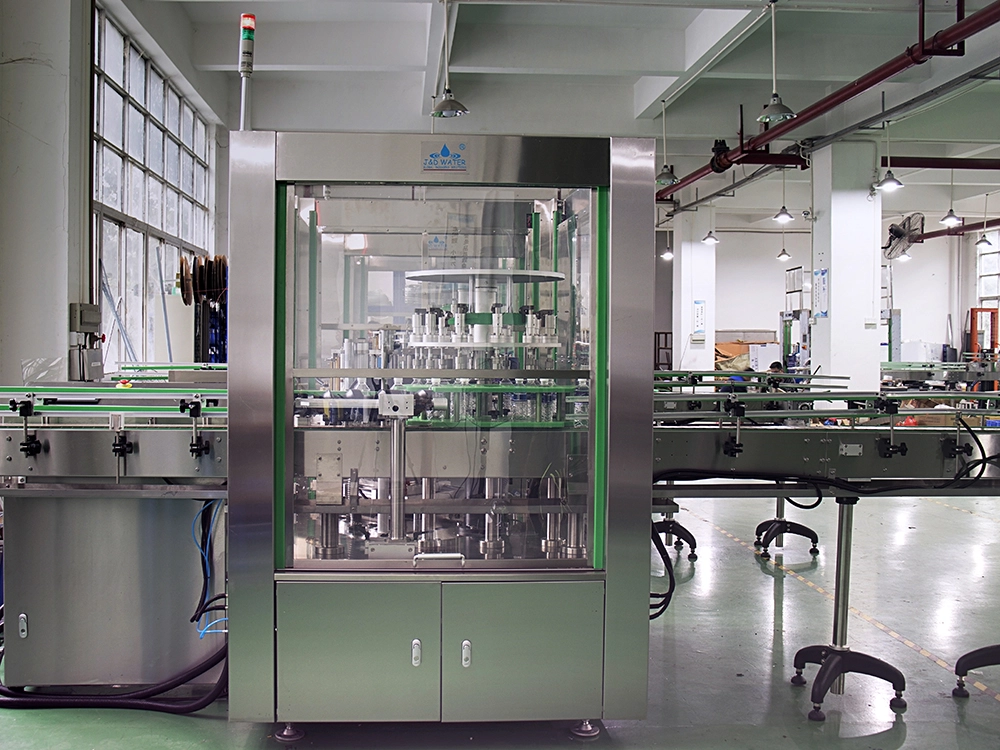
Overview of Hot Melt Glue Labeling Technology
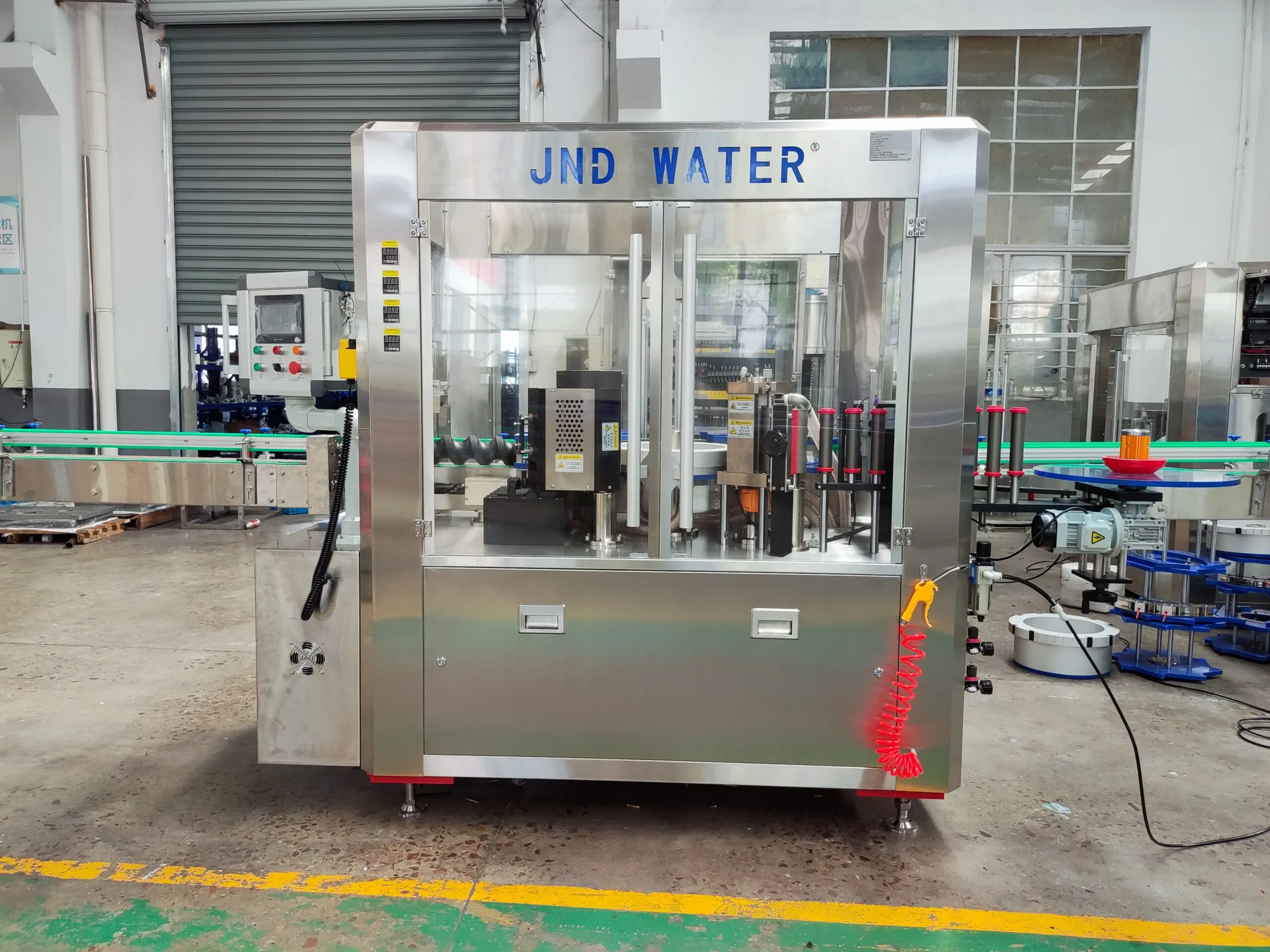
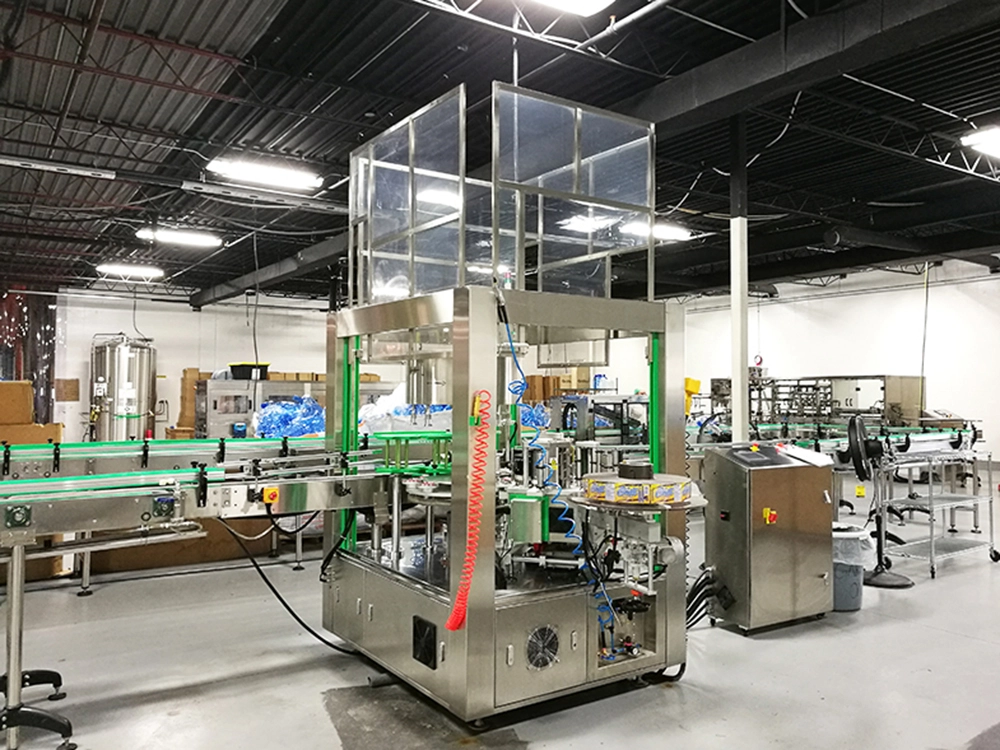
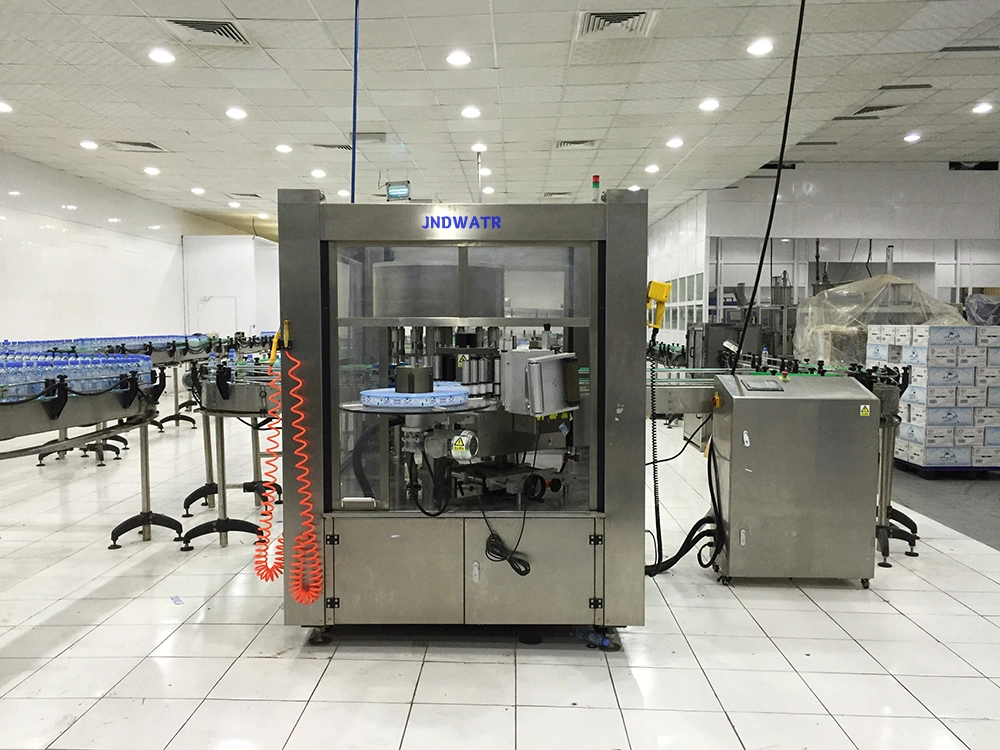
What is hot melt glue labeling technology, and why is it gaining traction in the packaging industry? Hot melt glue labeling technology utilizes thermoplastic adhesives to affix labels to containers. The process involves heating the glue to a liquid state, applying it to the label or container, and then pressing the two together. As the adhesive cools, it forms a strong bond, securing the label in place. This method is known for its speed, efficiency, and versatility, making it suitable for a wide range of materials and container shapes.
Compared to other labeling technologies like pressure-sensitive labels (PSL) or cold glue labeling, hot melt offers several distinct advantages. PSL, while convenient, can be more expensive and less durable in certain environments. Cold glue, on the other hand, requires longer drying times and can be messier to work with. Hot melt glue labeling strikes a balance, providing a robust bond with relatively quick setting times.
To better illustrate the advantages of hot melt glue labeling, consider the following comparison:
| Feature |
Hot Melt Glue Labeling |
Pressure-Sensitive Labeling (PSL) |
Cold Glue Labeling |
| Cost |
Moderate |
Higher |
Lower |
| Speed |
High |
High |
Moderate |
| Durability |
Excellent |
Good |
Good |
| Versatility |
High (various materials and shapes) |
Moderate (limited by label material) |
High (but can be messy) |
| Environmental Impact |
Lower (less material waste compared to PSL) |
Higher (liner waste) |
Moderate (water-based adhesives) |
| Maintenance |
Moderate (requires cleaning of glue application system) |
Low |
High (requires thorough cleaning to prevent bacterial growth) |
As you can see, hot melt glue labeling offers a compelling combination of cost-effectiveness, speed, and durability. This makes it an attractive option for businesses looking to optimize their labeling processes. Furthermore, the reduced material waste compared to PSL aligns with growing sustainability concerns.
Industry Applications and Use Cases
Where can you find hot melt glue labeling machines in action? The versatility of this technology makes it a staple in numerous industries. From the beverages we consume to the personal care products we use daily, hot melt glue labeling plays a crucial role in product presentation and branding.
Food and Beverage Industry: This is perhaps the most prominent application area. Think about bottled water, soft drinks, and canned goods. Hot melt glue labeling ensures that labels adhere securely even in humid or refrigerated environments. JNDWATER serves a diverse and global user base, spanning more than 125 countries and regions and involving over 450 food and beverage factories. Their equipment is utilized by a wide spectrum of clients, ranging from startups and small-scale producers to industry giants. In this sector, the machine's ability to handle high-volume production with consistent accuracy is highly valued. For instance, a large beverage company might use a JNDWATER hot melt glue labeling machine to apply labels to thousands of bottles per hour, maintaining a consistent brand image across all products.
Daily Chemical Industry: Shampoos, detergents, and cleaning solutions often require labels that can withstand exposure to moisture and chemicals. Hot melt glue provides the necessary adhesion and resistance. The hot melt glue labeling machine ensures that labels remain firmly attached, even when exposed to harsh chemicals or damp environments. This is particularly important for maintaining brand integrity and providing consumers with essential product information throughout the product's lifecycle.
Pharmaceutical Industry: In the pharmaceutical sector, accuracy and security are paramount. Hot melt glue labeling can be used to apply tamper-evident labels, ensuring product integrity and patient safety. Consider a pharmaceutical company that needs to label vials with critical dosage information and safety warnings. A JNDWATER hot melt glue labeling machine can be configured to apply these labels with pinpoint accuracy, ensuring that each vial is correctly labeled and compliant with regulatory requirements. This precision is crucial for preventing errors and ensuring patient safety.
Other Industries: Beyond these core sectors, hot melt glue labeling is also utilized in industries such as:
- Cosmetics: Applying labels to jars, tubes, and bottles.
- Lubricant oil: Ensuring labels adhere securely to containers that may be exposed to extreme temperatures.
- Household Products: Labeling cleaning supplies and other household items.
To provide concrete examples, let's look at a few specific scenarios:
- A small craft brewery uses a JNDWATER hot melt glue labeling machine to apply unique labels to its beer bottles, creating a distinctive brand identity.
- A large-scale manufacturer of cleaning products relies on JNDWATER's equipment to label millions of bottles annually, ensuring consistent quality and efficiency.
- A pharmaceutical company uses a customized JNDWATER hot melt glue labeling machine to apply serialized labels to individual medicine packages, complying with track-and-trace regulations.
These examples illustrate the diverse applications of hot melt glue labeling technology and how JNDWATER's solutions cater to a wide range of business needs.
Comparison of Hot Melt Glue Labeling Machines
Choosing the right hot melt glue labeling machine can be a daunting task. Different models offer varying features, performance levels, and price points. Understanding these differences is crucial for making an informed decision that aligns with your specific needs and budget.
JNDWATER offers a range of hot melt glue labeling machines designed to cater to diverse production requirements. Here's a comparison of some key models:
| Model |
Speed (bottles/min) |
Container Size Range |
Label Material |
Features |
Price Range |
Suitable For |
| JND-HML100 |
Up to 100 |
50-500ml |
Paper, OPP |
Compact design, simple operation |
$5,000 - $10,000 |
Small to medium-sized businesses |
| JND-HML200 |
Up to 200 |
100-1000ml |
Paper, OPP, PE |
Automatic label feeding, adjustable parameters |
$10,000 - $20,000 |
Medium-sized businesses |
| JND-HML300 |
Up to 300 |
200-2000ml |
Paper, OPP, PE, PVC |
High-speed operation, advanced control system |
$20,000 - $35,000 |
Large-scale manufacturers |
| JND-HML400 |
Up to 400 |
50-2500ml |
Paper, OPP, PE, PVC, PET |
Servo driven, precise label placement, versatile |
$35,000 - $50,000 |
High-volume production lines |
Factors to Consider When Choosing a Machine:
- Production Volume: Determine your current and projected production needs. A higher-speed machine may be necessary for large-scale operations.
- Container Size and Shape: Ensure that the machine can accommodate the range of container sizes and shapes you use.
- Label Material: Verify that the machine is compatible with the label materials you intend to use (e.g., paper, OPP, PE).
- Features and Automation: Consider features such as automatic label feeding, adjustable parameters, and advanced control systems, which can improve efficiency and accuracy.
- Budget: Establish a budget and compare the features and performance of different machines within that range.
- Maintenance and Support: Inquire about the availability of maintenance services and technical support.
By carefully evaluating these factors and comparing different models, you can select a hot melt glue labeling machine that meets your specific requirements and delivers optimal performance.
Client Testimonials and Success Stories
What do JNDWATER's customers say about their hot melt glue labeling machines? Real-world feedback and success stories provide valuable insights into the performance, reliability, and overall value of these machines.
Testimonial 1: Beverage Manufacturer
"We were struggling with inconsistent label application using our old machine. Since switching to the JND-HML300, our production efficiency has increased by 30%, and the labels are perfectly aligned every time. The machine is easy to operate, and the support team is always responsive." - John Smith, Production Manager
Testimonial 2: Daily Chemical Producer
"The JND-HML200 has been a game-changer for our business. It handles a variety of container sizes and label materials with ease. The machine is robust and requires minimal maintenance. We highly recommend JNDWATER to anyone looking for a reliable labeling solution." - Jane Doe, Operations Director
Success Story: Craft Brewery
A small craft brewery was looking to automate its labeling process to increase production and improve brand consistency. After implementing the JND-HML100, the brewery was able to double its output while maintaining a high level of quality. The machine's compact design and user-friendly interface made it easy for the brewery staff to operate and maintain. As a result, the brewery was able to expand its distribution and increase its market share.
Success Story: Pharmaceutical Company
A pharmaceutical company needed a labeling solution that could meet stringent regulatory requirements and ensure product safety. JNDWATER provided a customized JND-HML400 machine with advanced features such as serialized label printing and verification. The machine's precise label placement and tamper-evident capabilities helped the company comply with track-and-trace regulations and protect its products from counterfeiting. This investment not only improved the company's operational efficiency but also enhanced its reputation for quality and safety.
These testimonials and success stories demonstrate the tangible benefits of using JNDWATER's hot melt glue labeling machines. From increased production efficiency to improved brand consistency and enhanced product safety, these machines deliver real value to businesses across various industries.
Technical Specifications Detailed Breakdown
Understanding the technical specifications of a hot melt glue labeling machine is essential for ensuring that it meets your specific requirements. Let's delve into the key technical parameters and provide a detailed breakdown of each.
Key Technical Specifications:
- Labeling Speed: This refers to the number of containers that can be labeled per minute (CPM) or bottles per minute (BPM). It is a crucial factor in determining the machine's overall throughput.
- Container Size Range: This specifies the range of container sizes (diameter and height) that the machine can accommodate. Ensure that the machine can handle the sizes of your containers.
- Label Size Range: This indicates the range of label sizes (width and length) that the machine can apply. Verify that the machine is compatible with your label dimensions.
- Label Material: This specifies the types of label materials that the machine can handle (e.g., paper, OPP, PE, PVC).
- Glue Type: This indicates the type of hot melt glue that the machine uses. Ensure that the glue is compatible with your label material and container surface.
- Power Supply: This specifies the voltage and frequency requirements of the machine. Ensure that your facility's power supply meets these requirements.
- Air Pressure: This indicates the required air pressure for pneumatic components. Ensure that your compressed air system can provide the necessary pressure.
- Machine Dimensions: This specifies the overall dimensions of the machine. Ensure that you have sufficient space in your facility to accommodate the machine.
- Weight: This indicates the weight of the machine. Consider the floor load capacity of your facility.
Detailed Technical Parameter Table:
| Parameter |
Description |
Value |
| Labeling Speed |
Maximum number of containers labeled per minute |
Up to 400 BPM (depending on model) |
| Container Diameter |
Range of container diameters that can be handled |
50-120mm |
| Container Height |
Range of container heights that can be handled |
80-300mm |
| Label Length |
Range of label lengths that can be applied |
20-300mm |
| Label Height |
Range of label heights that can be applied |
20-150mm |
| Glue Temperature |
Operating temperature of the hot melt glue |
120-180°C |
| Power Supply |
Voltage and frequency requirements |
220V/380V, 50/60Hz |
| Air Pressure |
Required air pressure for pneumatic components |
0.6-0.8MPa |
| Machine Dimensions |
Overall dimensions of the machine |
2500x1200x1800mm |
| Weight |
Weight of the machine |
800kg |
By carefully reviewing these technical specifications, you can ensure that the hot melt glue labeling machine is a suitable fit for your specific production needs and operational environment.
Frequently Asked Questions (FAQs)
Do you have questions about hot melt glue labeling machines? Here are some frequently asked questions to help you better understand this technology and its applications.
Q: What is the cost of maintaining a hot melt glue labeling machine?
A: The maintenance cost of a hot melt glue labeling machine depends on several factors, including the machine's age, usage frequency, and the quality of maintenance performed. Regular maintenance tasks include cleaning the glue application system, replacing worn parts, and lubricating moving components. On average, the annual maintenance cost can range from $500 to $2000. However, investing in preventive maintenance can help minimize downtime and extend the machine's lifespan.
Q: How easy is it to operate a hot melt glue labeling machine?
A: Modern hot melt glue labeling machines are designed with user-friendly interfaces and intuitive controls. Most machines feature touch screen displays that allow operators to easily adjust parameters such as labeling speed, label position, and glue temperature. Training is typically provided by the manufacturer or supplier to ensure that operators are proficient in using the machine. With proper training and practice, operating a hot melt glue labeling machine can be relatively straightforward.
Q: What types of labels can be used with a hot melt glue labeling machine?
A: Hot melt glue labeling machines are versatile and can handle a wide range of label materials, including paper, OPP (oriented polypropylene), PE (polyethylene), PVC (polyvinyl chloride), and PET (polyethylene terephthalate). The choice of label material depends on the application requirements, such as durability, moisture resistance, and aesthetic appeal. It is important to select a label material that is compatible with the hot melt glue being used to ensure a strong and lasting bond.
Q: What are the advantages of using hot melt glue labeling over other labeling methods?
A: Hot melt glue labeling offers several advantages over other labeling methods, such as pressure-sensitive labeling and cold glue labeling. These advantages include:
- High Speed: Hot melt glue labeling machines can operate at high speeds, making them suitable for high-volume production lines.
- Strong Adhesion: Hot melt glue provides a strong and durable bond, ensuring that labels remain securely attached to containers.
- Versatility: Hot melt glue labeling machines can handle a variety of container shapes and label materials.
- Cost-Effectiveness: Hot melt glue is generally less expensive than pressure-sensitive labels, making it a cost-effective labeling solution.
- Environmental Friendliness: Hot melt glue is solvent-free and emits low VOCs (volatile organic compounds), making it an environmentally friendly option.
Q: How do I troubleshoot common issues with a hot melt glue labeling machine?
A: Common issues with hot melt glue labeling machines include glue clogging, label misalignment, and inconsistent glue application. Here are some troubleshooting tips:
- Glue Clogging: Clean the glue application system regularly to prevent clogs. Use a glue filter to remove impurities from the glue.
- Label Misalignment: Adjust the label sensor and guide rails to ensure proper label alignment. Check the label roll for any defects or damage.
- Inconsistent Glue Application: Adjust the glue temperature and pressure to ensure consistent glue application. Check the glue nozzle for any clogs or damage.
If you encounter any persistent issues, consult the machine's manual or contact the manufacturer for technical support.