How Reverse Osmosis Technology Works
Understanding how reverse osmosis (RO) technology works is crucial for appreciating its effectiveness in water purification. At its core, RO is a sophisticated membrane separation process. Imagine a filter so fine that it can block almost everything except water molecules. That's essentially what an RO membrane does. But it's not just a simple filter; the process involves applying pressure to force water through this semi-permeable membrane, leaving behind virtually all impurities.
To visualize this, think of a container divided into two sections by the RO membrane. On one side, you have the feed water – the water you want to purify. This water can contain a plethora of contaminants, including salts, minerals, bacteria, viruses, and dissolved organic matter. On the other side, you have the purified water, also known as permeate. When pressure is applied to the feed water, it overcomes the osmotic pressure, which is the pressure that would naturally drive water from the pure side to the contaminated side to equalize the concentrations. By exceeding this osmotic pressure, the RO system compels the water molecules to move against their natural tendency, squeezing them through the membrane.
The semi-permeable membrane is the heart of the RO system. It's designed with extremely tiny pores that allow water molecules to pass through while blocking larger molecules and ions. These pores are so small – typically around 0.0001 microns – that they can effectively remove up to 99% of dissolved salts, particles, colloids, organics, bacteria, and pyrogens from the feed water. The rejected contaminants are concentrated on the feed side of the membrane and are then flushed away as waste, known as concentrate or brine.
The effectiveness of an industrial reverse osmosis machine depends on several factors, including the type of membrane used, the applied pressure, the temperature of the water, and the concentration of contaminants in the feed water. Different types of membranes are available, each designed for specific applications and water conditions. For example, some membranes are more resistant to chlorine, while others are better suited for high-salinity water.
The benefits of using RO technology are numerous. It provides a highly effective method for producing high-purity water, which is essential for many industrial processes. It's also a relatively environmentally friendly technology, as it doesn't require the use of harsh chemicals. Furthermore, RO systems can be designed to be energy-efficient, minimizing their environmental footprint. To further illustrate the process, consider a simple analogy: imagine squeezing a sponge filled with muddy water. The sponge represents the RO membrane, and your hand applying pressure represents the RO system. As you squeeze, clean water drips out, while the mud and dirt remain trapped inside the sponge. This is essentially what happens in an RO system, albeit on a much smaller and more sophisticated scale.
In summary, reverse osmosis is a powerful and versatile water purification technology that relies on a semi-permeable membrane and applied pressure to separate water molecules from contaminants. Its effectiveness, environmental friendliness, and adaptability make it an ideal solution for a wide range of industrial applications. Understanding the science behind RO allows users to optimize their systems for maximum performance and efficiency.
Applications and Industries Served
The versatility of industrial reverse osmosis machines makes them indispensable across a wide range of industries. From ensuring the purity of water in pharmaceutical manufacturing to providing ultra-pure water for semiconductor fabrication, the applications are extensive and critical. Let's delve into some specific examples to illustrate the breadth of their utility. In the pharmaceutical industry, water purity is paramount. Industrial RO systems are used to produce water for injection (WFI), a critical component in injectable drugs. Any impurities in the water could compromise the safety and efficacy of the medication. RO systems ensure that the water meets the stringent quality standards required by regulatory bodies like the FDA.
The electronics industry, particularly semiconductor manufacturing, demands extremely pure water to prevent contamination of sensitive electronic components. Even trace amounts of minerals or organic matter can ruin an entire batch of semiconductors. RO systems provide the ultra-pure water needed for cleaning and rinsing silicon wafers, ensuring the reliability of the final product. The food and beverage industry also relies heavily on RO technology. It's used to purify water for beverage production, ensuring that the taste and quality of the final product are consistent. RO is also used in food processing to concentrate liquids, such as fruit juices, and to remove unwanted components, like bitterness from citrus fruits.
Power generation is another sector where RO plays a vital role. Power plants use RO systems to treat boiler feed water, preventing scale buildup and corrosion in boilers and turbines. This improves the efficiency of the power plant and reduces maintenance costs. In the chemical industry, RO is used to purify process water and recover valuable chemicals from waste streams. This not only reduces the environmental impact of chemical plants but also saves money by recovering valuable resources.
Beyond these major industries, RO systems are also used in a variety of other applications, including: Water desalination: Converting seawater or brackish water into potable water. Wastewater treatment: Removing contaminants from wastewater for reuse or safe discharge. Agriculture: Providing clean water for irrigation, improving crop yields. Metal finishing: Rinsing parts after plating or etching, ensuring a clean and consistent finish. Laboratories: Providing ultra-pure water for experiments and research. To further illustrate the impact of RO technology, consider the case of a beverage company that implemented an industrial RO system. By switching to RO-purified water, the company was able to improve the taste and clarity of its beverages, resulting in increased customer satisfaction and sales. Similarly, a pharmaceutical manufacturer was able to reduce the risk of product recalls by using RO to ensure the purity of its water for injection.
These examples highlight the critical role that industrial reverse osmosis machines play in various industries. By providing high-purity water, they help companies improve product quality, reduce costs, and protect the environment. The adaptability of RO technology to different water sources and contaminant levels makes it a versatile solution for a wide range of water treatment needs.
Technical Specifications and Customization Options
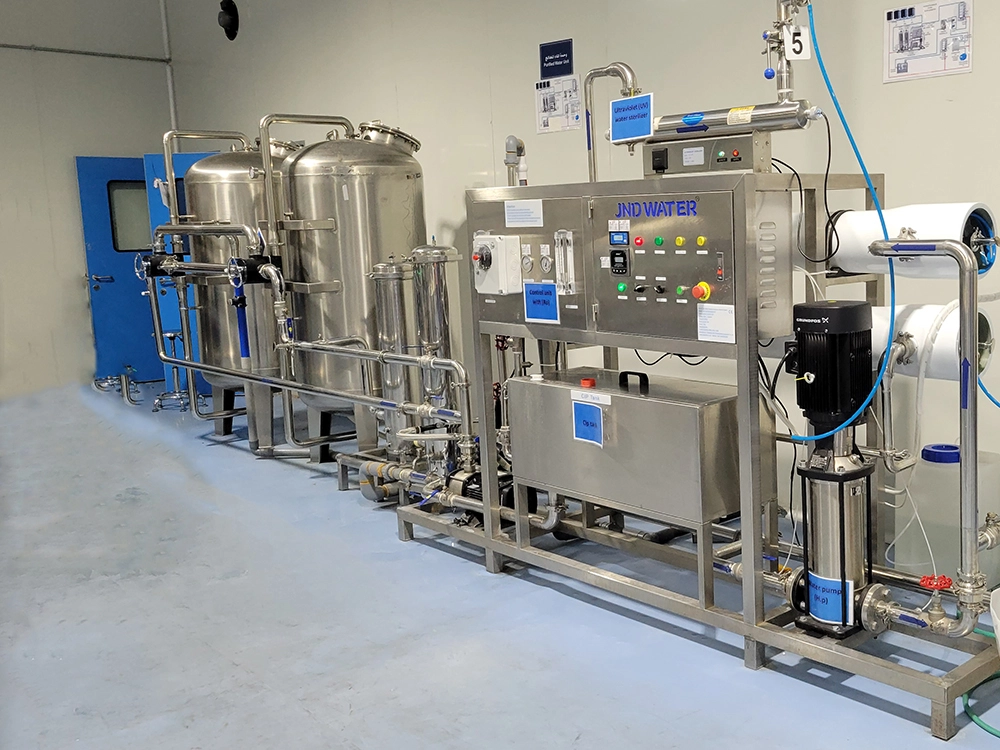
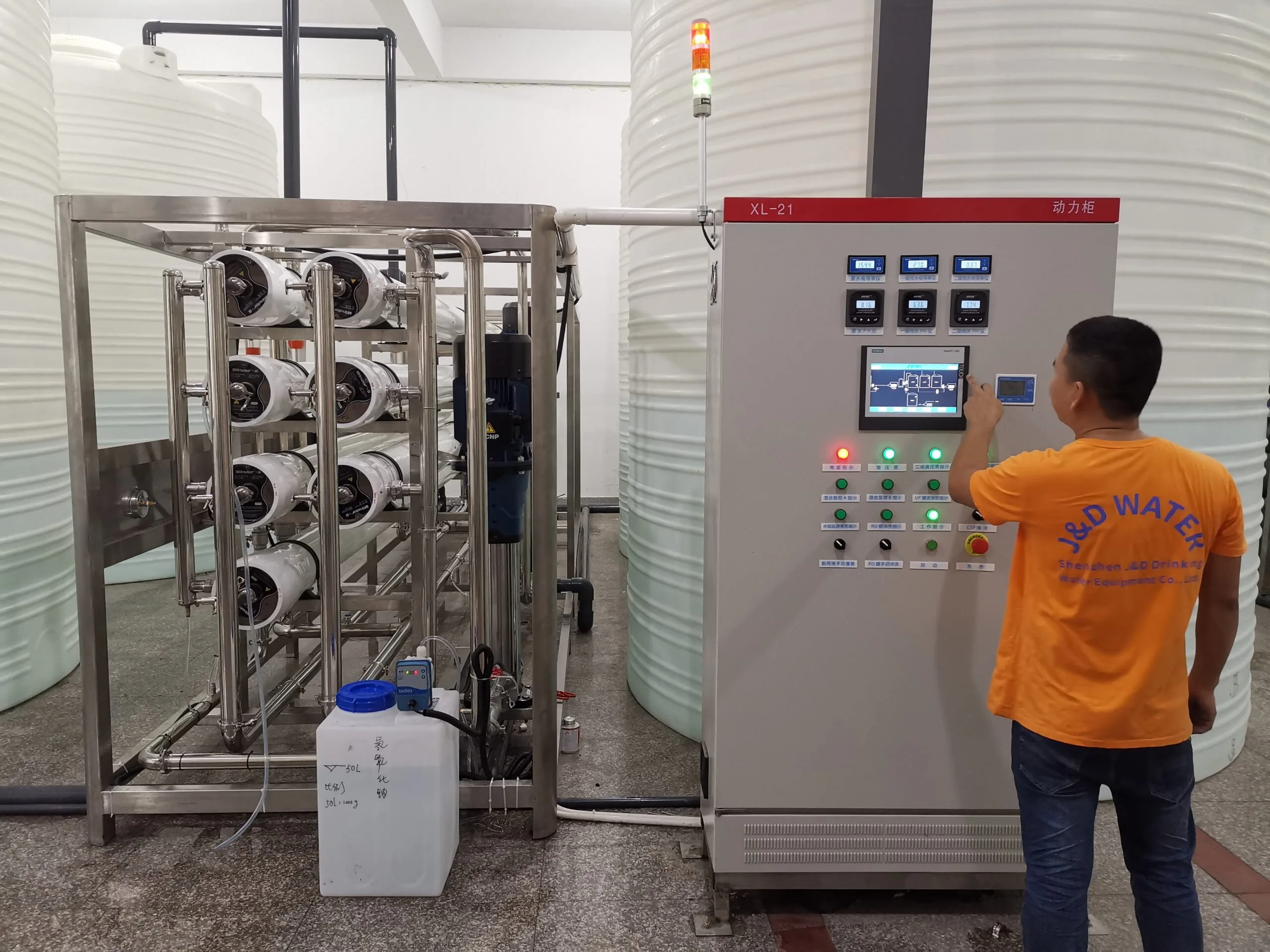
Understanding the technical specifications of an industrial reverse osmosis machine is essential for selecting the right system for your specific needs. These specifications dictate the system's performance, efficiency, and suitability for various applications. Key parameters to consider include: Production Capacity: Measured in gallons per day (GPD) or cubic meters per hour (m3/h), this indicates the amount of purified water the system can produce in a given time. Feed Water Quality: This refers to the characteristics of the incoming water, including its salinity, turbidity, and the presence of specific contaminants. The RO system must be designed to handle the feed water quality to ensure optimal performance and membrane longevity. Recovery Rate: This is the percentage of feed water that is converted into purified water. A higher recovery rate means less water is wasted as concentrate. Operating Pressure: The pressure required to drive water through the RO membrane. Higher salinity feed water typically requires higher operating pressure. Membrane Type: Different types of RO membranes are available, each with its own characteristics and performance capabilities. Common membrane materials include thin-film composite (TFC) and cellulose acetate (CA). Pre-treatment Requirements: RO systems typically require pre-treatment to remove particles, chlorine, and other contaminants that can foul or damage the RO membranes. Pre-treatment may include filtration, softening, and chemical dosing. Control System: This refers to the system's controls and monitoring equipment, which may include pressure gauges, flow meters, conductivity meters, and automated control systems. Customization options allow you to tailor the RO system to your specific requirements. Common customization options include: Flow Rate: The industrial reverse osmosis machine can be customized to match the water flow requirements of your business. Automatic Shut Off: If the water levels get too low, the industrial reverse osmosis machine will automatically shut off. This prevents the pump from cavitating and running dry, which could cause damage to the equipment.
Customization options allow you to tailor the RO system to your specific requirements. Common customization options include: Capacity: RO systems can be designed with different capacities to meet varying water demands. Membrane Type: The type of RO membrane can be selected based on the specific contaminants present in the feed water. Pre-treatment System: The pre-treatment system can be customized to address the specific challenges of the feed water, such as high levels of turbidity or organic matter. Control System: The control system can be customized to provide the level of automation and monitoring required by the user. Skid Mounting: RO systems can be skid-mounted for easy installation and portability. Enclosure: RO systems can be enclosed in a cabinet or container to protect them from the elements and reduce noise levels. To illustrate the importance of customization, consider the example of a desalination plant. Desalination plants typically require high-capacity RO systems with specialized membranes designed to handle high-salinity seawater. They also require sophisticated pre-treatment systems to remove algae, sediment, and other contaminants that can foul the RO membranes. Similarly, a pharmaceutical company may require an RO system with a highly automated control system to ensure consistent water quality and compliance with regulatory requirements. By carefully considering the technical specifications and customization options, you can select an industrial reverse osmosis machine that meets your specific needs and provides reliable, high-quality water for your application.
Energy Efficiency and Cost Savings
In today's business environment, energy efficiency and cost savings are paramount. Industrial reverse osmosis machines can offer significant advantages in both areas, making them a smart investment for businesses looking to reduce their environmental footprint and improve their bottom line. One of the key ways that RO systems can save energy is through the use of energy recovery devices. These devices capture the energy from the high-pressure concentrate stream and use it to pre-pressurize the feed water, reducing the amount of energy required by the high-pressure pump. Energy recovery devices can significantly improve the energy efficiency of RO systems, especially in high-salinity applications like desalination.
Another way to improve the energy efficiency of RO systems is through the use of variable frequency drives (VFDs) on the high-pressure pump. VFDs allow the pump speed to be adjusted to match the water demand, reducing energy consumption during periods of low demand. In addition to energy savings, RO systems can also offer significant cost savings in other areas. By producing high-quality water on-site, businesses can reduce their reliance on expensive municipal water or bottled water. This can result in significant savings on water bills, especially for businesses that use large volumes of water. RO systems can also reduce the cost of wastewater treatment. By removing contaminants from wastewater, RO systems can reduce the volume of wastewater that needs to be treated, as well as the cost of treatment. Furthermore, RO systems can help businesses comply with environmental regulations, avoiding costly fines and penalties.
To illustrate the cost savings associated with RO technology, consider the example of a food processing plant. The plant was using large volumes of municipal water for its operations, resulting in high water bills. By installing an industrial RO system, the plant was able to reduce its water consumption by 50%, resulting in significant savings on its water bills. The plant also reduced its wastewater treatment costs, as the RO system removed many of the contaminants from the wastewater. In addition to the direct cost savings, the RO system also helped the plant improve its product quality and reduce the risk of contamination. To further demonstrate the energy efficiency of RO systems, consider the example of a desalination plant equipped with energy recovery devices. The plant was able to reduce its energy consumption by 40% compared to a traditional desalination plant without energy recovery. This resulted in significant savings on energy costs, as well as a reduction in the plant's carbon footprint.
By carefully considering the energy efficiency and cost savings potential of industrial reverse osmosis machines, businesses can make informed decisions about their water treatment needs. RO systems can offer significant advantages in both areas, making them a smart investment for businesses looking to reduce their environmental impact and improve their bottom line. The integration of energy-efficient components and optimized system design can further enhance these benefits, ensuring long-term cost-effectiveness and sustainability.
FAQs and Troubleshooting Tips
Even with the most advanced technology, questions and occasional issues can arise. This section addresses frequently asked questions about industrial reverse osmosis machines and provides troubleshooting tips to help you keep your system running smoothly. What is the ideal feed water quality for an RO system? The ideal feed water quality depends on the type of RO membrane and the specific application. However, in general, the feed water should be free of particles, chlorine, and other contaminants that can foul or damage the RO membranes. Pre-treatment is typically required to remove these contaminants. How often should I replace the RO membranes? The lifespan of RO membranes depends on the feed water quality, operating conditions, and membrane type. However, in general, RO membranes should be replaced every 3-5 years. How do I clean RO membranes? RO membranes should be cleaned regularly to remove foulants and maintain their performance. The cleaning frequency depends on the feed water quality and operating conditions. Membrane cleaning can be done using chemical cleaning solutions or mechanical cleaning methods. What is the optimal operating pressure for an RO system? The optimal operating pressure depends on the feed water salinity and the type of RO membrane. Higher salinity feed water typically requires higher operating pressure. The membrane manufacturer's specifications should be consulted to determine the optimal operating pressure. What is the recovery rate of an RO system? The recovery rate is the percentage of feed water that is converted into purified water. The recovery rate depends on the feed water salinity, operating pressure, and membrane type. Higher recovery rates can be achieved with higher operating pressures and specialized membranes. What causes RO membrane fouling? RO membrane fouling can be caused by a variety of factors, including particles, colloids, organic matter, and biological growth. Pre-treatment is essential to remove these foulants and prevent membrane fouling. What are the common problems encountered with industrial reverse osmosis machines?
Here are some common issues and how to address them: Low permeate flow: This could be due to membrane fouling, low operating pressure, or a malfunctioning pump. Check the membrane for fouling, adjust the operating pressure, and inspect the pump. High permeate conductivity: This indicates that the RO membrane is not effectively removing contaminants. This could be due to membrane damage, high feed water salinity, or a malfunctioning RO system. Check the membrane for damage, adjust the feed water salinity, and inspect the RO system. High-pressure drop: This indicates that the RO membrane is fouled or blocked. Clean the membrane or replace it if necessary. Pump failure: This could be due to cavitation, overheating, or a mechanical issue. Check the pump for cavitation, ensure proper cooling, and inspect the pump for mechanical issues. Control system malfunction: This could be due to a software glitch, a sensor failure, or a wiring issue. Check the control system for error messages, inspect the sensors, and check the wiring. By understanding these common issues and their solutions, you can keep your industrial reverse osmosis machine running smoothly and efficiently. Regular maintenance and monitoring are essential to prevent problems and ensure optimal performance. When should I contact a professional RO service technician? While many issues can be resolved with basic troubleshooting, some problems require the expertise of a professional RO service technician. Contact a technician if you encounter any of the following issues: Complex control system problems: If you are unable to resolve control system issues on your own, a technician can diagnose and repair the problem. Membrane damage: If you suspect that the RO membrane is damaged, a technician can inspect the membrane and replace it if necessary. Major pump or motor failure: If the pump or motor fails, a technician can repair or replace it. System optimization: If you are not getting the desired performance from your RO system, a technician can optimize the system to improve its efficiency and water quality.
Certifications and Quality Standards
When investing in an industrial reverse osmosis machine, it's crucial to ensure that the equipment meets the highest standards of quality and safety. Certifications and adherence to quality standards provide assurance that the system has been rigorously tested and meets specific performance criteria. One of the most important certifications to look for is ISO 9001. This international standard specifies requirements for a quality management system (QMS). Companies that are ISO 9001 certified have demonstrated their ability to consistently provide products and services that meet customer and regulatory requirements. This certification covers all aspects of the manufacturing process, from design and development to production, installation, and service.
Another important certification is CE marking. This certification indicates that the product meets the health, safety, and environmental protection standards for products sold within the European Economic Area (EEA). CE marking is mandatory for many products sold in the EEA, including industrial equipment. In addition to these general certifications, there are also specific certifications for water treatment equipment. For example, NSF International is a leading organization that develops standards and certifies products for water treatment. NSF certification indicates that the product has been tested and meets the requirements of the NSF/ANSI standards for drinking water treatment units.
To ensure the reliability and safety of your industrial reverse osmosis machine, it's important to look for these certifications and to verify that the manufacturer has a robust quality control process. A comprehensive quality control process should include: Incoming material inspection: All incoming materials should be inspected to ensure that they meet the required specifications. In-process inspection: The manufacturing process should be monitored to ensure that the product is being built according to the design specifications. Final inspection: The finished product should be inspected to ensure that it meets all quality and performance requirements. Testing: The product should be tested to verify that it meets the required performance criteria. Documentation: All aspects of the quality control process should be documented to ensure traceability and accountability.
By choosing a manufacturer that is certified and has a robust quality control process, you can be confident that you are investing in a high-quality, reliable, and safe industrial reverse osmosis machine. To illustrate the importance of certifications and quality standards, consider the example of a pharmaceutical company. Pharmaceutical companies are required to use water that meets stringent quality standards. By using an industrial RO system that is certified to NSF standards, the pharmaceutical company can ensure that the water meets the required quality standards and that the drugs produced with that water are safe and effective. Similarly, a food processing plant can use a CE-marked RO system to ensure that the water used in food production meets the health and safety requirements of the European Union. By adhering to these certifications and quality standards, businesses can protect their customers, their employees, and the environment.