Advanced Features of JNDWATER Filling Machines
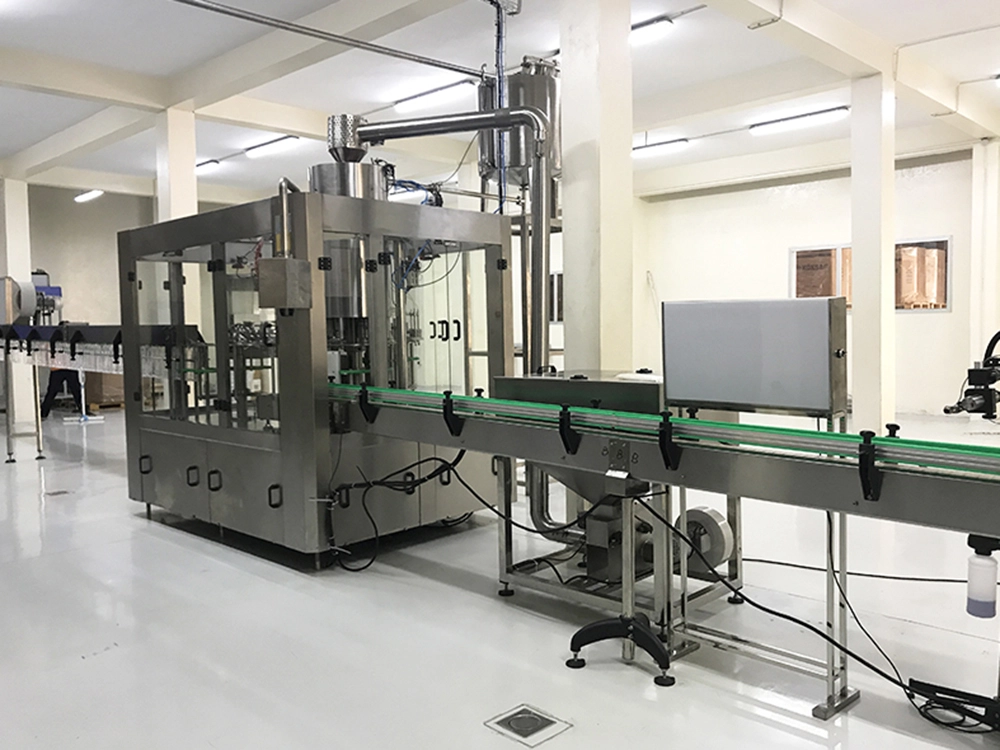
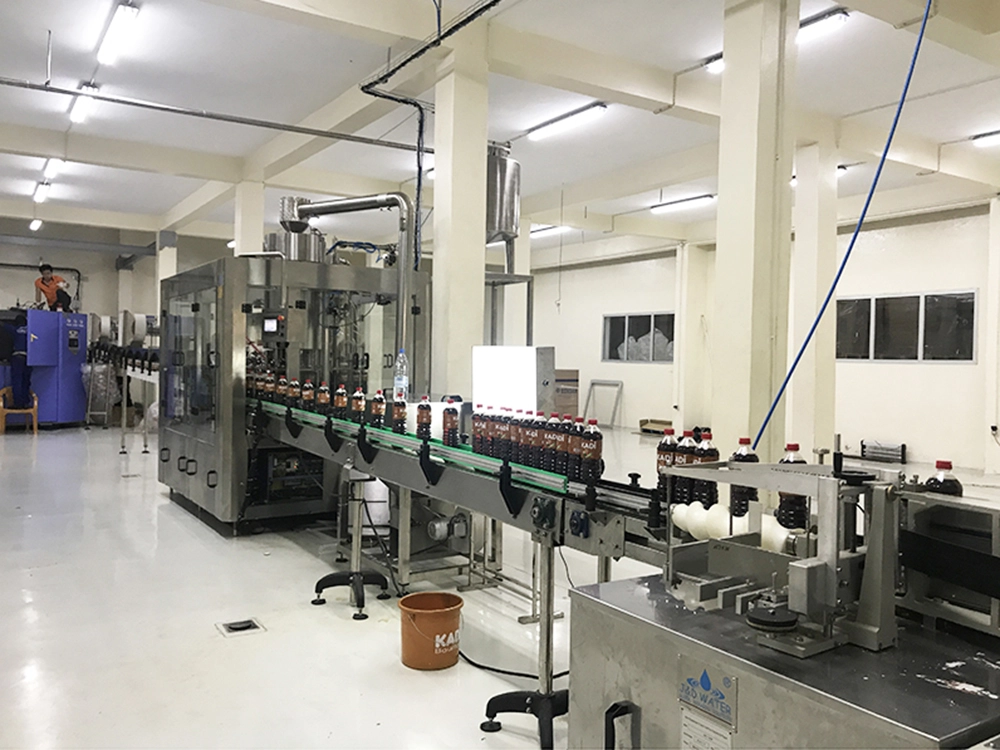
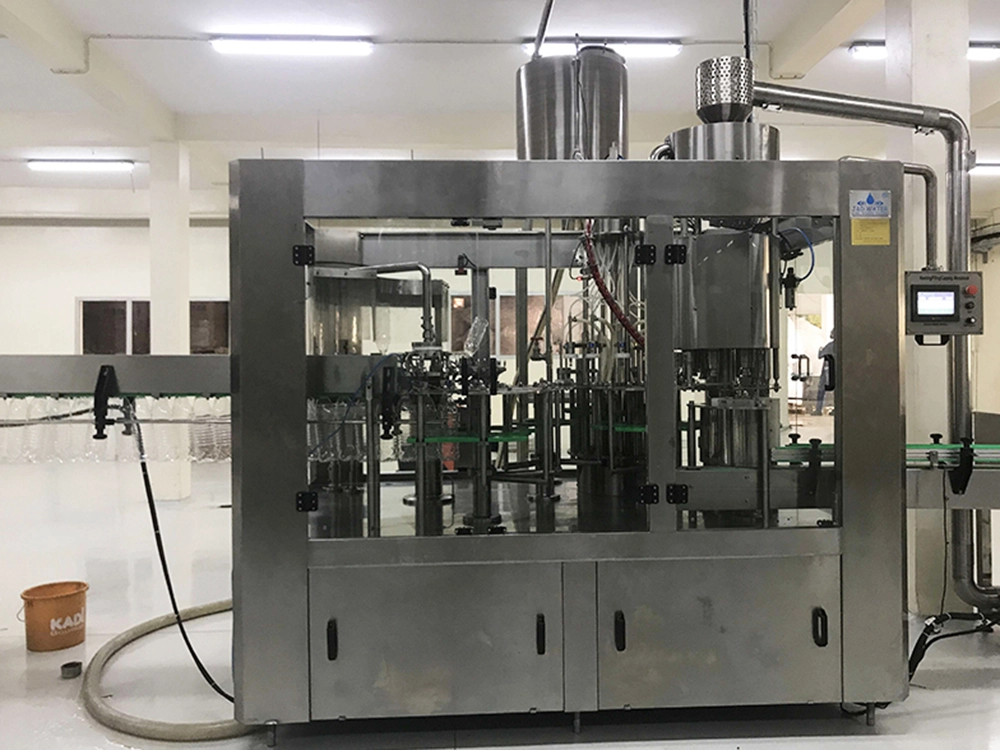
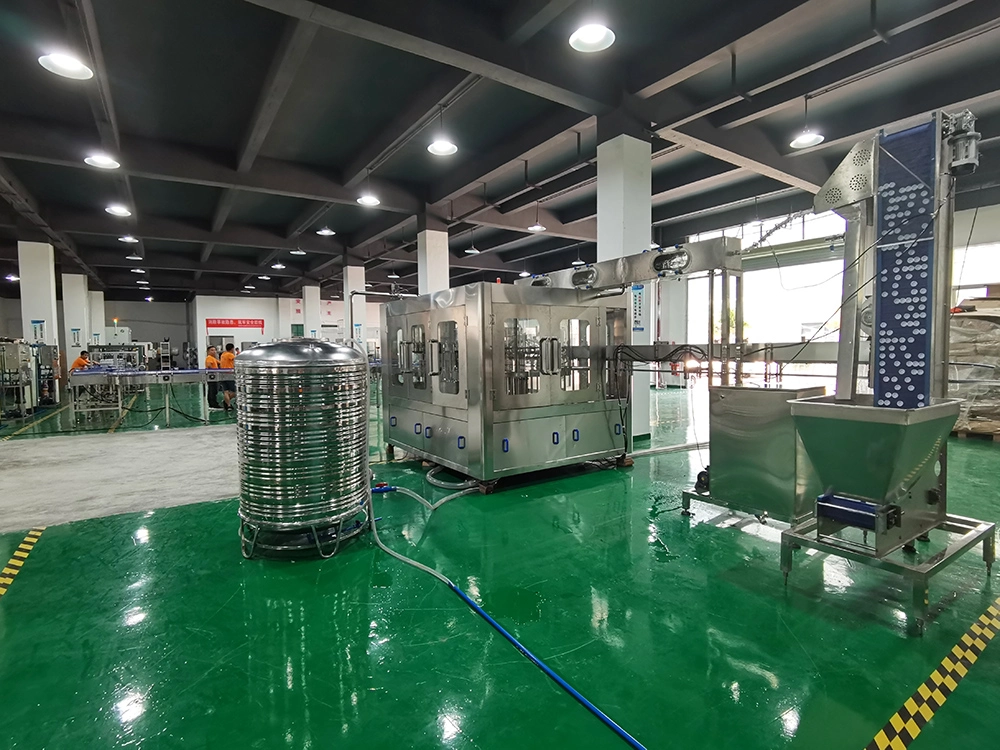
JNDWATER filling machines stand out in the market due to their advanced features, which are designed to maximize production efficiency and ensure the highest quality of filled juice products. These features are not just about automation; they are about precision, control, and adaptability to meet the diverse needs of our global clientele. Our machines integrate cutting-edge technology with robust engineering to deliver unparalleled performance. To provide a clearer understanding, we will delve into the key components and their operational benefits, accompanied by high-resolution images and videos showcasing these elements in action.
One of the core advanced features is the high-precision filling valve. This valve is engineered to dispense the exact amount of juice required for each bottle, minimizing waste and ensuring consistent fill levels across all products. The precision is achieved through a sophisticated design that controls the flow rate and cutoff with incredible accuracy. Different types of valves are available to accommodate various juice viscosities and bottling speeds. For instance, volumetric piston fillers are ideal for thick, pulpy juices, while gravity fillers work best for thinner, less viscous liquids. The material of the valve is also carefully selected based on the juice's acidity and composition to prevent corrosion and maintain hygiene. We use materials like 316L stainless steel, known for its resistance to acids and ease of cleaning. Detailed images of the valve's internal mechanisms, including the seals and flow regulators, are available to demonstrate the meticulous engineering involved.
Another critical feature is the Programmable Logic Controller (PLC) control system. The PLC is the brain of the filling machine, orchestrating all operations from bottle feeding to capping. Our PLC systems are user-friendly, with intuitive interfaces that allow operators to monitor and adjust parameters in real-time. This includes controlling the filling speed, volume, and pressure, as well as managing the timing of various stages in the filling process. The PLC is also integrated with sensors that detect anomalies, such as bottle jams or low juice levels, and automatically trigger corrective actions to prevent downtime. Moreover, the PLC can store multiple recipes, allowing for quick changeovers between different juice types and bottle sizes. The system provides detailed diagnostics, making troubleshooting easier and faster. A video demonstration of the PLC interface, showcasing its ease of use and comprehensive control features, is highly beneficial for potential customers.
Beyond these core components, JNDWATER filling machines incorporate other advanced technologies such as automatic bottle alignment, no-bottle-no-fill systems, and Clean-In-Place (CIP) capabilities. Automatic bottle alignment ensures that each bottle is correctly positioned under the filling nozzle, preventing spills and ensuring consistent filling. The no-bottle-no-fill system prevents the machine from dispensing juice if a bottle is not present, further reducing waste. CIP capabilities allow for automated cleaning and sanitization of the filling system without disassembly, minimizing downtime and ensuring hygienic operation. These features collectively contribute to a highly efficient and reliable filling process, reducing operational costs and maximizing product quality. Detailed explanations of each feature, supported by visual aids, will help potential customers understand the value and benefits of JNDWATER filling machines.
Case Studies and Customer Testimonials
To truly appreciate the impact of JNDWATER juice bottle filling machines, it's essential to look at real-world applications. Case studies and customer testimonials provide invaluable insights into how our machines have helped businesses of all sizes improve their production processes, increase efficiency, and enhance product quality. These narratives offer concrete evidence of the benefits of investing in JNDWATER technology. We aim to present detailed case studies from diverse geographical locations and customer segments, highlighting the specific challenges they faced and how our machines provided effective solutions.
One compelling case study could focus on a small-scale juice producer in Southeast Asia who was struggling with manual filling processes. Their production was slow, inconsistent, and labor-intensive, limiting their ability to meet growing demand. By implementing a JNDWATER semi-automatic juice bottle filling machine, they were able to increase their production volume by 300% while significantly reducing labor costs. The machine's precision filling capabilities also improved the consistency of their product, leading to higher customer satisfaction and repeat business. The case study would include specific details about the machine model used, the challenges faced by the producer, the solutions provided by JNDWATER, and the quantifiable results achieved. High-quality images of the machine in operation at their facility and quotes from the producer would add further credibility to the story.
Another impactful case study could feature a large beverage factory in Europe that needed to upgrade its existing filling line to meet stricter hygiene standards and increase throughput. They chose a JNDWATER fully automated juice bottle filling machine with CIP capabilities. This upgrade not only improved their hygiene compliance but also increased their production speed by 50%. The machine's advanced sensors and control systems minimized downtime and ensured consistent product quality. The case study would delve into the technical specifications of the machine, the challenges of integrating it into the existing production line, and the long-term benefits realized by the factory. Testimonials from the factory's operations manager and quality control team would provide valuable validation of the machine's performance.
In addition to case studies, customer testimonials offer a personal perspective on the JNDWATER experience. These testimonials should come from a variety of customers, representing different regions, business sizes, and product types. The testimonials should focus on specific aspects of the machine, such as its ease of use, reliability, performance, and the quality of customer support provided by JNDWATER. For example, a customer might say, "The JNDWATER filling machine has been a game-changer for our business. It's easy to operate, requires minimal maintenance, and consistently delivers accurate fills. The customer support team is always responsive and helpful, making the entire experience seamless." Video testimonials, where customers speak directly about their positive experiences, are particularly powerful and can significantly enhance the credibility of our claims. By showcasing real-world success stories and customer feedback, we can build trust and demonstrate the value of JNDWATER filling machines to potential buyers.
Comparative Analysis of Juice Filling Machines
When investing in a juice bottle filling machine, it's crucial to understand how different options compare in terms of technology, performance, and cost-effectiveness. A comparative analysis provides potential customers with the information they need to make an informed decision. We need to offer a detailed technical specification comparison table that highlights the strengths and weaknesses of JNDWATER machines versus other leading brands in the market. This analysis should focus on key parameters such as filling accuracy, speed, hygiene standards, automation level, maintenance requirements, and overall cost of ownership.
The comparison table should include at least three to four major brands alongside JNDWATER, covering a range of machine types and price points. For each parameter, the table should provide quantifiable data whenever possible. For example, filling accuracy should be expressed as a percentage deviation from the target volume, and speed should be measured in bottles per minute (BPM). Hygiene standards should be evaluated based on compliance with industry regulations such as FDA and EHEDG. Automation level should be described in terms of the degree of human intervention required for operation and maintenance. Maintenance requirements should be quantified by the frequency and duration of planned maintenance activities.
Beyond the technical specifications, the comparative analysis should also address the intangible factors that differentiate JNDWATER machines. This includes the quality of materials used, the robustness of the design, the ease of use of the control system, and the availability of after-sales support. JNDWATER's machines are built with high-grade stainless steel to ensure durability and hygiene, while our PLC control systems are designed for intuitive operation and easy troubleshooting. We also pride ourselves on providing responsive and comprehensive after-sales support, including installation, training, and maintenance services. In contrast, some competitor machines may use lower-quality materials, have less user-friendly interfaces, or offer limited after-sales support. These differences can have a significant impact on the long-term cost of ownership and the overall satisfaction of the customer.
To further enhance the credibility of the comparative analysis, it's important to cite independent sources of information whenever possible. This could include industry reports, technical publications, and customer reviews. We should also disclose the methodology used to collect and analyze the data, ensuring transparency and objectivity. By providing a comprehensive and unbiased comparison of JNDWATER machines versus other leading brands, we can empower potential customers to make an informed decision that aligns with their specific needs and budget. This will not only increase the likelihood of a sale but also build trust and establish JNDWATER as a reliable and knowledgeable partner in the juice bottling industry.
Step-by-Step Guide on Juice Bottling Machine Operation
A comprehensive, easy-to-follow operational guide is crucial for ensuring that users can effectively and safely operate their JNDWATER juice bottling machine. This guide should cover everything from initial setup to routine maintenance, helping operators quickly get started and minimize downtime. The guide needs to be highly visual, incorporating images and diagrams to illustrate each step of the process. The language should be clear, concise, and avoid technical jargon whenever possible. The goal is to empower operators with the knowledge and skills they need to maximize the performance and lifespan of their machine.
The guide should begin with a section on machine setup and preparation. This includes unpacking and inspecting the machine, connecting it to the necessary power and air supply, and verifying that all safety features are functioning correctly. Detailed instructions should be provided on how to adjust the machine to accommodate different bottle sizes and juice types. This may involve changing filling nozzles, adjusting conveyor belt speed, and configuring the PLC control system. Clear diagrams should illustrate the location of key components and adjustment points. A checklist should be included to ensure that all steps are completed before starting the machine.
The next section should cover the start-up and filling process. This includes turning on the machine, loading bottles onto the conveyor belt, and initiating the filling cycle. Step-by-step instructions should be provided on how to monitor the filling process, adjust filling parameters, and respond to alarms or error messages. The guide should also explain how to perform quality checks to ensure that bottles are filled to the correct level and that the caps are properly sealed. Troubleshooting tips should be included to address common issues such as bottle jams, inconsistent filling, and cap misalignments. Visual aids, such as flowcharts and diagrams, can help operators quickly diagnose and resolve problems.
The final section should focus on routine maintenance and cleaning. This includes daily, weekly, and monthly maintenance tasks, such as cleaning the filling nozzles, lubricating moving parts, and inspecting hoses and connections. Detailed instructions should be provided on how to perform Clean-In-Place (CIP) procedures to sanitize the filling system without disassembly. The guide should also include a list of recommended spare parts and instructions on how to replace worn or damaged components. A maintenance schedule should be provided to help operators stay on track and prevent costly breakdowns. By providing a comprehensive and user-friendly operational guide, we can empower our customers to get the most out of their JNDWATER juice bottling machine and ensure its long-term reliability.
FAQ Section Expansion
A comprehensive and well-organized FAQ section is essential for addressing common customer inquiries and providing quick solutions to potential issues. Expanding the FAQ section with more detailed answers, troubleshooting guides, and component replacement instructions can significantly improve user experience and reduce the burden on our customer support team. The FAQ section should be easily accessible and searchable, allowing users to quickly find the information they need. The questions should be phrased in a clear and concise manner, reflecting the language that customers actually use when searching for help. The answers should be thorough, accurate, and easy to understand, avoiding technical jargon whenever possible.
One area for expansion is troubleshooting. We should add more questions and answers related to common problems that users may encounter, such as bottle jams, inconsistent filling, cap misalignments, and machine malfunctions. Each troubleshooting entry should include a clear description of the problem, a list of possible causes, and step-by-step instructions on how to diagnose and resolve the issue. Visual aids, such as diagrams and photos, can be particularly helpful in guiding users through the troubleshooting process. For example, if a user is experiencing bottle jams, the FAQ should explain how to identify the location of the jam, how to safely remove the jammed bottles, and how to adjust the machine to prevent future jams.
Another area for expansion is maintenance. We should add more questions and answers related to routine maintenance tasks, such as cleaning, lubrication, and inspection. The FAQ should explain the importance of each maintenance task, the frequency with which it should be performed, and the tools and materials required. Detailed instructions should be provided on how to perform each task, with visual aids to illustrate the steps involved. For example, the FAQ should explain how to properly clean the filling nozzles, how to lubricate the conveyor belt, and how to inspect the hoses and connections for leaks or damage.
Finally, we should add more questions and answers related to component replacement. The FAQ should include a list of commonly replaced components, such as filling nozzles, seals, belts, and sensors. For each component, the FAQ should provide instructions on how to identify when it needs to be replaced, how to order a replacement part, and how to install the new component. Detailed instructions should be provided on how to safely remove the old component and install the new one, with visual aids to illustrate the steps involved. By expanding the FAQ section with more detailed troubleshooting guides, maintenance instructions, and component replacement procedures, we can empower our customers to resolve common issues on their own, reducing downtime and improving their overall experience with our juice bottle filling machines.
Interactive Customization Tool
To enhance user engagement and drive conversions, developing an interactive customization tool for JNDWATER juice bottle filling machines is a strategic move. This tool would allow potential customers to tailor the filling machine configuration to their specific needs, providing an immediate sense of control and personalization. By enabling users to select various options and instantly visualize the impact on price and functionality, we can significantly improve the buying experience and increase the likelihood of a sale. The tool should be user-friendly, intuitive, and visually appealing, guiding users through the customization process with ease.
The interactive customization tool should start with a series of questions designed to understand the customer's requirements. This could include the type of juice to be filled (e.g., clear, pulpy, viscous), the bottle size and shape, the desired filling speed, and the level of automation required. Based on these inputs, the tool would recommend a base machine model that meets the customer's needs. The customer could then further customize the machine by selecting from a range of optional features and components. This could include different types of filling nozzles, cap feeders, labeling machines, and packaging systems. Each option should be accompanied by a detailed description, a high-quality image, and a clear explanation of its benefits.
As the customer adds or removes features, the tool should automatically update the price and display a 3D rendering of the customized machine. This allows the customer to visualize the final product and understand the impact of their choices on the overall cost. The tool should also provide real-time feedback on the performance characteristics of the customized machine, such as filling accuracy, throughput, and energy consumption. This helps the customer to optimize the machine configuration for their specific application.
Once the customer is satisfied with their customized machine, the tool should allow them to request a formal quote or save their configuration for future reference. The tool should also provide access to detailed product specifications, technical drawings, and case studies. By providing a comprehensive and interactive customization experience, we can empower potential customers to design the perfect juice bottle filling machine for their needs, increasing their engagement and driving conversions. This will not only lead to more sales but also build trust and establish JNDWATER as a leader in the juice bottling industry.