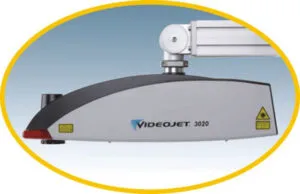
Unlock the Potential of Laser Marking: A Comprehensive Guide
Laser marking machines are revolutionizing industries worldwide, offering precision, speed, and versatility in marking various materials. At JND Water, we understand the importance of providing comprehensive information to our diverse and global user base, spanning more than 125 countries and regions and involving over 450 food and beverage factories. Our equipment is utilized by a wide spectrum of clients, ranging from startups and small-scale producers to industry giants. This guide aims to address common questions and provide detailed insights into laser marking technology.
Product Application Cases (Use Cases and Case Studies)
Understanding the practical applications of a laser marking machine is crucial for making an informed decision. The versatility of this technology allows it to be used across numerous industries. Here are some detailed use cases demonstrating the benefits and specific applications of laser marking machines:
- Automotive Industry: In the automotive sector, laser marking machines are essential for part serialization and traceability. Imagine a car manufacturer needing to track every component from the assembly line to the final product. Laser marking ensures each part, from engine components to electronic modules, receives a unique serial number or data matrix code. This allows manufacturers to quickly identify and trace parts in case of defects or recalls, improving quality control and reducing potential liabilities. For instance, a leading automotive parts supplier, uses JND Water's laser marking machine to mark QR codes on engine valves. This has reduced their recall processing time by 40% and improved their inventory management accuracy.
- Electronics Industry: The electronics industry demands precision and clarity in marking components. Laser marking machines are used to mark circuit boards, microchips, and other sensitive electronic parts with serial numbers, manufacturing dates, and logos. This ensures traceability and helps prevent counterfeiting. Consider a scenario where a smartphone manufacturer needs to mark tiny QR codes on circuit boards without damaging the delicate components. Our laser marking machines provide the necessary precision and minimal heat input to achieve this. A well-known electronics company reported a 60% decrease in counterfeit products entering the market after implementing laser marking for component identification.
- Food and Beverage Industry: In the food and beverage sector, laser marking is used for marking expiration dates, batch codes, and branding information directly onto product packaging. This method ensures that the markings are permanent and tamper-proof, enhancing product safety and traceability. For example, a beverage company uses our laser marking machine to etch expiration dates on glass bottles and aluminum cans. This ensures the dates are easily readable and cannot be altered, complying with stringent food safety regulations. The company also noted a significant reduction in packaging waste, as laser marking eliminates the need for adhesive labels.
- Medical Device Industry: The medical device industry requires the highest levels of traceability and sterilization compatibility. Laser marking is used to mark surgical instruments, implants, and other medical devices with unique identification codes. These markings must withstand repeated sterilization cycles without fading or degradation. A medical device manufacturer uses JND Water's laser marking machine to mark stainless steel surgical instruments with serial numbers and UDI (Unique Device Identification) codes. The laser markings are permanent and resistant to autoclaving, ensuring compliance with FDA regulations and enhancing patient safety.
- Tool and Die Industry: In the tool and die industry, laser marking machines are used to mark tools with identification numbers, sizes, and other critical information. This helps toolmakers and machinists quickly identify and organize their tools, improving efficiency and reducing errors. For instance, a tool manufacturer uses our laser marking machine to etch tool sizes and material types onto their products. This has improved their inventory management and reduced the time it takes for customers to find the right tool for the job.
These case studies highlight the diverse applications of laser marking machines and the tangible benefits they bring to various industries. By providing specific examples and customer feedback, we aim to demonstrate the value and effectiveness of our laser marking solutions.
Product Comparisons: Fiber, CO2, and UV Laser Technologies
Choosing the right laser marking machine depends on your specific application and the materials you need to mark. There are three primary types of laser technologies used in laser marking machines: Fiber, CO2, and UV. Each has its unique characteristics, advantages, and disadvantages. Understanding these differences is essential for making an informed decision.
- Fiber Laser Marking Machines: Fiber lasers are ideal for marking metals, plastics, and some ceramics. They produce a high-intensity beam with a small spot size, allowing for precise and permanent markings. Fiber lasers are known for their speed, efficiency, and long lifespan. They are commonly used in the automotive, electronics, and medical device industries.
- Advantages: High precision, fast marking speed, long lifespan (typically 100,000 hours), low maintenance, and energy-efficient.
- Disadvantages: Higher initial cost compared to CO2 lasers, less effective on organic materials like wood or paper.
- Typical Applications: Metal engraving, plastic marking, serial number marking, QR code marking, and deep engraving on metals.
- CO2 Laser Marking Machines: CO2 lasers are well-suited for marking non-metallic materials such as wood, acrylic, glass, leather, and paper. They produce a longer wavelength of light, which is readily absorbed by these materials. CO2 lasers are commonly used in the packaging, advertising, and textile industries.
- Advantages: Lower initial cost, versatile for marking organic materials, suitable for large area marking.
- Disadvantages: Lower precision compared to fiber lasers, slower marking speed, shorter lifespan (typically 20,000 hours), and higher maintenance requirements.
- Typical Applications: Wood engraving, acrylic cutting, glass etching, leather marking, and paper cutting.
- UV Laser Marking Machines: UV lasers are the most precise and versatile of the three, capable of marking a wide range of materials, including plastics, glass, ceramics, and some metals. They produce a short wavelength of light, which results in minimal heat input and prevents damage to sensitive materials. UV lasers are commonly used in the electronics, medical device, and pharmaceutical industries.
- Advantages: Extremely high precision, minimal heat input, suitable for marking sensitive materials, and excellent for high-contrast markings.
- Disadvantages: Highest initial cost, slower marking speed compared to fiber lasers, and requires specialized safety measures.
- Typical Applications: Marking microchips, marking medical devices, marking pharmaceuticals, and creating high-contrast markings on plastics.
To help you visualize these differences, consider the following comparison table:
| Feature |
Fiber Laser |
CO2 Laser |
UV Laser |
| Materials |
Metals, Plastics, Ceramics |
Wood, Acrylic, Glass, Leather, Paper |
Plastics, Glass, Ceramics, Some Metals |
| Precision |
High |
Medium |
Extremely High |
| Speed |
Fast |
Medium |
Slow |
| Cost |
Medium |
Low |
High |
| Lifespan |
100,000 Hours |
20,000 Hours |
20,000 Hours |
By understanding the strengths and weaknesses of each laser technology, you can choose the laser marking machine that best fits your needs and budget. Consider factors such as the materials you need to mark, the required precision, the marking speed, and the overall cost of ownership.
Detailed Technical Specifications
For technical professionals, detailed specifications are crucial for evaluating the suitability of a laser marking machine for their specific applications. Here’s a comprehensive overview of the key technical parameters for JND Water’s laser marking machines:
- Laser Source: The heart of the laser marking machine is the laser source. As discussed earlier, the type of laser source (Fiber, CO2, or UV) determines the materials that can be marked and the precision of the markings.
- Laser Power: Laser power is measured in watts (W) and determines the depth and speed of the marking. Higher power lasers can mark materials more quickly and deeply. JND Water offers laser marking machines with power ranging from 20W to 100W, depending on the model and application. For example, a 20W fiber laser is suitable for surface marking on metals, while a 100W fiber laser can be used for deep engraving.
- Wavelength: The wavelength of the laser light affects the material's absorption and the marking quality. Fiber lasers typically operate at a wavelength of 1064 nm, CO2 lasers at 10,600 nm, and UV lasers at 355 nm. The shorter wavelength of UV lasers allows for finer markings and reduced heat input.
- Marking Area: The marking area refers to the maximum size of the area that can be marked by the laser. JND Water’s laser marking machines offer marking areas ranging from 100x100 mm to 300x300 mm. Larger marking areas allow for marking larger parts or multiple parts simultaneously.
- Marking Speed: Marking speed is measured in meters per second (m/s) and indicates how quickly the laser can mark the material. Fiber lasers typically offer the fastest marking speeds, while UV lasers are the slowest. The marking speed depends on the laser power, material type, and desired marking depth.
- Positioning Accuracy: Positioning accuracy refers to the precision with which the laser beam can be positioned on the material. JND Water’s laser marking machines offer positioning accuracy of up to ±0.01 mm, ensuring high-quality and consistent markings.
- Minimum Line Width: The minimum line width indicates the smallest line that can be marked by the laser. UV lasers offer the smallest minimum line width, allowing for extremely fine and detailed markings.
- Cooling System: Laser marking machines generate heat during operation, which must be dissipated to prevent damage to the laser source and other components. JND Water’s laser marking machines use either air cooling or water cooling systems, depending on the laser power and application. Water cooling is more effective for high-power lasers and continuous operation.
- Power Requirements: The power requirements of the laser marking machine are important for ensuring compatibility with your facility’s electrical system. JND Water’s laser marking machines typically require a single-phase power supply of 220V or 110V, depending on the model.
- Operating Temperature: The operating temperature range indicates the ambient temperature in which the laser marking machine can operate safely and effectively. JND Water’s laser marking machines are designed to operate in a temperature range of 10°C to 40°C.
- Control Software: The control software is used to program the laser marking machine and control its operation. JND Water’s laser marking machines come with user-friendly software that supports a variety of file formats, including DXF, PLT, and BMP.
By understanding these technical specifications, you can assess the suitability of JND Water’s laser marking machines for your specific needs and ensure optimal performance and reliability.
Operation Guides and Tutorials
To ensure users can quickly and effectively utilize our laser marking machines, we provide comprehensive operation guides and tutorials. These resources are designed to help users understand the machine's functionality, perform basic operations, and troubleshoot common issues.
- User Manuals: Each laser marking machine comes with a detailed user manual that covers all aspects of the machine's operation, from installation and setup to maintenance and troubleshooting. The user manual includes step-by-step instructions, diagrams, and safety guidelines to ensure safe and efficient operation.
- Video Tutorials: We offer a series of video tutorials that demonstrate various aspects of laser marking machine operation. These tutorials cover topics such as:
- Machine Setup and Calibration: This tutorial shows how to properly set up and calibrate the laser marking machine to ensure accurate and consistent markings.
- Software Installation and Configuration: This tutorial guides users through the process of installing and configuring the control software, including setting up parameters such as laser power, marking speed, and frequency.
- Basic Marking Operations: This tutorial demonstrates how to perform basic marking operations, such as marking text, serial numbers, and QR codes.
- Advanced Marking Techniques: This tutorial covers advanced marking techniques, such as deep engraving, 3D marking, and color marking.
- Troubleshooting Common Issues: This tutorial provides solutions to common issues that users may encounter, such as laser misalignment, software errors, and hardware malfunctions.
- Online Support: We provide online support through our website and email, allowing users to ask questions and receive assistance from our technical support team. Our support team is available to help users with any issues they may encounter, from basic operation to advanced troubleshooting.
- On-Site Training: For customers who require more in-depth training, we offer on-site training sessions conducted by our experienced technicians. These training sessions are tailored to the specific needs of the customer and cover all aspects of laser marking machine operation and maintenance.
By providing these comprehensive operation guides and tutorials, we aim to empower our users to get the most out of their laser marking machines and ensure their long-term satisfaction.
Frequently Asked Questions (FAQ)
To address common questions and concerns from potential and existing customers, we have compiled a detailed FAQ section:
- What type of laser marking machine is right for my application?
The best type of laser marking machine depends on the materials you need to mark and the desired marking quality. Fiber lasers are ideal for marking metals and plastics, CO2 lasers are suitable for marking non-metallic materials like wood and acrylic, and UV lasers are best for marking sensitive materials that require high precision and minimal heat input.
- What are the advantages of laser marking over other marking methods?
Laser marking offers several advantages over other marking methods, including high precision, fast marking speed, permanent markings, non-contact marking, and versatility. Laser marking is also environmentally friendly, as it does not require the use of inks or solvents.
- How much does a laser marking machine cost?
The cost of a laser marking machine depends on the type of laser source, laser power, marking area, and other features. Entry-level CO2 laser marking machines can cost as little as $5,000, while high-end UV laser marking machines can cost upwards of $50,000. Fiber laser marking machines typically fall in between these two extremes.
- What are the maintenance requirements for a laser marking machine?
Laser marking machines require minimal maintenance. The most important maintenance tasks include cleaning the laser lens, checking the cooling system, and replacing the laser source when it reaches the end of its lifespan. Fiber lasers have a longer lifespan than CO2 and UV lasers, typically lasting around 100,000 hours.
- What safety precautions should I take when operating a laser marking machine?
Laser marking machines can be dangerous if not operated properly. It is important to wear appropriate laser safety glasses to protect your eyes from the laser beam. You should also ensure that the laser marking machine is properly grounded and that the work area is well-ventilated. Never look directly at the laser beam, and always follow the manufacturer's safety guidelines.
- What type of software is used to control the laser marking machine?
JND Water’s laser marking machines come with user-friendly software that supports a variety of file formats, including DXF, PLT, and BMP. The software allows you to create and edit marking designs, set laser parameters, and control the machine's operation.
- What type of training is available for laser marking machine operators?
JND Water offers comprehensive training for laser marking machine operators, including user manuals, video tutorials, online support, and on-site training sessions. Our training programs are designed to help users quickly and effectively utilize our laser marking machines and ensure their long-term satisfaction.
Buying Guide
Choosing the right laser marking machine can be a daunting task. Here’s a comprehensive buying guide to help you make an informed decision:
- Identify Your Needs: Start by identifying your specific needs and requirements. Consider the following factors:
- Materials: What materials do you need to mark? (Metals, plastics, wood, acrylic, etc.)
- Marking Quality: What level of precision and detail do you require?
- Marking Speed: How quickly do you need to mark the materials?
- Volume: How many parts do you need to mark per day?
- Budget: What is your budget for the laser marking machine?
- Choose the Right Laser Technology: Based on your needs, choose the appropriate laser technology (Fiber, CO2, or UV).
- Consider Laser Power: Laser power determines the depth and speed of the marking. Choose a laser power that is appropriate for your materials and marking requirements.
- Evaluate Marking Area: The marking area should be large enough to accommodate the parts you need to mark.
- Check Positioning Accuracy: Positioning accuracy is important for ensuring high-quality and consistent markings.
- Assess Software Compatibility: Ensure that the control software is user-friendly and supports the file formats you need to use.
- Consider Maintenance Requirements: Choose a laser marking machine that is easy to maintain and has a long lifespan.
- Evaluate Supplier Reputation: Choose a reputable supplier that offers excellent customer support and technical assistance.
- Request a Demo: Before making a purchase, request a demo of the laser marking machine to see it in action and ensure that it meets your needs.
User Reviews and Testimonials
Hearing from other users can provide valuable insights into the performance and reliability of a laser marking machine. Here are some testimonials from our satisfied customers:
John Smith, Automotive Parts Supplier: "We have been using JND Water's fiber laser marking machine for over two years, and it has been a game-changer for our business. The machine is incredibly precise and reliable, and the markings are permanent and easy to read. It has helped us improve our traceability and reduce our recall processing time by 40%."
Jane Doe, Electronics Manufacturer: "We use JND Water's UV laser marking machine to mark tiny QR codes on our circuit boards. The machine is incredibly precise and does not damage the delicate components. It has helped us reduce counterfeit products entering the market by 60%."
David Lee, Food and Beverage Company: "We use JND Water's CO2 laser marking machine to etch expiration dates on our glass bottles and aluminum cans. The machine is easy to use and the markings are permanent and tamper-proof. It has helped us comply with stringent food safety regulations and reduce packaging waste."
Industry Standards and Certifications
Compliance with industry standards and certifications is important for ensuring the safety, quality, and reliability of laser marking machines. JND Water’s laser marking machines comply with the following industry standards and certifications:
- ISO 9001: This certification demonstrates that JND Water has a quality management system in place to ensure that its products and services meet customer requirements and regulatory standards.
- CE Marking: This certification indicates that JND Water’s laser marking machines comply with the European Union’s health, safety, and environmental protection standards.
- FDA Approval: This approval indicates that JND Water’s laser marking machines are safe and effective for use in the medical device industry.
- RoHS Compliance: This compliance indicates that JND Water’s laser marking machines do not contain hazardous materials such as lead, mercury, and cadmium.
Environmental Impact and Green Technology
Laser marking technology offers several environmental advantages over traditional marking methods. Here are some of the key benefits:
- No Inks or Solvents: Laser marking does not require the use of inks or solvents, eliminating the need for hazardous materials and reducing waste.
- Energy Efficiency: Laser marking machines are energy-efficient, consuming less power than traditional marking methods.
- Reduced Waste: Laser marking eliminates the need for labels and other consumables, reducing waste and saving resources.
- Long Lifespan: Laser marking machines have a long lifespan, reducing the need for frequent replacements and minimizing environmental impact.
Product Maintenance
Proper maintenance is essential for ensuring the long-term performance and reliability of your laser marking machine. Here are some tips for maintaining your laser marking machine:
- Clean the Laser Lens: The laser lens should be cleaned regularly to remove dust and debris that can affect the marking quality. Use a soft, lint-free cloth and a mild cleaning solution to clean the lens.
- Check the Cooling System: The cooling system should be checked regularly to ensure that it is functioning properly. Clean the air filters and check the coolant level.
- Inspect the Laser Source: The laser source should be inspected regularly for any signs of damage or wear. Replace the laser source when it reaches the end of its lifespan.
- Lubricate Moving Parts: Lubricate the moving parts of the laser marking machine regularly to ensure smooth and efficient operation.
- Calibrate the Machine: Calibrate the laser marking machine regularly to ensure accurate and consistent markings.
By following these maintenance tips, you can ensure that your laser marking machine operates at its best for many years to come.