
Share this:
Milk Bottling Machine
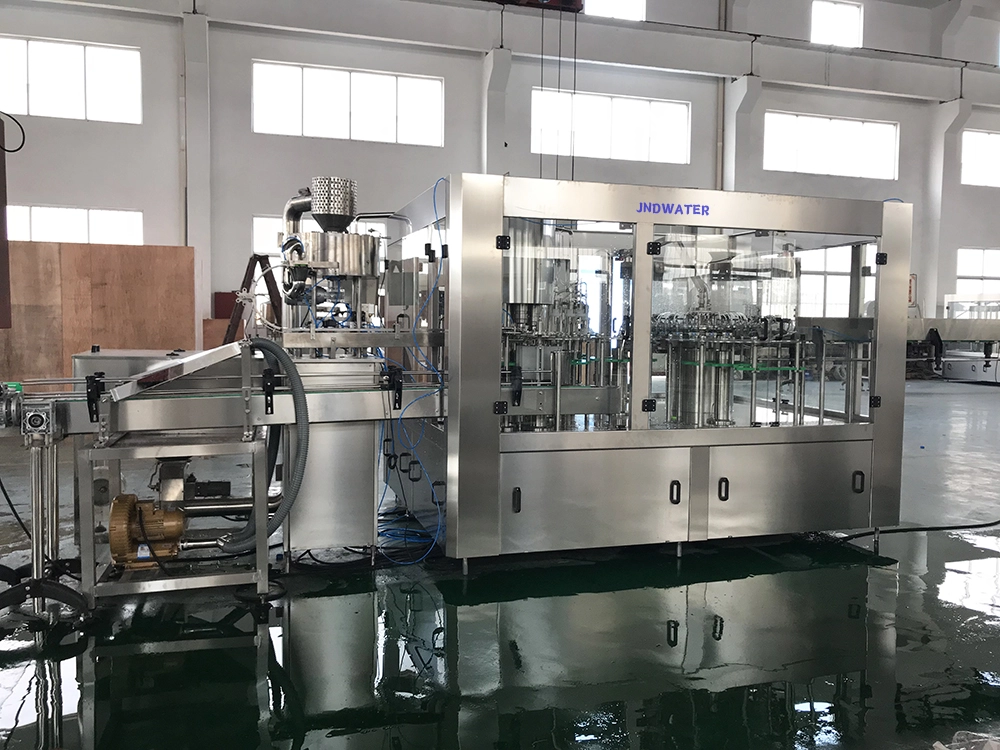
Jndwater milk bottling machine is a specialized piece of equipment designed to accurately and hygienically fill milk into various types of containers, such as bottles, or jars. milk bottling machines can handle different types of milk, including whole milk, skim milk, flavored milk, and even plant-based milk alternatives.
Milk Bottling Machine detailed description
Products Description
Technical Specifications and Detailed Metrics of Milk Bottling Machine
When considering a milk filling machine, understanding the technical specifications is crucial for making an informed decision. At JND Water, we believe in transparency and providing our clients with all the necessary details to ensure our equipment aligns perfectly with their operational needs. This section dives deep into the technical aspects of our milk bottling machines, offering a comprehensive overview of dimensions, weight, material composition, and operational requirements. We aim to equip you with the precise data needed for a thorough comparison and integration assessment within your facility.
Dimensions and Weight: Our milk bottling machines are designed with space efficiency and robustness in mind. The dimensions vary depending on the model, ranging from compact units suitable for small-scale production to larger, high-throughput machines. For instance, a typical entry-level model might measure approximately 1.5 meters in length, 1 meter in width, and 1.8 meters in height, weighing around 800 kilograms. Conversely, a high-capacity machine could extend to 3 meters in length, 1.5 meters in width, and 2 meters in height, with a weight of 1500 kilograms. These dimensions are carefully calculated to optimize floor space utilization while maintaining stability and operational accessibility. Detailed CAD drawings and layout plans are available upon request, allowing you to visualize the machine's footprint within your existing production line.
Material Composition: Hygiene and durability are paramount in the dairy industry. Therefore, our milk bottling machines are constructed using high-grade stainless steel, specifically AISI 304 and AISI 316, known for their corrosion resistance and ease of cleaning. All components that come into direct contact with milk are made from food-grade materials compliant with international standards such as FDA and EHEDG. This ensures the integrity and safety of the final product, preventing contamination and preserving the milk's quality. The frame and structural elements are also made of heavy-duty steel, providing a stable and long-lasting foundation for the machine.
Operational Requirements: To ensure optimal performance, our milk bottling machines require specific operational conditions. Power requirements typically range from 380V to 480V, with a frequency of 50Hz or 60Hz, depending on your region. Air pressure requirements for pneumatic components, such as filling nozzles and capping mechanisms, usually fall between 6 to 8 bar. Water consumption varies depending on the cleaning and sanitization cycles, with estimated usage ranging from 100 to 300 liters per hour. Temperature and humidity control are also important, with recommended operating temperatures between 15°C and 30°C and humidity levels below 80%. Detailed specifications for each model are provided in the technical datasheet, including power consumption, air compressor requirements, and water quality standards.
Detailed Parameter Tables: We provide comprehensive parameter tables that outline the specific capabilities of each milk bottling machine model. These tables include information such as filling speed (bottles per hour), filling accuracy (±%), bottle size range (ml), and capping mechanism types (e.g., screw cap, snap cap, crown cap). For example, our JND-5000 model can fill up to 5000 bottles per hour with an accuracy of ±0.5%, accommodating bottle sizes from 200ml to 1000ml. The tables also detail the types of control systems used, such as PLC (Programmable Logic Controller) brands (e.g., Siemens, Allen-Bradley) and HMI (Human Machine Interface) options, allowing for seamless integration with your existing automation infrastructure. These detailed metrics empower you to make a precise comparison and select the machine that best fits your production volume, bottle type, and operational requirements.
Customer Testimonials and Case Studies of Milk Bottling Machine
At JND Water, we understand that investing in a milk filling machine is a significant decision. To help you make an informed choice, we’ve gathered real customer testimonials and detailed case studies that showcase the performance, reliability, and impact of our equipment in diverse operational settings. These stories provide firsthand accounts of how our machines have helped businesses, from startups to large-scale producers, improve their efficiency, reduce costs, and enhance product quality. We believe that hearing directly from our satisfied customers will give you valuable insights and confidence in our solutions.
Real Customer Testimonials: “Our transition to JND Water's milk bottling machine was a game-changer for our dairy farm,” says John Miller, owner of Miller Family Farms. “We were struggling with inconsistent filling and frequent breakdowns with our old equipment. Since installing the JND machine, our filling accuracy has improved dramatically, and we’ve seen a significant reduction in downtime. The machine is easy to operate, and the support team is always responsive. We highly recommend JND Water to any dairy looking to upgrade their bottling process.” Another customer, Sarah Chen, production manager at Sunshine Dairy, shares, “We needed a machine that could handle a variety of bottle sizes and cap types. The JND machine has exceeded our expectations in terms of versatility and performance. It’s also incredibly easy to clean, which is crucial for maintaining our high hygiene standards.” These testimonials highlight the real-world benefits our customers have experienced, including improved efficiency, reduced downtime, and enhanced product quality.
Detailed Case Studies: We’ve also compiled several detailed case studies that provide an in-depth look at how our milk bottling machines have helped businesses overcome specific challenges and achieve their goals. One case study focuses on a small-scale producer who was struggling to meet growing demand with their manual filling process. By implementing a JND milk bottling machine, they were able to increase their production capacity by 300%, reduce labor costs by 50%, and improve their product consistency. The case study includes detailed data on their production output, cost savings, and customer satisfaction ratings before and after the implementation. Another case study examines how a large dairy factory used our machine to streamline their bottling process and reduce waste. By optimizing their filling and capping operations, they were able to minimize milk spillage, reduce bottle breakage, and improve their overall efficiency. The case study includes visual aids such as before-and-after photos and videos of the machine in operation, allowing you to see the tangible benefits firsthand.
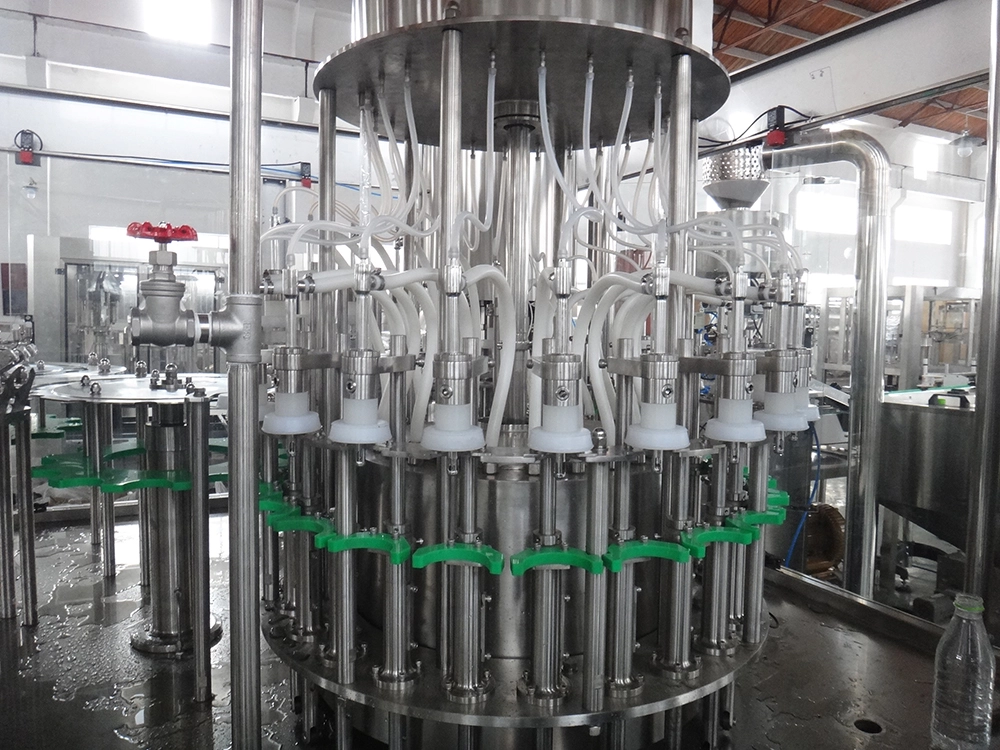
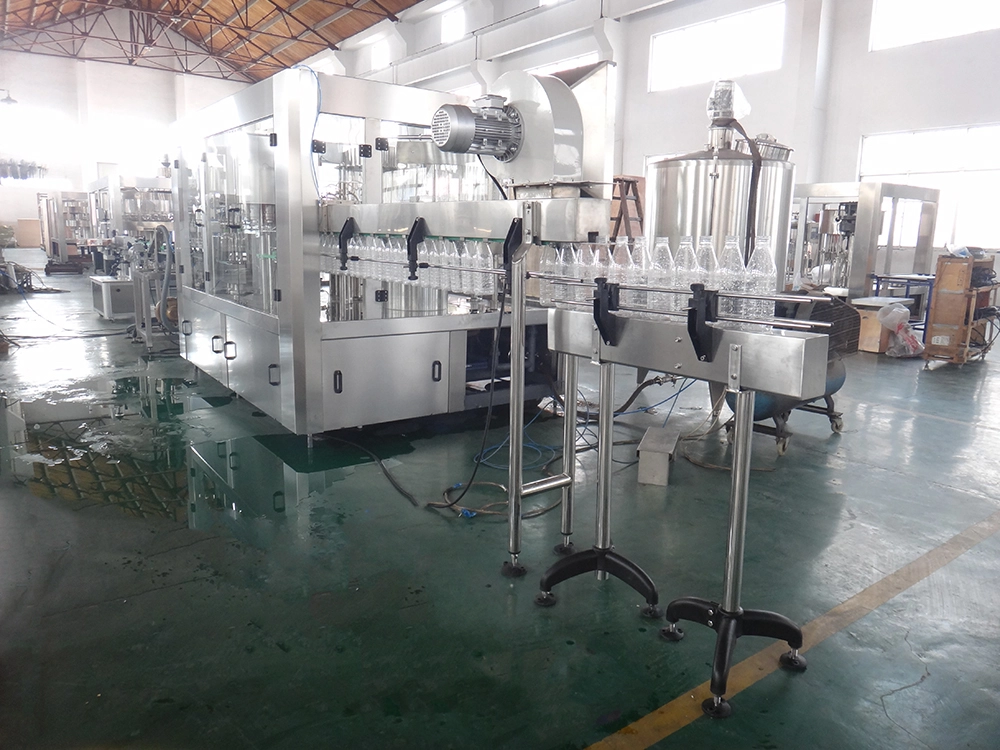
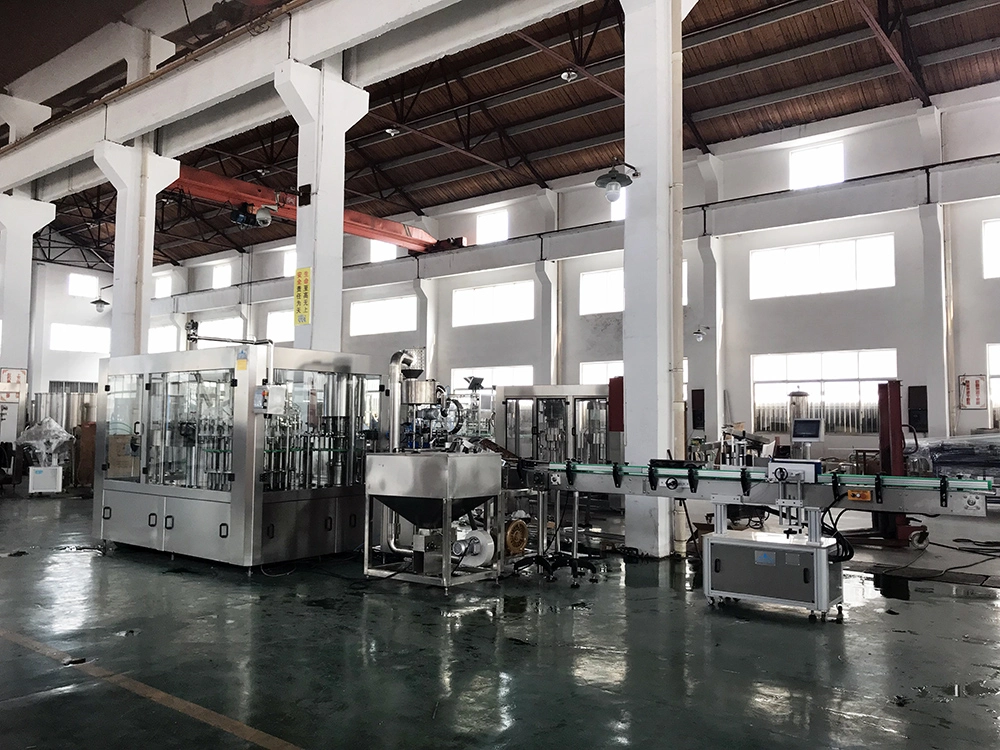
Visual Aids: To further illustrate the performance and reliability of our milk bottling machines, we provide a variety of visual aids, including photos and videos of the machines in operation. These visuals showcase the machine's key features, such as the filling nozzles, capping mechanisms, and control panel. They also demonstrate the machine's ease of use and maintenance. In addition, we offer virtual tours of our customer's facilities, allowing you to see our machines in action within a real-world production environment. These visual aids provide a comprehensive and engaging overview of our milk bottling machines, helping you make an informed decision.
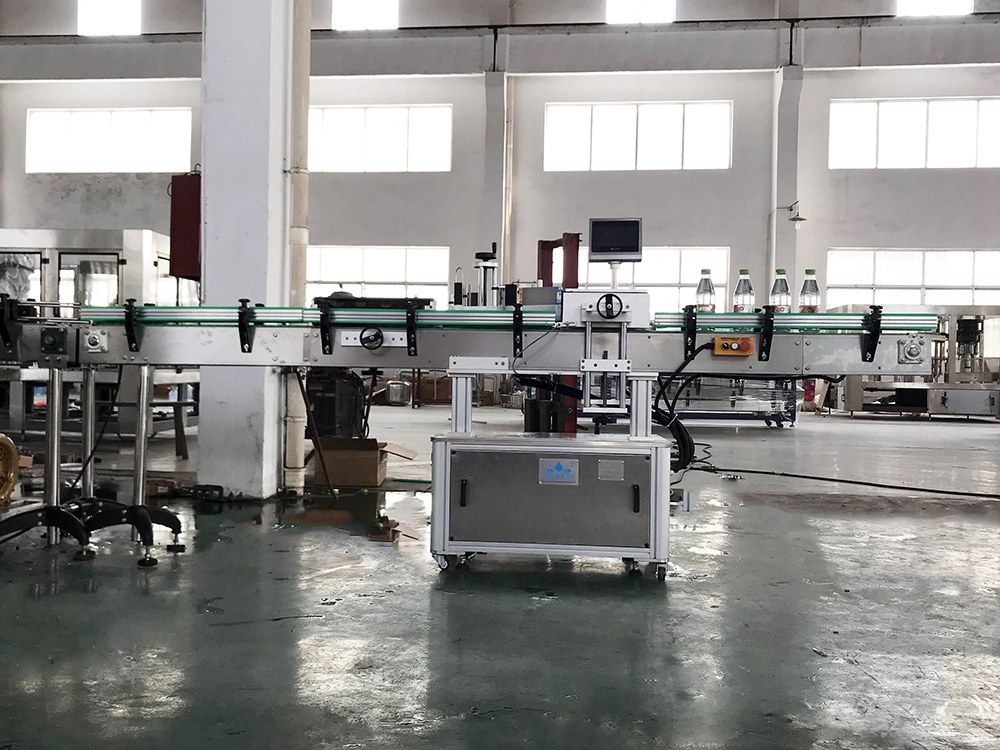
Different Application Scenarios: Our milk bottling machines are designed to be versatile and adaptable to a wide range of application scenarios. Whether you’re a small-scale producer bottling fresh milk on a dairy farm or a large-scale factory producing pasteurized milk for distribution, our machines can be customized to meet your specific needs. We offer models with varying capacities, filling speeds, and capping options to accommodate different bottle sizes, shapes, and materials. Our machines can also be integrated with other equipment, such as pasteurizers, homogenizers, and labeling machines, to create a complete and seamless production line. By understanding the diverse application scenarios and the specific needs of our customers, we can provide tailored solutions that deliver optimal performance and value.
Cost and ROI Analysis of Milk Bottling Machine
Investing in a milk filling machine is a significant capital expenditure, and understanding the cost implications and potential return on investment (ROI) is crucial for making a sound business decision. At JND Water, we provide comprehensive cost and ROI analysis to help our clients evaluate the financial benefits of our equipment. This section offers a detailed breakdown of the purchasing and operating costs associated with our milk bottling machines, as well as an analysis of the savings and efficiency improvements they can bring to your production process. Our goal is to provide you with the information you need to make an informed decision and maximize your investment.
Purchasing and Operating Costs: The initial purchasing cost of a milk bottling machine varies depending on the model, capacity, and features. Entry-level models for small-scale production typically range from $20,000 to $50,000, while high-capacity machines for large-scale factories can cost upwards of $100,000. In addition to the purchase price, there are other costs to consider, such as shipping, installation, and training. Operating costs include electricity, water, maintenance, and labor. Electricity costs depend on the machine's power consumption and your local electricity rates. Water costs depend on the cleaning and sanitization cycles and your water rates. Maintenance costs include routine servicing, parts replacement, and repairs. Labor costs depend on the number of operators required to run the machine. We provide detailed estimates of these costs based on your specific production requirements and local rates.
Savings and Efficiency Improvements: Our milk bottling machines are designed to improve efficiency, reduce waste, and lower operating costs. By automating the filling and capping process, you can significantly increase your production capacity and reduce labor costs. Our machines also offer precise filling accuracy, minimizing milk spillage and waste. In addition, our machines are designed for easy cleaning and maintenance, reducing downtime and maintenance costs. These savings and efficiency improvements can result in a significant ROI over the lifespan of the machine. For example, a dairy farm that invests in a JND milk bottling machine may see a 300% increase in production capacity, a 50% reduction in labor costs, and a 20% reduction in milk waste. These improvements can translate into tens of thousands of dollars in annual savings.
Detailed ROI Analysis: To illustrate the potential ROI of our milk bottling machines, we provide detailed ROI analysis based on your specific production requirements and cost assumptions. This analysis includes a breakdown of the initial investment, operating costs, savings, and payback period. For example, a dairy factory that invests $80,000 in a JND milk bottling machine may see annual savings of $40,000 due to increased production capacity, reduced labor costs, and minimized waste. This would result in a payback period of just two years. The ROI analysis also takes into account factors such as depreciation, tax benefits, and inflation. By providing a comprehensive and transparent ROI analysis, we help you make an informed decision and justify your investment.
Simple Calculation Examples: To further illustrate the potential ROI, here are a couple of simple calculation examples: Example 1: A small-scale producer invests $30,000 in a JND milk bottling machine and sees a $15,000 increase in annual revenue due to increased production capacity. Their ROI is 50% per year. Example 2: A large dairy factory invests $100,000 in a JND milk bottling machine and sees $50,000 in annual savings due to reduced labor costs and minimized waste. Their payback period is two years. These examples demonstrate the potential financial benefits of investing in a JND milk bottling machine.
Setup and Installation Guide for Milk Bottling Machine
Ensuring a smooth and efficient setup and installation process is crucial for maximizing the performance and longevity of your milk filling machine. At JND Water, we provide comprehensive setup and installation guides to help you get your machine up and running quickly and safely. This section offers a detailed step-by-step guide to the installation process, including unpacking, positioning, connecting utilities, and calibrating the machine. We also provide a list of necessary tools and equipment, as well as information on the professional expertise required for the installation. Our goal is to provide you with all the information you need to ensure a successful installation and minimize downtime.
Detailed Installation Steps: The installation process typically involves several key steps. First, carefully unpack the machine and inspect it for any damage that may have occurred during shipping. Next, position the machine in its designated location, ensuring that it is level and stable. Then, connect the utilities, including electricity, water, and air. Be sure to follow all local codes and regulations when connecting utilities. After connecting the utilities, calibrate the machine according to the manufacturer's instructions. This may involve adjusting the filling volume, capping pressure, and other parameters. Finally, test the machine to ensure that it is operating properly. We provide detailed instructions and diagrams for each of these steps, as well as troubleshooting tips to help you overcome any challenges you may encounter.
Wiring Methods and Necessary Tools: Proper wiring is essential for the safe and reliable operation of your milk bottling machine. We provide detailed wiring diagrams and instructions to help you connect the machine to your electrical system. Be sure to use the correct gauge wire and follow all local electrical codes. In addition to wiring, you will need a variety of tools and equipment to install the machine, including wrenches, screwdrivers, pliers, a level, and a measuring tape. You may also need specialized tools, such as a torque wrench, to tighten bolts to the proper specifications. We provide a comprehensive list of necessary tools and equipment to help you prepare for the installation.
Visual Aids: To further assist you with the installation process, we provide a variety of visual aids, including photos and videos. These visuals demonstrate the key steps of the installation process, such as unpacking, positioning, connecting utilities, and calibrating the machine. They also show the proper use of tools and equipment. In addition, we offer virtual tours of our customer's facilities, allowing you to see our machines installed and operating in a real-world production environment. These visual aids provide a comprehensive and engaging overview of the installation process.
Professional Personnel Involvement: While some aspects of the installation process can be performed by your own staff, it is often necessary to involve professional personnel, such as electricians, plumbers, and technicians. These professionals have the expertise and experience to ensure that the machine is installed safely and properly. We can provide a list of qualified professionals in your area who are familiar with our milk bottling machines. We also offer on-site installation and training services to help you get your machine up and running quickly and efficiently. By involving professional personnel, you can minimize the risk of errors and ensure that your machine is installed to the highest standards.
Maintenance and Troubleshooting of Milk Bottling Machine
Regular maintenance and prompt troubleshooting are essential for ensuring the optimal performance, reliability, and longevity of your milk filling machine. At JND Water, we provide comprehensive maintenance and troubleshooting guides to help you keep your machine in top condition. This section offers a detailed maintenance checklist, covering cleaning, lubrication, inspection, and parts replacement. We also provide step-by-step troubleshooting instructions for common problems, such as filling errors, capping issues, and mechanical failures. Our goal is to provide you with the knowledge and resources you need to resolve basic issues quickly and efficiently, and to know when to seek professional assistance.
Detailed Maintenance Checklist: A well-structured maintenance checklist is key to preventing downtime and extending the life of your milk bottling machine. Our checklist includes daily, weekly, monthly, and annual maintenance tasks. Daily tasks include cleaning the machine, checking for leaks, and lubricating moving parts. Weekly tasks include inspecting the filling nozzles, capping mechanisms, and conveyor belts. Monthly tasks include checking the oil levels, inspecting the electrical connections, and calibrating the machine. Annual tasks include replacing worn parts, performing a thorough cleaning, and conducting a comprehensive inspection. We provide detailed instructions and diagrams for each of these tasks, as well as recommended intervals for parts replacement. By following our maintenance checklist, you can minimize the risk of breakdowns and ensure that your machine operates at peak performance.
Troubleshooting Steps for Common Problems: Even with regular maintenance, problems can still arise. Our troubleshooting guide provides step-by-step instructions for resolving common issues, such as filling errors, capping problems, and mechanical failures. For example, if the machine is not filling bottles to the correct level, the troubleshooting guide will instruct you to check the filling nozzles, adjust the filling volume, and calibrate the machine. If the machine is not capping bottles properly, the troubleshooting guide will instruct you to check the capping mechanisms, adjust the capping pressure, and inspect the bottle caps. If the machine is experiencing mechanical failures, the troubleshooting guide will instruct you to check the belts, pulleys, and gears, and to lubricate or replace worn parts. We provide detailed instructions and diagrams for each of these troubleshooting steps, as well as a list of potential causes and solutions.
Technical Support Contact Information: While our maintenance and troubleshooting guides are designed to help you resolve basic issues, some problems may require professional assistance. We provide technical support contact information to help you get the expert help you need. Our technical support team is available 24/7 to answer your questions and provide guidance. We can also dispatch a qualified technician to your facility to diagnose and repair the problem. Our goal is to provide you with the highest level of support and service to ensure that your milk bottling machine operates smoothly and reliably.
Visual Aids: To further assist you with maintenance and troubleshooting, we provide a variety of visual aids, including photos and videos. These visuals demonstrate the key steps of the maintenance process, such as cleaning, lubricating, and inspecting the machine. They also show the proper use of tools and equipment. In addition, we offer virtual tours of our customer's facilities, allowing you to see our machines being maintained and repaired in a real-world production environment. These visual aids provide a comprehensive and engaging overview of the maintenance and troubleshooting process.
Product Introduction
Jndwater milk bottling machine is a specialized piece of equipment designed to accurately and hygienically fill milk into various types of containers, such as bottles, or jars. milk bottling machines can handle different types of milk, including whole milk, skim milk, flavored milk, and even plant-based milk alternatives.
Features
Hygiene and Sanitation:
Made from food-grade stainless steel to meet strict hygiene standards.
Equipped with CIP (Clean-in-Place) systems for easy and thorough cleaning.
Accuracy:
Precise filling mechanisms to ensure consistent fill levels and minimize product waste.
Automation:
Fully automated or semi-automated systems to increase production speed.
Can be integrated with other packaging equipment.
Filling Technologies:
Gravity Fillers: Suitable for free-flowing liquids like milk.
Piston Fillers: Ideal for thicker or viscous milk products.
Aseptic Fillers: Used for ultra-high-temperature (UHT) treated milk to ensure sterility.
Volumetric Fillers: Measure milk by volume for consistent fills.
Applications
Dairy factory: Filling pasteurized, homogenized, or UHT-treated milk.
Food and beverage factory: Packaging almond milk, soy milk, oat milk, chocolate milk, strawberry milk, Packaging cream, yogurt drinks, or buttermilk.
Benefits
Hygienic Packaging: Ensures milk is filled in a contamination-free environment.
Consistency: Uniform fill levels across all containers.
Reduced Waste: Precise measurements minimize product spillage and overfilling.
Compliance: Meets food safety and hygiene .
Types of milk bottling equipment
Semi-Automatic Fillers:
Require some manual intervention, such as placing and removing containers.
Ideal for small-scale or low-volume production.
Automatic Fillers:
Fully automated systems for high-volume production.
Can be integrated into production lines.
Technical Specifications
| Capacity(BPH) | 2000-20000BPH |
| Suitable bottle and cap | PET circular or square with screw cap |
| Bottle Volume | (Volume)250-2000ml |
| Rinsing pressure(Mpa) | >0.06Mpa<0.2Mpa |
Application Areas
Food and beverage factory
Beverage factory
Milk factory
Dairy factory
FAQ
How do I start a milk and dairy factory business?
First do a market survey to determine what dairy products or dairy beverages to produce? How much to produce? Then find a factory building, water and electricity, and purchase milk and dairy filling production line equipment.
Products List
Recent Products
Jndwater milk filling machine is a specialized piece of equipment designed to accurately and hygienically fill milk into various types of containers, such as bottles, or jars. milk bottling machines can handle different types of milk, including whole milk, skim milk, flavored milk, and even plant-based milk alternatives.