Water Quality Standards and Compliance
In the pharmaceutical industry, water isn't just water; it's a critical ingredient that directly impacts product quality, safety, and efficacy. That's why understanding and adhering to stringent water quality standards is non-negotiable. Several international pharmacopeias set the benchmarks for water purity, each with its own nuances and requirements. Let's dive into the specifics of some key players:
Understanding International Pharmacopeia Standards
United States Pharmacopeia (USP): The USP is a globally recognized standard-setter. When it comes to pharmaceutical water, the USP defines several grades, including Purified Water, Water for Injection (WFI), and Sterile Water for Injection. Each grade has specific requirements for conductivity, total organic carbon (TOC), and microbial limits. For instance, WFI, used in injectable drugs, demands the highest purity levels, essentially being free from pyrogens and microorganisms. Meeting USP standards ensures that the water used in your processes is suitable for its intended purpose, safeguarding product integrity.
European Pharmacopoeia (EP): The EP, used across Europe and beyond, also sets rigorous standards for pharmaceutical water. Similar to the USP, it defines different grades like Purified Water and Water for Injection. The EP places a strong emphasis on the monitoring and control of microbial contamination. What's interesting is the EP's approach to WFI production, which traditionally favored distillation. However, membrane-based technologies like reverse osmosis are now increasingly accepted, provided they meet the stringent quality criteria. Compliance with EP standards is crucial for companies marketing their products in Europe.
Japanese Pharmacopoeia (JP): The JP is the official pharmacopeia of Japan. It outlines the requirements for pharmaceutical water, including Purified Water and Water for Injection. The JP's approach to water quality is particularly detailed, covering aspects like endotoxin limits and specific tests for heavy metals. One notable aspect is the JP's focus on the entire water system, emphasizing the importance of design, maintenance, and validation to ensure consistent water quality. Adhering to JP standards is essential for pharmaceutical manufacturers operating in the Japanese market.
Chinese Pharmacopoeia (ChP): As the pharmaceutical industry in China continues to grow, the ChP is becoming increasingly important. It specifies the standards for pharmaceutical water used in China, including Purified Water and Water for Injection. The ChP aligns with international standards but also has its own specific requirements, particularly regarding testing methods and limits for certain contaminants. Companies seeking to market or manufacture pharmaceutical products in China must comply with the ChP's water quality standards.
Comparative Analysis of Water Quality Standards
To provide a clearer picture, here's a comparative table highlighting key differences and similarities across these pharmacopeias:
| Standard |
Key Water Grades |
Key Parameters |
Unique Aspects |
| USP |
Purified Water, WFI, Sterile Water for Injection |
Conductivity, TOC, Microbial Limits |
Widely recognized, clear grade definitions |
| EP |
Purified Water, WFI |
Conductivity, TOC, Microbial Limits |
Emphasis on microbial control, acceptance of RO for WFI |
| JP |
Purified Water, WFI |
Endotoxin Limits, Heavy Metals |
Detailed testing methods, focus on system design |
| ChP |
Purified Water, WFI |
Specific Contaminant Limits |
Aligns with international standards, specific to China |
Ensuring Compliance: A Practical Approach
Meeting these standards isn't just about having the right equipment; it's about implementing a comprehensive water quality management system. This includes:
- System Design: Designing a water treatment system that meets the specific requirements of your pharmaceutical processes. This involves selecting appropriate technologies like reverse osmosis, ultrafiltration, and electrodeionization.
- Validation: Validating the system to demonstrate that it consistently produces water of the required quality. This involves extensive testing and documentation.
- Monitoring: Implementing a robust monitoring program to continuously track water quality parameters. This includes regular testing for conductivity, TOC, and microbial contamination.
- Maintenance: Maintaining the system to ensure its continued performance. This includes regular cleaning, sanitization, and replacement of consumables like filters and membranes.
- Training: Training personnel on the proper operation and maintenance of the water treatment system.
By taking a holistic approach to water quality management, pharmaceutical manufacturers can confidently meet the stringent requirements of international pharmacopeias and ensure the safety and efficacy of their products. Real-world example: A pharmaceutical company producing injectable drugs implemented a new WFI system that met USP standards. Through rigorous validation and monitoring, they were able to consistently produce high-quality WFI, resulting in improved product quality and reduced batch failures.
Customer Success Stories
At JND Water, we believe that our success is directly tied to the success of our customers. We're incredibly proud of the partnerships we've forged with pharmaceutical companies around the globe, helping them achieve their water quality goals and improve their manufacturing processes. Let's take a look at a few compelling customer success stories:
Case Study 1: Streamlining Injectable Production with Reliable WFI
The Challenge: A leading pharmaceutical manufacturer specializing in injectable medications faced persistent challenges with their existing Water for Injection (WFI) system. Frequent downtime, inconsistent water quality, and high maintenance costs were impacting their production efficiency and bottom line. They needed a reliable solution that could consistently deliver high-quality WFI while minimizing operational disruptions.
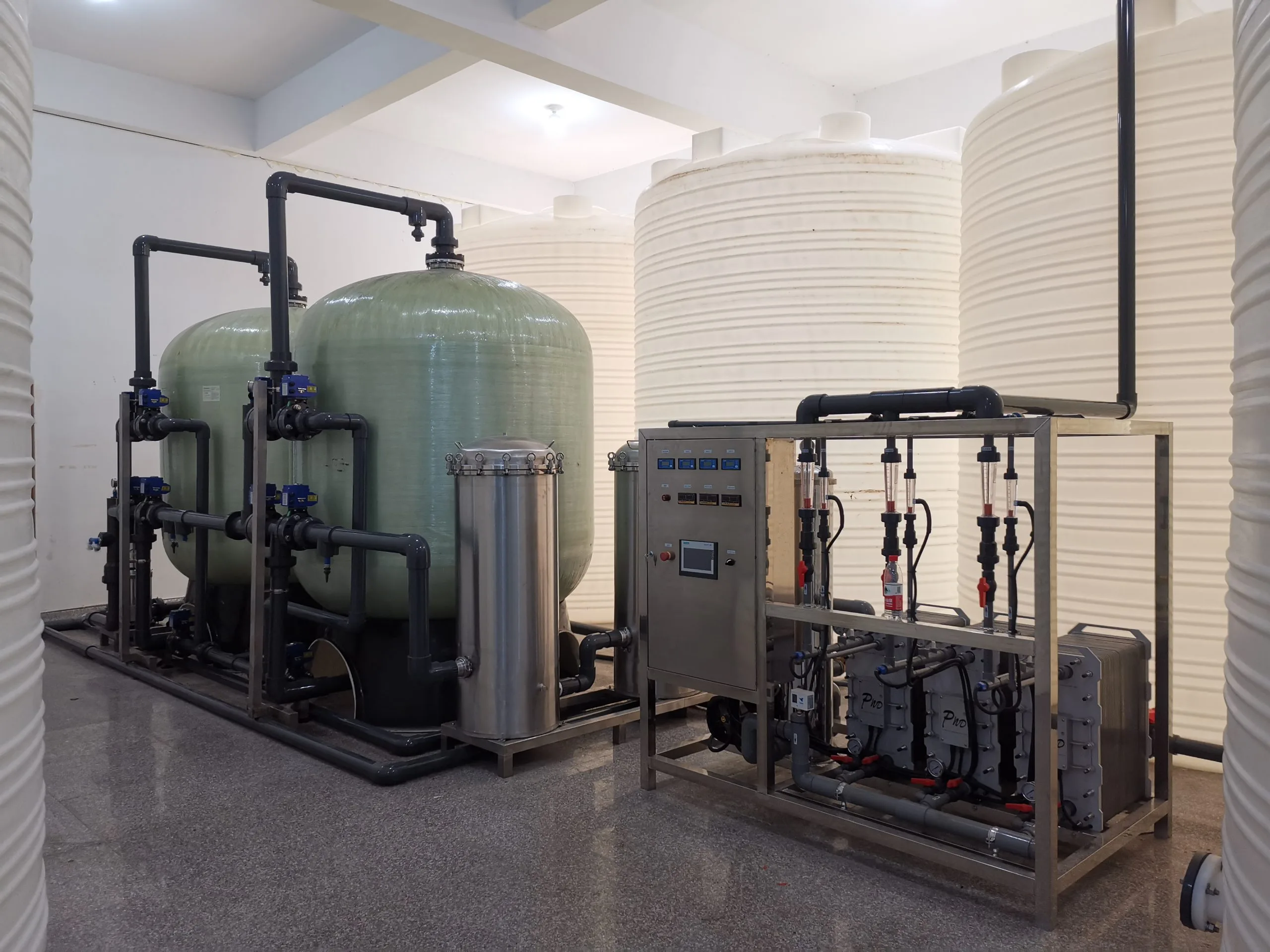
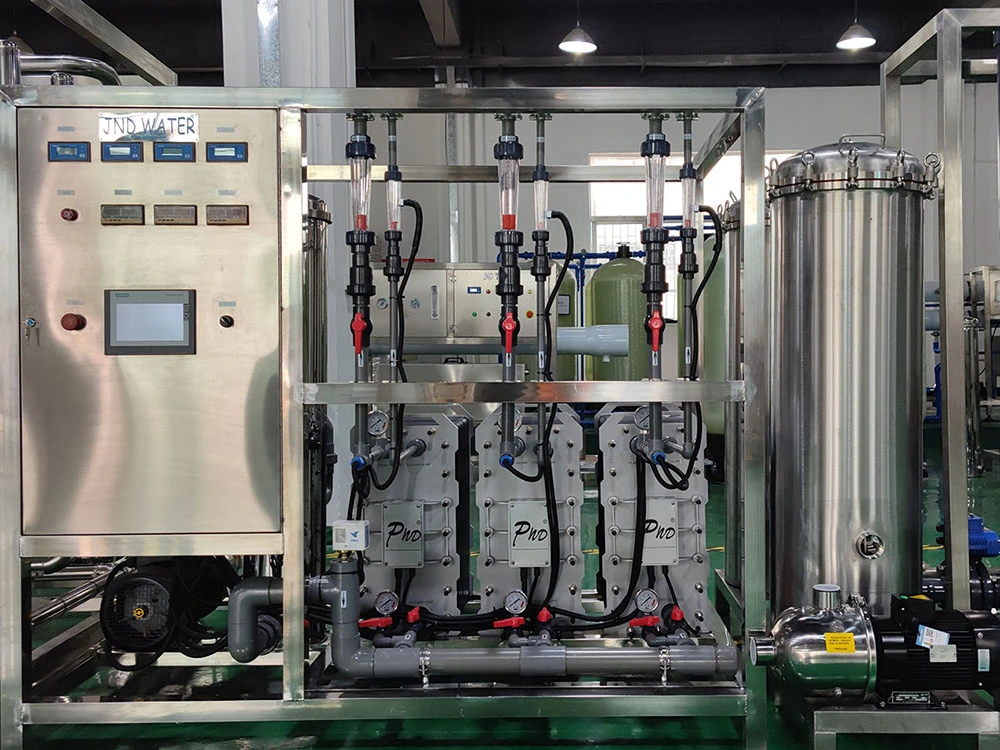
The Solution: JND Water partnered with the manufacturer to design and implement a state-of-the-art WFI system based on a combination of reverse osmosis (RO), electrodeionization (EDI), and ultrafiltration (UF) technologies. The system was designed with redundancy and built-in monitoring capabilities to ensure consistent water quality and minimize downtime. We provided comprehensive training to their staff on system operation and maintenance.
The Results: The new WFI system delivered remarkable results. Downtime was reduced by over 80%, resulting in significant improvements in production efficiency. Water quality consistently met or exceeded USP standards, leading to a reduction in batch failures. The manufacturer also reported a significant decrease in maintenance costs. The success of this project led to a long-term partnership, with JND Water providing ongoing support and optimization services.
Customer Quote: "JND Water's expertise and commitment to quality were instrumental in solving our WFI challenges. Their system has not only improved our production efficiency but also enhanced the overall quality of our injectable products," said the Head of Manufacturing at the pharmaceutical company.
Case Study 2: Scaling Up Production with a Customized Water Treatment Solution
The Challenge: A rapidly growing biotechnology company needed to expand its production capacity to meet increasing demand for its innovative drug products. However, their existing water treatment system was not capable of handling the increased water demand and stringent quality requirements. They needed a customized solution that could scale with their growth while ensuring compliance with regulatory standards.
The Solution: JND Water's team of engineers worked closely with the biotechnology company to understand their specific needs and design a modular water treatment system that could be easily expanded as their production capacity increased. The system incorporated advanced technologies such as RO, EDI, and UV disinfection. We also implemented a comprehensive data monitoring and control system to ensure consistent water quality and provide real-time performance data.
The Results: The modular water treatment system enabled the biotechnology company to successfully scale up their production capacity without compromising water quality. The system's flexibility allowed them to easily add new modules as their demand increased. The data monitoring and control system provided valuable insights into system performance, allowing them to optimize their operations and minimize costs. The success of this project positioned JND Water as a trusted partner for the biotechnology company's future expansion plans.
Customer Quote: "JND Water's ability to understand our unique needs and develop a customized solution was truly impressive. Their system has been instrumental in our ability to meet the growing demand for our products while maintaining the highest standards of quality," said the CEO of the biotechnology company.
Customer Satisfaction: The Key to Our Success
These are just a few examples of how JND Water has helped pharmaceutical companies achieve their water quality goals. We are committed to providing our customers with reliable, cost-effective, and innovative water treatment solutions. Our customer satisfaction surveys consistently show high levels of satisfaction with our products, services, and support. We believe that our dedication to customer success is what sets us apart in the pharmaceutical water treatment industry.
Comparative Analysis of Treatment Technologies
Choosing the right pharmaceutical water treatment equipment is a critical decision that can significantly impact product quality, operational efficiency, and regulatory compliance. Several technologies are available, each with its own strengths and weaknesses. Understanding these differences is essential for making an informed choice. Let's delve into a comparative analysis of three key technologies: Reverse Osmosis (RO), Electrodeionization (EDI), and Ultraviolet (UV) Disinfection.
Reverse Osmosis (RO): The Foundation of Purity
What it is: RO is a membrane-based separation process that uses pressure to force water through a semi-permeable membrane, retaining impurities such as dissolved salts, organic matter, and microorganisms. Think of it as an extremely fine filter that removes almost everything except water molecules.
How it works: Water is pressurized against the RO membrane. The pressure overcomes the osmotic pressure, forcing pure water to pass through the membrane while rejecting contaminants. These contaminants are then flushed away in a concentrated waste stream.
Advantages:
- High Removal Efficiency: RO can remove up to 99% of dissolved salts, bacteria, and other impurities.
- Cost-Effective: RO is relatively energy-efficient compared to other purification methods like distillation.
- Versatile: RO can be used as a pretreatment step for other technologies like EDI or as a standalone purification method.
Disadvantages:
- Membrane Fouling: RO membranes can be susceptible to fouling by organic matter, scaling, and biological growth, requiring regular cleaning and maintenance.
- Waste Stream: RO produces a concentrated waste stream that needs to be disposed of properly.
- Pretreatment Required: RO often requires pretreatment to remove suspended solids and chlorine, which can damage the membranes.
Typical Applications: RO is widely used for producing purified water for various pharmaceutical applications, including rinsing, cleaning, and as a pretreatment step for WFI production.
Electrodeionization (EDI): Polishing for Perfection
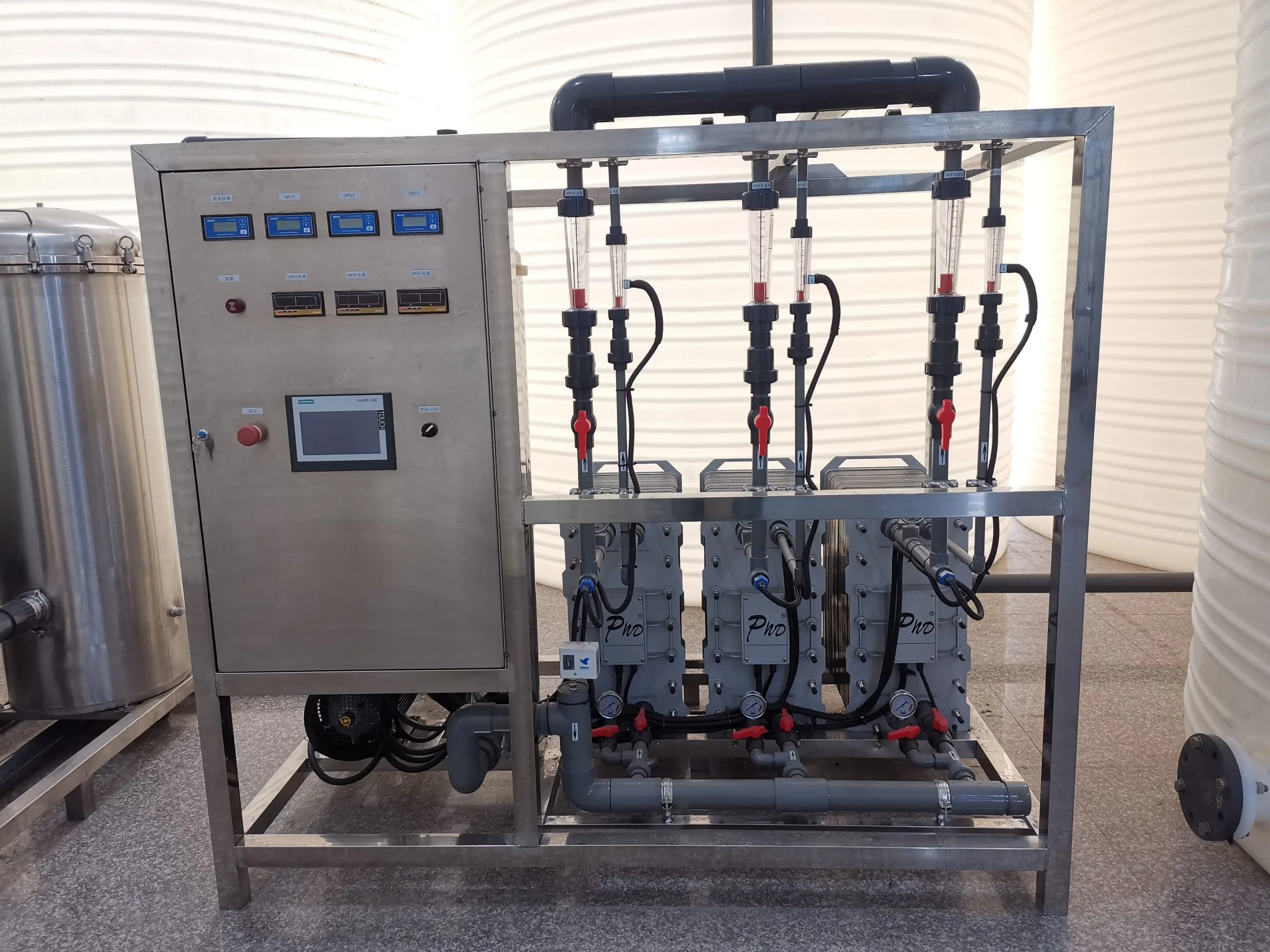
What it is: EDI is an electrically driven process that removes ionized species from water using ion-exchange membranes and an electric field. It's like a super-fine polisher that removes the last traces of impurities after RO.
How it works: Water flows through a series of ion-exchange membranes and resin beds. An electric field is applied, causing ions to migrate through the membranes and into a concentrate stream. The resin beds are continuously regenerated by the electric field, eliminating the need for chemical regeneration.
Advantages:
- High Purity: EDI can produce ultrapure water with very low conductivity and TOC levels.
- Chemical-Free: EDI does not require the use of chemicals for regeneration, reducing operating costs and environmental impact.
- Continuous Operation: EDI can operate continuously without the need for downtime for regeneration.
Disadvantages:
- Pretreatment Required: EDI requires pretreatment with RO to remove most of the dissolved solids.
- Capital Cost: EDI systems can have a higher initial capital cost compared to other technologies.
- Sensitivity to Feed Water Quality: EDI performance can be affected by changes in feed water quality.
Typical Applications: EDI is commonly used to produce WFI and ultrapure water for critical pharmaceutical applications such as injectable drug manufacturing and cell culture.
Ultraviolet (UV) Disinfection: The Germ Killer
What it is: UV disinfection uses ultraviolet light to inactivate microorganisms in water. It's like a powerful sanitizing agent that eliminates bacteria and viruses without adding chemicals.
How it works: Water flows through a chamber where it is exposed to UV light. The UV light damages the DNA of microorganisms, preventing them from reproducing and causing infection.
Advantages:
- Effective Disinfection: UV disinfection is highly effective at inactivating a wide range of microorganisms.
- Chemical-Free: UV disinfection does not add any chemicals to the water, preserving its purity.
- Low Maintenance: UV systems require minimal maintenance, typically involving periodic lamp replacement.
Disadvantages:
- No Removal of Impurities: UV disinfection only inactivates microorganisms; it does not remove other impurities.
- Turbidity Interference: UV disinfection effectiveness can be reduced by turbidity in the water.
- Limited Penetration: UV light has limited penetration, so it is important to ensure that all the water is exposed to the light.
Typical Applications: UV disinfection is used to prevent microbial contamination in pharmaceutical water systems, often as a final polishing step before distribution.
Comparative Table
| Technology |
Principle |
Advantages |
Disadvantages |
Applications |
| RO |
Membrane Separation |
High Removal Efficiency, Cost-Effective |
Membrane Fouling, Waste Stream |
Purified Water Production |
| EDI |
Electrical Ion Removal |
High Purity, Chemical-Free |
Pretreatment Required, Capital Cost |
WFI Production |
| UV |
UV Light Inactivation |
Effective Disinfection, Chemical-Free |
No Impurity Removal, Turbidity Interference |
Microbial Control |
Choosing the Right Technology
The best choice of technology depends on the specific requirements of your pharmaceutical application. In many cases, a combination of technologies is used to achieve the desired water quality. For example, a typical WFI system might include RO for pretreatment, followed by EDI for polishing, and UV disinfection for microbial control. By carefully considering the advantages and disadvantages of each technology, you can design a water treatment system that meets your needs and ensures the quality and safety of your pharmaceutical products. For instance, a company producing sterile eye drops would likely need a system incorporating RO, EDI, and UV to achieve the stringent purity and sterility requirements.
Lifecycle Management and Cost Efficiency
Investing in pharmaceutical water treatment equipment is a significant decision, and it's crucial to consider the entire lifecycle of the system, not just the initial purchase price. Effective lifecycle management and a focus on cost efficiency can lead to substantial savings and improved operational performance over the long term. Let's explore key aspects of lifecycle management and strategies for optimizing cost efficiency.
System Lifespan: Planning for the Long Haul
The lifespan of a pharmaceutical water treatment system can vary depending on factors such as the quality of the equipment, the operating conditions, and the level of maintenance. A well-maintained system can last for 15-20 years or even longer. However, it's important to plan for eventual replacement or upgrades. Consider the following:
- Depreciation: Account for the depreciation of the equipment over its useful life.
- Obsolescence: Be aware of technological advancements and potential obsolescence of the equipment.
- Regulatory Changes: Stay informed about changes in regulatory requirements that may necessitate upgrades or modifications to the system.
Preventive Maintenance: The Key to Longevity
Implementing a robust preventive maintenance program is essential for maximizing the lifespan and performance of your pharmaceutical water treatment equipment. A well-structured program should include:
- Regular Inspections: Conduct regular inspections to identify potential problems before they become major issues.
- Scheduled Maintenance: Perform scheduled maintenance tasks such as cleaning, lubrication, and filter replacement.
- Performance Monitoring: Monitor system performance parameters such as flow rate, pressure, and water quality to detect any deviations from normal operation.
- Record Keeping: Maintain detailed records of all maintenance activities, inspections, and performance data.
Here's an example of a preventive maintenance schedule for a typical RO system:
| Task |
Frequency |
Description |
| Pre-filter Replacement |
Monthly |
Replace pre-filters to protect the RO membranes. |
| Membrane Cleaning |
Quarterly |
Clean RO membranes to remove scale and fouling. |
| Pump Inspection |
Annually |
Inspect pumps for leaks, vibration, and wear. |
| System Calibration |
Annually |
Calibrate instruments to ensure accurate readings. |
Operational Cost Optimization: Squeezing Out Savings
Operational costs can account for a significant portion of the total cost of ownership of a pharmaceutical water treatment system. Here are some strategies for optimizing operational costs:
- Energy Efficiency: Select energy-efficient equipment and optimize operating parameters to minimize energy consumption.
- Water Conservation: Implement water conservation measures to reduce water usage and wastewater discharge.
- Chemical Usage: Optimize chemical usage for cleaning and disinfection to minimize chemical costs and environmental impact.
- Consumables Management: Manage consumables such as filters and membranes effectively to minimize waste and replacement costs.
For example, using a variable frequency drive (VFD) on a pump can reduce energy consumption by adjusting the pump speed to match the actual water demand. This can result in significant energy savings over the long term.
Cost-Benefit Analysis: Making Informed Decisions
When evaluating different water treatment options, it's important to conduct a thorough cost-benefit analysis. This involves comparing the total cost of ownership of each option, including initial capital costs, operating costs, and maintenance costs, with the expected benefits, such as improved water quality, increased production efficiency, and reduced downtime. A well-conducted cost-benefit analysis can help you make informed decisions and select the option that provides the best value for your investment.
Here's an example of a cost-benefit analysis for two different RO systems:
| Parameter |
System A |
System B |
| Initial Capital Cost |
$100,000 |
$120,000 |
| Annual Operating Cost |
$20,000 |
$15,000 |
| Annual Maintenance Cost |
$5,000 |
$3,000 |
| Expected Lifespan |
15 years |
20 years |
| Total Cost of Ownership |
$475,000 |
$470,000 |
In this example, System B has a higher initial capital cost but lower operating and maintenance costs, resulting in a lower total cost of ownership over the long term. By considering the entire lifecycle cost, you can make a more informed decision and select the system that provides the best value for your investment.
Innovations and Future Trends in Pharma Water Treatment
The pharmaceutical industry is constantly evolving, and so is the technology used to treat water for pharmaceutical applications. Staying ahead of the curve and embracing innovation is crucial for maintaining a competitive edge and ensuring compliance with increasingly stringent regulations. Let's explore some of the latest innovations and future trends in pharma water treatment.
Advanced Membrane Technologies: Pushing the Boundaries of Purity
Membrane technologies like reverse osmosis (RO) and ultrafiltration (UF) are the workhorses of pharmaceutical water treatment. However, ongoing research and development are leading to even more advanced membrane materials and designs. Some key trends include:
- Fouling-Resistant Membranes: New membrane materials are being developed to resist fouling by organic matter, scaling, and biological growth, reducing the need for frequent cleaning and replacement.
- Nanofiltration: Nanofiltration membranes offer a higher level of selectivity, allowing for the removal of specific contaminants while retaining valuable minerals.
- Forward Osmosis: Forward osmosis is an emerging technology that uses a draw solution to create osmotic pressure, driving water through a membrane. This can be more energy-efficient than traditional RO in certain applications.
These advanced membrane technologies promise to deliver even higher purity water, reduce operating costs, and minimize environmental impact.
Electrodeionization (EDI) Enhancements: Refining the Polishing Process
Electrodeionization (EDI) is already a highly effective technology for producing ultrapure water. However, ongoing innovations are further enhancing its performance and reliability. Some key trends include:
- Improved Resin Designs: New resin designs are being developed to improve ion exchange capacity and reduce pressure drop.
- Enhanced Electrode Materials: Advanced electrode materials are being used to improve current distribution and reduce electrode passivation.
- Smart EDI Systems: Smart EDI systems incorporate sensors and controls to optimize performance and provide real-time monitoring of water quality.
These enhancements are making EDI systems even more efficient, reliable, and cost-effective.
Real-Time Monitoring and Control: The Power of Data
The ability to monitor and control water treatment systems in real-time is becoming increasingly important. Advanced sensors, data analytics, and cloud-based platforms are enabling pharmaceutical manufacturers to:
- Track Water Quality: Monitor key water quality parameters such as conductivity, TOC, and microbial counts in real-time.
- Optimize System Performance: Adjust operating parameters to optimize system performance and minimize costs.
- Predictive Maintenance: Use data analytics to predict potential problems and schedule maintenance proactively.
- Remote Monitoring: Monitor and control systems remotely from anywhere in the world.
Real-time monitoring and control are transforming the way pharmaceutical water treatment systems are operated, enabling greater efficiency, reliability, and compliance.
Sustainable Water Management: Doing Our Part for the Planet
Sustainability is becoming an increasingly important consideration in the pharmaceutical industry. Pharmaceutical manufacturers are looking for ways to reduce their water footprint and minimize their environmental impact. Some key trends in sustainable water management include:
- Water Recycling: Recycling treated wastewater for non-critical applications such as cooling and cleaning.
- Rainwater Harvesting: Collecting and using rainwater for non-potable purposes.
- Zero Liquid Discharge (ZLD): Implementing ZLD systems to eliminate wastewater discharge completely.
- Energy-Efficient Technologies: Using energy-efficient water treatment technologies to reduce energy consumption.
By embracing sustainable water management practices, pharmaceutical manufacturers can reduce their environmental impact and improve their bottom line.
JND Water's Commitment to Innovation
At JND Water, we are committed to staying at the forefront of innovation in pharmaceutical water treatment. We invest heavily in research and development to develop new technologies and solutions that meet the evolving needs of our customers. We work closely with our customers to understand their challenges and develop customized solutions that address their specific needs. Our goal is to provide our customers with the most advanced, reliable, and cost-effective water treatment solutions available.
FAQs and Common Pitfalls
Even with the best pharmaceutical water treatment equipment and a well-designed system, challenges can arise. Understanding common issues and knowing how to address them is crucial for maintaining optimal water quality and system performance. Here's a comprehensive FAQ section covering common questions and potential pitfalls:
Frequently Asked Questions (FAQs)
- What is the difference between Purified Water and Water for Injection (WFI)?
- Purified Water: Used for non-parenteral applications, such as cleaning and rinsing equipment. It has lower purity requirements than WFI.
- Water for Injection (WFI): Used as an ingredient in injectable drugs. It must meet the highest purity standards, including being free from pyrogens and microorganisms.
- How often should I test my pharmaceutical water system?
The frequency of testing depends on the type of water, the application, and regulatory requirements. However, a general guideline is:
- Daily: Conductivity, TOC
- Weekly: Microbial counts
- Monthly: Endotoxins
- What is Total Organic Carbon (TOC) and why is it important?
TOC is a measure of the total amount of organic carbon in water. High TOC levels can promote microbial growth and interfere with pharmaceutical processes. Monitoring TOC is crucial for ensuring water quality.
- How do I prevent biofilm formation in my water system?
Biofilm formation can be prevented by:
- Using smooth, non-porous materials
- Maintaining adequate flow rates
- Regular sanitization with appropriate disinfectants
- Implementing a validated cleaning and sanitization program
- What are the common causes of RO membrane fouling?
Common causes of RO membrane fouling include:
- Scaling (precipitation of minerals)
- Organic fouling (accumulation of organic matter)
- Biological fouling (microbial growth)
- Colloidal fouling (deposition of fine particles)
- How do I clean RO membranes?
RO membranes can be cleaned using a variety of chemical cleaning agents, depending on the type of fouling. Common cleaning agents include:
- Acid cleaners for scale removal
- Alkaline cleaners for organic fouling
- Enzyme cleaners for biological fouling
- What is the role of UV disinfection in a pharmaceutical water system?
UV disinfection is used to inactivate microorganisms in water, preventing microbial contamination. It is often used as a final polishing step before water distribution.
- How do I validate my pharmaceutical water system?
Validation involves demonstrating that the system consistently produces water of the required quality. This includes:
- Installation Qualification (IQ)
- Operational Qualification (OQ)
- Performance Qualification (PQ)
Common Pitfalls and How to Avoid Them
| Pitfall |
Description |
How to Avoid |
| Inadequate Pretreatment |
Insufficient pretreatment can lead to fouling and damage of downstream equipment. |
Properly assess feed water quality and implement appropriate pretreatment steps. |
| Improper Material Selection |
Using unsuitable materials can lead to corrosion and contamination. |
Select materials that are compatible with the water and chemicals used in the system. |
| Poor System Design |
Poorly designed systems can be difficult to operate and maintain. |
Work with experienced engineers to design a system that meets your specific needs. |
| Lack of Maintenance |
Neglecting maintenance can lead to equipment failure and water quality problems. |
Implement a robust preventive maintenance program and stick to it. |
| Inadequate Monitoring |
Failing to monitor water quality can lead to undetected contamination. |
Implement a comprehensive monitoring program and regularly review the data. |
| Insufficient Training |
Untrained personnel can make mistakes that compromise water quality. |
Provide thorough training to all personnel involved in operating and maintaining the system. |
| Ignoring Regulatory Changes |
Failing to keep up with regulatory changes can lead to non-compliance. |
Stay informed about the latest regulations and update your system as needed. |
By understanding these common pitfalls and taking steps to avoid them, pharmaceutical manufacturers can ensure the reliable and cost-effective operation of their water treatment systems. For example, a company noticed a decline in RO membrane performance. Upon investigation, they discovered that the pretreatment system was not effectively removing chlorine, which was damaging the membranes. By upgrading the pretreatment system, they were able to restore the RO system's performance and extend the life of the membranes.