Understanding RO Technology
Reverse Osmosis (RO) technology stands as a cornerstone in modern water purification, offering a highly effective method for removing contaminants and producing high-purity water. To truly appreciate the capabilities of a pure water machine employing RO, it's essential to delve into the science and history behind this remarkable process.
What is RO Technology? At its core, RO is a pressure-driven membrane separation process. It works by forcing water through a semi-permeable membrane that is designed to block the passage of dissolved salts, minerals, and other impurities. This membrane acts as a barrier, allowing only water molecules to pass through while rejecting contaminants. The result is two streams of water: permeate (purified water) and concentrate (water containing the rejected contaminants). The effectiveness of RO lies in its ability to remove a wide spectrum of impurities, including bacteria, viruses, heavy metals, and organic compounds, making it a superior choice for applications requiring high-quality water.
How RO Works: A Detailed Look
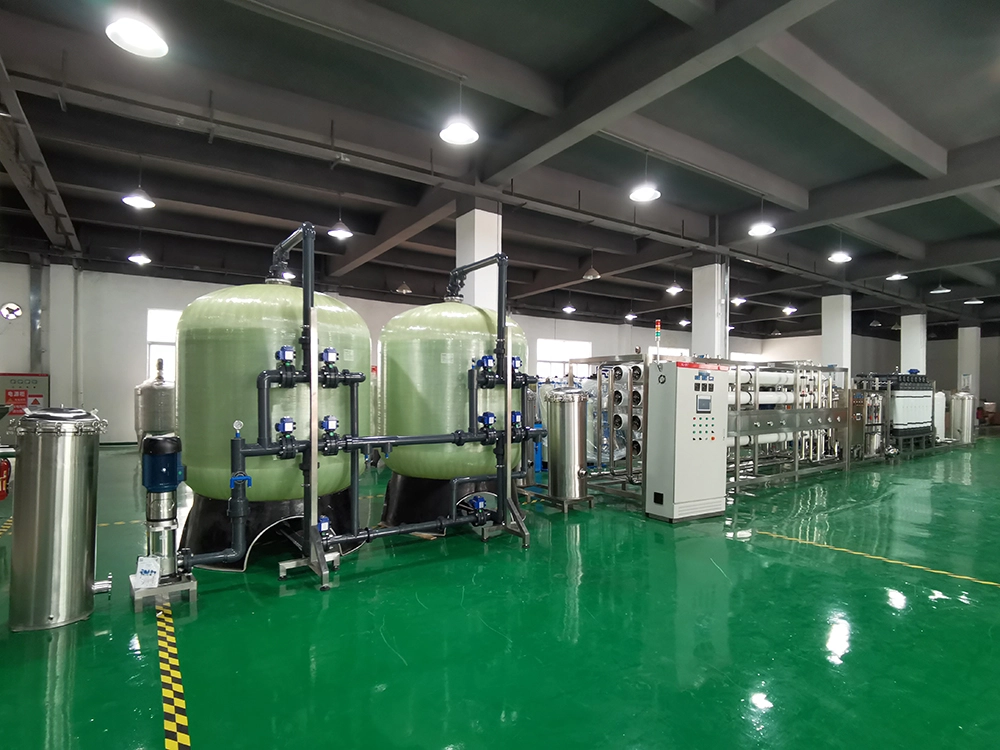
- Pre-filtration: Before water reaches the RO membrane, it typically undergoes pre-filtration to remove larger particles like sediment, sand, and rust. This step is crucial for protecting the RO membrane from damage and ensuring its longevity. Common pre-filtration methods include sediment filters and activated carbon filters.
- High-Pressure Pump: A high-pressure pump is used to increase the pressure of the water, overcoming the osmotic pressure and forcing it through the RO membrane. The amount of pressure required depends on the salinity of the feed water and the design of the RO system.
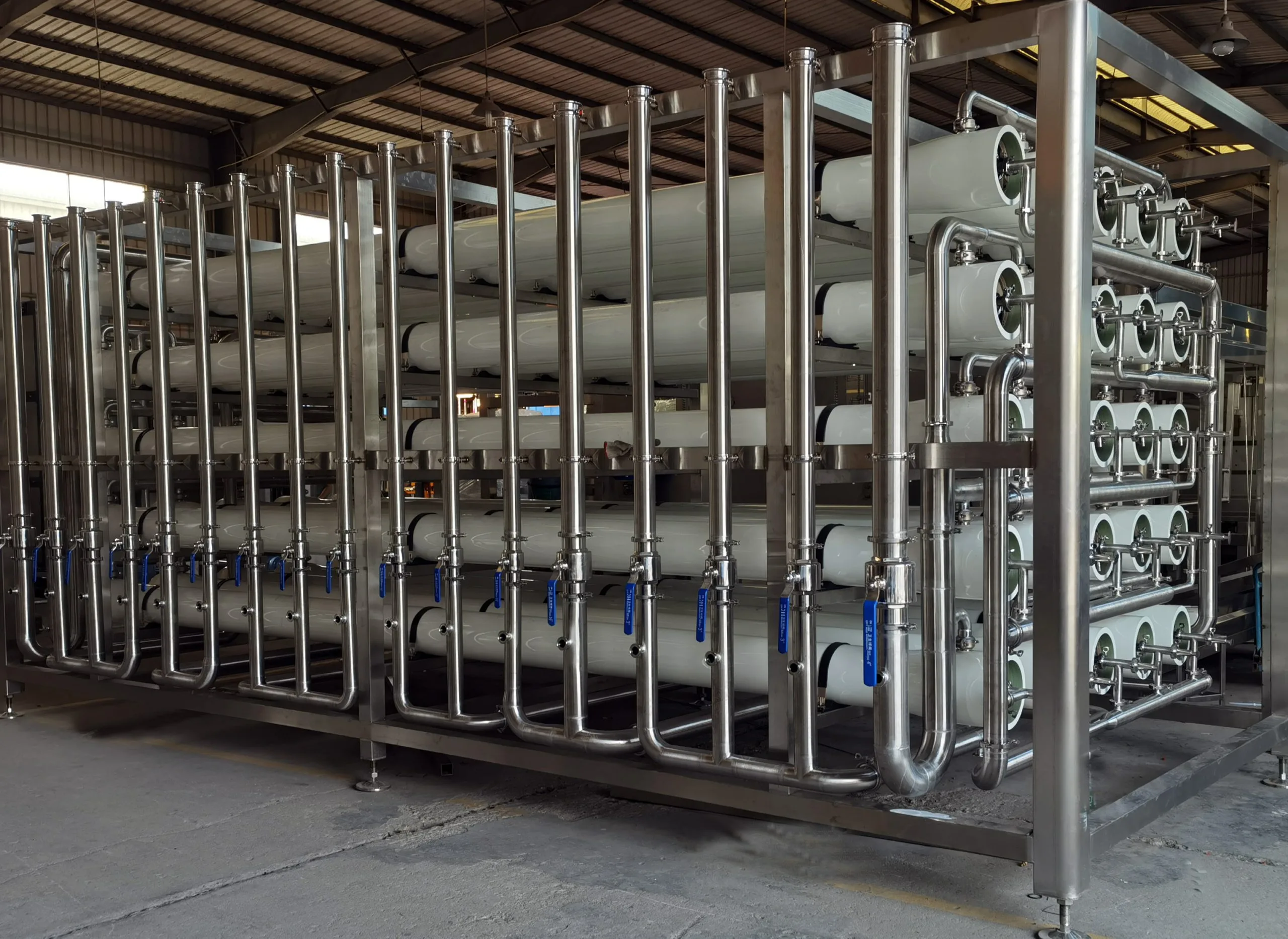
- RO Membrane Separation: The heart of the RO system is the semi-permeable membrane. This membrane is typically made of thin-film composite (TFC) material and has microscopic pores that allow water molecules to pass through while blocking larger molecules and ions. As water flows across the membrane surface, purified water is collected on one side, while the concentrated contaminants are flushed away on the other side.
- Post-treatment (Optional): After passing through the RO membrane, the purified water may undergo post-treatment to further enhance its quality. This can include polishing filters to remove any remaining trace contaminants, UV sterilization to eliminate bacteria and viruses, or pH adjustment to optimize the water's taste and properties.
A Brief History of RO Technology: The concept of reverse osmosis dates back to the mid-20th century when scientists began exploring methods for desalinating seawater. In the 1950s, researchers at the University of Florida and the University of California, Los Angeles (UCLA) made significant breakthroughs in membrane technology, developing the first practical RO membranes. These early membranes were made of cellulose acetate and were used to desalinate brackish water. Over the years, RO technology has advanced significantly, with the development of more efficient and durable membranes, as well as improvements in system design and control. Today, RO is used in a wide range of applications, from municipal water treatment to industrial process water purification.
Why RO is a Superior Choice: RO technology offers several advantages over other water purification methods. It can remove a broader range of contaminants than traditional filtration methods, and it doesn't require the use of chemicals or heat. RO systems are also highly scalable, making them suitable for both small-scale and large-scale applications. Furthermore, RO technology is energy-efficient compared to other desalination methods like distillation.
Enhancing Understanding with Visuals: To further enhance your understanding of RO technology, consider exploring 3D animation videos that visually demonstrate the reverse osmosis process. These videos can provide a clear and intuitive understanding of how water molecules pass through the membrane while contaminants are rejected. Visual aids can be particularly helpful for those who are new to RO technology or who prefer a more visual learning style.
Industry Application Case Studies
The versatility of the pure water machine shines through its diverse applications across various industries. JNDwater's solutions cater to a broad spectrum of needs, from small startups to large-scale industrial operations. Examining specific case studies offers valuable insights into the real-world benefits and effectiveness of these machines.
Food and Beverage Industry: In the food and beverage sector, water purity is paramount. Contaminated water can compromise product quality, taste, and safety. JNDwater's pure water machines are used extensively in this industry to ensure that water used in production meets stringent quality standards. For example, a leading beverage manufacturer in China implemented JNDwater's RO system to purify water used in its bottled water production line. The system consistently delivers water with a purity level exceeding industry standards, resulting in improved product taste and extended shelf life. The manufacturer also reported a significant reduction in production costs due to the system's energy efficiency and low maintenance requirements.
Pharmaceutical Industry: The pharmaceutical industry demands the highest levels of water purity to prevent contamination and ensure the efficacy of medications. JNDwater's pure water machines are designed to meet the rigorous requirements of this industry, providing water that is free from bacteria, pyrogens, and other contaminants. A pharmaceutical company in India installed JNDwater's RO system to purify water used in its sterile injectable manufacturing facility. The system's advanced filtration and sterilization technologies ensure that the water meets the stringent quality standards required for injectable medications, minimizing the risk of contamination and ensuring patient safety.
Electronics Manufacturing: In the electronics industry, even trace amounts of impurities in water can damage sensitive components and affect product performance. JNDwater's pure water machines are used to provide ultra-pure water for various applications, including wafer cleaning, etching, and rinsing. A semiconductor manufacturer in Taiwan implemented JNDwater's RO system to purify water used in its wafer fabrication process. The system's ability to remove even the smallest particles and ions ensures that the water meets the stringent purity requirements of the semiconductor industry, resulting in improved product yield and reduced manufacturing costs.
Cosmetics Industry: The cosmetics industry relies on pure water to create products that are safe and effective. Impurities in water can affect the stability, color, and scent of cosmetic products. JNDwater's pure water machines are used to provide high-quality water for various applications, including lotion manufacturing, shampoo production, and perfume creation. A cosmetics company in France installed JNDwater's RO system to purify water used in its lotion manufacturing process. The system's ability to remove organic compounds and heavy metals ensures that the water meets the high purity standards required for cosmetic products, resulting in improved product quality and customer satisfaction.
Data-Driven Success: Beyond anecdotal evidence, JNDwater emphasizes data-driven results. Clients often report significant improvements in water quality metrics, reductions in operational costs, and enhanced product quality after implementing JNDwater's pure water solutions. These tangible benefits underscore the value and effectiveness of JNDwater's technology.
Visual Demonstrations: High-resolution images and videos showcasing equipment installation and operation can provide prospective clients with a clear understanding of the practical aspects of using JNDwater's pure water machines. These visuals can demonstrate the ease of installation, the user-friendly interface, and the overall efficiency of the systems.
Client Testimonials and Reviews
Authentic client testimonials and reviews are crucial for building trust and credibility. Potential customers often rely on the experiences of others to make informed decisions. JNDwater recognizes the importance of showcasing real-world feedback from satisfied clients, particularly those in key industries. These testimonials provide valuable social proof and highlight the benefits of using JNDwater's pure water machine.
Why Testimonials Matter: Testimonials offer a unique perspective that marketing materials cannot replicate. They provide firsthand accounts of how JNDwater's solutions have solved specific problems, improved processes, and delivered tangible results. Positive reviews from reputable clients can significantly influence potential customers' perceptions and increase their confidence in JNDwater's products and services.
Highlighting Key Industries: To maximize the impact of client testimonials, it's essential to feature reviews from a diverse range of industries. This demonstrates the versatility and adaptability of JNDwater's pure water machines. Focus on testimonials from clients in the food and beverage, pharmaceutical, electronics, and cosmetics industries, as these sectors often have stringent water quality requirements.
Examples of Compelling Testimonials:
- Food and Beverage Industry: "JNDwater's RO system has been a game-changer for our beverage production line. The water quality is consistently excellent, and we've seen a noticeable improvement in the taste and shelf life of our products. The system is also incredibly efficient, helping us reduce our operating costs."
- Pharmaceutical Industry: "We rely on JNDwater's pure water machines to provide the ultra-pure water we need for our sterile injectable manufacturing facility. The system's advanced filtration technologies ensure that our water meets the highest quality standards, minimizing the risk of contamination and ensuring patient safety."
- Electronics Manufacturing: "JNDwater's RO system has been instrumental in improving our wafer fabrication process. The system's ability to remove even the smallest particles and ions ensures that our water meets the stringent purity requirements of the semiconductor industry, resulting in improved product yield and reduced manufacturing costs."
Video Testimonials: Video testimonials can be even more impactful than written reviews. Seeing and hearing satisfied clients speak about their experiences can create a stronger emotional connection and build greater trust. Consider producing video testimonials featuring clients from key industries, showcasing their facilities and highlighting the benefits of using JNDwater's pure water machines.
User-Generated Content (UGC): Encourage clients to share their experiences with JNDwater's products and services on social media and other online platforms. User-generated content can be a powerful tool for building brand awareness and credibility. Monitor online reviews and social media mentions, and respond to both positive and negative feedback in a timely and professional manner.
Building Trust and Authority: By showcasing authentic client testimonials and reviews, JNDwater can build trust and authority in the water purification industry. This social proof can be a key differentiator, helping JNDwater stand out from its competitors and attract new customers.
Maintenance and Troubleshooting Guide
Ensuring the longevity and optimal performance of your pure water machine requires regular maintenance and a proactive approach to troubleshooting. JNDwater is committed to providing comprehensive support to its customers, including detailed maintenance guidelines and troubleshooting solutions. A well-maintained system not only delivers consistent water quality but also minimizes downtime and extends the lifespan of the equipment.
Importance of Regular Maintenance: Regular maintenance is essential for preventing problems and ensuring the efficient operation of your pure water machine. Neglecting maintenance can lead to reduced water quality, increased energy consumption, and premature equipment failure. A proactive maintenance schedule can help you identify and address potential issues before they escalate into costly repairs.
Key Maintenance Tasks:
- Pre-filter Replacement: Pre-filters are designed to remove sediment, dirt, and other large particles from the water before it reaches the RO membrane. These filters should be replaced regularly, typically every 3-6 months, depending on the quality of the feed water.
- RO Membrane Cleaning: The RO membrane is the heart of the pure water machine and requires periodic cleaning to remove accumulated contaminants. Membrane cleaning should be performed using specialized cleaning solutions and procedures recommended by JNDwater. The frequency of cleaning depends on the quality of the feed water and the system's operating conditions.
- System Sanitization: Regular sanitization is essential for preventing bacterial growth and maintaining the purity of the water. The system should be sanitized using approved sanitizing agents and procedures. The frequency of sanitization depends on the application and the system's operating environment.
- Leak Detection: Regularly inspect the system for leaks, especially around fittings, connections, and seals. Address any leaks promptly to prevent water wastage and potential damage to the equipment.
- Calibration: Calibrate instruments such as pressure gauges, flow meters, and conductivity meters to ensure accurate readings and optimal system performance.
Troubleshooting Common Issues:
- Low Water Production: Low water production can be caused by a variety of factors, including clogged pre-filters, membrane fouling, low feed water pressure, or a malfunctioning pump. Check the pre-filters and replace them if necessary. Clean the RO membrane according to the manufacturer's instructions. Verify that the feed water pressure is within the recommended range. Inspect the pump for any signs of damage or malfunction.
- Poor Water Quality: Poor water quality can be caused by a damaged or fouled RO membrane, a malfunctioning post-treatment system, or contamination of the feed water. Inspect the RO membrane for any signs of damage or fouling. Replace the membrane if necessary. Check the post-treatment system and replace any worn or damaged components. Verify that the feed water is free from contamination.
- High Pressure Drop: A high pressure drop across the RO membrane can indicate fouling or scaling. Clean the RO membrane according to the manufacturer's instructions. Consider installing a pre-treatment system to remove scale-forming minerals from the feed water.
- Unusual Noise: Unusual noise from the pump or other components can indicate a mechanical problem. Inspect the pump for any signs of damage or wear. Lubricate the pump motor and other moving parts as needed.
Downloadable PDF Manual: To provide customers with convenient access to maintenance and troubleshooting information, JNDwater offers a downloadable PDF manual. This manual includes detailed instructions, diagrams, and troubleshooting tips to help customers maintain their pure water machines and resolve common issues.
Instructional Videos: In addition to the PDF manual, JNDwater provides instructional videos demonstrating key maintenance tasks and troubleshooting procedures. These videos offer a visual guide to help customers understand and perform the necessary tasks effectively.
Energy Efficiency and Environmental Impact
In today's world, energy efficiency and environmental responsibility are paramount considerations for businesses across all industries. JNDwater is committed to designing and manufacturing pure water machine solutions that minimize energy consumption and reduce environmental impact. By incorporating innovative technologies and sustainable practices, JNDwater helps its customers achieve their environmental goals while improving their bottom line.
Energy-Efficient Design: JNDwater's pure water machines are designed with energy efficiency in mind. The systems incorporate high-efficiency pumps, motors, and other components that minimize energy consumption. The use of advanced membrane technology also reduces the energy required to produce high-purity water. Furthermore, JNDwater's systems are designed to optimize water recovery, minimizing water wastage and reducing the overall environmental footprint.
Reduced Chemical Usage: Traditional water treatment methods often rely on the use of chemicals to disinfect and purify water. However, these chemicals can have negative environmental impacts and may pose health risks. JNDwater's pure water machines utilize advanced filtration and sterilization technologies that minimize or eliminate the need for chemicals. This reduces the environmental impact of water treatment and improves the safety of the water for human consumption and industrial processes.
Carbon Footprint Reduction: By reducing energy consumption and chemical usage, JNDwater's pure water machines help customers reduce their carbon footprint. A smaller carbon footprint not only benefits the environment but also enhances a company's reputation and improves its competitiveness in the marketplace.
Data-Driven Environmental Benefits: JNDwater provides data and analysis to help customers understand the environmental benefits of using its pure water machines. This data includes information on energy savings, water conservation, and carbon footprint reduction. By quantifying the environmental benefits, JNDwater helps customers make informed decisions and track their progress towards their sustainability goals.
Examples of Environmental Benefits:
- Energy Savings: JNDwater's pure water machines can reduce energy consumption by up to 50% compared to traditional water treatment methods. This can result in significant cost savings for customers and a reduction in greenhouse gas emissions.
- Water Conservation: JNDwater's systems are designed to optimize water recovery, minimizing water wastage and reducing the overall demand on water resources. This is particularly important in regions where water is scarce.
- Chemical Reduction: JNDwater's pure water machines can eliminate or significantly reduce the need for chemicals in water treatment. This reduces the environmental impact of water treatment and improves the safety of the water for human consumption and industrial processes.
Visualizing Environmental Impact: Data charts and graphs can be used to illustrate the environmental benefits of using JNDwater's pure water machines. These visuals can show the reduction in energy consumption, water usage, and carbon emissions achieved by customers who have implemented JNDwater's solutions.
Detailed Technical Specifications
Providing comprehensive technical specifications is crucial for potential customers who need to evaluate the suitability of a pure water machine for their specific applications. JNDwater is committed to transparency and providing detailed information about its products, including technical parameters, material composition, and performance metrics. This information empowers customers to make informed decisions and select the right equipment for their needs.
Importance of Technical Specifications: Technical specifications provide a clear and objective overview of a pure water machine's capabilities and limitations. This information is essential for engineers, technicians, and other professionals who need to assess the performance, reliability, and compatibility of the equipment. Detailed specifications also help customers compare different models and choose the one that best meets their requirements.
Key Technical Parameters:
- Production Capacity: The production capacity of a pure water machine refers to the amount of purified water it can produce per unit of time (e.g., gallons per day or liters per hour). This is a critical parameter for determining whether the machine can meet the water demand of a particular application.
- Rejection Rate: The rejection rate indicates the percentage of contaminants that the RO membrane can remove from the feed water. A higher rejection rate indicates better purification performance.
- Operating Pressure: The operating pressure is the pressure required to force water through the RO membrane. This parameter is important for determining the energy consumption of the system and the compatibility with the feed water supply.
- Feed Water Requirements: The feed water requirements specify the quality and characteristics of the water that can be fed into the pure water machine. This includes parameters such as pH, temperature, turbidity, and total dissolved solids (TDS).
- Power Consumption: The power consumption indicates the amount of energy required to operate the pure water machine. This parameter is important for calculating the operating costs and assessing the energy efficiency of the system.
- Dimensions and Weight: The dimensions and weight of the pure water machine are important for determining the space requirements and the ease of installation.
Material Composition and Lifespan:
In addition to technical parameters, it's important to provide information about the materials used in the construction of the pure water machine and the expected lifespan of key components. This information helps customers assess the durability and reliability of the equipment.
- Membrane Material: The RO membrane is typically made of thin-film composite (TFC) material or cellulose acetate. The type of material affects the membrane's performance, durability, and resistance to fouling.
- Pump Material: The pump is typically made of stainless steel or other corrosion-resistant materials. The type of material affects the pump's lifespan and its ability to withstand harsh operating conditions.
- Housing Material: The housing is typically made of stainless steel, plastic, or fiberglass. The type of material affects the housing's durability, resistance to corrosion, and ability to withstand high pressures.
- Lifespan Assessment: Provide an estimated lifespan for key components such as the RO membrane, pump, and pre-filters. This helps customers plan for maintenance and replacement costs.
Comparison Tables: To help customers compare different models, provide comparison tables that highlight the key differences in technical specifications and features. This allows customers to quickly identify the model that best meets their specific requirements.
OEM & ODM Process Overview
JNDwater offers comprehensive OEM (Original Equipment Manufacturer) and ODM (Original Design Manufacturer) services, providing customized pure water machine solutions tailored to meet the unique needs of its clients. Understanding the OEM & ODM process is crucial for businesses looking to partner with JNDwater for customized water purification solutions. This section outlines the step-by-step process, from initial design to final production, and highlights the benefits of collaborating with JNDwater.
What are OEM & ODM Services?
- OEM (Original Equipment Manufacturer): In an OEM arrangement, JNDwater manufactures pure water machines according to the client's specifications and designs. The client provides the design and technical requirements, and JNDwater handles the manufacturing, testing, and quality control.
- ODM (Original Design Manufacturer): In an ODM arrangement, JNDwater designs and manufactures pure water machines based on the client's requirements. The client provides the functional requirements and performance specifications, and JNDwater handles the design, engineering, manufacturing, testing, and quality control.
Step-by-Step OEM & ODM Process:
- Initial Consultation: The process begins with an initial consultation to understand the client's needs, requirements, and objectives. This includes discussing the desired water quality, production capacity, application, and budget.
- Design and Engineering: Based on the client's requirements, JNDwater's team of engineers and designers develops a customized pure water machine solution. This includes selecting the appropriate components, designing the system layout, and optimizing the performance.
- Prototyping: A prototype is created to test the design and verify its performance. The prototype is subjected to rigorous testing to ensure that it meets the client's specifications.
- Manufacturing: Once the prototype is approved, JNDwater begins manufacturing the pure water machines. The manufacturing process is carried out in accordance with strict quality control standards to ensure that the machines meet the highest levels of performance and reliability.
- Testing and Quality Control: Each pure water machine undergoes rigorous testing and quality control before it is shipped to the client. This includes testing the water quality, flow rate, pressure, and other key parameters.
- Shipping and Installation: The pure water machines are carefully packaged and shipped to the client's location. JNDwater can also provide installation and commissioning services to ensure that the machines are properly installed and operating correctly.
- After-Sales Support: JNDwater provides comprehensive after-sales support to its clients, including maintenance, troubleshooting, and spare parts.
Custom Design Examples:
JNDwater has a proven track record of providing customized pure water machine solutions for a wide range of applications. Examples of past custom designs include:
- High-Purity Water Systems for Semiconductor Manufacturing: JNDwater has designed and manufactured high-purity water systems for semiconductor manufacturers that require ultra-pure water for wafer cleaning and etching.
- Water Treatment Systems for Food and Beverage Processing: JNDwater has designed and manufactured water treatment systems for food and beverage processors that require high-quality water for ingredient preparation and product rinsing.
- Water Purification Systems for Pharmaceutical Manufacturing: JNDwater has designed and manufactured water purification systems for pharmaceutical manufacturers that require sterile and pyrogen-free water for drug production.
Visual Aids:
A process flow chart can be used to visually represent the OEM & ODM process, highlighting the key steps and milestones. Images of past custom design examples can also be included to showcase JNDwater's capabilities and expertise.
Frequently Asked Questions (FAQs)
Addressing common questions and concerns is essential for providing potential customers with the information they need to make informed decisions. JNDwater understands the importance of transparency and providing clear, concise answers to frequently asked questions about its pure water machine. This section provides detailed answers to common questions related to equipment selection, installation, and maintenance.
Why FAQs are Important:
FAQs provide a convenient way for customers to quickly find answers to their questions without having to contact customer support. This saves time and effort for both the customer and the company. FAQs also demonstrate a commitment to customer service and transparency, which can build trust and confidence.
Equipment Selection:
- Q: How do I choose the right pure water machine for my application?
A: The best pure water machine for your application depends on several factors, including the desired water quality, production capacity, feed water quality, and budget. Contact JNDwater's team of experts for a consultation to determine the best solution for your specific needs.
- Q: What is the difference between RO and other water purification methods?
A: RO is a membrane separation process that removes a wide range of contaminants, including dissolved salts, minerals, and organic compounds. Other water purification methods, such as filtration and distillation, may not be as effective at removing certain contaminants. RO is also more energy-efficient than distillation.
- Q: Can JNDwater customize a pure water machine to meet my specific requirements?
A: Yes, JNDwater offers OEM and ODM services to provide customized pure water machine solutions tailored to meet the unique needs of its clients.
Installation:
- Q: How difficult is it to install a JNDwater pure water machine?
A: JNDwater's pure water machines are designed for easy installation. However, we recommend that installation be performed by a qualified technician to ensure proper operation and prevent damage to the equipment. JNDwater can provide installation and commissioning services.
- Q: What are the site requirements for installing a pure water machine?
A: The site requirements for installing a pure water machine depend on the size and type of machine. Generally, the site should have a level surface, adequate space for the machine and its components, access to a water supply and drain, and a power supply.
Maintenance:
- Q: How often should I perform maintenance on my pure water machine?
A: The frequency of maintenance depends on the operating conditions and the quality of the feed water. Generally, pre-filters should be replaced every 3-6 months, and the RO membrane should be cleaned or replaced every 1-3 years. Refer to the JNDwater maintenance manual for specific recommendations.
- Q: What should I do if my pure water machine is not producing enough water?
A: Low water production can be caused by several factors, including clogged pre-filters, membrane fouling, or low feed water pressure. Check the pre-filters and replace them if necessary. Clean the RO membrane according to the manufacturer's instructions. Verify that the feed water pressure is within the recommended range.
- Q: Where can I purchase spare parts for my JNDwater pure water machine?
A: Spare parts for JNDwater pure water machines can be purchased directly from JNDwater or from authorized distributors. Contact JNDwater customer support for assistance.
FAQ Collaboration:
To ensure that the FAQs are comprehensive and up-to-date, JNDwater uses a collaborative approach to gather and respond to customer questions. This includes monitoring customer inquiries, analyzing website search queries, and soliciting feedback from customer support staff. The FAQs are updated regularly to reflect the latest information and address emerging customer concerns.