Detailed Product Specifications for JND Water Reverse Osmosis Equipment
When selecting reverse osmosis equipment, understanding the technical specifications is paramount. JND Water provides comprehensive details for each model, ensuring you have the information needed to make an informed decision. We recognize that different applications require different performance levels, and our detailed specifications are designed to help you match the right equipment to your specific needs. Our reverse osmosis equipment is engineered to deliver consistent and reliable performance, meeting the stringent demands of various industries.
To assist you in this process, we offer detailed technical parameter comparison tables for all our models. These tables include crucial information such as:
- Desalination Rate: This indicates the percentage of dissolved salts and minerals removed from the water. Our equipment boasts high desalination rates, ensuring the production of high-purity water. Typically, our systems achieve desalination rates of up to 99.5%, ensuring that the treated water meets even the most stringent quality standards. This high level of purification is essential for applications where water purity is critical, such as in pharmaceuticals, electronics manufacturing, and specialty food and beverage production.
- Inlet Water Pressure: Understanding the required inlet water pressure is vital for proper system operation. We provide clear guidelines on the optimal pressure range for each model, ensuring efficient performance and preventing damage to the equipment. Our RO systems are designed to operate within specified pressure ranges to maximize membrane life and minimize energy consumption. Providing the correct inlet pressure ensures the system operates at peak efficiency, reducing the risk of premature wear and tear on critical components.
- Treated Water Temperature Range: Our equipment is designed to operate within specific temperature ranges to maintain optimal performance. We provide clear guidelines on the acceptable temperature range for each model. The temperature of the feed water can significantly impact the efficiency and effectiveness of the RO process. Our systems are designed to handle a range of temperatures, but maintaining the optimal range ensures the best performance and longevity of the membranes.
- Flow Rate: The flow rate, measured in gallons per minute (GPM) or liters per hour (LPH), indicates the volume of purified water the system can produce within a given time. Our reverse osmosis equipment is available in various capacities, ranging from small, compact units suitable for laboratory use to large-scale industrial systems capable of producing thousands of gallons of purified water per day. We offer a range of flow rates to match different production needs, ensuring that you can find a system that meets your specific requirements without unnecessary expense.
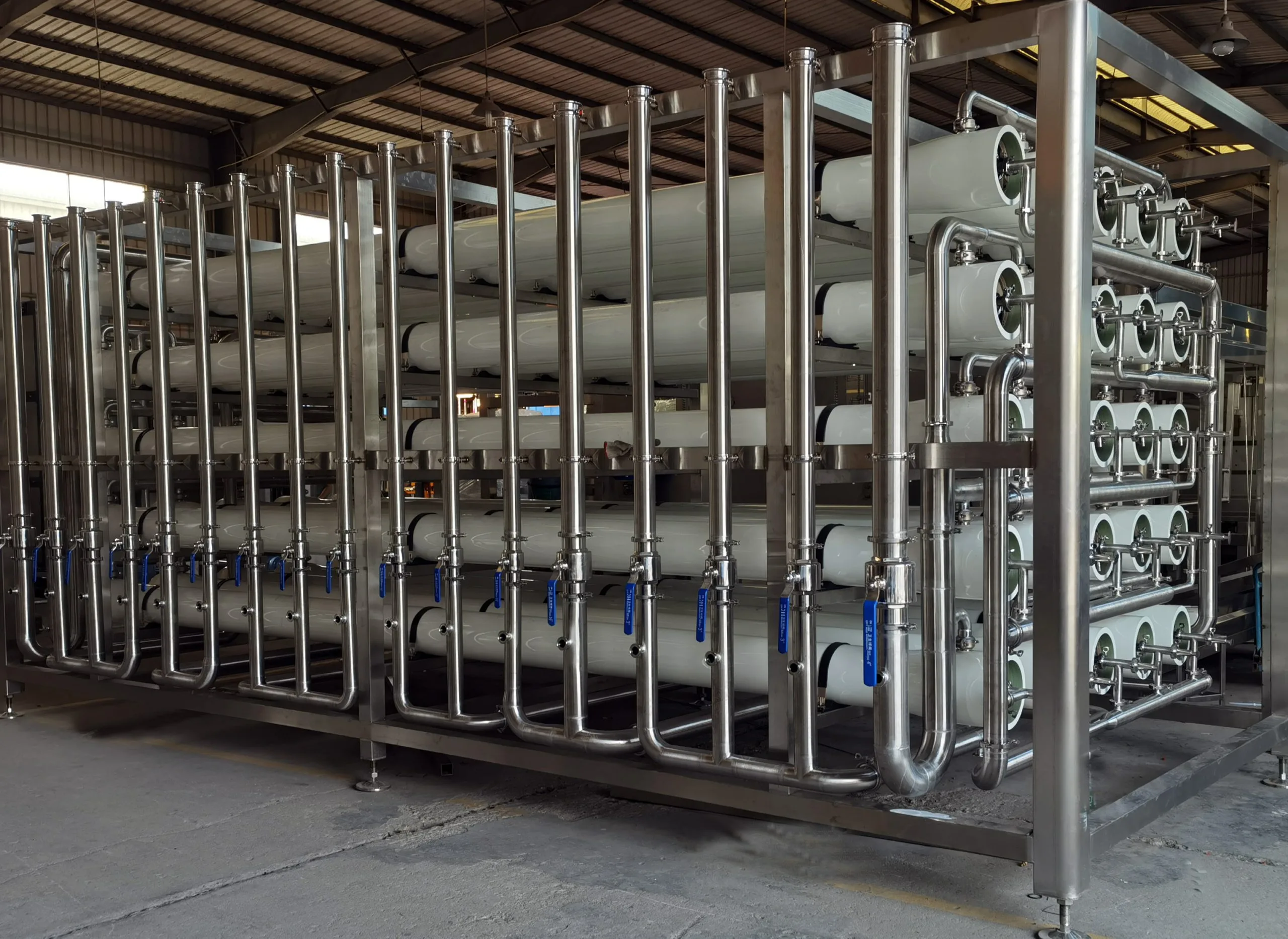
- Membrane Type and Material: The type of membrane used in a reverse osmosis system is a critical factor in determining its performance and suitability for different applications. JND Water utilizes high-quality membranes made from materials such as thin-film composite (TFC) and cellulose triacetate (CTA). TFC membranes are known for their high salt rejection rates and broad chemical compatibility, making them suitable for a wide range of applications. CTA membranes offer excellent chlorine resistance, making them a good choice for treating chlorinated water sources.
- Power Consumption: Understanding the power consumption of a reverse osmosis system is essential for assessing its operating costs and environmental impact. Our systems are designed with energy efficiency in mind, incorporating features such as high-efficiency pumps and energy recovery devices to minimize power consumption. We provide detailed power consumption data for each model, allowing you to compare the energy efficiency of different systems and make an informed decision based on your specific needs.
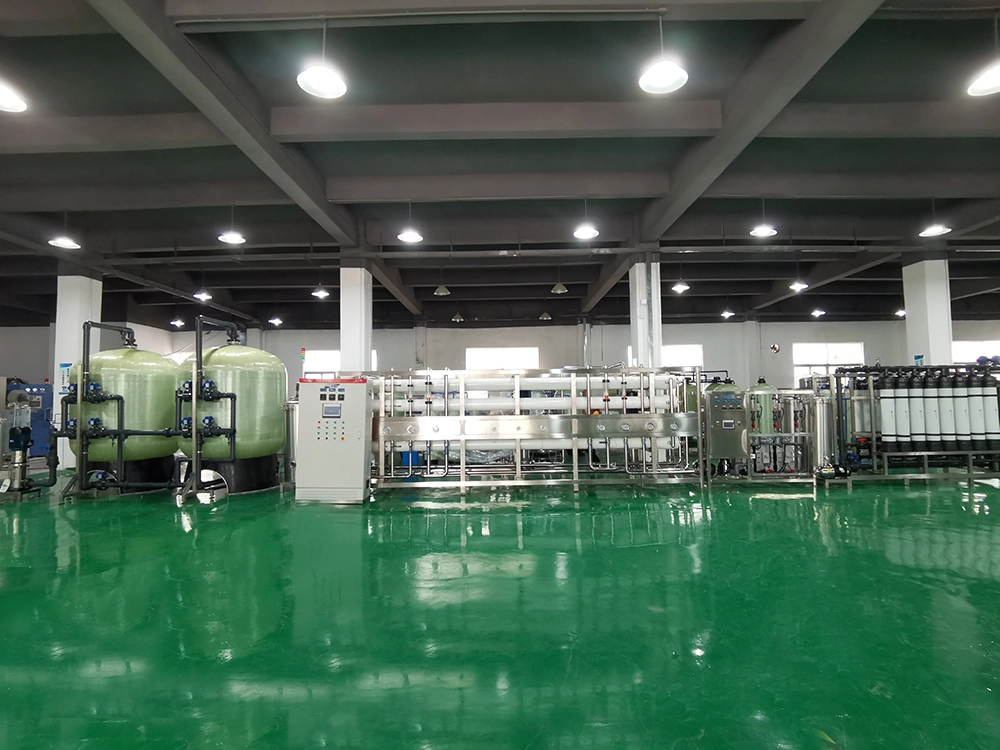
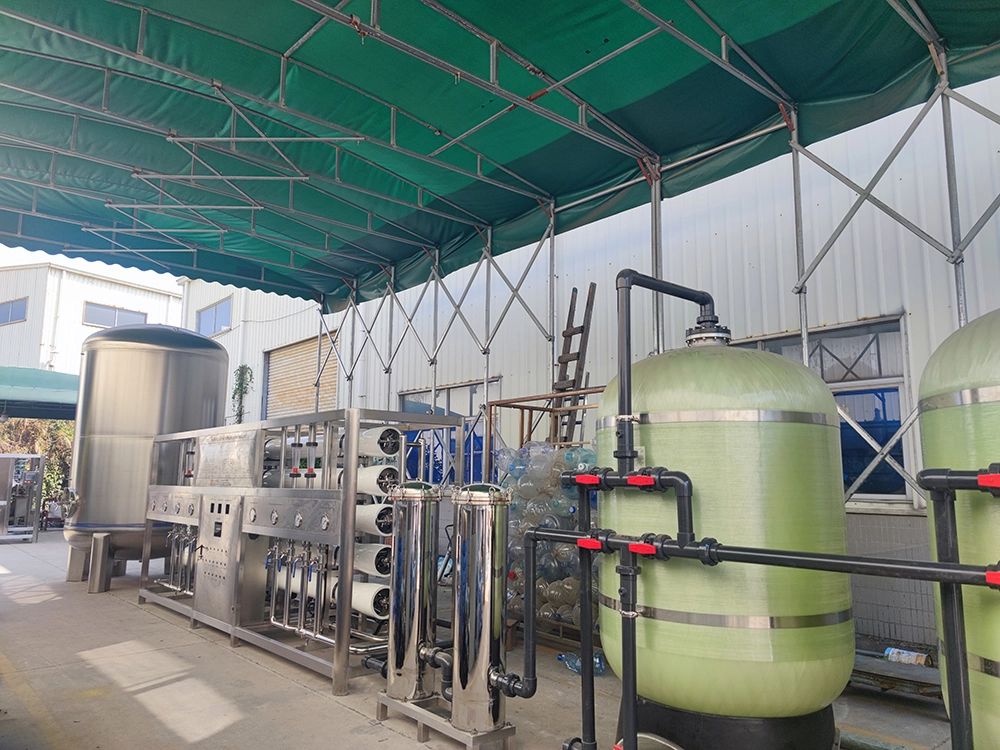
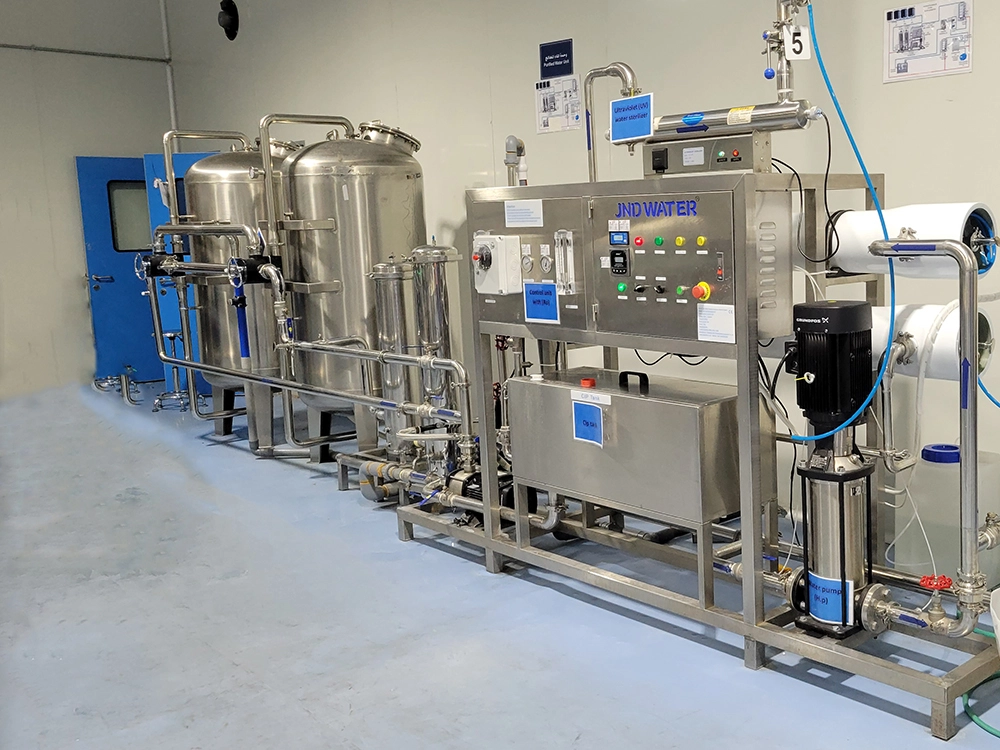
In addition to these technical specifications, we also provide detailed technical drawings that showcase the internal structure and key components of our reverse osmosis equipment. These drawings offer a visual representation of the system's design, allowing you to understand how the different components work together to produce purified water. Our technical drawings include:
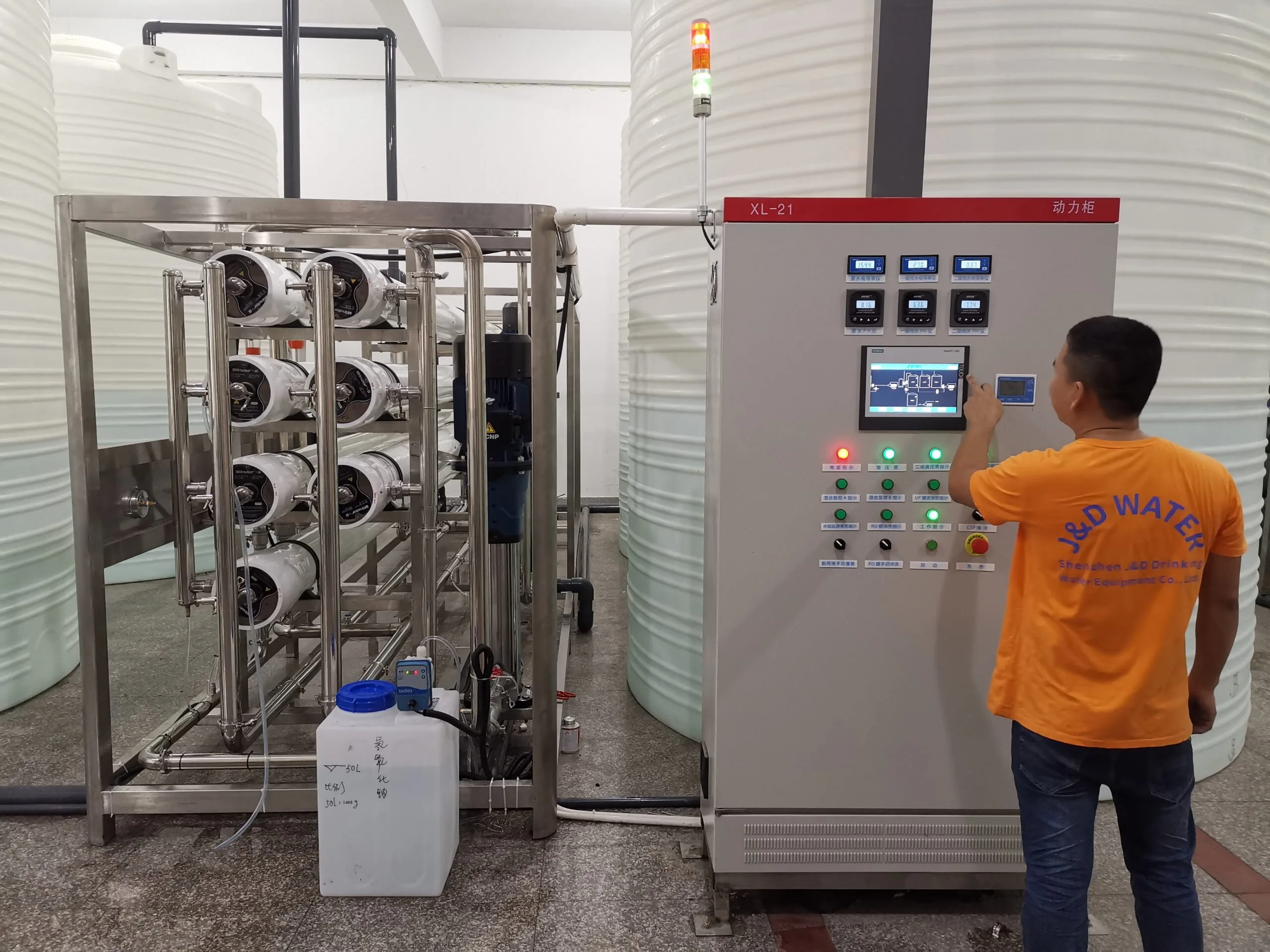
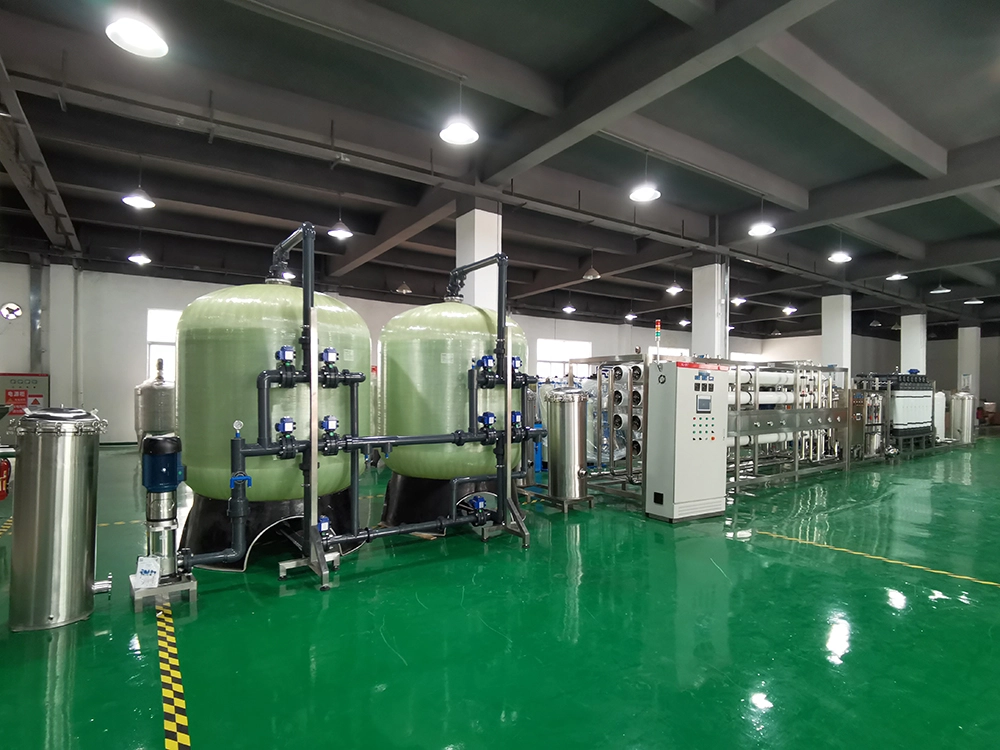
- System Layout: A comprehensive overview of the system's layout, including the placement of key components such as the pre-filters, high-pressure pump, membrane modules, and control panel. This overview helps you understand the overall configuration of the system and how the different components are interconnected.
- Component Details: Detailed diagrams of individual components, including the pre-filters, high-pressure pump, membrane modules, and control panel. These diagrams provide a closer look at the internal workings of each component, helping you understand their function and how they contribute to the overall performance of the system.
- Piping and Instrumentation Diagram (P&ID): A schematic representation of the system's piping and instrumentation, showing the flow of water and the location of sensors, valves, and other instruments. This diagram is essential for understanding the system's control and monitoring capabilities and for troubleshooting any issues that may arise.
- Electrical Schematics: Detailed electrical schematics that show the wiring and connections of the system's electrical components. These schematics are essential for understanding the system's electrical requirements and for troubleshooting any electrical issues that may arise.
By providing this level of detail, JND Water ensures that you have a complete understanding of our reverse osmosis equipment and can make an informed decision based on your specific needs. Our commitment to transparency and technical excellence sets us apart and ensures that you receive the best possible solution for your water purification needs.
Applications and Case Studies of Reverse Osmosis Equipment
Reverse osmosis (RO) equipment is a versatile solution for water purification, finding applications across a wide range of industries. At JND Water, we understand the diverse needs of our clients and offer tailored RO systems to meet specific requirements. To illustrate the versatility and effectiveness of our equipment, we present several applications and case studies highlighting how our solutions have helped businesses overcome their water treatment challenges. Our RO systems are designed to be adaptable and scalable, ensuring they can meet the evolving needs of various industries.
Pharmaceutical Industry:
The pharmaceutical industry requires ultrapure water for manufacturing drugs, cleaning equipment, and conducting research. Impurities in water can compromise the quality and efficacy of pharmaceutical products, making RO systems essential for this sector. JND Water has provided RO solutions to several pharmaceutical companies, ensuring they have a reliable source of high-purity water. Consider a case study involving a pharmaceutical company that needed to upgrade its water purification system to meet stricter regulatory requirements. The company was facing challenges with its existing system, which was unable to consistently produce water of the required purity. JND Water designed and installed a custom RO system that met the company's specific needs, ensuring compliance with regulatory standards and improving the quality of its pharmaceutical products. The implementation of our RO system resulted in a significant reduction in waterborne contaminants, leading to improved product quality and reduced risk of contamination. The client also reported a decrease in operational costs due to the system's energy-efficient design.
Food and Beverage Industry:
In the food and beverage industry, water quality directly impacts the taste, appearance, and safety of products. RO systems are used to remove impurities, ensuring consistent product quality and meeting stringent health and safety standards. JND Water has partnered with numerous food and beverage manufacturers to provide reliable RO solutions. For example, a beverage company was struggling with inconsistent water quality, which was affecting the taste and appearance of its products. JND Water conducted a thorough analysis of the company's water source and designed a customized RO system to remove the specific contaminants that were causing the problem. The implementation of our RO system resulted in a significant improvement in water quality, leading to more consistent product taste and appearance. The client also reported a reduction in waste and improved customer satisfaction.
Electronics Industry:
The electronics industry requires ultrapure water for manufacturing semiconductors, cleaning components, and other critical processes. Impurities in water can damage sensitive electronic components, leading to defects and reduced product performance. JND Water provides RO systems that meet the stringent purity requirements of the electronics industry. One of our clients, an electronics manufacturer, needed a reliable source of ultrapure water for its semiconductor fabrication process. The company was experiencing issues with its existing water purification system, which was unable to consistently remove all contaminants. JND Water designed and installed a state-of-the-art RO system that met the company's specific needs, ensuring the production of ultrapure water for its semiconductor fabrication process. The implementation of our RO system resulted in a significant improvement in water quality, leading to fewer defects and improved product performance. The client also reported a reduction in downtime and improved overall efficiency.
Healthcare Industry:
In the healthcare industry, RO systems are used to purify water for dialysis, sterilization, and other critical applications. High-purity water is essential for patient safety and the effectiveness of medical treatments. JND Water provides RO solutions that meet the stringent requirements of the healthcare industry. A hospital needed to upgrade its water purification system for its dialysis unit. The hospital was facing challenges with its existing system, which was unable to consistently produce water of the required purity for dialysis. JND Water designed and installed a custom RO system that met the hospital's specific needs, ensuring the production of high-purity water for its dialysis unit. The implementation of our RO system resulted in a significant improvement in water quality, leading to improved patient outcomes and reduced risk of complications. The hospital also reported a reduction in operational costs due to the system's energy-efficient design.
Municipal Water Treatment:
Municipal water treatment plants use RO systems to remove contaminants from drinking water, ensuring it meets regulatory standards and is safe for consumption. JND Water has partnered with municipalities to provide reliable RO solutions for water treatment. A municipality was seeking to improve the quality of its drinking water by removing contaminants such as pesticides, herbicides, and industrial chemicals. JND Water designed and installed a large-scale RO system that met the municipality's specific needs, ensuring the production of safe and clean drinking water for its residents. The implementation of our RO system resulted in a significant improvement in water quality, leading to improved public health and increased confidence in the municipality's water supply.
These case studies demonstrate the versatility and effectiveness of JND Water's reverse osmosis equipment. By providing tailored solutions to meet the specific needs of different industries, we help our clients overcome their water treatment challenges and achieve their goals. In addition to these detailed case studies, we can provide customer testimonials and references upon request, further enhancing the credibility and trustworthiness of our solutions.
Energy Efficiency and Sustainability of Reverse Osmosis Equipment
In today's world, energy efficiency and sustainability are critical considerations for any industrial process, including water treatment. Reverse osmosis (RO) equipment, while effective in producing high-purity water, can be energy-intensive. JND Water is committed to providing RO solutions that minimize energy consumption and promote environmental sustainability. We achieve this through innovative design, advanced technologies, and a focus on optimizing system performance. Our approach to energy efficiency not only reduces operating costs but also minimizes the environmental impact of our systems.
One of the key features that contributes to the energy efficiency of our RO equipment is the use of energy recovery devices. These devices capture the energy from the high-pressure reject stream and transfer it to the incoming feed water, reducing the energy required by the high-pressure pump. Energy recovery devices can significantly reduce the energy consumption of RO systems, making them more cost-effective and environmentally friendly.
How Energy Recovery Devices Work:
Energy recovery devices work by capturing the high-pressure reject stream from the RO membrane and using it to drive a turbine or pump. The energy from the turbine or pump is then used to increase the pressure of the incoming feed water, reducing the load on the high-pressure pump. This process can significantly reduce the energy required to operate the RO system, leading to substantial cost savings.
There are several types of energy recovery devices available, including:
- Pressure Exchangers: Pressure exchangers are one of the most efficient types of energy recovery devices. They work by directly transferring pressure from the reject stream to the feed stream, with minimal energy loss. Pressure exchangers can recover up to 98% of the energy from the reject stream, making them a highly effective way to reduce energy consumption.
- Turbines: Turbines use the energy from the reject stream to drive a rotating impeller, which in turn drives a generator to produce electricity. The electricity can then be used to power the high-pressure pump or other equipment in the RO system. Turbines are less efficient than pressure exchangers but can still provide significant energy savings.
- Pumps: Pumps use the energy from the reject stream to drive a piston or diaphragm, which in turn pumps the feed water. Pumps are less efficient than pressure exchangers and turbines but can be a cost-effective option for smaller RO systems.
In addition to energy recovery devices, JND Water also incorporates other energy-efficient features into our RO equipment, such as:
- High-Efficiency Pumps: We use high-efficiency pumps that are designed to minimize energy consumption while delivering the required flow and pressure. These pumps are typically equipped with variable frequency drives (VFDs), which allow the pump speed to be adjusted to match the system's demand, further reducing energy consumption.
- Optimized Membrane Design: We use membranes with high flux rates and low-pressure requirements, which reduces the energy needed to drive the RO process. Our membranes are carefully selected to match the specific water quality and application requirements, ensuring optimal performance and energy efficiency.
- Automated Control Systems: We use automated control systems that monitor and optimize system performance, ensuring that the RO system operates at peak efficiency. These systems can automatically adjust the system's operating parameters, such as pressure, flow rate, and chemical dosing, to minimize energy consumption and maximize water production.
To demonstrate the energy efficiency of our RO equipment, we provide detailed energy consumption data and operating cost comparisons. This data allows you to compare the energy efficiency of different RO systems and make an informed decision based on your specific needs. Our energy consumption data includes:
- Specific Energy Consumption (SEC): SEC is a measure of the energy required to produce one cubic meter of purified water. It is typically expressed in kilowatt-hours per cubic meter (kWh/m³). Our RO systems are designed to achieve low SEC values, minimizing energy consumption and operating costs.
- Operating Cost Comparisons: We provide operating cost comparisons that show the total cost of operating different RO systems, including energy, chemicals, and maintenance. These comparisons allow you to see the long-term cost savings associated with our energy-efficient RO equipment.
By focusing on energy efficiency and sustainability, JND Water helps our clients reduce their operating costs, minimize their environmental impact, and achieve their sustainability goals. Our commitment to innovation and continuous improvement ensures that our RO equipment remains at the forefront of energy efficiency and environmental performance.
Customer Support and Maintenance Services for Reverse Osmosis Equipment
At JND Water, we understand that purchasing reverse osmosis (RO) equipment is a significant investment. That's why we're committed to providing comprehensive customer support and maintenance services to ensure your equipment operates at peak performance for years to come. Our goal is to build long-term partnerships with our clients, providing them with the support they need to succeed. We offer a range of services designed to maximize the uptime and efficiency of your RO system, minimizing downtime and reducing operating costs.
Technical Support:
We offer comprehensive technical support to assist you with any questions or issues you may have regarding your RO equipment. Our team of experienced engineers and technicians is available to provide expert advice and guidance, helping you troubleshoot problems and optimize system performance. We offer technical support through various channels, including:
- Phone Support: Our technical support team is available by phone during business hours to answer your questions and provide assistance. We strive to provide prompt and efficient service, ensuring that your issues are resolved quickly and effectively.
- Email Support: You can also reach our technical support team by email. We typically respond to email inquiries within 24 hours, providing detailed answers and solutions to your questions.
- Online Support Portal: We offer an online support portal where you can access a wealth of information about our RO equipment, including FAQs, troubleshooting guides, and technical documentation. The portal is available 24/7, allowing you to find answers to your questions at any time.
- On-Site Support: In some cases, on-site support may be required to diagnose and resolve complex issues. We offer on-site support services, with our team of experienced technicians traveling to your location to provide hands-on assistance.
Maintenance Services:
Regular maintenance is essential for ensuring the long-term performance and reliability of your RO equipment. We offer a range of maintenance services to help you keep your system in top condition. Our maintenance services include:
- Preventive Maintenance: Preventive maintenance involves regular inspections and servicing of your RO equipment to identify and address potential issues before they become major problems. Our preventive maintenance program includes tasks such as cleaning membranes, replacing filters, and lubricating pumps.
- Corrective Maintenance: Corrective maintenance involves repairing or replacing components that have failed or are not functioning properly. Our team of experienced technicians can quickly diagnose and repair any issues with your RO equipment, minimizing downtime and ensuring that your system is back up and running as soon as possible.
- Membrane Cleaning and Replacement: RO membranes are susceptible to fouling and scaling, which can reduce their performance and lifespan. We offer membrane cleaning and replacement services to help you keep your membranes in top condition. Our membrane cleaning services use specialized chemicals and techniques to remove fouling and scaling, restoring membrane performance.
- Emergency Repair Services: We offer 24/7 emergency repair services to address unexpected issues with your RO equipment. Our team of experienced technicians is available to respond to emergencies at any time, minimizing downtime and ensuring that your system is back up and running as soon as possible.
Spare Parts Supply:
We maintain a comprehensive inventory of spare parts for all our RO equipment, ensuring that you can quickly obtain the parts you need to keep your system running smoothly. We offer genuine spare parts that are designed to meet the exact specifications of your RO equipment, ensuring optimal performance and reliability. Our spare parts supply services include:
- Fast Delivery: We offer fast delivery of spare parts to minimize downtime and ensure that you can quickly get your system back up and running. We maintain a global network of distribution centers, allowing us to deliver spare parts to your location quickly and efficiently.
- Competitive Pricing: We offer competitive pricing on spare parts, ensuring that you can obtain the parts you need at a reasonable cost. We also offer discounts on bulk orders of spare parts.
- Technical Support: Our technical support team can assist you with identifying the correct spare parts for your RO equipment and provide guidance on installation and maintenance.
To further enhance trust and demonstrate our commitment to customer satisfaction, we can provide customer service examples and feedback. For instance, we can share testimonials from clients who have benefited from our technical support, maintenance services, and spare parts supply. These testimonials can highlight the responsiveness, expertise, and reliability of our customer support team.
Certifications and Compliance for Reverse Osmosis Equipment
Ensuring the quality, safety, and reliability of reverse osmosis (RO) equipment is paramount, especially in industries where water purity is critical. At JND Water, we adhere to stringent quality control standards and obtain relevant certifications to demonstrate our commitment to excellence. These certifications not only validate the performance of our equipment but also provide assurance to our customers that our products meet or exceed industry requirements. We understand the importance of compliance and work diligently to maintain the highest standards in all aspects of our operations.
ISO 9001 Certification:
ISO 9001 is an internationally recognized standard for quality management systems. It demonstrates that an organization has implemented a robust system for consistently providing products and services that meet customer and regulatory requirements. JND Water is proud to be ISO 9001 certified, which reflects our commitment to quality in all aspects of our business, from design and manufacturing to customer service and support. The ISO 9001 certification process involves a rigorous audit of our quality management system by an independent certification body. This audit assesses our processes for ensuring product quality, customer satisfaction, and continuous improvement. By achieving ISO 9001 certification, we demonstrate our dedication to providing our customers with high-quality RO equipment and services.
CE Certification:
CE marking is a mandatory conformity marking for products sold within the European Economic Area (EEA). It indicates that a product meets the essential health, safety, and environmental protection requirements of European Directives. JND Water's RO equipment is CE certified, ensuring that it complies with the relevant European Directives and can be safely and legally sold within the EEA. The CE certification process involves testing and assessment of our RO equipment to ensure it meets the requirements of the applicable European Directives. These Directives cover a wide range of aspects, including electrical safety, electromagnetic compatibility, and machinery safety. By obtaining CE certification, we demonstrate our commitment to providing safe and reliable RO equipment to our customers in the EEA.
Other Relevant Certifications:
In addition to ISO 9001 and CE certifications, JND Water also holds other relevant certifications that demonstrate our commitment to quality, safety, and compliance. These certifications may vary depending on the specific product and target market, but they typically include:
- NSF Certification: NSF International is an independent organization that develops standards and certifies products for food, water, and consumer goods. NSF certification indicates that a product has been tested and certified to meet specific standards for safety and performance.
- UL Certification: UL (Underwriters Laboratories) is a global safety certification company that tests and certifies products for safety. UL certification indicates that a product has been tested and certified to meet specific safety standards.
- WRAS Approval: WRAS (Water Regulations Advisory Scheme) approval is a UK certification that ensures that a product complies with the Water Supply (Water Fittings) Regulations and Scottish Water Byelaws. WRAS approval indicates that a product is safe for use in contact with potable water.
To provide further assurance to our customers, we can provide copies of our ISO 9001 certificate, CE declarations of conformity, and other relevant certifications upon request. These documents provide detailed information about the scope of our certifications and the standards to which our products comply. By providing this level of transparency, we aim to build trust and confidence with our customers.
By obtaining and maintaining these certifications, JND Water demonstrates its commitment to providing high-quality, safe, and reliable RO equipment that meets or exceeds industry requirements. Our customers can be confident that our products have been thoroughly tested and assessed to ensure they meet the highest standards of performance and compliance.