Share this:
Ro Machine
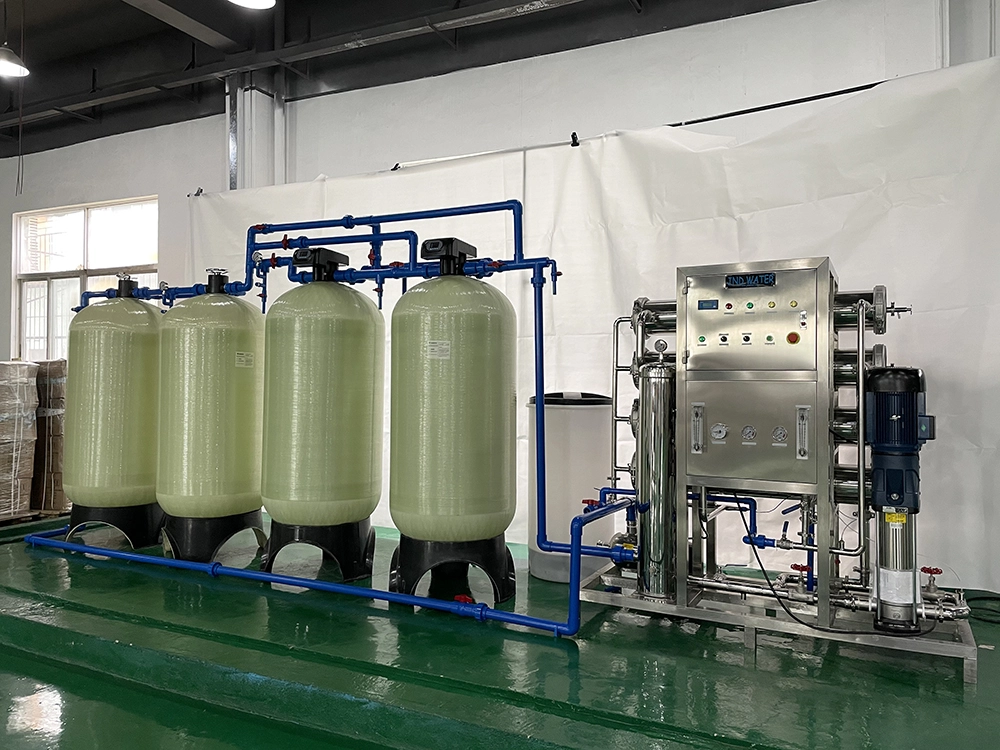
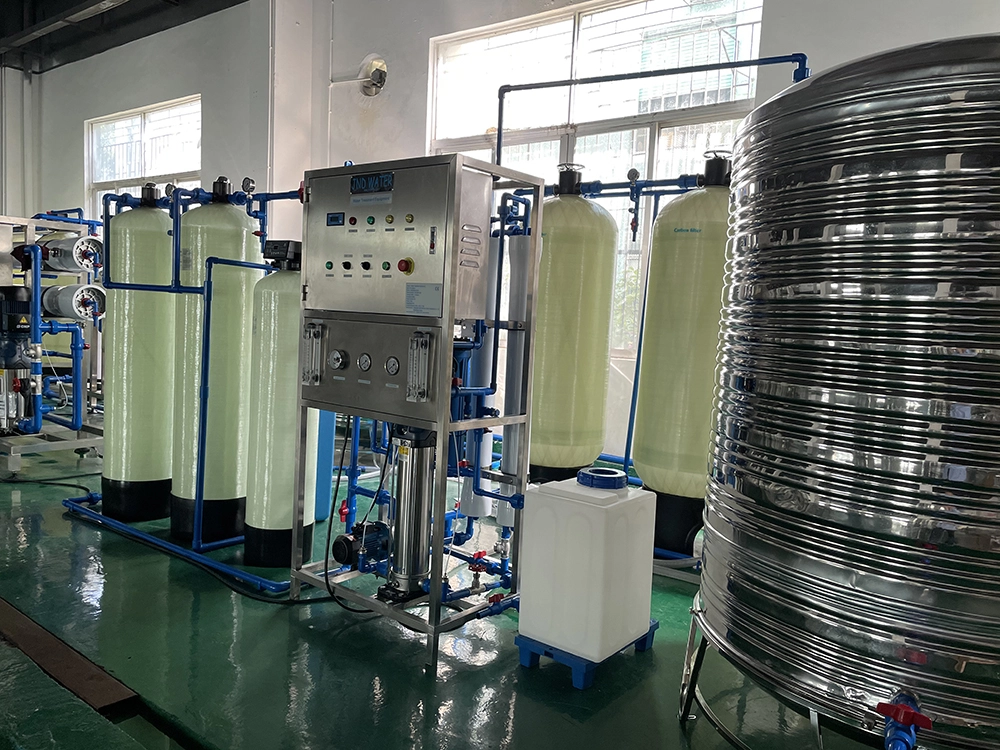
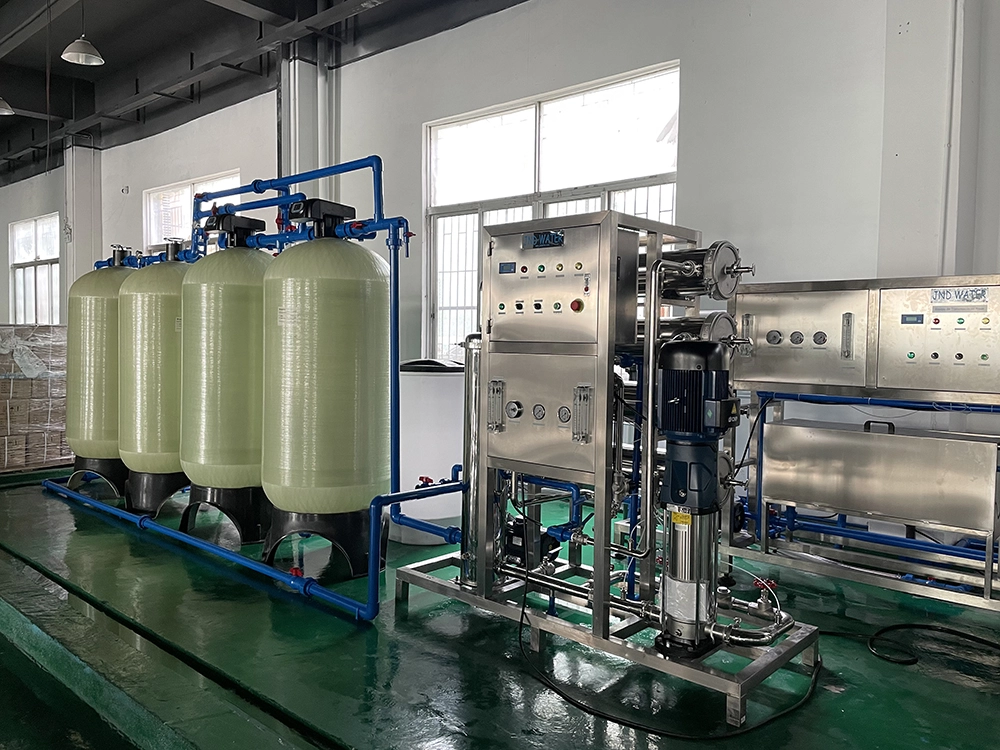
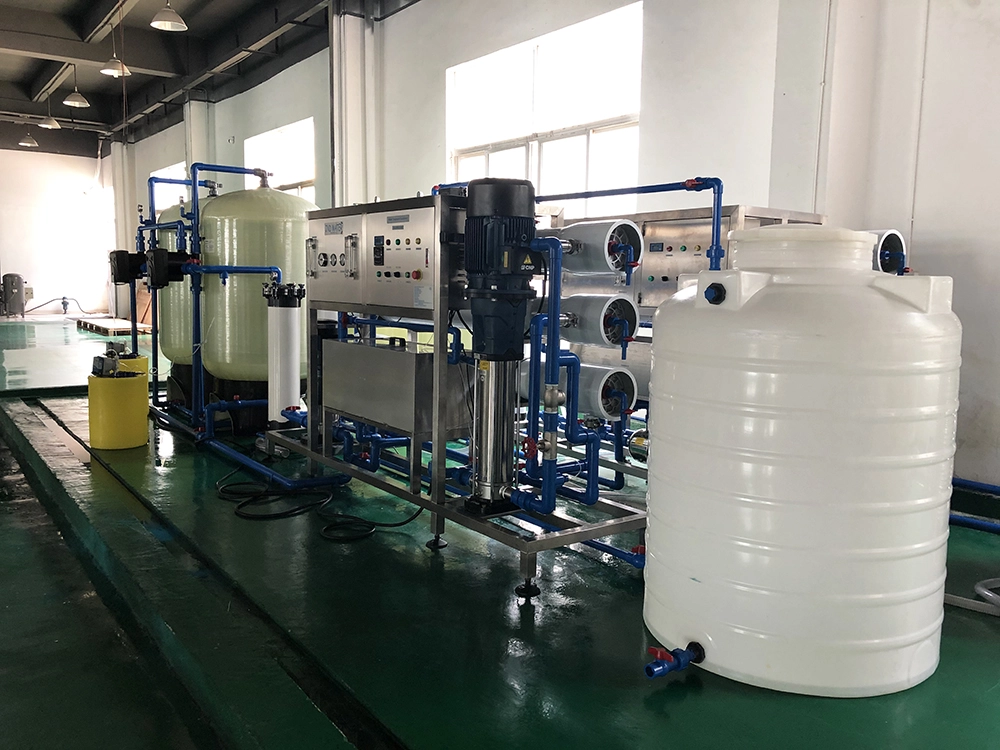
Jndwater RO Machine is a water treatment device based on semi-permeable membrane separation technology. It utilizes high pressure to force raw water through a reverse osmosis membrane, effectively removing 95%–99.9% of dissolved salts, colloids, organic matter, bacteria, and viruses from the water, producing high-purity water. It is widely used in areas such as drinking water preparation, industrial boiler feedwater, pre-treatment for ultra-pure water, food and beverage processing, pharmaceutical water, and desalination of seawater/saline water.
Ro Machine detailed description
Products Description
How Reverse Osmosis Technology Works
Reverse Osmosis (RO) is a sophisticated water purification technology that utilizes a semi-permeable membrane to remove ions, molecules, and larger particles from drinking water. It's a process that's widely used in various industries, from food and beverage production to pharmaceuticals, and even in residential settings for providing clean and safe drinking water. Understanding the intricacies of how an RO machine works is crucial for anyone considering implementing this technology. Let's break down the process step-by-step, incorporating technical details and scientific reasoning to provide a comprehensive overview.
The Pre-Filtration Stage: Protecting the RO Membrane
Before water reaches the RO membrane, it typically undergoes a pre-filtration process. This stage is vital for removing larger particles such as sediment, silt, and rust, which can clog or damage the delicate RO membrane. Pre-filtration usually involves one or more filters, such as sediment filters and activated carbon filters. Sediment filters trap particulate matter, while activated carbon filters remove chlorine, chloramine, and other organic compounds that can affect the taste and odor of the water and, more importantly, degrade the RO membrane. The efficiency of the pre-filtration stage directly impacts the lifespan and performance of the RO membrane, so regular replacement of these filters is essential.
The Reverse Osmosis Membrane: The Heart of the System
The RO membrane is the core component of the RO machine. It's a thin, semi-permeable barrier made of materials like thin-film composite (TFC) or cellulose triacetate (CTA). These membranes have microscopic pores that allow water molecules to pass through while blocking contaminants. The process works by applying pressure to the contaminated water, forcing it through the membrane. Because the water is being forced against its natural osmotic gradient, it is called “reverse” osmosis.
The Science Behind the Separation
The effectiveness of the RO membrane lies in its ability to reject a wide range of contaminants. Here’s a breakdown of what it can remove:
- Dissolved Salts and Minerals: RO membranes can remove up to 99% of dissolved salts and minerals, including sodium, chloride, calcium, and magnesium. This is particularly important in areas with hard water or high salinity.
- Heavy Metals: Lead, mercury, arsenic, and other heavy metals are effectively removed by RO, ensuring the water is safe for consumption.
- Microorganisms: Bacteria, viruses, and protozoa are too large to pass through the membrane, providing an additional layer of protection against waterborne diseases.
- Organic Compounds: Pesticides, herbicides, and industrial chemicals are also rejected by the RO membrane, ensuring the water is free from harmful synthetic substances.
Post-Filtration and Storage: Polishing the Water
After passing through the RO membrane, the purified water may undergo a post-filtration process to further enhance its taste and quality. This often involves a polishing filter, such as an activated carbon filter, to remove any residual odors or tastes. The purified water is then stored in a tank, ready for use. The storage tank is typically pressurized to ensure a consistent flow of water when the faucet is opened.
Waste Water Management: The Concentrate Stream
A significant aspect of the RO process is the generation of waste water, also known as the concentrate stream. This is the water that contains the rejected contaminants. The ratio of purified water to waste water varies depending on the system design and the quality of the feed water. Modern RO systems are designed to minimize waste water, but it's an inherent part of the process. The waste water is typically discharged to the drain.
Visual Aids: Enhancing Understanding
To further illustrate the workings of an RO machine, consider the addition of a flowchart or a dynamic visual diagram. A flowchart can depict the sequential steps of the RO process, from pre-filtration to post-filtration, highlighting the key components and their functions. A dynamic visual diagram can show the movement of water and contaminants through the RO membrane, providing a more intuitive understanding of the separation process.
Comparison of Reverse Osmosis Systems
Choosing the right reverse osmosis (RO) system can be a daunting task, especially with the wide array of options available in the market. Each system comes with its own set of features, benefits, and drawbacks. A detailed comparison is essential to make an informed decision that aligns with your specific needs and budget. This section provides a comprehensive comparison of different RO systems, covering aspects such as cost-effectiveness, suitability for various scenarios, and installation and maintenance complexities. We'll also incorporate customer reviews and expert evaluations to provide a balanced perspective.
Types of RO Systems: A Broad Overview
RO systems can be broadly classified into several categories based on their application and design:
- Point-of-Use (POU) Systems: These are typically under-sink RO systems designed for residential use. They provide purified water directly at the tap and are ideal for drinking and cooking.
- Point-of-Entry (POE) Systems: These systems are installed at the main water line, treating all the water entering the house. They are suitable for households with high water consumption and those seeking whole-house water purification.
- Commercial RO Systems: Designed for businesses and offices, these systems offer higher capacity and flow rates compared to residential units.
- Industrial RO Systems: These are large-scale systems used in industries such as food and beverage, pharmaceuticals, and manufacturing. They are designed to handle high volumes of water and remove a wide range of contaminants.
Key Comparison Factors: A Detailed Analysis
To effectively compare different RO systems, consider the following factors:
- Cost-Effectiveness: This includes the initial purchase price, installation costs, and ongoing maintenance expenses. Consider the cost of replacement filters, membrane cleaning, and potential repairs.
- Filtration Capacity and Flow Rate: The filtration capacity refers to the amount of purified water the system can produce per day, while the flow rate determines how quickly the water is dispensed. Choose a system that meets your daily water consumption needs.
- Contaminant Removal Efficiency: Different RO systems may have varying efficiencies in removing specific contaminants. Check the system's performance data to ensure it can effectively remove the contaminants of concern in your water supply.
- Installation Complexity: Some RO systems are easy to install, while others require professional installation. Consider your DIY skills and the availability of professional installers in your area.
- Maintenance Requirements: Regular maintenance is essential to keep the RO system running smoothly. Check the frequency of filter replacements, membrane cleaning requirements, and the availability of spare parts.
- System Footprint: Consider the physical size of the RO system and ensure you have enough space for installation. Under-sink systems are compact, while whole-house systems may require more space.
- Certifications and Standards: Look for RO systems that are certified by reputable organizations such as NSF International or the Water Quality Association. These certifications ensure that the system meets industry standards for performance and safety.
Customer Reviews and Expert Evaluations: Real-World Insights
Incorporating customer reviews and expert evaluations can provide valuable insights into the real-world performance of different RO systems. Look for reviews that discuss the system's ease of use, reliability, and customer support. Expert evaluations often provide detailed performance data and comparisons between different models.
Comparative Table: A Quick Reference
A detailed comparison table can help you quickly compare different RO systems based on the key factors discussed above. The table should include columns for the system type, cost, filtration capacity, contaminant removal efficiency, installation complexity, maintenance requirements, and customer ratings. This will allow you to easily identify the system that best meets your needs.
Case Studies and Success Stories
Real-world examples can be incredibly powerful in demonstrating the effectiveness and benefits of RO machines. Case studies and success stories provide tangible evidence of how RO systems have solved specific water purification challenges in various settings. By exploring these examples, potential customers can gain a better understanding of how RO technology can address their own needs. This section will delve into detailed case studies, including customer backgrounds, the problems they faced, the RO solutions implemented, and the positive outcomes achieved.
Case Study 1: Addressing Hard Water Issues in a Residential Setting
Customer Background: The Smith family lives in a rural area with well water that is notoriously hard, containing high levels of calcium and magnesium. This hard water caused scale buildup in their pipes, reduced the efficiency of their appliances, and left a residue on their dishes and laundry.
Problem: The Smith family was frustrated with the constant battle against hard water. They had tried water softeners, but they were not effective enough and required frequent maintenance. They were also concerned about the high sodium content in softened water, which is not ideal for drinking.
Solution: JND Water recommended and installed a residential RO system with a pre-filter to remove sediment and chlorine, an RO membrane to remove dissolved minerals, and a post-filter to polish the water. The system was designed to produce 50 gallons of purified water per day, meeting the family's drinking and cooking needs.
Results: The RO system effectively removed the calcium and magnesium, eliminating the hard water issues. The Smith family noticed a significant improvement in the taste and quality of their drinking water. Their appliances became more efficient, and they no longer had to deal with scale buildup. They were also pleased with the low maintenance requirements of the RO system.
Case Study 2: Improving Water Quality in a Food Processing Plant
Customer Background: A local food processing plant needed high-quality water for its production processes. The city water supply contained chlorine and other contaminants that affected the taste and appearance of their products.
Problem: The plant was experiencing inconsistent product quality due to the varying levels of contaminants in the city water. They needed a reliable water purification system that could consistently deliver high-quality water.
Solution: JND Water designed and installed an industrial RO system with a pre-treatment system to remove sediment and chlorine, an RO membrane to remove dissolved solids, and a UV sterilizer to disinfect the water. The system was designed to produce 10,000 gallons of purified water per day, meeting the plant's production demands.
Results: The RO system provided a consistent supply of high-quality water, resulting in improved product quality and consistency. The plant was able to meet its production goals and reduce waste. They also benefited from the low operating costs of the RO system.
The Power of Visuals and Testimonials
To further enhance the impact of these case studies, consider incorporating actual images of the RO systems installed and the positive results achieved. Customer testimonials can also add credibility and authenticity to the success stories. A quote from the Smith family, for example, could highlight their satisfaction with the RO system and its impact on their daily lives.
Maintenance and Troubleshooting Guide
Ensuring the longevity and optimal performance of your RO machine requires regular maintenance and prompt troubleshooting when issues arise. A comprehensive maintenance and troubleshooting guide can empower users to handle common problems and perform routine maintenance tasks, reducing the need for costly professional services. This section provides a detailed guide, including common issues, their solutions, and step-by-step instructions for maintenance procedures.
Regular Maintenance: Keeping Your RO System Running Smoothly
Regular maintenance is essential to prevent problems and extend the lifespan of your RO system. Here are some key maintenance tasks:
- Filter Replacement: Replace the pre-filters and post-filters according to the manufacturer's recommendations. Typically, sediment filters should be replaced every 6-12 months, while carbon filters should be replaced every 6-12 months.
- Membrane Cleaning: Clean the RO membrane periodically to remove accumulated contaminants. Follow the manufacturer's instructions for cleaning procedures. In some cases, professional cleaning may be required.
- Tank Sanitization: Sanitize the storage tank every 6-12 months to prevent bacterial growth. Use a mild bleach solution and rinse thoroughly.
- Leak Inspection: Regularly inspect the system for leaks. Tighten any loose connections and replace worn-out tubing or fittings.
- Pressure Monitoring: Monitor the system's pressure to ensure it is operating within the recommended range. Adjust the pressure if necessary.
Common Issues and Troubleshooting: Identifying and Resolving Problems
Even with regular maintenance, RO systems can experience problems. Here are some common issues and their solutions:
- Low Water Pressure: Check the pre-filters for clogging. Replace them if necessary. Also, check the pressure in the storage tank and adjust it if needed.
- Bad-Tasting Water: Replace the post-filter. If the problem persists, sanitize the storage tank.
- Slow Water Production: Check the RO membrane for fouling. Clean or replace the membrane if necessary. Also, check the water pressure and temperature. Low pressure and temperature can reduce water production.
- Leaking System: Tighten any loose connections. Replace worn-out tubing or fittings. If the leak is coming from the membrane housing, the housing may need to be replaced.
- No Water Production: Check the water supply to the system. Make sure the shut-off valve is open. Also, check the pre-filters and RO membrane for clogging.
Step-by-Step Repair Guides: Empowering Users
To further assist users in troubleshooting and repairing their RO systems, consider providing step-by-step repair guides with visual aids. These guides can cover common repairs such as filter replacement, tubing replacement, and pressure adjustment. Clear instructions and diagrams can empower users to perform these tasks themselves, saving time and money.
Video Tutorials: A Visual Learning Experience
Video tutorials can be a valuable addition to the maintenance and troubleshooting guide. Videos can demonstrate maintenance procedures and repair techniques in a clear and concise manner. Visual learners can benefit greatly from watching these tutorials, as they can see exactly how to perform each task.
Jndwater RO Machine is a water treatment device based on semi-permeable membrane separation technology. It utilizes high pressure to force raw water through a reverse osmosis membrane, effectively removing 95%–99.9% of dissolved salts, colloids, organic matter, bacteria, and viruses from the water, producing high-purity water. It is widely used in areas such as drinking water preparation, industrial boiler feedwater, pre-treatment for ultra-pure water, food and beverage processing, pharmaceutical water, and desalination of seawater/saline water.
Ro Water Treatment Product features
Efficient purification: Reverse osmosis technology can effectively remove impurities in water
Automated operation: The equipment adopts PLC control system to achieve automatic operation
Energy-saving design: The equipment adopts energy-saving high-pressure pump and high-efficiency reverse osmosis membrane.
Customized design: Provide equipment with different configurations according to user needs
Pure Water Machine Product function
Pretreatment: Remove suspended matter, colloids, organic matter and other impurities in water through pretreatment devices such as filters and activated carbon filters
Reverse osmosis treatment: Use high-efficiency reverse osmosis membrane to ensure pure water quality.
Post-treatment: Improve water quality through ultraviolet sterilizers, precision filters and other treatment devices
Automated control: The equipment is equipped with PLC control system to achieve automatic operation, easy operation and convenient maintenance.
Application of RO water treatment equipment:
Industrial water: water used in electronics, chemical, pharmaceutical, food and other industries.
Drinking water purification: Provide safe and pure drinking water.
Desalination: Convert seawater into fresh water to solve the problem of water shortage.
Wastewater treatment: Treat industrial wastewater to achieve the recycling of water resources.
 |
 |
 |
 |
Technical specifications
| Model | JND RO1000 |
| Capacity of pure water | 200-100000LPH |
| RO Stage | One Stage/Two Stage |
| Power Supply | AC380V/415V±5% 50Hz/60Hz |
| Desalinization Ratio | ≥98% |
| Rated Operating Pressure | 0.7-1.5Mpa |
| Temperature of Raw Water | 1-45℃ |
| PH of Raw Water | 2-11 |
| Conductivity of Raw Water | ≤1000US/CM |
How does the reverse osmosis water treatment work?
Industrial reverse osmosis (RO) water treatment works by using a high-pressure pump to force water through a semi-permeable membrane. This membrane allows water molecules to pass while blocking impurities and dissolved solids. The process divides water into permeate (purified water) and concentrate (waste stream). Cross filtration helps keep the membrane clean, ensuring continuous and efficient operation.
FAQs
Q:There is a problem with the automated control of the reverse osmosis water treatment, which may lead to unstable operation or failure to achieve the expected performance.
A:Check the status and accuracy of instruments and sensors to ensure water treatment system are working properly.
Regularly calibrate the control system to ensure accuracy and stability.
If necessary, upgrade or update the control software to improve automated control performance
Products List
Recent Products

Jndwater industrial reverse osmosis water treatment equipment is widely used in industrial water, drinking water purification, seawater desalination and other fields. The equipment adopts advanced reverse osmosis technology to remove impurities such as dissolved salts, organic matter, bacteria, viruses, etc. in water
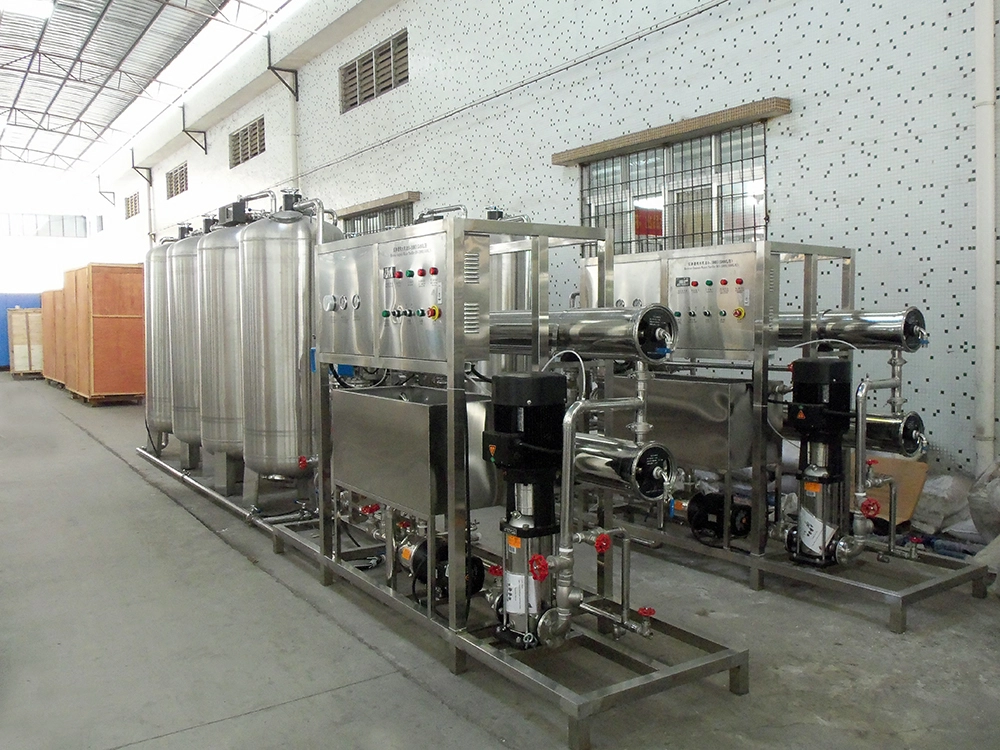
Jndwater industrial reverse osmosis machine is a high-efficiency water treatment system based on reverse osmosis (RO) membrane separation technology. It applies pressure to make water molecules pass through the semi-permeable membrane in the opposite direction of natural osmosis, effectively removing impurities such as dissolved salts, colloids, organic matter, bacteria, etc. in the water.
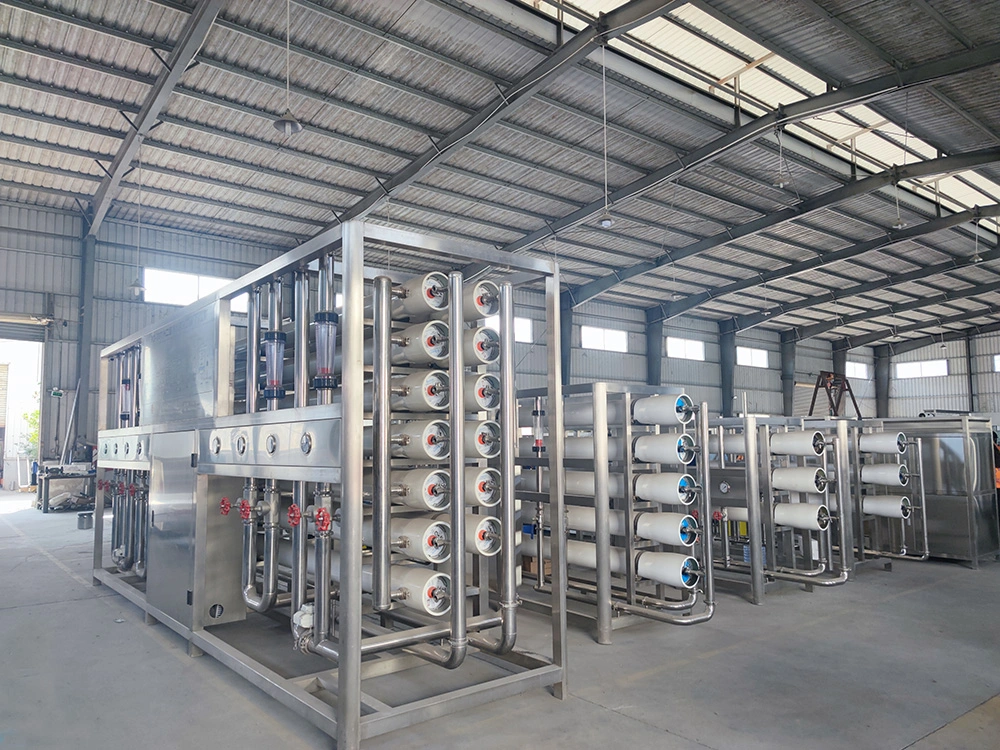
Jndwater reverse osmosis machine is a device that uses reverse osmosis technology to deeply purify water. It removes impurities, salts and pollutants in water and is widely used in electronics, medicine, food, chemicals, electricity and other industries.
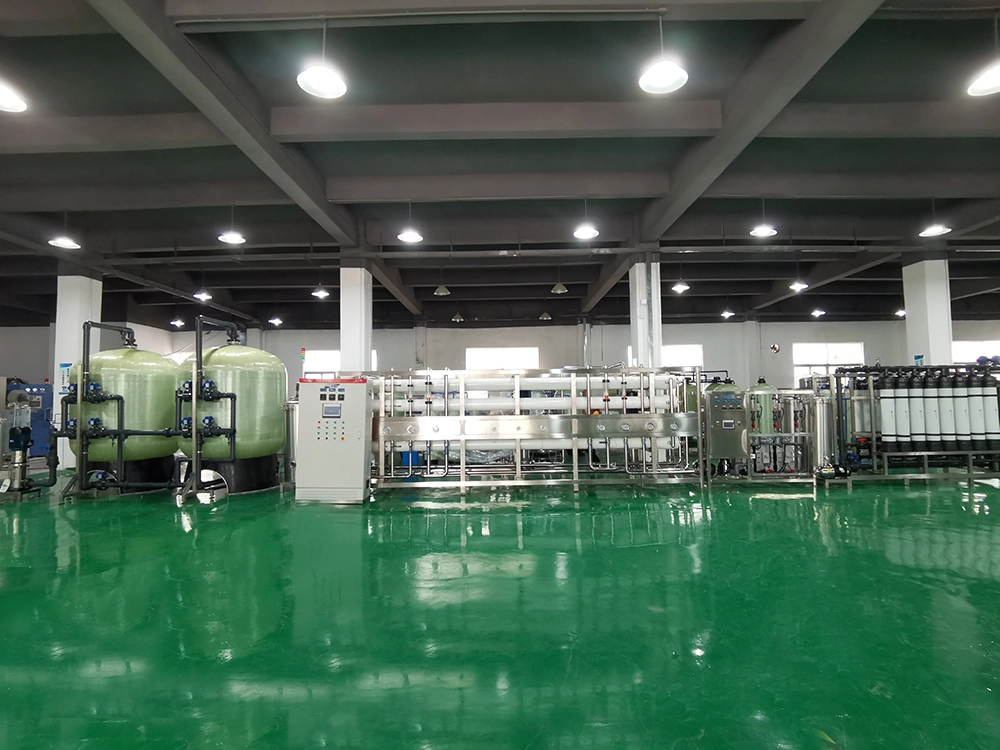
Jndwater reverse osmosis equipment is a device that uses reverse osmosis technology to deeply purify water. It removes impurities, salts and pollutants in water and is widely used in electronics, medicine, food, chemicals, electricity and other industries.
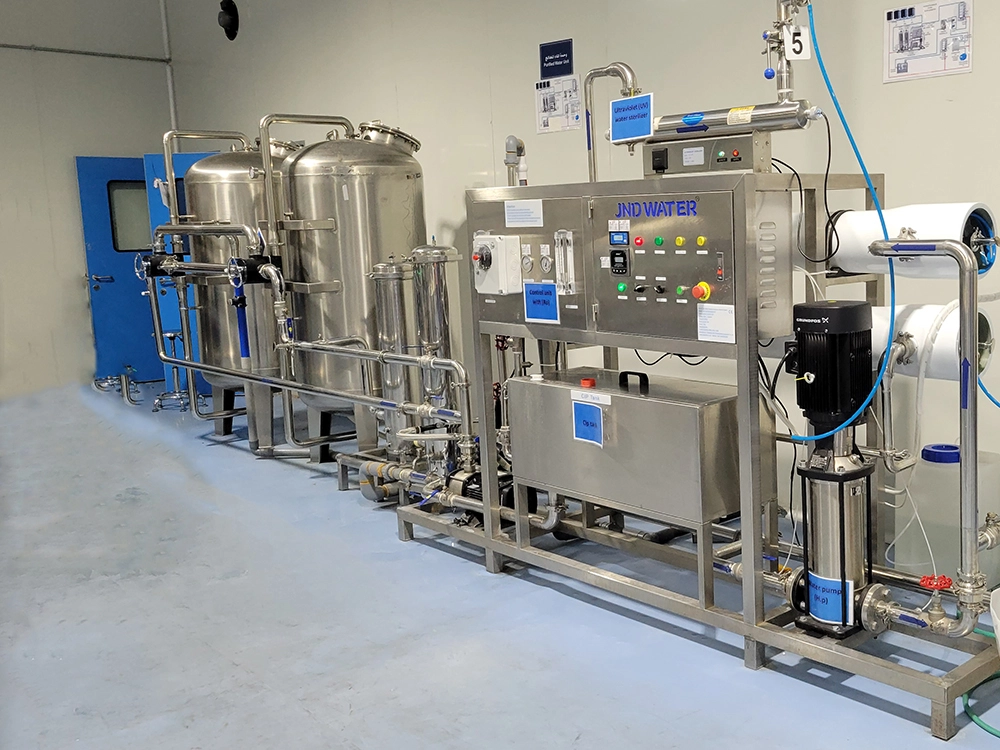
Jndwater RO purifier water machine is an advanced water treatment equipment. Ro water machine uses reverse osmosis technology to deeply filter water through RO membrane, effectively removes silt, suspended matter and other harmful substances in the water, and provides high-quality pure water.
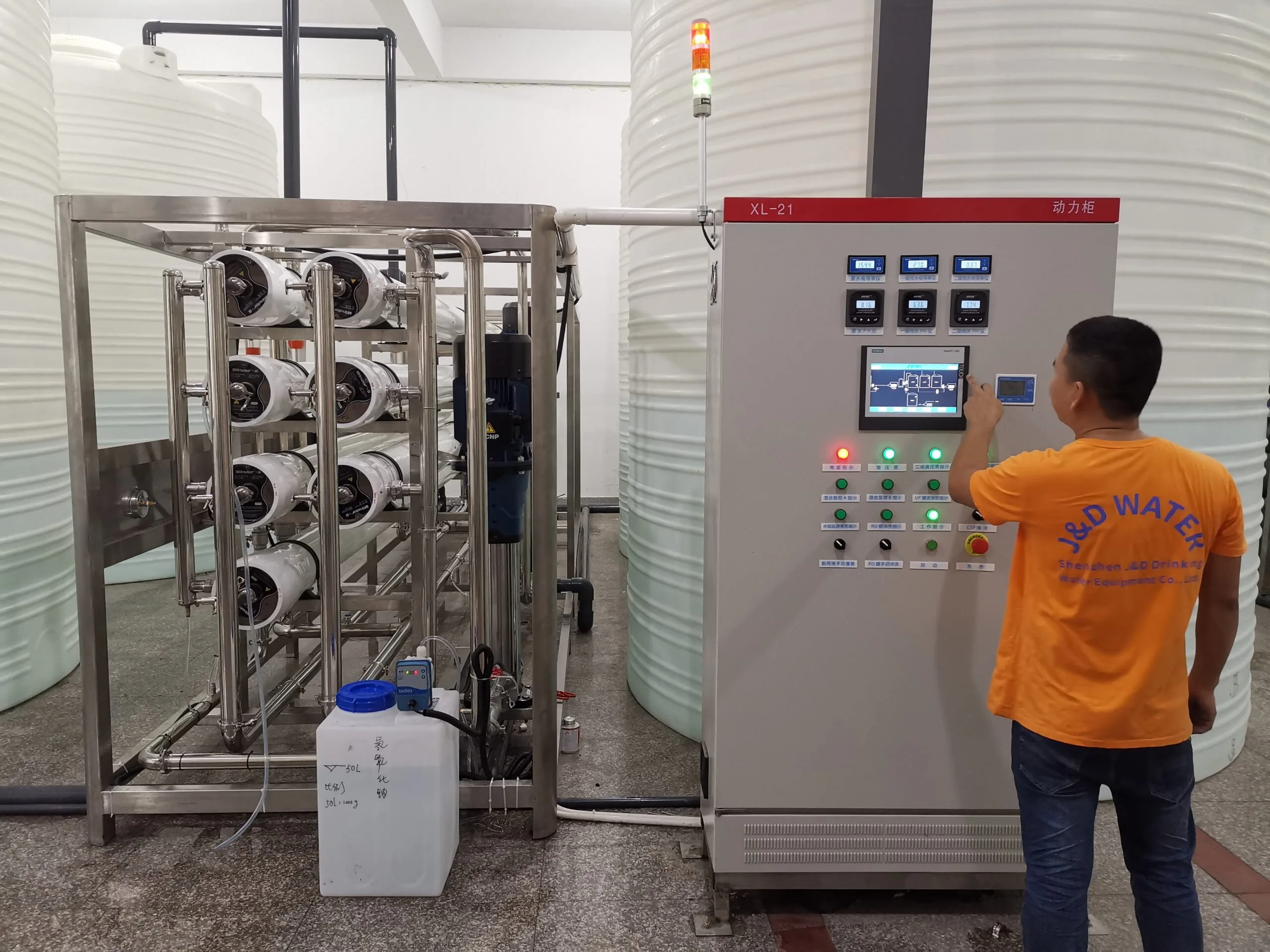
Jndwater Ro water machine is a device that uses reverse osmosis technology to purify raw water such as tap water or groundwater into pure water. Reverse osmosis machine is widely used in laboratories, chemicals, electronics, food and beverage industries, etc.
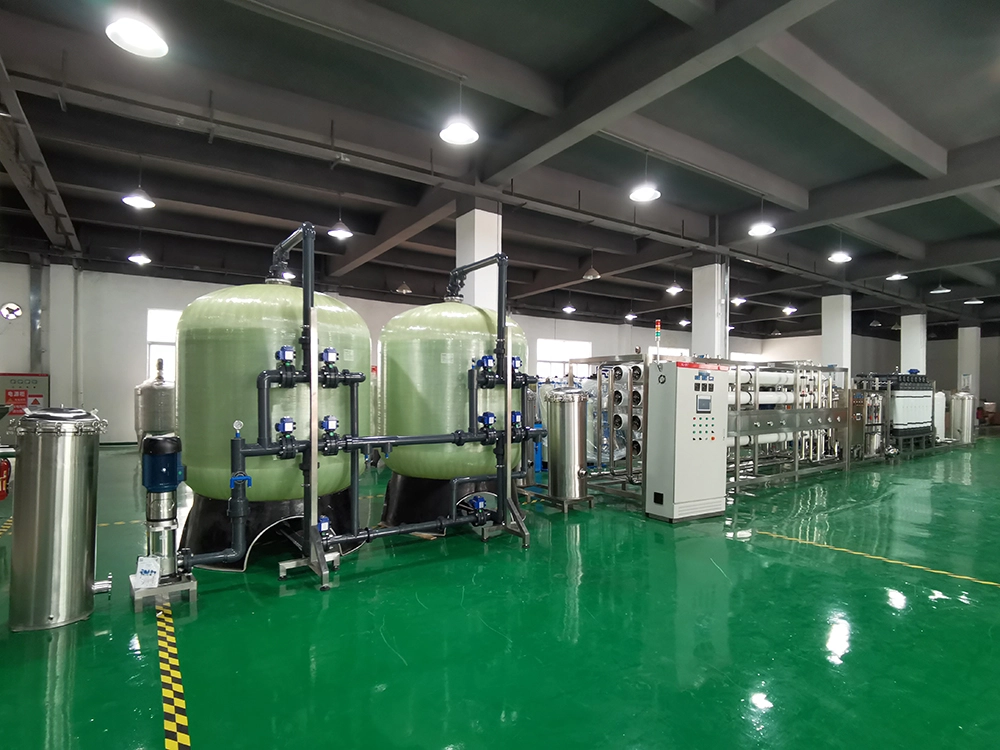
Jndwater RO pure water machine is a device that uses reverse osmosis technology to purify raw water such as tap water or groundwater into pure water. It is widely used in laboratories, chemicals, electronics, food and beverage industries, etc.
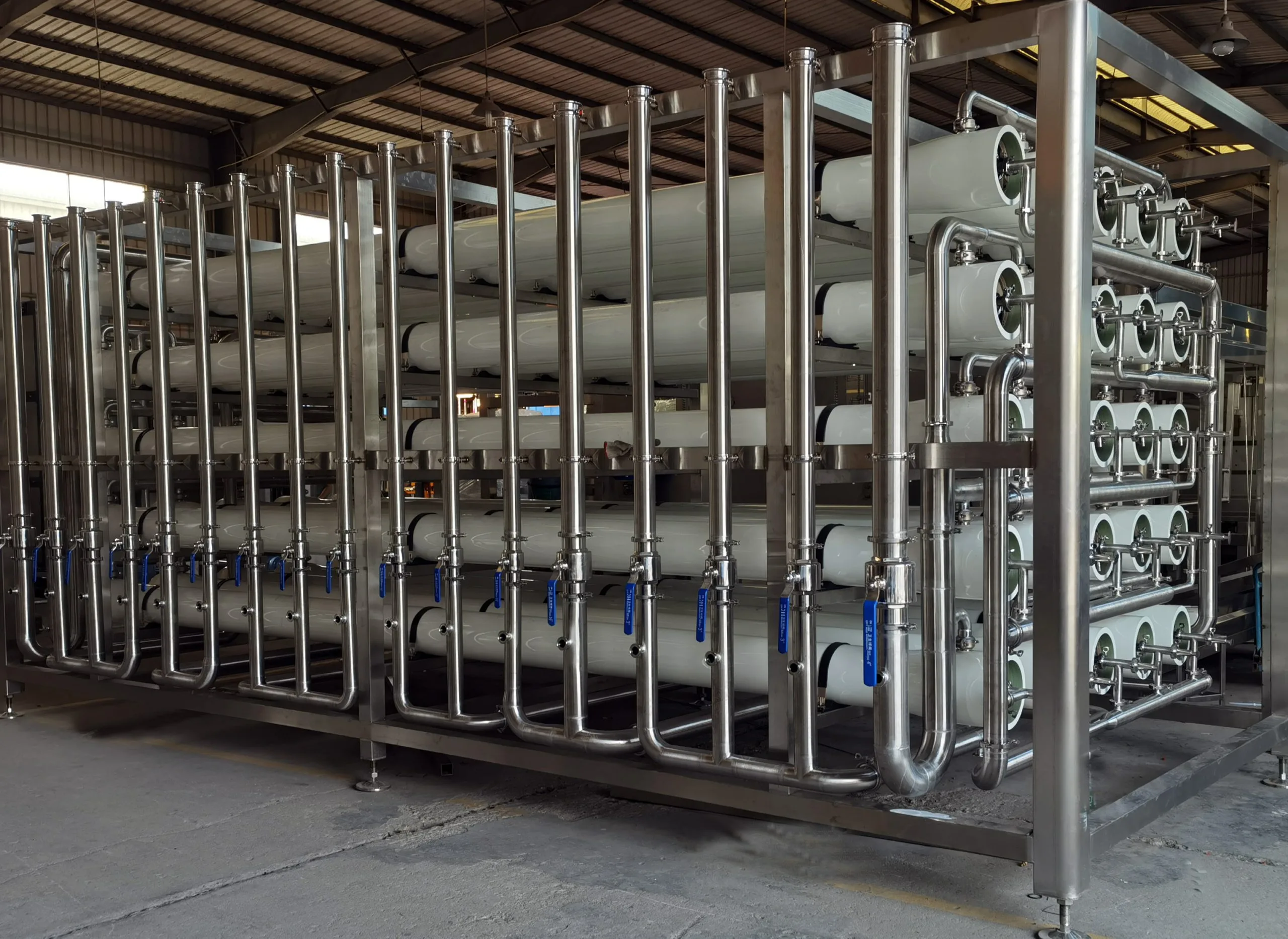
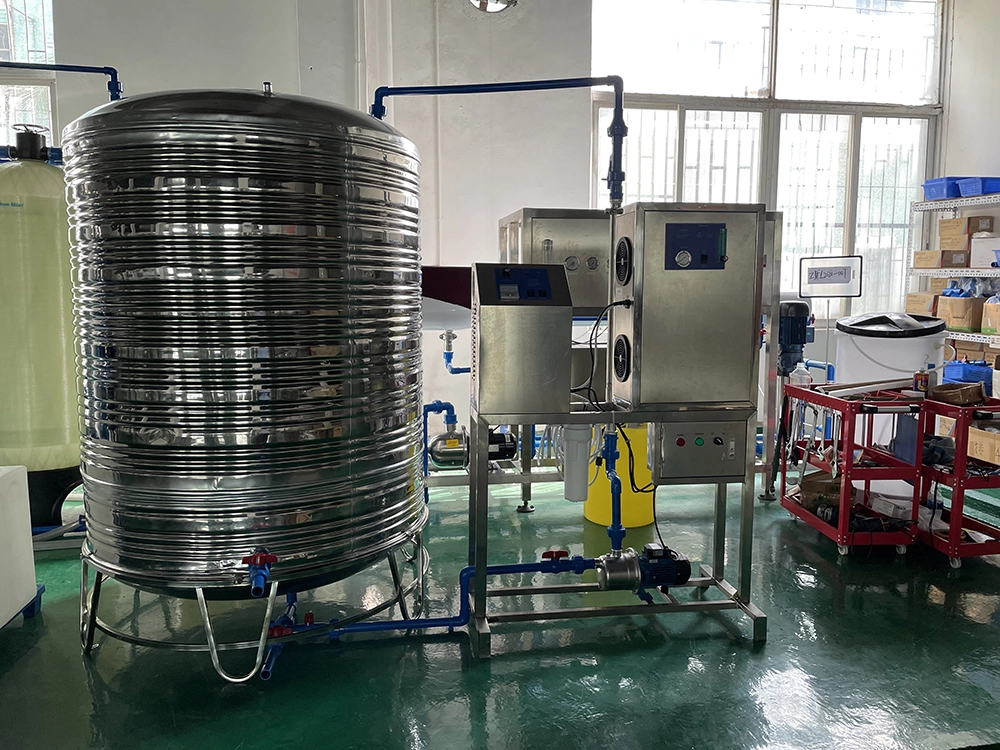
The Jndwater stainless steel tank pure water equipment is a highly efficient reverse osmosis system designed for a variety of industrial and commercial applications. It uses reverse osmosis technology to remove impurities from water and provide high-quality pure water. The stainless steel tank ensures the durability and corrosion resistance of the equipment, suitable for long-term

Jndwater industrial reverse osmosis water treatment equipment is widely used in industrial water, drinking water purification, seawater desalination and other fields. The equipment adopts advanced reverse osmosis technology to remove impurities such as dissolved salts, organic matter, bacteria, viruses, etc. in water