Chunky Frames: Fit, Scale & Comfort Engineering
When it comes to selecting equipment for your production line, especially a shampoo filling machine, understanding the importance of robust design without sacrificing user-friendliness is key. The concept of 'Chunky Frames' embodies this idea, focusing on machines built with thick, high-quality materials that ensure durability and longevity. However, the term 'chunky' can sometimes be misinterpreted as bulky or unwieldy. That's where 'Comfort Engineering' comes into play. It's about balancing the need for a sturdy frame with designs that are accessible, easy to operate, and comfortable for the workforce.
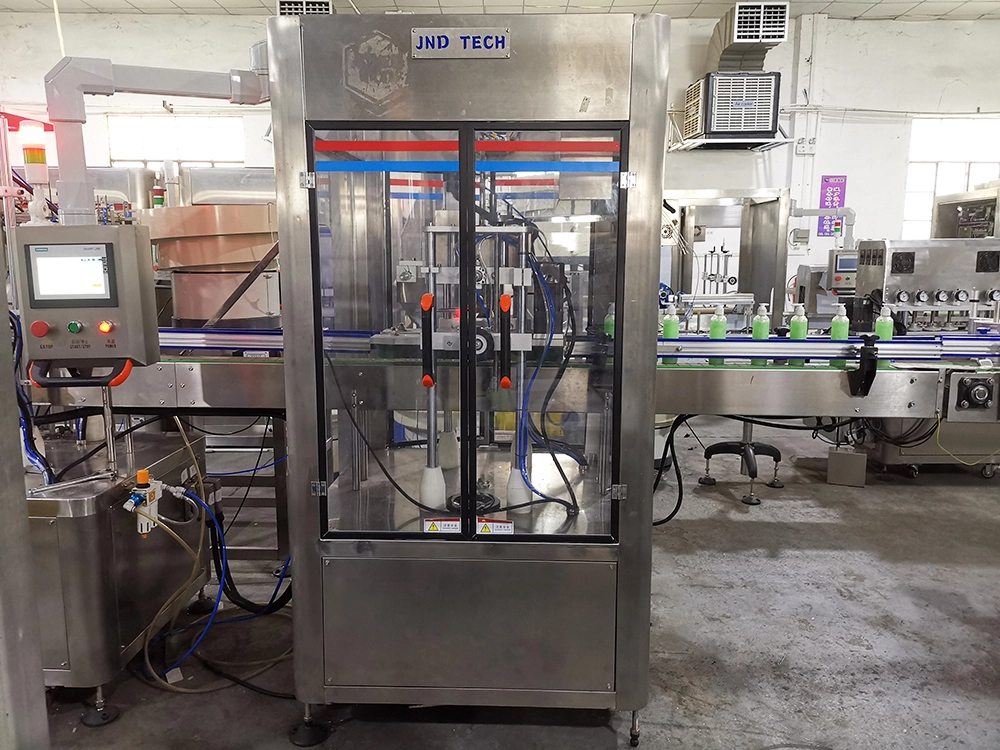
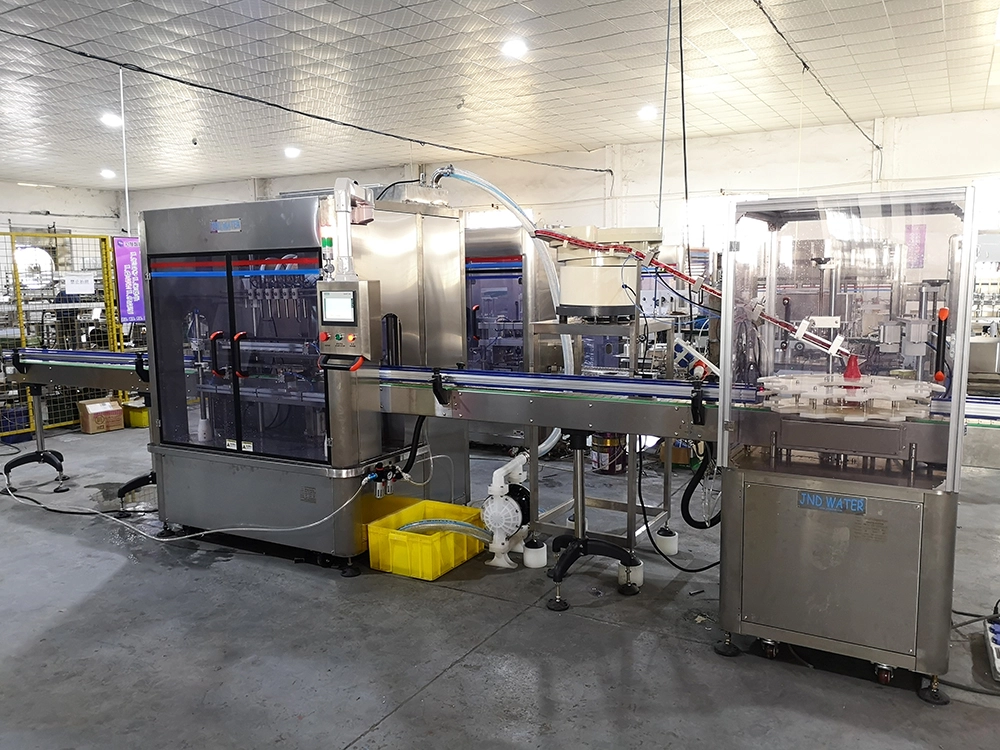
To truly appreciate the integration of fit, scale, and comfort engineering in our shampoo filling machines, consider the high-resolution images we provide. These aren't just snapshots; they are detailed views showcasing the machine's structure from multiple angles, including side and full-body model shots to give you a sense of scale. These visuals help you assess how the machine will integrate into your existing facility and workflow. More importantly, they highlight the ergonomic considerations that have been factored into the design, such as accessible control panels, easily adjustable settings, and optimized height for operation.
Comfort Engineering is not merely an aesthetic consideration; it directly impacts productivity and reduces the risk of workplace injuries. A well-engineered shampoo filling machine will minimize strain on operators, allowing for longer periods of efficient operation. This includes features like intuitive interfaces that reduce the learning curve, quick-changeover systems for different bottle sizes that minimize downtime, and easy-to-clean components that simplify maintenance. Furthermore, the scale of the machine is carefully considered to ensure it fits seamlessly into various production environments, from small startups to large-scale factories. We understand that space is often a premium, so our designs aim to maximize functionality while minimizing the machine's footprint.
The choice of materials also plays a significant role in Comfort Engineering. While the frame might be 'chunky' in its robust construction, we use lightweight yet durable materials where possible to reduce the overall weight of the machine. This makes it easier to move and reposition if needed, and it also reduces the strain on the floor. The combination of sturdy construction and thoughtful design ensures that our shampoo filling machines are not only built to last but also built to be user-friendly and efficient. We encourage you to explore the high-resolution images and detailed specifications of our machines to see firsthand how we've balanced these critical elements.
How to Choose the Right Shampoo Filling Machine
Selecting the right shampoo filling machine is a critical decision that can significantly impact your production efficiency, product quality, and overall profitability. With a variety of options available, understanding the nuances of each type and how they align with your specific needs is essential. This guide will walk you through the key considerations and provide a comparative analysis of different machine types to help you make an informed choice.
First, let's address the fundamental question: What is a shampoo filling machine? Simply put, it's a piece of equipment designed to automatically or semi-automatically fill shampoo bottles with a precise amount of liquid. However, the technology behind this simple task can vary greatly. Different types of filling machines cater to different viscosities, production volumes, and bottle types. Here's a breakdown of the most common types and their respective advantages and disadvantages:
- Piston Filling Machines: These are ideal for viscous products like shampoo because they use a piston to draw and dispense a precise volume. They are highly accurate and can handle a wide range of viscosities. However, they can be more expensive than other options and may require more maintenance.
- Peristaltic Pump Filling Machines: These machines use a rotating pump to move the shampoo through a tube and into the bottle. They are known for their gentle handling of liquids, which is important for preserving the integrity of certain shampoo formulations. They are also easy to clean and maintain. However, they may not be suitable for very high-viscosity products or large production volumes.
- Gravity Filling Machines: These machines rely on gravity to fill the bottles. They are simple and cost-effective, but they are best suited for free-flowing liquids with consistent viscosity. Shampoo, due to its thickness, may not be the best candidate for this type of machine unless it's a very thin formulation.
- Net Weight Filling Machines: These machines fill bottles based on weight rather than volume. They are highly accurate and can compensate for variations in bottle volume. They are a good option for high-value shampoos where precise filling is crucial. However, they can be more complex and expensive than other types.
- Volumetric Filling Machines: These machines measure the volume of shampoo being dispensed. They are versatile and can handle a variety of viscosities. They are a popular choice for shampoo filling due to their balance of accuracy, speed, and cost.
When choosing a shampoo filling machine, consider the following factors:
- Product Viscosity: High-viscosity shampoos require machines that can handle thick liquids without compromising accuracy.
- Production Volume: Small-scale producers may opt for semi-automatic machines, while large-scale operations require fully automated systems.
- Bottle Type: The shape and size of your shampoo bottles will influence the type of filling nozzle and the overall machine design.
- Accuracy Requirements: High-value shampoos demand precise filling to minimize product waste and ensure consistent fill levels.
- Budget: The initial investment cost is a significant factor, but also consider long-term maintenance and operating costs.
By carefully evaluating these factors and comparing the pros and cons of different machine types, you can confidently select a shampoo filling machine that meets your specific needs and contributes to the success of your business.
Customer Testimonials & Case Studies
Understanding the real-world performance of a shampoo filling machine is crucial before making a purchase decision. That's why we've compiled a collection of customer testimonials and in-depth case studies to provide you with firsthand accounts of how JNDWATER filling machines have helped businesses like yours achieve their production goals. These testimonials and case studies offer valuable insights into the reliability, efficiency, and overall satisfaction that our customers experience.
Customer testimonials are direct quotes from our clients, sharing their experiences with our shampoo filling machines. These testimonials often highlight specific aspects of the machine that they found particularly beneficial, such as ease of use, speed, accuracy, or the level of customer support they received. For example, a small-scale shampoo producer might praise the machine's compact design and ease of cleaning, while a large-scale manufacturer might emphasize its high-speed capabilities and minimal downtime.
Case studies, on the other hand, provide a more detailed analysis of how our shampoo filling machines have impacted specific businesses. These studies typically include information about the customer's background, their specific challenges, the solution we provided, and the results they achieved. They often incorporate data and charts to illustrate the improvements in production efficiency, cost savings, and product quality that resulted from using our machines. For instance, a case study might demonstrate how a particular customer was able to increase their filling speed by 30% while simultaneously reducing product waste by 15% after implementing a JNDWATER shampoo filling machine.
These case studies also delve into the specific features of our machines that contributed to the customer's success. This could include the machine's advanced control system, its ability to handle a wide range of shampoo viscosities, or its quick-changeover capabilities for different bottle sizes. By showcasing these features in the context of real-world applications, we aim to provide you with a deeper understanding of the value that our machines can offer.
We understand that every business is unique, and your specific needs and challenges may differ from those of our other customers. However, by reviewing these testimonials and case studies, you can gain a valuable perspective on the potential benefits of using a JNDWATER shampoo filling machine. We encourage you to explore these resources and contact us if you have any questions or would like to discuss your specific requirements in more detail.
Cost & ROI Analysis of Shampoo Filling Machines
Investing in a shampoo filling machine is a significant decision for any business, and understanding the cost implications and potential return on investment (ROI) is crucial. A thorough cost and ROI analysis will help you determine whether the investment is financially sound and aligns with your long-term business goals. This section provides a detailed breakdown of the costs involved, the potential savings you can achieve, and how to calculate the ROI for a shampoo filling machine.
The initial investment cost is the most obvious expense, and it includes the price of the machine itself, as well as any associated installation and training fees. The price of a shampoo filling machine can vary widely depending on its type, capacity, and level of automation. Semi-automatic machines are generally less expensive than fully automated systems, but they also require more manual labor. It's important to consider your production volume and future growth plans when determining the appropriate level of automation for your needs.
Beyond the initial investment, there are ongoing operating costs to consider. These include the cost of electricity to power the machine, the cost of spare parts and maintenance, and the cost of labor to operate and maintain the machine. Regular maintenance is essential to ensure the machine operates efficiently and to prevent costly breakdowns. A well-maintained machine will also have a longer lifespan, further contributing to its ROI.
The potential cost savings associated with a shampoo filling machine can be substantial. By automating the filling process, you can significantly reduce labor costs, increase production speed, and minimize product waste. A more accurate filling process also reduces the risk of overfilling or underfilling, which can lead to customer complaints and product returns. In addition, an efficient filling machine can improve the overall appearance of your product, enhancing its appeal to consumers.
To calculate the ROI of a shampoo filling machine, you need to compare the total cost of the investment with the total savings and revenue generated by the machine over a specific period. The ROI is typically expressed as a percentage. Here's a simplified example:
- Initial Investment: $50,000
- Annual Savings: $20,000 (labor, waste reduction, etc.)
- Payback Period: 2.5 years ($50,000 / $20,000)
- ROI (Year 1): 40% ($20,000 / $50,000)
This is a simplified example, and a more comprehensive ROI analysis should consider factors such as depreciation, taxes, and the time value of money. However, it illustrates the basic principles involved. By carefully analyzing the costs and benefits of a shampoo filling machine, you can make an informed decision that will contribute to the financial success of your business. We are happy to provide you with a detailed ROI analysis based on your specific production requirements. Please contact us to discuss your needs and receive a customized assessment.
Maintenance and Troubleshooting Guide
Ensuring the longevity and optimal performance of your shampoo filling machine requires regular maintenance and prompt troubleshooting when issues arise. This guide provides a comprehensive overview of essential maintenance procedures and common troubleshooting tips to help you keep your machine running smoothly and efficiently. By following these guidelines, you can minimize downtime, reduce repair costs, and maximize the lifespan of your investment.
Regular maintenance is the key to preventing major problems. This includes daily, weekly, and monthly tasks. Daily maintenance typically involves cleaning the machine after each use to remove any shampoo residue. This prevents buildup that can clog nozzles and other components. Weekly maintenance may include lubricating moving parts and inspecting hoses and connections for leaks. Monthly maintenance should involve a more thorough inspection of all components, including the control panel, sensors, and pumps.
Here's a more detailed breakdown of common maintenance tasks:
- Cleaning: Use a mild detergent and warm water to clean all surfaces that come into contact with shampoo. Rinse thoroughly and dry completely.
- Lubrication: Apply lubricant to all moving parts according to the manufacturer's recommendations.
- Inspection: Check hoses and connections for leaks or damage. Replace any worn or damaged parts.
- Calibration: Regularly calibrate the machine to ensure accurate filling.
- Filter Replacement: Replace filters regularly to prevent clogging and maintain optimal flow rates.
Even with regular maintenance, problems can still occur. Here are some common issues and troubleshooting tips:
- Inaccurate Filling: This can be caused by clogged nozzles, incorrect calibration, or a malfunctioning pump. Check the nozzles for blockages, recalibrate the machine, and inspect the pump for damage.
- Leaks: Leaks can occur at hoses, connections, or seals. Tighten any loose connections and replace any damaged hoses or seals.
- Machine Not Starting: Check the power supply and make sure the machine is properly plugged in. Also, check the circuit breaker and reset it if necessary.
- Error Messages: Refer to the machine's manual for a list of error messages and their corresponding solutions.
- Pump Malfunction: If the pump is not working properly, it may be clogged, damaged, or worn out. Clean the pump, inspect it for damage, and replace it if necessary.
For more complex issues, it's always best to consult a qualified technician. Attempting to repair the machine yourself without proper training can be dangerous and may void the warranty. We also offer comprehensive maintenance and repair services to ensure your shampoo filling machine operates at peak performance. Contact us today to learn more about our service options and to schedule a maintenance appointment.
To further assist you with maintenance and troubleshooting, we have created a series of instructional videos demonstrating various procedures. These videos provide step-by-step guidance on tasks such as cleaning, lubrication, and component replacement. We believe that providing you with the knowledge and resources you need to maintain your machine is essential to your success.