How Ultrafiltration Equipment Works
Understanding how ultrafiltration (UF) equipment works is crucial for anyone considering its application, from small-scale startups to large industrial facilities. In essence, ultrafiltration is a pressure-driven membrane separation process that removes suspended or particulate matter, bacteria, and high molecular-weight substances from water and other solutions. Unlike reverse osmosis, UF does not remove dissolved ions, allowing essential minerals to remain, which is particularly important in food and beverage applications. The key to UF lies in its semi-permeable membrane, which has pores ranging from 0.01 to 0.1 microns. This pore size allows water and small molecules to pass through while blocking larger particles.
The process begins with the feed water entering the ultrafiltration system under pressure. This pressure forces the water through the membrane. As the water permeates through, the larger particles and contaminants are retained on the feed side of the membrane. This retained material is known as the concentrate or retentate, while the filtered water that passes through is called the permeate. To prevent the membrane from fouling (becoming clogged with retained particles), various cleaning and backwashing techniques are employed. Backwashing involves periodically reversing the flow of water to dislodge accumulated particles from the membrane surface. Chemical cleaning may also be necessary to remove stubborn foulants, such as organic matter or mineral scale.
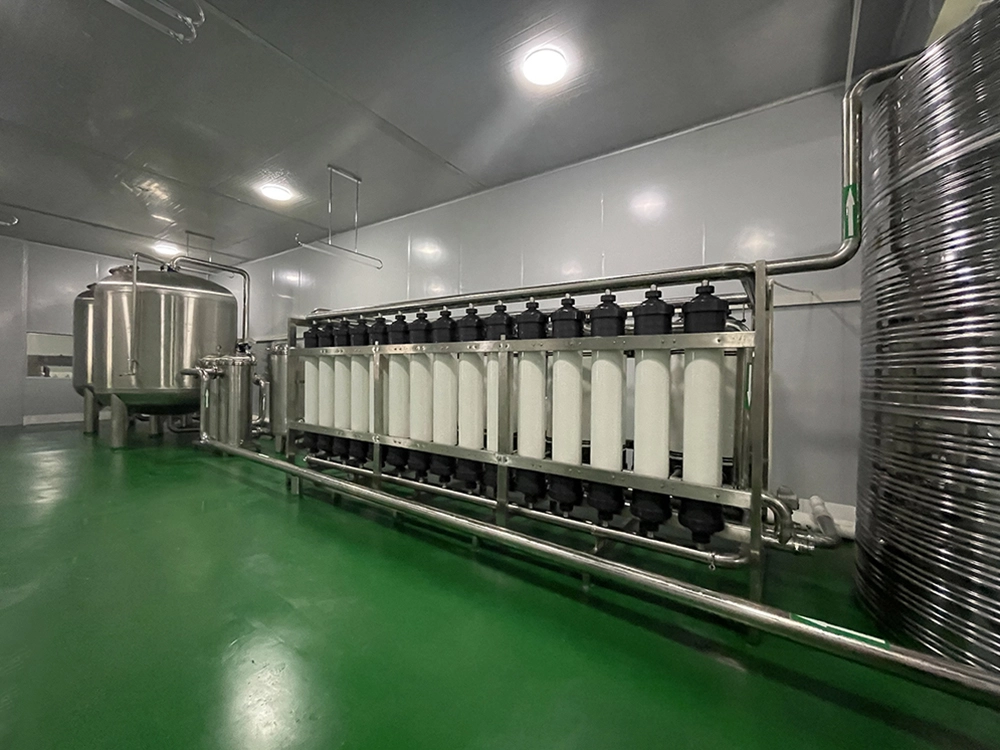
Different configurations of UF membranes exist, including hollow fiber, spiral wound, and plate-and-frame. Hollow fiber membranes, commonly used in industrial applications, consist of bundles of tiny, straw-like fibers. Water flows either from the inside of the fibers to the outside (inside-out flow) or vice versa (outside-in flow). Spiral wound membranes are constructed by wrapping membrane sheets around a central tube, creating a spiral pattern that increases the surface area available for filtration. Plate-and-frame membranes consist of flat membrane sheets separated by spacers, offering a robust and easily cleanable design. The choice of membrane configuration depends on the specific application, feed water characteristics, and desired permeate quality.
To further illustrate the process, consider a step-by-step breakdown:
- Pre-filtration: Raw water often undergoes pre-filtration to remove large debris and protect the UF membrane from damage. This may involve screens, sand filters, or cartridge filters.
- Feed water pressurization: The pre-filtered water is then pressurized using a pump to provide the driving force for ultrafiltration. The required pressure depends on the membrane type and feed water characteristics.
- Ultrafiltration: The pressurized water flows across the UF membrane, separating water and small molecules from larger particles and contaminants.
- Permeate collection: The filtered water (permeate) is collected and can be used for various purposes, such as drinking water production, industrial process water, or wastewater treatment.
- Backwashing and cleaning: Periodically, the UF membrane is backwashed to remove accumulated particles. Chemical cleaning may also be performed to maintain membrane performance.
Understanding these steps and the underlying principles of ultrafiltration is essential for selecting the right equipment and optimizing its performance. By removing suspended solids, bacteria, and other contaminants, ultrafiltration equipment plays a vital role in ensuring water quality and protecting public health.
Comparative Analysis of Ultrafiltration vs. Other Filtration Technologies
When selecting a water filtration technology, it's essential to understand the nuances of each option and how they compare. Ultrafiltration (UF) stands out as a versatile method, but it's crucial to see how it stacks up against other common filtration techniques like reverse osmosis (RO), microfiltration (MF), and nanofiltration (NF). This comparative analysis will give you the insights needed to make an informed decision based on your specific needs and application.
Ultrafiltration (UF): As previously discussed, UF uses a membrane with pore sizes ranging from 0.01 to 0.1 microns. It excels at removing suspended solids, bacteria, viruses, and large organic molecules. However, it doesn't remove dissolved salts or small organic compounds.
Reverse Osmosis (RO): RO employs a much tighter membrane, typically removing particles larger than 0.0001 microns. This allows RO to remove virtually all dissolved salts, minerals, and organic compounds, making it ideal for desalination and producing highly purified water. However, RO requires significantly higher pressure than UF and produces a larger volume of wastewater.
Microfiltration (MF): MF uses membranes with larger pores, ranging from 0.1 to 10 microns. It's primarily used to remove larger suspended solids, sediments, and some bacteria. MF is often used as a pre-treatment step for UF or RO to protect the more sensitive membranes from fouling.
Nanofiltration (NF): NF falls between UF and RO in terms of pore size and performance. It removes particles larger than 0.001 microns, including some divalent ions (like calcium and magnesium) and larger organic molecules. NF is often used for water softening and removing specific contaminants.
To illustrate the differences more clearly, consider this comparative table:
| Technology |
Pore Size (microns) |
Removes |
Pressure Required |
Typical Applications |
Advantages |
Disadvantages |
| Ultrafiltration (UF) |
0.01 - 0.1 |
Suspended solids, bacteria, viruses, large organic molecules |
Low to Medium |
Drinking water, wastewater treatment, food and beverage |
Lower energy consumption, retains minerals |
Does not remove dissolved salts |
| Reverse Osmosis (RO) |
~0.0001 |
Virtually all dissolved solids, minerals, and organic compounds |
High |
Desalination, ultrapure water production |
Produces highly purified water |
High energy consumption, produces large volume of wastewater |
| Microfiltration (MF) |
0.1 - 10 |
Large suspended solids, sediments, some bacteria |
Low |
Pre-treatment for UF/RO, clarifying beverages |
Simple and cost-effective |
Limited removal capabilities |
| Nanofiltration (NF) |
~0.001 |
Divalent ions, larger organic molecules |
Medium to High |
Water softening, removal of specific contaminants |
Removes specific contaminants |
Higher energy consumption than UF |
In summary, the choice of filtration technology depends on the specific water quality requirements and the desired outcome. If you need to remove dissolved salts, RO is the best option. If you primarily need to remove suspended solids and bacteria while retaining minerals, UF is a more energy-efficient choice. MF is suitable for pre-treatment or applications requiring only the removal of larger particles, and NF is ideal for targeting specific contaminants like hardness-causing ions. Understanding these differences will allow you to choose the most appropriate and cost-effective filtration solution for your needs.
Customer Testimonials and Case Studies
Real-world examples and customer testimonials are invaluable in demonstrating the effectiveness and reliability of ultrafiltration equipment. Hearing from other businesses and seeing how they've successfully implemented UF systems can provide the confidence you need to invest in this technology. Let's explore some compelling case studies and testimonials that highlight the diverse applications and benefits of Jndwater's ultrafiltration solutions.
Case Study 1: Beverage Bottling Plant
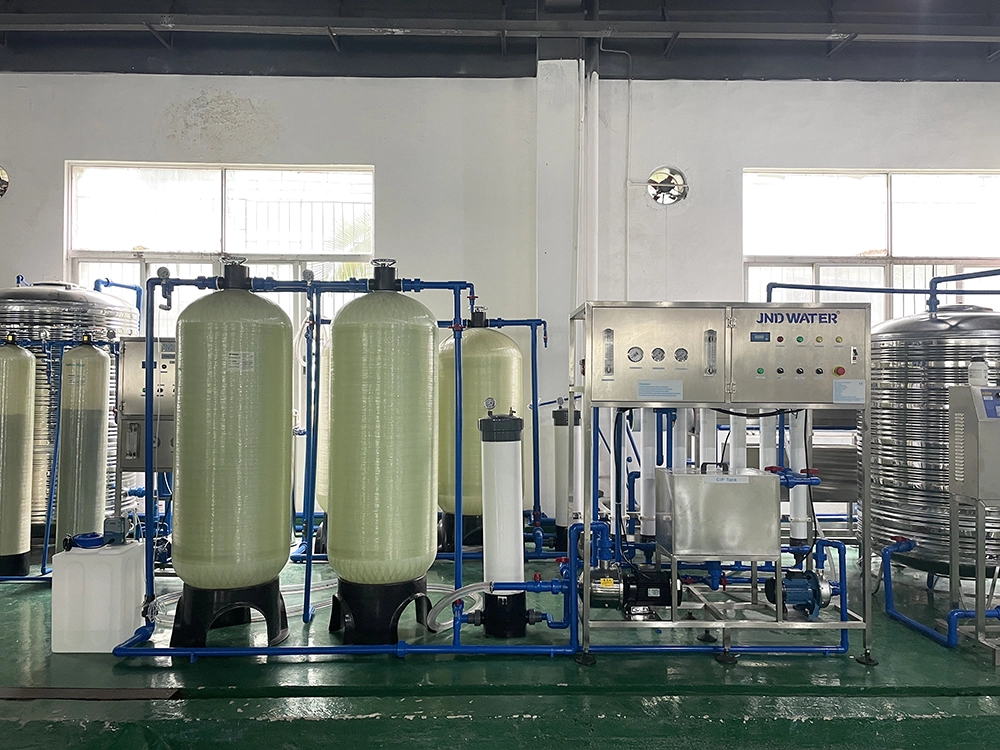
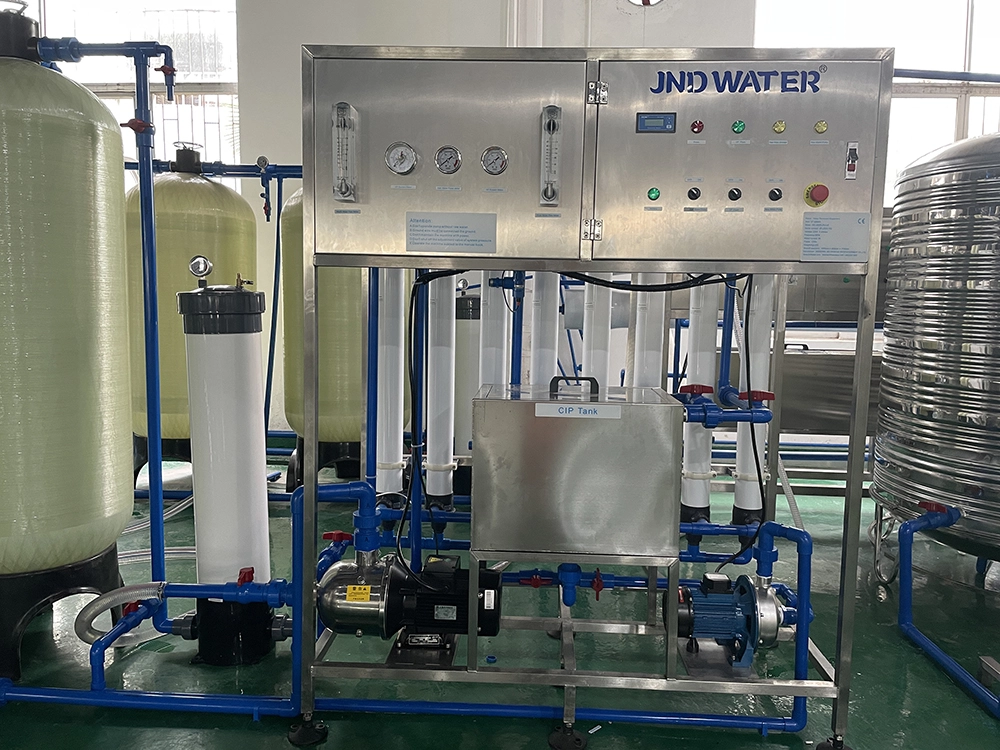
A large beverage bottling plant in Europe needed to improve the quality of its process water to ensure consistent product taste and safety. They were experiencing issues with inconsistent water quality, leading to occasional product recalls and brand reputation damage. Jndwater installed a UF system to pre-treat the incoming water, removing suspended solids, bacteria, and viruses. The result was a significant improvement in water quality, leading to a reduction in product recalls and enhanced consumer confidence. The plant manager noted that the UF system was easy to operate and maintain, and the return on investment was achieved within two years due to reduced operational costs and improved product quality. Below is an image of the ultrafiltration equipment installed at the beverage bottling plant:

Case Study 2: Pharmaceutical Manufacturing
A pharmaceutical company required highly purified water for its drug manufacturing processes. Traditional methods were proving inadequate and costly. Jndwater provided a customized UF system integrated with their existing RO system. The UF system acted as a pre-treatment, removing organic matter and colloids that could foul the RO membranes. This significantly extended the lifespan of the RO membranes, reducing maintenance costs and downtime. The company reported a 40% reduction in RO membrane replacement costs and a 20% increase in water production capacity. Furthermore, the improved water quality ensured compliance with stringent pharmaceutical regulations.
Testimonial 1: Small-Scale Brewery
“As a small craft brewery, water quality is paramount to the taste and consistency of our beer. We were struggling with inconsistent water quality, which was affecting our brewing process. Jndwater recommended and installed a UF system tailored to our specific needs. Since then, our water quality has been consistently excellent, and our beer has never tasted better. The system is easy to use, and the support from Jndwater has been outstanding.” – John S., Head Brewer
Testimonial 2: Food Processing Plant
“Our food processing plant requires large volumes of clean water for washing and processing vegetables. We were looking for a sustainable and cost-effective solution to improve our water quality and reduce our environmental impact. Jndwater's UF system has exceeded our expectations. It has significantly reduced our water consumption, improved our product quality, and helped us meet our sustainability goals. The system is robust and reliable, and the Jndwater team provided excellent training and support.” – Maria L., Plant Manager
These examples illustrate the diverse applications and benefits of ultrafiltration equipment across various industries. By providing reliable and high-quality water treatment solutions, Jndwater helps businesses improve their operations, reduce costs, and enhance their product quality. These testimonials and case studies provide compelling evidence of the value and effectiveness of Jndwater's ultrafiltration equipment.
Maintenance and Troubleshooting Guide
Proper maintenance is crucial for ensuring the long-term performance and reliability of your ultrafiltration (UF) equipment. Regular maintenance not only extends the lifespan of the system but also prevents costly downtime and ensures consistent water quality. This guide provides essential maintenance tips and troubleshooting steps to help you keep your UF system running smoothly. Remember, while this guide offers helpful information, it's important to consult your equipment manual and seek professional assistance when needed.
Regular Maintenance Tasks:
- Backwashing: Backwashing is a critical part of UF maintenance. It involves reversing the flow of water through the membrane to dislodge accumulated particles. The frequency of backwashing depends on the feed water quality and system design, but it's typically performed daily or several times a week. Follow the manufacturer's instructions for backwashing pressure and duration.
- Chemical Cleaning: Over time, membranes can become fouled with organic matter, mineral scale, or other contaminants. Chemical cleaning is necessary to remove these foulants and restore membrane performance. Common cleaning agents include citric acid for mineral scale and sodium hypochlorite for organic matter. Always follow the manufacturer's recommendations for cleaning agent concentration, contact time, and temperature. Wear appropriate personal protective equipment (PPE) when handling chemicals.
- Pre-filter Replacement: Pre-filters are used to remove large particles and protect the UF membrane from damage. Regularly inspect and replace pre-filters according to the manufacturer's schedule. Clogged pre-filters can reduce system performance and increase the risk of membrane fouling.
- Pressure Monitoring: Monitor the pressure gauges on the UF system to detect any changes in pressure drop. A sudden increase in pressure drop can indicate membrane fouling or a clogged pre-filter. Investigate the cause and take corrective action promptly.
- Leak Detection: Regularly inspect the UF system for leaks. Leaks can waste water and indicate a potential problem with seals or connections. Repair any leaks immediately to prevent further damage.
Troubleshooting Common Issues:
Problem: Low Permeate Flow
- Possible Cause: Membrane fouling, clogged pre-filter, low feed water pressure.
- Solution: Perform backwashing and chemical cleaning. Replace pre-filter. Check feed water pressure and pump performance.
Problem: High Pressure Drop
- Possible Cause: Membrane fouling, clogged pre-filter, blocked piping.
- Solution: Perform backwashing and chemical cleaning. Replace pre-filter. Inspect and clean piping.
Problem: Poor Permeate Quality
- Possible Cause: Membrane damage, inadequate pre-treatment, chemical contamination.
- Solution: Inspect membrane for damage. Verify pre-treatment system performance. Check for chemical contamination in the feed water.
Problem: Frequent Backwashing Required
- Possible Cause: High feed water turbidity, inadequate pre-treatment, membrane fouling.
- Solution: Improve pre-treatment system. Adjust backwashing frequency and duration. Perform chemical cleaning.
When to Seek Professional Help:
- If you are unable to resolve a problem using the troubleshooting steps outlined above.
- If you suspect membrane damage or a major system malfunction.
- If you are uncomfortable performing maintenance tasks or handling chemicals.
By following this maintenance and troubleshooting guide, you can ensure the optimal performance and longevity of your ultrafiltration equipment. Regular maintenance is key to preventing problems and minimizing downtime. Remember to consult your equipment manual and seek professional assistance when needed.
Energy Efficiency and Environmental Impact
In today's world, energy efficiency and environmental impact are critical considerations for any industrial process, including water treatment. Ultrafiltration (UF) equipment offers significant advantages in these areas compared to other filtration technologies. Understanding the energy efficiency and environmental impact of UF systems can help you make informed decisions that benefit both your bottom line and the planet.
Energy Efficiency:
UF systems generally require less energy than other filtration methods, such as reverse osmosis (RO). This is because UF operates at lower pressures. RO needs high pressure to force water through its very fine membranes, separating water molecules from dissolved salts and other impurities. UF, on the other hand, uses membranes with larger pores and relies on lower pressures to separate suspended solids, bacteria, and large molecules from water. This lower pressure requirement translates to lower energy consumption, making UF a more energy-efficient option for many applications.
Environmental Impact:
UF systems have a smaller environmental footprint compared to some other water treatment technologies. Here's how:
- Reduced Chemical Usage: UF systems often require less chemical pretreatment than other filtration methods. For example, RO systems often need extensive chemical pretreatment to prevent membrane fouling. UF can handle a wider range of feed water quality with less chemical intervention.
- Lower Waste Production: UF produces less waste than some other filtration methods. The concentrate stream (the water containing the rejected contaminants) is typically smaller in volume compared to RO, reducing the amount of waste that needs to be disposed of.
- Sustainable Water Management: UF can be used to recycle and reuse water, reducing the demand on freshwater resources. For example, UF can treat wastewater for reuse in irrigation, industrial cooling, or even potable water applications.
Third-Party Certifications and Environmental Standards:
When evaluating UF equipment, look for systems that are certified by reputable third-party organizations. These certifications provide assurance that the equipment meets specific performance and environmental standards. Some common certifications include:
- NSF International: NSF certification indicates that the UF system has been tested and certified to meet strict standards for water quality and safety.
- ISO 14001: ISO 14001 is an international standard for environmental management systems. Certification to ISO 14001 demonstrates that the manufacturer has implemented a system to minimize its environmental impact.
- Energy Star: While not specific to UF equipment, Energy Star certification indicates that a product meets certain energy efficiency standards. Look for components of the UF system, such as pumps and motors, that are Energy Star certified.
Comparing Energy Efficiency: UF vs. RO
To illustrate the energy efficiency differences, consider a comparison between UF and RO systems treating the same volume of water:
| Technology |
Energy Consumption (kWh/m3) |
| Ultrafiltration (UF) |
0.1 - 0.3 |
| Reverse Osmosis (RO) |
0.5 - 2.0 |
As you can see, UF consumes significantly less energy per cubic meter of water treated compared to RO. This can translate to substantial cost savings over the lifespan of the equipment.
By choosing energy-efficient and environmentally responsible UF equipment, you can reduce your operating costs, minimize your environmental impact, and contribute to a more sustainable future. Look for certified systems, compare energy consumption data, and consider the overall environmental footprint when making your decision.
Comprehensive Pricing and ROI Analysis
Understanding the costs associated with ultrafiltration (UF) equipment and calculating the return on investment (ROI) is crucial for making a sound business decision. This section provides a detailed breakdown of the various costs involved, along with a framework for calculating ROI, to help you assess the financial viability of investing in UF technology.
Cost Breakdown:
The total cost of owning and operating UF equipment includes several components:
- Capital Costs: This includes the initial purchase price of the UF system, which can vary depending on the capacity, features, and manufacturer. It also includes the cost of installation, which may involve site preparation, plumbing, electrical work, and commissioning.
- Operating Costs: Operating costs include the ongoing expenses of running the UF system. These costs include:
- Energy Consumption: The cost of electricity to power the pumps and other components of the UF system.
- Membrane Replacement: UF membranes have a limited lifespan and need to be replaced periodically. The frequency of replacement depends on the feed water quality and operating conditions.
- Chemicals: The cost of chemicals used for cleaning and pretreatment, such as citric acid, sodium hypochlorite, and antiscalants.
- Labor: The cost of labor for operating and maintaining the UF system.
- Waste Disposal: The cost of disposing of the concentrate stream and any other waste generated by the UF system.
- Maintenance Costs: Maintenance costs include the expenses associated with keeping the UF system in good working order. These costs include:
- Preventive Maintenance: The cost of routine maintenance tasks, such as backwashing, filter replacement, and equipment inspections.
- Corrective Maintenance: The cost of repairing or replacing damaged components.
ROI Analysis:
To calculate the ROI of investing in UF equipment, you need to compare the total cost of ownership with the benefits it provides. The benefits can include:
- Improved Water Quality: UF can improve water quality, leading to better product quality, reduced product recalls, and enhanced customer satisfaction.
- Reduced Operating Costs: UF can reduce operating costs by lowering energy consumption, chemical usage, and waste disposal.
- Increased Production Capacity: UF can increase production capacity by providing a reliable and consistent source of high-quality water.
- Compliance with Regulations: UF can help you comply with environmental regulations and water quality standards.
The basic formula for calculating ROI is:
ROI = (Total Benefits - Total Costs) / Total Costs * 100%
To illustrate the ROI calculation, consider the following example:
A food processing plant invests in a UF system to improve the quality of its process water. The capital cost of the system is $100,000, and the annual operating costs are $20,000. The plant estimates that the UF system will improve product quality, leading to an annual increase in revenue of $50,000. The ROI is calculated as follows:
Total Costs = $100,000 (capital cost) + $20,000 (annual operating costs) = $120,000
Total Benefits = $50,000 (annual increase in revenue)
ROI = ($50,000 - $20,000) / $120,000 * 100% = 25%
This means that the food processing plant can expect to earn a 25% return on its investment in the UF system each year.
Payback Period:
The payback period is the amount of time it takes for the cumulative benefits of the investment to equal the initial cost. It's calculated as:
Payback Period = Initial Investment / Annual Net Benefit
In the example above:
Payback Period = $100,000 / $30,000 = 3.33 years
This means it will take approximately 3 years and 4 months for the food processing plant to recover its initial investment in the UF system.
By carefully analyzing the costs and benefits of UF equipment, you can make an informed decision about whether it's the right investment for your business. Consider factors such as improved water quality, reduced operating costs, increased production capacity, and compliance with regulations when calculating the ROI.
Step-by-Step Installation Guide
Proper installation is crucial for the optimal performance and longevity of your ultrafiltration (UF) equipment. This step-by-step guide provides a comprehensive overview of the installation process, helping you ensure that your system is set up correctly. While this guide offers valuable information, it's essential to consult your equipment manual and seek professional assistance if you're not comfortable performing the installation yourself.
Pre-Installation Checklist:
Before you begin the installation process, it's important to ensure that you have everything you need:
- Equipment: Verify that you have all the necessary components of the UF system, including the membrane module, pump, pre-filters, piping, valves, and control panel.
- Tools: Gather the required tools, such as wrenches, screwdrivers, pipe cutters, Teflon tape, and a multimeter.
- Materials: Ensure that you have the necessary materials, such as piping, fittings, electrical wiring, and grounding cables.
- Site Preparation: Prepare the installation site by ensuring that it is clean, level, and has adequate space for the UF system.
- Utilities: Verify that you have access to the necessary utilities, such as electricity, water, and drainage.
- Safety Equipment: Wear appropriate personal protective equipment (PPE), such as safety glasses, gloves, and hearing protection.
Step-by-Step Installation Process:
- Mount the UF System: Securely mount the UF system on a level surface. Follow the manufacturer's instructions for mounting the system.
- Install Pre-Filters: Install the pre-filters according to the manufacturer's instructions. Ensure that the pre-filters are properly sealed to prevent leaks.
- Connect Piping: Connect the piping to the UF system, following the flow diagram provided by the manufacturer. Use Teflon tape to seal all threaded connections.
- Connect Electrical Wiring: Connect the electrical wiring to the UF system, following the wiring diagram provided by the manufacturer. Ensure that the system is properly grounded.
- Connect Water Supply: Connect the water supply to the UF system. Ensure that the water pressure is within the recommended range.
- Connect Drainage: Connect the drainage line to the UF system. Ensure that the drainage line is properly sloped to prevent backflow.
- Flush the System: Flush the UF system with clean water to remove any debris or contaminants. Follow the manufacturer's instructions for flushing the system.
- Start the System: Start the UF system and monitor its performance. Check for leaks and ensure that the system is operating properly.
- Adjust Settings: Adjust the settings on the control panel to optimize the system's performance. Follow the manufacturer's instructions for adjusting the settings.
Visual Aids:
To further assist with the installation process, consider the following visual aids:
- Installation Diagrams: Refer to the installation diagrams provided by the manufacturer for detailed instructions on connecting the piping and electrical wiring.
- Video Tutorials: Watch video tutorials that demonstrate the installation process step-by-step.
Post-Installation Checklist:
After you have completed the installation process, it's important to perform a post-installation checklist to ensure that everything is working properly:
- Check for Leaks: Inspect all connections for leaks. Tighten any loose connections.
- Verify Water Quality: Test the water quality to ensure that the UF system is producing high-quality water.
- Monitor System Performance: Monitor the system's performance to ensure that it is operating within the recommended parameters.
- Document Installation: Document the installation process, including the date of installation, the model number of the UF system, and any adjustments that were made.
By following this step-by-step installation guide, you can ensure that your ultrafiltration equipment is set up correctly and operating at its optimal performance. Remember to consult your equipment manual and seek professional assistance if needed.