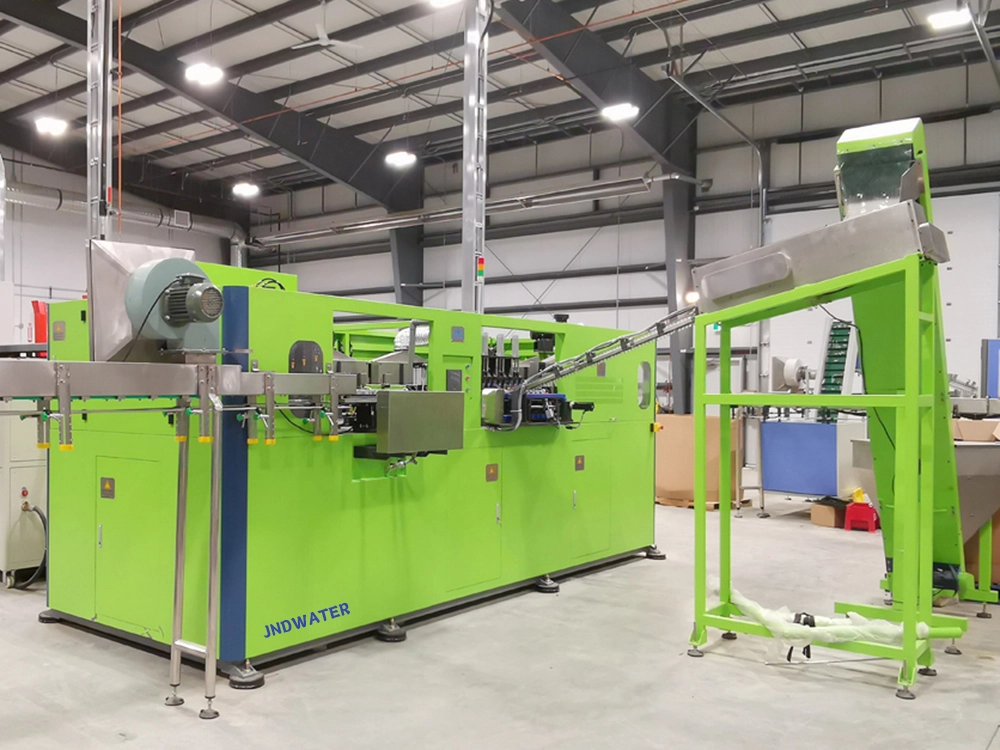
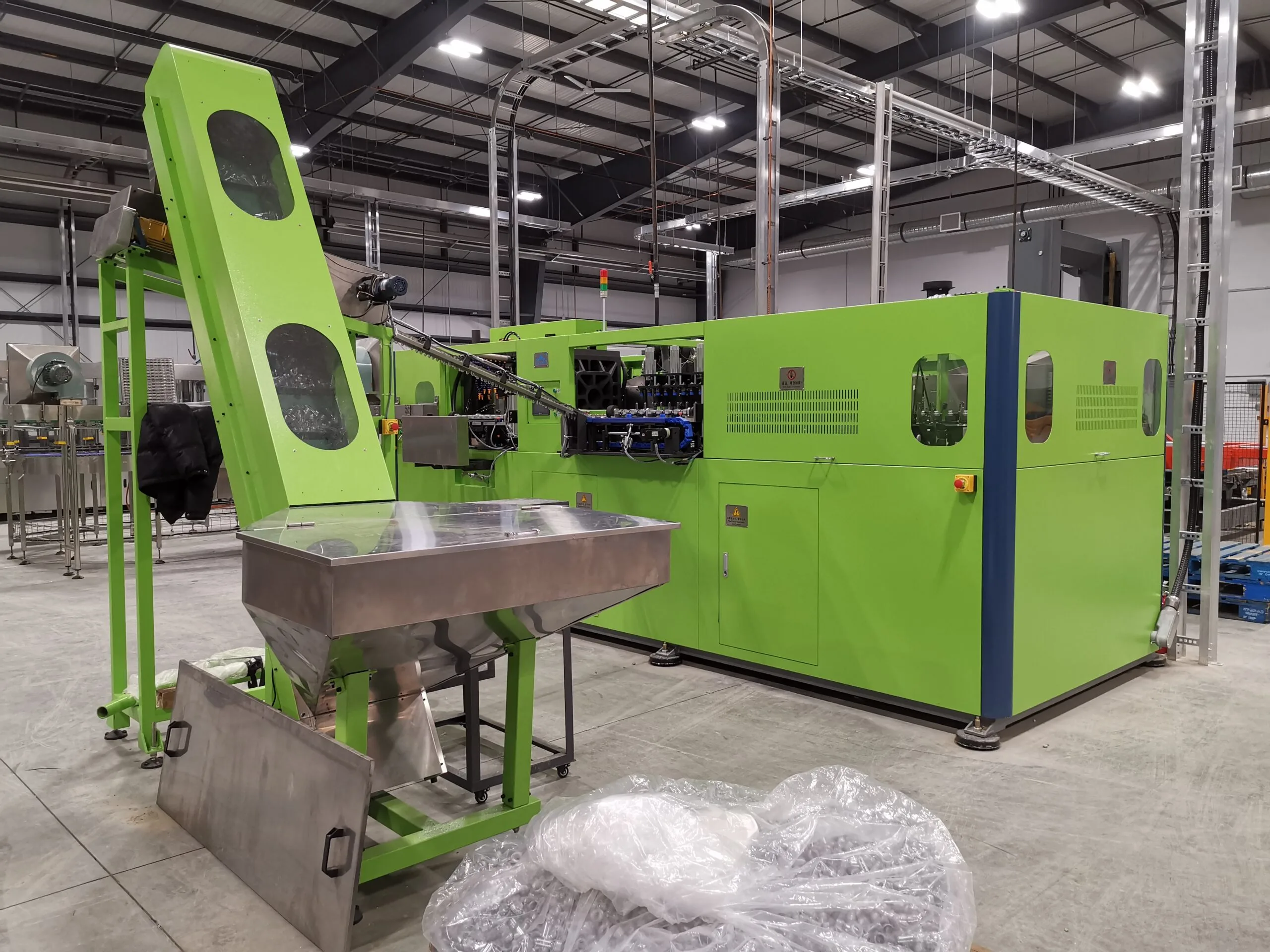
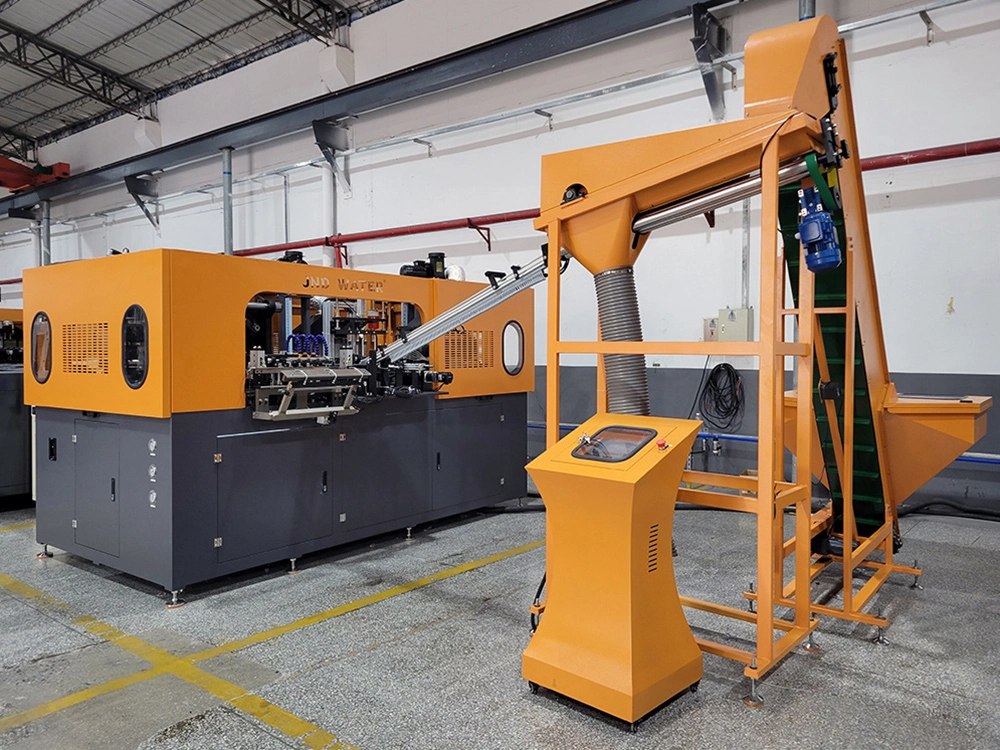
Understanding Blow Molding Technology
Blow molding technology is a manufacturing process used to create hollow plastic parts, including water bottles. It's a versatile and efficient method that has revolutionized the packaging industry. To truly appreciate the capabilities of a water bottle making machine, it's essential to understand the fundamentals of blow molding.
What is Blow Molding?
At its core, blow molding involves inflating a heated plastic tube (called a parison or preform) inside a mold cavity. Air pressure forces the plastic to conform to the shape of the mold. Once the plastic cools and hardens, the mold is opened, and the finished part is ejected. This process is similar to blowing glass, hence the name.
The History of Blow Molding
The earliest forms of blow molding date back to the late 19th century, initially used for creating glass bottles. The introduction of plastics in the mid-20th century led to the development of modern blow molding techniques. The first commercial blow molding machine for plastics was developed in the 1930s. Since then, the technology has evolved significantly, with advancements in materials, machinery, and automation.
Types of Blow Molding
There are three primary types of blow molding:
- Extrusion Blow Molding (EBM): This is the most common type, where a plastic parison is extruded vertically downwards between two mold halves. The mold closes, pinching off the bottom of the parison, and air is injected through the top. EBM is suitable for manufacturing a wide range of bottles and containers.
- Injection Blow Molding (IBM): In this process, the plastic is first injection molded into a preform, which is then transferred to a blow molding station. Air is injected to inflate the preform into the final shape. IBM is ideal for producing high-precision, small-sized bottles with excellent neck finish.
- Stretch Blow Molding (SBM): This method involves stretching the preform both axially and circumferentially before blowing. This bi-axial stretching improves the strength, clarity, and gas barrier properties of the finished bottle. SBM is widely used for manufacturing PET (polyethylene terephthalate) water bottles and other beverage containers.
The Blow Molding Process: A Step-by-Step Overview
Let's break down the typical blow molding process into sequential steps:
- Material Preparation: Plastic resin (such as PET, HDPE, or PVC) is fed into the machine's hopper.
- Melting: The resin is heated and melted into a molten state within the extruder.
- Parison/Preform Formation: Depending on the blow molding type, a parison (EBM) or preform (IBM, SBM) is created.
- Mold Clamping: The mold halves close around the parison/preform.
- Inflation: Compressed air is injected into the parison/preform, forcing it to expand against the mold walls.
- Cooling: The plastic cools and solidifies within the mold.
- Mold Opening: The mold opens, and the finished bottle is ejected.
- Trimming (Optional): Excess plastic (flash) may be trimmed from the bottle.
Applications of Blow Molding
Blow molding is used to manufacture a vast array of products, including:
- Water bottles
- Beverage containers
- Household cleaning product bottles
- Automotive parts (fuel tanks, bumpers)
- Toys
- Medical devices
- Industrial containers
Why Blow Molding is Important
Blow molding offers several advantages:
- Cost-effectiveness: It is a relatively low-cost manufacturing process, especially for high-volume production.
- Design Flexibility: It allows for the creation of complex shapes and designs.
- Lightweight Products: Blow-molded products are typically lightweight, reducing transportation costs.
- Durability: Many blow-molded plastics are strong and resistant to impact.
- Recyclability: Many blow-molded plastics, such as PET and HDPE, are recyclable.
Blow molding is a cornerstone of modern manufacturing, and understanding its principles is crucial for anyone involved in the production or use of plastic products. The water bottle making machine leverages this technology to efficiently and reliably produce the bottles that keep us hydrated.
Industry-Specific Use Cases
The versatility of the water bottle making machine extends across numerous industries, each with unique demands and applications. JNDwater's machines are designed to cater to this diverse range, from small startups to large-scale multinational corporations. Let's delve into some specific industry use cases, highlighting how these machines are utilized and the benefits they bring.
Food and Beverage Industry
This is perhaps the most prominent sector utilizing water bottle making machines. The demand for bottled water, juices, soft drinks, and other beverages is consistently high. JNDwater's machines are engineered to meet the stringent hygiene and safety standards of the food and beverage industry. They are capable of producing bottles in various shapes and sizes, ensuring product differentiation and brand recognition. A key advantage is the ability to use PET, a recyclable and food-safe material. For instance, a bottling plant in Europe saw a 30% increase in production efficiency after implementing JNDwater's high-speed PET bottle making machine, coupled with a significant reduction in material waste.
Cosmetics and Personal Care Industry
The cosmetics and personal care industry relies heavily on plastic bottles for packaging shampoos, lotions, conditioners, and other liquid products. Here, aesthetics are just as important as functionality. JNDwater's machines offer the precision needed to create visually appealing bottles with smooth finishes and intricate designs. The ability to mold bottles from various plastics, including HDPE and LDPE, allows manufacturers to choose the best material for their specific product. A smaller, boutique cosmetics company in Asia reported a 20% increase in sales after switching to custom-designed bottles produced by JNDwater's machines, highlighting the impact of packaging on consumer appeal.
Pharmaceutical Industry
The pharmaceutical industry demands the highest levels of precision and quality control. Bottles for liquid medications, syrups, and other pharmaceutical products must be sterile and tamper-proof. JNDwater's machines are designed to meet these rigorous requirements, with features like automated quality inspection and controlled environments to prevent contamination. The use of medical-grade plastics ensures the safety and efficacy of the packaged products. A pharmaceutical manufacturer in South America experienced a 15% reduction in rejected batches due to improved bottle quality after adopting JNDwater's advanced bottle making technology.
Household Cleaning Products Industry
Bottles for detergents, cleaners, and disinfectants need to be durable and resistant to chemicals. JNDwater's machines can produce bottles from HDPE and other robust plastics that can withstand harsh chemicals. The design flexibility allows for the creation of bottles with ergonomic handles and secure closures, enhancing user convenience and safety. A cleaning product company in North America was able to reduce its packaging costs by 10% by switching to lighter-weight bottles produced by JNDwater's efficient machines, without compromising on durability.
Customer Feedback and Success Stories
JNDwater prides itself on delivering solutions that meet and exceed customer expectations. Here are a few snippets of feedback from satisfied clients:
- "The JNDwater machine has revolutionized our production line. We've seen a significant increase in output and a noticeable improvement in bottle quality." - Beverage Bottling Plant, Europe
- "The custom bottle designs we're now able to produce have given us a competitive edge in the market. Our sales have increased dramatically." - Cosmetics Company, Asia
- "The reliability and precision of the JNDwater machine have been invaluable to our pharmaceutical manufacturing process. We've seen a marked reduction in product recalls." - Pharmaceutical Manufacturer, South America
These are just a few examples of how JNDwater's water bottle making machine is making a positive impact across various industries. By providing tailored solutions and unwavering support, JNDwater empowers businesses to achieve their production goals and thrive in competitive markets.
Cost Analysis and ROI of Water Bottle Making Machines
Investing in a water bottle making machine is a significant decision for any business. Understanding the costs involved and the potential return on investment (ROI) is crucial for making an informed choice. This section provides a detailed cost analysis, covering initial investment, operational costs, maintenance, and ROI assessment, with examples across different industries and budget ranges.
Initial Investment Costs
The initial investment in a water bottle making machine can vary significantly depending on several factors:
- Machine Type: The type of machine (e.g., extrusion blow molding, injection blow molding, stretch blow molding) affects the price. Stretch blow molding machines, which are commonly used for PET bottles, tend to be more expensive due to their advanced technology.
- Capacity and Speed: Machines with higher production capacities and faster cycle times command a higher price.
- Automation Level: Fully automated machines with advanced features like automatic mold change and quality control systems are more costly than semi-automatic models.
- Brand and Quality: Reputable brands with a proven track record of reliability and performance typically have higher prices.
- Customization: Machines tailored to specific bottle designs or production requirements will incur additional costs.
A basic, semi-automatic machine might cost anywhere from $20,000 to $50,000, while a fully automated, high-speed machine can range from $100,000 to $500,000 or more. It's essential to consider these factors when budgeting for your investment.
Operational Costs
Operational costs are the ongoing expenses associated with running the water bottle making machine. These costs include:
- Raw Materials: The cost of plastic resin (e.g., PET, HDPE) is a significant operational expense. Prices fluctuate based on market conditions and supply chain dynamics.
- Energy Consumption: Blow molding machines consume a considerable amount of electricity for heating, cooling, and powering the various components. Energy-efficient machines can help reduce this cost.
- Labor: The number of operators required depends on the level of automation. Fully automated machines require fewer operators than semi-automatic models.
- Maintenance: Regular maintenance is essential to keep the machine running smoothly and prevent breakdowns. This includes the cost of spare parts, lubricants, and technician labor.
- Consumables: This includes items like compressed air filters, cooling water, and cleaning supplies.
Maintenance Costs
Preventative maintenance is critical for extending the lifespan of your water bottle making machine and minimizing downtime. A well-structured maintenance program should include:
- Regular Inspections: Checking for wear and tear, leaks, and other potential problems.
- Lubrication: Keeping moving parts properly lubricated to reduce friction and wear.
- Parts Replacement: Replacing worn or damaged parts before they cause major breakdowns.
- Cleaning: Keeping the machine clean and free of debris.
- Calibration: Ensuring that all sensors and controls are properly calibrated.
Maintenance costs typically range from 2% to 5% of the initial machine cost per year. Investing in a comprehensive maintenance program can save you money in the long run by preventing costly repairs and downtime.
Return on Investment (ROI) Assessment
To calculate the ROI of a water bottle making machine, you need to consider the following factors:
- Increased Production Capacity: How much more can you produce with the machine compared to your previous method?
- Reduced Labor Costs: How much will you save on labor due to automation?
- Lower Material Waste: Can the machine reduce material waste through more efficient processing?
- Improved Product Quality: Will the machine produce higher-quality bottles, leading to fewer rejects and higher customer satisfaction?
- New Revenue Streams: Can the machine enable you to produce new types of bottles or enter new markets?
ROI can be calculated using the following formula:
ROI = (Net Profit / Cost of Investment) x 100
Examples of ROI across Different Industries and Budget Ranges
- Small Startup (Budget: $50,000): A small startup invests in a semi-automatic extrusion blow molding machine for $40,000. They increase their production capacity by 50% and reduce labor costs by $10,000 per year. Their net profit increases by $30,000 per year. ROI = ($30,000 / $40,000) x 100 = 75%
- Medium-Sized Beverage Company (Budget: $200,000): A medium-sized beverage company invests in a fully automated stretch blow molding machine for $180,000. They increase their production capacity by 100%, reduce labor costs by $30,000 per year, and lower material waste by 5%. Their net profit increases by $100,000 per year. ROI = ($100,000 / $180,000) x 100 = 55.6%
- Large Pharmaceutical Manufacturer (Budget: $500,000): A large pharmaceutical manufacturer invests in a high-precision injection blow molding machine for $450,000. They improve product quality, reducing rejects by 10%, and increase production capacity by 20%. Their net profit increases by $200,000 per year. ROI = ($200,000 / $450,000) x 100 = 44.4%
These examples demonstrate that investing in a water bottle making machine can provide a significant return on investment, regardless of the size or industry of your business. By carefully considering the costs and benefits, you can make a smart investment that will boost your productivity and profitability.
Technology and Innovation in PET Blow Molding
PET (polyethylene terephthalate) blow molding is a dominant technology in the water bottle making machine industry, largely due to PET's recyclability, strength, and clarity. JNDwater is committed to continuous innovation in this field, focusing on energy efficiency, advanced monitoring, and sustainable practices. Let's explore some of the key technological advancements and innovations that JNDwater is implementing in its PET blow molding machines.
Energy Recovery Technology
One of the most significant areas of innovation is energy recovery. Blow molding machines consume a considerable amount of energy, primarily for heating and cooling. JNDwater is developing and implementing technologies to capture and reuse waste heat, significantly reducing energy consumption and carbon footprint. This includes:
- Heat Exchangers: Capturing waste heat from the cooling process and using it to preheat the plastic resin.
- Regenerative Blow Air Systems: Recovering the energy from the compressed air used for blowing and reusing it in other parts of the process.
- Optimized Heating Systems: Using advanced heating elements and control systems to minimize energy waste during the heating process.
These energy recovery technologies can reduce energy consumption by up to 30%, resulting in significant cost savings and environmental benefits.
IOT Monitoring Technology
The Internet of Things (IOT) is revolutionizing manufacturing, and JNDwater is at the forefront of this trend. By integrating IOT sensors and data analytics into its water bottle making machine, JNDwater provides real-time monitoring of machine performance, predictive maintenance capabilities, and remote diagnostics.
Key features of JNDwater's IOT monitoring system include:
- Real-Time Performance Monitoring: Tracking key parameters such as temperature, pressure, cycle time, and energy consumption.
- Predictive Maintenance: Using data analytics to identify potential problems before they lead to breakdowns, reducing downtime and maintenance costs.
- Remote Diagnostics: Allowing JNDwater's engineers to remotely diagnose and troubleshoot issues, providing faster and more efficient support.
- Data-Driven Optimization: Using data analytics to identify opportunities for process optimization and efficiency improvements.
Sustainable Practices
Sustainability is a core value at JNDwater. The company is committed to developing and implementing sustainable practices throughout its operations, from machine design to manufacturing processes. This includes:
- Using Recycled Materials: Designing machines that can process recycled PET (rPET) and other recycled plastics.
- Reducing Material Waste: Optimizing machine design and process parameters to minimize material waste during production.
- Designing for Disassembly: Designing machines that can be easily disassembled and recycled at the end of their lifespan.
- Promoting Circular Economy: Working with customers and partners to promote a circular economy for plastic bottles, where bottles are recycled and reused to create new products.
Expert Insights
"Innovation in PET blow molding is not just about improving machine performance; it's about creating a more sustainable and efficient future for the industry," says Dr. Li Wei, Chief Engineer at JNDwater. "Our focus is on developing technologies that reduce energy consumption, minimize waste, and promote the use of recycled materials. We believe that this is the key to long-term success for our customers and the environment."
The Future of PET Blow Molding
The future of PET blow molding is bright, with ongoing advancements in technology and a growing focus on sustainability. JNDwater is committed to staying at the forefront of these trends, developing innovative solutions that meet the evolving needs of its customers and the planet. By investing in research and development and collaborating with industry partners, JNDwater is helping to shape the future of the water bottle making machine industry.
Customer Support and Service Commitment
At JNDwater, we understand that purchasing a water bottle making machine is a significant investment. That's why we are committed to providing comprehensive customer support and service to ensure your machine operates at peak performance for years to come. Our commitment extends beyond the initial sale, encompassing installation, training, maintenance, and ongoing technical support.
Global Support Network
JNDwater boasts a global support network strategically positioned to serve our diverse customer base spanning over 125 countries and regions. This network comprises:
- Regional Service Centers: Located in key geographic areas to provide localized support and faster response times.
- Certified Technicians: Highly trained and experienced technicians equipped to handle all aspects of machine installation, maintenance, and repair.
- Spare Parts Depots: Stocked with a comprehensive inventory of spare parts to minimize downtime and ensure quick replacements.
- Online Support Portal: A user-friendly online portal providing access to technical documentation, troubleshooting guides, and FAQs.
Service Scope
Our service scope covers the entire lifecycle of your water bottle making machine, including:
- Installation and Commissioning: Our technicians will install and commission your machine, ensuring it is properly set up and ready for operation.
- Training: We provide comprehensive training to your operators and maintenance personnel, covering machine operation, maintenance procedures, and troubleshooting techniques.
- Preventative Maintenance: We offer preventative maintenance programs tailored to your specific needs, helping to keep your machine running smoothly and prevent breakdowns.
- Emergency Repairs: Our technicians are available 24/7 to respond to emergency repair requests, minimizing downtime and production losses.
- Technical Support: We provide ongoing technical support via phone, email, and online chat, answering your questions and resolving any issues you may encounter.
- Upgrades and Retrofits: We offer upgrades and retrofits to enhance the performance and extend the lifespan of your machine.
Customer Evaluations
We value customer feedback and continuously strive to improve our products and services. Here are some testimonials from our satisfied customers:
- "JNDwater's customer support is exceptional. Their technicians are knowledgeable, responsive, and always willing to go the extra mile to help us." - Beverage Bottling Company, USA
- "The training provided by JNDwater was invaluable. Our operators are now confident and proficient in operating the machine, leading to increased productivity." - Cosmetics Manufacturer, Europe
- "The preventative maintenance program has saved us a significant amount of money by preventing costly breakdowns and extending the lifespan of our machine." - Pharmaceutical Company, Asia
Our Commitment
At JNDwater, we are committed to providing our customers with the highest level of support and service. We understand that your success is our success, and we will do everything we can to ensure that your water bottle making machine operates efficiently and reliably. Our dedication to customer satisfaction is unwavering, and we are always available to assist you with any questions or concerns you may have.
Contact Us
If you have any questions or need assistance with your water bottle making machine, please do not hesitate to contact us. Our customer support team is available 24/7 to assist you.
Step-by-Step Buying Guide
Purchasing a water bottle making machine is a complex process that requires careful consideration. This step-by-step buying guide will walk you through the key stages, from identifying your needs to installation and beyond, ensuring you make the right choice for your business. We'll also address some frequently asked questions to help you navigate the decision-making process.
Step 1: Assess Your Needs
The first step is to clearly define your requirements. Consider the following factors:
- Production Volume: How many bottles do you need to produce per day/week/month? This will determine the required capacity and speed of the machine.
- Bottle Size and Shape: What sizes and shapes of bottles do you need to produce? This will influence the type of blow molding technology required (e.g., extrusion, injection, stretch blow molding).
- Material: What type of plastic will you be using (e.g., PET, HDPE, PVC)? This will affect the machine's specifications and capabilities.
- Budget: How much are you willing to invest in a water bottle making machine? This will narrow down your options and help you identify the most cost-effective solution.
- Automation Level: Do you need a fully automated machine or a semi-automatic model? This will depend on your budget, labor costs, and production volume.
- Space Availability: How much space do you have available for the machine? This will influence the size and configuration of the machine.
Step 2: Research and Identify Potential Suppliers
Once you have a clear understanding of your needs, it's time to research and identify potential suppliers. Look for reputable companies with a proven track record of providing high-quality water bottle making machine and excellent customer support. Consider the following factors:
- Experience: How long has the company been in business?
- Reputation: What do other customers say about the company's products and services?
- Technical Expertise: Does the company have the technical expertise to meet your specific needs?
- Service and Support: Does the company offer comprehensive service and support, including installation, training, and maintenance?
- Price: How competitive is the company's pricing?
Step 3: Request Quotes and Evaluate Options
Contact several potential suppliers and request quotes for machines that meet your requirements. Be sure to provide them with detailed information about your needs, including production volume, bottle size and shape, material, and budget. Once you receive the quotes, carefully evaluate your options, considering the following factors:
- Machine Specifications: Compare the specifications of the different machines, including capacity, speed, automation level, and energy consumption.
- Features and Benefits: Evaluate the features and benefits of each machine, considering how they will address your specific needs.
- Price: Compare the prices of the different machines, considering the total cost of ownership, including initial investment, operational costs, and maintenance costs.
- Warranty: Review the warranty offered by each supplier, ensuring it provides adequate coverage for potential problems.
Step 4: Visit Suppliers and Inspect Machines (If Possible)
If possible, visit the facilities of your top suppliers and inspect their machines in person. This will give you a better understanding of the quality of their products and the capabilities of their machines. During your visit, ask questions and discuss your specific needs with the supplier's technical experts.
Step 5: Make a Decision and Place Your Order
After carefully evaluating your options, make a decision and place your order with the supplier that best meets your needs. Be sure to review the order carefully before signing it, ensuring that all the specifications and terms are correct.
Step 6: Installation and Training
Once your water bottle making machine is delivered, the supplier's technicians will install and commission the machine at your facility. They will also provide training to your operators and maintenance personnel, covering machine operation, maintenance procedures, and troubleshooting techniques.
Step 7: Ongoing Support and Maintenance
After installation and training, the supplier should provide ongoing support and maintenance to ensure your machine operates at peak performance for years to come. Take advantage of their service and support offerings, including preventative maintenance programs, technical support, and spare parts availability.
Frequently Asked Questions (FAQs)
- What type of blow molding technology is best for my needs? The best type of blow molding technology depends on your specific requirements, including production volume, bottle size and shape, material, and budget.
- How much does a water bottle making machine cost? The cost of a water bottle making machine can vary significantly depending on the type of machine, capacity, automation level, and brand.
- How long does it take to install a water bottle making machine? The installation time can vary depending on the complexity of the machine and the site conditions.
- What type of training is provided with a water bottle making machine? The training typically covers machine operation, maintenance procedures, and troubleshooting techniques.
- What type of service and support is available for a water bottle making machine? The service and support typically includes installation, training, preventative maintenance, emergency repairs, and technical support.
Advanced Automation and Scalability
In today's competitive market, automation and scalability are crucial for water bottle making machine operations to maximize efficiency, reduce costs, and meet growing demands. JNDwater is committed to providing advanced automation solutions and scalable systems that empower businesses to achieve their production goals. Let's explore the benefits of automation and scalability, and how JNDwater's technologies can help you optimize your operations.
Benefits of Automation
Automation offers numerous advantages for water bottle making machine operations, including:
- Increased Production Efficiency: Automated machines can operate at higher speeds and with greater consistency than manual processes, leading to increased production output.
- Reduced Labor Costs: Automation reduces the need for manual labor, lowering labor costs and freeing up employees to focus on other tasks.
- Improved Product Quality: Automated machines can produce bottles with greater precision and consistency, reducing defects and improving product quality.
- Reduced Material Waste: Automation can optimize material usage, reducing waste and lowering material costs.
- Enhanced Safety: Automation can reduce the risk of accidents and injuries by removing workers from hazardous tasks.
- Greater Flexibility: Automated machines can be easily reprogrammed to produce different types of bottles, providing greater flexibility and responsiveness to changing market demands.
Automation Solutions Offered by JNDwater
JNDwater offers a range of automation solutions for water bottle making machine operations, including:
- Automatic Preform Loading: Automatically loads preforms into the machine, eliminating the need for manual loading.
- Automatic Bottle Unloading: Automatically unloads finished bottles from the machine, eliminating the need for manual unloading.
- Automatic Mold Change: Automatically changes molds, reducing downtime and increasing production flexibility.
- Automatic Quality Control: Automatically inspects bottles for defects, ensuring consistent product quality.
- Robotic Handling Systems: Uses robots to handle bottles and other materials, improving efficiency and reducing labor costs.
- Integrated Control Systems: Provides centralized control and monitoring of all machine functions, optimizing performance and efficiency.
Scalability: Meeting Growing Demands
Scalability is the ability to increase production capacity to meet growing demands. JNDwater's water bottle making machine are designed to be scalable, allowing you to easily expand your production capacity as your business grows. This can be achieved through several means, including:
- Modular Design: JNDwater's machines feature a modular design, allowing you to add additional modules to increase production capacity.
- High-Speed Machines: JNDwater offers high-speed machines that can produce a large number of bottles per hour, meeting the demands of high-volume operations.
- Multiple Machine Installations: JNDwater can install multiple machines at your facility, providing a significant increase in production capacity.
- Remote Monitoring and Control: JNDwater's machines can be remotely monitored and controlled, allowing you to optimize performance and efficiency from anywhere in the world.
Technical Specifications and Examples
Here are some examples of how JNDwater's automation and scalability solutions can benefit your water bottle making machine operations:
- Case Study 1: A beverage company implemented JNDwater's automatic preform loading and bottle unloading systems, resulting in a 30% increase in production efficiency and a 20% reduction in labor costs.
- Case Study 2: A cosmetics manufacturer installed JNDwater's automatic mold change system, reducing mold changeover time by 50% and increasing production flexibility.
- Case Study 3: A pharmaceutical company implemented JNDwater's automatic quality control system, reducing defects by 15% and improving product quality.
Investing in the Future
By investing in advanced automation and scalable systems from JNDwater, you can optimize your water bottle making machine operations, reduce costs, improve product quality, and meet growing demands. Contact JNDwater today to learn more about our automation and scalability solutions and how they can benefit your business.