Products List
Hot Melt Glue Labeling Machine
A hot melt glue labeling machine is usually the stronger choice when your beverage line runs high volume, uses wrap-around labels, and needs lower label cost per bottle without sacrificing shelf appearance. For many factories, the real problem is not whether the label sticks. It is whether every bottle leaves the line looking the same after thousands of cycles, shift after shift.
That small difference matters. A bottle can contain pure water, fresh juice, tea, carbonated drink, or dairy beverage, but the label gives the buyer the first signal of control. If the label tilts, wrinkles, lifts at the edge, or shows glue marks, the product looks cheaper than it is. In a crowded retail aisle, packaging errors quietly damage trust before your sales team gets a chance to explain the quality behind the product.
This is why beverage factories often treat labeling as a strategic decision rather than a small packaging accessory. The right hot glue labeling machine can support higher output, cleaner presentation, smoother downstream packing, and better total production economics. The wrong machine can create rework, waste, downtime, and daily tension between production managers, operators, and procurement teams.
Fast Answer for Buyers
A hot melt glue labeling machine applies pre-cut labels to bottles or containers by using heated adhesive at controlled contact points. In beverage production, factories commonly use it for PET bottles, glass bottles, and other rigid containers that carry OPP, BOPP, paper, or wrap-around labels. It works especially well when a factory needs stable, repeatable labeling at scale.
Buyers usually compare three questions before requesting a quotation. Will the machine match the bottle? Will it match the real line speed? Will it reduce cost over time rather than only reduce the initial purchase price? When those questions receive clear answers, machine selection becomes much easier.
Hot melt glue labeling suits factories that run regular bottle formats, produce large monthly volumes, and care about label material cost. Self-adhesive labeling may work better for premium small batches or frequently changing SKUs. Sleeve labeling may fit brands that want full-body decoration and strong visual impact. Each option has a place, but each option also carries a different cost structure.
| Labeling Option | Best Fit | Main Advantage | Buyer Concern |
|---|---|---|---|
| Hot Melt Glue Labeling Machine | High-volume beverage lines using wrap-around labels | Lower label material cost and fast, repeatable operation | Glue temperature control, cleaning, and bottle compatibility |
| Self-Adhesive Labeling Machine | Premium labels, small batches, and varied SKUs | Flexible design and easy product changeover | Higher label material cost over long production runs |
| Sleeve Labeling Machine | Full-body packaging for strong shelf visibility | Large decoration area and high visual impact | Film shrink control, steam or heat use, and energy demand |
Where Hot Melt Glue Labeling Fits Best
Hot melt glue labeling works best when production stability matters more than constant packaging variation. A bottled water plant, for example, may run the same bottle size for long hours. A juice or tea factory may use several bottle formats, but still rely on regular wrap-around label specifications. In both cases, the label does not need to behave like a premium sticker. It needs to land accurately, bond cleanly, and keep pace with the filling and packing line.
The machine becomes even more valuable when procurement teams focus on cost per bottle. Pre-glued self-adhesive labels can be convenient, but they may raise packaging cost when output grows. Roll-fed labels with controlled hot melt adhesive can reduce waste and support large-volume production when the bottle shape, label material, and glue system match well.
Factories that produce bottled water, carbonated drinks, tea drinks, fruit juice, energy drinks, dairy drinks, and certain daily chemical products often evaluate this equipment because it sits at a practical intersection: speed, cost, and visual consistency. It does not try to solve every packaging challenge. It solves a very specific one: stable labeling at industrial scale.
That clarity helps buyers avoid a common mistake. Many teams start by asking for the fastest machine. A better question is whether the labeling machine can run at the real speed of the complete beverage labeling line, including upstream filling, bottle spacing, coding, packing, and palletizing. The best labeling machine is not the fastest machine on paper; it is the machine that keeps the whole line stable at real production speed.
How the Machine Works Inside a Beverage Line
A hot melt glue labeling machine may look complicated from the outside, but its process follows a clean sequence. Containers enter the machine in controlled spacing. The label feeding system draws labels from a roll or magazine, depending on the machine design. The cutting or label handling system prepares each label to the required size. The glue unit heats adhesive and applies it at the correct contact points. The label transfers onto the bottle, wraps around the surface, and receives pressure so it bonds in the right position.
The key word is control. The machine must control bottle movement, label tension, glue temperature, adhesive amount, transfer timing, and pressing force. If one variable drifts, the defect may appear as a crooked label, glue string, open seam, wrinkle, or unstable adhesion. Operators may see the symptom at the discharge end, but the cause often begins earlier in the sequence.
In a well-planned line, the labeling machine does not stand alone. It connects with bottle blowing, water treatment, rinsing, filling, capping, date coding, carton packing, shrink wrapping, and palletizing. This is where turnkey planning becomes valuable. When J&D Water configures beverage production lines, the company can match labeling equipment with upstream and downstream systems rather than treating the labeler as an isolated purchase.
This line-level thinking helps avoid awkward installation problems. A bottle may be technically labelable, but the conveyor height may not match. A machine may reach a rated speed, but bottle spacing from the filling line may be inconsistent. A label may work in a sample test, but condensation in a humid workshop may affect adhesion. Good project planning brings these details forward before the equipment reaches the factory floor.
Hot Melt Glue Labeling Machine vs Hot Glue Labeling Machine
Buyers often use “hot melt glue labeling machine” and “hot glue labeling machine” to describe similar equipment. The first phrase sounds more technical because it points to the adhesive type: hot melt glue. The second phrase is shorter and common in commercial searches. In practice, both phrases usually refer to automatic labeling systems that use heated adhesive to apply labels to bottles or containers.
For search and procurement, the difference matters less than the specification behind the phrase. A quotation should clarify bottle shape, bottle size, label material, label thickness, production capacity, glue type, power requirements, control system, changeover method, and line integration needs. Without these details, two machines with similar names may deliver very different results.
Some buyers also compare related terms such as wrap-around labeling machine, OPP labeling machine, bottle labeling machine, automatic labeling system, and beverage labeling line. These terms overlap, but they do not always mean the same configuration. An OPP labeling machine focuses on a common label material. A wrap-around labeling machine describes the label application style. A beverage labeling line may include conveyors, inspection devices, coding equipment, and integration with packing equipment.
When requesting a quote, use both practical language and technical information. You can say you need a hot glue labeling machine, but you should also send bottle drawings, label dimensions, target output, product type, workshop conditions, and photos or samples if available. A reliable supplier can then recommend a machine based on operating reality rather than guessing from a keyword.
Why Beverage Factories Choose This Labeling Method
Lower Label Cost at Large Volume
The biggest attraction is often long-term cost control. Hot melt glue labeling can reduce dependence on pre-glued label stock, which may matter when the factory produces millions of bottles over time. The savings do not come from one dramatic line item. They come from repeated small differences in label material, adhesive use, waste control, and production continuity.
This is why cost analysis should look beyond the machine invoice. A cheaper machine that wastes labels, needs frequent cleaning, or stops often can become expensive in daily production. A better machine helps the factory protect margin every time the line runs.
Stable Performance on High-Speed Lines
Beverage factories rarely buy a labeling machine for decoration alone. They buy it because the filling line needs rhythm. Bottles move from rinsing to filling, from capping to labeling, from coding to packing. If labeling becomes the bottleneck, the entire production plan suffers.
A properly configured rotary or automatic hot melt labeling system supports continuous bottle movement and smoother throughput. It also helps operators maintain consistent quality when the line runs for long shifts. Stability is not only mechanical. It affects labor planning, delivery schedules, customer confidence, and the production manager’s day.
Clean Shelf Appearance
For bottled water and beverages, the label often carries the brand story, barcode, nutrition facts, flavor identity, and regulatory information. A clean label protects all of that. Consistent placement makes a carton, pallet, or shelf display look more professional. It also reduces the chance that retailers or distributors complain about packaging defects.
This matters especially for export-oriented factories. Products may travel long distances, pass through warehouses, and face different temperatures. A label that starts with poor bonding has more chances to fail later. Buyers should test label material, adhesive, bottle surface, and storage conditions before approving the final setup.
Better Fit for Turnkey Beverage Projects
Turnkey planning allows the factory to design the labeling stage together with filling, capping, coding, packing, and palletizing. the company provides turnkey projects as well as OEM and ODM services for bottled water, juice, tea, energy drinks, alcoholic beverages, and other production lines. It also notes integrated systems such as 3-in-1 and Combiblock solutions that combine bottle blowing, rinsing, filling, and capping into automated processes.
This matters because label quality depends on more than the labeler. Bottle rigidity, surface dryness, conveyor flow, filling temperature, and packing speed can all affect the final result. A supplier with broader line experience can identify these connections earlier.
View hot melt glue labeling machine options or send your bottle size, label size, product type, and target capacity for machine matching.
Key Components to Check Before Ordering
Glue Tank and Temperature Control
The glue system deserves close attention because it directly affects adhesion and cleanliness. If the temperature runs too low, glue may not flow well or bond firmly. If it runs too high, glue may string, carbonize, smell, or create messy application marks. Stable heating helps the machine apply the right amount of adhesive at the right moment.
Ask the supplier how operators adjust temperature, how the system displays alarms, how easy the glue tank is to clean, and what maintenance habits protect long-term performance. These details affect both output quality and operator workload.
Label Feeding and Cutting System
Accurate label feeding keeps the label length, edge alignment, and wrap position consistent. Poor feeding creates a chain reaction. The label may shift before it reaches the bottle. The cut may vary. The wrap seam may land in the wrong place. Operators may keep adjusting the machine without solving the root cause.
Before ordering, confirm the label material, thickness, roll size, inner core diameter, and artwork direction. A small mismatch between label design and machine configuration can cause unnecessary delays during installation.
Rotary Labeling Station
Rotary systems often suit higher-speed beverage production because they support smoother continuous movement. Instead of handling bottles in a stop-and-go rhythm, the system can guide containers through the labeling area with controlled motion. This improves stability when the filling line runs at scale.
The right choice still depends on production capacity, bottle size, and budget. A startup plant may not need the same configuration as an industrial water bottling plant. A serious supplier should recommend capacity based on actual output targets, not only the largest model available.
PLC, Servo, Sensor, and HMI Control
Modern beverage factories need equipment that operators can understand quickly. PLC control, servo systems, sensors, fault alarms, and HMI screens help teams monitor the process, store settings, adjust parameters, and respond to issues. These features do not replace operator skill, but they make skill easier to apply.
Ask whether the machine supports recipe storage for different bottle sizes. Confirm how alarms display. Check whether sensors can detect bottle gaps, label shortages, or abnormal feeding. Good controls reduce guesswork during busy production hours.
Conveyor and Line Integration
Conveyor integration often separates a smooth project from a frustrating one. The labeling machine must match line speed, bottle spacing, conveyor height, discharge direction, and downstream equipment. If the coding machine, shrink wrapper, carton packer, or palletizer cannot receive bottles smoothly, the labeler may get blamed for a problem that belongs to the whole layout.
Share a full line layout before ordering. Include available workshop space, product flow direction, utility points, and existing equipment if this is an upgrade project. For new factories, line design should happen before the equipment list becomes fixed.
How to Choose the Right Hot Glue Labeling Machine
Start with Bottle Geometry
Round PET bottles are often easier to label than square, oval, or irregular containers. Glass bottles may require different handling because they weigh more and can behave differently at speed. Large bottles, small bottles, and special containers all need careful sample review.
Send real bottle samples when possible. If samples are not available, send technical drawings and photos from multiple angles. A reliable recommendation depends on bottle diameter, height, surface area, rigidity, and label position.
Match the Label Material to the Machine
OPP, BOPP, paper, and wrap-around labels do not behave exactly the same. Each material has its own stiffness, tension behavior, surface finish, and glue compatibility. Artwork design also matters because the seam position, print direction, and label length affect final appearance.
Do not approve a labeling machine based only on container size. Test the label material together with the adhesive and bottle surface. If your factory works with several products, tell the supplier which one is hardest to label. Designing for the most demanding SKU often prevents trouble later.
Use Real Output, Not Only Rated Speed
Machine brochures often show rated capacity under ideal conditions. Real production includes bottle changeovers, label roll changes, cleaning, operator shifts, upstream pauses, and downstream packing limits. A practical buyer asks what speed the complete line can sustain, not only what speed the labeler can reach during a test run.
certain filling lines can reach high-speed capacities of up to 36,000 bottles per hour, but the right machine should still match the specific project. A factory that runs 12,000 bottles per hour needs a different investment logic from a factory planning a much larger automated line.
Account for the Production Environment
Cold filling, hot filling, condensation, humid workshops, dusty air, and bottle surface cleanliness can all affect labeling quality. A machine that works well in a dry sample room may need adjustment in a real factory. The glue, label material, and bottle surface should all be tested under realistic conditions.
This is especially important for bottled water plants where condensation may appear in certain climates, or for beverage factories where filling temperature affects the bottle surface. Share these conditions before the supplier designs the final configuration.
Check After-Sales Support Before You Need It
After-sales support becomes visible only when something goes wrong. Installation guidance, operator training, spare parts supply, remote troubleshooting, and fast technical response can protect production when deadlines are tight. the company maintains a dedicated after-sales service team and follows a 7x24 customer service policy to help solve technical issues and reduce downtime.
Before ordering, ask what support looks like in your country or region. Confirm documentation, spare parts lists, training materials, and communication channels. A machine is easier to buy than a stable support relationship, but the support relationship often determines how the machine performs over years.
Cost, ROI, and Hidden Production Risks
A hot melt glue labeling machine should be evaluated through total cost, not only purchase price. The machine cost matters, but so do label material, glue consumption, energy use, labor, cleaning time, spare parts, rejected bottles, and downtime. A low-cost offer may look attractive until the line stops repeatedly or operators spend too much time correcting defects.
Annual Labeling Cost = Label Material Cost + Glue Cost + Energy Cost + Labor Cost + Maintenance Cost + Downtime Cost
This simple formula helps procurement teams compare options more honestly. For example, self-adhesive labels may reduce glue management but raise label material cost. Hot melt glue labeling may lower label cost at scale, but it requires proper temperature control and cleaning discipline. Sleeve labeling may create strong shelf impact, but shrink control and energy use can influence operating cost.
ROI also depends on production consistency. If a better automatic labeling system reduces label waste, keeps the packing line fed, and lowers operator intervention, it can return value through fewer interruptions. These benefits may not appear in the first invoice, but they show up in monthly production reports.
For a useful cost comparison, send your bottle size, label size, monthly production volume, target speed, label material, glue requirements, and current defect issues. A supplier can then compare machine options against real operating conditions rather than offering a generic price.
Common Labeling Problems and Prevention
Label misalignment usually points to bottle positioning, label feeding tension, sensor timing, or unstable container spacing. Operators may try to correct the visible label position, but the better fix often starts by checking the flow of bottles into the labeling station. Consistent spacing gives the machine a fair chance to apply each label correctly.
Glue overflow often comes from excessive adhesive, unstable heating, incorrect glue viscosity, or poor application control. It creates a messy bottle and may contaminate machine parts over time. Prevention starts with the glue system: correct temperature, correct amount, clean application points, and regular inspection.
Weak label adhesion can come from unsuitable glue, dirty bottle surfaces, low operating temperature, condensation, or label material mismatch. This issue deserves careful testing because a label may look fine at discharge and fail later during packing, storage, transport, or retail handling.
Label wrinkles may appear when tension control is poor, the container shape does not suit the label design, or the pressing system does not match the bottle surface. If wrinkles repeat in the same area, inspect the bottle geometry and label length. If wrinkles appear randomly, inspect feeding stability and bottle handling.
Rejected bottles should not disappear into a waste bin without review. Keep defect samples from each shift. Mark the time, machine speed, label roll, glue batch, bottle batch, and operator setting. Pattern tracking turns daily frustration into useful data.
Maintenance Habits That Protect Long-Term Output
Daily maintenance should stay simple enough that operators actually do it. Clean glue residue around the application area. Check the label feeding path. Inspect sensors and bottle positioning parts. Confirm operating temperature before the line reaches full speed. These habits reduce small faults before they become stoppages.
Weekly checks should look deeper. Inspect the glue tank, moving parts, lubrication points, wear components, rejected bottle records, and abnormal alarms. Review whether defects rise after certain label rolls, bottle batches, or production shifts. Maintenance becomes more valuable when it connects mechanical checks with production data.
Before long production runs, test label adhesion, confirm bottle and label batch consistency, prepare spare parts, and make sure cleaning tools are ready. A production manager does not want to discover a missing spare part during a high-volume order. Preparation is cheaper than emergency downtime.
Good maintenance also depends on machine design. Food-grade stainless steel such as 304 or 316L, hygienic structure, accessible parts, and clear control interfaces can make the operator’s job easier. its machines use food-grade stainless steel and follow hygiene-related standards such as GMP, FDA, and international hygiene expectations.
Why Supplier Capability Matters More Than Machine Price Alone
A labeling machine may be one purchase order, but it lives inside a larger factory system. Supplier capability affects design accuracy, production quality, testing, delivery, installation, training, and long-term support. When buyers compare quotations, they should compare the supplier behind the machine as carefully as the machine itself.
Look for experience with beverage production lines, not only general packaging equipment. Ask whether the supplier understands water treatment, bottle blowing, filling, capping, conveying, coding, packing, and palletizing. A supplier with line-level knowledge can spot risks that a single-machine seller may miss.
Quality control also matters. digital processing centers, CNC bending machines, CNC laser cutting, laser welding, CAD-assisted product design, 6S production management, and more than 80 hours of continuous operation testing before delivery. These details give buyers practical trust signals because labeling stability depends on precision manufacturing as much as good design.
Export experience also matters for international buyers. Equipment must travel, install, and run in different voltage environments, climates, workshop layouts, and operator skill levels. Clear communication before production helps reduce the risk of misunderstanding. Documentation, spare parts, remote service, and training help protect the investment after installation.
A useful supplier conversation should feel specific. Instead of receiving only a model number and price, you should receive questions about your bottle, label, target capacity, product type, workshop conditions, layout, utilities, and future expansion plan. The more specific the questions, the more likely the solution will fit your factory.
Suggested Line Layout Thinking
For a bottled water or beverage project, the labeling stage often sits after filling and capping and before packing. A practical line may include water treatment, bottle blowing, air conveying, rinsing, filling, capping, bottle drying, labeling, date coding, shrink wrapping or carton packing, palletizing, and wrapping. Each stage influences the next.
If the labeler needs dry bottle surfaces, the line may require a bottle dryer before labeling. If the coding machine prints on the label, the label position must stay stable. If the packing machine receives bottles in groups, discharge flow from the labeler must remain steady. These details make layout planning more than a drawing exercise.
J&D Water’s turnkey project capability can help buyers plan this wider system. For factories building a new plant, that support can reduce coordination work. For factories upgrading an existing line, it can help match new labeling equipment with current machines.
Hot Glue Labeling Machine FAQ
What is a hot melt glue labeling machine used for?
It applies labels to bottles or containers using heated adhesive. Beverage factories often use it for bottled water, juice, tea, carbonated drinks, energy drinks, dairy drinks, and similar container-based products that need stable wrap-around labeling.
What is the difference between hot melt glue labeling and self-adhesive labeling?
Hot melt glue labeling applies adhesive during the labeling process, often with roll-fed or pre-cut labels. Self-adhesive labeling uses labels that already carry adhesive backing. Hot melt glue labeling can be more cost-effective for large-volume production, while self-adhesive labeling can offer more flexibility for smaller batches and premium labels.
Is a hot glue labeling machine suitable for bottled water?
Yes, it can suit bottled water lines, especially when the factory runs large volumes with PET bottles and wrap-around labels. Buyers should still check bottle surface dryness, condensation risk, label material, and line speed before confirming the machine.
Can hot melt glue labeling machines work with OPP labels?
Yes, many beverage factories use hot melt glue labeling with OPP or BOPP wrap-around labels. The final configuration should match the label thickness, roll size, bottle shape, adhesive type, and target output.
How do I choose the right labeling machine capacity?
Start with the real output of the complete line. Consider filling speed, bottle spacing, packing speed, label roll changes, cleaning time, and shift patterns. Do not choose capacity based only on the theoretical maximum speed in a brochure.
What causes glue overflow during bottle labeling?
Common causes include excessive glue application, unstable temperature, unsuitable adhesive, poor glue viscosity control, or incorrect machine settings. Regular cleaning and stable temperature control help prevent the problem.
How often should a hot melt glue labeling machine be cleaned?
Operators should clean visible glue residue daily and inspect the glue system regularly. The exact schedule depends on glue type, production hours, workshop conditions, and machine design.
Can one machine label different bottle sizes?
Many machines can handle several bottle sizes with changeover parts and parameter adjustment. Buyers should confirm the full bottle range before ordering and ask how long changeover takes in real production.
Is hot melt glue labeling suitable for glass bottles?
It can be suitable for glass bottles when the machine configuration, bottle handling system, adhesive, and label material match the application. Glass bottle weight and surface condition should be reviewed during machine selection.
What information is needed to request a labeling machine quotation?
Send bottle drawings or samples, label size, label material, product type, target capacity, workshop conditions, power requirements, line layout, and photos of existing equipment if this is an upgrade project.
Your Next Move
If your factory plans a new beverage line or wants to upgrade an existing labeling stage, start with the bottle and the real production target. Send J&D Water your bottle sample or drawing, label dimensions, label material, product type, target capacity, and available workshop layout. The team can then recommend a hot melt glue labeling machine that fits the whole line instead of only matching a keyword.
That next step will save time during quotation, reduce technical uncertainty, and help you compare machine options with a clearer view of cost, stability, maintenance, and long-term production value.
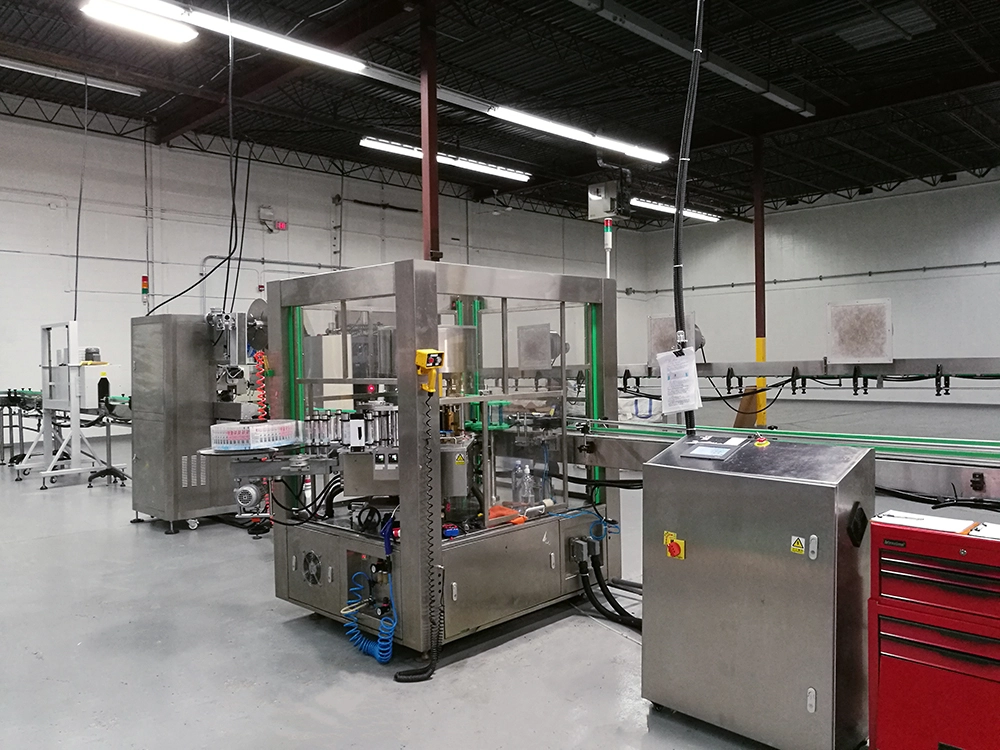
The Jndwater opp hot melt labeling machine is designed to label round containers with OPP labels. The production capacity is as high as 200-3000 bpm. Hot melt adhesive labeling machines are widely used, including food, beverages, coatings and chemicals, personal care, wine and other applications.
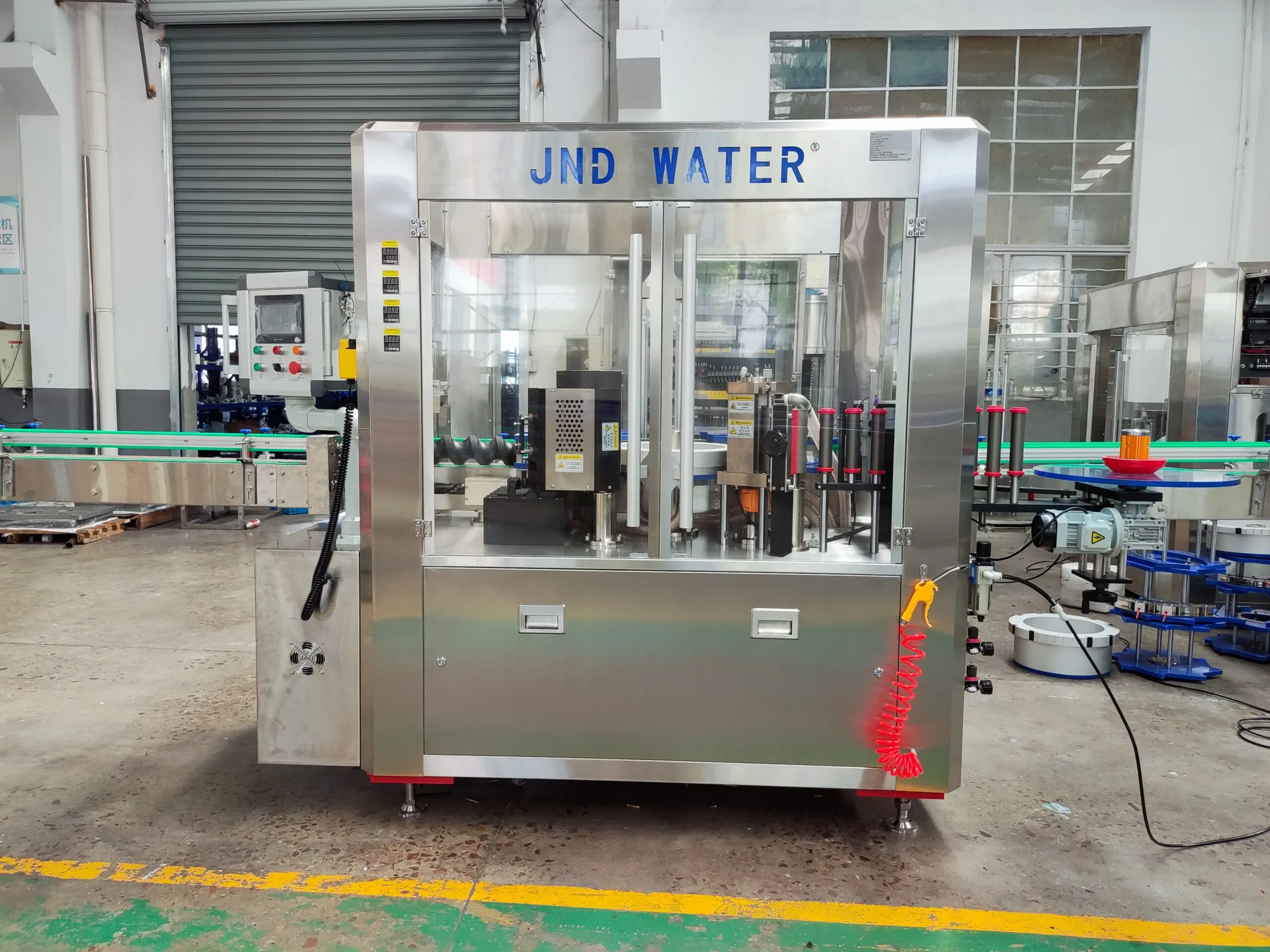
Jndwater hot melt glue labeling machine series equipment is one of the wide ways to apply sleeves to containers. It can affix labels with hot/cold glue exactly, whether on glass, plastic, metal containers or round containers. it can cut the labels and apply them to the container auto .it is capable of handling a wide range of film labels and label papers.This machines applys to sigle side,double and facade labeling of kinds of quadrate & flat bottles in pharmacy,food beverages,liquor,daily chemical industry etc
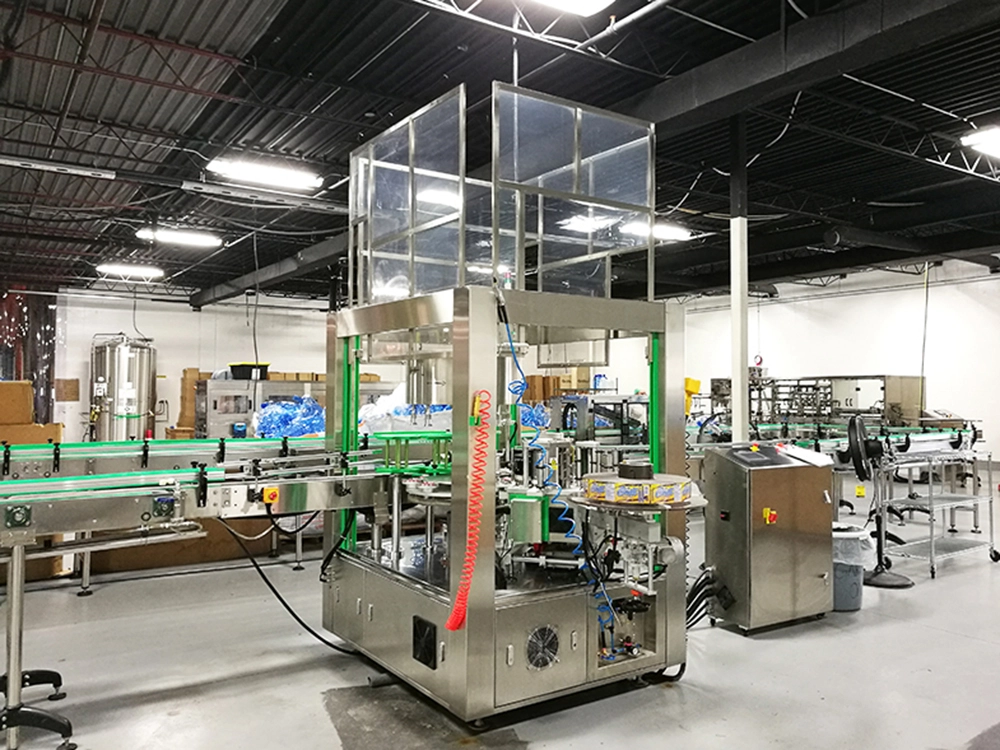
Jndwater hot melt labeling machine is suitable for hot melt adhesive labeling of various bottles in the food, beverage, daily chemical, pharmaceutical and other industries
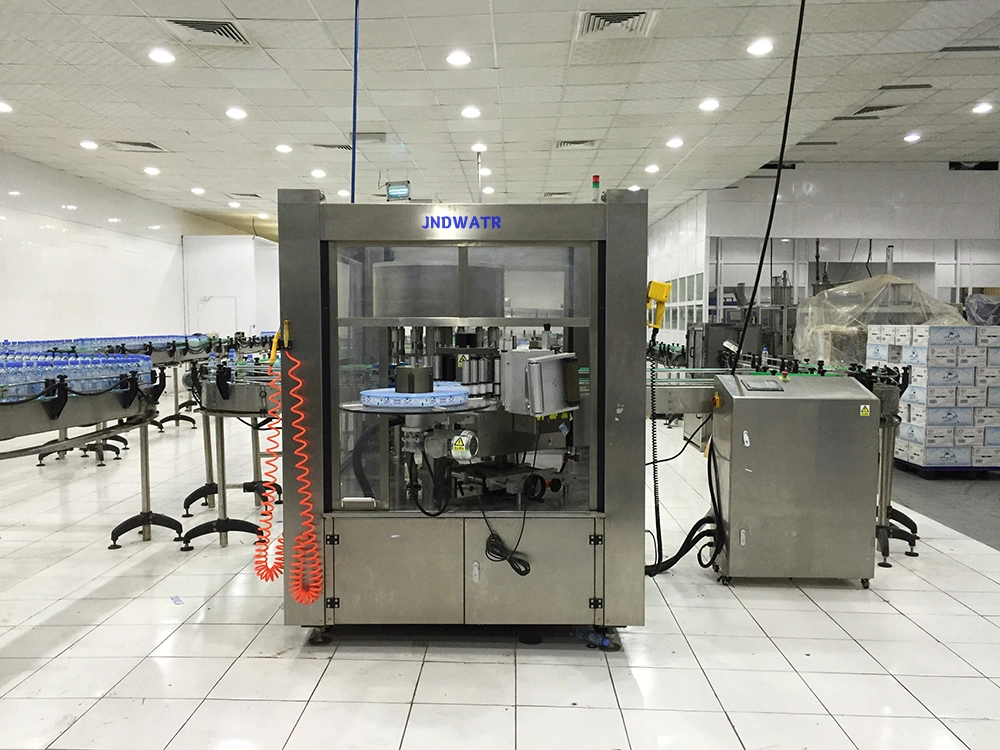
Jndwater hot glue labeling machine is suitable for round bottles, square bottles, etc. It has the advantages of high design precision, rotary design, compact structure, good stability of high-speed operation, low glue consumption, low operating cost of bottles and trademarks, etc. It is widely used in food, beverage, medicine and other industries
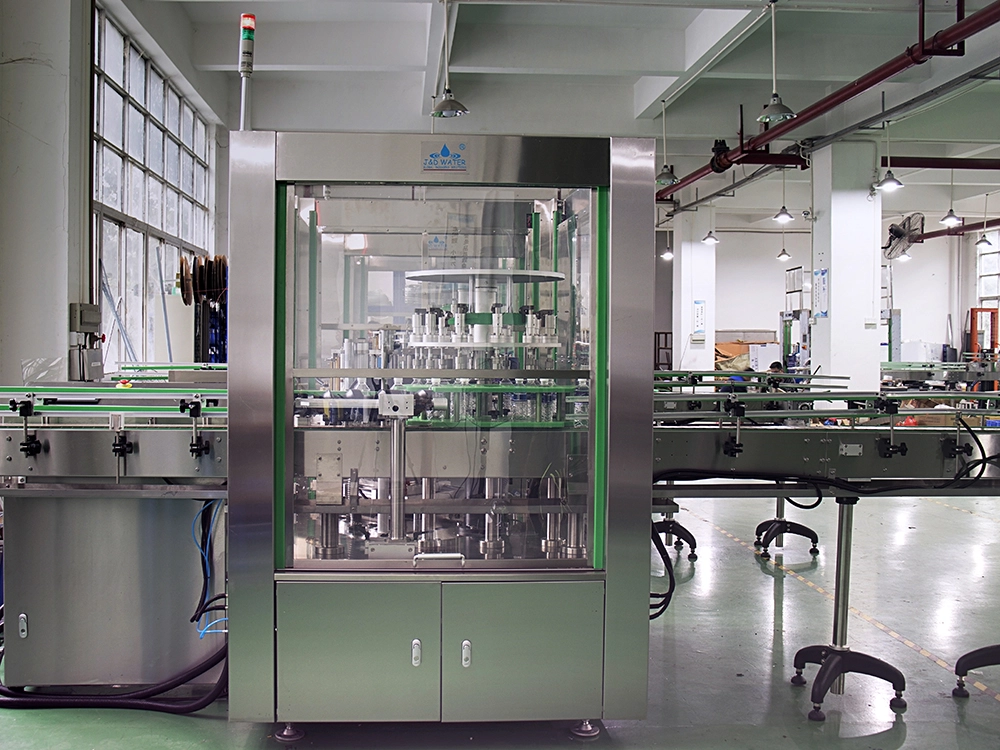
The Jndwater opp labeling machine is designed to label round containers with OPP labels. The production capacity is as high as 200-3000 bpm. Hot melt adhesive labeling machines are widely used, including food, beverages, coatings and chemicals, personal care, wine and other applications.