
Products List
Seawater Desalination
The Desalination Machine offers an integrated seawater treatment and purification solution, optimized for converting seawater or brackish water into high-quality drinking or industrial water. Employing advanced reverse-osmosis (RO) pretreatment technology—including multimedia filtration, precision filters, and high-pressure RO membranes—it achieves a desalination rate of up to 99.7%, ensuring exceptional water purity.
Built for demanding environments such as coastal cities, offshore vessels, isolated islands, and water-scarce industrial zones, this system is equipped with online water quality monitoring, automatic cleaning, and energy recovery optimization. Constructed with durable materials like 316L stainless steel and titanium alloy, it withstands marine conditions while maintaining long-term operation reliability.
With a flexible capacity range—from 1,000 up to 100,000 liters per hour—it caters to various scales of deployment. Intelligent control via PLC-enabled automation supports remote operation, fault diagnostics, and safe operation through features like high-pressure unload and low-pressure shutdown protections.
This robust desalination solution is ideal for any application requiring seamless seawater-to-freshwater conversion, offering efficiency, resilience, and precise performance in one integrated package.
Advanced Reverse Osmosis Technology
Reverse osmosis (RO) is at the heart of JND Water's seawater desalination solutions. But what exactly is it, and why is it so effective? RO is a pressure-driven membrane separation process that forces seawater through a semi-permeable membrane, effectively filtering out salts, minerals, and other impurities. Imagine a super-fine sieve that only allows water molecules to pass through, leaving everything else behind. This process results in high-purity water suitable for drinking, industrial use, or irrigation.
Our advanced RO systems incorporate several key features that optimize performance and reliability. First, we utilize high-rejection membranes made from advanced materials that maximize salt removal while maintaining high water flux. This means we can produce more clean water with less membrane area, reducing the overall footprint and cost of the system. Second, our systems are designed with energy recovery devices that capture and reuse the energy from the high-pressure brine stream, significantly reducing energy consumption. This not only lowers operating costs but also minimizes the environmental impact of the desalination process.
To further illustrate the technology, consider a high-resolution technical diagram showcasing the flow of seawater through the RO system. The diagram would clearly depict the pre-treatment stage, where suspended solids and organic matter are removed to protect the RO membranes. It would then show the high-pressure pump forcing the pre-treated seawater through the RO membranes, separating the permeate (clean water) from the concentrate (brine). Finally, the diagram would illustrate the post-treatment stage, where the permeate is stabilized and disinfected before distribution. Complementing the diagram, we can include on-site operation pictures, providing a real-world view of our desalination plants in action. These visuals would showcase the robust construction, modular design, and automated control systems that characterize JND Water's solutions.
To deepen your understanding, we offer an operation demonstration video with expert commentary. This video walks you through the entire desalination process, highlighting the key components and control parameters. Our experts explain the importance of pre-treatment, the role of membrane cleaning, and the optimization of operating pressures and flow rates. Furthermore, we delve into the performance of RO technology in diverse application environments. For example, we discuss how our systems are tailored to handle varying seawater salinities, temperatures, and levels of organic contamination. We also explore the use of RO in hybrid desalination plants, where it is combined with other technologies such as multi-effect distillation (MED) or multi-stage flash distillation (MSF) to further enhance efficiency and reduce costs. This comprehensive approach ensures that you have a thorough understanding of the power and versatility of JND Water's advanced reverse osmosis technology.
Energy Efficiency and Sustainability
Energy consumption is a major concern in seawater desalination. That's why JND Water places a strong emphasis on energy efficiency and sustainability in the design and operation of our desalination plants. We understand that reducing energy consumption not only lowers operating costs but also minimizes the environmental impact of desalination.
Our commitment to energy efficiency is reflected in several key design features. As mentioned earlier, we utilize energy recovery devices (ERDs) that capture and reuse the energy from the high-pressure brine stream. These ERDs can reduce energy consumption by up to 60% compared to conventional desalination systems. We also optimize the design of our pumps, motors, and other equipment to minimize energy losses. Furthermore, we employ advanced control systems that monitor and adjust operating parameters in real-time to ensure optimal energy efficiency.
Beyond energy efficiency, we are also committed to sustainability. We recognize that desalination can have environmental impacts, such as the discharge of concentrated brine back into the ocean. To mitigate these impacts, we employ a variety of strategies, including optimizing the location and design of our outfall structures to minimize the impact on marine ecosystems. We also explore alternative brine disposal methods, such as using the brine for aquaculture or mineral extraction. To demonstrate our commitment to sustainability, we can provide concrete data and case studies showcasing the energy savings and environmental benefits of our desalination plants. For example, we can present data on the specific energy consumption (SEC) of our plants, measured in kilowatt-hours per cubic meter of water produced. We can also provide data on the reduction in greenhouse gas emissions achieved through our energy-efficient designs. Furthermore, we can showcase case studies of our plants that have implemented innovative brine disposal strategies, such as using the brine to create salt for industrial use.
To further enhance credibility, we can include user testimonials and third-party evaluation reports. These testimonials would highlight the positive experiences of our clients with our desalination plants, focusing on the energy savings, reliability, and environmental performance of our systems. Third-party evaluation reports would provide independent verification of our claims, based on rigorous testing and analysis. These testimonials and reports would provide valuable evidence of our commitment to energy efficiency and sustainability, helping to build trust and confidence in our solutions. We strive to minimize our environmental footprint while providing reliable and affordable access to clean water.
Scalability and Customization Options
Every water need is different, and JND Water understands that. That's why we offer a wide range of scalability and customization options to meet the specific requirements of our clients. Whether you need a small, containerized desalination unit for a remote community or a large-scale plant for a major city, we have a solution that can be tailored to your needs.
Our desalination systems are designed with modularity in mind. This means that they can be easily scaled up or down to meet changing water demands. For example, a small community might start with a single module and then add additional modules as their population grows. A large city might start with a multi-module plant and then expand it over time to keep pace with increasing water consumption. This modular approach provides flexibility and cost-effectiveness, allowing our clients to invest in the right amount of capacity at the right time.
In addition to scalability, we also offer a wide range of customization options. We can tailor our systems to handle different seawater salinities, temperatures, and levels of organic contamination. We can also customize the pre-treatment and post-treatment processes to meet specific water quality requirements. Furthermore, we can integrate our desalination systems with renewable energy sources, such as solar or wind power, to further reduce energy consumption and environmental impact. To illustrate the range of customization options available, we can provide detailed product specification tables. These tables would list the various options for membrane type, pump size, energy recovery device, pre-treatment system, and post-treatment system. They would also include data on the performance of each option, such as water production capacity, energy consumption, and water quality. In addition, we can showcase real-world examples of our systems in different application scenarios. For example, we can highlight a small, containerized desalination unit that is providing clean water to a remote island community. We can also showcase a large-scale plant that is supplying water to a major city. These examples would demonstrate the versatility and adaptability of JND Water's desalination solutions.
We can provide detailed product specification tables. These tables would list the various options for membrane type, pump size, energy recovery device, pre-treatment system, and post-treatment system. They would also include data on the performance of each option, such as water production capacity, energy consumption, and water quality. In addition, we can showcase real-world examples of our systems in different application scenarios. For example, we can highlight a small, containerized desalination unit that is providing clean water to a remote island community. We can also showcase a large-scale plant that is supplying water to a major city. These examples would demonstrate the versatility and adaptability of JND Water's desalination solutions. Our goal is to provide our clients with the perfect desalination solution for their unique needs.
Client Testimonials and Case Studies
Nothing speaks louder than the success stories of our clients. At JND Water, we are proud to have helped numerous organizations around the world secure reliable and sustainable water sources through our seawater desalination solutions. To showcase the impact of our work, we have compiled a collection of client testimonials and case studies that highlight the benefits of our technology.
These testimonials and case studies cover a wide range of clients, from government agencies to private enterprises. For example, we can feature a case study of a coastal municipality that was struggling with water scarcity. By implementing a JND Water desalination plant, the municipality was able to secure a reliable source of drinking water for its residents, improving public health and supporting economic development. We can also showcase a case study of a resort that was looking to reduce its reliance on freshwater sources. By installing a JND Water desalination system, the resort was able to provide its guests with high-quality water for drinking, bathing, and irrigation, while also reducing its environmental footprint.
To ensure a diverse and representative sample, our case studies cover different geographical locations and industry backgrounds. We can feature a case study of a desalination plant in the Middle East that is providing water for agricultural irrigation. We can also showcase a case study of a desalination plant in the Caribbean that is providing water for industrial processes. These diverse examples demonstrate the versatility of JND Water's desalination solutions and their applicability to a wide range of needs. To further enhance the impact of our case studies, we can use multimedia formats, such as videos and charts. Videos can showcase the desalination plants in operation, highlighting the key features and benefits of our technology. Charts can present data on the water production capacity, energy consumption, and water quality of our plants. These multimedia elements can help to bring our case studies to life and make them more engaging for our audience.
For instance, a video testimonial from a government official could emphasize the positive impact of our desalination plant on the local community. They might discuss how the plant has improved public health, supported economic growth, and enhanced the overall quality of life. A chart could then illustrate the specific improvements in water availability and water quality that have been achieved since the plant was commissioned. By combining testimonials, case studies, and multimedia elements, we can effectively communicate the value of JND Water's desalination solutions and build trust with potential clients.
Comparative Analysis with Competitors
In the competitive landscape of seawater desalination, it's crucial to understand how JND Water stands out from the competition. We believe that our advanced technology, energy efficiency, customization options, and commitment to sustainability make us a leader in the industry. To provide a clear and objective comparison, we have conducted a detailed competitive analysis that examines the features, pricing, and performance of our systems compared to those of our competitors.
This analysis covers a range of key factors, including membrane technology, energy recovery devices, pre-treatment systems, post-treatment systems, and control systems. For each factor, we compare the features and performance of our systems to those of our competitors, highlighting the advantages of JND Water's solutions. For example, we can compare the salt rejection rates of our membranes to those of our competitors, demonstrating that our membranes provide superior water quality. We can also compare the energy consumption of our systems to those of our competitors, showing that our energy recovery devices significantly reduce operating costs.
To ensure a fair and unbiased comparison, we rely on publicly available data and independent testing results. We also consult with industry experts and conduct our own internal testing to verify the accuracy of our findings. The analysis includes professional reviews and evaluation data, along with comparative graphs and charts. For example, a chart could compare the capital costs of JND Water's desalination plants to those of our competitors. Another chart could compare the operating costs of our plants to those of our competitors. These charts would provide a visual representation of the cost advantages of JND Water's solutions.
We can also include expert commentary from industry analysts and consultants, providing independent verification of our claims. These experts can provide insights into the strengths and weaknesses of different desalination technologies and highlight the factors that differentiate JND Water from the competition. By providing a detailed and objective competitive analysis, we aim to empower our clients to make informed decisions about their water treatment needs. We believe that our superior technology, energy efficiency, and customization options make JND Water the clear choice for seawater desalination.
Installation and Maintenance Instructions
Investing in a seawater desalination system is a significant decision, and we want to ensure that our clients have all the information they need to install and maintain their systems properly. That's why we provide detailed installation instructions and maintenance guidelines, designed to help you keep your system running smoothly and efficiently for years to come.
Our installation instructions cover every step of the process, from site preparation to system startup. We provide clear and concise instructions, along with detailed diagrams and illustrations, to guide you through each stage of the installation. Our instructions also include information on safety precautions, equipment requirements, and troubleshooting tips. To further assist you, we offer video tutorials that demonstrate the installation process in detail. These videos provide a visual guide to the installation, making it easier to understand and follow the instructions. Our videos cover everything from unpacking the equipment to connecting the plumbing and electrical systems.
In addition to installation instructions, we also provide comprehensive maintenance guidelines. These guidelines cover routine maintenance tasks, such as membrane cleaning, filter replacement, and pump lubrication. They also include information on troubleshooting common problems and performing more complex repairs. To make maintenance easier, we provide a checklist of routine maintenance tasks, along with a schedule for performing each task. We also offer a range of maintenance products, such as membrane cleaning chemicals and filter cartridges, to help you keep your system in top condition. We offer a comprehensive FAQ section addressing common questions and concerns. This section covers topics such as water quality, system performance, and troubleshooting. We also provide contact information for our technical support team, who are available to answer your questions and provide assistance with any issues you may encounter.
Our goal is to provide you with the support you need to keep your desalination system running smoothly and efficiently. We are committed to providing high-quality products and services, and we stand behind our systems with a comprehensive warranty. With our detailed installation instructions and maintenance guidelines, you can be confident that your desalination system will provide you with reliable and sustainable water for years to come.
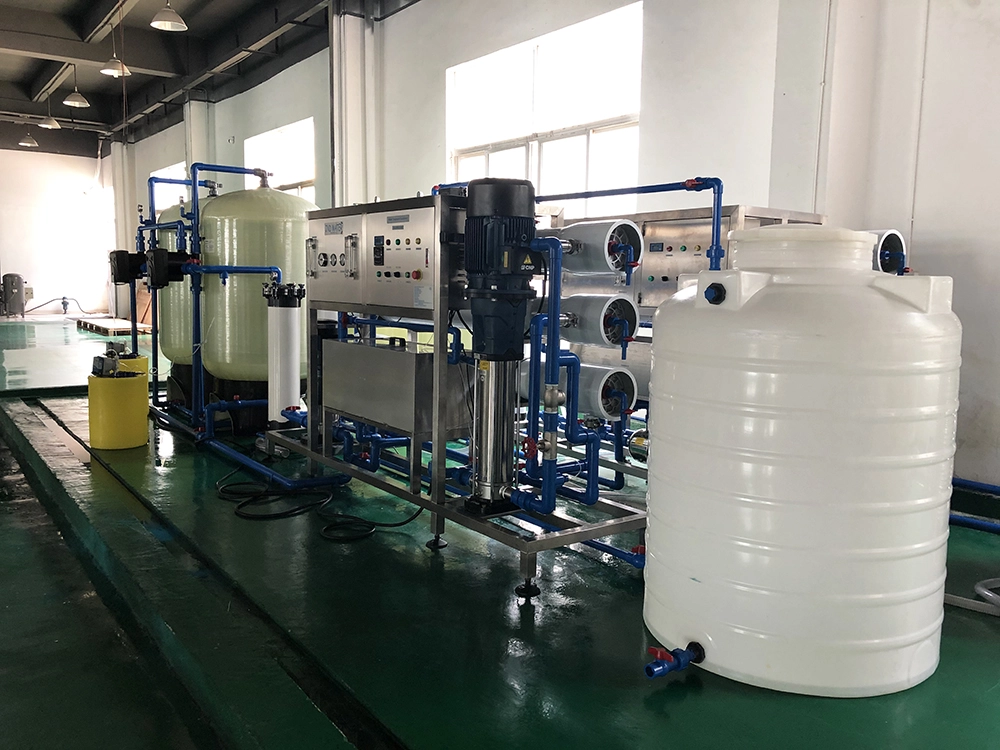
Jndwater seawater desalination machine employs advanced reverse osmosis (RO) membrane separation technology, specifically designed for treating highly saline seawater (TDS 30,000–45,000 mg/L), and can convert seawater into freshwater that meets drinking water standards
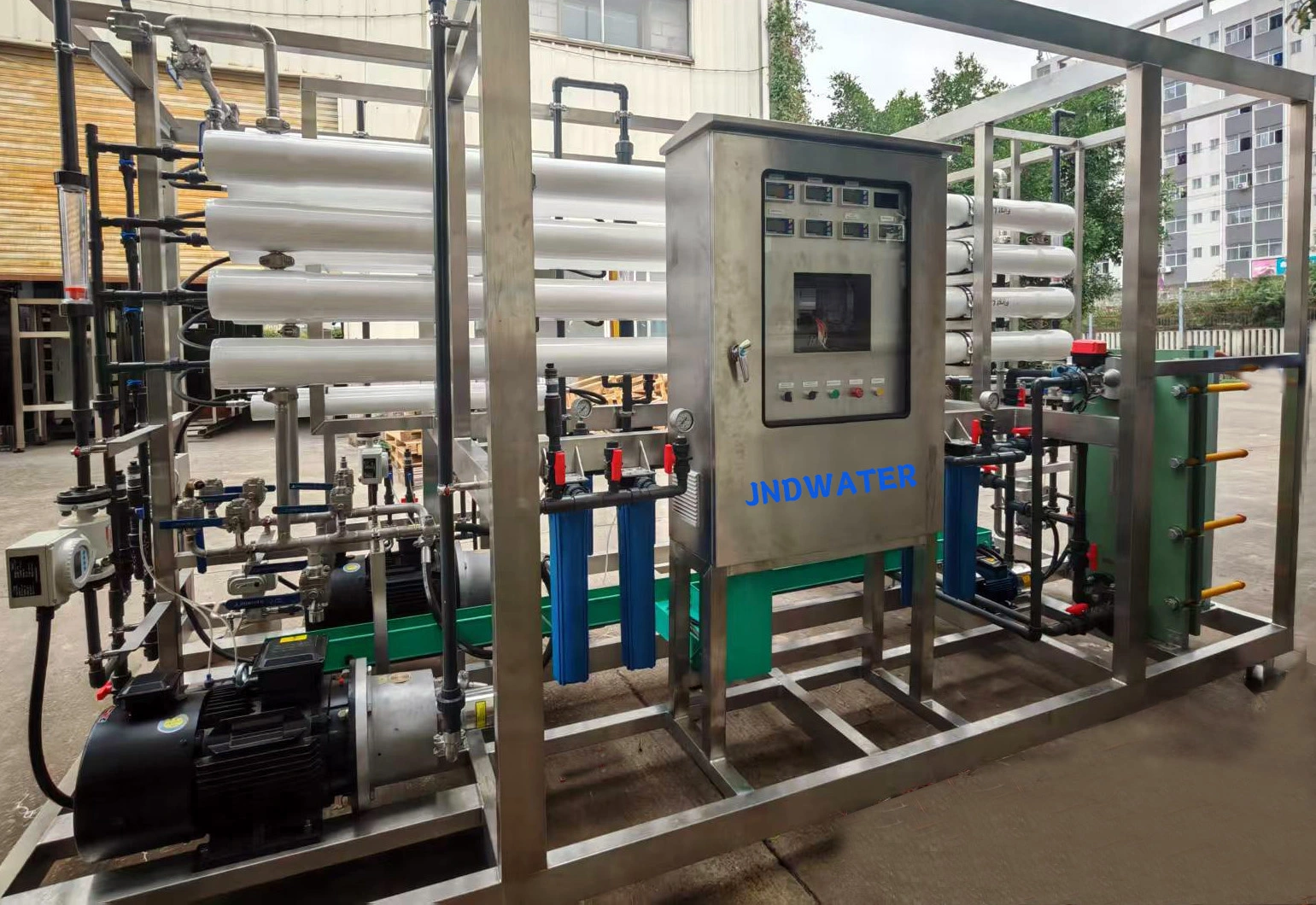
The Jndwater desalination machine is the use of seawater desalination to produce fresh water. salt water desalination machine plays a great role in the development of islands and the use of water for ships.
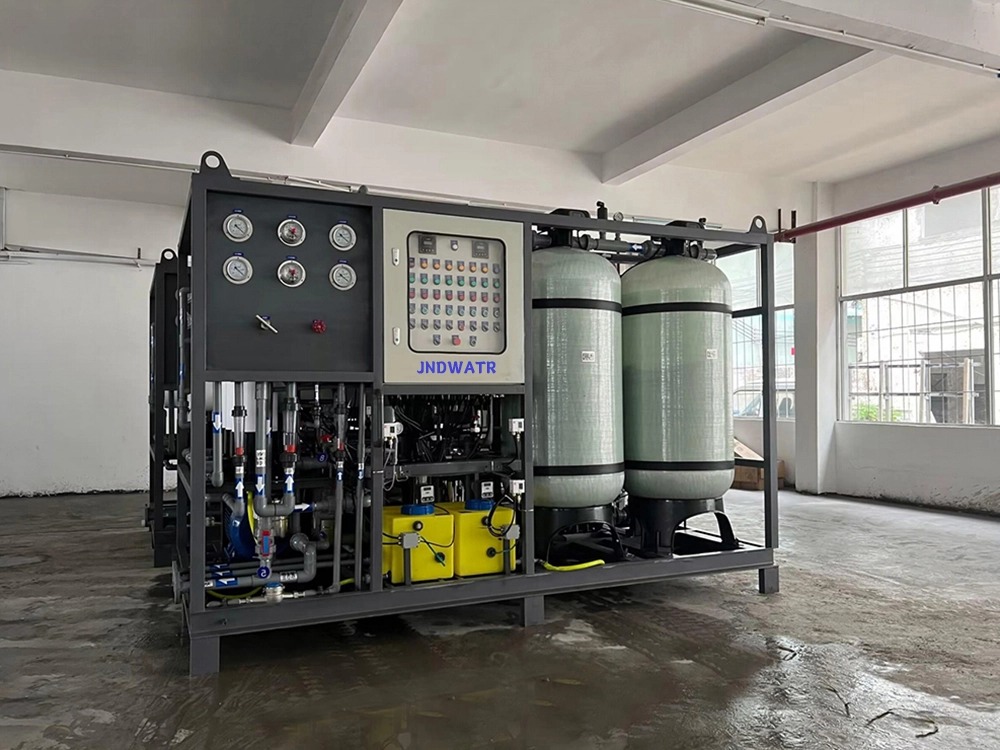
Jndwater seawater desalination equipment is an integrated seawater desalination system developed based on reverse osmosis (RO) pretreatment technology, which is used to convert seawater or brackish water into drinking water/industrial water. It is suitable for coastal areas, ocean-going ships, isolated islands and water-deficient industrial areas.
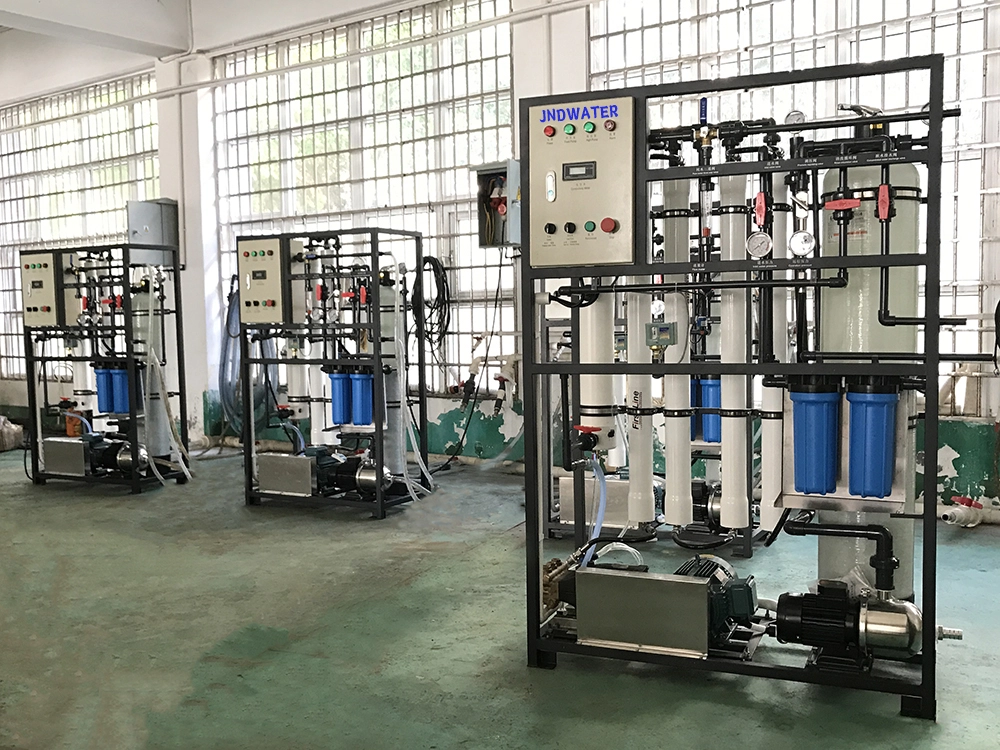
Jndwater desalination equipment is a system that converts seawater into fresh water, seawater desalination system mainly used to solve the problem of water shortage. The equipment adopts reverse osmosis (RO) technology to effectively remove impurities such as salt in seawater. Seawater desalination equipment is widely used in islands, coastal cities, ships and other places.