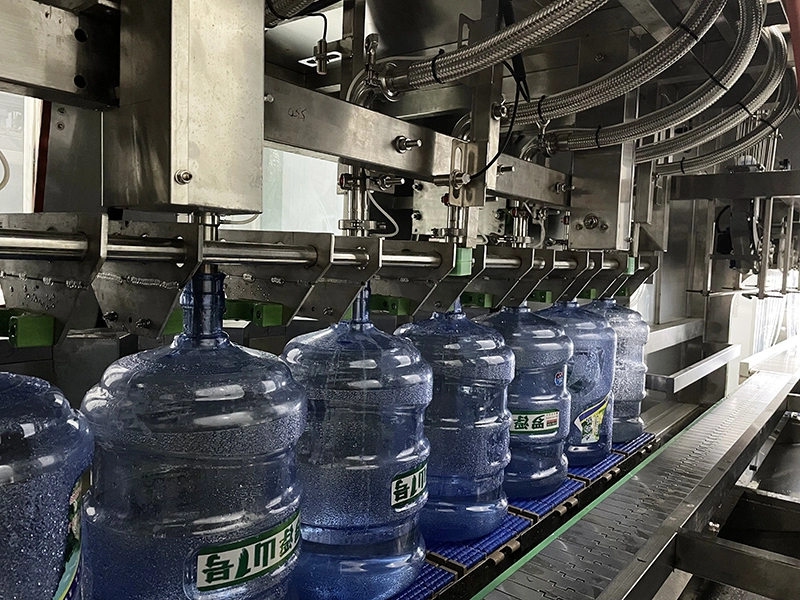
Introduction to 5 Gallon Bottling Machines
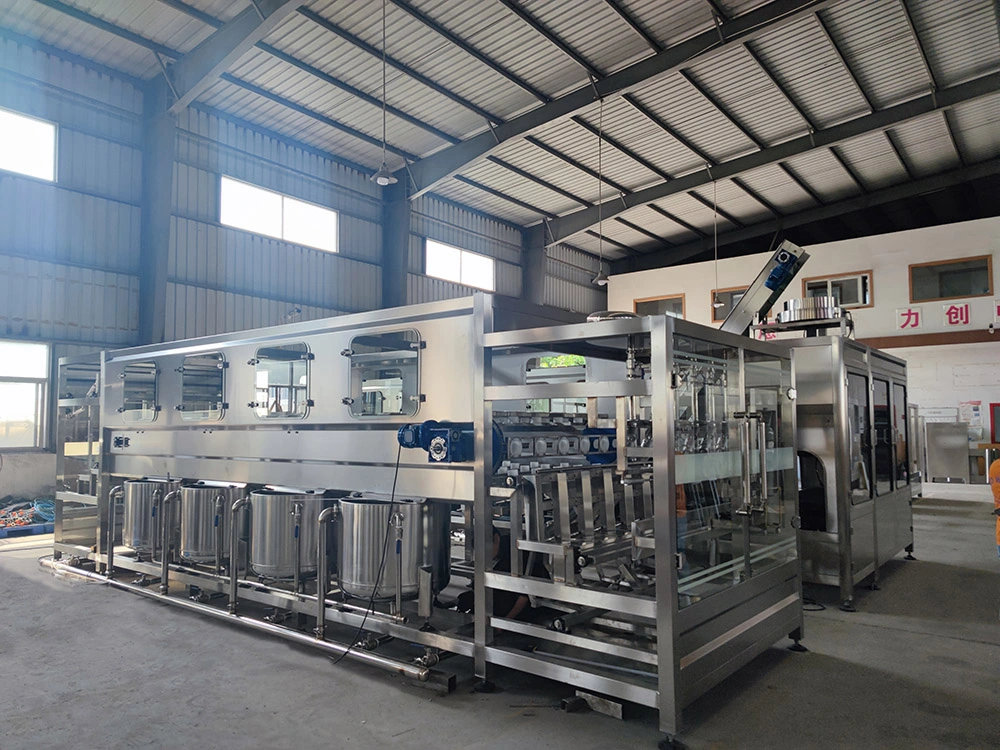
What is a 5 gallon water bottling machine? It's a sophisticated piece of equipment designed to automate the process of filling, capping, and packaging 5-gallon water bottles. These machines are essential for businesses involved in the production and distribution of bottled water, ensuring efficiency, consistency, and hygiene throughout the bottling process. They range from semi-automatic models, suitable for smaller operations, to fully automated high-speed lines capable of producing thousands of bottles per hour.
Common uses for 5 gallon water bottling machines extend across various sectors. They are primarily employed by water production companies, both large and small, that supply bottled water to homes, offices, and retail outlets. Beyond commercial water bottling, these machines are also utilized in beverage production facilities that offer large-format water options, and even in some industrial settings where purified water is required in bulk. The adaptability of these machines makes them a valuable asset in any operation dealing with significant volumes of water.
The advantages of using a 5 gallon water bottling machine are numerous. Firstly, automation significantly increases production speed and reduces labor costs. Manual filling and capping are time-consuming and prone to inconsistencies, whereas a machine can perform these tasks quickly and accurately. Secondly, these machines ensure a high level of hygiene. Modern bottling machines incorporate features like UV sterilization, filtration systems, and enclosed filling stations to minimize contamination risks, which is crucial for maintaining water quality and safety. Thirdly, the consistency of fill levels and capping ensures a professional product presentation, enhancing brand reputation and customer satisfaction. Finally, these machines are designed for durability and reliability, offering a long-term solution for water bottling needs.
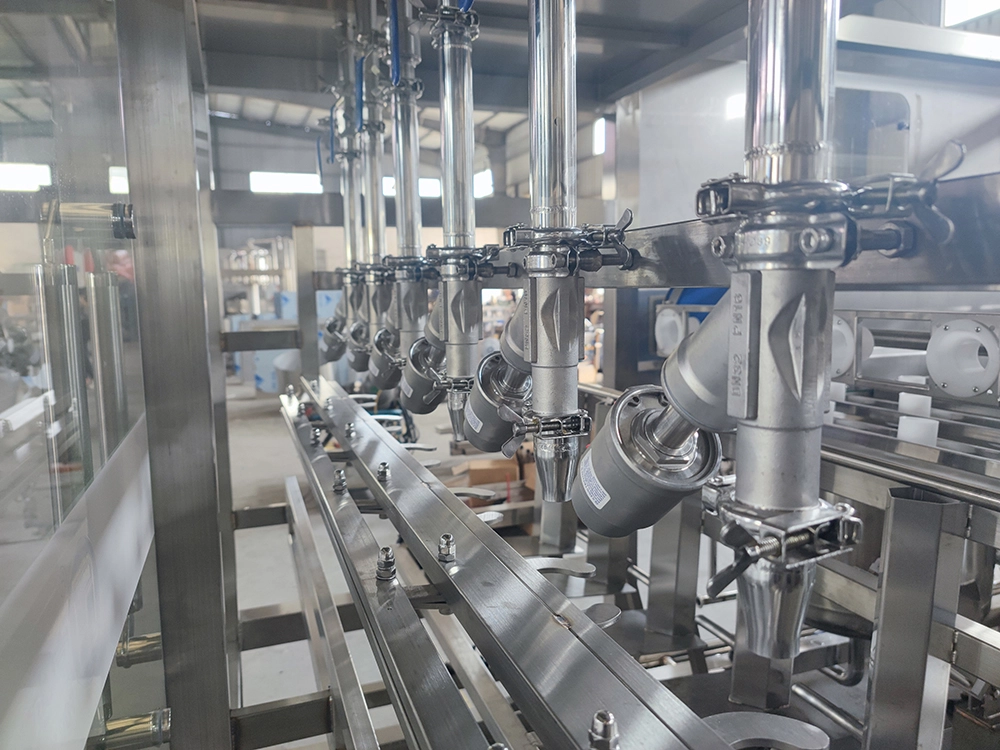
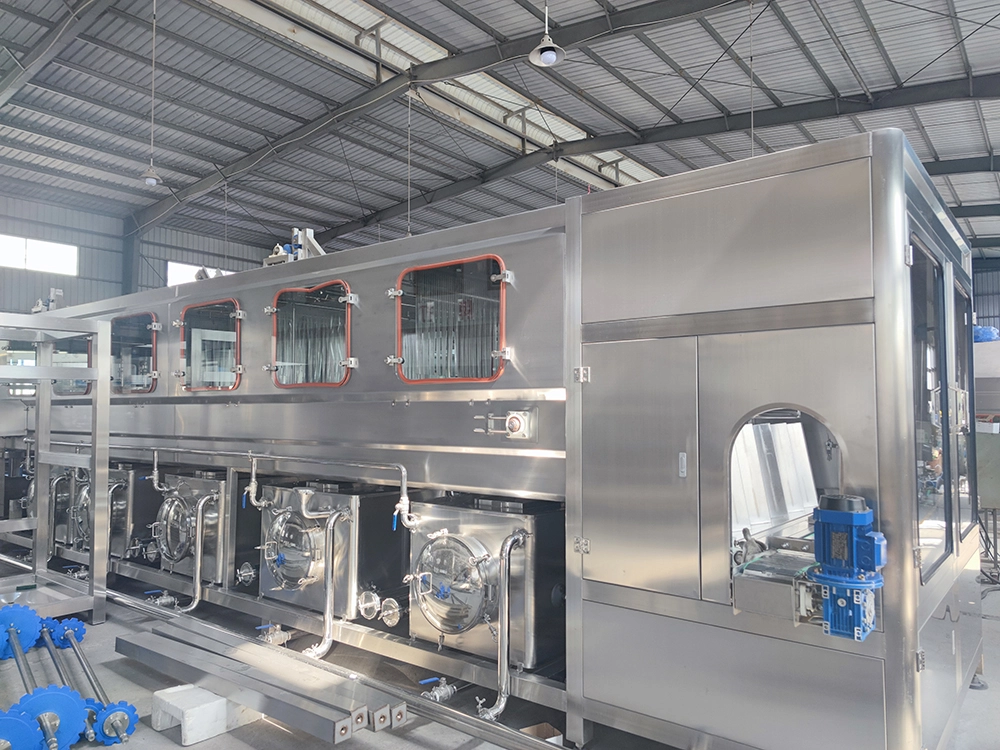
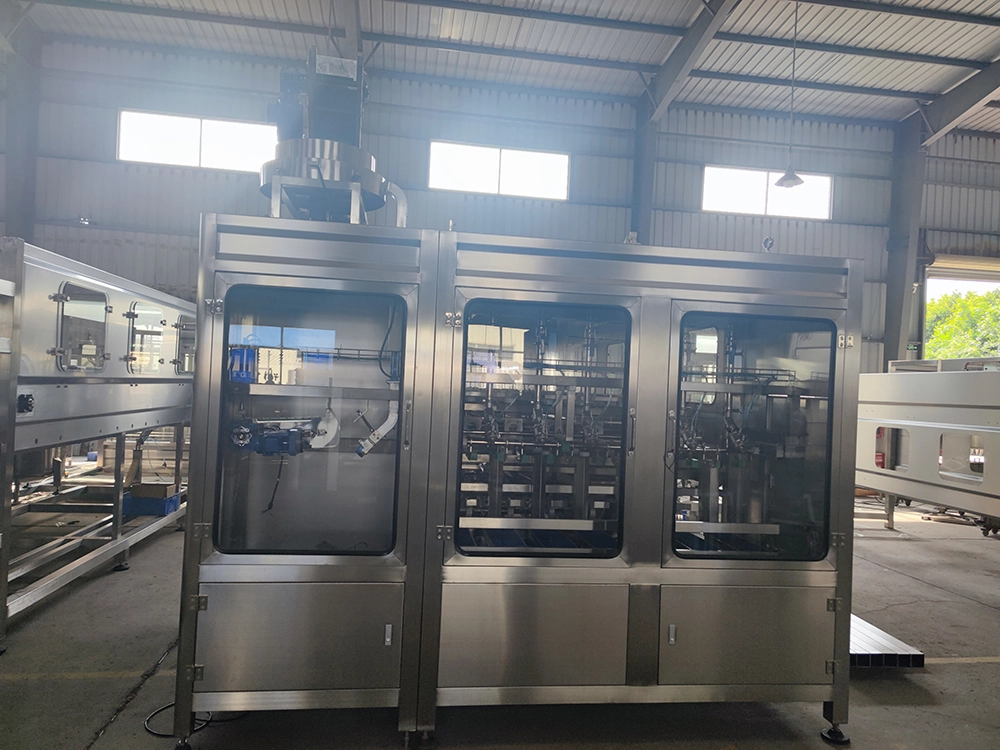
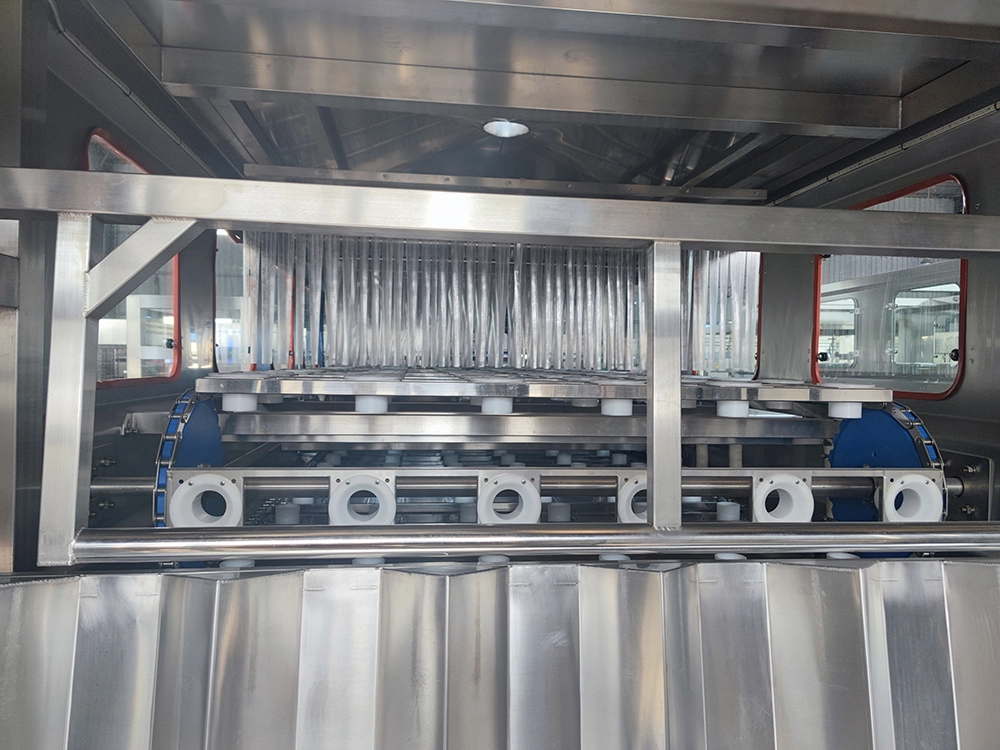
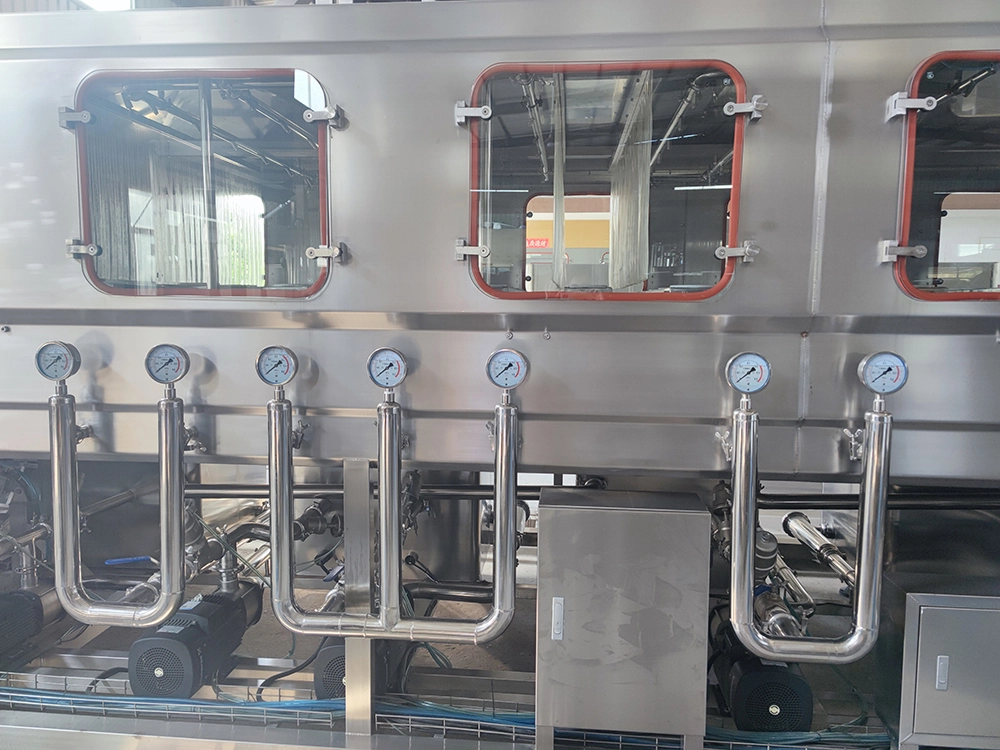
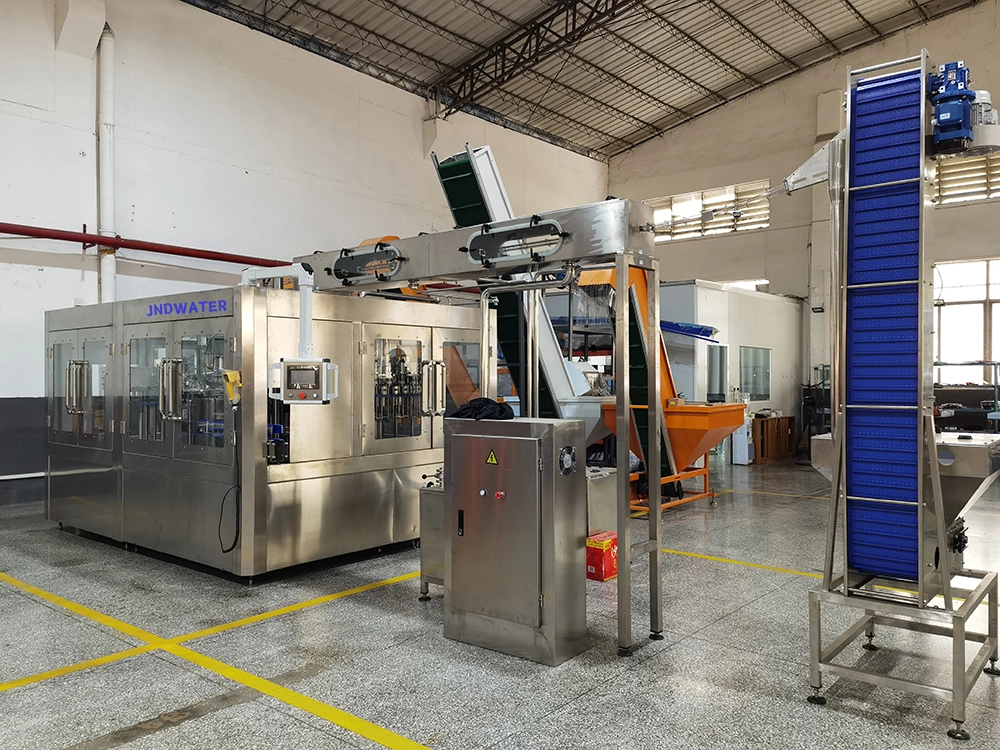
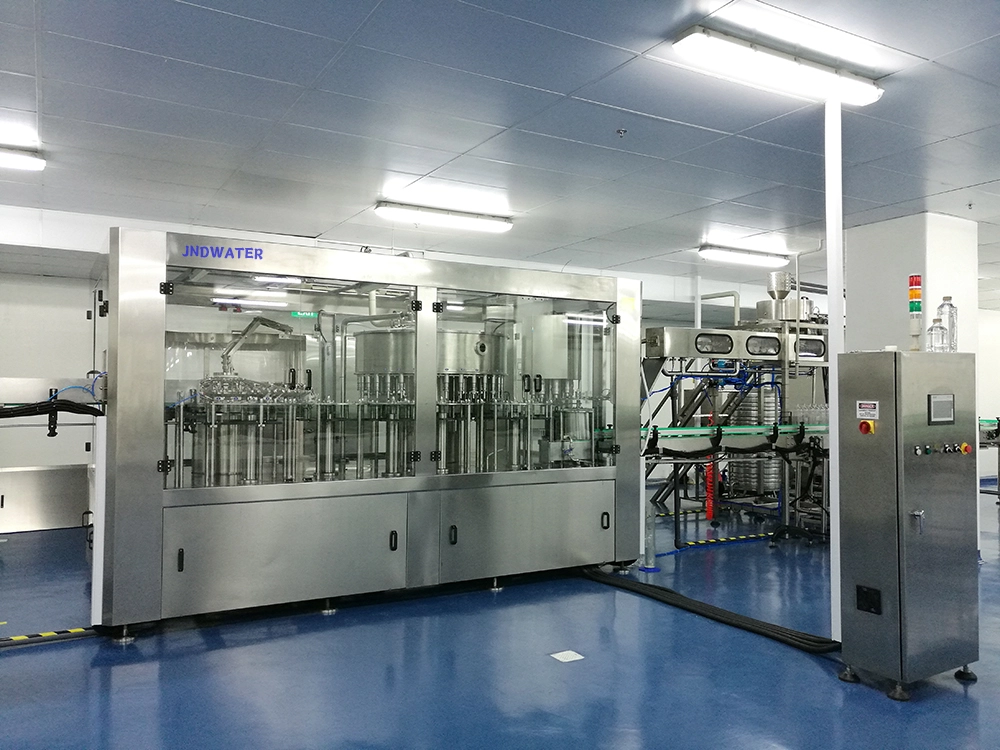
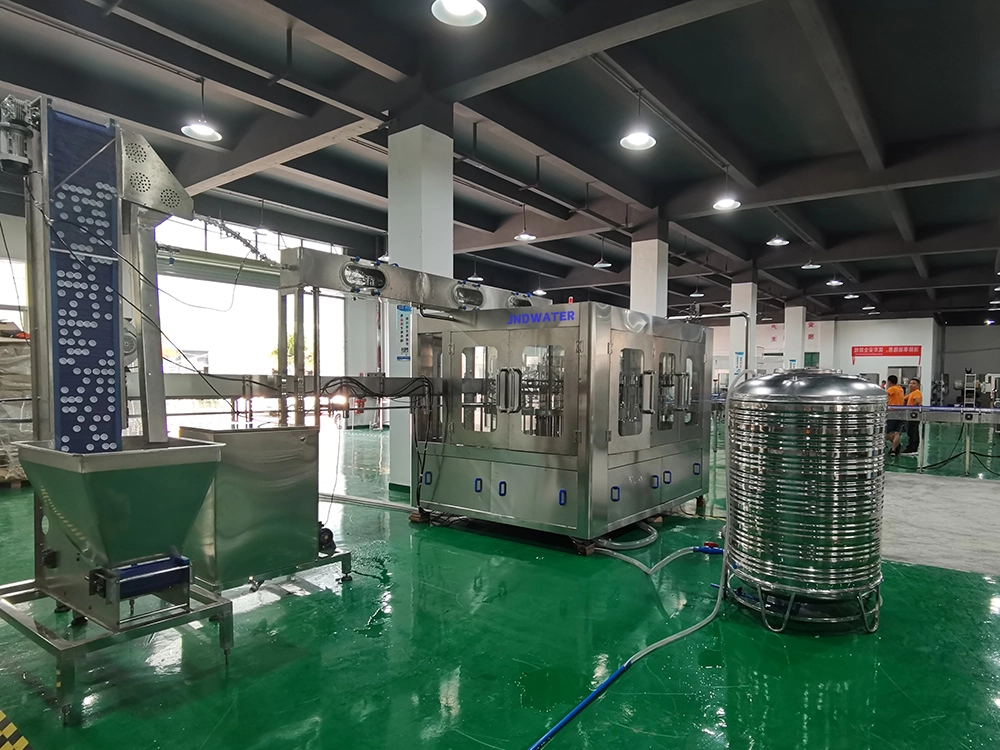
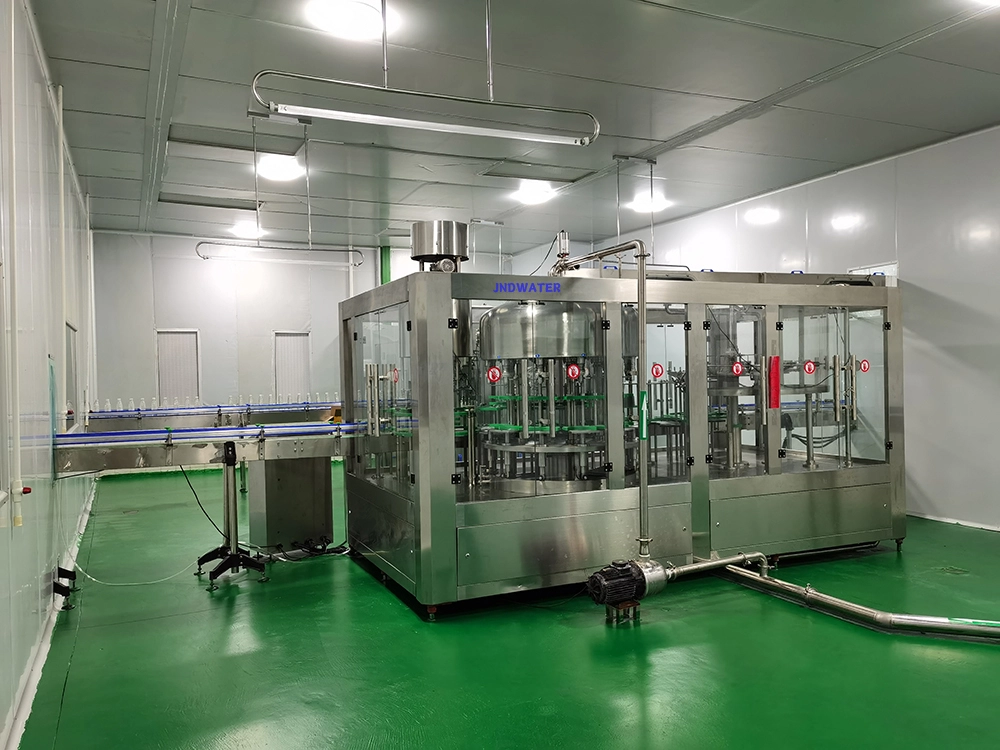
A high-level overview of the main components and functions of a typical 5 gallon water bottling machine includes several key stages. The process typically begins with a bottle washing and sterilization unit, which thoroughly cleans and sanitizes empty bottles to remove any contaminants. Next, the bottles are conveyed to the filling station, where precise amounts of water are dispensed into each bottle. After filling, the bottles move to the capping station, where caps are automatically applied and sealed to prevent leaks and maintain water purity. Some machines also include labeling and date coding systems to add product information. Finally, the filled and capped bottles are discharged for packaging and distribution. Each component plays a critical role in ensuring the efficient and hygienic production of 5-gallon water bottles.
Detailed Specifications and Features
Expanding on the technical specifications of a 5 gallon water bottling machine, it's crucial to consider several key attributes that define its performance and capabilities. These specifications often include the filling capacity, which is typically measured in bottles per hour (BPH) and can range from a few hundred to several thousand depending on the machine's automation level and design. The filling accuracy, usually expressed as a percentage deviation, ensures that each bottle receives a consistent volume of water, minimizing waste and maintaining product quality. The machine's power consumption, measured in kilowatts (kW), is an important factor for operational costs, and energy-efficient models are highly desirable. Materials of construction, such as stainless steel, are critical for hygiene and durability, especially in contact with potable water.
A closer look at each featured attribute reveals further nuances. For instance, the filling system might employ different technologies like gravity filling, pressure filling, or volumetric filling, each offering varying levels of accuracy and speed. The capping mechanism can also differ, with options like snap-on caps, screw caps, or heat-sealed caps, depending on the bottle and cap design. Control systems, ranging from simple electromechanical controls to advanced programmable logic controllers (PLCs) with touch screen interfaces, allow operators to monitor and adjust the machine's parameters. Cleaning-in-place (CIP) systems are often integrated to automate the cleaning and sanitization process, reducing downtime and ensuring hygiene. Furthermore, safety features like emergency stop buttons, safety interlocks, and overload protection are essential for operator safety and machine longevity.
Comparing these specifications to standard industry benchmarks helps potential buyers assess the machine's suitability for their specific needs. For example, a high-speed bottling line in a large production facility would require a machine with a significantly higher BPH rating and more advanced control systems compared to a smaller operation. Similarly, the filling accuracy and hygiene standards might be more stringent for bottled water intended for human consumption compared to industrial applications. Industry standards, such as those set by the International Bottled Water Association (IBWA) and the National Sanitation Foundation (NSF), often provide guidelines for water quality and bottling practices. Therefore, it's essential to compare the machine's specifications against these benchmarks to ensure compliance and optimal performance.
To facilitate easy comparison, tables or charts can be used to present the specifications of different 5 gallon water bottling machines side-by-side. These tables should include key parameters like filling capacity, filling accuracy, power consumption, materials of construction, control systems, and safety features. Additional columns can be added to compare optional features, such as labeling systems, date coding, and CIP systems. By organizing the information in a clear and concise manner, potential buyers can quickly identify the machines that best meet their requirements and budget. Furthermore, the tables can include links to detailed product brochures or datasheets for further information. This structured approach not only simplifies the decision-making process but also enhances transparency and builds trust with potential customers.
Advantages of Using JNDWATER Machines
What makes JNDWATER's 5 gallon water bottling machines stand out? The unique selling points (USPs) of JNDWATER machines revolve around their superior durability, exceptional precision, and unwavering compliance with international standards. Durability is engineered into every machine, starting with the selection of high-grade stainless steel for all critical components. This ensures resistance to corrosion, wear, and tear, even under continuous operation in demanding environments. Precision is achieved through advanced engineering and meticulous calibration of filling and capping mechanisms, guaranteeing consistent fill levels and secure seals. Compliance with international standards, such as NSF and CE, is a top priority, ensuring that JNDWATER machines meet the stringent requirements for water quality, hygiene, and safety.
The benefits of these USPs translate directly into tangible advantages for users. Enhanced durability means lower maintenance costs and reduced downtime, leading to higher productivity and profitability. Precise filling and capping minimize waste and ensure product integrity, enhancing brand reputation and customer satisfaction. Compliance with international standards provides peace of mind and facilitates market access, allowing businesses to sell their products globally. Furthermore, JNDWATER machines are designed for ease of operation and maintenance, with intuitive controls and readily available spare parts, minimizing the learning curve and reducing the total cost of ownership. In essence, JNDWATER machines offer a compelling combination of performance, reliability, and value.
To illustrate the performance improvements achieved by using JNDWATER machines, testimonials, case studies, and before-and-after scenarios can be highly effective. Testimonials from satisfied customers can provide firsthand accounts of the benefits they have experienced, such as increased production speed, reduced labor costs, and improved water quality. Case studies can delve deeper into specific examples, showcasing how JNDWATER machines have helped businesses overcome challenges and achieve their goals. Before-and-after scenarios can visually demonstrate the improvements in production efficiency, product quality, and operational costs. For instance, a case study might compare the performance of a traditional manual bottling line with that of a JNDWATER automated line, highlighting the significant increase in BPH and the reduction in labor costs. Similarly, a testimonial might describe how a JNDWATER machine helped a business achieve NSF certification and expand its market reach. By presenting concrete evidence of the benefits of using JNDWATER machines, potential buyers can make informed decisions and feel confident in their investment.
Application Scenarios
Where are 5 gallon water bottling machines used in the real world? These machines find applications across a diverse range of industries and settings. The most common application is in commercial water bottling plants, where they are used to produce bottled water for residential and commercial consumption. These plants can range from small-scale operations serving local communities to large-scale facilities supplying national and international markets. Another significant application is in beverage production facilities that offer large-format water options as part of their product line. These facilities might produce a variety of beverages, including flavored water, sports drinks, and juices, and use 5 gallon water bottling machines to package their water products. Additionally, some industrial settings, such as pharmaceutical manufacturing and electronics production, require purified water in bulk and utilize these machines to bottle water for internal use or for resale.
To provide specific examples, consider a small family-owned water bottling business that serves a local community. They might use a semi-automatic 5 gallon water bottling machine to produce a few hundred bottles per day, which are then sold to local stores and homes. On the other hand, a large multinational beverage company might operate a fully automated high-speed bottling line that produces thousands of bottles per hour, which are distributed across multiple countries. In an industrial setting, a pharmaceutical company might use a specialized 5 gallon water bottling machine with advanced filtration and sterilization systems to produce ultrapure water for use in drug manufacturing. Each of these scenarios highlights the versatility and adaptability of 5 gallon water bottling machines.
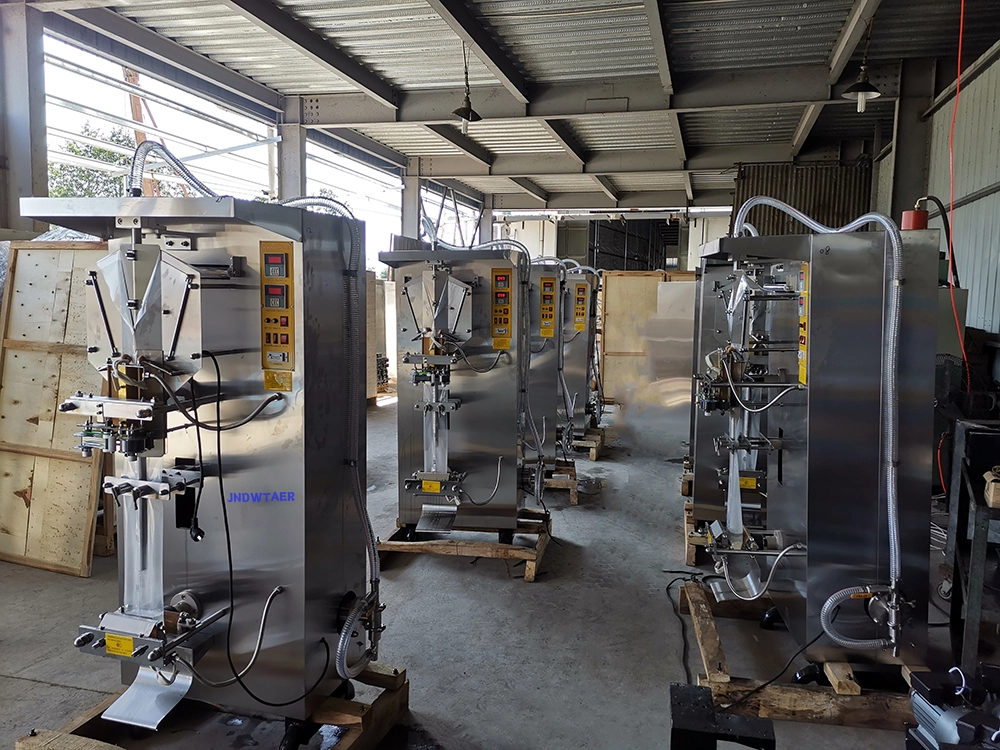
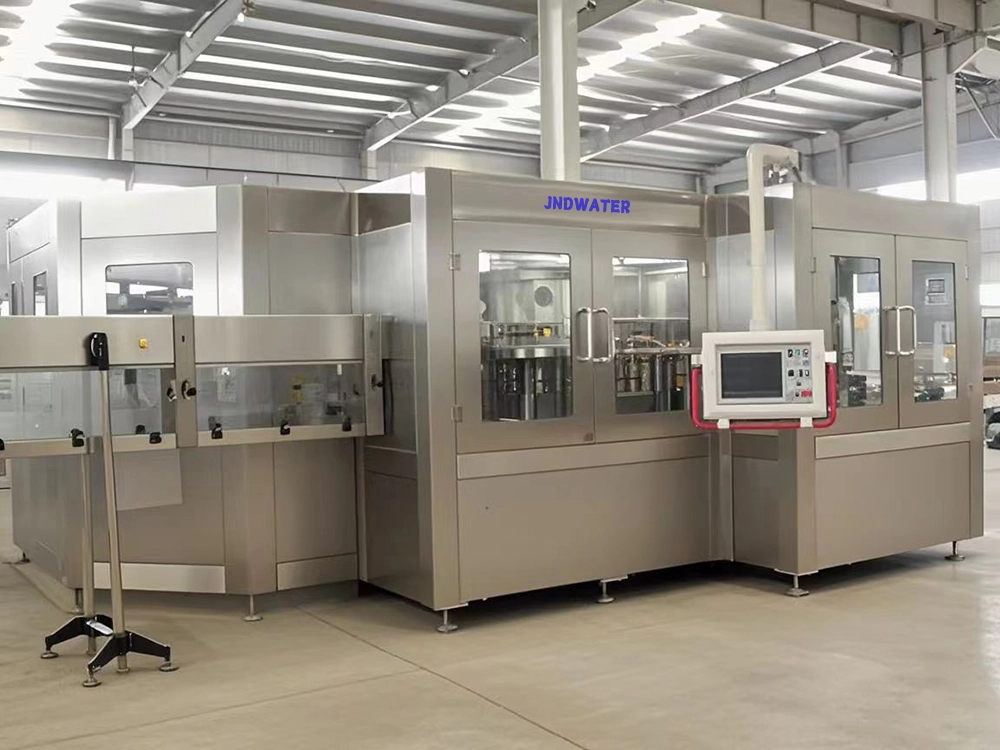
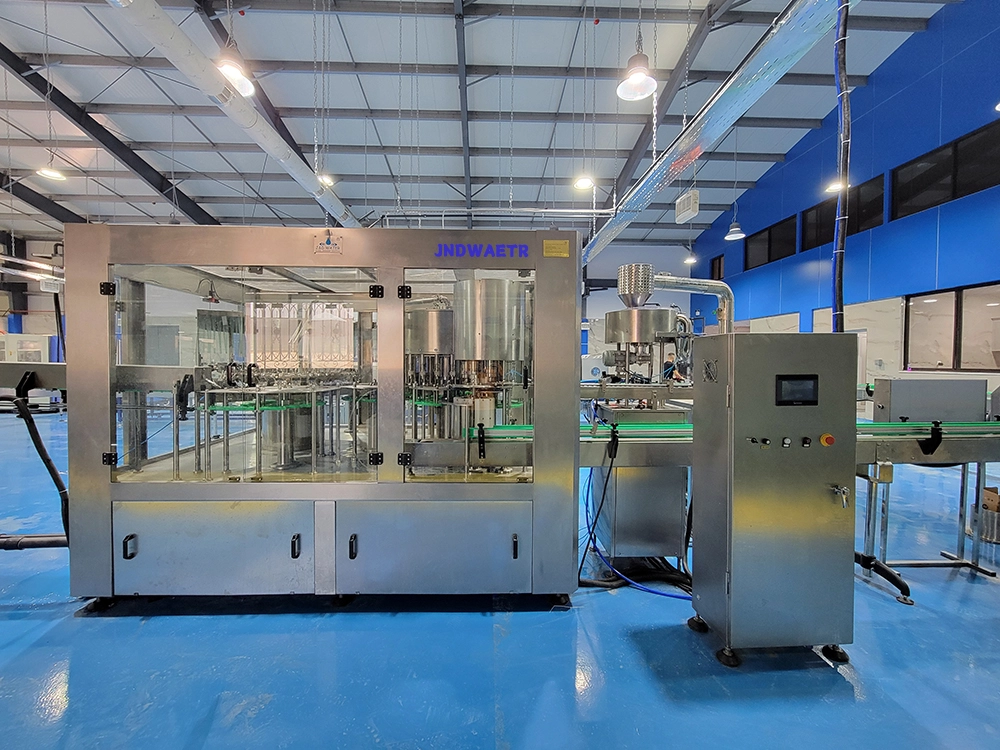
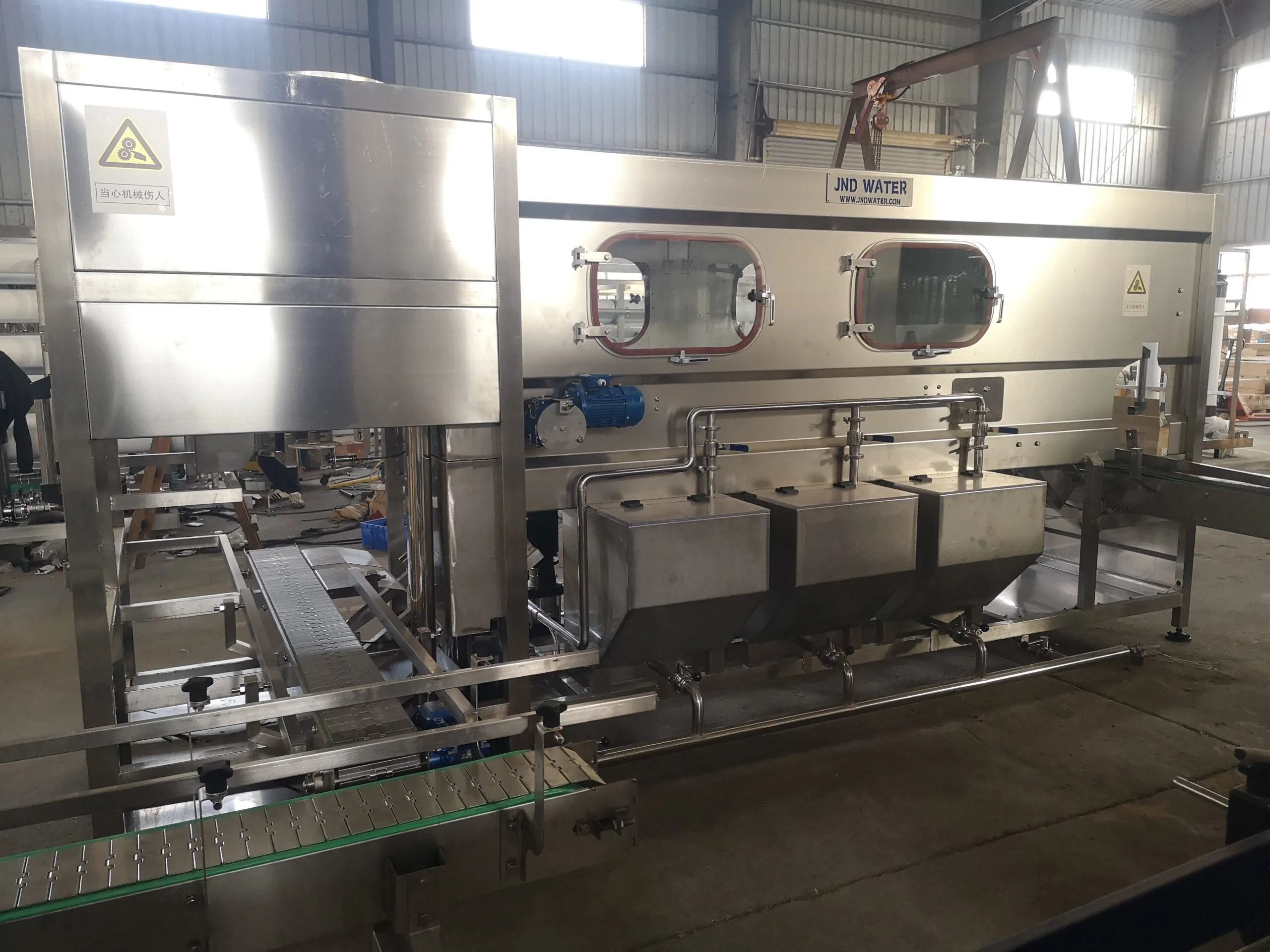
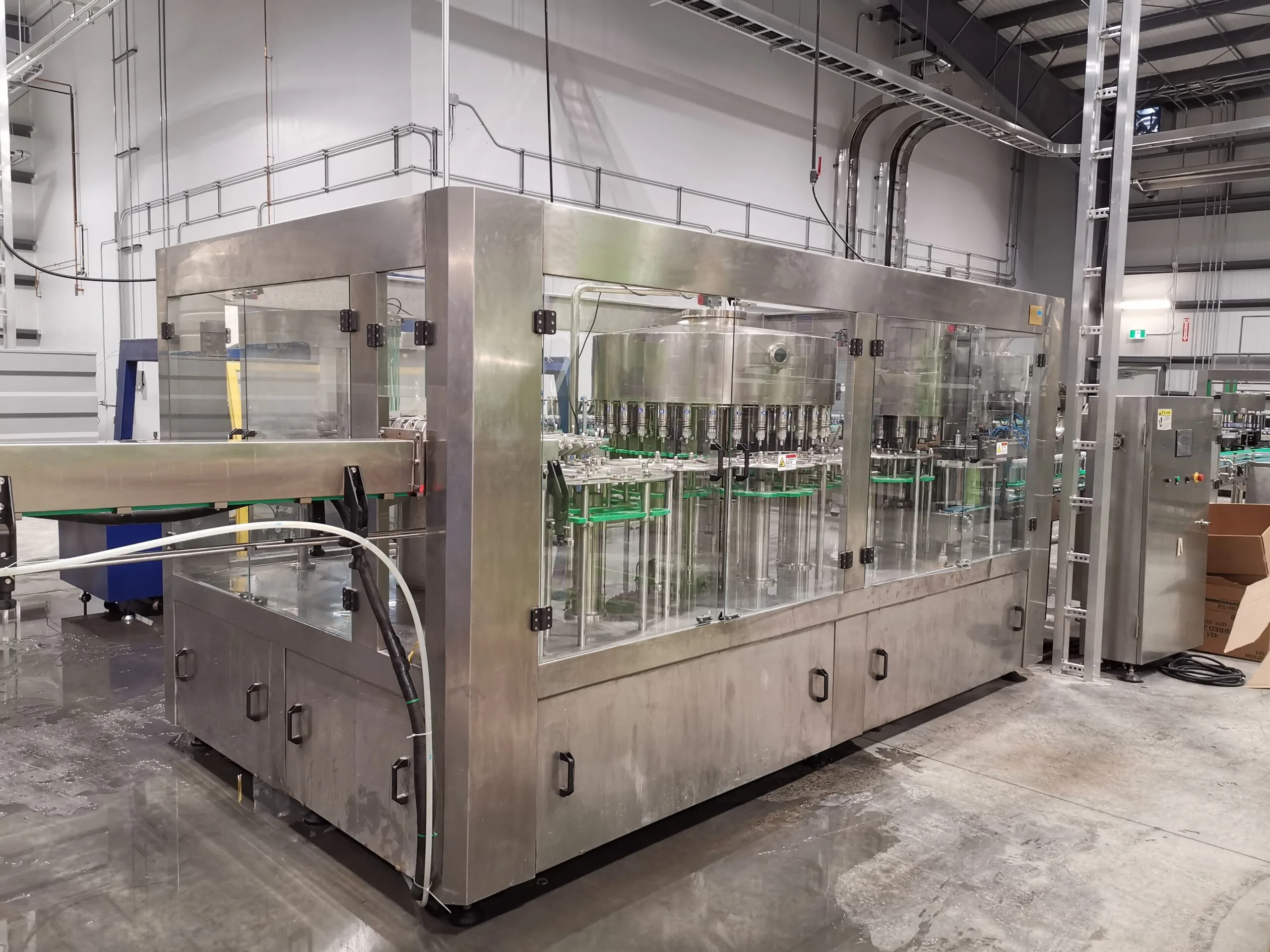
Photos or videos of the machines in action at various production facilities can further illustrate their real-world applications. A photo gallery might showcase different types of machines, from compact tabletop models to large-scale automated lines, in various settings. Videos can provide a dynamic view of the bottling process, showing how the machines fill, cap, and package 5 gallon water bottles with speed and precision. These visual aids can help potential buyers visualize how the machines would fit into their own operations and gain a better understanding of their capabilities. Furthermore, videos can include interviews with operators and managers who share their experiences and insights, providing valuable perspectives on the benefits of using 5 gallon water bottling machines in different industries and settings.
Customer Support and Maintenance
What kind of support can you expect after purchasing a 5 gallon water bottling machine? JNDWATER provides comprehensive support services post-purchase, designed to ensure smooth installation, thorough training, and ongoing maintenance. Installation services include on-site setup of the machine by experienced technicians, ensuring that it is properly connected to utilities and integrated into the production line. Training programs are offered to operators and maintenance personnel, covering all aspects of machine operation, troubleshooting, and preventive maintenance. Maintenance packages are available to provide regular servicing and inspections, minimizing downtime and extending the machine's lifespan. These support services are tailored to meet the specific needs of each customer, ensuring that they can maximize the benefits of their investment.
Delving into the specifics, installation typically involves a team of JNDWATER engineers visiting the customer's facility to oversee the setup process. They will ensure that the machine is properly aligned, connected to water and power sources, and calibrated for optimal performance. Training programs are conducted both on-site and at JNDWATER's training centers, providing hands-on experience and theoretical knowledge. The training covers topics such as machine operation, control system navigation, troubleshooting common issues, and performing routine maintenance tasks. Maintenance packages range from basic annual inspections to comprehensive service agreements that include regular maintenance, spare parts replacement, and emergency repairs. These packages are designed to provide peace of mind and minimize the risk of unexpected downtime.
Understanding typical maintenance schedules and common troubleshooting tips is crucial for maintaining the long-term performance of a 5 gallon water bottling machine. A typical maintenance schedule might include daily checks of fluid levels, lubrication points, and safety devices, as well as weekly cleaning of the machine's exterior and inspection of critical components. Monthly maintenance might involve replacing filters, checking belt tension, and calibrating sensors. Annual maintenance should include a thorough inspection of all mechanical and electrical components, as well as a complete cleaning and sanitization of the machine. Common troubleshooting tips include checking power connections, verifying water supply, inspecting sensors for proper operation, and consulting the machine's manual for error codes and solutions. By following these maintenance schedules and troubleshooting tips, operators can keep their machines running smoothly and minimize the risk of breakdowns.
Comparative Analysis with Competitors
How does JNDWATER's 5 gallon water bottling machine compare to the competition? A comparative analysis reveals that JNDWATER machines often outperform competitors in several key areas. These areas typically include build quality, technological innovation, customization options, and after-sales support. JNDWATER machines are known for their robust construction, using high-grade stainless steel and durable components that ensure long-term reliability. Technological innovations, such as advanced control systems, precise filling mechanisms, and efficient cleaning systems, enhance performance and reduce operational costs. Customization options allow customers to tailor the machines to their specific needs, such as bottle size, capping style, and labeling requirements. After-sales support, including installation, training, and maintenance services, provides ongoing assistance and ensures customer satisfaction. By excelling in these areas, JNDWATER machines offer a compelling value proposition compared to competitors.
To highlight the strengths and unique features that give JNDWATER an edge, consider the following points. JNDWATER's advanced control systems offer intuitive operation and precise control over all machine parameters, allowing operators to optimize performance and minimize waste. The company's filling mechanisms are designed for exceptional accuracy, ensuring consistent fill levels and reducing product giveaway. JNDWATER's efficient cleaning systems minimize downtime and ensure hygiene, reducing the risk of contamination. Furthermore, JNDWATER's customization options are unmatched, allowing customers to tailor the machines to their specific needs and create a competitive advantage. These unique features, combined with JNDWATER's commitment to quality and customer satisfaction, set the company apart from its competitors.
A detailed comparison of JNDWATER's 5 gallon water bottling machines against key competitors' offerings would involve a side-by-side analysis of specifications, features, and pricing. This analysis would consider factors such as filling capacity, filling accuracy, power consumption, materials of construction, control systems, safety features, and after-sales support. It would also compare the machines' unique features, such as JNDWATER's advanced control systems and precise filling mechanisms, against those of competitors. Finally, the analysis would consider the machines' pricing and ROI, taking into account factors such as initial investment, operational costs, and potential revenue. By conducting a thorough and objective comparison, potential buyers can make informed decisions and choose the machine that best meets their needs and budget.
Pricing and ROI Calculation
What does a 5 gallon water bottling machine cost, and what's the potential return on investment? Providing clear and transparent pricing information is essential for potential buyers. The price of a 5 gallon water bottling machine can vary widely depending on its automation level, capacity, and features. Semi-automatic machines, suitable for smaller operations, typically range from $10,000 to $30,000. Fully automated high-speed lines can cost upwards of $100,000 or more. Additional costs to consider include installation, training, and maintenance. It's important to provide a detailed breakdown of all costs associated with the machine, including initial investment, operational expenses, and potential revenue. This transparency helps potential buyers make informed decisions and assess the financial benefits of investing in a JNDWATER machine.
Breaking down the ROI calculation involves considering several key factors. These factors include the machine's initial cost, its operational expenses (such as labor, utilities, and maintenance), and the potential revenue it can generate. Revenue is typically calculated based on the machine's filling capacity, the selling price of 5 gallon water bottles, and the market demand for bottled water. The ROI can then be calculated by dividing the net profit (revenue minus expenses) by the initial investment. For example, if a machine costs $50,000 and generates a net profit of $20,000 per year, the ROI would be 40%. A higher ROI indicates a more profitable investment. It's important to provide potential buyers with realistic ROI projections based on their specific circumstances and market conditions.
To help potential buyers gauge the financial benefits of investing in JNDWATER machines, tools or calculators can be offered. These tools can allow users to input their own data, such as the machine's price, operational expenses, and revenue projections, and generate a customized ROI calculation. The calculators can also incorporate factors such as depreciation, tax benefits, and financing options. By providing these tools, potential buyers can gain a better understanding of the financial implications of investing in a JNDWATER machine and make informed decisions. Furthermore, JNDWATER can offer personalized consultations to help potential buyers assess their specific needs and develop a customized ROI analysis. This personalized approach demonstrates JNDWATER's commitment to customer success and builds trust with potential buyers.