Benefits of Using a 5L Water Filling Machine in Your Operations
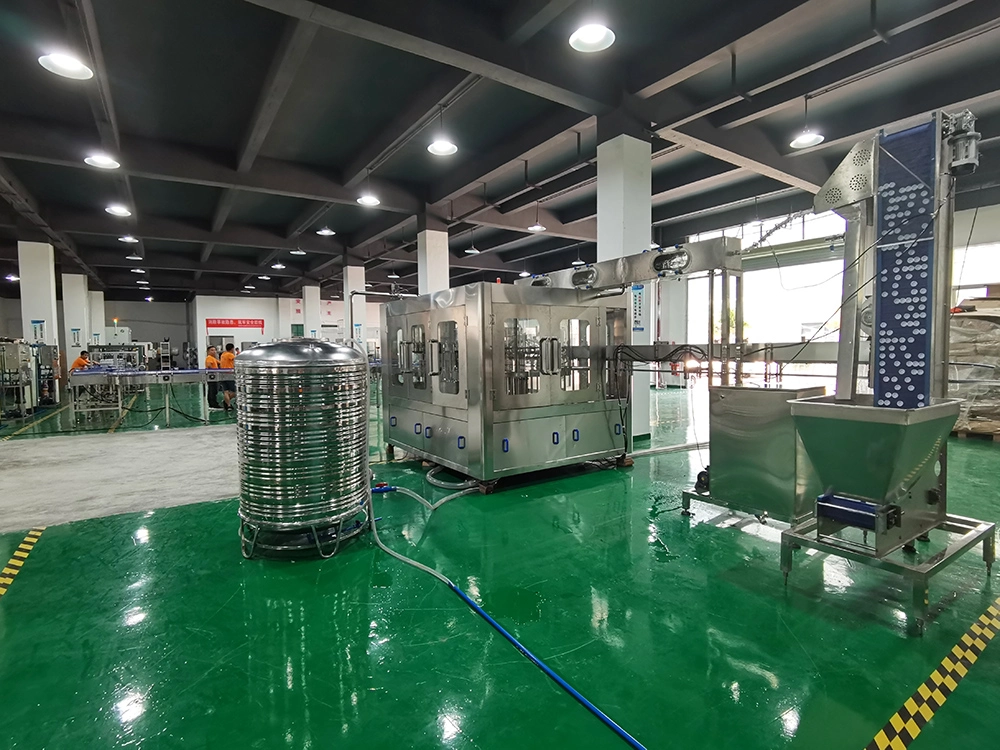
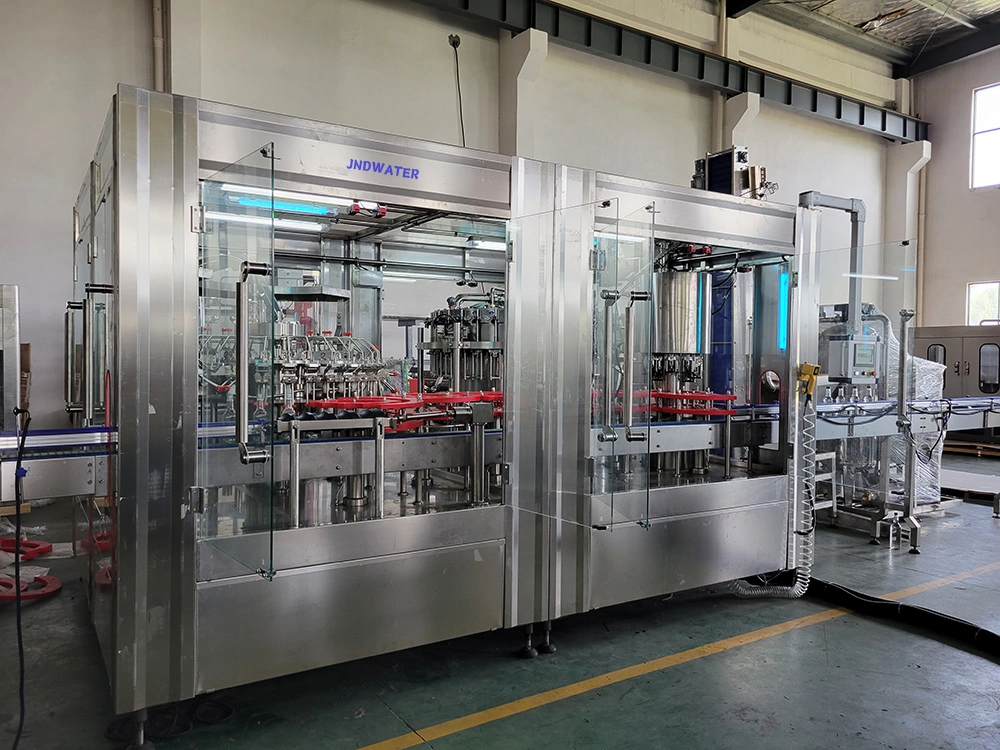
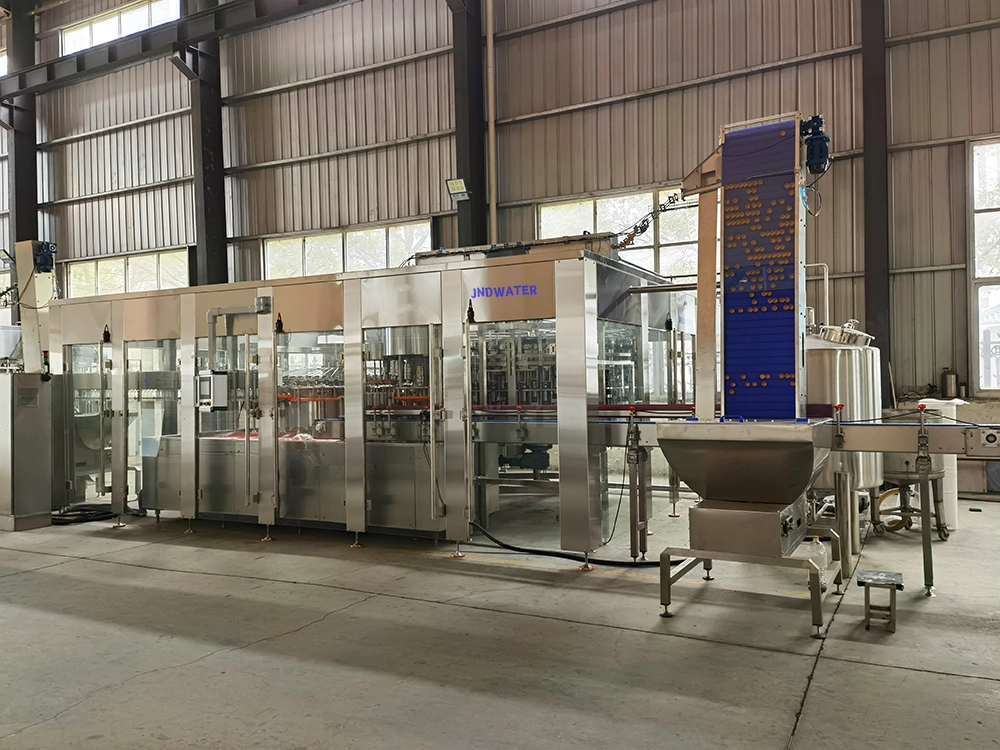
Investing in a 5L water filling machine can significantly transform your water bottling operations, offering a multitude of benefits that extend beyond simple filling. These machines are designed to optimize efficiency, minimize waste, and ensure consistently high product quality. For businesses ranging from startups to established beverage companies, the right 5L water filling machine can lead to substantial cost savings and increased profitability.
One of the primary advantages is the drastic reduction in product waste. Manual filling processes are prone to spillage and inconsistent fill levels, leading to wasted water and packaging materials. A 5L water filling machine, especially an automated model, ensures precise filling, minimizing overfills and spills. This precision not only conserves valuable resources but also reduces cleanup time and associated labor costs. Imagine a scenario where a small-scale producer manually fills 1,000 bottles daily, with an average spillage of 50ml per bottle. That's 50 liters of wasted water every day! A 5L water filling machine can virtually eliminate this waste, saving thousands of liters annually.
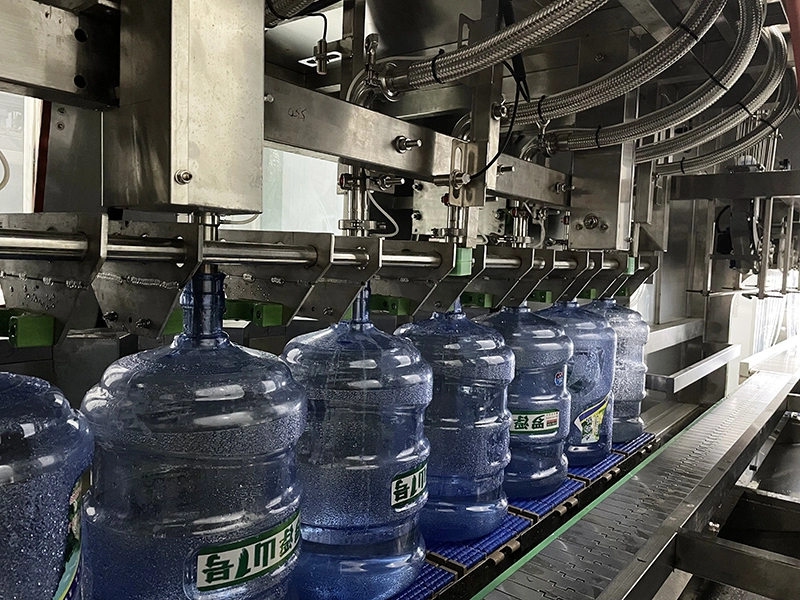
Efficiency is another key benefit. Automated 5L water filling machines can fill hundreds or even thousands of bottles per hour, significantly increasing production output compared to manual methods. This increased throughput allows businesses to meet growing demand without proportionally increasing labor costs. Consider a medium-sized beverage factory that needs to ramp up production for the summer season. Investing in a 5L water filling machine can enable them to double or triple their output capacity with minimal additional staffing. This scalability is crucial for businesses looking to expand and capture a larger market share.
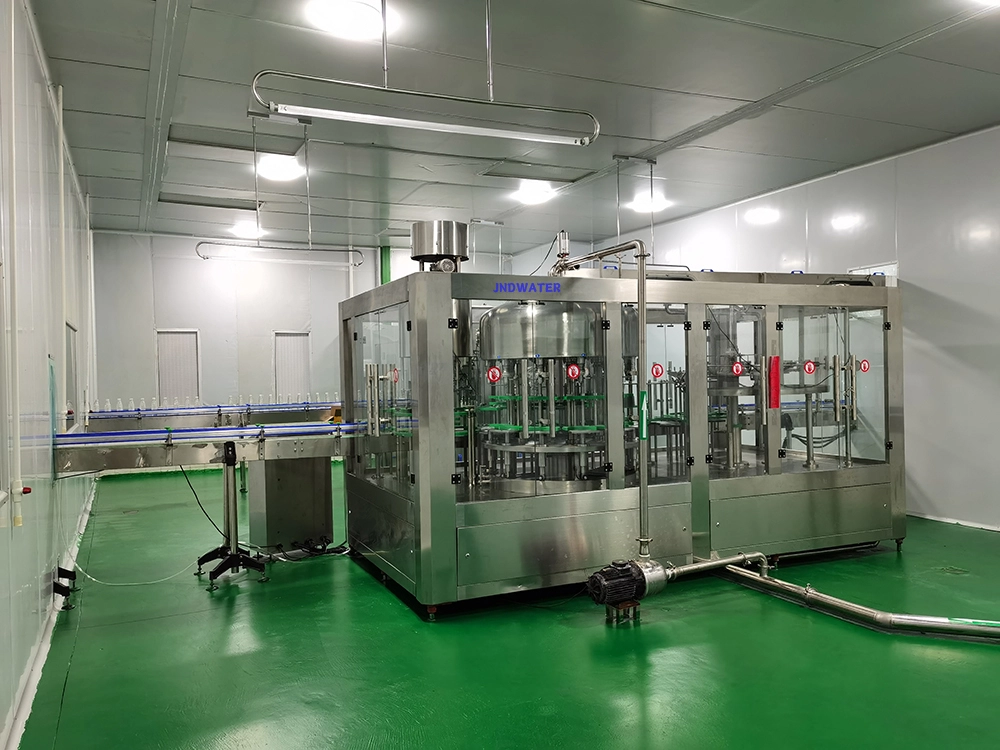
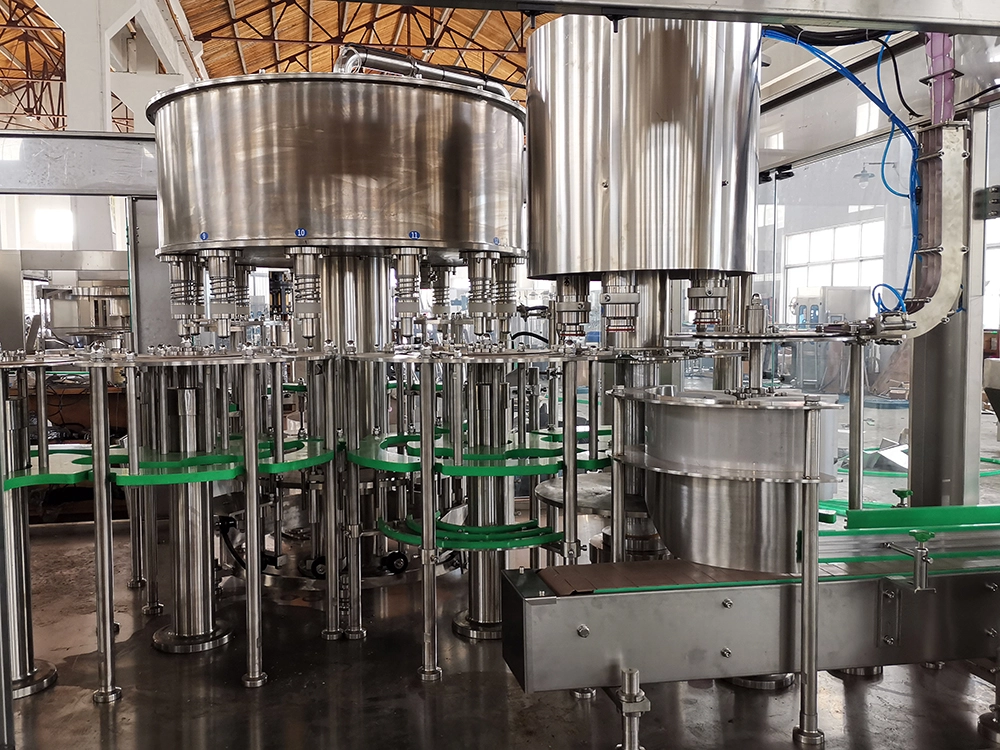
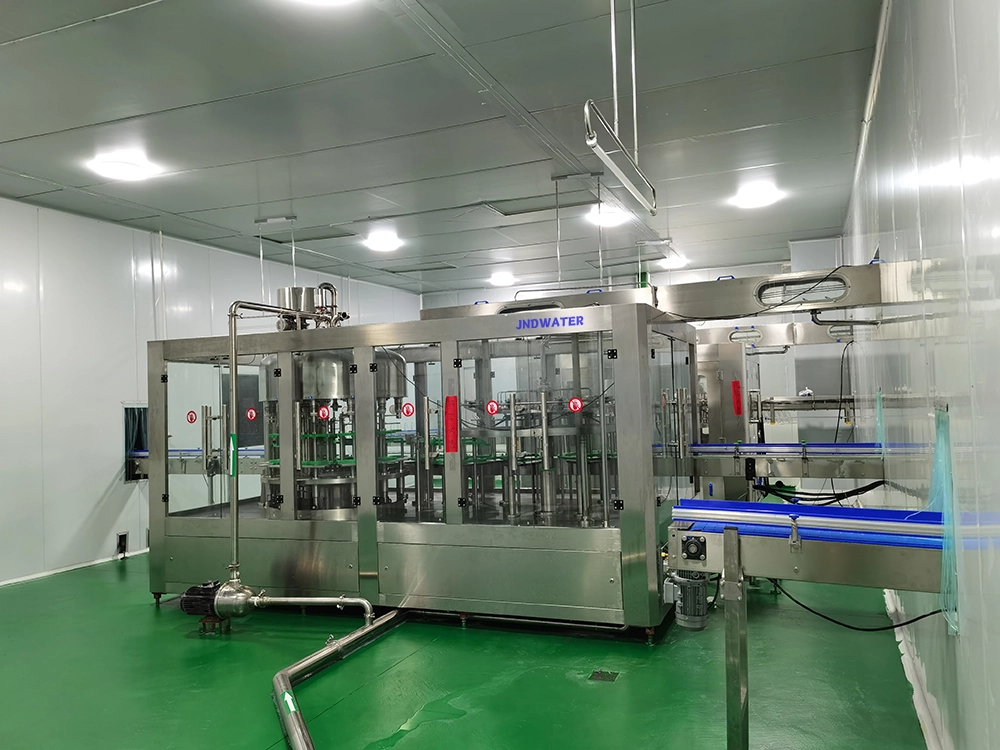
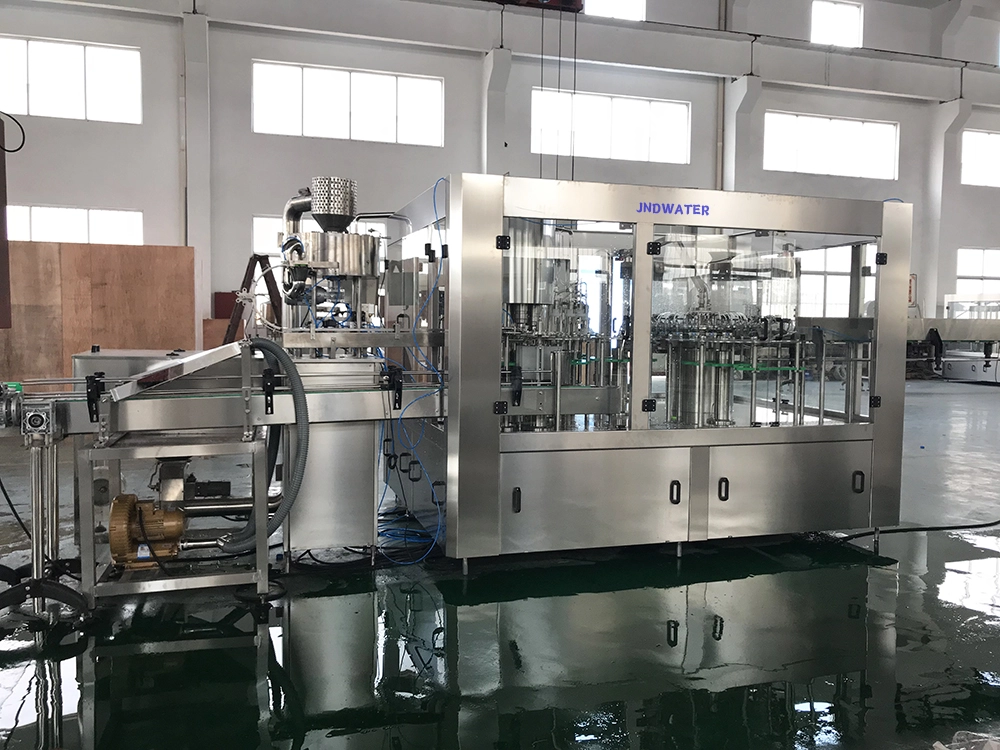
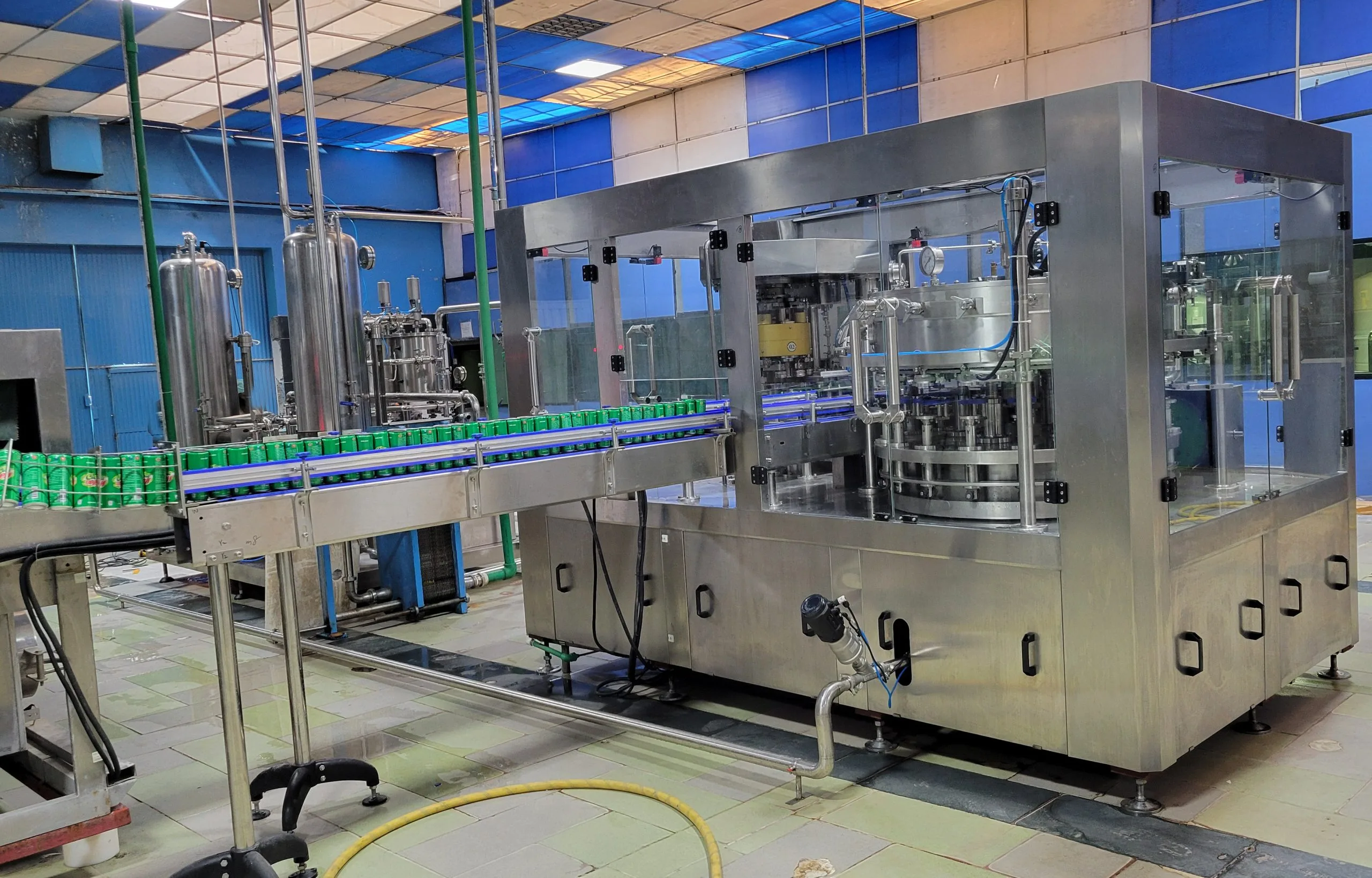
Product quality is paramount in the beverage industry, and 5L water filling machines play a vital role in maintaining it. These machines are designed to minimize contamination risks, ensuring that the water remains pure and safe for consumption. Many models incorporate features such as stainless steel construction, which is resistant to corrosion and easy to sanitize, and enclosed filling systems that prevent exposure to airborne contaminants. Furthermore, consistent fill levels contribute to a professional and appealing product presentation, enhancing brand image and customer satisfaction. Think about the consumer's perspective – a consistently filled bottle inspires confidence in the brand and the quality of the water inside.
Beyond these core benefits, 5L water filling machines can also lead to significant cost and time savings in various aspects of the operation. Reduced labor costs, due to automation, are a major contributor. Automated machines require fewer operators, freeing up personnel for other tasks. Moreover, the increased efficiency translates to faster production cycles, allowing businesses to fulfill orders more quickly and reduce lead times. This responsiveness can be a significant competitive advantage, especially in a fast-paced market. Finally, the reduced waste and improved product quality contribute to a more sustainable and environmentally responsible operation, which can enhance a company's reputation and appeal to environmentally conscious consumers. By implementing a 5L water filling machine, businesses can demonstrate their commitment to sustainability and responsible resource management.
Comprehensive Comparison: Manual vs Automated 5L Water Filling Machines
Choosing between manual and automated 5L water filling machines is a crucial decision for any water bottling business. The optimal choice depends on factors such as production volume, budget, and desired level of automation. Understanding the key differences between these two types of machines is essential for making an informed investment that aligns with your specific needs and goals.
Manual 5L water filling machines are generally more affordable upfront, making them a popular choice for startups and small-scale producers with limited capital. These machines typically involve a simple filling mechanism, often relying on gravity or manual pumps to dispense water into bottles. While they require more manual labor, they can be a cost-effective solution for businesses with low production volumes. However, manual machines are inherently less efficient and accurate than their automated counterparts. Filling speeds are limited by human dexterity and fatigue, and fill levels can vary, leading to inconsistencies in product presentation and potential waste. Furthermore, manual filling processes are more susceptible to contamination, as the operator's hands and surrounding environment can introduce impurities into the water.
Automated 5L water filling machines, on the other hand, offer a higher level of efficiency, accuracy, and hygiene. These machines use sophisticated technology, such as programmable logic controllers (PLCs) and sensors, to automate the filling process. They can fill hundreds or even thousands of bottles per hour with consistent fill levels and minimal spillage. Automated machines also reduce the risk of contamination by minimizing human contact with the water. While the initial investment is higher, automated machines can provide a significant return on investment (ROI) through increased production volume, reduced labor costs, and improved product quality.
To illustrate the differences more clearly, consider the following comparison table:
| Feature |
Manual 5L Water Filling Machine |
Automated 5L Water Filling Machine |
| Efficiency |
Low |
High |
| Accuracy |
Variable |
Precise |
| Cost |
Lower upfront cost |
Higher upfront cost, lower operating costs |
| Labor |
Requires more manual labor |
Requires less manual labor |
| Contamination Risk |
Higher |
Lower |
| Ease of Use |
Simple to operate |
More complex, requires training |
| Scalability |
Limited |
High |
Ultimately, the best choice between manual and automated 5L water filling machines depends on your specific circumstances. If you are a small-scale producer with a limited budget and low production volume, a manual machine may be a suitable starting point. However, if you are looking to scale up your operations, improve efficiency, and ensure consistent product quality, an automated machine is a worthwhile investment. By carefully considering your needs and comparing the pros and cons of each type of machine, you can make a decision that sets your business up for success.
Advanced Technology Integration in Modern 5L Water Filling Machines
Modern 5L water filling machines are not just simple dispensing devices; they are sophisticated pieces of equipment that integrate advanced technologies to enhance precision, efficiency, and control. Two of the most important technologies found in these machines are Programmable Logic Controllers (PLCs) and Human-Machine Interfaces (HMIs). Understanding how these technologies work and their benefits is crucial for maximizing the performance of your 5L water filling machine.
A PLC is essentially a small industrial computer that controls the various functions of the filling machine. It receives input from sensors, such as level sensors and flow meters, and uses pre-programmed logic to control actuators, such as pumps and valves. This allows for precise control over the filling process, ensuring consistent fill levels and minimizing waste. For example, a PLC can be programmed to adjust the filling speed based on the bottle size and the desired fill level. It can also monitor the filling process for errors, such as overfills or underfills, and automatically take corrective action. The use of PLCs in 5L water filling machines results in increased accuracy, reduced downtime, and improved overall efficiency.
The HMI, on the other hand, provides a user-friendly interface for operators to monitor and control the filling machine. It typically consists of a touchscreen display that shows real-time data, such as filling speeds, fill levels, and error messages. Operators can use the HMI to adjust machine parameters, troubleshoot problems, and access historical data. Modern HMIs often incorporate features such as remote monitoring and control, allowing operators to manage the filling machine from a central control room. This can be particularly useful for large-scale bottling operations with multiple filling lines. The HMI simplifies the operation of the 5L water filling machine, reducing the need for specialized technical expertise and improving operator efficiency.
The integration of PLCs and HMIs in 5L water filling machines offers several key benefits. First, it improves the accuracy and consistency of the filling process, ensuring that each bottle is filled to the correct level. This reduces waste and improves product quality. Second, it increases the efficiency of the filling process, allowing for faster filling speeds and reduced downtime. This translates to higher production volumes and lower operating costs. Third, it simplifies the operation of the filling machine, making it easier for operators to monitor and control the process. This reduces the risk of human error and improves overall safety. Finally, it provides valuable data and insights into the filling process, allowing businesses to optimize their operations and identify areas for improvement.
To further enhance user understanding, consider including screenshots of typical HMI interfaces, highlighting key features such as fill level adjustments, error displays, and data logging capabilities. A short video tutorial demonstrating how to operate the HMI and troubleshoot common problems would also be invaluable. By providing these resources, you can empower users to effectively utilize the advanced technology in their 5L water filling machines and maximize their return on investment.
Case Studies and Client Testimonials
The best way to demonstrate the value of a 5L water filling machine is through real-world examples of how it has benefited other businesses. Case studies and client testimonials provide compelling evidence of the machine's capabilities and its impact on production efficiency, product quality, and overall profitability. These stories help potential buyers visualize the benefits and build confidence in their investment decision.
A compelling case study might focus on a small beverage company that struggled with manual filling processes, experiencing high levels of waste and inconsistent product quality. By investing in a JND Water 5L water filling machine, the company was able to automate its filling process, significantly reducing waste, improving fill accuracy, and increasing production output. The case study could include specific data points, such as the percentage reduction in waste, the increase in filling speed, and the improvement in product consistency. It could also highlight the company's overall increase in profitability and its ability to meet growing customer demand.
Client testimonials offer another powerful way to showcase the benefits of the 5L water filling machine. These testimonials should be authentic and specific, detailing the client's experience with the machine and the positive outcomes they have achieved. For example, a client might say, "Before we invested in the JND Water 5L water filling machine, we were constantly dealing with spills and inconsistent fill levels. Now, our filling process is completely automated, and we've seen a dramatic improvement in product quality and efficiency." Including photos of the client and their bottling operation can further enhance the credibility and impact of the testimonial.
When selecting case studies and testimonials, it's important to choose examples that represent a diverse range of businesses and applications. This will help potential buyers see how the 5L water filling machine can benefit them, regardless of their size or specific needs. For example, you might include a case study of a large-scale beverage factory that uses the machine to fill thousands of bottles per hour, as well as a testimonial from a small startup that uses the machine to produce artisanal water products.
In addition to written case studies and testimonials, consider incorporating video content. A short video featuring a client discussing their experience with the 5L water filling machine can be incredibly persuasive. The video could show the machine in action, highlighting its key features and benefits. It could also include interviews with operators and managers, who can share their insights and perspectives. By combining different types of content, you can create a compelling and informative presentation that effectively showcases the value of your 5L water filling machine.
Remember to always obtain permission from clients before using their information in case studies and testimonials. Ensure that the information is accurate and truthful, and avoid making exaggerated claims. By presenting honest and compelling evidence, you can build trust with potential buyers and increase their confidence in your product.
Step-by-Step Guide to Setting Up a 5L Bottled Water Business
Starting a 5L bottled water business can be a rewarding venture, but it requires careful planning and execution. This step-by-step guide will walk you through the essential steps, from market research and facility setup to equipment installation and operational management, providing you with the knowledge and resources you need to launch a successful bottled water business. Remember, JNDwater serves a diverse and global user base, spanning more than 125 countries and regions and involving over 450 food and beverage factories. Their equipment is utilized by a wide spectrum of clients, ranging from startups and small-scale producers to international corporations.
Step 1: Market Research and Business Planning: Before investing in any equipment, conduct thorough market research to identify your target market, analyze your competition, and determine the demand for 5L bottled water in your area. Develop a comprehensive business plan that outlines your business goals, strategies, and financial projections. This plan will serve as a roadmap for your business and will be essential for securing funding and attracting investors. Consider factors such as pricing, distribution channels, and marketing strategies.
Step 2: Facility Selection and Preparation: Choose a suitable location for your bottling facility. The facility should be clean, well-ventilated, and have access to a reliable source of high-quality water. Ensure that the facility meets all local and national regulations for food and beverage production. Prepare the facility by installing necessary plumbing, electrical wiring, and drainage systems. Consider the layout of the facility to optimize workflow and minimize bottlenecks.
Step 3: Equipment Selection and Procurement: Select the appropriate equipment for your bottling operation, including a 5L water filling machine, water purification system, bottle washing machine, capping machine, labeling machine, and packaging equipment. Choose equipment that is reliable, efficient, and easy to maintain. Consider factors such as production capacity, automation level, and budget. Source your equipment from reputable suppliers who offer comprehensive support and training. JNDwater, with its extensive experience, is an excellent choice.
Step 4: Equipment Installation and Testing: Install the equipment according to the manufacturer's instructions. Ensure that all connections are secure and that the equipment is properly calibrated. Test the equipment thoroughly to ensure that it is functioning correctly and that it meets your production requirements. Train your staff on how to operate and maintain the equipment safely and efficiently. Regular maintenance is crucial for ensuring the longevity and optimal performance of your equipment.
Step 5: Water Source and Purification: Secure a reliable source of high-quality water. This could be a well, spring, or municipal water supply. Implement a comprehensive water purification system to remove impurities and ensure that the water meets all regulatory standards for bottled water. Regularly test the water to ensure that it is safe and pure. Consider using advanced purification technologies such as reverse osmosis, UV sterilization, and ozone disinfection.
Step 6: Bottle Selection and Sourcing: Choose appropriate bottles for your 5L water product. Consider factors such as material, shape, size, and cost. Source your bottles from reputable suppliers who offer high-quality bottles that meet all regulatory standards for food and beverage packaging. Ensure that the bottles are clean and sanitized before filling. Consider using recycled PET bottles to promote sustainability.
Step 7: Bottling and Packaging: Fill the bottles with purified water using the 5L water filling machine. Ensure that the fill levels are consistent and that the bottles are properly sealed. Label the bottles with your brand name, product information, and nutritional facts. Package the bottles in cartons or shrink wrap for easy handling and transportation. Consider using automated packaging equipment to improve efficiency.
Step 8: Marketing and Distribution: Develop a comprehensive marketing strategy to promote your 5L bottled water product. Identify your target market and develop marketing messages that appeal to their needs and preferences. Utilize various marketing channels, such as online advertising, social media, print advertising, and public relations. Establish a distribution network to reach your target market. This could include direct sales, retail partnerships, and wholesale distribution.
Step 9: Operational Management and Quality Control: Implement a robust operational management system to ensure that your business runs smoothly and efficiently. Monitor your production costs, inventory levels, and sales performance. Implement a comprehensive quality control program to ensure that your product meets all regulatory standards and customer expectations. Regularly audit your processes and procedures to identify areas for improvement. Continuous improvement is essential for long-term success.
By following these steps, you can successfully set up and operate a 5L bottled water business. Remember to stay informed about industry trends, regulations, and best practices. With careful planning, diligent execution, and a commitment to quality, you can build a thriving bottled water business.
Efficiency Metrics You Should Consider When Choosing a 5L Water Filling Machine
Selecting the right 5L water filling machine is a critical decision that can significantly impact the efficiency and profitability of your bottling operation. To make an informed choice, it's essential to consider several key efficiency metrics that directly affect your production output, operating costs, and overall return on investment (ROI). These metrics provide a quantifiable basis for comparing different machines and determining which one best aligns with your specific needs and goals. Ignoring these metrics can lead to costly mistakes and hinder your business's growth potential.
Filling Speed (Bottles Per Hour - BPH): This is arguably the most important efficiency metric, as it directly determines your production capacity. Filling speed refers to the number of 5L bottles the machine can fill in one hour. Higher filling speeds allow you to meet greater demand and increase your revenue potential. However, it's important to consider that the advertised filling speed may not always be achievable in real-world conditions. Factors such as bottle size, water viscosity, and operator skill can all affect the actual filling speed. Therefore, it's crucial to test the machine under realistic operating conditions to get an accurate assessment of its filling speed.
Filling Accuracy: Filling accuracy refers to the consistency with which the machine fills each bottle to the desired level. Inaccurate filling can lead to product waste, inconsistent product presentation, and potential regulatory issues. A 5L water filling machine with high filling accuracy will minimize these problems and ensure that each bottle contains the correct amount of water. Filling accuracy is typically measured as a percentage deviation from the target fill level. For example, a machine with a filling accuracy of ±0.5% will fill each bottle within 0.5% of the target volume. Look for machines with adjustable filling parameters and feedback mechanisms to ensure consistent accuracy.
Changeover Time: Changeover time refers to the time it takes to switch the machine from filling one type of bottle to another. This is an important consideration if you plan to fill different sizes or shapes of 5L bottles. A machine with a short changeover time will allow you to quickly adapt to changing market demands and minimize downtime. Changeover time can be affected by factors such as the complexity of the machine's design, the ease of access to adjustable components, and the availability of quick-release mechanisms. Look for machines that are designed for easy changeovers and that come with clear instructions and tools.
Energy Consumption: Energy consumption refers to the amount of electricity the machine consumes during operation. High energy consumption can significantly increase your operating costs and reduce your profitability. A 5L water filling machine with low energy consumption will minimize these costs and contribute to a more sustainable operation. Energy consumption is typically measured in kilowatts (kW) per hour. Look for machines that are designed with energy-efficient components and that have features such as automatic shut-off and variable speed drives.
Maintenance Frequency and Downtime: Maintenance frequency refers to how often the machine requires maintenance, such as cleaning, lubrication, and parts replacement. Downtime refers to the amount of time the machine is out of operation due to maintenance or repairs. High maintenance frequency and downtime can significantly reduce your production output and increase your operating costs. A 5L water filling machine with low maintenance frequency and downtime will minimize these problems and ensure that your operation runs smoothly. Look for machines that are designed with durable components and that are easy to maintain. Also, consider the availability of spare parts and the responsiveness of the manufacturer's service department.
By carefully considering these efficiency metrics, you can make an informed decision when choosing a 5L water filling machine. Remember to compare different machines based on their performance in each of these areas and to choose the machine that best aligns with your specific needs and goals. A well-chosen 5L water filling machine will significantly improve your production efficiency, reduce your operating costs, and increase your overall profitability.
Maintenance and Troubleshooting Tips for 5L Water Filling Machines
Proper maintenance and timely troubleshooting are essential for ensuring the longevity, efficiency, and reliability of your 5L water filling machine. Neglecting these aspects can lead to costly repairs, production downtime, and even safety hazards. This guide provides detailed maintenance and troubleshooting tips to help you keep your machine running smoothly and efficiently. Regular maintenance not only extends the lifespan of your equipment but also ensures consistent product quality and minimizes unexpected breakdowns.
Daily Maintenance: Daily maintenance tasks are crucial for preventing minor issues from escalating into major problems. These tasks should be performed at the end of each production day and include:
- Cleaning: Thoroughly clean all parts of the machine that come into contact with water, including the filling nozzles, conveyors, and bottle handling components. Use a food-grade cleaning solution and rinse thoroughly with clean water. This prevents the buildup of bacteria and other contaminants that can affect product quality.
- Inspection: Inspect the machine for any signs of wear and tear, such as loose bolts, worn belts, or damaged hoses. Tighten any loose bolts and replace any worn or damaged parts immediately. Early detection of these issues can prevent more serious problems from developing.
- Lubrication: Lubricate all moving parts according to the manufacturer's recommendations. Use a food-grade lubricant to ensure that it does not contaminate the water. Proper lubrication reduces friction and wear, extending the lifespan of the machine's components.
Weekly Maintenance: Weekly maintenance tasks are more in-depth and should be performed on a regular basis to ensure the machine's optimal performance. These tasks include:
- Filter Replacement: Replace the water filters according to the manufacturer's recommendations. Clogged filters can reduce the flow rate and affect the filling accuracy. Regularly replacing the filters ensures that the water is properly purified and free from contaminants.
- Nozzle Cleaning: Disassemble and clean the filling nozzles thoroughly. Use a small brush or needle to remove any buildup or blockage. Clogged nozzles can cause inconsistent filling and affect product quality.
- Belt Tension Adjustment: Check and adjust the tension of the conveyor belts. Loose belts can cause slippage and affect the smooth flow of bottles. Proper belt tension ensures that the bottles are transported efficiently and without damage.
Troubleshooting Common Problems: Even with regular maintenance, problems can still arise. Here are some common problems and their solutions:
- Inconsistent Filling: This can be caused by clogged nozzles, low water pressure, or a malfunctioning flow meter. Clean the nozzles, check the water pressure, and calibrate the flow meter. If the problem persists, consult the manufacturer's service department.
- Leaking: Leaks can be caused by worn seals, loose connections, or damaged hoses. Replace the worn seals, tighten the loose connections, and replace any damaged hoses. Regularly inspect these components to prevent leaks from occurring.
- Machine Not Starting: This can be caused by a tripped circuit breaker, a faulty power cord, or a malfunctioning motor. Check the circuit breaker, replace the power cord, and test the motor. If the problem persists, consult a qualified electrician.
Tips for Preventing Problems: In addition to regular maintenance and troubleshooting, there are several steps you can take to prevent problems from occurring in the first place:
- Train Your Operators: Ensure that your operators are properly trained on how to operate and maintain the machine safely and efficiently. Proper training can reduce the risk of human error and prevent damage to the machine.
- Use High-Quality Water: Use high-quality water that is free from sediment and other contaminants. This will help to prevent clogging and damage to the machine's components.
- Follow the Manufacturer's Recommendations: Always follow the manufacturer's recommendations for maintenance, lubrication, and parts replacement. This will help to ensure that the machine operates at its optimal performance and that its warranty remains valid.
By following these maintenance and troubleshooting tips, you can keep your 5L water filling machine running smoothly and efficiently for many years to come. Remember to consult the manufacturer's manual for specific instructions and recommendations. Regular maintenance and timely troubleshooting are essential for maximizing the return on your investment and ensuring the long-term success of your bottling operation.