Share this:
Milk Packaging Machine
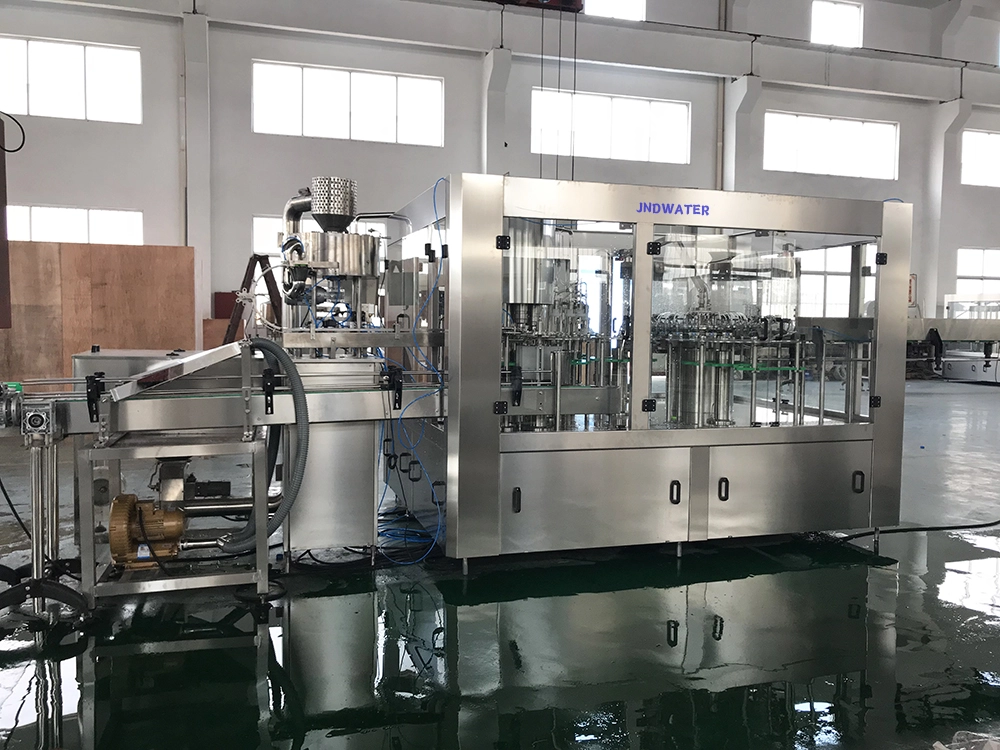
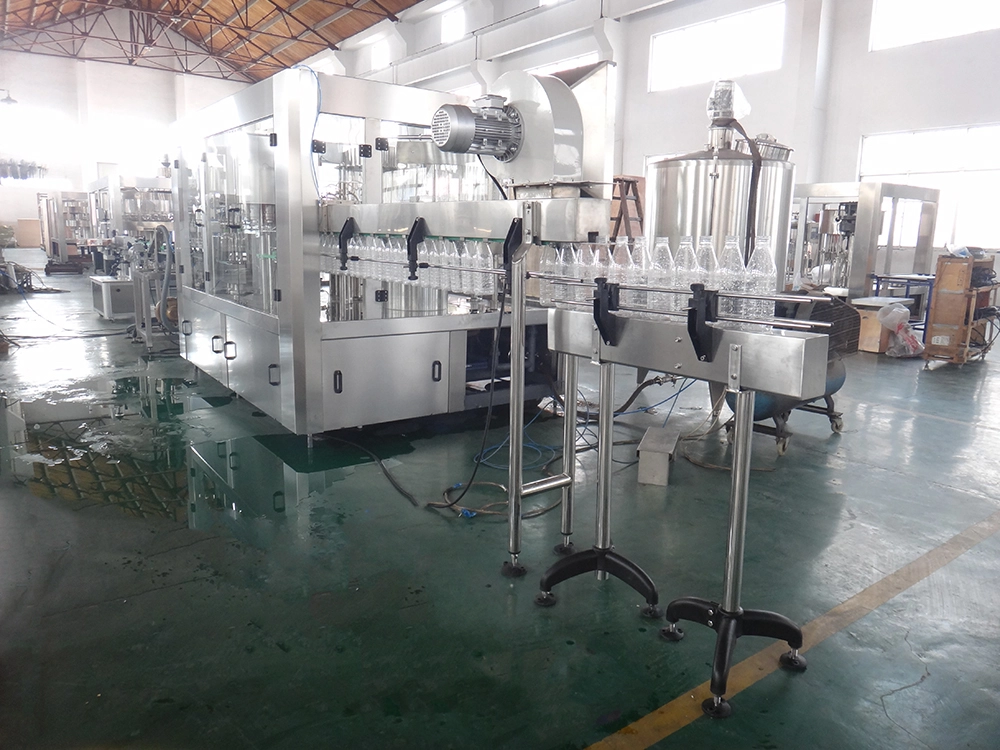
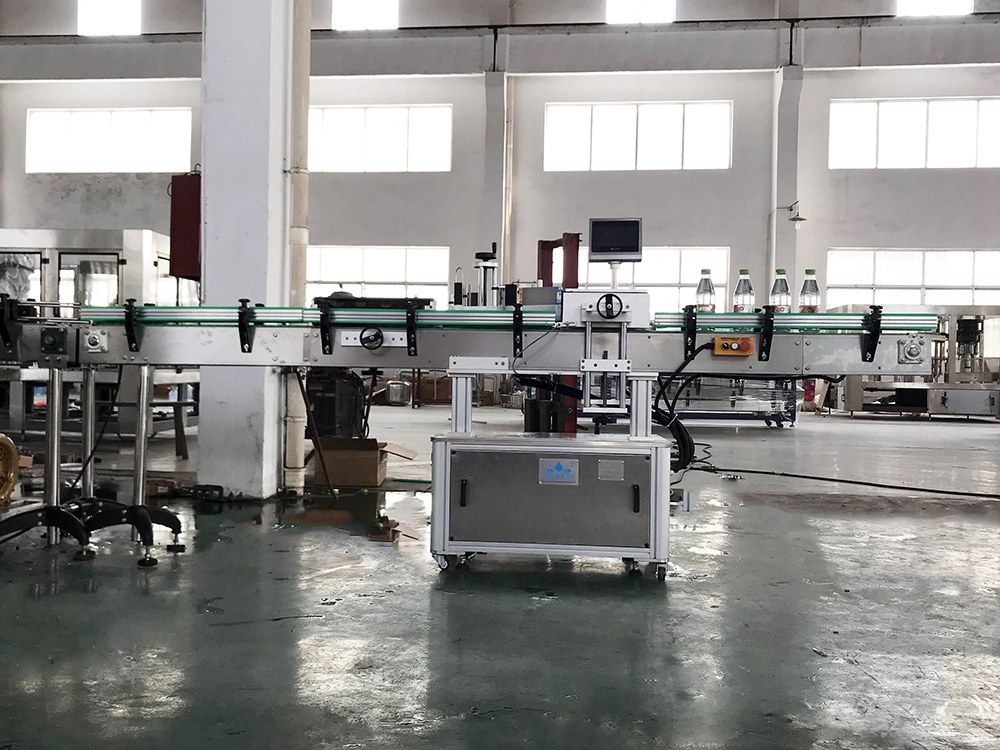
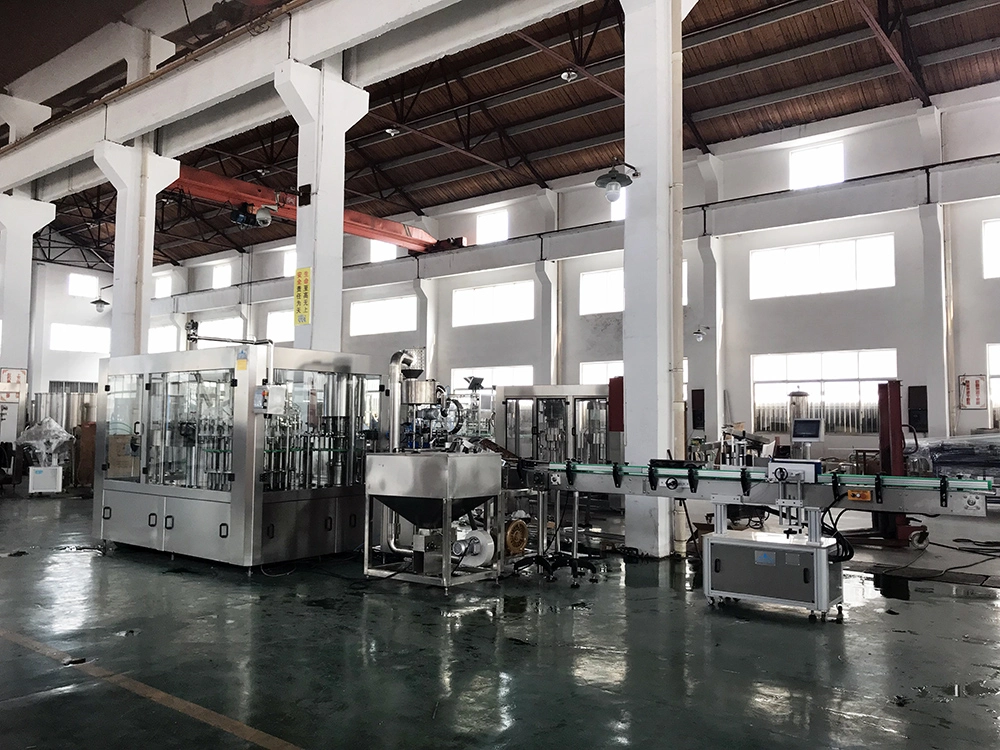
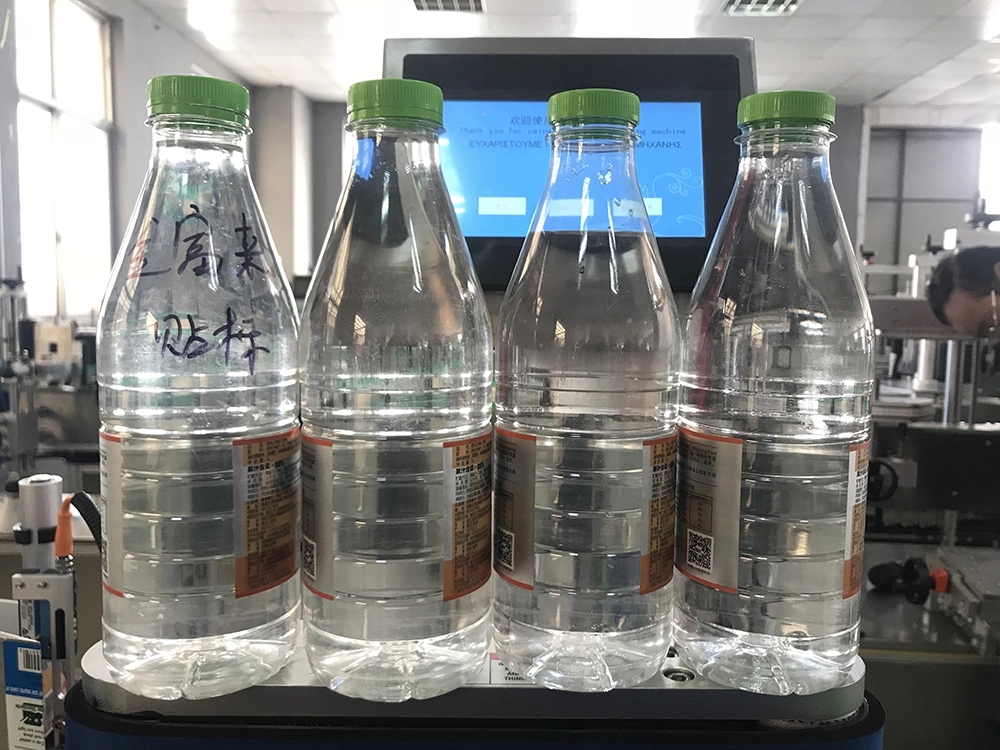
Jndwater milk packaging machine is a specialized piece of equipment designed to accurately and hygienically fill milk into various types of containers, such as bottles, or jars. milk bottling machines can handle different types of milk, including whole milk, skim milk, flavored milk, and even plant-based milk alternatives.
Milk Packaging Machine detailed description
Products Description
Product Advantages
At JND Water, we understand that choosing the right milk filling machine is a critical decision for your business. Our milk filling machines are engineered to provide significant advantages that directly impact your bottom line and operational efficiency. We're not just selling equipment; we're offering solutions tailored to meet the unique demands of the dairy industry. Let's delve into the specific benefits that set our machines apart, supported by real-world examples and client feedback.
Reduced Waste and Increased Yield: One of the most compelling advantages of our milk filling machine is its precision filling technology. Traditional filling methods often result in overfilling or inconsistent fill levels, leading to product waste and reduced profitability. Our machines utilize advanced sensors and control systems to ensure each container is filled to the exact specified volume, minimizing waste and maximizing the number of sellable units. For instance, a dairy farm in Denmark reported a 15% reduction in milk waste after implementing our filling machine, directly translating to increased revenue. This precision also ensures compliance with stringent labeling regulations, avoiding costly recalls and penalties.
Enhanced Production Efficiency: Time is money, especially in high-volume production environments. Our milk filling machines are designed for high-speed operation without compromising accuracy or hygiene. The automated processes reduce the need for manual intervention, allowing you to process more milk in less time. A customer in Australia, a large-scale dairy producer, increased their production output by 25% after upgrading to our latest model. This increased efficiency allows them to meet growing market demands and expand their product offerings. The machines are also equipped with quick changeover capabilities, minimizing downtime when switching between different container sizes or product types.
Superior Hygiene and Aseptic Filling: Maintaining the highest standards of hygiene is paramount in the dairy industry. Our milk filling machines are constructed from food-grade stainless steel and designed for easy cleaning and sterilization. The aseptic filling technology ensures that the milk is protected from contamination throughout the filling process, extending its shelf life and preserving its quality. This is particularly crucial for producing UHT milk and other long-life dairy products. We have worked with a leading dairy cooperative in France, helping them achieve near-zero contamination rates in their UHT milk production, significantly enhancing their brand reputation and consumer confidence.
Cost Savings and ROI: Investing in a JND Water milk filling machine is an investment in long-term cost savings. While the initial investment may seem significant, the reduction in waste, increased efficiency, and improved product quality quickly translate to a substantial return on investment. In addition to the direct cost savings, our machines are designed for durability and require minimal maintenance, further reducing operational expenses. We provide comprehensive training and support to ensure your team can operate and maintain the machine effectively, maximizing its lifespan and performance. Our financial analysts can provide a detailed ROI analysis based on your specific production volume and operational costs, demonstrating the tangible benefits of choosing JND Water.
Customer Feedback and Case Studies: We pride ourselves on the positive feedback we receive from our clients. Many have reported significant improvements in their production processes, product quality, and overall profitability. One recurring theme in their testimonials is the reliability and durability of our machines. They appreciate the minimal downtime and the responsive support we provide. We have compiled several case studies showcasing the specific benefits our clients have achieved, providing concrete evidence of the value we deliver. These case studies are available on our website and offer valuable insights into how our milk filling machines can transform your dairy production.
Installation and Maintenance
Ensuring the longevity and optimal performance of your milk filling machine hinges on proper installation and consistent maintenance. At JND Water, we provide comprehensive support and resources to guide you through every step of the process, from initial setup to routine upkeep. Our goal is to empower your team with the knowledge and tools necessary to keep your machine running smoothly and efficiently. Below is a detailed guide to installation and maintenance, complete with step-by-step instructions and visual aids.
Pre-Installation Checklist: Before the installation process begins, it's crucial to prepare the site adequately. This involves ensuring the floor is level and capable of supporting the weight of the machine, verifying the availability of necessary utilities (electricity, water, compressed air), and confirming compliance with local safety regulations. We provide a detailed pre-installation checklist tailored to your specific machine model, outlining all the requirements and recommendations. This checklist includes specifications for the required space, power supply, water pressure, and air compressor capacity. Neglecting these pre-installation steps can lead to delays, increased costs, and potential damage to the machine.
Step-by-Step Installation Guide: Our installation process is designed to be as straightforward as possible, minimizing downtime and disruption to your production schedule. Our team of certified technicians will oversee the installation, ensuring that all components are properly connected and calibrated. The installation guide includes detailed diagrams and instructions, covering everything from unpacking and positioning the machine to connecting the utilities and testing the functionality. We also provide video tutorials demonstrating each step of the process, allowing your team to follow along and gain a better understanding of the machine's operation. The guide emphasizes safety precautions and best practices to prevent accidents and ensure a safe working environment.
Routine Maintenance Procedures: Regular maintenance is essential for preventing breakdowns and extending the lifespan of your milk filling machine. Our maintenance guide outlines the recommended maintenance schedule, including daily, weekly, and monthly tasks. These tasks include cleaning and sanitizing the machine, lubricating moving parts, inspecting for wear and tear, and replacing worn components. We provide specific instructions for each task, along with a list of recommended cleaning agents and lubricants. The guide also includes troubleshooting tips for common issues, allowing your team to quickly diagnose and resolve minor problems. Neglecting routine maintenance can lead to costly repairs and prolonged downtime.
Troubleshooting and Repair: In the event of a breakdown or malfunction, our technical support team is available to assist you. We offer remote diagnostics and on-site repair services to minimize downtime and get your machine back up and running as quickly as possible. Our troubleshooting guide provides step-by-step instructions for diagnosing common problems, along with potential solutions. We also maintain a comprehensive inventory of spare parts, ensuring that you can quickly obtain the necessary components for repairs. Our technicians are highly trained and experienced in repairing all models of our milk filling machines, providing expert assistance and guidance.
Training and Support: We offer comprehensive training programs for your operators and maintenance personnel, ensuring they have the knowledge and skills necessary to operate and maintain the machine effectively. Our training programs cover everything from basic operation and maintenance to advanced troubleshooting and repair. We offer both on-site training and remote training options, tailored to your specific needs and preferences. We also provide ongoing technical support, answering your questions and providing guidance whenever you need it. Our commitment to customer support is unwavering, ensuring that you have the resources and assistance you need to maximize the performance and lifespan of your milk filling machine.
Why JND WATER?
Choosing a milk filling machine is a significant investment, and selecting the right partner is just as crucial as selecting the right equipment. JND Water stands out as a leader in the industry due to our extensive experience, unwavering commitment to quality, and dedication to customer satisfaction. We're not just a supplier; we're a partner in your success. Here's a deeper look at what makes JND Water the ideal choice for your milk filling needs.
A Legacy of Expertise: For over two decades, JND Water has been at the forefront of the beverage packaging industry, specializing in milk filling machines and complete dairy production lines. Our deep understanding of the dairy industry's specific challenges and requirements allows us to design and manufacture machines that are perfectly tailored to your needs. We have a proven track record of delivering innovative solutions that improve efficiency, reduce waste, and enhance product quality. Our team of engineers and technicians has extensive experience in the design, manufacturing, and installation of milk filling machines, ensuring that you receive the highest level of expertise and support.
Commitment to Innovation: We are constantly investing in research and development to stay ahead of the curve and provide our customers with the most advanced technology available. Our milk filling machines incorporate the latest advancements in automation, hygiene, and efficiency. We work closely with our customers to understand their evolving needs and develop solutions that meet those needs. Our commitment to innovation extends beyond our products to our services, providing cutting-edge training, support, and maintenance programs.
Unwavering Quality: Quality is at the heart of everything we do. From the selection of materials to the manufacturing process, we adhere to the highest standards of quality control. Our milk filling machines are built to last, using durable materials and robust designs. We conduct rigorous testing and inspection at every stage of the manufacturing process to ensure that our machines meet our exacting standards. Our commitment to quality extends to our customer service, providing prompt and responsive support whenever you need it.
Client Success Stories: Our success is measured by the success of our clients. We have a long history of helping dairy producers of all sizes improve their operations and achieve their goals. From small-scale artisanal producers to large-scale industrial processors, we have the experience and expertise to deliver solutions that meet your specific needs. Our website features numerous case studies showcasing the tangible benefits our clients have achieved, including increased production efficiency, reduced waste, and improved product quality. These case studies provide concrete evidence of the value we deliver.
Global Reach and Local Support: JND Water serves a diverse and global user base, spanning more than 125 countries and regions and involving over 450 food and beverage factories. Our equipment is utilized by a wide spectrum of clients, ranging from startups and small-scale producers to international corporations. We have a global network of service and support centers, ensuring that you receive prompt and responsive assistance wherever you are located. Our local support teams are familiar with the specific challenges and requirements of your region, providing tailored solutions and support.
Industry Certifications and Compliance
In the highly regulated dairy industry, adhering to strict standards and obtaining relevant certifications are paramount. JND Water understands the importance of compliance and ensures that our milk filling machines meet or exceed all applicable international and regional regulations. These certifications not only validate the quality and safety of our equipment but also provide our customers with the assurance that they are investing in a reliable and compliant solution. Let's explore the key certifications and compliance standards that JND Water adheres to.
ISO 9001 Certification: JND Water is ISO 9001 certified, demonstrating our commitment to quality management and continuous improvement. This certification signifies that our manufacturing processes, quality control procedures, and customer service practices meet the rigorous requirements of the ISO 9001 standard. It provides our customers with the assurance that we have a robust quality management system in place to ensure the consistent quality of our products and services. The ISO 9001 certification is a globally recognized standard, demonstrating our commitment to excellence and customer satisfaction.
CE Marking: Our milk filling machines are CE marked, indicating that they comply with the essential health and safety requirements of the European Union. The CE marking signifies that our machines have been designed and manufactured to meet stringent safety standards, protecting operators and ensuring a safe working environment. It also allows our machines to be freely sold and used within the European Economic Area. The CE marking is a mandatory requirement for many products sold in the EU, demonstrating our commitment to safety and compliance.
3-A Sanitary Standards: Many of our milk filling machines are designed to meet or exceed 3-A Sanitary Standards, which are recognized as the gold standard for hygiene and sanitation in the dairy industry. These standards specify the design, materials, and construction requirements for equipment used in processing milk and dairy products, ensuring that they are easy to clean and sanitize, preventing contamination and promoting food safety. Compliance with 3-A Sanitary Standards is essential for dairy producers who want to ensure the highest levels of hygiene and sanitation in their operations.
FDA Compliance: Our milk filling machines are constructed from FDA-approved materials, ensuring that they are safe for contact with food products. The FDA regulates the materials used in food processing equipment to prevent the migration of harmful substances into food. Our use of FDA-approved materials demonstrates our commitment to food safety and compliance with US regulations. We provide documentation and certifications to verify the FDA compliance of our machines.
Other Regional and International Standards: In addition to the certifications mentioned above, we also comply with other regional and international standards, depending on the specific requirements of our customers and the markets in which they operate. These standards may include local safety regulations, environmental regulations, and industry-specific guidelines. We work closely with our customers to understand their compliance needs and ensure that our machines meet all applicable requirements. Our commitment to compliance is unwavering, providing our customers with the assurance that they are investing in a solution that is both safe and compliant.
Frequently Asked Questions (FAQ)
We understand that you may have questions about our milk filling machines and the dairy production process in general. We've compiled a list of frequently asked questions to provide you with quick and informative answers. If you have a question that is not answered here, please don't hesitate to contact us directly.
What is a milk filling machine and how does it work?
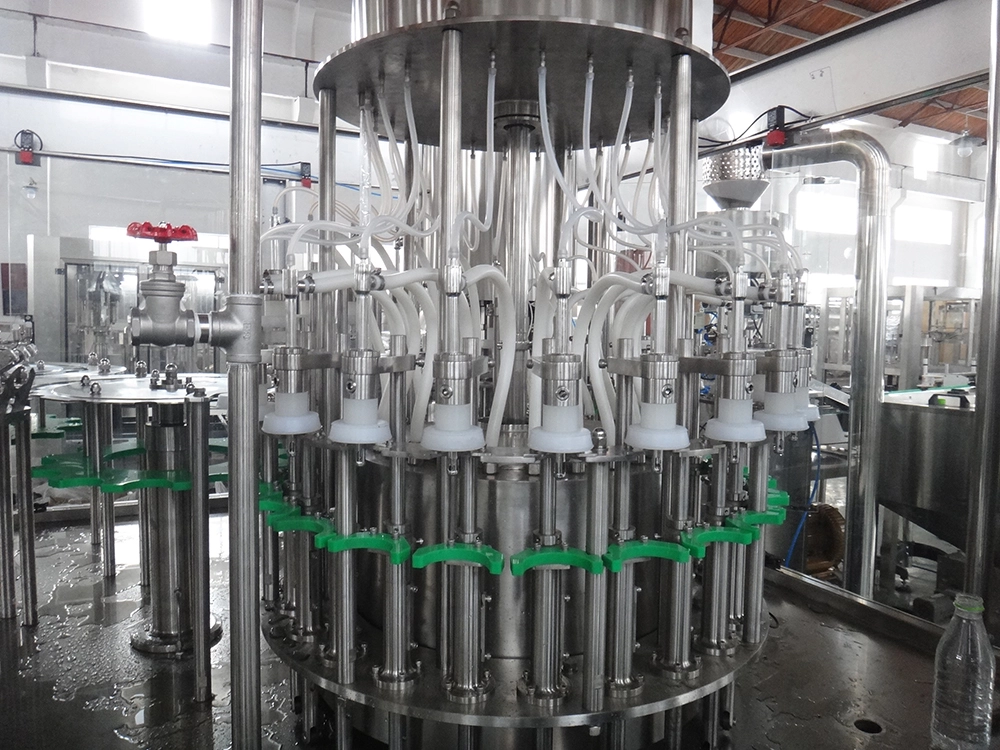
A milk filling machine is a specialized piece of equipment used to automatically fill containers with milk. It typically consists of a conveyor system, filling heads, and a control panel. The containers are fed into the machine, positioned under the filling heads, and filled with a precise amount of milk. The filled containers are then conveyed out of the machine for further processing, such as capping and labeling. The machine is controlled by a programmable logic controller (PLC), which allows for precise control of the filling process and ensures consistent fill levels. Different types of filling machines are available, including volumetric fillers, gravimetric fillers, and flowmeter fillers, each offering different levels of accuracy and speed.
How do I start a milk and dairy factory business?
Starting a milk and dairy factory business requires careful planning and execution. Here are the general steps:
- Develop a Business Plan: Outline your business goals, target market, product offerings, and financial projections.
- Secure Funding: Determine your startup costs and explore funding options, such as loans, grants, or investors.
- Obtain Licenses and Permits: Research and obtain all necessary licenses and permits from local, state, and federal authorities.
- Find a Suitable Location: Choose a location that meets your production needs and complies with zoning regulations.
- Purchase Equipment: Invest in high-quality equipment, including a milk filling machine, pasteurizer, homogenizer, and packaging equipment.
- Source Raw Materials: Establish relationships with reliable suppliers of raw milk and other ingredients.
- Hire and Train Staff: Recruit and train qualified personnel to operate and maintain your equipment.
- Implement Quality Control Procedures: Establish rigorous quality control procedures to ensure the safety and quality of your products.
- Market and Sell Your Products: Develop a marketing strategy to promote your products and reach your target market.
What types of milk containers can the machine fill?
Our milk filling machines can handle a wide variety of container types, including plastic bottles, glass bottles, cartons, pouches, and cans. The specific types of containers that a machine can handle depend on its design and configuration. We offer machines that can accommodate different container sizes, shapes, and materials. We can also customize our machines to handle unique or unconventional container types. Before purchasing a machine, it's important to specify the types of containers you plan to use to ensure that the machine is properly configured.
What is the shelf life of milk packaged with your machine?
The shelf life of milk packaged with our machine depends on several factors, including the type of milk (pasteurized, UHT), the packaging material, and the storage conditions. Pasteurized milk typically has a shelf life of 7-10 days when refrigerated. UHT milk, which is processed at higher temperatures, can have a shelf life of several months at room temperature. Our aseptic filling technology helps to extend the shelf life of milk by minimizing contamination during the filling process. Proper storage conditions, such as refrigeration, are essential for maintaining the quality and extending the shelf life of milk.
How do I clean and maintain the milk filling machine?
Proper cleaning and maintenance are essential for ensuring the longevity and optimal performance of your milk filling machine. We recommend following a regular cleaning and maintenance schedule, including daily, weekly, and monthly tasks. Daily tasks include cleaning and sanitizing the machine after each production run. Weekly tasks include lubricating moving parts and inspecting for wear and tear. Monthly tasks include performing a more thorough cleaning and inspection. We provide detailed cleaning and maintenance instructions in our machine manuals. We also offer training programs to teach your staff how to properly clean and maintain the machine.
Product Introduction
Jndwater milk packaging machine is a specialized piece of equipment designed to accurately and hygienically fill milk into various types of containers, such as bottles, or jars. milk bottling machines can handle different types of milk, including whole milk, skim milk, flavored milk, and even plant-based milk alternatives.
Features
Hygiene and Sanitation:
Made from food-grade stainless steel to meet strict hygiene standards.
Equipped with CIP (Clean-in-Place) systems for easy and thorough cleaning.
Accuracy:
Precise filling mechanisms to ensure consistent fill levels and minimize product waste.
Automation:
Fully automated or semi-automated systems to increase production speed.
Can be integrated with other packaging equipment.
Filling Technologies:
Gravity Fillers: Suitable for free-flowing liquids like milk.
Piston Fillers: Ideal for thicker or viscous milk products.
Aseptic Fillers: Used for ultra-high-temperature (UHT) treated milk to ensure sterility.
Volumetric Fillers: Measure milk by volume for consistent fills.
Applications
Dairy factory: Filling pasteurized, homogenized, or UHT-treated milk.
Food and beverage factory: Packaging almond milk, soy milk, oat milk, chocolate milk, strawberry milk, Packaging cream, yogurt drinks, or buttermilk.
Benefits
Hygienic Packaging: Ensures milk is filled in a contamination-free environment.
Consistency: Uniform fill levels across all containers.
Reduced Waste: Precise measurements minimize product spillage and overfilling.
Compliance: Meets food safety and hygiene .
Types of milk bottling equipment
Semi-Automatic Fillers:
Require some manual intervention, such as placing and removing containers.
Ideal for small-scale or low-volume production.
Automatic Fillers:
Fully automated systems for high-volume production.
Can be integrated into production lines.
Technical Specifications
| Capacity(BPH) | 2000-20000BPH |
| Suitable bottle and cap | PET circular or square with screw cap |
| Bottle Volume | (Volume)250-2000ml |
| Rinsing pressure(Mpa) | >0.06Mpa<0.2Mpa |
Application Areas
Food and beverage factory
Beverage factory
Milk factory
Dairy factory
FAQ
How do I start a milk and dairy factory business?
First do a market survey to determine what dairy products or dairy beverages to produce? How much to produce? Then find a factory building, water and electricity, and purchase milk and dairy filling production line equipment.
Products List
Recent Products
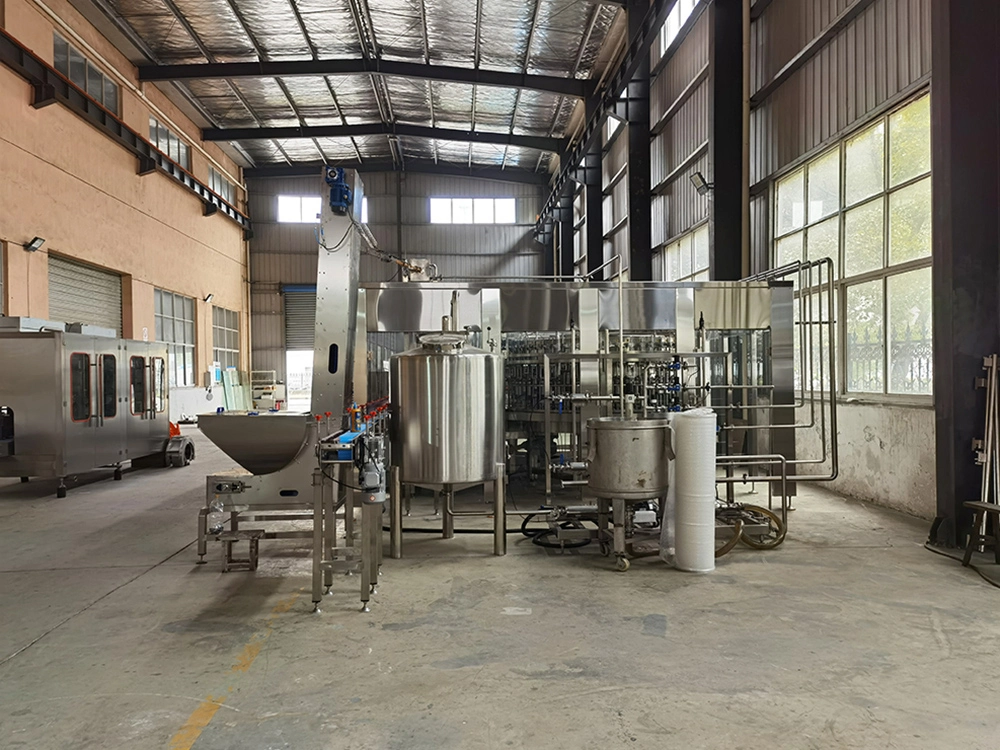
Jndwater milk bottling equipment is a specialized piece of equipment designed to accurately and hygienically fill milk into various types of containers, such as bottles, or jars. milk bottling machines can handle different types of milk, including whole milk, skim milk, flavored milk, and even plant-based milk alternatives.
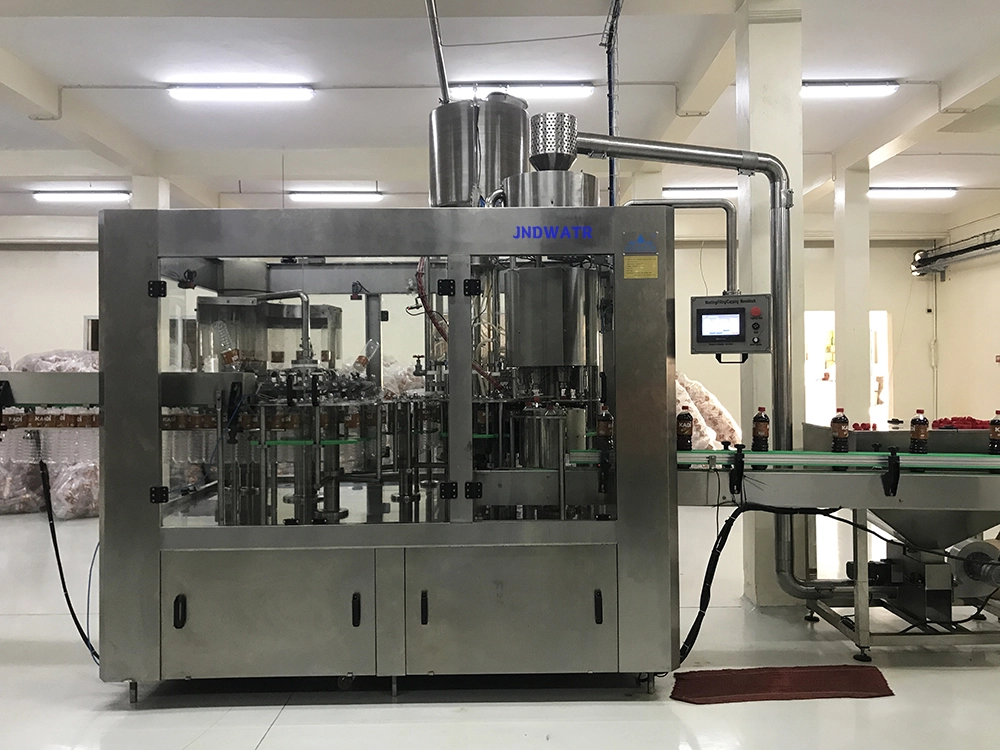
Jndwater milk bottling machine is a specialized piece of equipment designed to accurately and hygienically fill milk into various types of containers, such as bottles, or jars. milk bottling machines can handle different types of milk, including whole milk, skim milk, flavored milk, and even plant-based milk alternatives.
Jndwater milk filling machine is a specialized piece of equipment designed to accurately and hygienically fill milk into various types of containers, such as bottles, or jars. milk bottling machines can handle different types of milk, including whole milk, skim milk, flavored milk, and even plant-based milk alternatives.