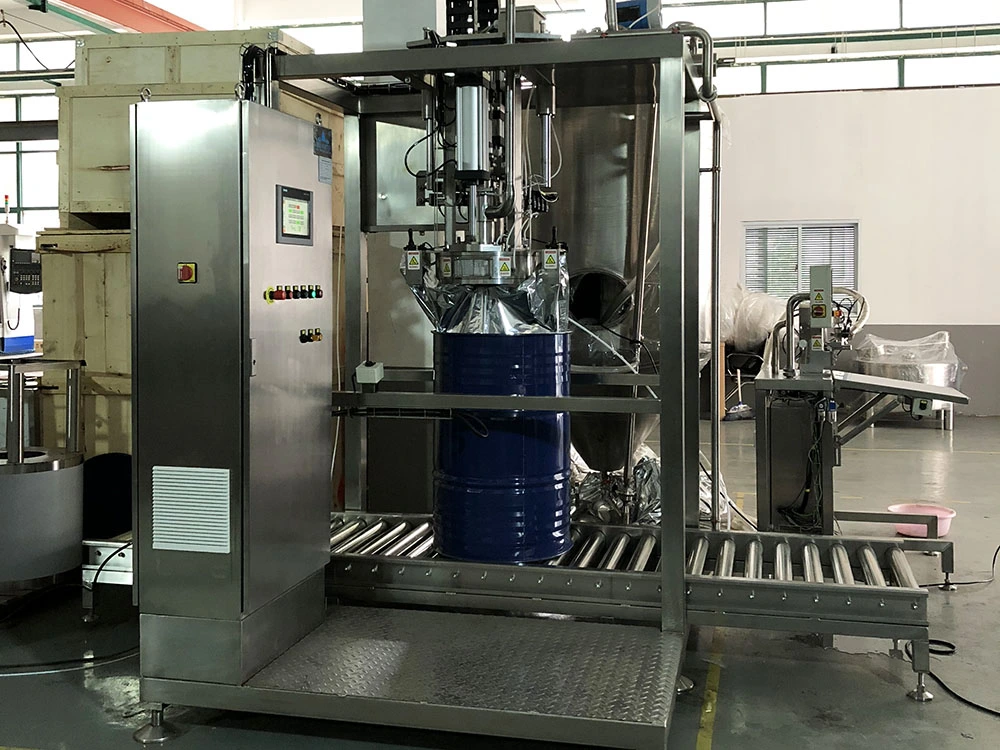
Market Trends & Industry Insights
The oil filling and packaging industry is undergoing rapid transformation, driven by evolving consumer preferences, stricter regulations, and technological advancements. Staying ahead of these trends is crucial for businesses seeking to optimize their operations and maintain a competitive edge. Let's delve into some key market dynamics shaping the future of oil packaging:
- Sustainability Imperative: Consumers are increasingly demanding eco-friendly packaging solutions. This trend is pushing manufacturers to explore sustainable materials like biodegradable plastics, recycled materials, and innovative packaging designs that minimize waste. Government regulations are also playing a significant role, with many countries implementing stricter rules on packaging waste and promoting the use of recyclable materials. For instance, the European Union's Packaging and Packaging Waste Directive sets ambitious targets for recycling and reducing packaging waste. This has led to a surge in demand for oil filling machines that can handle a variety of sustainable packaging materials without compromising efficiency or product integrity.
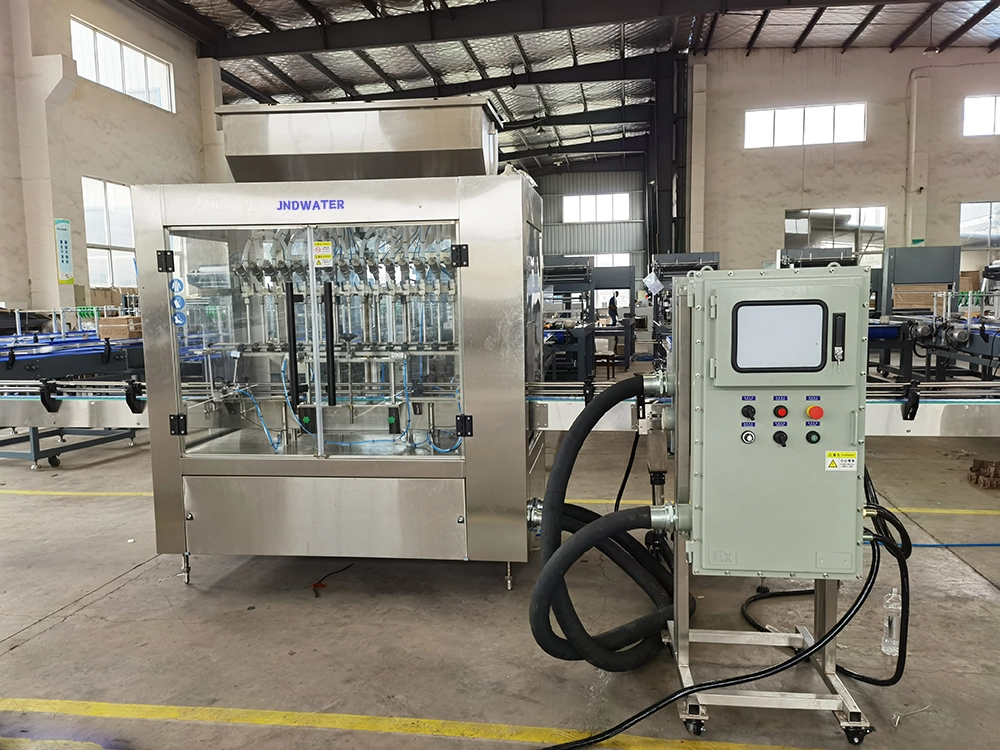
- Automation and Robotics: The integration of automation and robotics is revolutionizing oil filling processes. Automated filling machines offer numerous benefits, including increased speed, accuracy, and reduced labor costs. These machines can handle a wide range of oil types and container sizes, making them ideal for businesses with diverse product lines. Moreover, advanced robotic systems can perform tasks such as capping, labeling, and palletizing, further streamlining the packaging process. The adoption of automation is particularly prevalent in large-scale oil production facilities, where efficiency and consistency are paramount.
- Smart Packaging Solutions: Smart packaging technologies are gaining traction in the oil industry, offering enhanced product traceability, security, and consumer engagement. These technologies include features such as QR codes, NFC tags, and RFID labels, which can be used to track products throughout the supply chain, verify authenticity, and provide consumers with valuable information about the product's origin, ingredients, and usage. Smart packaging also enables brands to connect with consumers directly through mobile apps and personalized marketing campaigns. This trend is driven by the increasing demand for product transparency and the growing importance of brand loyalty.
- Flexibility and Customization: The demand for flexible and customized packaging solutions is on the rise, driven by the increasing diversification of oil products and the need for brands to differentiate themselves in a crowded market. Oil filling machines that can handle a variety of container shapes, sizes, and materials are becoming increasingly popular. Moreover, manufacturers are offering customized filling solutions tailored to the specific needs of individual businesses. This trend is particularly relevant for smaller producers and specialty oil brands that require flexible packaging options to cater to niche markets.
- Hygiene and Safety Standards: The oil filling industry is subject to stringent hygiene and safety standards to ensure product quality and prevent contamination. Oil filling machines must be designed and manufactured to meet these standards, using materials that are easy to clean and sanitize. Moreover, advanced filling systems incorporate features such as closed-loop filling, which minimizes the risk of contamination. The increasing focus on hygiene and safety is driven by consumer awareness and regulatory requirements, particularly in the food and beverage sector.
To stay competitive in this dynamic landscape, businesses need to invest in advanced oil filling machines that can adapt to changing market demands, improve efficiency, and ensure product quality. By embracing these trends, companies can unlock new opportunities for growth and success in the oil packaging industry.
Customer Success Stories & Case Studies
Real-world examples of how Jndwater's oil filling machines have transformed businesses provide invaluable insights into the potential benefits of investing in advanced filling technology. These success stories demonstrate the tangible impact of our solutions on productivity, quality, and profitability. Here are a few compelling case studies:
- Case Study 1: Streamlining Production for a Leading Olive Oil Producer
A renowned olive oil producer in Italy was struggling with outdated filling equipment that resulted in inconsistent fill levels, frequent downtime, and high labor costs. Seeking a solution to improve efficiency and reduce waste, they partnered with Jndwater to implement a fully automated oil filling line. The new system included a high-speed filling machine, capping machine, labeling machine, and automated conveyor system. The results were remarkable. Fill accuracy improved by 99%, reducing product waste and ensuring consistent product quality. Production speed increased by 40%, allowing the producer to meet growing demand and expand their market reach. Labor costs were reduced by 30% due to the automation of key processes. The producer reported a significant return on investment within the first year of operation, solidifying the value of Jndwater's solution.
- Case Study 2: Enhancing Quality and Consistency for a Specialty Oil Bottler
A small-scale producer of specialty oils, such as truffle oil and avocado oil, faced challenges in maintaining consistent quality and preventing contamination during the filling process. Their manual filling methods were labor-intensive and prone to errors, leading to inconsistent fill levels and product spoilage. They turned to Jndwater for a customized oil filling solution designed to meet their specific needs. Jndwater provided a semi-automatic filling machine with precision dosing capabilities and a closed-loop filling system to minimize contamination. The new machine significantly improved fill accuracy and consistency, ensuring that each bottle contained the exact amount of oil specified. The closed-loop filling system eliminated the risk of contamination, preserving the quality and flavor of the delicate oils. The producer was able to enhance their brand reputation and increase customer satisfaction by delivering a consistently high-quality product.
- Case Study 3: Scaling Production for a Growing Coconut Oil Manufacturer
A rapidly growing manufacturer of coconut oil in Southeast Asia needed to scale up their production capacity to meet increasing global demand. Their existing filling equipment was insufficient to handle the increased volume, resulting in bottlenecks and delays. They chose Jndwater to design and install a high-speed oil filling line capable of handling a variety of container sizes and shapes. The new line included a multi-head filling machine, automatic capping machine, and labeling machine, all integrated with a sophisticated control system. The system enabled the manufacturer to increase their production capacity by 150%, allowing them to fulfill large orders and expand their market share. The automated control system ensured consistent fill levels and accurate labeling, minimizing errors and improving overall efficiency. The manufacturer was able to achieve significant cost savings through increased productivity and reduced labor requirements.
These case studies demonstrate the diverse range of benefits that Jndwater's oil filling machines can provide. By investing in our advanced solutions, businesses can streamline their production processes, enhance product quality, reduce costs, and achieve sustainable growth.
In-Depth Product Comparisons
Choosing the right oil filling machine can be a complex decision, as different models offer varying features, capabilities, and price points. To help you make an informed choice, we've compiled a detailed comparison of several popular oil filling machine models, highlighting their key specifications, advantages, and disadvantages. This comparison will enable you to assess which machine best aligns with your specific needs and budget.
Factors to Consider When Comparing Oil Filling Machines:
- Filling Volume: The filling volume range of the machine should match the size of the containers you intend to fill. Consider the minimum and maximum fill volumes to ensure the machine can accommodate your entire product line.
- Filling Speed: The filling speed, measured in bottles per minute (BPM), determines the machine's production capacity. Choose a machine with a filling speed that meets your current and future production needs.
- Accuracy: Fill accuracy is crucial for maintaining product quality and minimizing waste. Look for machines with precision dosing systems and advanced control features to ensure consistent fill levels.
- Container Compatibility: The machine should be compatible with the types of containers you use, including glass bottles, plastic bottles, and metal cans. Consider the shape, size, and material of your containers when selecting a machine.
- Oil Viscosity: The viscosity of the oil you are filling will affect the type of filling system required. High-viscosity oils may require positive displacement pumps, while low-viscosity oils can be filled using gravity or vacuum filling systems.
- Automation Level: Oil filling machines range from manual to fully automated. Consider your budget, production volume, and labor costs when choosing the appropriate level of automation.
- Features: Look for machines with desirable features such as no-bottle-no-fill, automatic cleaning, and easy changeover.
- Price: The price of the machine should be within your budget. Consider the total cost of ownership, including maintenance, repairs, and spare parts.
Detailed Comparison Table:
| Model |
Filling Volume |
Filling Speed |
Accuracy |
Container Compatibility |
Oil Viscosity |
Automation Level |
Features |
Price Range |
| Jndwater Model A |
50ml - 1000ml |
30 BPM |
± 1% |
Glass, Plastic |
Low to Medium |
Semi-Automatic |
No-Bottle-No-Fill |
$5,000 - $10,000 |
| Jndwater Model B |
100ml - 5000ml |
60 BPM |
± 0.5% |
Glass, Plastic, Metal |
Low to High |
Automatic |
Automatic Cleaning, Easy Changeover |
$15,000 - $30,000 |
| Jndwater Model C |
500ml - 10000ml |
100 BPM |
± 0.2% |
Glass, Plastic, Metal |
Low to High |
Fully Automatic, Smart Sensors |
$40,000 - $60,000 |
Disclaimer: Prices and specifications are subject to change without notice. Contact Jndwater for the latest information.
By carefully evaluating these factors and comparing different oil filling machine models, you can select the machine that best meets your specific requirements and helps you achieve your production goals.
Installation & Maintenance Guides
Proper installation and regular maintenance are essential for ensuring the optimal performance and longevity of your oil filling machine. This section provides detailed guides and tips to help you install and maintain your machine effectively. Following these guidelines will minimize downtime, prevent costly repairs, and maximize the return on your investment.
Installation Guide:
- Unpacking and Inspection: Carefully unpack the machine and inspect it for any damage that may have occurred during shipping. Report any damage to the carrier immediately.
- Site Preparation: Prepare the installation site by ensuring that the floor is level and stable. Provide adequate space around the machine for operation and maintenance.
- Power Connection: Connect the machine to a properly grounded power outlet with the correct voltage and amperage. Consult the machine's manual for specific power requirements.
- Air Supply Connection: Connect the machine to a clean and dry compressed air supply with the correct pressure. Consult the machine's manual for specific air pressure requirements.
- Initial Setup: Follow the manufacturer's instructions for initial setup, including calibrating the filling system and adjusting the container guides.
- Testing: Perform a test run with water or a similar liquid to ensure that the machine is functioning correctly. Adjust the settings as needed to achieve the desired fill volume and speed.
Maintenance Guide:
- Daily Cleaning: Clean the machine daily with a mild detergent and water. Pay particular attention to the filling nozzles, container guides, and conveyor system.
- Regular Lubrication: Lubricate all moving parts regularly with a food-grade lubricant. Consult the machine's manual for specific lubrication points and intervals.
- Filter Replacement: Replace the air filters and oil filters regularly to prevent contamination and maintain optimal performance.
- Seal Inspection: Inspect the seals and gaskets regularly for wear and tear. Replace them as needed to prevent leaks.
- Belt Tension Adjustment: Adjust the tension of the conveyor belts regularly to ensure smooth operation.
- Calibration: Calibrate the filling system periodically to ensure accurate fill levels.
- Professional Service: Schedule regular professional service to inspect and maintain the machine.
Troubleshooting Tips:
- Filling Issues: If the machine is not filling correctly, check the filling nozzles, pumps, and valves for clogs or damage.
- Leakage: If the machine is leaking, check the seals, gaskets, and fittings for wear and tear.
- Power Issues: If the machine is not powering on, check the power cord, circuit breaker, and fuses.
- Air Pressure Issues: If the machine is not receiving adequate air pressure, check the air compressor, air lines, and pressure regulator.
By following these installation and maintenance guides, you can ensure that your oil filling machine operates smoothly and efficiently for many years to come.
FAQ Section with Common Customer Queries
We understand that you may have questions about our oil filling machines and related services. This FAQ section addresses some of the most common queries we receive from our customers. If you don't find the answer to your question here, please don't hesitate to contact us directly.
General Questions:
- What types of oil can your filling machines handle?
Our oil filling machines can handle a wide variety of oils, including olive oil, vegetable oil, coconut oil, essential oils, and lubricating oils. We can customize our machines to accommodate specific oil viscosities and properties.
- What container types can your filling machines handle?
Our oil filling machines can handle various container types, including glass bottles, plastic bottles, metal cans, and drums. We can customize our machines to accommodate different container shapes and sizes.
- What is the filling accuracy of your machines?
Our oil filling machines offer high filling accuracy, typically within ± 0.5% to ± 1%. We use precision dosing systems and advanced control features to ensure consistent fill levels.
Product Questions:
- Do you offer customized oil filling solutions?
Yes, we offer customized oil filling solutions tailored to the specific needs of our customers. We can design and build machines to accommodate unique container types, oil viscosities, and production requirements.
- What is the lead time for your oil filling machines?
The lead time for our oil filling machines varies depending on the complexity of the project and the level of customization required. We typically quote a lead time of 8-12 weeks for standard machines and 12-16 weeks for customized machines.
- What is the warranty on your oil filling machines?
We offer a one-year warranty on all of our oil filling machines. The warranty covers defects in materials and workmanship. We also offer extended warranty options for added peace of mind.
Service and Support Questions:
- Do you offer installation and training services?
Yes, we offer comprehensive installation and training services to ensure that our customers can operate and maintain their oil filling machines effectively. Our experienced technicians will install the machine, train your staff, and provide ongoing support.
- Do you offer maintenance and repair services?
Yes, we offer maintenance and repair services to keep your oil filling machine running smoothly. Our skilled technicians can diagnose and repair any issues that may arise.
- How can I order spare parts for my oil filling machine?
You can order spare parts for your oil filling machine by contacting our customer service department. We stock a wide range of spare parts and can ship them to you quickly.
Ordering and Payment Questions:
- What is the ordering process for your oil filling machines?
The ordering process for our oil filling machines involves several steps, including initial consultation, proposal, design, manufacturing, testing, installation, and training. We will guide you through each step of the process to ensure a smooth and successful experience.
- What payment methods do you accept?
We accept a variety of payment methods, including wire transfer, letter of credit, and credit card. We can also offer financing options to qualified customers.
- What is your return policy?
Our return policy varies depending on the specific product and circumstances. Please contact our customer service department for more information.
We hope this FAQ section has answered your questions. If you have any other queries, please feel free to contact us. We are always happy to help.
Interactive Tools: Product Configurator
Choosing the right oil filling machine can be a daunting task, with numerous factors to consider. To simplify the process and empower you to find the perfect solution for your specific needs, we offer an interactive product configurator. This tool allows you to customize your oil filling machine by selecting various options and features, providing you with a clear understanding of the available configurations and their associated costs.
How the Product Configurator Works:
- Select Your Oil Type: Choose the type of oil you will be filling, such as olive oil, vegetable oil, coconut oil, or essential oils. This selection will help us determine the appropriate filling system and materials for your machine.
- Select Your Container Type: Choose the type of containers you will be using, such as glass bottles, plastic bottles, metal cans, or drums. This selection will help us determine the appropriate container handling system and filling nozzles for your machine.
- Specify Your Filling Volume: Specify the range of filling volumes you require, from the smallest to the largest container size. This selection will help us determine the appropriate filling pump and dosing system for your machine.
- Specify Your Production Capacity: Specify your desired production capacity, measured in bottles per minute (BPM). This selection will help us determine the appropriate filling speed and number of filling heads for your machine.
- Choose Your Automation Level: Choose the level of automation you require, from manual to semi-automatic to fully automatic. This selection will help us determine the appropriate control system and level of integration for your machine.
- Select Your Desired Features: Select any additional features you require, such as no-bottle-no-fill, automatic cleaning, easy changeover, or smart sensors.
- View Your Configuration and Request a Quote: Once you have completed the configuration process, you can view a summary of your selected options and request a quote. Our sales team will review your configuration and provide you with a detailed proposal, including pricing and lead time.
Benefits of Using the Product Configurator:
- Simplified Selection Process: The product configurator simplifies the complex process of choosing an oil filling machine by guiding you through the key decision points.
- Customized Solutions: The product configurator allows you to customize your oil filling machine to meet your specific needs and requirements.
- Transparent Pricing: The product configurator provides you with a clear understanding of the costs associated with different configurations.
- Informed Decision-Making: The product configurator empowers you to make informed decisions about your oil filling machine purchase.
- Faster Quote Turnaround: The product configurator enables us to provide you with a faster quote turnaround time.
By using our interactive product configurator, you can streamline the process of selecting an oil filling machine and find the perfect solution for your business. Start configuring your machine today and experience the benefits of a customized filling solution!