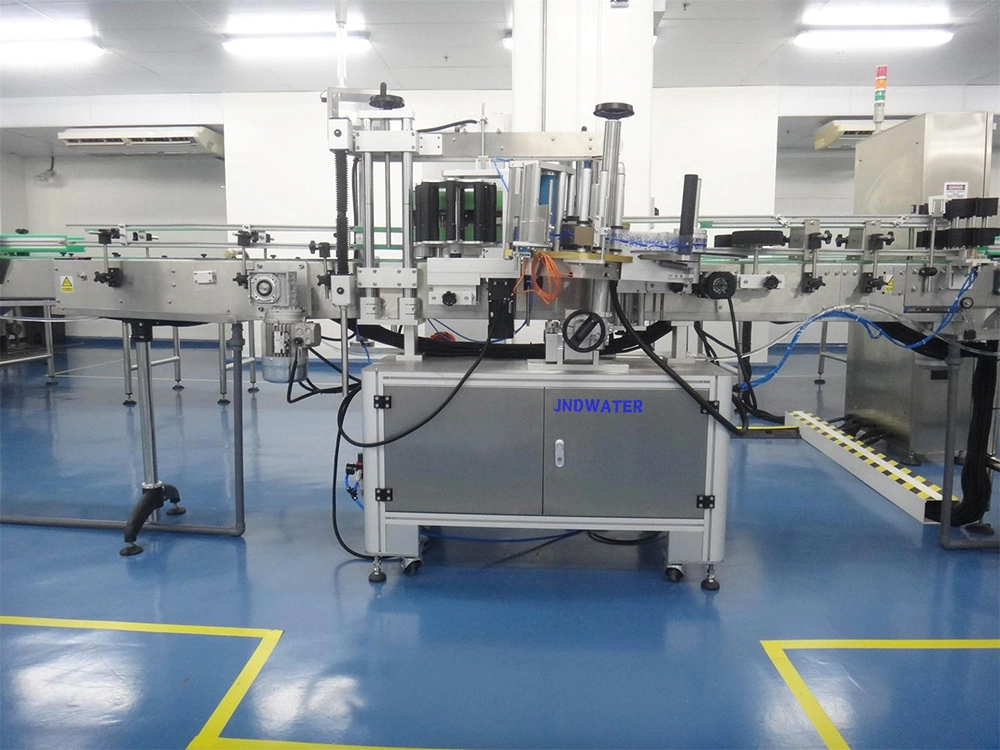
Applications of Self-Adhesive Labeling Machines
Self-adhesive labeling machines are incredibly versatile, finding applications across a wide range of industries. Their ability to apply labels accurately and efficiently to various container shapes and sizes makes them indispensable in sectors ranging from food and beverage to pharmaceuticals and cosmetics. Let's delve into some specific examples:
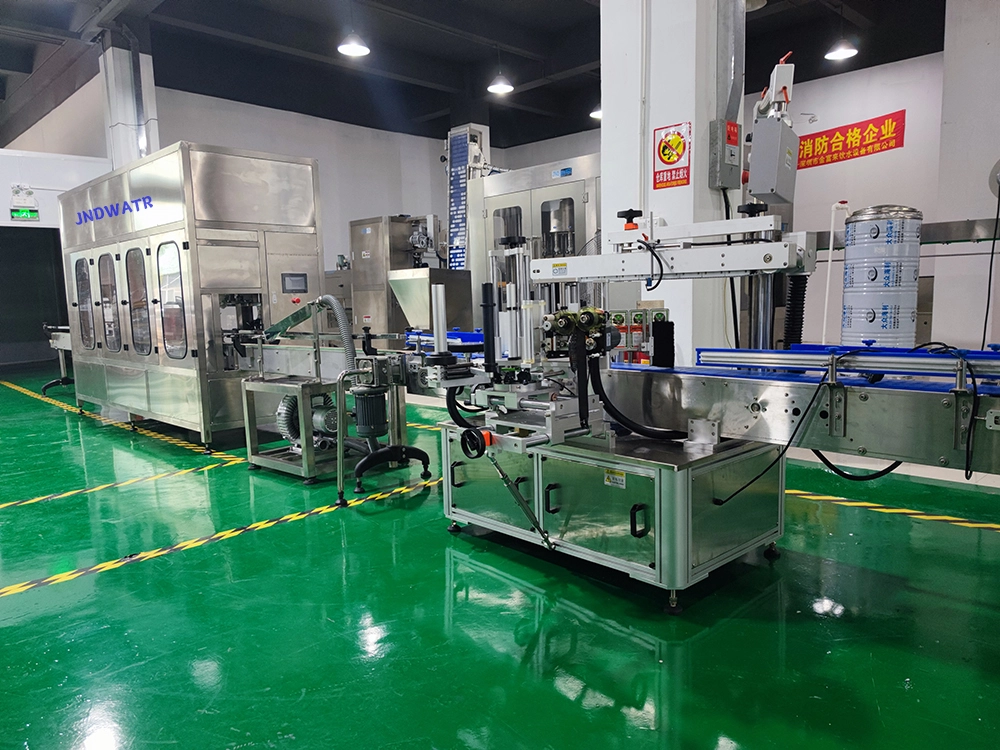
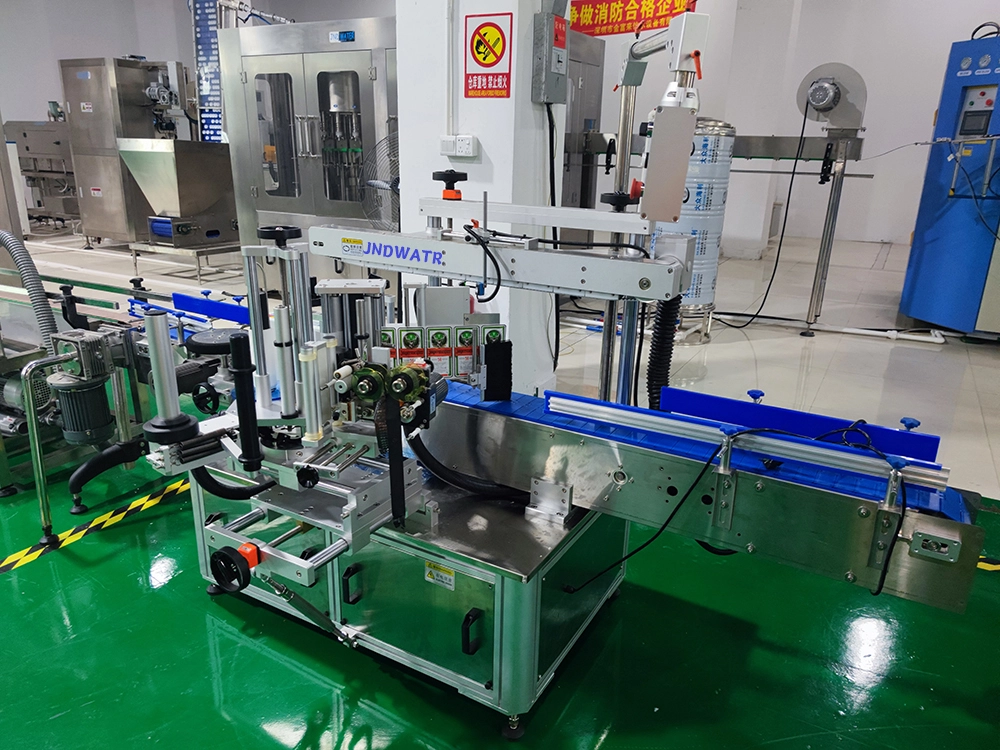
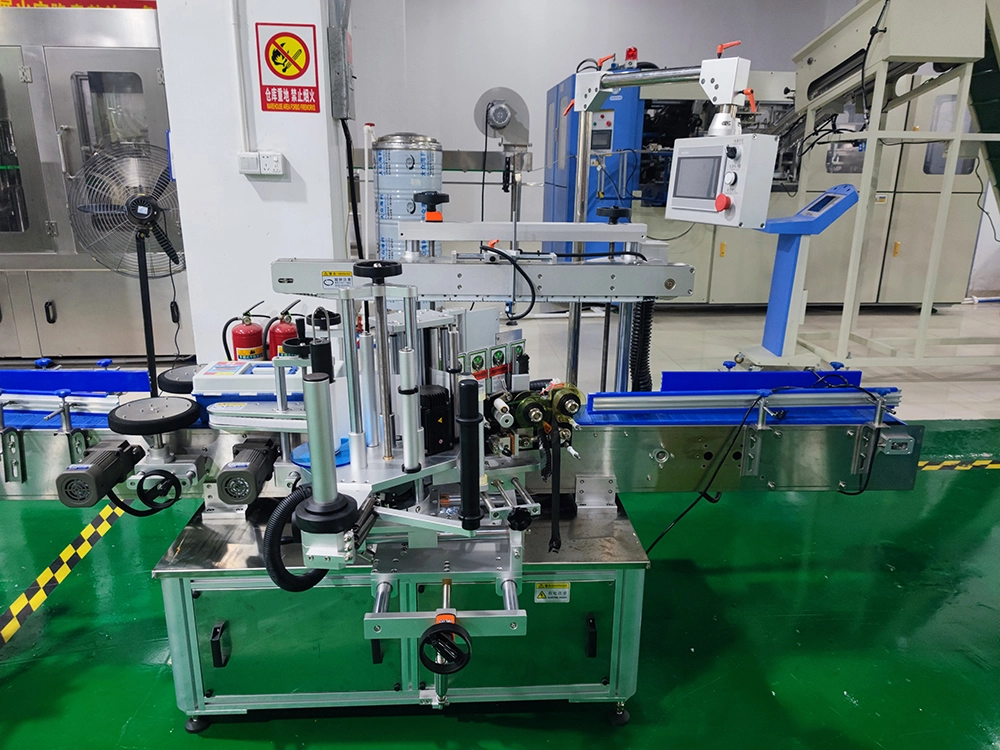
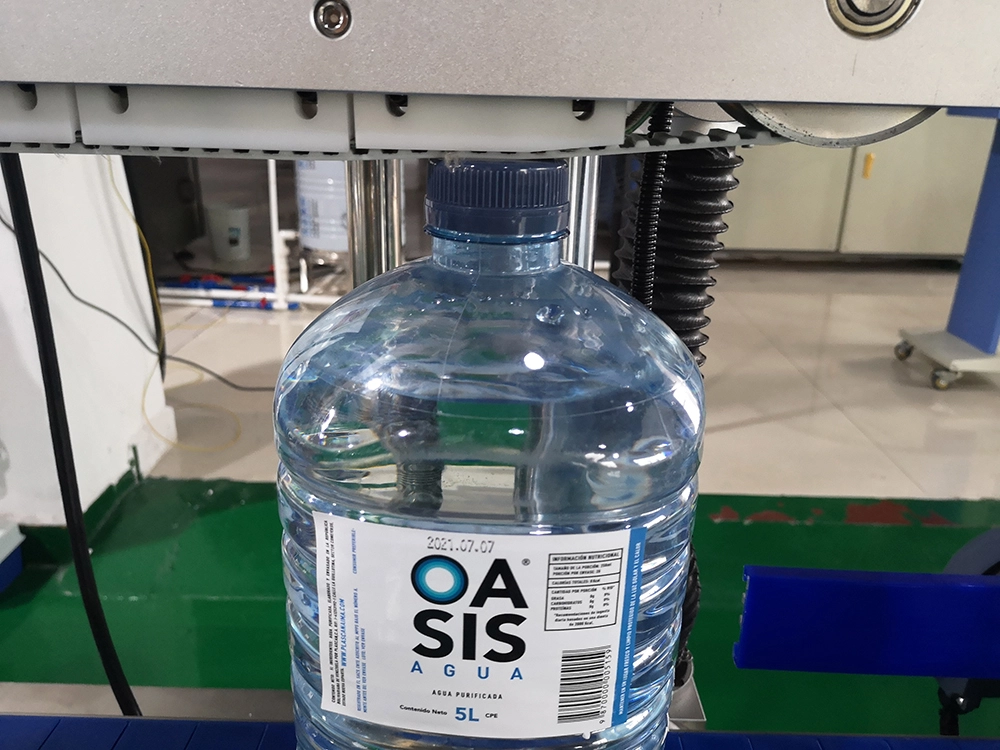
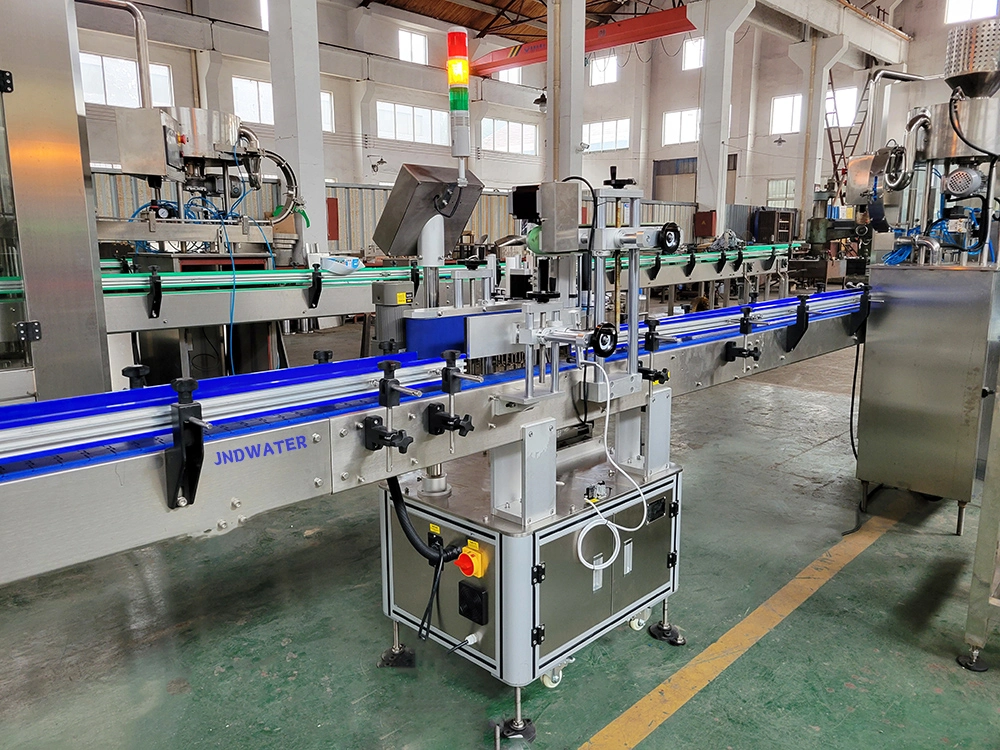
- Food and Beverage Industry: In the food and beverage sector, precision and hygiene are paramount. Self-adhesive labeling machines excel in applying labels to products like bottled water, soft drinks, canned goods, and packaged foods. These machines can handle diverse container materials, including glass, plastic, and metal, ensuring labels are applied straight and securely. Consider a beverage company producing a new line of craft sodas. By implementing a JNDWATER self-adhesive labeling machine, they can efficiently label thousands of bottles per hour, maintaining consistent branding and meeting stringent labeling requirements for nutritional information and ingredients. High-quality images and videos can showcase how the machine seamlessly integrates into existing production lines, enhancing throughput while minimizing downtime. Furthermore, the machine's ability to handle different label sizes and shapes allows for flexibility in product design and marketing campaigns.
- Pharmaceutical Industry: The pharmaceutical industry demands the highest levels of accuracy and compliance. Self-adhesive labeling machines are critical for applying labels to vials, ampoules, bottles, and boxes containing medications. These labels often include vital information such as dosage instructions, batch numbers, expiration dates, and barcodes for tracking and tracing. A pharmaceutical manufacturer might use a JNDWATER self-adhesive labeling machine to label vials of vaccine. The machine ensures each vial receives a perfectly aligned label with clear, legible text and a scannable barcode. This precision is crucial for preventing errors and ensuring patient safety. Additionally, the machine's ability to integrate with serialization systems helps comply with regulatory requirements and combat counterfeiting. Visual aids, such as videos demonstrating the machine's accuracy and speed in a cleanroom environment, further underscore its value.
- Chemical Industry: The chemical industry requires robust labeling solutions that can withstand harsh environments and hazardous materials. Self-adhesive labeling machines are used to label containers of chemicals, solvents, lubricants, and cleaning products. These machines must be capable of applying labels that are resistant to chemicals, abrasion, and extreme temperatures. Imagine a chemical company that produces industrial-strength cleaners. They rely on JNDWATER's self-adhesive labeling machine to apply durable labels to their product containers. These labels must remain intact and legible even when exposed to harsh chemicals and demanding handling conditions. The machine's ability to handle a variety of label materials, including those with chemical-resistant coatings, ensures compliance with safety regulations and provides essential information to end-users. High-resolution images showing the machine applying labels to various container types, coupled with testimonials from satisfied chemical manufacturers, can build trust and demonstrate the machine's reliability.
- Cosmetics Industry: In the highly competitive cosmetics industry, aesthetic appeal is crucial. Self-adhesive labeling machines are used to apply decorative and informative labels to bottles, jars, tubes, and compacts containing lotions, creams, makeup, and fragrances. These machines must be capable of handling intricate label designs and applying them with precision to enhance the product's visual appeal. A cosmetics company launching a new line of luxury skincare products could benefit significantly from a JNDWATER self-adhesive labeling machine. The machine ensures that each product receives a perfectly placed label with vibrant colors and crisp graphics, enhancing the brand's image and attracting customers. The ability to handle various label shapes and sizes, including wraparound labels and tamper-evident seals, provides flexibility in packaging design. Videos showcasing the machine's ability to apply labels to uniquely shaped containers, along with customer testimonials highlighting the increased sales and brand recognition, can further demonstrate its value.
By showcasing these diverse applications with high-quality images and videos, along with real-world case studies, we can effectively illustrate the versatility and value of JNDWATER's self-adhesive labeling machines to potential customers.
Comparison with Other Labeling Methods
When choosing a labeling method, it's essential to consider the advantages and disadvantages of each option. Self-adhesive labeling machines offer a compelling alternative to other methods like heat shrink labeling and wet glue labeling. Each method has its unique strengths and weaknesses, making them suitable for different applications and production environments. Let's compare self-adhesive labeling with these alternatives:
- Self-Adhesive Labeling vs. Heat Shrink Labeling: Heat shrink labeling involves applying a pre-printed sleeve around a container and then using heat to shrink the sleeve tightly onto the container's surface. While heat shrink labels offer 360-degree coverage and can create visually appealing designs, they also have limitations. Self-adhesive labeling, on the other hand, uses pressure-sensitive labels that are directly applied to the container. One key advantage of self-adhesive labeling is its versatility. Self-adhesive labels can be applied to a wider range of container shapes and materials, including those that are sensitive to heat. This is particularly important in industries like pharmaceuticals and cosmetics, where certain containers cannot withstand high temperatures. Additionally, self-adhesive labeling machines are generally easier to set up and maintain than heat shrink labeling systems. They require less energy and produce less waste, making them a more sustainable option. However, heat shrink labeling may be preferable for products that require tamper-evident seals or full-body graphics. A comparison table could highlight these differences, showing that self-adhesive labeling excels in versatility, ease of use, and sustainability, while heat shrink labeling is better for full coverage and tamper evidence. User reviews and expert opinions can further validate these points, providing a balanced perspective.
- Self-Adhesive Labeling vs. Wet Glue Labeling: Wet glue labeling involves applying labels using a liquid adhesive. This method has been used for many years and is still common in some industries, particularly for high-volume applications. However, wet glue labeling has several drawbacks compared to self-adhesive labeling. One major disadvantage is the mess and cleanup associated with wet glue. Wet glue labeling machines require frequent cleaning and maintenance to prevent glue buildup and ensure consistent label application. Self-adhesive labeling, on the other hand, is a much cleaner process. Self-adhesive labels are pre-coated with adhesive, eliminating the need for liquid glue and reducing the risk of spills and messes. This not only improves hygiene but also reduces downtime and maintenance costs. Another advantage of self-adhesive labeling is its precision. Self-adhesive labeling machines can apply labels with greater accuracy and consistency than wet glue labeling machines, resulting in a more professional and visually appealing product. However, wet glue labeling may be more cost-effective for very high-volume applications where the cost of self-adhesive labels is a significant factor. A comparison chart can illustrate these differences, showing that self-adhesive labeling offers superior cleanliness, precision, and ease of maintenance, while wet glue labeling may be more economical for extremely high volumes. Including user testimonials and expert analyses can provide a well-rounded comparison.
By providing a clear comparison of self-adhesive labeling with other methods, along with user evaluations and expert insights, we can help potential customers make informed decisions and choose the best labeling solution for their specific needs.
Customer Testimonials and Case Studies
Real-world examples and customer testimonials can significantly enhance the credibility and appeal of JNDWATER's self-adhesive labeling machines. Sharing success stories and positive feedback from satisfied customers helps build trust and demonstrates the tangible benefits of our equipment. Let's explore how we can incorporate customer testimonials and case studies into the product page:
- Highlighting Successful Business Applications: Showcase specific examples of how JNDWATER's self-adhesive labeling machines have helped businesses improve their efficiency, reduce costs, and enhance their brand image. For instance, consider a small craft brewery that struggled with manual labeling. By implementing a JNDWATER self-adhesive labeling machine, they were able to automate their labeling process, increasing their production capacity and ensuring consistent label placement. This not only improved their efficiency but also enhanced the visual appeal of their products, leading to increased sales. A detailed case study could describe the brewery's initial challenges, the implementation process, and the resulting improvements in production speed and product quality. Including before-and-after photos of their labeled products can further illustrate the impact of the machine.
- Featuring Customer Recommendations: Include direct quotes from satisfied customers, highlighting their positive experiences with JNDWATER's self-adhesive labeling machines. These testimonials should be authentic and specific, focusing on the benefits that customers have realized. For example, a customer from a pharmaceutical company might say, "The JNDWATER self-adhesive labeling machine has been instrumental in helping us meet stringent regulatory requirements. Its accuracy and reliability have minimized errors and ensured that our products are labeled correctly every time." Another customer from a cosmetics company might comment, "We were impressed with the machine's ability to handle our uniquely shaped containers. The labels are applied perfectly, enhancing the visual appeal of our products and attracting more customers." Displaying these testimonials prominently on the product page, along with customer photos and company logos, can build trust and credibility.
- Incorporating Visual Testimonials: Videos can be a powerful tool for showcasing customer experiences. Short video testimonials can capture the enthusiasm and satisfaction of JNDWATER's customers, providing a more engaging and persuasive message. These videos can feature customers discussing their challenges, demonstrating how the machine has solved their problems, and sharing their overall satisfaction with the product and JNDWATER's service. For instance, a video testimonial from a food packaging company could show the machine in action, labeling their products with speed and precision. The customer could then discuss how the machine has improved their production efficiency and reduced their labor costs. These visual testimonials can be integrated into the product page, providing potential customers with a firsthand look at the benefits of JNDWATER's self-adhesive labeling machines.
By adding concrete customer cases and compelling testimonials, emphasizing successful commercial applications and satisfied customer experiences, potential buyers can gain confidence in the quality and efficiency of JNDWATER's self-adhesive labeling machines, which can greatly increase the likelihood of a purchase.
Maintenance and After-Sales Support
Providing comprehensive maintenance guidelines and after-sales support is crucial for ensuring customer satisfaction and building long-term relationships. A detailed maintenance guide and responsive support system demonstrate JNDWATER's commitment to its customers and the reliability of its self-adhesive labeling machines. Here's how we can enhance the product page with valuable maintenance information and support resources:
- Detailed Maintenance Guide: Offer a comprehensive maintenance guide that covers all aspects of machine upkeep, from routine cleaning to troubleshooting common issues. This guide should be easy to understand and include step-by-step instructions, diagrams, and videos. For example, the guide could explain how to properly clean the labeling head, adjust the label tension, and replace worn parts. It should also provide guidance on identifying and resolving common problems, such as label jams, misaligned labels, and sensor malfunctions. The maintenance guide can be made available as a downloadable PDF or as a series of online tutorials. This empowers customers to perform basic maintenance tasks themselves, reducing downtime and extending the lifespan of their machines.
- Frequently Asked Questions (FAQs): Create a comprehensive FAQ section that addresses common questions and concerns about the self-adhesive labeling machine. This section should cover topics such as machine setup, operation, maintenance, and troubleshooting. For instance, the FAQ section could answer questions like, "How do I adjust the label sensor?" "What type of labels are compatible with the machine?" "How often should I lubricate the moving parts?" By providing clear and concise answers to these questions, we can help customers resolve issues quickly and efficiently, minimizing the need for technical support. The FAQ section can be organized by topic, making it easy for customers to find the information they need.
- Technical Support Contact Information: Provide clear and easily accessible contact information for JNDWATER's technical support team. This should include phone numbers, email addresses, and online chat options. Emphasize the responsiveness and expertise of the support team, assuring customers that help is always available when they need it. For example, we could state, "Our technical support team is available 24/7 to assist you with any questions or issues you may have. We are committed to providing prompt and effective support to ensure your machine operates smoothly." Additionally, we can include information about service contracts and on-site support options, providing customers with flexible support solutions to meet their specific needs.
- Service Videos: Develop a library of service videos that demonstrate common maintenance procedures and troubleshooting techniques. These videos can be a valuable resource for customers who prefer visual learning. For example, a video could show how to replace a worn label roller, adjust the label applicator, or troubleshoot a sensor error. The videos should be professionally produced and feature clear narration and close-up shots of the machine components. These service videos can be integrated into the maintenance guide and the FAQ section, providing customers with a comprehensive and user-friendly support experience.
By offering detailed maintenance guidelines, comprehensive FAQs, responsive technical support, and helpful service videos, JNDWATER can demonstrate its commitment to customer satisfaction and build trust in the reliability of its self-adhesive labeling machines. This can lead to increased customer loyalty and positive word-of-mouth referrals.
Environmental Impact and Sustainability
In today's environmentally conscious market, highlighting the sustainability features of self-adhesive labeling machines can be a significant selling point. Emphasizing the advantages of these machines in terms of environmental manufacturing, waste reduction, and energy efficiency can appeal to customers who prioritize sustainability. Let's explore how we can incorporate information about environmental impact and sustainability into the product page:
- Advantages in Eco-Friendly Manufacturing: Discuss how self-adhesive labeling machines contribute to eco-friendly manufacturing practices. For example, these machines often use less energy than other labeling methods, such as heat shrink labeling, which requires significant energy to heat and shrink the labels. Additionally, self-adhesive labeling machines can be designed to minimize waste by using precise label placement and reducing label breakage. We can highlight these advantages by stating, "JNDWATER's self-adhesive labeling machines are designed with sustainability in mind. They consume less energy than traditional labeling methods and minimize waste through precise label placement."
- Waste and Energy Reduction: Provide specific examples of how self-adhesive labeling machines reduce waste and energy consumption. For instance, we can quantify the amount of waste reduced by using self-adhesive labels compared to other labeling methods. We can also provide data on the energy consumption of the machine and compare it to industry averages. For example, we could state, "Our self-adhesive labeling machines reduce label waste by up to 20% compared to traditional methods. They also consume 15% less energy, helping you lower your carbon footprint and reduce operating costs."
- Third-Party Environmental Certifications and Research Data: Cite any third-party environmental certifications or research data that support the sustainability claims of JNDWATER's self-adhesive labeling machines. This can include certifications such as ISO 14001 (environmental management) or energy efficiency certifications. We can also reference research studies that compare the environmental impact of self-adhesive labeling to other labeling methods. For example, we could state, "JNDWATER's self-adhesive labeling machines are certified to ISO 14001 standards, demonstrating our commitment to environmental management. Research data shows that our machines have a lower carbon footprint than traditional labeling methods, thanks to their energy-efficient design and waste-reduction features."
- Sustainable Labeling Materials: Discuss the availability of sustainable labeling materials that can be used with JNDWATER's self-adhesive labeling machines. This can include labels made from recycled materials, biodegradable labels, or labels that use water-based adhesives. We can highlight these options by stating, "JNDWATER's self-adhesive labeling machines are compatible with a wide range of sustainable labeling materials, including labels made from recycled content and biodegradable adhesives. This allows you to further reduce your environmental impact and meet the growing demand for eco-friendly products."
By adding information about the environmental impact and sustainability of JNDWATER's self-adhesive labeling machines, we can appeal to environmentally conscious customers and differentiate our products from competitors. This can also enhance the company's overall brand image and contribute to a more sustainable future.