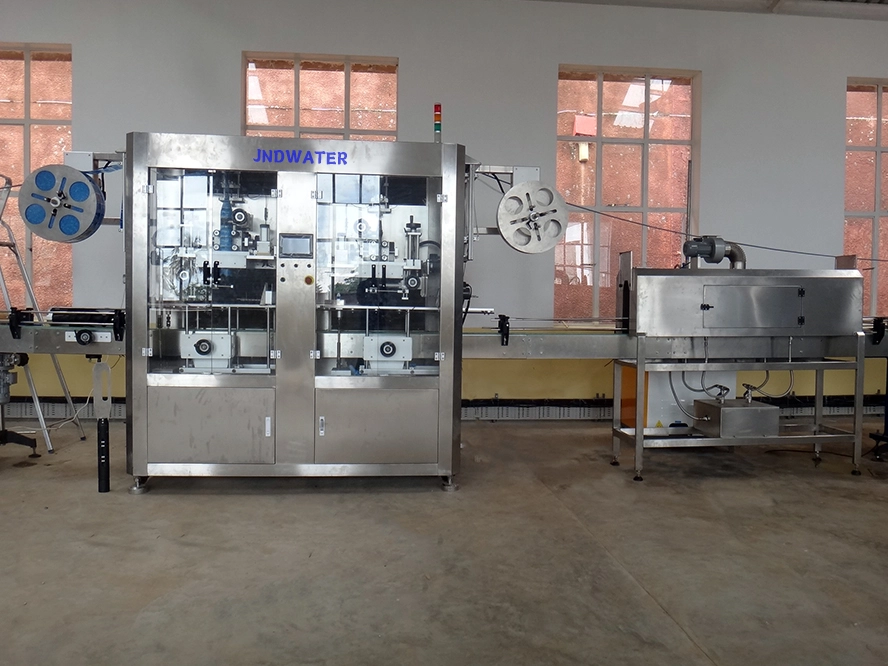
How to Choose the Right Sleeve Labeling Machine
Selecting the right sleeve labeling machine for your production line is a critical decision that impacts efficiency, cost-effectiveness, and the overall appeal of your product. With a variety of models and specifications available, understanding your specific needs and the machine's capabilities is paramount. This guide provides a comprehensive overview of the factors to consider when choosing a sleeve labeling machine, ensuring you make an informed decision that aligns with your business objectives.
1. Understanding Your Application: Before diving into technical specifications, clarify the intended application of the sleeve labeling machine. Consider the following:
- Industry: Are you in the beverage, cosmetics, pharmaceutical, or food industry? Each sector has unique requirements. For example, the beverage industry often deals with high-speed lines and varying container shapes, while the pharmaceutical industry demands precise label placement and tamper-evident seals.
- Container Type and Material: What types of containers will you be labeling – plastic bottles, glass jars, aluminum cans? The material and shape of the container will influence the machine's design and the type of sleeve material best suited for the application. Consider factors like surface friction, heat resistance, and the container's ability to withstand the shrinking process.
- Production Volume: What is your current and projected production volume? This will determine the required speed and capacity of the sleeve labeling machine. Start-ups and small-scale producers might opt for a semi-automatic or lower-speed machine, while large-scale operations necessitate high-speed, fully automated systems.
2. Key Parameters to Consider: Once you have a clear understanding of your application, evaluate the following parameters:
- Speed (Bottles Per Minute - BPM): The speed of the sleeve labeling machine is a crucial factor. Determine the required BPM based on your production volume and future growth projections. Ensure the machine can handle your current needs while also providing room for increased production capacity. Consider the machine's acceleration and deceleration capabilities to minimize downtime and maintain consistent labeling quality.
- Bottle Diameter Range: The machine should be able to accommodate the range of bottle diameters you intend to label. Check the machine's specifications to ensure it can handle the smallest and largest bottles in your product line. Some machines offer adjustable mechanisms to easily switch between different bottle sizes, while others may require change parts.
- Label Size (Width and Length): Verify that the machine can handle the required label sizes. Consider the label material and thickness, as these factors can impact the machine's performance. Ensure the machine has accurate label cutting and placement mechanisms to prevent misaligned or damaged labels.
- Sleeve Material: The type of sleeve material used (e.g., PVC, PET, OPS) will affect the shrinking process and the final appearance of the label. Consider factors like print quality, shrink ratio, and environmental impact. Ensure the machine is compatible with your chosen sleeve material and has the appropriate heating or shrinking mechanisms.
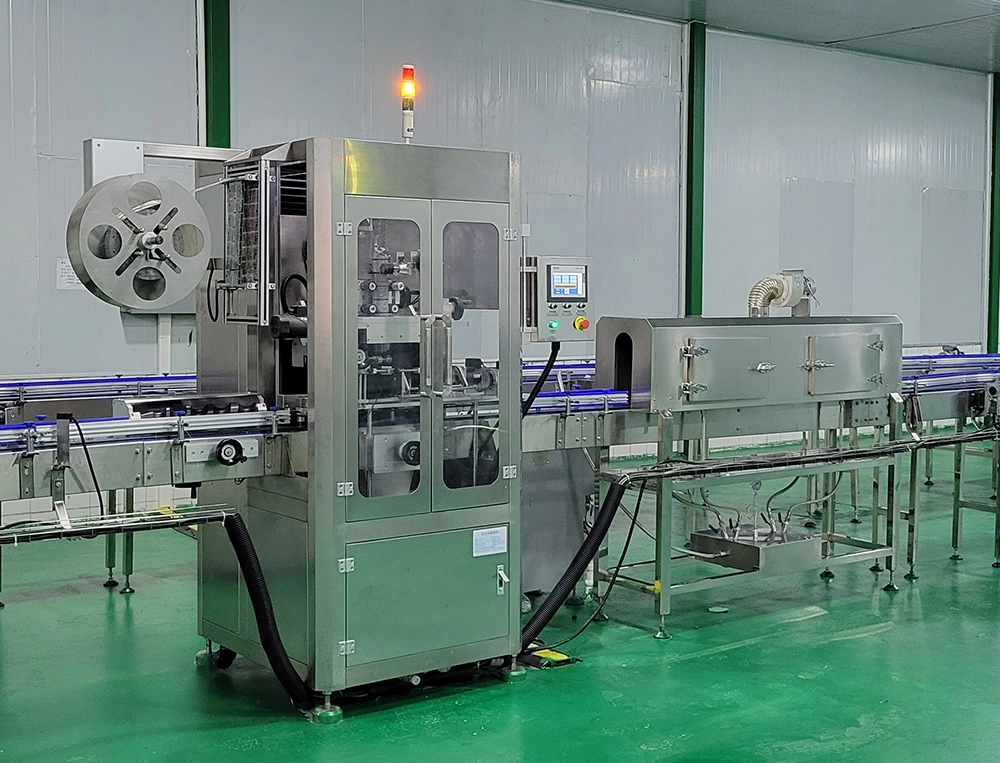
- Shrinking Method: Sleeve labeling machines typically use heat tunnels or steam tunnels to shrink the labels. Heat tunnels are generally more energy-efficient and suitable for a wider range of materials, while steam tunnels provide more consistent and uniform shrinking, especially for complex container shapes.
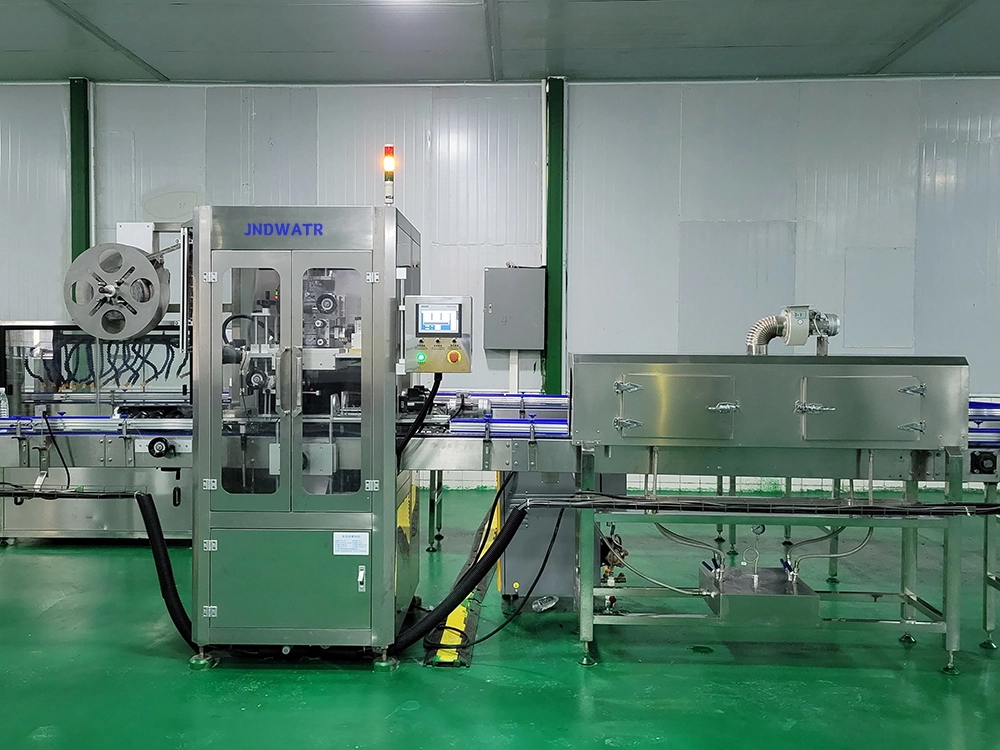
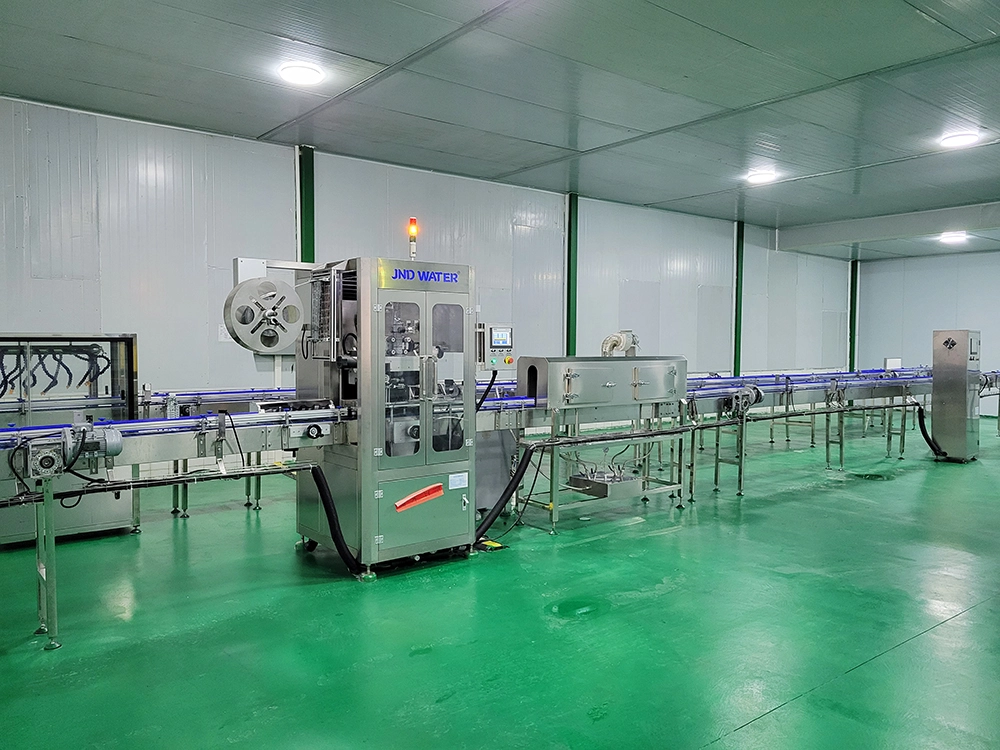
- Machine Footprint and Integration: Consider the available space in your production facility and how the sleeve labeling machine will integrate with your existing equipment. Choose a machine with a compact footprint that can be easily incorporated into your production line. Ensure the machine has compatible interfaces for seamless communication with other equipment, such as conveyors, fillers, and cappers.
3. Special Features and Automation: Look for machines with features that can enhance efficiency and reduce labor costs:
- Automatic Label Feeding: This feature ensures a continuous supply of labels, minimizing downtime and maximizing throughput.
- Automatic Bottle Alignment: Accurate bottle alignment is crucial for precise label placement. Look for machines with sensors and mechanisms that automatically align bottles before labeling.
- Error Detection and Rejection: Machines with error detection systems can identify and reject improperly labeled bottles, preventing defective products from reaching the market.
- PLC Control and HMI Interface: A programmable logic controller (PLC) provides precise control over the machine's operations, while a human-machine interface (HMI) allows operators to easily monitor and adjust settings.
4. Budget and ROI: Consider your budget and calculate the return on investment (ROI) for the sleeve labeling machine. Factor in the initial cost of the machine, as well as ongoing costs such as maintenance, spare parts, and energy consumption. Compare the cost of the sleeve labeling machine to the potential savings in labor, material waste, and improved production efficiency. A well-chosen sleeve labeling machine should provide a significant return on investment over its lifespan.
By carefully considering these factors, you can choose a sleeve labeling machine that meets your specific needs and helps you achieve your production goals. Remember to consult with reputable suppliers and request demonstrations to evaluate the machine's performance before making a final decision. Investing in the right sleeve labeling machine is a strategic move that can enhance your product's appeal, improve your operational efficiency, and boost your bottom line.
Customer Testimonials and Case Studies
When investing in a sleeve labeling machine, it’s essential to consider more than just technical specifications. Real-world feedback from other users and documented success stories can provide valuable insights into the machine's performance, reliability, and overall impact on production efficiency. Customer testimonials and case studies offer a glimpse into how these machines perform under various conditions and within different industries, helping you make a more informed decision.
The Power of Customer Testimonials: Customer testimonials provide firsthand accounts of the experiences users have had with sleeve labeling machines. These narratives often highlight specific benefits, such as increased production speed, improved label accuracy, reduced downtime, and ease of use. By reading through a range of testimonials, you can gain a balanced perspective on the machine's strengths and potential drawbacks.
For example, a beverage company might share how a JND Water sleeve labeling machine increased their labeling speed by 40%, allowing them to meet growing demand without additional labor costs. A cosmetics manufacturer could describe how the machine's precise label placement enhanced the visual appeal of their products, leading to increased sales. A pharmaceutical firm might emphasize the machine's reliability and compliance with industry standards, ensuring product safety and regulatory adherence.
When reviewing testimonials, look for specific details and quantifiable results. Pay attention to comments about the machine's ease of operation, maintenance requirements, and the quality of customer support provided by the manufacturer. Also, consider the source of the testimonials and whether they come from verified customers with similar production needs to your own. Genuine testimonials can offer a level of reassurance that technical specifications alone cannot provide.
Case Studies: Demonstrating Real-World Impact: Case studies take customer feedback a step further by providing in-depth analyses of how sleeve labeling machines have impacted specific businesses. These studies typically include detailed data on production volumes, cost savings, efficiency improvements, and other key performance indicators (KPIs). By examining case studies, you can gain a deeper understanding of the potential benefits of investing in a particular sleeve labeling machine.
A well-constructed case study might outline the challenges a company faced before implementing a sleeve labeling machine, such as high labor costs, inconsistent label quality, and frequent downtime. It would then detail how the machine was integrated into the production line, the training provided to operators, and the results achieved over a specific period. The study might include data on reduced labor costs, increased production output, improved label accuracy, and a decrease in product waste.
For instance, a case study could demonstrate how a food processing company reduced its labeling costs by 30% after switching to a JND Water sleeve labeling machine. The study might highlight the machine's ability to handle a variety of container shapes and sizes, its user-friendly interface, and its low maintenance requirements. It could also include testimonials from employees who found the machine easy to operate and maintain.
When evaluating case studies, pay attention to the methodology used and the objectivity of the analysis. Look for studies that provide clear, verifiable data and avoid those that rely solely on anecdotal evidence. Consider the relevance of the case study to your own business and whether the results achieved are likely to be replicated in your specific circumstances.
Enhancing Credibility and Building Trust: By incorporating customer testimonials and case studies into your marketing materials, you can enhance the credibility of your sleeve labeling machine and build trust with potential customers. These real-world examples demonstrate the value and effectiveness of your product, helping to overcome skepticism and encourage purchasing decisions. When showcasing testimonials and case studies, be sure to obtain permission from the customers involved and present the information in a clear, concise, and compelling manner.
Industry-Specific Applications and Benefits
Sleeve labeling machines have become indispensable in various industries, providing efficient and visually appealing labeling solutions for a wide range of products. Their versatility and adaptability make them ideal for businesses looking to enhance their branding, improve product presentation, and streamline their production processes. Let’s delve into the specific applications and benefits of sleeve labeling machines across different sectors.
1. Beverage Industry: The beverage industry is one of the largest consumers of sleeve labeling machines. From bottled water and soft drinks to alcoholic beverages and juices, these machines offer a cost-effective and visually appealing way to label containers of all shapes and sizes. Sleeve labels provide 360-degree coverage, allowing for eye-catching designs and ample space for product information. They are also durable and water-resistant, making them ideal for products that are often stored in refrigerators or exposed to moisture.
Benefits:
- Enhanced Branding: Sleeve labels allow for vibrant and detailed graphics that can significantly enhance brand recognition and shelf appeal.
- Tamper-Evident Seals: Sleeve labels can be extended over the cap of the bottle to provide a tamper-evident seal, ensuring product safety and consumer confidence.
- Flexibility: Sleeve labeling machines can handle a wide range of bottle shapes and sizes, making them ideal for companies with diverse product lines.
- Durability: Sleeve labels are resistant to water, chemicals, and abrasion, ensuring that the label remains intact throughout the product's lifecycle.
2. Cosmetics Industry: In the cosmetics industry, product presentation is paramount. Sleeve labeling machines offer a premium labeling solution that can elevate the visual appeal of cosmetic products and convey a sense of luxury and sophistication. Sleeve labels can be applied to a variety of containers, including bottles, jars, and tubes, and can be customized with intricate designs, vibrant colors, and tactile finishes.
Benefits:
- Premium Aesthetics: Sleeve labels provide a seamless and visually appealing finish that enhances the perceived value of cosmetic products.
- Contour Conformity: Sleeve labels can conform to the unique shapes of cosmetic containers, creating a sleek and professional look.
- Protection: Sleeve labels can protect cosmetic products from UV light and moisture, extending their shelf life and maintaining their quality.
- Customization: Sleeve labels can be customized with a variety of finishes, such as matte, gloss, and metallic, to create a unique and eye-catching design.
3. Pharmaceutical Industry: The pharmaceutical industry requires precise and reliable labeling solutions that comply with strict regulatory standards. Sleeve labeling machines offer a secure and tamper-evident way to label pharmaceutical products, ensuring patient safety and regulatory compliance. Sleeve labels can be printed with important information such as dosage instructions, expiration dates, and batch numbers, and can be designed to prevent tampering or counterfeiting.
Benefits:
- Tamper Evidence: Sleeve labels can be designed to provide a clear indication if a product has been tampered with, ensuring patient safety and preventing counterfeiting.
- Regulatory Compliance: Sleeve labeling machines can be configured to meet the specific labeling requirements of the pharmaceutical industry, such as FDA regulations and GMP guidelines.
- Traceability: Sleeve labels can be printed with unique codes and serial numbers to enable product traceability and prevent counterfeiting.
- Durability: Sleeve labels are resistant to chemicals and abrasion, ensuring that the label remains intact throughout the product's lifecycle.
4. Food Industry: Sleeve labeling machines are widely used in the food industry to label a variety of products, including canned goods, sauces, condiments, and snacks. Sleeve labels provide a durable and visually appealing way to display product information, nutritional facts, and branding elements. They are also resistant to moisture and temperature changes, making them ideal for products that are stored in refrigerators or freezers.
Benefits:
- Moisture Resistance: Sleeve labels are resistant to moisture and condensation, ensuring that the label remains intact in refrigerated or frozen environments.
- Temperature Resistance: Sleeve labels can withstand temperature fluctuations without shrinking or peeling, maintaining their visual appeal and readability.
- Durability: Sleeve labels are resistant to abrasion and chemicals, ensuring that the label remains intact throughout the product's lifecycle.
- Promotional Opportunities: Sleeve labels can be used for promotional campaigns, such as offering coupons or displaying QR codes that link to online content.
By understanding the specific applications and benefits of sleeve labeling machines in different industries, businesses can make informed decisions about investing in this technology and maximizing its potential to enhance their branding, improve product presentation, and streamline their production processes. Remember to consider your specific needs and requirements when selecting a sleeve labeling machine and consult with reputable suppliers to ensure you choose the right machine for your application.
Comparison with Other Labeling Technologies
When selecting a labeling solution, businesses often weigh the pros and cons of different technologies to determine the best fit for their specific needs. Sleeve labeling machines offer distinct advantages over other labeling methods, such as adhesive labeling, but it’s essential to understand the nuances of each technology to make an informed decision. This section provides a comprehensive comparison of sleeve labeling machines with other common labeling technologies, highlighting their respective strengths and weaknesses.
1. Sleeve Labeling vs. Adhesive Labeling: Adhesive labeling, also known as pressure-sensitive labeling, involves applying pre-printed labels to containers using an adhesive. This method is widely used for its simplicity and cost-effectiveness, but it has limitations compared to sleeve labeling.
Advantages of Sleeve Labeling:
- 360-Degree Coverage: Sleeve labels provide full coverage around the container, maximizing the available space for graphics and product information. Adhesive labels typically cover only a portion of the container.
- Enhanced Aesthetics: Sleeve labels offer a seamless and visually appealing finish that enhances the perceived value of the product. Adhesive labels can sometimes have visible edges or wrinkles, which can detract from the product's appearance.
- Tamper Evidence: Sleeve labels can be extended over the cap of the container to provide a tamper-evident seal, ensuring product safety and consumer confidence. Adhesive labels do not offer this level of security.
- Durability: Sleeve labels are resistant to water, chemicals, and abrasion, making them ideal for products that are exposed to harsh environments. Adhesive labels can be more susceptible to damage and peeling.
- Contour Conformity: Sleeve labels can conform to the unique shapes of containers, creating a sleek and professional look. Adhesive labels may not adhere properly to complex shapes.
Advantages of Adhesive Labeling:
- Lower Initial Cost: Adhesive labeling machines are generally less expensive than sleeve labeling machines.
- Simpler Operation: Adhesive labeling machines are easier to operate and maintain, requiring less training for operators.
- Faster Changeover: Switching between different label sizes and designs is typically faster and easier with adhesive labeling machines.
2. Sleeve Labeling vs. Wrap-Around Labeling: Wrap-around labeling involves applying a label that wraps around the entire circumference of the container. This method is commonly used for cylindrical containers, such as bottles and cans.
Advantages of Sleeve Labeling:
- Greater Design Flexibility: Sleeve labels offer more design flexibility, allowing for intricate graphics, vibrant colors, and tactile finishes. Wrap-around labels are typically limited to simpler designs.
- Contour Conformity: Sleeve labels can conform to the unique shapes of containers, while wrap-around labels are best suited for cylindrical containers.
- Tamper Evidence: Sleeve labels can be extended over the cap of the container to provide a tamper-evident seal, which is not possible with wrap-around labels.
Advantages of Wrap-Around Labeling:
- Lower Material Cost: The material used for wrap-around labels is typically less expensive than the material used for sleeve labels.
- Higher Speed: Wrap-around labeling machines can often operate at higher speeds than sleeve labeling machines.
3. Sleeve Labeling vs. Direct Printing: Direct printing involves printing directly onto the container using methods such as screen printing or inkjet printing.
Advantages of Sleeve Labeling:
- Greater Design Flexibility: Sleeve labels offer more design flexibility, allowing for intricate graphics, vibrant colors, and tactile finishes. Direct printing is typically limited to simpler designs.
- Easy Changeover: Switching between different label designs is much easier with sleeve labeling than with direct printing, which requires changing the printing plates or nozzles.
- Lower Setup Cost: The setup cost for sleeve labeling is typically lower than the setup cost for direct printing.
Advantages of Direct Printing:
- Permanent Label: Direct printing creates a permanent label that cannot be removed or replaced.
- Lower Material Cost: There is no material cost associated with direct printing, as the ink is applied directly to the container.
By carefully considering the advantages and disadvantages of each labeling technology, businesses can make an informed decision about which method is best suited for their specific needs. Sleeve labeling machines offer a compelling combination of aesthetics, functionality, and versatility, making them an excellent choice for a wide range of applications. However, it’s essential to weigh the costs and benefits against other options to ensure you choose the most cost-effective and efficient labeling solution for your business.
Maintenance and Troubleshooting Tips
Ensuring the longevity and optimal performance of your sleeve labeling machine requires regular maintenance and a proactive approach to troubleshooting. By implementing a consistent maintenance schedule and understanding common issues, you can minimize downtime, reduce repair costs, and maximize the efficiency of your production line. This section provides detailed maintenance guidelines and troubleshooting tips to help you keep your sleeve labeling machine running smoothly.
1. Regular Maintenance Schedule: A well-defined maintenance schedule is crucial for preventing breakdowns and extending the lifespan of your sleeve labeling machine. The frequency of maintenance tasks will depend on the machine's usage and the operating environment, but the following guidelines provide a general framework:
- Daily:
- Inspect the machine for any signs of damage or wear.
- Clean the machine's exterior surfaces with a soft cloth.
- Check the label roll and ensure it is properly aligned.
- Verify that all safety guards and interlocks are in place and functioning correctly.
- Weekly:
- Lubricate all moving parts according to the manufacturer's recommendations.
- Clean the cutting blades and ensure they are sharp.
- Inspect the conveyor belts and rollers for wear or damage.
- Check the tension of the label film and adjust as needed.
- Monthly:
- Clean the heat tunnel or steam tunnel to remove any residue or buildup.
- Inspect the electrical connections and wiring for loose or damaged components.
- Check the air pressure and filters in the pneumatic system.
- Calibrate the machine's sensors and encoders to ensure accurate label placement.
- Annually:
- Perform a comprehensive inspection of all mechanical and electrical components.
- Replace any worn or damaged parts.
- Have a qualified technician service the machine and perform any necessary repairs.
2. Common Troubleshooting Issues and Solutions: Even with regular maintenance, issues can arise that require troubleshooting. Here are some common problems and their potential solutions:
- Label Misalignment:
- Problem: Labels are not being applied correctly, resulting in inconsistent placement or skewed labels.
- Solution: Check the label film tension, sensor calibration, and bottle alignment. Adjust the machine's settings as needed to ensure accurate label placement.
- Label Film Breaks:
- Problem: The label film is tearing or breaking during the labeling process.
- Solution: Inspect the label film for damage or defects. Check the tension of the film and adjust as needed. Ensure that the cutting blades are sharp and properly aligned.
- Machine Jamming:
- Problem: Bottles or labels are getting stuck in the machine, causing it to stop running.
- Solution: Clear any obstructions from the machine's path. Check the bottle alignment and adjust as needed. Ensure that the machine's sensors are functioning correctly.
- Inconsistent Shrinking:
- Problem: Labels are not shrinking evenly or completely, resulting in wrinkles or loose labels.
- Solution: Check the temperature and airflow in the heat tunnel or steam tunnel. Adjust the machine's settings as needed to ensure consistent shrinking.
- Error Messages:
- Problem: The machine is displaying error messages on the HMI screen.
- Solution: Consult the machine's manual to identify the meaning of the error message. Follow the recommended troubleshooting steps to resolve the issue.
3. Tips for Preventing Problems: In addition to regular maintenance and troubleshooting, there are several steps you can take to prevent problems from occurring in the first place:
- Train Your Operators: Ensure that your operators are properly trained on how to operate and maintain the sleeve labeling machine.
- Use High-Quality Materials: Use high-quality label film and adhesives to prevent label tears, misalignment, and other issues.
- Keep the Machine Clean: Regularly clean the machine to remove dust, debris, and other contaminants that can cause problems.
- Monitor Performance: Monitor the machine's performance regularly and address any issues promptly.
- Keep a Stock of Spare Parts: Keep a stock of spare parts on hand to minimize downtime in the event of a breakdown.
By following these maintenance and troubleshooting tips, you can keep your sleeve labeling machine running smoothly and efficiently, ensuring consistent label quality and maximizing your production output. Remember to consult the machine's manual for specific maintenance recommendations and troubleshooting procedures. If you are unable to resolve an issue on your own, contact a qualified technician for assistance.