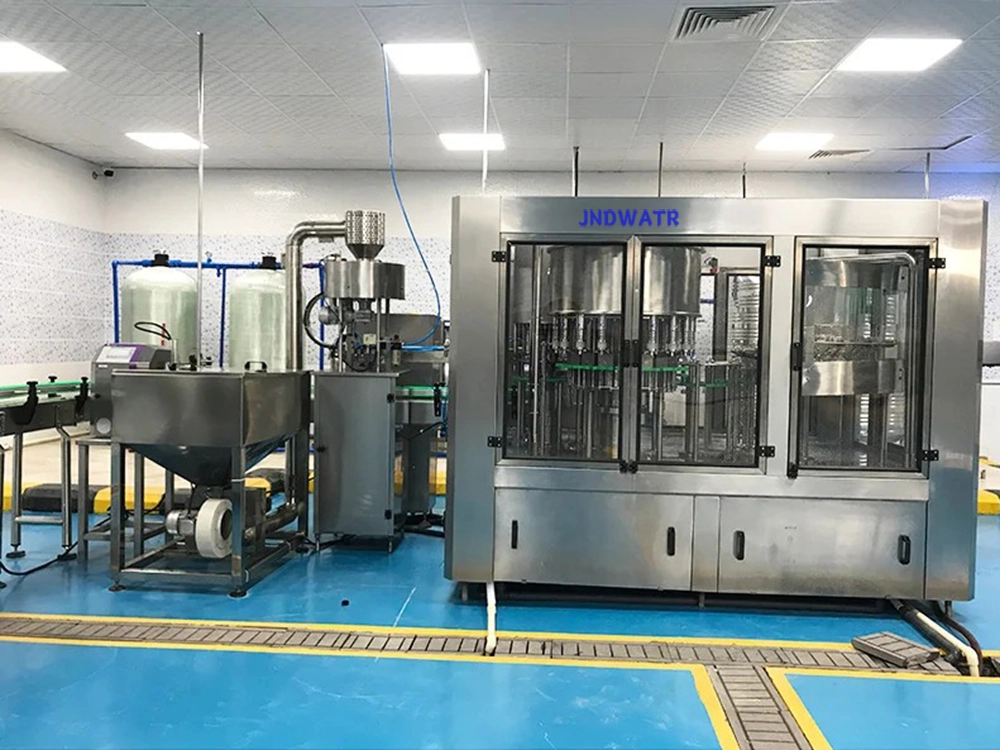
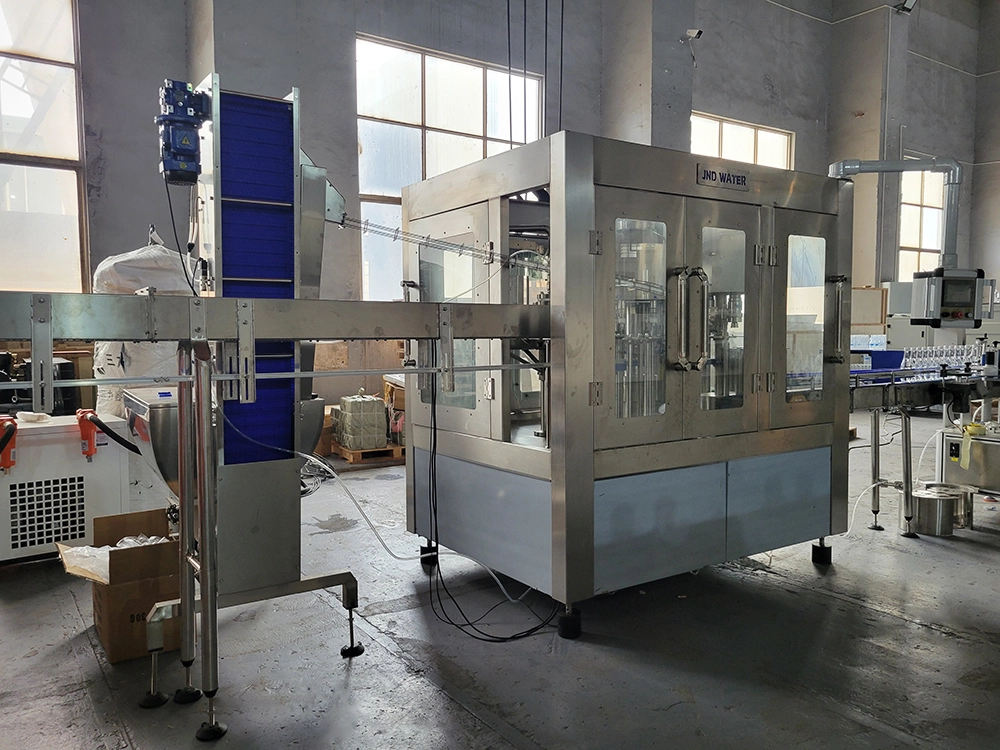
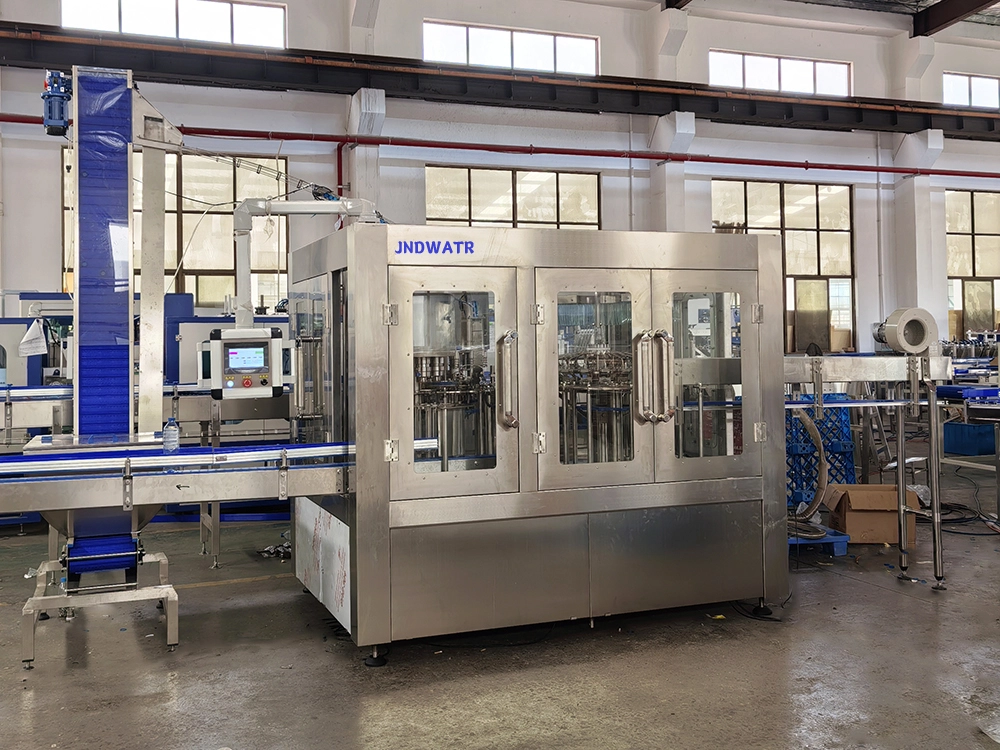
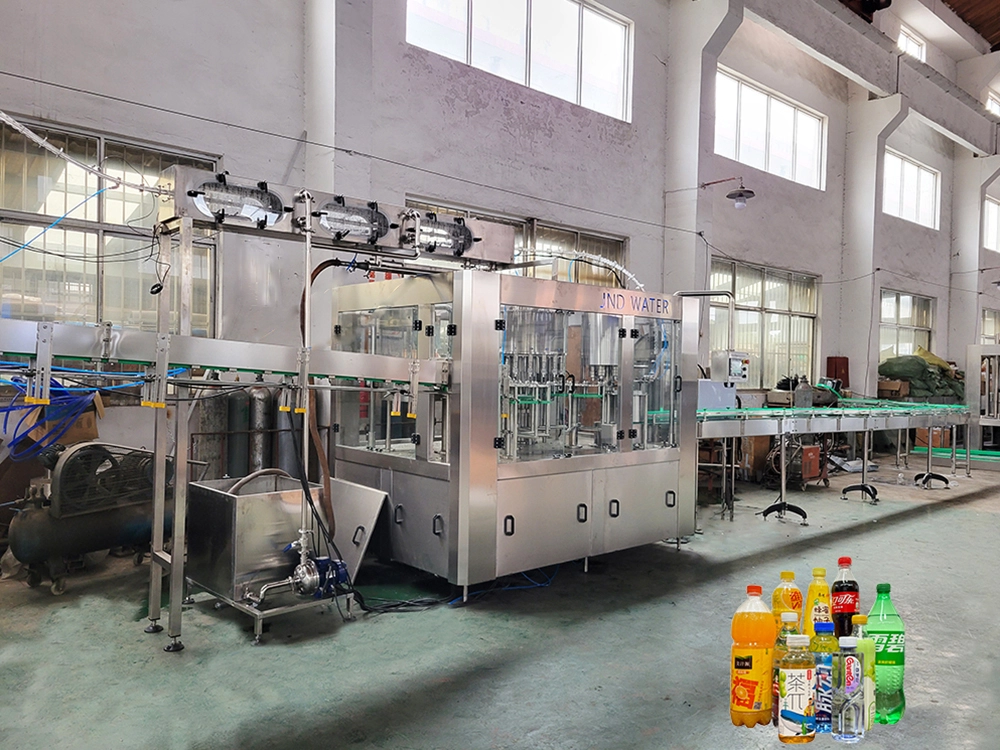
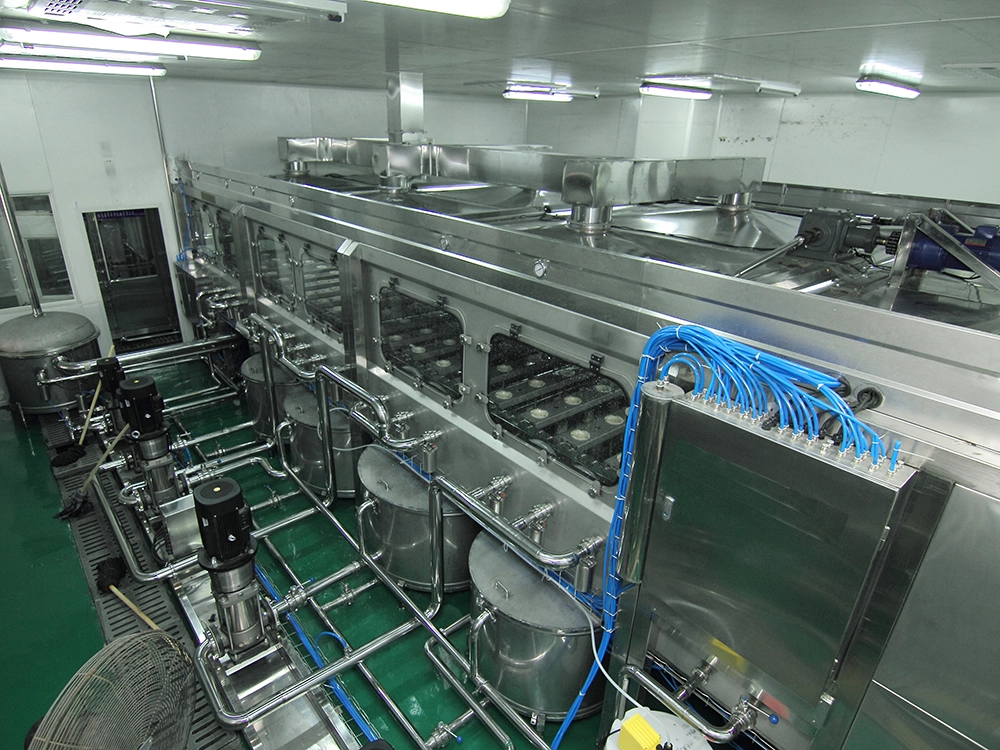
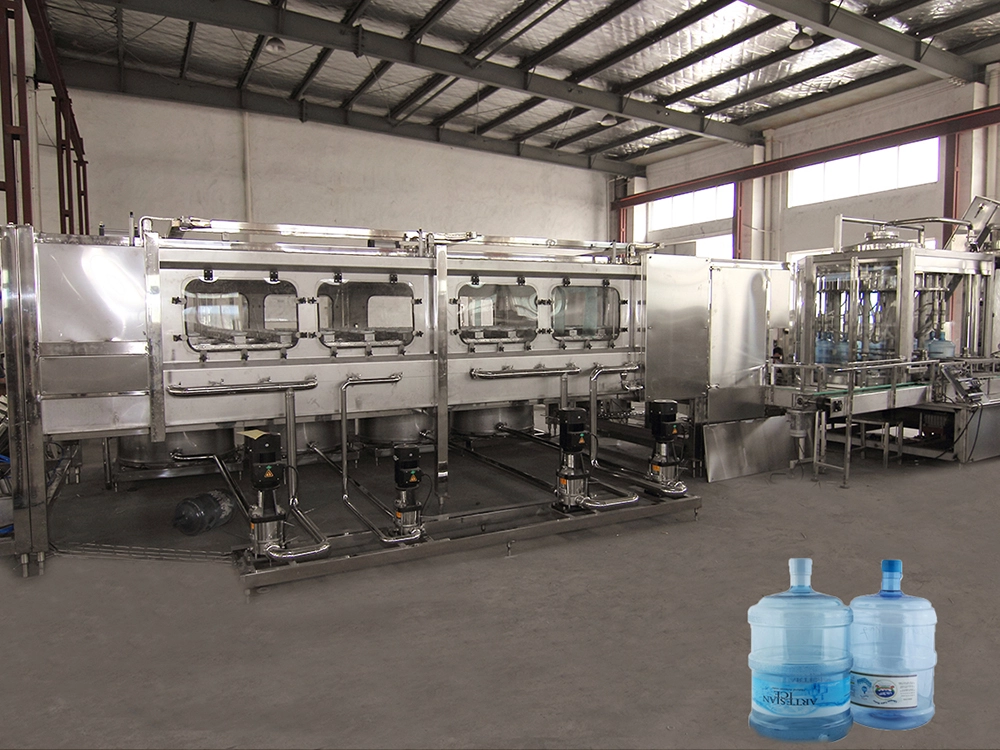
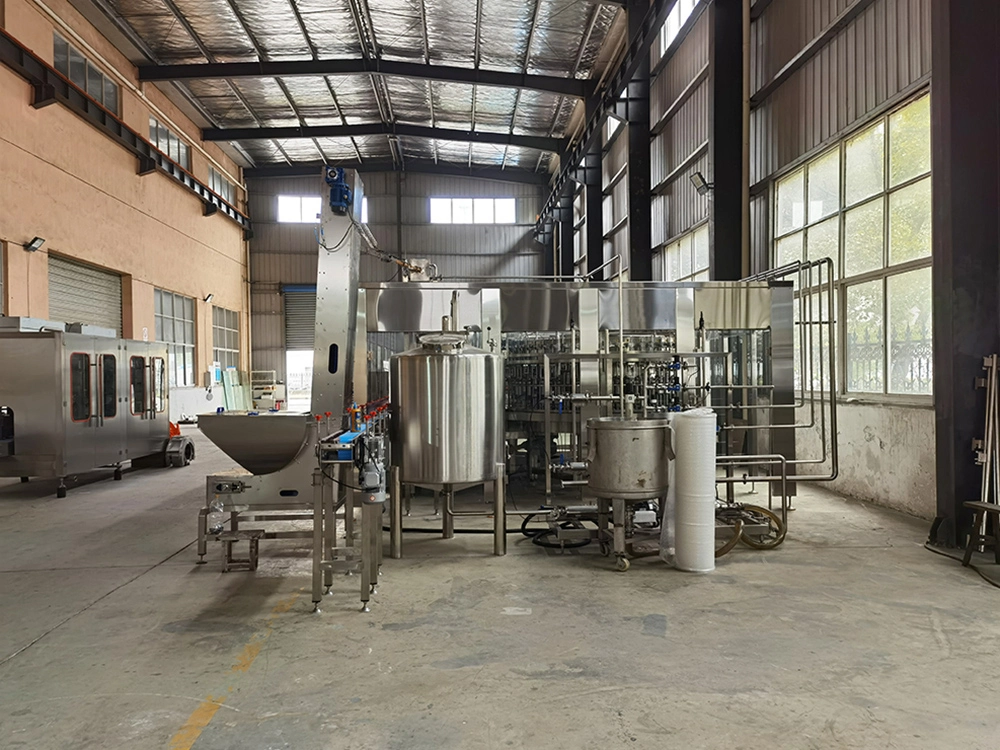
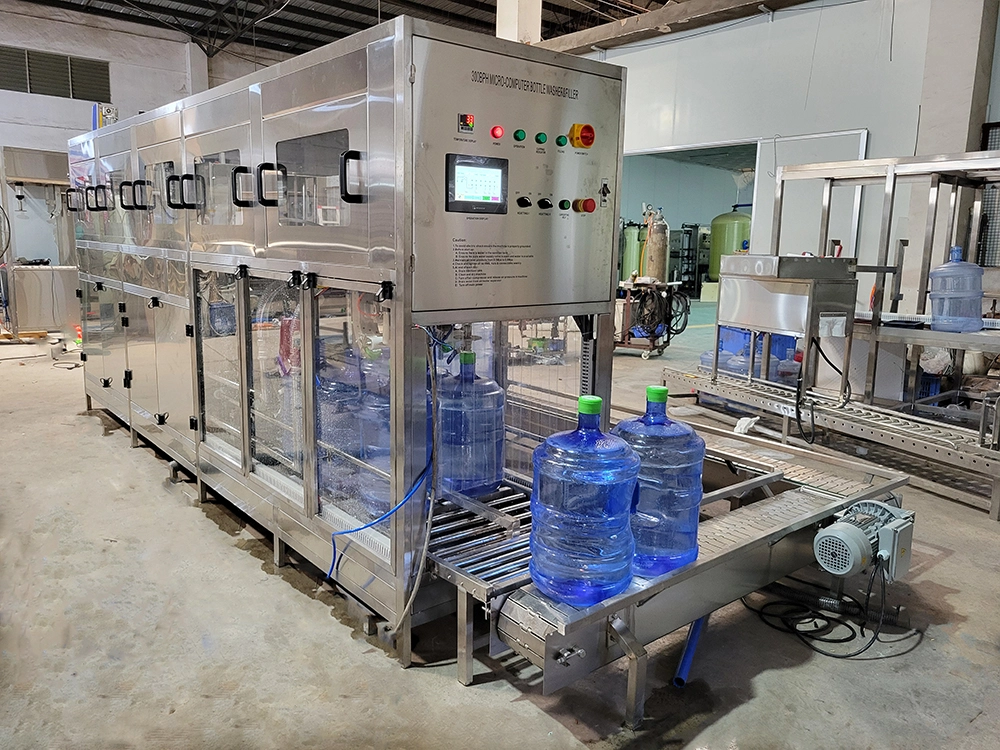
Introduction to Water Bottle Fillers
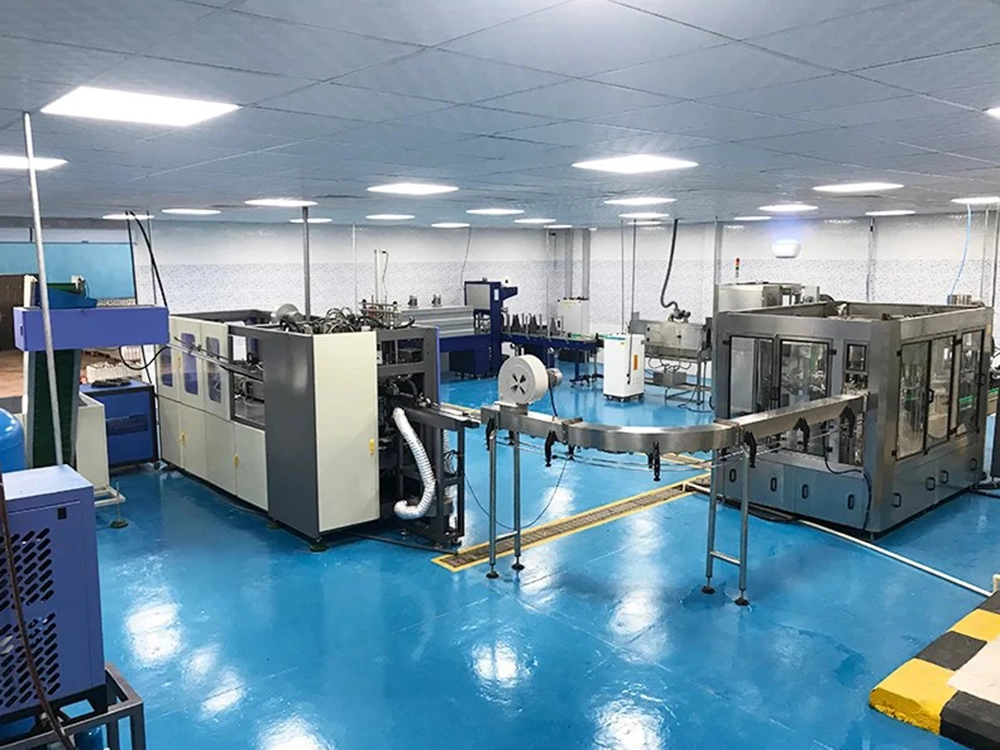
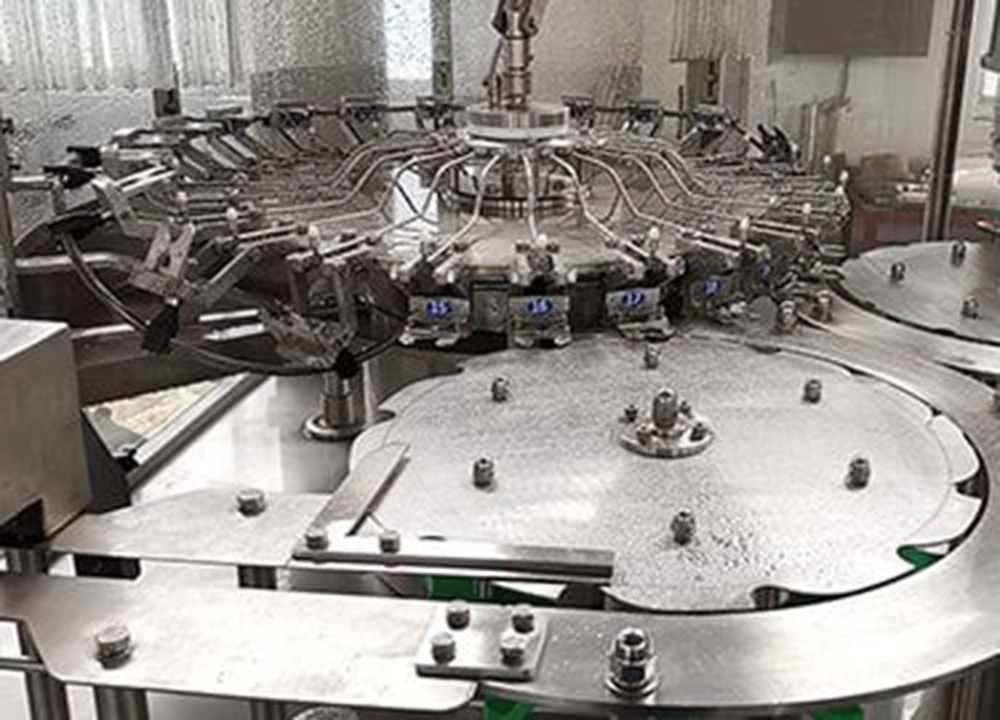
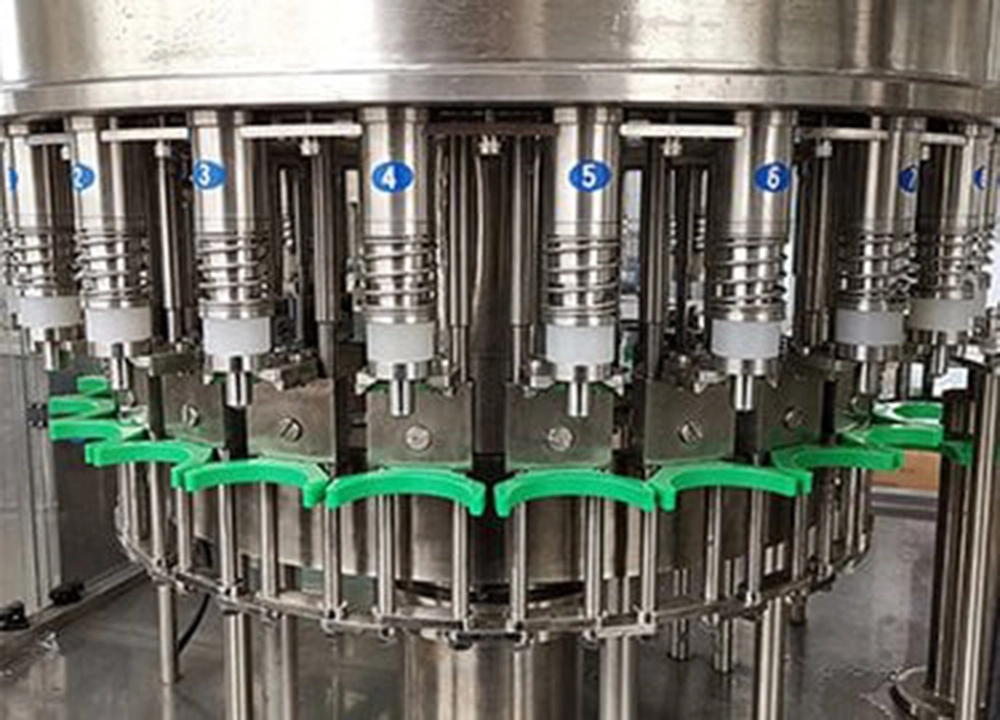
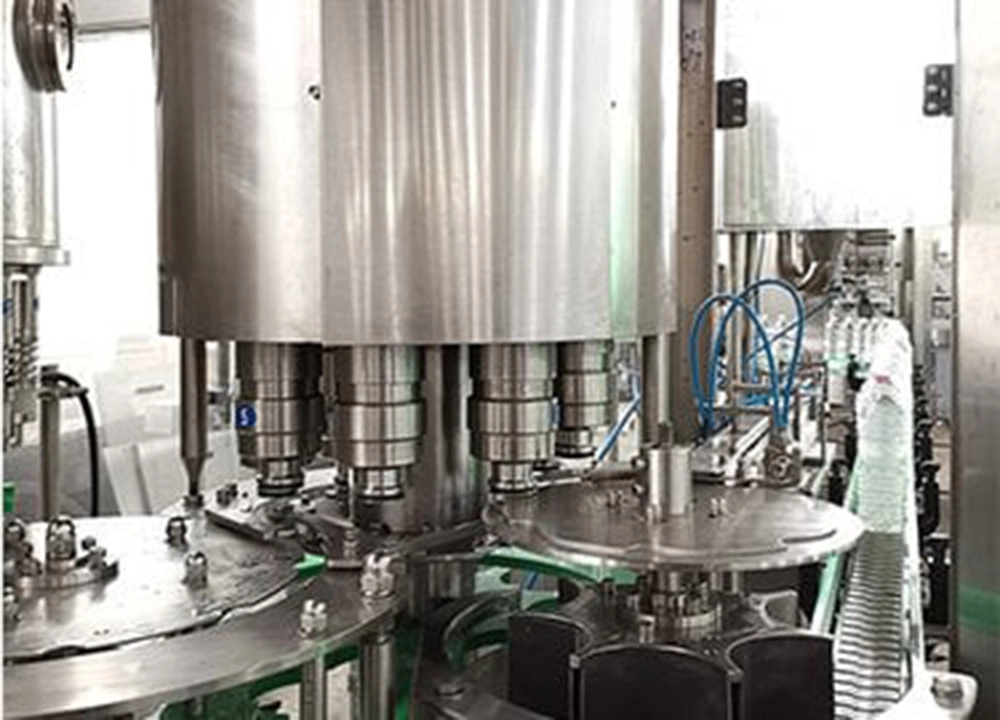
What is a water bottle filler and why is it crucial in modern beverage production? Simply put, a water bottle filler is a machine designed to efficiently and hygienically fill water bottles of various sizes and shapes. These machines are the backbone of any water bottling plant, ensuring consistent fill levels, minimizing waste, and maintaining product purity. In the beverage industry, where speed and precision are paramount, water bottle fillers play a vital role in meeting the ever-increasing demand for bottled water. From small-scale operations to large industrial plants, these fillers are indispensable for maintaining production efficiency and product quality.
The core function of a water bottle filler revolves around accurately dispensing a predetermined volume of water into each bottle. This process might seem straightforward, but it involves sophisticated mechanisms to control flow rate, pressure, and filling time. Different types of fillers employ various techniques, such as volumetric filling, where a specific volume is measured and dispensed, or gravimetric filling, where the weight of the water is measured. Regardless of the method, the goal remains the same: to achieve consistent and accurate fills, minimizing product giveaway and ensuring customer satisfaction. Beyond the basic filling process, modern water bottle fillers often incorporate features like automatic bottle feeding, capping, and labeling, streamlining the entire production line.
The importance of water bottle fillers in beverage production cannot be overstated. They not only increase production speed and efficiency but also contribute significantly to product safety and hygiene. Modern fillers are designed with sanitary materials and cleaning systems to prevent contamination and ensure that the bottled water meets stringent quality standards. Furthermore, automated fillers reduce the need for manual labor, minimizing the risk of human error and contamination. As the demand for bottled water continues to grow globally, water bottle fillers will remain a critical component of the beverage industry, driving innovation and ensuring a reliable supply of safe and refreshing drinking water.
JND Water understands the critical role these fillers play. With a diverse and global user base spanning more than 125 countries and regions and involving over 450 food and beverage factories, JND Water is committed to providing high-quality, reliable water bottle filling solutions that meet the diverse needs of its clientele, from startups to established industry giants.
Types of Water Bottle Fillers
When it comes to selecting a water bottle filler, understanding the different types available is essential. The two primary categories are automatic and semi-automatic fillers, each designed to cater to specific production needs and scales. Automatic water bottle fillers represent the pinnacle of efficiency and automation. These machines are designed to handle every step of the filling process, from bottle feeding and rinsing to filling, capping, and labeling, with minimal human intervention. They are ideal for high-volume production lines where speed and consistency are critical. Automatic fillers typically incorporate advanced sensors and control systems to ensure accurate filling levels and detect any potential issues, such as bottle defects or malfunctions. The benefits of automatic fillers include reduced labor costs, increased production rates, and improved product quality. However, they also come with a higher initial investment and may require more specialized maintenance.
Semi-automatic water bottle fillers, on the other hand, offer a more cost-effective solution for smaller-scale operations or businesses with lower production volumes. These machines require some manual intervention, typically for loading and unloading bottles, but still provide a significant improvement over manual filling methods. Semi-automatic fillers are often more versatile and can handle a wider range of bottle sizes and shapes compared to their fully automatic counterparts. They are also easier to set up and maintain, making them a popular choice for startups and small businesses. While semi-automatic fillers may not achieve the same production rates as automatic fillers, they offer a balance of affordability, flexibility, and efficiency. The choice between automatic and semi-automatic fillers depends largely on the specific needs and resources of the business. Factors such as production volume, budget, and available labor should all be considered when making this decision.
Beyond the basic distinction between automatic and semi-automatic fillers, there are also different types of filling technologies to consider. These include volumetric fillers, which measure and dispense a specific volume of liquid; gravimetric fillers, which measure the weight of the liquid; and overflow fillers, which fill bottles to a predetermined level and then remove any excess. Each technology has its own advantages and disadvantages in terms of accuracy, speed, and suitability for different types of liquids and bottle shapes. For example, volumetric fillers are often used for high-viscosity liquids, while gravimetric fillers are preferred for applications where precise weight control is critical. Understanding these different filling technologies can help businesses choose the water bottle filler that best meets their specific requirements.
Key Features and Benefits
Investing in a high-quality water bottle filler is a significant decision, and understanding the key features and benefits is crucial for making the right choice. One of the most important features to look for is high-precision filling. Accurate filling ensures consistent product volume, reduces waste, and enhances customer satisfaction. Modern water bottle fillers utilize advanced sensors and control systems to achieve precise filling levels, minimizing variations and ensuring that each bottle contains the correct amount of water. This not only improves efficiency but also helps businesses comply with regulatory requirements and maintain brand reputation. The ability to handle multiple bottle types is another key feature. A versatile water bottle filler should be able to accommodate a wide range of bottle sizes, shapes, and materials, allowing businesses to adapt to changing market demands and offer a diverse product line. This flexibility can be particularly valuable for companies that produce different types of beverages or cater to various customer segments.
The use of food-grade materials is paramount in water bottle fillers to ensure product safety and hygiene. All components that come into contact with the water should be made of materials that are non-toxic, non-reactive, and easy to clean. Stainless steel is a common choice due to its durability, corrosion resistance, and ability to withstand rigorous cleaning procedures. Food-grade plastics are also used in some applications, but it's essential to ensure that these materials meet the required safety standards and do not leach any harmful substances into the water. Easy cleaning and maintenance are also critical features to consider. Water bottle fillers should be designed for quick and easy disassembly and cleaning to prevent the buildup of bacteria and contaminants. Regular maintenance is essential to ensure optimal performance and prolong the lifespan of the machine. Features such as automatic cleaning cycles and readily available spare parts can significantly reduce downtime and maintenance costs.
The commercial value and user benefits of these features are substantial. High-precision filling translates to reduced product giveaway and increased profitability. The ability to handle multiple bottle types allows businesses to expand their product offerings and cater to a wider customer base. Food-grade materials ensure product safety and compliance with regulatory requirements, protecting brand reputation and avoiding costly recalls. Easy cleaning and maintenance minimize downtime and reduce operating costs. Overall, investing in a water bottle filler with these key features can significantly improve efficiency, reduce costs, and enhance product quality, providing a strong return on investment for beverage producers.
Water Bottle Filler Comparison
Choosing the right water bottle filler can be a daunting task, given the variety of brands and models available on the market. A water bottle filler comparison can help streamline the decision-making process by providing a side-by-side analysis of different machines, highlighting their key features, performance metrics, and pricing. Such a comparison should include both well-known brands and emerging manufacturers to offer a comprehensive overview of the available options.
The comparison table should focus on several critical parameters. First, it should detail the filling capacity of each machine, typically measured in bottles per hour (BPH). This metric is crucial for understanding the machine's ability to meet production demands. Second, the table should specify the types of bottles the machine can handle, including size ranges and materials (e.g., PET, glass, aluminum). Third, it should outline the filling technology used (e.g., volumetric, gravimetric, overflow) and the associated accuracy levels. Fourth, the table should list the key features of each machine, such as automatic bottle feeding, capping, labeling, and cleaning systems. Fifth, it should include information on the materials used in construction, particularly those in contact with the product, to ensure food-grade compliance. Finally, the table should provide pricing information and warranty details to help businesses assess the overall value proposition.
Beyond the technical specifications, the comparison should also consider the suitability of each machine for different applications. For example, some machines may be better suited for small-scale operations, while others are designed for high-volume production lines. Some machines may be more versatile and capable of handling a wider range of bottle types, while others are optimized for specific bottle formats. The comparison should also take into account the ease of use, maintenance requirements, and availability of technical support. By providing a comprehensive and objective comparison of different water bottle fillers, businesses can make informed decisions that align with their specific needs and budget.
To illustrate, a comparison might include machines from JND Water alongside competitors like Krones, Sidel, and Tetra Pak. The table would highlight JND Water's strengths in providing customized solutions and cost-effective options, while also acknowledging the established reputation and advanced technology offered by the larger, more established brands. This balanced approach ensures that businesses can weigh the pros and cons of each option and choose the water bottle filler that best fits their requirements.
Customer Testimonials and Case Studies
Real-world feedback from customers who have used water bottle fillers provides invaluable insights into the performance, reliability, and overall satisfaction associated with these machines. Customer testimonials and case studies offer concrete evidence of the benefits and improvements that these machines can bring to beverage production operations. These stories can be far more persuasive than technical specifications or marketing claims, as they showcase the tangible results experienced by other businesses.
Customer testimonials should highlight specific aspects of the water bottle filler that have impressed users. This might include the machine's accuracy, speed, ease of use, or reliability. Testimonials should also mention any improvements in production efficiency, cost savings, or product quality that have resulted from using the machine. For example, a customer might say, "Since we installed the JND Water bottle filler, we've seen a 20% increase in our production rate and a significant reduction in product waste. The machine is easy to operate and maintain, and the technical support team has been incredibly responsive." Such testimonials provide potential customers with a clear understanding of the benefits they can expect to receive.
Case studies provide a more in-depth look at how water bottle fillers have been used in specific applications. These studies should detail the challenges faced by the customer, the solution provided by the water bottle filler, and the results achieved. For example, a case study might describe how a small beverage company was struggling to meet growing demand with its manual filling process. By investing in an automatic water bottle filler, the company was able to increase its production capacity, reduce labor costs, and improve product consistency. The case study would include specific data on production rates, cost savings, and customer satisfaction to demonstrate the impact of the machine.
Adding customer testimonials and case studies to the product page enhances the credibility of the water bottle filler and builds trust with potential customers. These stories provide tangible proof of the machine's value and demonstrate that it has been successfully used in a variety of applications. By showcasing the positive experiences of other businesses, JND Water can increase customer confidence and drive sales.
Frequently Asked Questions (FAQs)
Addressing common questions and concerns is crucial for helping potential customers make informed decisions about purchasing a water bottle filler. A comprehensive FAQ section can alleviate doubts, provide clarity on key aspects of the product, and ultimately facilitate the buying process. The FAQ section should cover a wide range of topics, including pricing, maintenance, technical support, and specific machine capabilities.
One of the most frequently asked questions is undoubtedly related to the price of the water bottle filler. Providing a clear and transparent answer is essential. While it may not be possible to provide an exact price without knowing the specific requirements of the customer, the FAQ can offer a price range based on different models and configurations. It's also important to explain the factors that influence the price, such as the filling capacity, automation level, and included features. For example, the FAQ might state, "The price of our water bottle fillers ranges from $X to $Y, depending on the filling capacity and level of automation. Automatic machines with higher filling capacities will typically cost more than semi-automatic machines with lower capacities."
Maintenance requirements are another common concern for potential buyers. The FAQ should provide detailed information on the routine maintenance tasks required to keep the machine running smoothly. This might include cleaning procedures, lubrication schedules, and recommended replacement intervals for key components. It's also important to highlight any features that simplify maintenance, such as automatic cleaning cycles or readily accessible parts. The FAQ should also address the availability of technical support. Customers want to know that they can rely on the manufacturer for assistance if they encounter any problems with their machine. The FAQ should explain the different channels of technical support available, such as phone, email, and online resources. It should also provide information on response times and the availability of on-site service.
In addition to these general questions, the FAQ should also address specific concerns related to the machine's capabilities. This might include questions about the types of bottles the machine can handle, the accuracy of the filling process, and the compatibility with different types of water. By providing detailed and informative answers to these questions, JND Water can build trust with potential customers and demonstrate its expertise in water bottle filling technology.
Step-by-Step Buying Guide
Navigating the process of purchasing a water bottle filler can be complex, especially for businesses that are new to the beverage industry or unfamiliar with filling technology. A step-by-step buying guide can provide valuable assistance, walking potential customers through the key considerations and decisions involved in selecting the right machine. The guide should cover everything from assessing production needs to finalizing the purchase and installation.
The first step in the buying process is to assess your production needs. This involves determining your current and projected production volumes, the types of bottles you plan to fill, and the level of automation you require. Consider factors such as your target market, product mix, and budget. Once you have a clear understanding of your production needs, you can begin to research different water bottle filler models and manufacturers. Look for machines that meet your specific requirements in terms of filling capacity, bottle compatibility, and automation level. Read customer reviews and case studies to get a sense of the machine's performance and reliability. Contact different manufacturers to request quotes and discuss your specific needs. Be sure to ask about lead times, warranty details, and available technical support.
After you have narrowed down your options, it's time to evaluate the different machines in more detail. Compare the features, specifications, and pricing of each machine. Consider the total cost of ownership, including the initial purchase price, maintenance costs, and operating expenses. If possible, visit the manufacturer's facility to see the machine in operation. This will give you a better sense of its quality and performance. Once you have made your decision, it's time to finalize the purchase. Review the purchase agreement carefully to ensure that it includes all of the agreed-upon terms and conditions. Arrange for financing if necessary. Coordinate the delivery and installation of the machine. Once the machine is installed, be sure to provide your staff with proper training on its operation and maintenance.
The buying guide should also highlight common mistakes to avoid. One common mistake is to underestimate your production needs. It's important to choose a machine that can handle your current and projected production volumes. Another mistake is to focus solely on the initial purchase price. Consider the total cost of ownership, including maintenance and operating expenses. A third mistake is to neglect the importance of technical support. Choose a manufacturer that offers reliable and responsive technical support. By following these steps and avoiding common mistakes, you can ensure that you choose the right water bottle filler for your business.
Installation and Maintenance Guide
Proper installation and regular maintenance are crucial for ensuring the optimal performance and longevity of your water bottle filler. A comprehensive installation and maintenance guide can provide valuable assistance, walking users through the necessary steps and procedures. The guide should cover everything from initial setup to troubleshooting common issues and performing routine maintenance tasks.
The initial setup of your water bottle filler is critical for ensuring its proper operation. Before you begin, carefully read the manufacturer's instructions and familiarize yourself with the machine's components and controls. Ensure that the machine is placed on a level and stable surface. Connect the machine to the appropriate power supply and water source. Calibrate the machine according to the manufacturer's instructions. Test the machine to ensure that it is filling bottles accurately and consistently. Once the machine is properly installed, it's important to establish a regular maintenance schedule. This will help to prevent breakdowns and ensure that the machine continues to operate at peak performance.
Routine maintenance tasks should include cleaning the machine regularly to prevent the buildup of bacteria and contaminants. Lubricate moving parts to reduce friction and wear. Inspect hoses and connections for leaks. Check the machine's sensors and controls to ensure that they are functioning properly. Replace worn or damaged parts as needed. In addition to routine maintenance, it's also important to be able to troubleshoot common issues. The installation and maintenance guide should provide a list of common problems and their solutions. This might include issues such as inaccurate filling, bottle jams, or machine malfunctions. The guide should also provide instructions on how to contact technical support if you are unable to resolve the issue yourself.
By following these installation and maintenance procedures, you can ensure that your water bottle filler operates at peak performance and lasts for many years. This will help to reduce downtime, lower operating costs, and improve the overall efficiency of your beverage production operation.
Global Supply and Support Network
A robust global supply and support network is essential for ensuring that customers receive timely and reliable assistance with their water bottle fillers. JND Water's commitment to serving a diverse and global user base spanning more than 125 countries and regions and involving over 450 food and beverage factories underscores the importance of a well-established network of suppliers, technicians, and service centers. This network ensures that customers can access the parts, expertise, and support they need to keep their machines running smoothly, regardless of their location.
The global supply chain should be designed to provide quick and efficient delivery of spare parts and components. This requires a network of strategically located warehouses and distribution centers that can fulfill orders promptly. The supply chain should also be able to handle a wide range of parts, from common consumables to more specialized components. In addition to the supply chain, a strong technical support network is also crucial. This network should include trained technicians who can provide on-site assistance with installation, maintenance, and repairs. Technical support should also be available remotely via phone, email, and online resources. The support team should be knowledgeable and responsive, able to quickly diagnose and resolve any issues that customers may encounter.
The depth and breadth of the global supply and support network are key indicators of a manufacturer's commitment to customer satisfaction. A company with a well-established network is better positioned to provide timely and reliable assistance, minimizing downtime and maximizing the productivity of its customers. This is particularly important for businesses that operate in remote locations or have limited access to local technical expertise. By investing in a robust global supply and support network, JND Water demonstrates its commitment to providing customers with the highest level of service and support.
Sustainability and Compliance Certifications
In today's environmentally conscious world, sustainability and compliance certifications are increasingly important considerations for businesses when choosing a water bottle filler. Customers are demanding products that are not only safe and reliable but also environmentally friendly. Water bottle fillers that are designed with sustainability in mind can help businesses reduce their environmental impact and meet the growing demand for eco-friendly products. Furthermore, compliance certifications provide assurance that the machine meets stringent safety and quality standards.
Sustainable water bottle fillers should be designed to minimize water and energy consumption. This can be achieved through features such as efficient filling systems, optimized cleaning cycles, and energy-saving components. The machine should also be constructed from recyclable materials whenever possible. Compliance certifications provide independent verification that the water bottle filler meets specific safety and quality standards. Common certifications include ISO 9001, which demonstrates that the manufacturer has a robust quality management system in place, and NSF certification, which verifies that the machine is safe for use in food and beverage applications. Other relevant certifications may include CE marking, which indicates compliance with European safety standards, and UL listing, which demonstrates compliance with U.S. safety standards.
By choosing a water bottle filler that is both sustainable and compliant, businesses can demonstrate their commitment to environmental responsibility and product safety. This can enhance their brand reputation, attract environmentally conscious customers, and comply with regulatory requirements. JND Water recognizes the importance of sustainability and compliance and is committed to providing water bottle fillers that meet the highest standards in these areas.