Products List
EDI Ultra Pure Water Equipment
What is EDI Ultra Pure Water Equipment? A Technical Overview
Electrodeionization (EDI) is a chemical-free, continuous process for producing high-purity water. It integrates ion exchange membranes and resin with electricity to deionize water. Unlike traditional ion exchange, which requires chemical regeneration, EDI uses electricity to continuously regenerate the resin, resulting in a more environmentally friendly and cost-effective solution for achieving ultra-pure water. The EDI ultra pure water equipment typically consists of several key components working in synergy: a pre-treatment system to remove large particles and chlorine, an RO (Reverse Osmosis) system to reduce the ionic load, the EDI module itself, and a control system to monitor and optimize performance. The feed water, pre-treated to reduce scaling and fouling, enters the EDI module. Inside, the water flows through resin beds located between ion-selective membranes. An electric field applied across the module drives ions through the membranes, separating them from the water. These ions are then swept away into a concentrate stream, while the purified water, now with significantly reduced ion content, exits as the product water. The continuous regeneration of the resin by the electric field ensures consistent water quality and minimizes the need for downtime and chemical handling. This process results in water that meets the stringent purity requirements of various industries, including pharmaceuticals, microelectronics, and power generation.
How Does EDI Ultra Pure Water Equipment Work? Understanding the Process
The operational efficiency of EDI ultra pure water equipment hinges on a sophisticated interplay of several key processes. First, the feed water undergoes pretreatment, which typically includes filtration to remove particulate matter and often reverse osmosis (RO) to reduce the initial ionic load. This pretreatment stage is crucial as it protects the EDI module from fouling and scaling, ensuring its longevity and consistent performance. The pretreated water then enters the EDI module, which houses ion exchange resins and membranes. These resins are specifically designed to capture and remove dissolved ions from the water. An electric field, applied across the EDI module, acts as the driving force behind the ion separation process. Under the influence of this electric field, the captured ions migrate through the ion exchange membranes and into a separate concentrate stream. This continuous migration ensures that the resins are constantly regenerated, eliminating the need for chemical regeneration. The water, now stripped of most of its ionic contaminants, exits the EDI module as ultrapure water. A sophisticated control system continuously monitors the quality of the product water, adjusting the electric field and flow rates to maintain the desired purity levels. The concentrate stream, containing the rejected ions, is typically discharged or further treated to recover valuable resources. The integration of these processes – pretreatment, EDI module operation, and control system monitoring – ensures the reliable and efficient production of ultrapure water for demanding applications.
Applications of EDI Ultra Pure Water Equipment Across Industries
The versatility of EDI ultra pure water equipment makes it indispensable across a wide range of industries, each with specific water quality requirements. In the pharmaceutical industry, for instance, ultra-pure water is critical for the production of injectable drugs, cleaning validation, and various laboratory applications. The stringent purity standards in this sector demand water free from ionic contaminants, bacteria, and endotoxins, which EDI systems consistently deliver. The electronics industry relies heavily on ultra-pure water for manufacturing semiconductors, cleaning silicon wafers, and other critical processes. Even trace amounts of ionic contamination can negatively impact the performance and reliability of electronic components, making EDI systems a vital component of the production line. Power plants utilize EDI systems to purify water for boiler feed, preventing scaling and corrosion that can reduce efficiency and damage equipment. By removing dissolved solids and other impurities, EDI systems help maintain optimal boiler performance and extend equipment lifespan. Beyond these core industries, EDI systems find applications in food and beverage production, cosmetics manufacturing, and various research and development settings. The ability to consistently produce high-quality water, coupled with the environmental benefits of chemical-free operation, makes EDI technology a preferred choice for organizations seeking sustainable and reliable water purification solutions. Jndwater serves a diverse and global user base, spanning more than 125 countries and regions and involving over 450 food and beverage factories. Their equipment is utilized by a wide spectrum of clients, ranging from startups and small-scale producers to international corporations.
EDI Ultra Pure Water Equipment: Performance Metrics and Advantages
When evaluating EDI ultra pure water equipment, several key performance metrics should be considered to assess its suitability for specific applications. The most important metric is the resistivity of the product water, typically measured in megaohms-centimeters (MΩ·cm). Ultra-pure water produced by EDI systems often achieves resistivity levels of 18.2 MΩ·cm, the theoretical maximum for pure water, indicating extremely low ionic contamination. Another critical performance indicator is the total organic carbon (TOC) level, which measures the concentration of organic contaminants in the water. Low TOC levels are essential for sensitive applications, such as semiconductor manufacturing, where organic impurities can interfere with production processes. EDI systems are capable of achieving TOC levels below 5 parts per billion (ppb), meeting the stringent requirements of these industries. The flow rate of the system, measured in gallons per minute (GPM) or liters per hour (L/h), determines the amount of ultra-pure water that can be produced within a given timeframe. This metric should be carefully matched to the facility's water demand to ensure adequate supply. Compared to traditional ion exchange systems, EDI technology offers several distinct advantages. The continuous regeneration of the resin eliminates the need for chemical regeneration, reducing operating costs and minimizing environmental impact. EDI systems also provide more consistent water quality, as the electric field ensures continuous ion removal. Furthermore, EDI systems typically require less maintenance than traditional ion exchange systems, reducing downtime and labor costs. JND Water's EDI systems are engineered for reliability and efficiency, providing a cost-effective and sustainable solution for producing ultra-pure water.
A Step-by-Step Guide to Using EDI Ultra Pure Water Equipment
Proper operation and maintenance are crucial for ensuring the long-term performance and reliability of EDI ultra pure water equipment. Before starting the system, it's essential to verify that all connections are secure and that the pre-treatment system is functioning correctly. This includes checking filters, RO membranes, and other components for any signs of fouling or damage. Once the system is powered on, monitor the inlet pressure, flow rate, and voltage to ensure they are within the specified operating ranges. Regularly check the product water quality, including resistivity and TOC levels, to confirm that the system is meeting the required purity standards. If the water quality deviates from the expected levels, troubleshoot the system to identify the cause. Common issues include membrane fouling, resin degradation, and electrical problems. Follow the manufacturer's recommendations for cleaning and maintaining the EDI module. This typically involves periodic flushing with cleaning solutions to remove accumulated contaminants. Regularly inspect the ion exchange membranes for signs of damage or wear and replace them as needed. Keep a detailed log of system performance, including water quality data, maintenance activities, and any problems encountered. This information can be valuable for identifying trends and preventing future issues. For troubleshooting, consult the equipment manual or contact the manufacturer's technical support team. With proper operation and maintenance, EDI ultra pure water equipment can provide years of reliable service, delivering high-quality water for demanding applications. JND Water provides comprehensive training and support services to help customers maximize the performance and lifespan of their EDI systems.
Real-World Success: Customer Reviews and Case Studies of EDI Ultra Pure Water Equipment
Hearing directly from other users can significantly enhance the perceived value and trustworthiness of EDI ultra pure water equipment. Customer testimonials provide valuable insights into the real-world performance, reliability, and cost-effectiveness of these systems. Look for reviews that specifically address the water quality achieved, the ease of operation, and the level of customer support provided by the manufacturer. Case studies offer a more in-depth look at how EDI systems have been successfully implemented in various industries. These studies typically highlight the specific challenges faced by the customer, the EDI system configuration used to address those challenges, and the resulting benefits, such as improved water quality, reduced operating costs, or increased production efficiency. For example, a case study might detail how an EDI system helped a pharmaceutical company meet stringent water quality requirements for drug manufacturing, or how it enabled an electronics manufacturer to reduce water consumption and waste discharge. When evaluating customer reviews and case studies, consider the source and look for independent verification of the claims made. Reputable manufacturers often provide detailed performance data and third-party certifications to support their claims. By carefully reviewing this information, you can gain a better understanding of the potential benefits of EDI ultra pure water equipment and make an informed decision about whether it is the right solution for your needs. JND Water is committed to providing transparent and reliable information to help customers make informed decisions. They offer a variety of customer testimonials and case studies on their website, showcasing the successful implementation of their EDI systems in diverse applications.
Understanding Market Prices and Purchase Options for EDI Ultra Pure Water Equipment
The cost of EDI ultra pure water equipment can vary significantly depending on several factors, including the system's capacity, features, and manufacturer. Smaller, skid-mounted systems designed for lower flow rates typically range from $20,000 to $50,000, while larger, more complex systems can cost upwards of $100,000 or more. Additional costs to consider include installation, commissioning, and ongoing maintenance. Some manufacturers offer leasing or financing options to help customers manage the upfront investment. When comparing prices, it's essential to consider the total cost of ownership, including operating expenses such as electricity, membrane replacement, and resin maintenance. EDI systems typically have lower operating costs than traditional ion exchange systems due to the elimination of chemical regeneration. Before making a purchase, carefully evaluate your specific water quality requirements and flow rate needs. Consult with multiple manufacturers to obtain quotes and compare their offerings. Ask for detailed specifications, performance data, and customer references. Consider the manufacturer's reputation for quality, reliability, and customer support. Some manufacturers offer customized EDI systems tailored to specific applications. This can be a good option if you have unique water quality challenges or flow rate requirements. Be sure to factor in the lead time for custom systems, as they may take longer to design and manufacture. JND Water offers a wide range of EDI ultra pure water equipment to meet diverse customer needs and budgets. Their team of experts can help you select the right system for your application and provide comprehensive support throughout the purchase process.
Frequently Asked Questions (FAQ) About EDI Ultra Pure Water Equipment
What are the main advantages of using EDI technology compared to traditional ion exchange?
EDI (Electrodeionization) offers several key advantages over traditional ion exchange. First, it eliminates the need for chemical regeneration, reducing operating costs and minimizing environmental impact. Second, EDI provides more consistent water quality, as the electric field ensures continuous ion removal. Finally, EDI systems typically require less maintenance than traditional ion exchange systems, reducing downtime and labor costs. The continuous operation and reduced chemical usage make it a more sustainable and efficient option for producing ultra-pure water.
How often do the membranes and resin need to be replaced in an EDI system?
The lifespan of membranes and resin in an EDI system depends on several factors, including the quality of the feed water, the operating conditions, and the maintenance practices. Generally, membranes can last for 3-5 years, while resin can last for 5-7 years. Regular monitoring of system performance and water quality can help identify when replacement is necessary. Proper pretreatment of the feed water is crucial for extending the lifespan of these components. Following the manufacturer's recommendations for cleaning and maintenance can also help prolong their life and ensure optimal system performance.
What type of pre-treatment is required for EDI ultra pure water equipment?
Pre-treatment is essential for protecting the EDI module from fouling and scaling, ensuring its longevity and consistent performance. The specific pre-treatment requirements depend on the quality of the feed water. Typically, pre-treatment includes filtration to remove particulate matter and reverse osmosis (RO) to reduce the initial ionic load. Other pre-treatment options may include softening, activated carbon filtration, and UV sterilization. The goal of pre-treatment is to remove any contaminants that could damage the EDI module or reduce its efficiency. Consulting with a water treatment specialist can help determine the optimal pre-treatment strategy for your specific application.
Can EDI systems handle variations in feed water quality?
While EDI systems are relatively robust, significant variations in feed water quality can impact their performance and lifespan. It's important to maintain a consistent feed water quality within the specified operating ranges. Pre-treatment systems can help buffer against minor variations, but major fluctuations may require adjustments to the EDI system's operating parameters. Monitoring the feed water quality regularly and making necessary adjustments to the pre-treatment system can help ensure consistent EDI system performance. In some cases, it may be necessary to install additional pre-treatment equipment to handle extreme variations in feed water quality.
What are the typical maintenance requirements for EDI systems?
EDI systems typically require less maintenance than traditional ion exchange systems, but regular maintenance is still essential for ensuring optimal performance and longevity. Typical maintenance tasks include periodic flushing with cleaning solutions to remove accumulated contaminants, inspecting the ion exchange membranes for signs of damage or wear, and replacing membranes and resin as needed. Monitoring the system's performance and water quality regularly can help identify potential problems early on. Keeping a detailed log of system performance, maintenance activities, and any problems encountered can be valuable for identifying trends and preventing future issues. Following the manufacturer's recommendations for maintenance and troubleshooting is crucial for maximizing the lifespan of the EDI system.
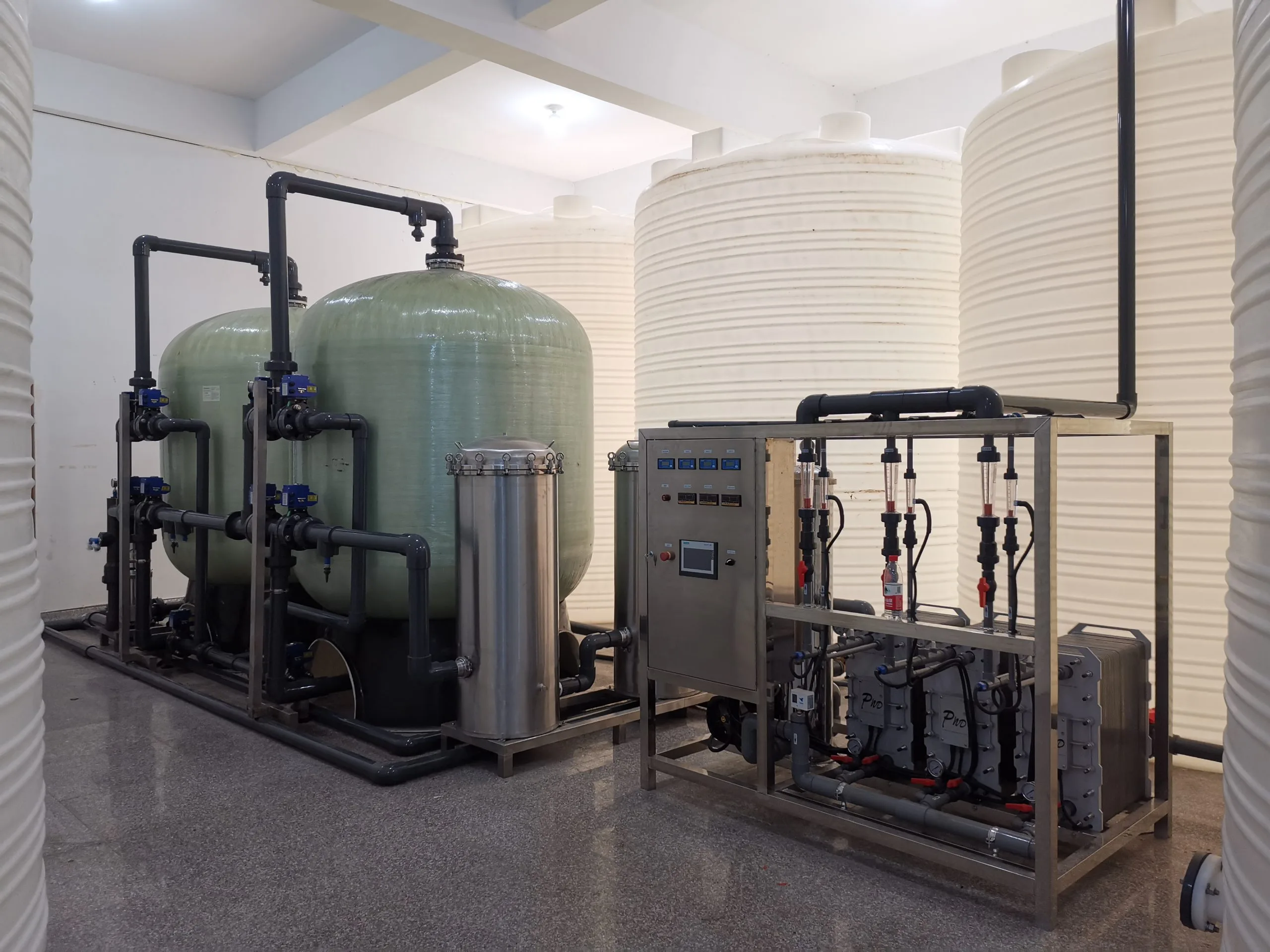
The Jndwater pharmaceutical water treatment equipment for the pharmaceutical industry is a high-precision water treatment system designed specifically for the pharmaceutical industry. The equipment combines advanced reverse osmosis (RO), electrodeionization (EDI) and ultraviolet sterilization technologies to ensure that the ultrapure water produced meets the strict water quality requirements of the pharmaceutical industry.
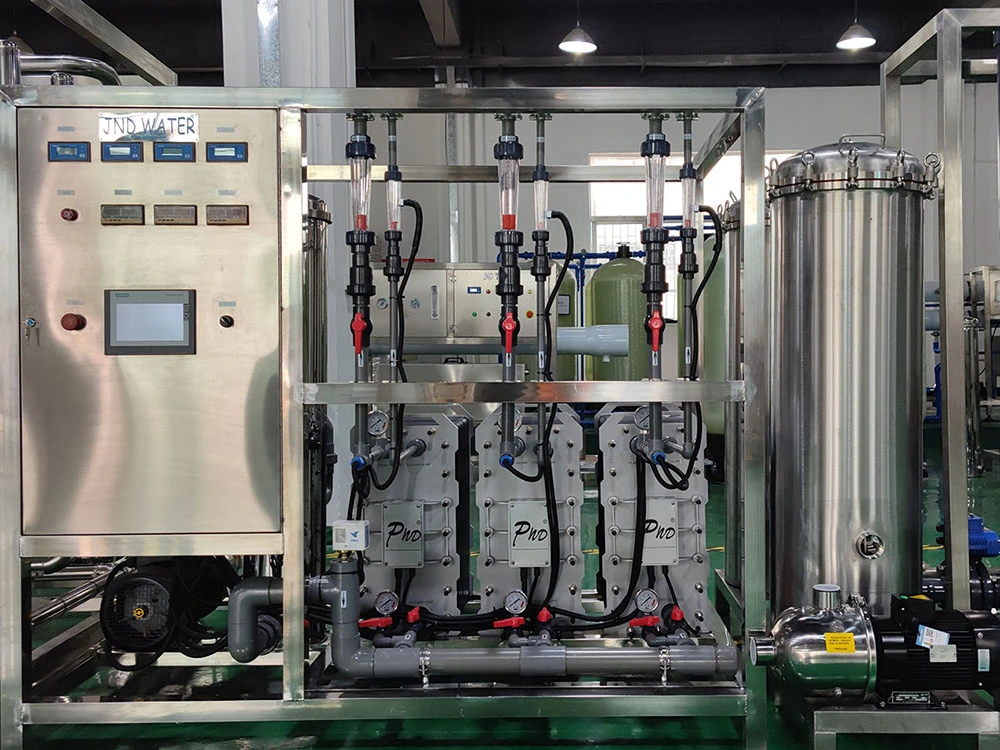
Jndwater EDI water treatment is a water treatment equipment designed for the electronics, semiconductor, precision instrument and other industries. EDI water treatment equipment uses pretreatment, reverse osmosis technology, ultrapurification treatment and post-treatment methods to almost completely remove the conductive medium in the water to ensure that the water quality meets the ultrapure water standard.