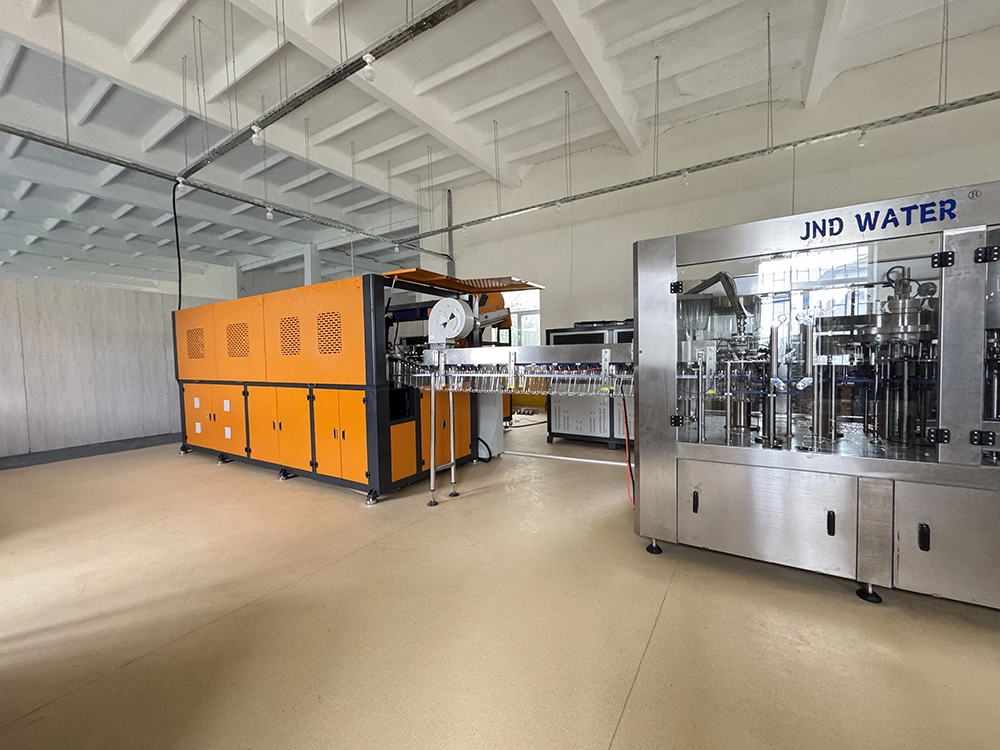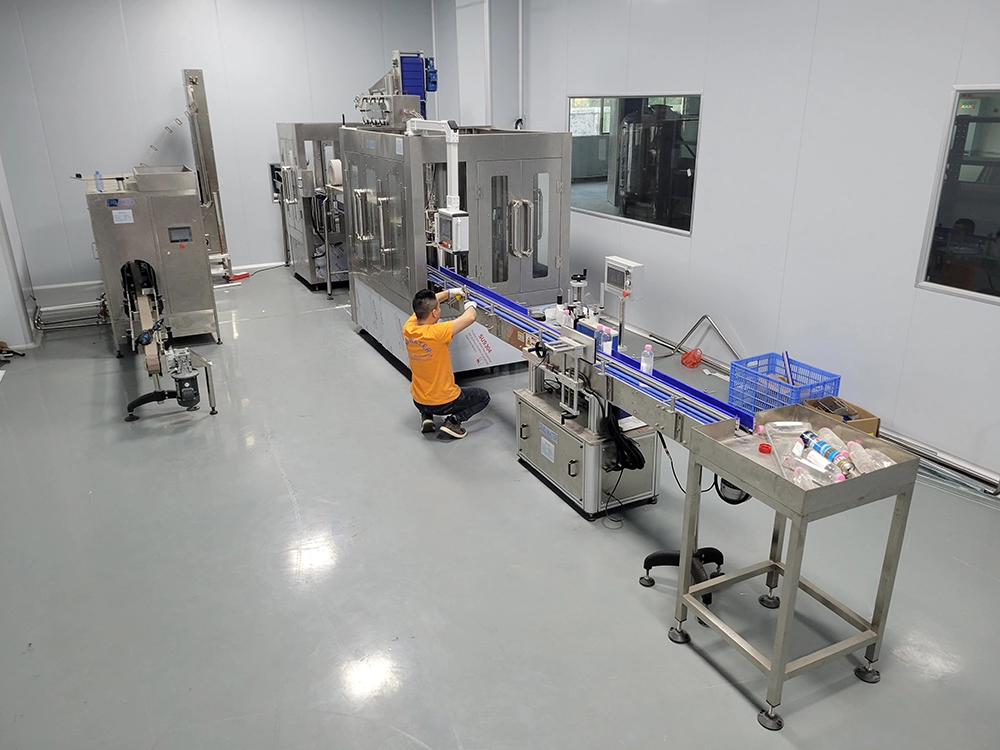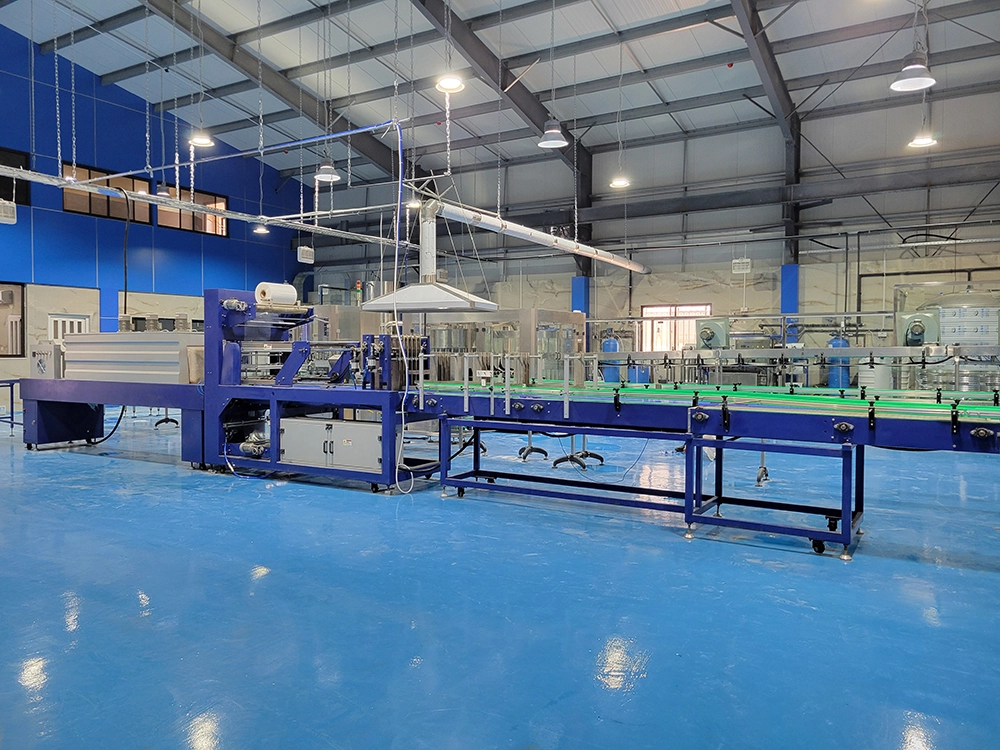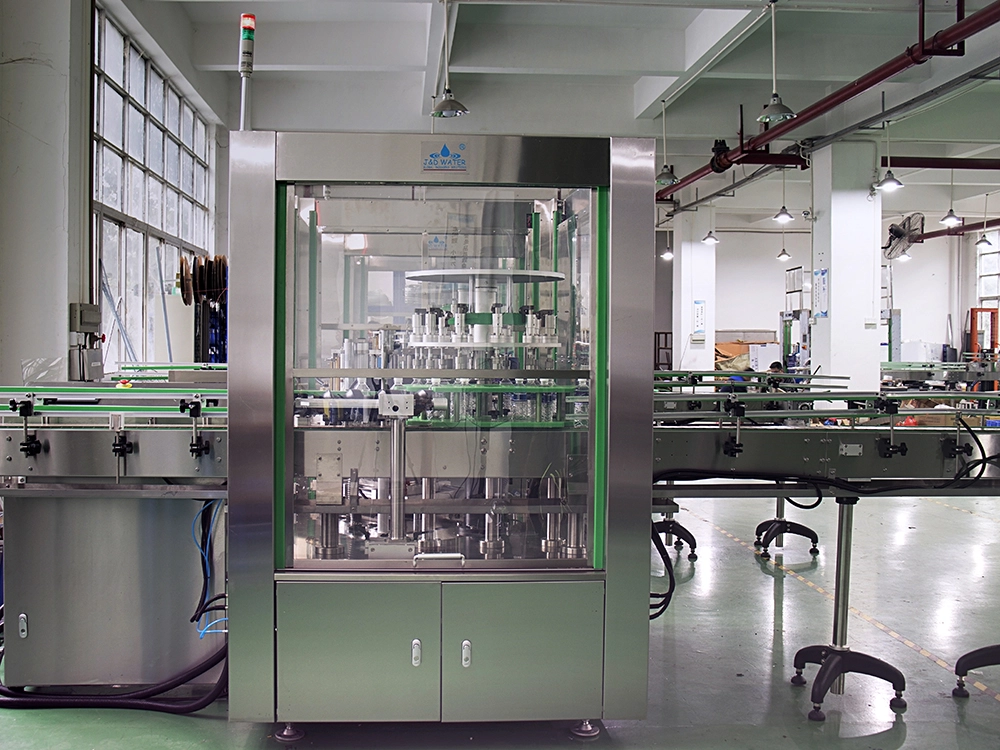
یک خط پر کردن سس یا چاشنی یک دسته غذای مایع یا نیمه مایع — کچاپ، سس فلفل، مایونز، سس سالاد، سس صدف، سس سویا، سرکه — را به بطری های دربسته شده، برچسب خورده و آماده برای قفسه تبدیل می کند. در مقایسه با خط آب، سس سخت تر است: ویسکوزیته آن متفاوت است، بسیاری از دستورها حاوی ذرات جامد هستند و قوانین بهداشت غذایی سختگیرانه است. این راهنما فهرست تجهیزات، فناوری پرکردن هر نوع سس، پیکربندی خطوط معمول، جزئیات مهندسی که واقعا کیفیت را تعیین می کند و بازه های هزینه شاخص دلار آمریکا را مرور می کند.
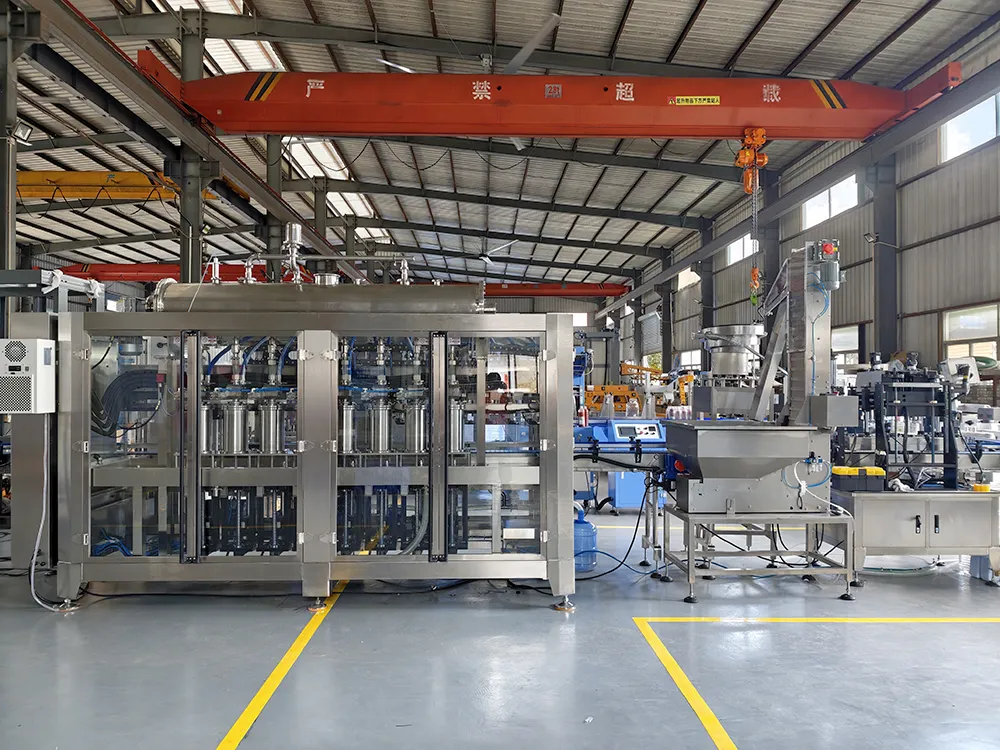
خط پر کردن سس و چاشنی چیست؟
خط پر کردن چاشنی یک سیستم خودکار است که سس ها و سس ها را با ظرفیت ثابت (معمولا ۲۰۰۰ تا ۸۰۰۰ بطری در ساعت، BPH) دوز، پر، درپوش، برچسب گذاری و بسته بندی می کند. این شرکت به تولیدکنندگان مواد غذایی که برند خود را بطری می کنند، بسته بندی کنندگان قراردادی که چندین دستور پخت را اجرا می کنند و استارتاپ هایی که با یک خط تولید نیمه خودکار وارد بازار چاشنی می شوند، خدمات ارائه می دهد. چالش اصلی «حرکت دادن مایع» نیست — بلکه جابجایی محصولی است که ضخامت، ذرات و حساسیتش با دستور پخت تغییر می کند، بدون چک، کف یا آلودگی.
نوع سس فناوری پرکننده را تعیین می کند
قبل از فهرست کردن دستگاه ها، پرکننده را بر اساس رفتار محصول انتخاب کنید. فیلر اشتباه سس شما را چکه می کند، گیر می کند یا قیچی می کند.
| سس / چاشنی | رفتار جریان | پرکننده پیشنهادی |
|---|---|---|
| سس سویا، سرکه، شراب آشپزی | نازک و آزاد | پرکننده فشار منفی / گرانشی |
| کچاپ، سس سالاد، سس صدف | چسبناک، بدون ذره | Servo پیستون پرکننده |
| سس فلفل، مربای میوه با پالپ | ذرات ویسکوز + جامد | پرکننده پیستون، سیلندر بزرگ |
| مایونز، کره بادام زمینی | بسیار غلیظ و حساس به برش | سروو پیستون / لوب چرخان، سرعت کم |
- سس های رقیق (سویا، سرکه) با خلأ یا جاذبه پر می شوند — ارزان و سریع، اما فقط زمانی که محصول کار کند کار می کند.
- سس های چسبناک (کچاپ، سسمان) به پیستونی نیاز دارم که حجم اندازه گیری شده را فشار دهد — حتی وقتی غلیظ باشد هم دقیق باشد.
- سس هایی با ذرات (چیلی، مربا) نیاز به سوراخ پیستون پهن تر و نازل قطع کننده دارد تا قطعات بدون گیر کردن عبور کنند.
- سس های حساس به برش (مایونز) نیاز به حرکت آهسته سروو داریم تا امولسیون نشکند.
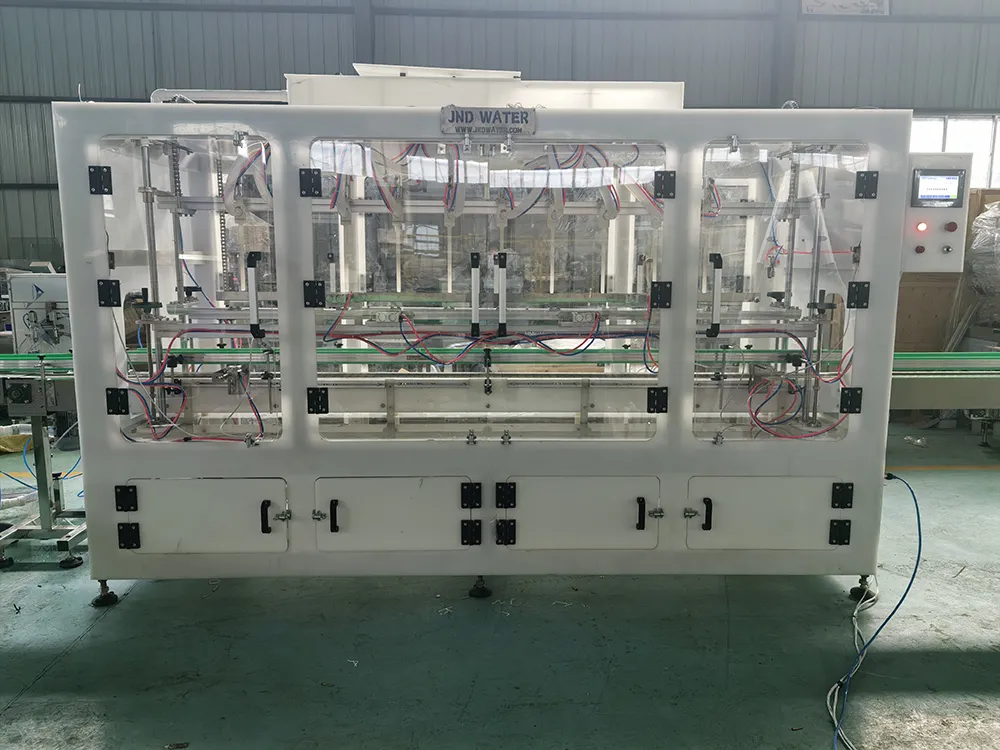
فهرست کامل تجهیزات برای خط پر کردن چاشنی
یک خط خودکار استاندارد شامل هشت ایستگاه است. ظرفیت ها با هم مقیاس بندی می شوند — یک پرکننده ۴۰۰۰ BPH با پوشش و برچسب گذاری ۴۰۰۰ BPH جفت می شود.
| # | تجهیزات | نقش |
|---|---|---|
| 1 | مخزن فرآوری / مخلوط کردن | دستور را مخلوط، گرم و یکنواخت کنید؛ اغلب با روکش |
| 2 | استریل کننده / UHT | میکروب ها را برای پایداری قفسه در حالت پر کردن گرم از بین می برد (برای پر کردن سرد اختیاری) |
| 3 | دستگاه پر کردن پیستونی | ایستگاه دوزینگ اصلی؛ حجم کنترل شده توسط سروو |
| 4 | دستگاه کلاهک زنی | درپوش پیچی یا پرس آن؛ کنترل گشتاور |
| 5 | دستگاه برچسب زدن | برچسب خودچسب یا کاور |
| 6 | کدگذاری تاریخ (TTO / لیزر) | کد انقضای بچ & |
| 7 | بسته بندی شرنک / بسته بندی کارتن | بسته بندی چندتایی و بسته بندی کیس |
| 8 | پالت ساز / دپالت کننده | جعبه ها را برای ارسال روی هم قرار دهید |
برای یک خط نیمه خودکار با سرعت ۲۰۰۰ BPH، ایستگاه های ۱ تا ۴ به صورت دستی پشتیبانی می شوند؛ از ۴۰۰۰ BPH به جلو، ایستگاه های ۵ تا ۸ معمولا خودکار هستند. به ما مراجعه کنید دستگاه پر کردن روغن خوراکی برای پیکربندی پیستونی تقریبا مشابه که روی محصولات ضخیم استفاده می شود.
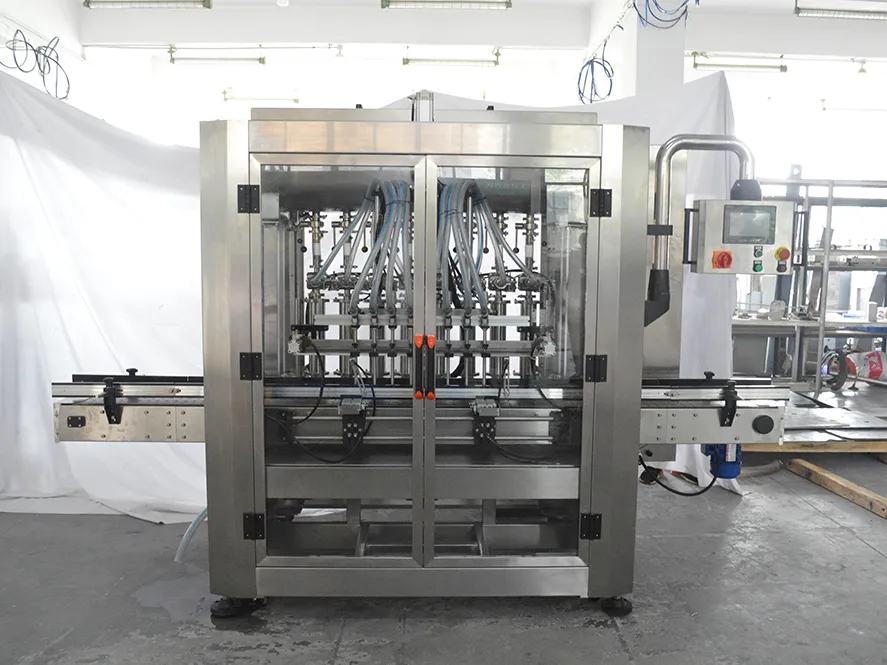
نحوه کار یک خط بطری کردن سس
- ترکیب سس داخل مخزن فرآوری (اگر دستور لازم باشد گرم کنید).
- استریل کردن از طریق UHT هنگام عبور از خط پرکردن گرم (محصول در دمای بالای ۸۵ درجه سانتی گراد خارج می شود).
- پر کردن بطری هایی با پرکننده پیستونی — نازل بدون چکه جریان آب را به خوبی قطع می کند.
- کلاه فورا باید بهداشت و فضای ذهنی را قفل کنم.
- برچسب بطری (کاور برای شیشه های کانتور شده، خودچسب برای بطری های صاف).
- کد دسته و تاریخ انقضا.
- بسته بندی و پالت سازی در جعبه ها و روی پالت ها.
یک اجرا کن CIP (تمیزکاری در محل) بین دستورهای غذایی یا در انتهای شیفت جابجا شوید — این موضوع برای خطوط غذایی غیرقابل مذاکره است و در سیستم های JNDWATER تعبیه شده است.
۵ نکته مهندسی که خط تولید سس را تعیین می کنند یا می سازند
- نازل های بدون قطره. سس های چسبناک رشته و چکه می کنند؛ نازل قطع سروو از از دست رفتن محصول و کثیف شدن بطری ها جلوگیری می کند.
- ضد تهویه / ضد فوم. پانسمان های هوادهی شده در استوانه فوم دارند؛ هاپر ضد گاز وزن پر کردن را دقیق نگه می دارد.
- ۳۱۶ لیتر ضدزنگ + CIP/SIP. قطعات تماس غذایی باید ۳۱۶ لیتر، با آینه صیقل داده شده و کاملا قابل تمیز شدن باشند.
- پر کردن گرم در مقابل پر کردن سرد. پر کردن با حرارت (>85 درجه سانتی گراد) بدون مواد نگهدارنده عمر مفید دارد؛ پرکردن سرد نیاز به نگهدارنده یا یخچال دارد. دستور پخت شما تصمیم می گیرد.
- یکپارچگی ذرات. ذرات فلفل یا مربا نیاز به سوراخ بزرگ و حرکت ملایم سروو دارند تا تکه ها سالم بمانند.
هزینه خط پر کردن سس به دلار آمریکا (نشانه ای)
قیمت های زیر فقط بازه های شاخص برای مرجع هستند؛ هزینه نهایی بستگی به ظرفیت، شکل بطری، استریلیزاسیون و گزینه ها دارد. با قیمت JNDWATER تأیید کنید.
| ظرفیت خط | اتوماسیون | دلار شاخص |
|---|---|---|
| ۲,۰۰۰ برتر در ساعت | نیمه اتوماتیک | ۲۵,۰۰۰ تا ۴۵,۰۰۰ دلار |
| ۴۰۰۰ میلیارد متر در ساعت | اتوماتیک | ۵۰,۰۰۰ تا ۹۰,۰۰۰ دلار |
| ۶۰۰۰ تا ۸۰۰۰ BPH | تمام خودکار + CIP | ۱۰۰,۰۰۰ تا ۱۸۰,۰۰۰ دلار |
هزینه های پنهان برای بودجه بندی: حمل و نقل و بیمه، نصب و آموزش در محل، قطعات یدکی تعویض (نازل ها، درزگیرها)، قالب های بطری و تطابق محلی برق/هوا. برای دیدگاهی گسترده تر درباره اقتصاد بطری سازی، به هزینه یک دستگاه بطری آب چقدر است.
FAQ
آیا یک خط می تواند هم سس کچاپ و هم سس سویا را پر کند؟
بله، با یک تغییر سریع. کچاپ از پرکننده پیستون استفاده می کند؛ سس سویا نازک می تواند به حالت فشار منفی یا پیستون کوچکتر تغییر کند. ۳۰ تا ۶۰ دقیقه برای تعویض تمیز به همراه CIP بودجه بگذار.
پرکننده پیستونی یا سرو پمپ برای مایونز؟
از فیلر سرو پیستون در سرعت پایین استفاده کنید. مایونز حساس به برشی است؛ حرکت آهسته و کنترل شده امولسیون را پایدار نگه می دارد. از پمپ های چرخان پرسرعت که آن را به حرکت درمی آورند دوری کنید.
پر کردن داغ یا پر کردن سرد برای سس؟
پر کردن گرم (بالای ۸۵ درجه سانتی گراد) بدون مواد نگهدارنده دوام مفید محیط را فراهم می کند — که در سس کچاپ و فلفل رایج است. پرکننده سرد نیاز به نگهدارنده یا یخچال دارد و برای سس های تازه استفاده می شود.
چطور می توان سس را با ذرات فلفل پر کرد بدون اینکه گیر کند؟
از یک سیلندر پیستونی با قطر بزرگ، یک هاپر محصول با یک همزن ملایم و یک نازل برش دهنده متناسب با بزرگ ترین ذره خود استفاده کنید. خطوط JNDWATER مربای چیلی کریسپ و میوه را به طور قابل اعتماد به این روش عرضه می کنند.
زمان تحویل و MOQ چقدر است؟
زمان معمول پیش رو ۳۰ تا ۶۰ روز پس از سپرده گذاری است؛ MOQ فقط یک خط است. قطعات یدکی از انبار ارسال می شوند.
نتیجه گیری
یک خط پر کردن سس در جزئیات اهمیت دارد: پرکننده مناسب برای ویسکوزیته شما، نازل های بدون چکه، بهداشت ۳۱۶ لیتری + CIP، و تصمیم پر کردن گرم/سرد مطابق دستور پخت شما. JNDWATER خطوط چاشنی مبتنی بر پیستون با قدرت ۲۰۰۰ تا ۸۰۰۰ BPH را با کیت های کامل CIP و تعویض تولید می کند.