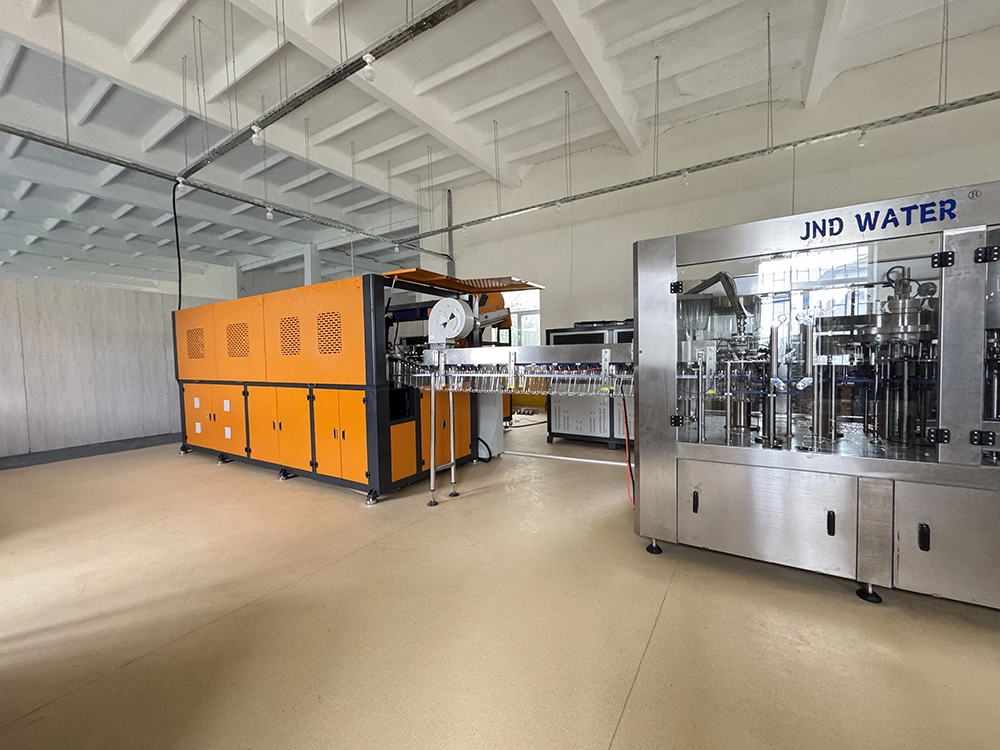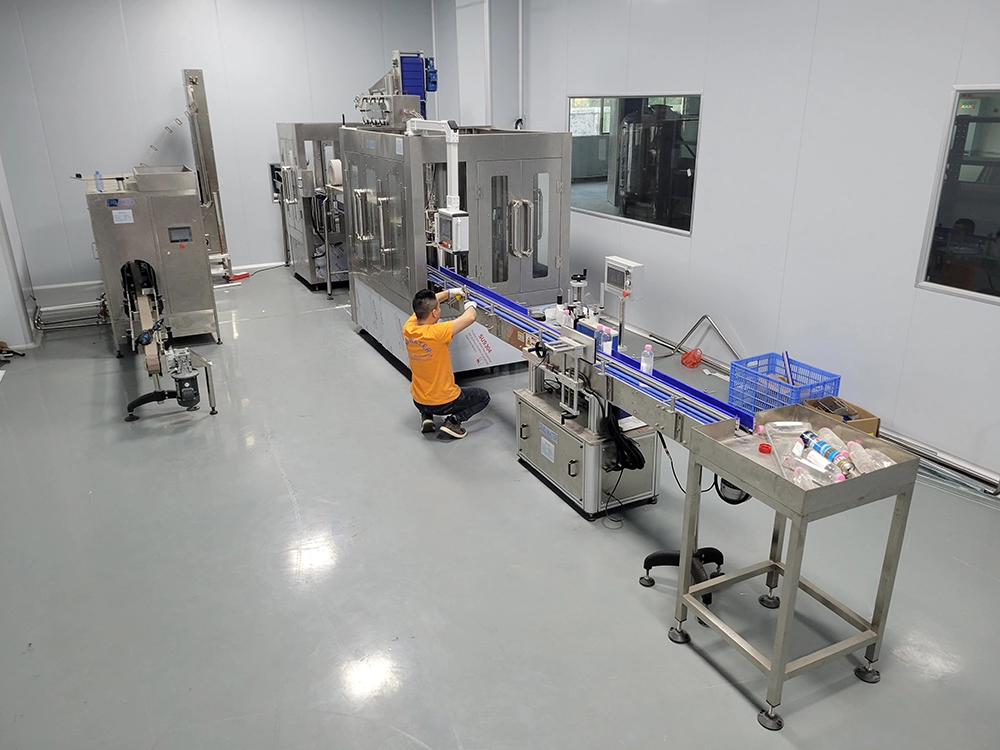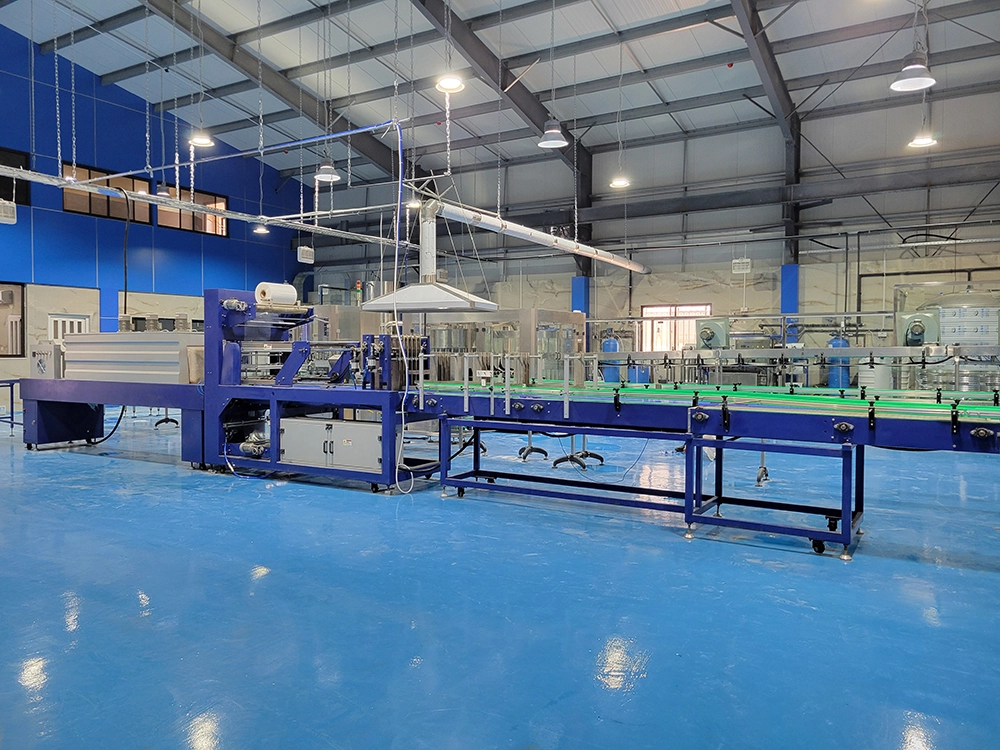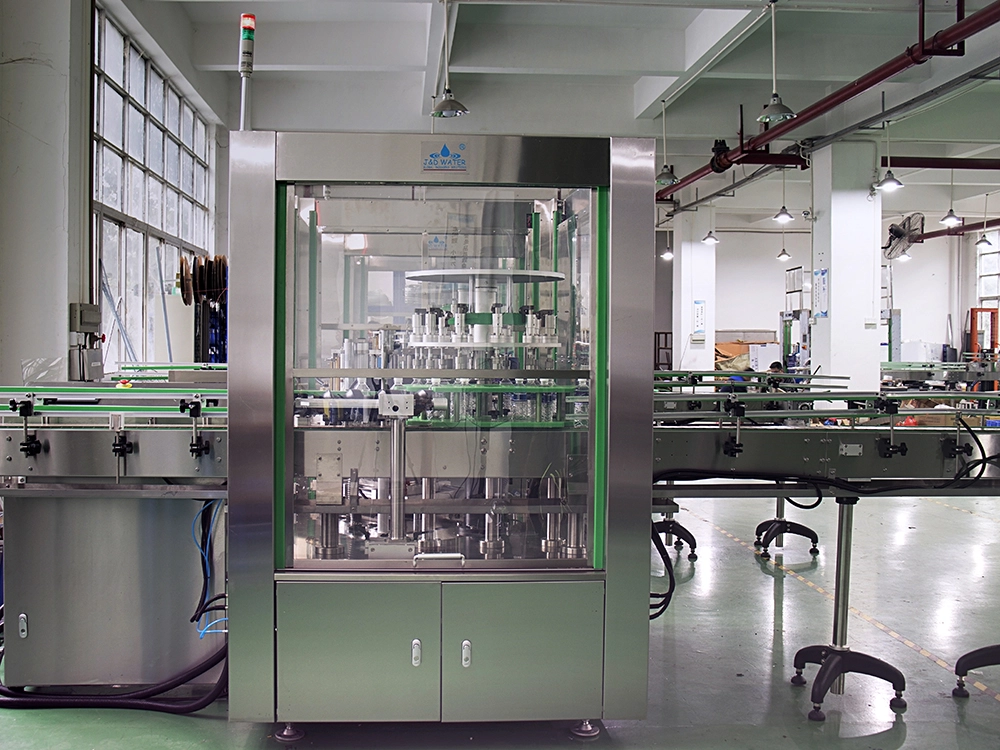
Dây chuyền nhồi nước sốt hoặc gia vị biến một mẻ thực phẩm lỏng hoặc bán lỏng — tương cà, sốt ớt, sốt mayonnaise, nước sốt salad, nước sốt hàu, nước tương, giấm — thành các chai kín, dán nhãn và sẵn sàng để trên kệ. So với ống nước, nước sốt cứng hơn: độ nhớt thay đổi, nhiều công thức chứa các hạt rắn, và quy định vệ sinh thực phẩm rất nghiêm ngặt. Hướng dẫn này đi qua danh sách thiết bị, công nghệ chiết rót đằng sau từng loại sốt, cấu hình dây chuyền điển hình, các chi tiết kỹ thuật thực sự quyết định chất lượng, và khoảng chi phí dự báo theo USD.
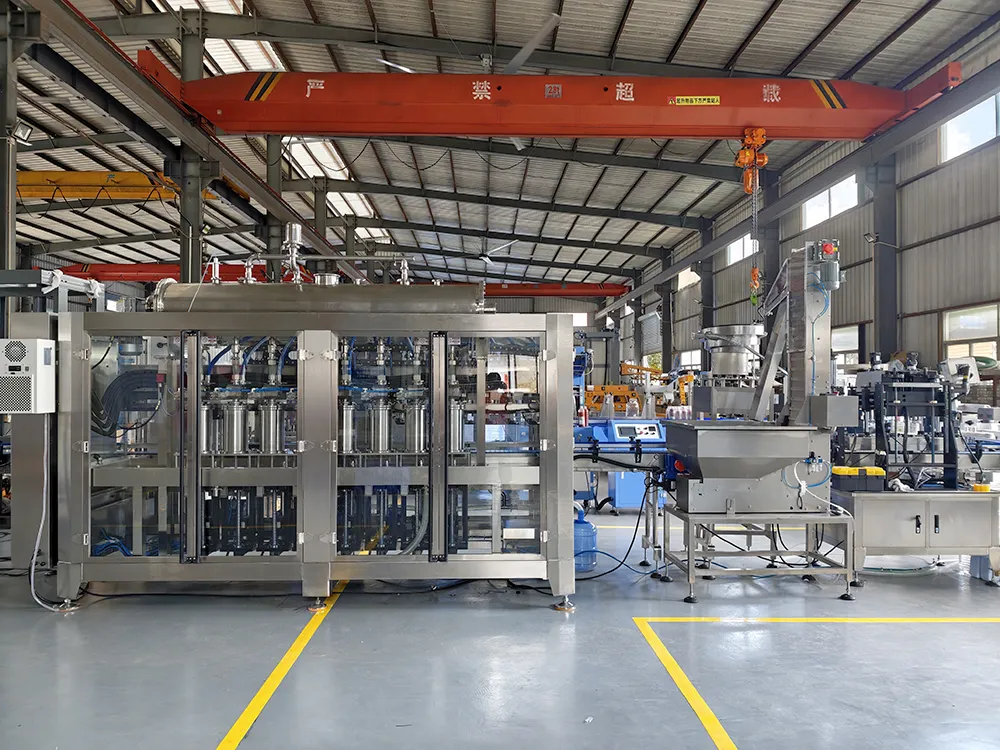
Dòng nhân nước sốt & gia vị là gì?
Dây chuyền chiết rót gia vị là một hệ thống tự động định lượng, chiết rót, đóng nắp, dán nhãn và đóng gói nước sốt cùng nước sốt với công suất cố định (thường là 2.000–8.000 chai mỗi giờ, BPH). Nó phục vụ các nhà sản xuất thực phẩm đóng chai thương hiệu riêng, các nhà đóng gói hợp đồng thực hiện nhiều công thức, và các startup tham gia thị trường gia vị với một dòng bán tự động duy nhất. Thách thức cốt lõi không phải là "di chuyển chất lỏng" — mà là di chuyển một sản phẩm có độ dày, hạt và độ nhạy thay đổi theo công thức, mà không bị nhỏ giọt, tạo bọt hay gây ô nhiễm.
Loại sốt quyết định công nghệ nhân
Trước khi đăng các máy, hãy chọn bộ điền theo hành vi sản phẩm. Chất độn sai sẽ nhỏ giọt, kẹt hoặc cắt nước sốt của bạn.
| Nước sốt / gia vị | Hành vi dòng chảy | Chất độn được khuyến nghị |
|---|---|---|
| Nước tương, giấm, rượu nấu ăn | Mỏng, chảy tự do | Bộ chiết rót áp suất âm / trọng lực |
| Tương cà, nước sốt salad, sốt hàu | Độ nhớt, không có hạt | Bộ nạp piston servo |
| Nước sốt ớt, mứt trái cây với phần thịt | Hạt nhớt + rắn | Máy bơm piston, xi lanh đường kính lớn |
| Mayonnaise, bơ đậu phộng | Rất nhớt, nhạy cảm với cắt. | Piston servo / thùy quay, tốc độ chậm |
- Nước sốt loãng (đậu nành, giấm) được bơm bằng chân không hoặc trọng lực — rẻ và nhanh, nhưng chỉ hoạt động khi sản phẩm chạy.
- Nước sốt đặc (tương cà, nước sốt) Cần một piston đẩy thể tích đo được — chính xác ngay cả khi dày.
- Nước sốt có hạt (ớt, mứt) Cần piston rộng hơn và đầu cắt để các mảng đi qua mà không bị kẹt.
- Nước sốt nhạy cảm với độ cắt (mayonnaise) cần chuyển động servo chậm để nhũ tương không bị vỡ.
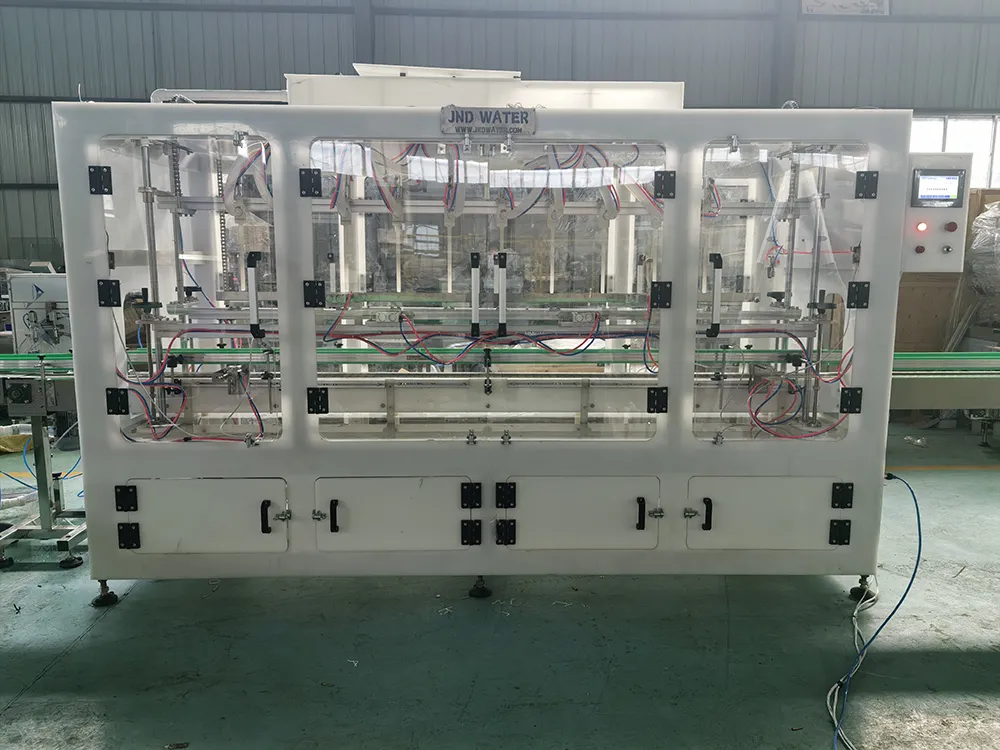
Danh sách đầy đủ thiết bị cho dây chuyền chiết rót gia vị
Một dòng nước sốt tự động tiêu chuẩn gồm tám trạm. Công suất có thể mở rộng cùng nhau — một máy chiết rót 4.000 BPH được kết hợp với một máy đóng nắp và dán nhãn 4.000 BPH.
| # | Trang thiết bị | Vai trò |
|---|---|---|
| 1 | Bể xử lý / pha trộn | Trộn đều, hâm nóng và đồng đều công thức; thường có áo khoác |
| 2 | Máy tiệt trùng / UHT | Tiêu diệt vi sinh vật để đảm bảo ổn định khi nạp nóng (tùy chọn khi nạp lạnh) |
| 3 | Máy chiết rót pít-tông | Trạm định lượng lõi; thể tích điều khiển bằng servo |
| 4 | Máy đóng nắp | Nắp vặn hoặc nắp; điều khiển bằng mô-men xoắn |
| 5 | Máy dán nhãn | Nhãn tự dính hoặc nhãn tay áo |
| 6 | Mã hóa ngày (TTO / laser) | Mã lô & mã hết hạn |
| 7 | Màng co / máy đóng gói thùng carton | Đóng gói đa gói và đóng gói hộp |
| 8 | Máy xếp pallet / máy dốc pallet | Xếp chồng thùng để vận chuyển |
Đối với tuyến bán tự động 2.000 BHP, các trạm 1–4 được hỗ trợ thủ công; từ 4.000 BPH trở lên, các trạm 5–8 thường là tự động. Xem của chúng tôi máy chiết rót dầu ăn cho cấu hình piston gần như giống hệt nhau được sử dụng trên các sản phẩm dày.
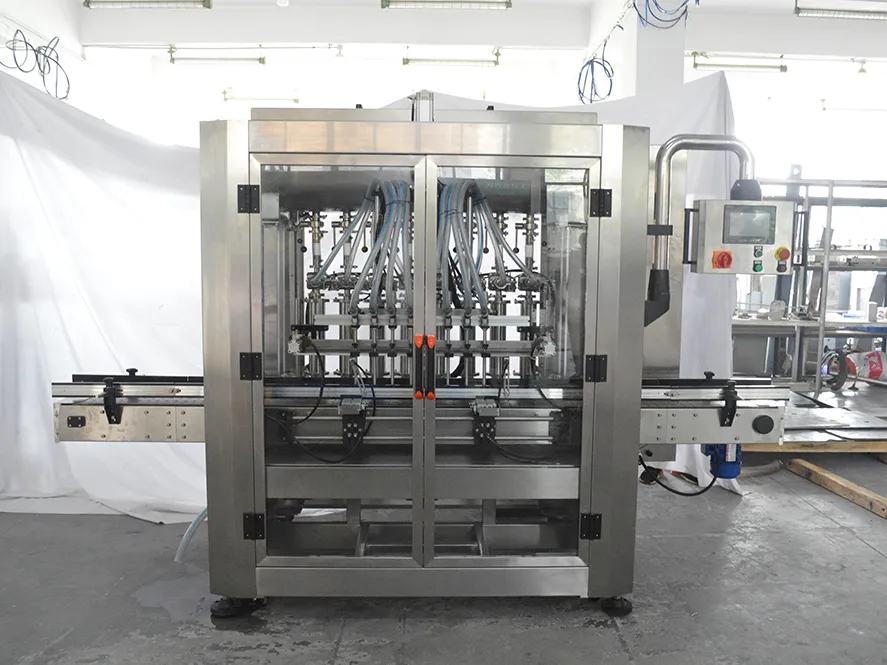
Cách hoạt động của dây chuyền đóng chai nước sốt
- Pha trộn Nước sốt trong bể chế biến (đun nóng nếu công thức cần).
- tiệt trùng thông qua UHT khi chạy đường ống nạp nóng (sản phẩm ra ngoài trên 85 °C).
- Lấp đầy Chai có đầu bơm piston — vòi không nhỏ giọt giúp cắt dòng nước một cách sạch sẽ.
- Mũ Ngay lập tức để giữ vệ sinh và giữ khoảng trống tâm trạng.
- Nhãn chai (bao cho lọ có đường viền, tự dính cho chai thẳng).
- Mã nguồn Lô hàng và ngày hết hạn.
- Đóng gói & xếp pallet vào các thùng và lên pallet.
Chạy một CIP (vệ sinh tại chỗ) chu kỳ giữa các công thức hoặc vào cuối ca — điều này không thể thương lượng đối với các dây chuyền thực phẩm và được tích hợp trong hệ thống JNDWATER.
5 Điểm Kỹ Thuật Quyết Định Thành Bại Của Dòng Nước Sốt
- Đầu phun không nhỏ giọt. Nước sốt đặc như dây và nhỏ giọt; Đầu cắt servo giúp ngăn ngừa thất thoát sản phẩm và chai lọ bẩn.
- Khử khí / chống bọt. Bọt liệu dạng bọt có khí trong xi lanh; Phễu xả khí giữ cho trọng lượng đổ xăng chính xác.
- Không gỉ 316L + CIP/SIP. Các bộ phận tiếp xúc thực phẩm phải là dung tích 316L, được đánh bóng bằng gương và có thể làm sạch hoàn toàn.
- Đổ nóng so với đổ lạnh. Chiết rót nóng (>85 °C) giúp bảo quản lâu dài mà không cần chất bảo quản; Đổ lạnh cần chất bảo quản hoặc bảo quản lạnh. Công thức của bạn quyết định.
- Tính toàn vẹn của hạt. Hạt chili hoặc mứt cần đường kính lớn và chuyển động servo nhẹ nhàng để các miếng vẫn nguyên vẹn.
Chi phí dây chuyền nhồi nước sốt tính bằng USD (Chỉ định)
Giá dưới đây chỉ là khoảng giá tham khảo để tham khảo; Chi phí cuối cùng phụ thuộc vào công suất, hình dạng chai, quá trình tiệt trùng và các tùy chọn. Xác nhận bằng báo giá của JNDWATER.
| Sức chứa dây chuyền | Tự động hóa | USD chỉ số |
|---|---|---|
| 2.000 BPH | Bán tự động | $25,000 – $45,000 |
| 4.000 BPH | Tự động | $50,000 – $90,000 |
| 6.000–8.000 TỐC/PHÚT | Tự động hoàn toàn + CIP | $100,000 – $180,000 |
Chi phí ẩn cần ngân sách: Vận chuyển & bảo hiểm, lắp đặt tại chỗ và đào tạo, phụ tùng thay thế (vòi phun, phớt), khuôn chai, và tuân thủ điện/khí tại chỗ. Để có cái nhìn rộng hơn về kinh tế đóng chai, xem Giá một máy đóng chai nước.
FAQ
Có thể dùng một dòng để đầy cả tương cà và nước tương không?
Đúng vậy, với một sự thay đổi nhanh chóng. Sốt cà chua sử dụng bộ bơm piston; Nước tương loãng có thể chuyển sang chế độ áp suất âm hoặc piston nhỏ hơn. Lập ngân sách 30–60 phút để chuyển đổi sạch sẽ cộng với CIP.
Pít-tông hay bơm servo cho mayonnaise?
Sử dụng bộ bơm piston servo ở tốc độ thấp. Mayonnaise nhạy cảm với độ cắt; Chuyển động chậm, kiểm soát giúp nhũ tương ổn định. Tránh các máy bơm quay tốc độ cao có thể làm nó bị quất.
Nhồi nóng hay nhồi lạnh cho nước sốt?
Chiết rót nóng (trên 85 °C) giúp bảo quản lâu dài mà không cần chất bảo quản — phổ biến trong tương cà và sốt ớt. Đổ lạnh cần chất bảo quản hoặc bảo quản lạnh và được dùng để làm băng mới.
Làm thế nào để nhồi sốt bằng các hạt ớt mà không bị kẹt?
Sử dụng xi lanh piston đường kính lớn, phễu sản phẩm với bộ khuấy nhẹ nhàng, và đầu cắt có kích thước phù hợp với hạt lớn nhất của bạn. Đường ống JNDWATER chạy chili crisp và mứt trái cây một cách ổn định theo cách này.
Thời gian giao hàng và số lượng tối thiểu là bao lâu?
Thời gian giao hàng điển hình là 30–60 ngày sau khi nộp; MOQ chỉ là một dòng. Phụ tùng được gửi từ kho.
Kết luận
Dây chuyền chiết rót nước sốt phụ thuộc vào từng chi tiết: chất độn phù hợp với độ nhớt của bạn, đầu phun không nhỏ giọt, vệ sinh 316L + CIP, và quyết định chiết rót nóng/lạnh phù hợp với công thức của bạn. JNDWATER sản xuất các dây chuyền gia vị dựa trên piston từ 2.000 đến 8.000 BPH với đầy đủ CIP và bộ thay thế.