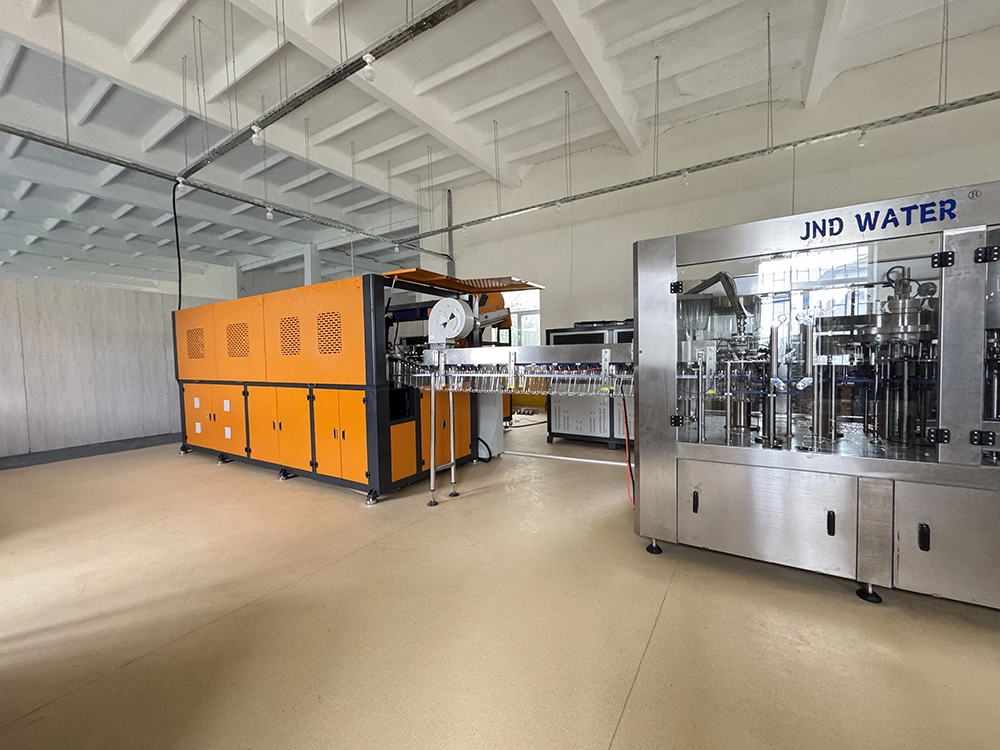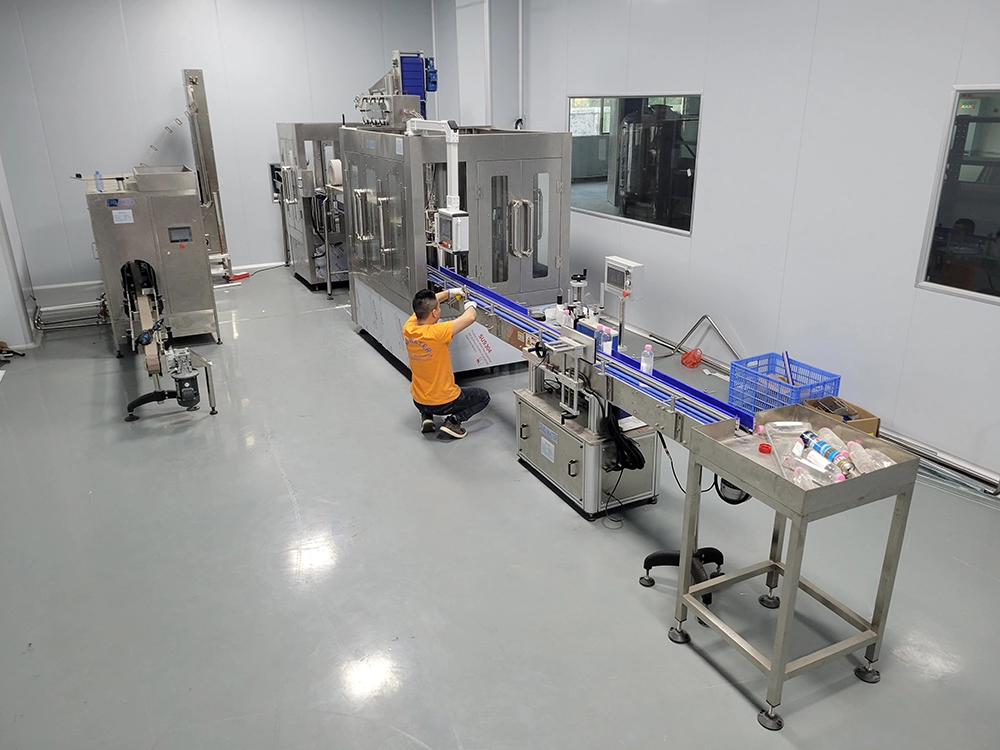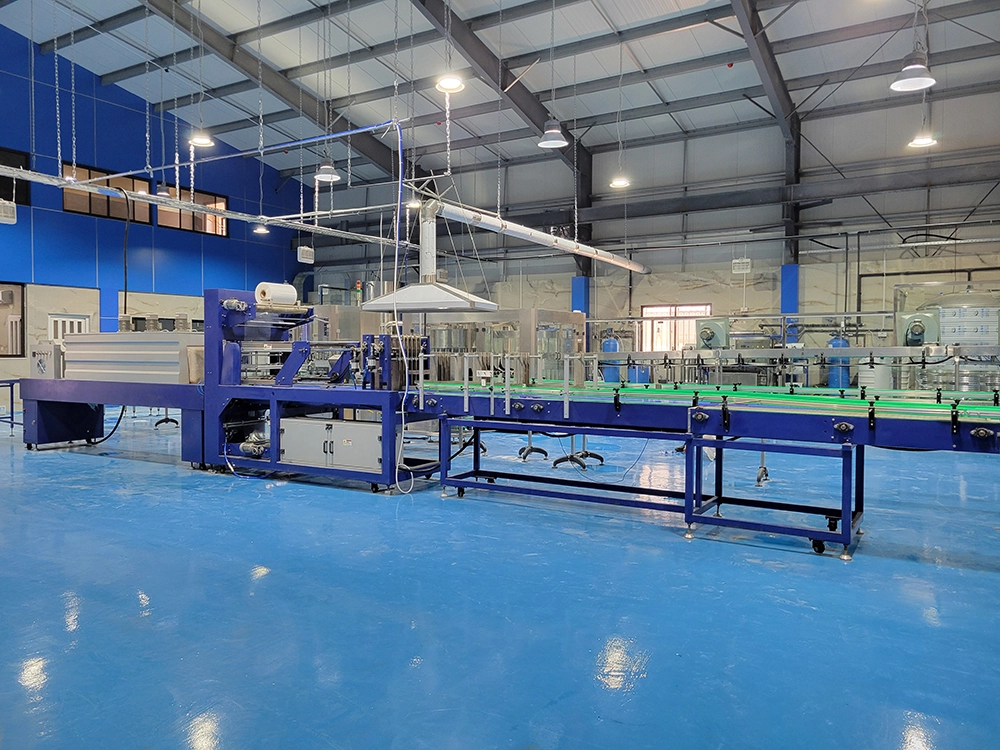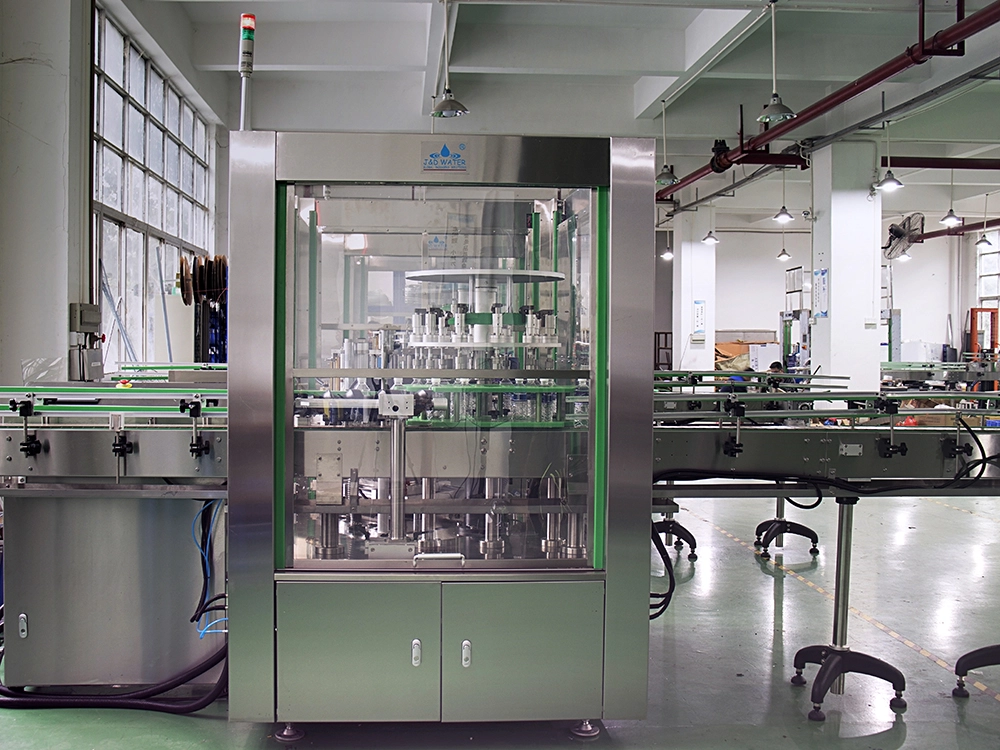
Isian saus atau bumbu akan mengubah batch makanan cair atau semi-cair — saus tomat, saus cabai, mayones, saus salad, saus tiram, kecap asin, cuka — menjadi botol yang tertutup, berlabel, dan siap simpan. Dibandingkan dengan saluran air, saus lebih keras: viskositasnya bervariasi, banyak resep mengandung partikel padat, dan aturan kebersihan makanan sangat ketat. Panduan ini membahas daftar peralatan, teknologi isian di balik setiap jenis saus, konfigurasi garis khas, detail teknik yang benar-benar menentukan kualitas, dan kisaran biaya USD indikatif.
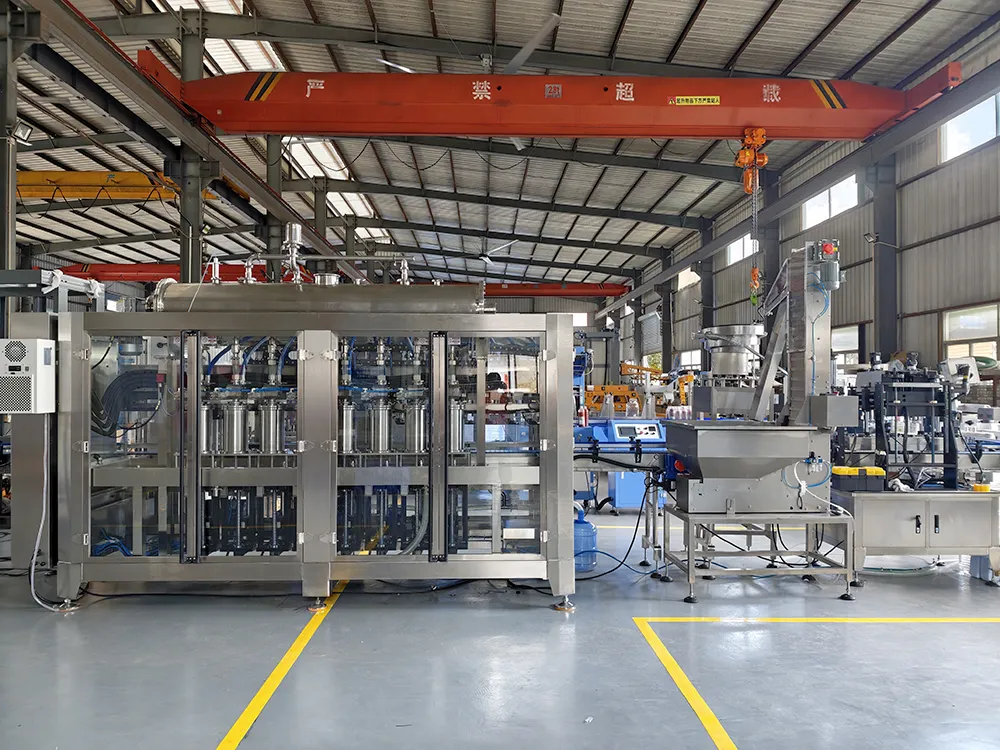
Apa itu lini isian saus & bumbu?
Lini pengisian bumbu adalah sistem otomatis yang memberikan, mengisi, menutup, memberi label, dan mengemas saus serta saus pada kapasitas tetap (biasanya 2.000–8.000 botol per jam, BPH). Perusahaan ini melayani produsen makanan yang mengisi botol merek mereka sendiri, pengemas kontrak yang menjalankan berbagai resep, dan startup yang memasuki pasar bumbu dengan satu lini semi-otomatis. Tantangan inti bukanlah "cairan bergerak" — melainkan memindahkan produk yang ketebalan, partikel, dan sensitivitasnya berubah sesuai resep, tanpa menetes, berbusa, atau mencemari.
Jenis Saus Menentukan Teknologi Isian
Sebelum mencantumkan mesin, pilih pengisi berdasarkan perilaku produk. Filler yang salah meneteskan, macet, atau merusak saus Anda.
| Saus / bumbu | Perilaku aliran | Filler yang direkomendasikan |
|---|---|---|
| Kecap asin, cuka, anggur masak | Tipis, mengalir bebas | Pengisi tekanan negatif / gravitasi |
| Saus tomat, saus salad, saus tiram | Kental, tanpa partikel | Pengisi piston servo |
| Saus cabai, selai buah dengan daging | Partikel kental + padat | Pengisi piston, silinder dengan diameter besar |
| Mayones, selai kacang | Sangat kental, sensitif terhadap geser | Servo piston / lobus putar, kecepatan lambat |
- Saus tipis (kedelai, cuka) diisi dengan vakum atau gravitasi — murah dan cepat, tapi hanya bekerja saat produk sudah berjalan.
- Saus kental (saus tomat, saus) butuh piston yang mendorong volume terukur — akurat bahkan saat tebal.
- Saus dengan partikel (chili, selai) butuh lubang piston yang lebih lebar dan nozzle yang bisa dipotong agar potongan bisa melewati tanpa macet.
- Saus sensitif terhadap gunting (mayones) butuh gerakan servo lambat agar emulsi tidak pecah.
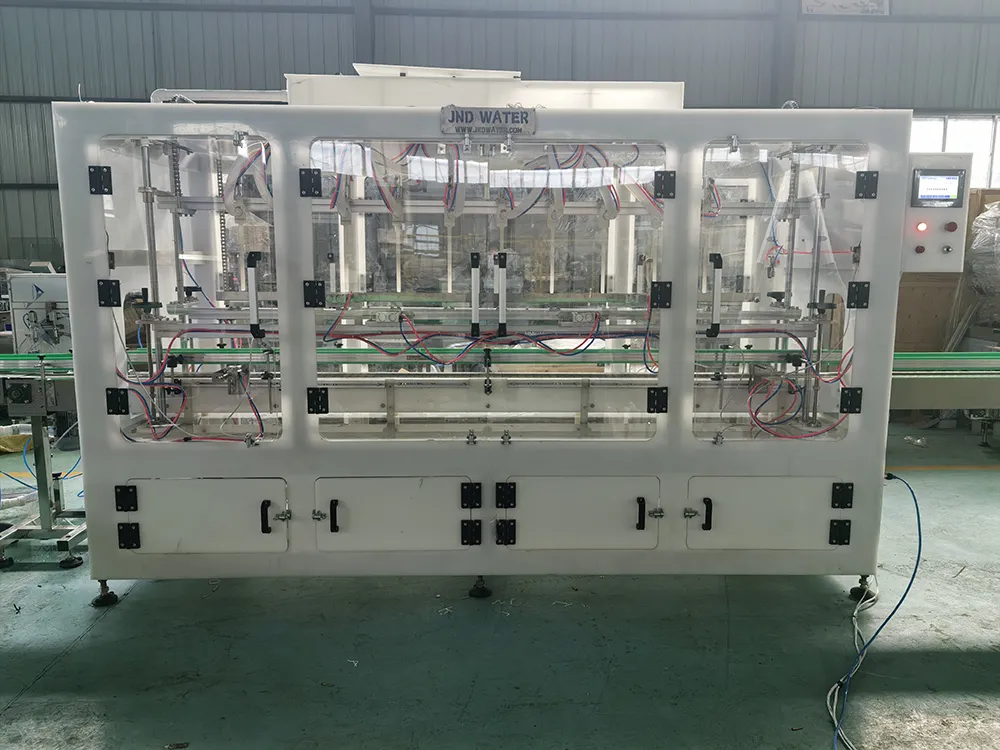
Daftar Lengkap Peralatan untuk Lini Pengisian Bumbu
Garis saus otomatis standar memiliki delapan stasiun. Kapasitas diskalakan bersama — filler 4.000 BPH dipasangkan dengan capper dan labeler 4.000 BPH.
| # | Perlengkapan | Peran |
|---|---|---|
| 1 | Tangki pengolahan / pencampuran | Campur, panaskan, dan homogenkan resep; sering mengenakan jaket |
| 2 | Sterilizer / UHT | Membunuh mikroba untuk stabilitas rak hot-fill (opsional untuk cold-fill) |
| 3 | Mesin pengisian piston | Stasiun dosis inti; volume yang dikendalikan servo |
| 4 | Mesin penutup | Sekrup atau tutup tekan; dikendalikan torsi |
| 5 | Mesin Pelabelan | Label perekat sendiri atau selongsong |
| 6 | Pengkodean tanggal (TTO / laser) | Kode batch & kedaluwarsa |
| 7 | Shrink wrap / pengemas karton | Pengemasan multi-pack dan case |
| 8 | Palletizer / depalletizer | Kotak tumpukan untuk pengiriman |
Untuk jalur semi-otomatis 2.000 BPH, stasiun 1–4 dibantu secara manual; mulai 4.000 BPH ke atas, stasiun 5–8 biasanya otomatis. Lihat kami mesin pengisian minyak yang dapat dimakan untuk konfigurasi piston yang hampir identik yang digunakan pada produk tebal.
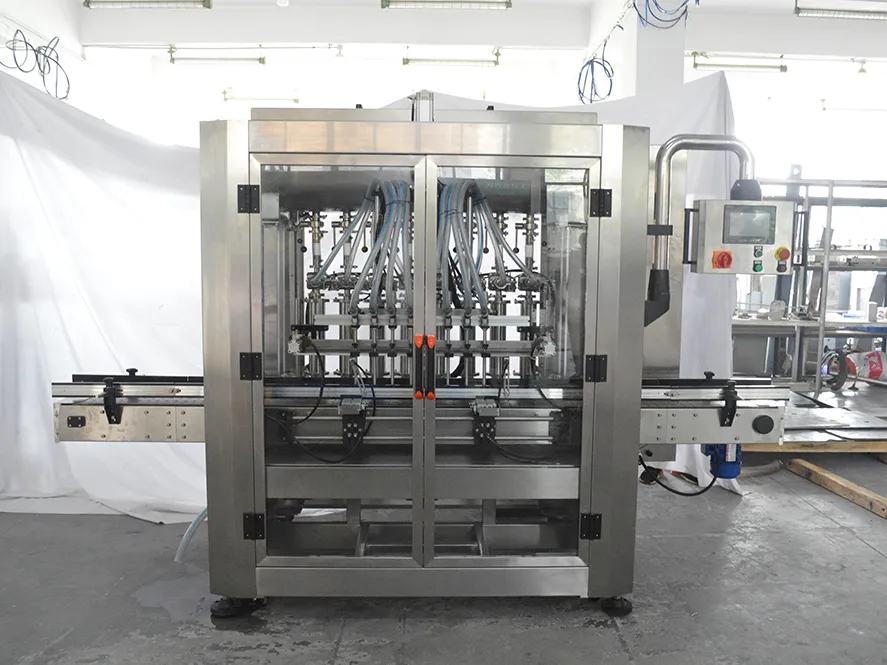
Cara Kerja Lini Pembotolan Saus
- Blend Saus di dalam tangki pengolahan (panaskan jika resep membutuhkannya).
- mensterilkan melalui UHT saat menjalankan jalur hot-fill (produk keluar di atas 85 °C).
- Isi botol dengan pengisi piston — nosel tanpa tetesan memotong aliran dengan bersih.
- Topi segera untuk mengunci kebersihan dan ruang pikiran.
- Label botol (selongsong untuk toples berkontur, perekat sendiri untuk botol lurus).
- Kode Batch dan tanggal kedaluwarsa.
- Kemas & paletisasi ke dalam kotak dan ke palet.
Jalankan CIP (bersih-in-place) siklus antar resep atau di akhir shift — ini tidak bisa dinegosiasikan untuk jalur makanan dan sudah terintegrasi dalam sistem JNDWATER.
5 Poin Rekayasa yang Menentukan Atau Gagal Sebuah Garis Saus
- Nozel tanpa tetesan. Saus kental bertali dan menetes; Nozzle pemotong servo mencegah kehilangan produk dan botol yang kotor.
- De-aerasi / anti-busa. Perban berkarbonasi berkarbonasi di dalam silinder; Hopper de-gas menjaga berat isi tetap akurat.
- 316L stainless + CIP/SIP. Bagian yang kontak dengan makanan harus 316L, dipoles seperti cermin, dan dapat dibersihkan sepenuhnya.
- Isi panas vs isi dingin. Isian panas (>85 °C) memberikan masa simpan tanpa pengawet; Isian dingin membutuhkan pengawet atau pendinginan. Resepmu yang menentukan.
- Integritas partikel. Partikel cabai atau selai membutuhkan lubang besar dan gerakan servo yang lembut agar potongan tetap utuh.
Biaya Lini Isian Saus dalam USD (Indikatif)
Harga di bawah ini hanya merupakan rentang indikatif untuk referensi; Biaya akhir tergantung pada kapasitas, bentuk botol, sterilisasi, dan opsi. Konfirmasi dengan penawaran JNDWATER.
| Kapasitas saluran | Otomatisasi | Indikatif USD |
|---|---|---|
| 2.000 BPH | Semi-otomatis | $25.000 – $45.000 |
| 4.000 BPH | Otomatis | $50.000 – $90.000 |
| 6.000–8.000 BPH | Full-auto + CIP | $100.000 – $180.000 |
Biaya tersembunyi untuk anggaran: Pengiriman & asuransi, instalasi dan pelatihan di lokasi, suku cadang pengganti (nosel, segel), cetakan botol, serta kepatuhan listrik/udara lokal. Untuk pandangan yang lebih luas tentang ekonomi pembotolan, lihat Berapa biaya mesin pembotolan air.
FAQ
Apakah satu garis bisa mengisi saus tomat dan kecap asin sekaligus?
Ya, dengan pergantian cepat. Saus tomat menggunakan pengisi piston; Kecap asin tipis dapat beralih ke mode tekanan negatif atau piston yang lebih kecil. Anggaran 30–60 menit untuk pergantian yang bersih plus CIP.
Pengisi pompa piston atau servo untuk mayones?
Gunakan pengisi piston servo pada kecepatan rendah. Mayones sensitif terhadap geser; gerakan lambat dan terkontrol menjaga emulsi tetap stabil. Hindari pompa putar berkecepatan tinggi yang menggerakkan alat tersebut.
Isi panas atau isi dingin untuk saus?
Isi panas (di atas 85 °C) memberikan masa simpan ambient tanpa pengawet — umum untuk saus tomat dan saus cabai. Isian dingin membutuhkan pengawet atau pendinginan dan digunakan untuk dressing segar.
Bagaimana cara mengisi saus dengan partikel cabai tanpa macet?
Gunakan silinder piston diameter besar, hopper produk dengan agitator lembut, dan nozzle cut-off yang berukuran untuk partikel terbesar Anda. Jalur JNDWATER menjalankan chili crisp dan selai buah dengan andal dengan cara ini.
Berapa waktu persiapan dan MOQ-nya?
Waktu pengiriman biasanya adalah 30–60 hari setelah deposit; MOQ adalah satu baris. Suku cadang dikirim dari stok.
Kesimpulan
Lini pengisian saus bergantung pada detail: pengisi yang tepat untuk viskositas Anda, nosel tanpa tetesan, kebersihan 316L + CIP, dan pilihan isian panas/dingin yang sesuai dengan resep Anda. JNDWATER membangun lini bumbu berbasis piston dari 2.000 hingga 8.000 BPH dengan kit CIP dan pergantian lengkap.