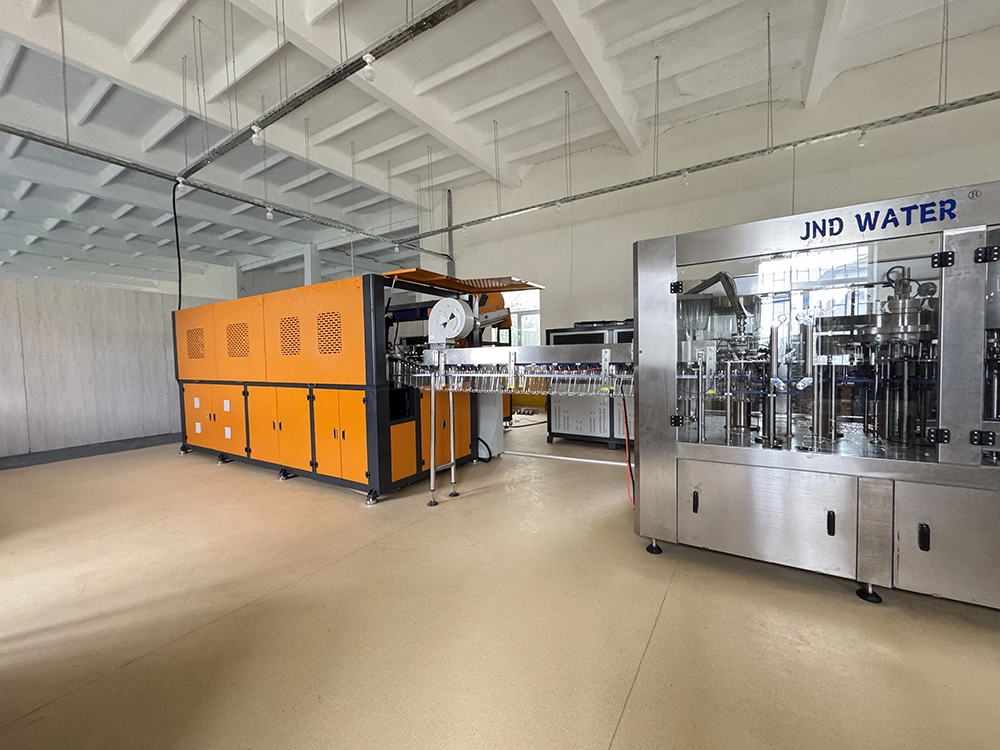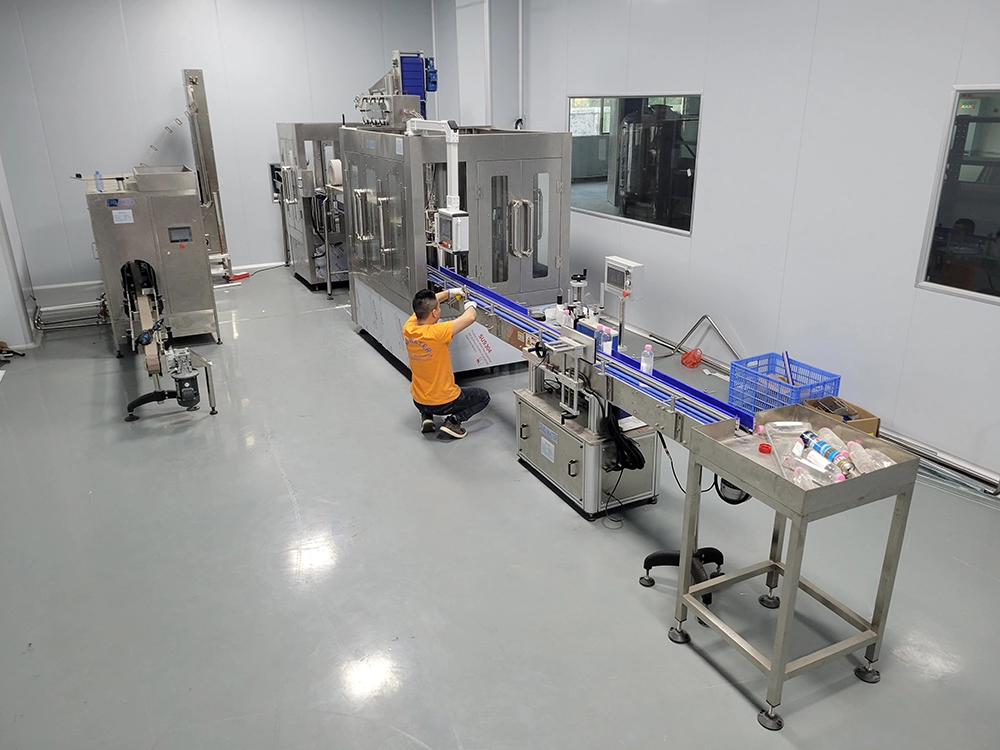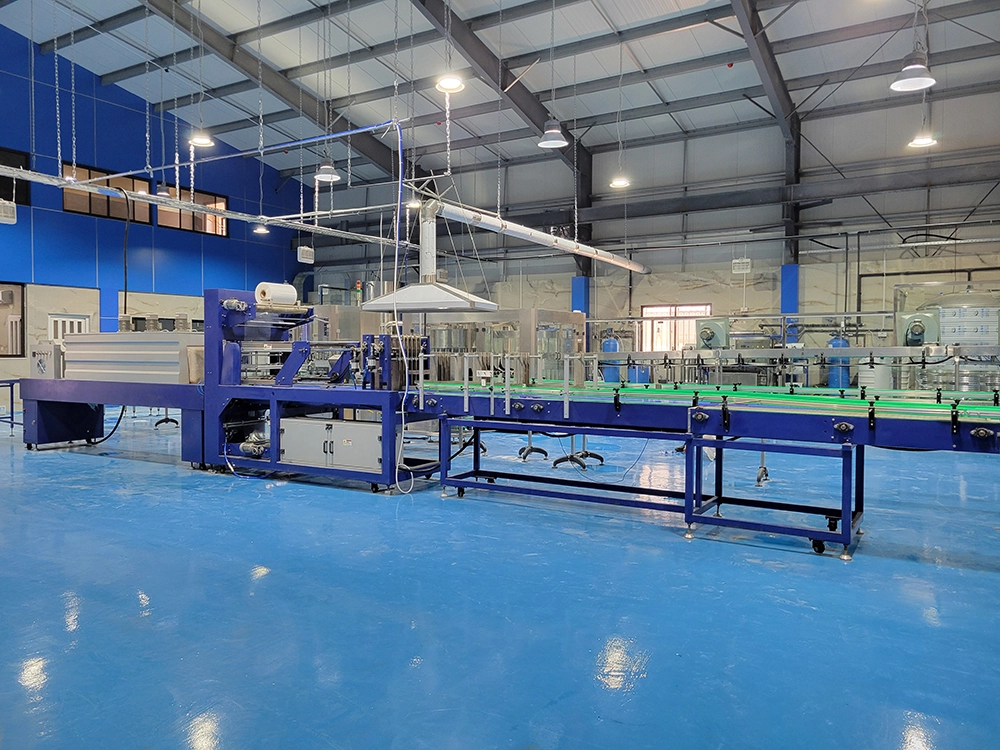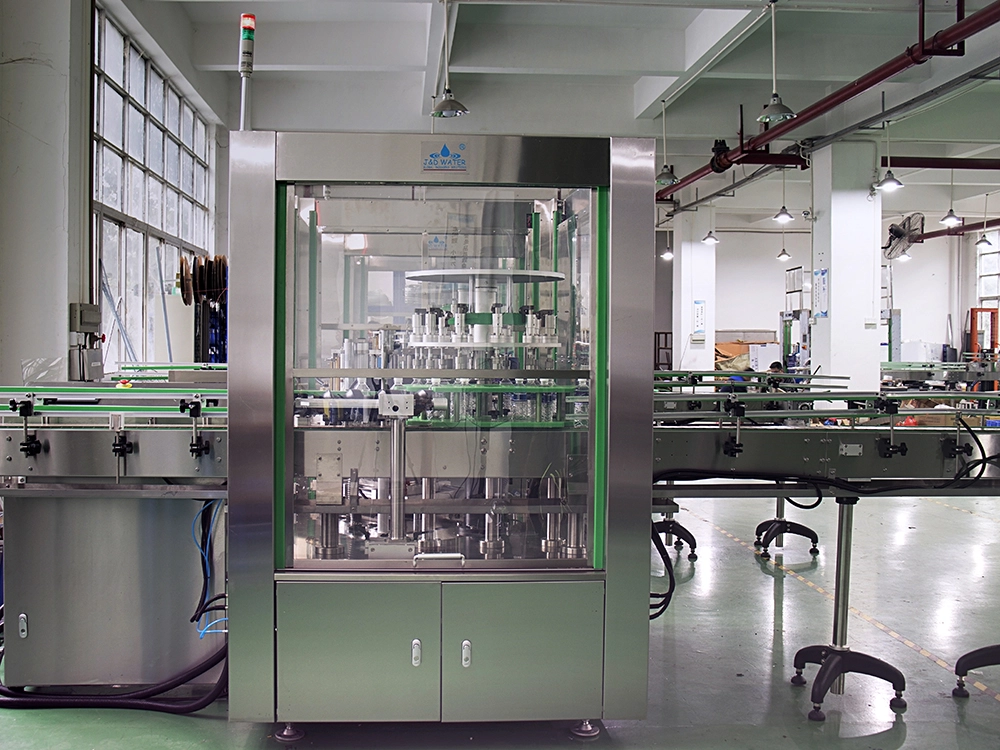
Une fourchette de garniture de sauce ou de condiment transforme un lot d’aliments liquides ou semi-liquides — ketchup, sauce pimentée, mayonnaise, vinaigrette pour salade, sauce huître, sauce soja, vinaigre — en bouteilles scellées, étiquetées et prêtes à mettre en étagère. Comparée à une conduite d’eau, la sauce est plus dure : la viscosité varie, de nombreuses recettes contiennent des particules solides, et les règles d’hygiène alimentaire sont strictes. Ce guide présente la liste des équipements, la technologie de remplissage derrière chaque type de sauce, une configuration typique de la ligne, les détails techniques qui déterminent réellement la qualité, ainsi que les fourchettes de coût indicatifs en USD.
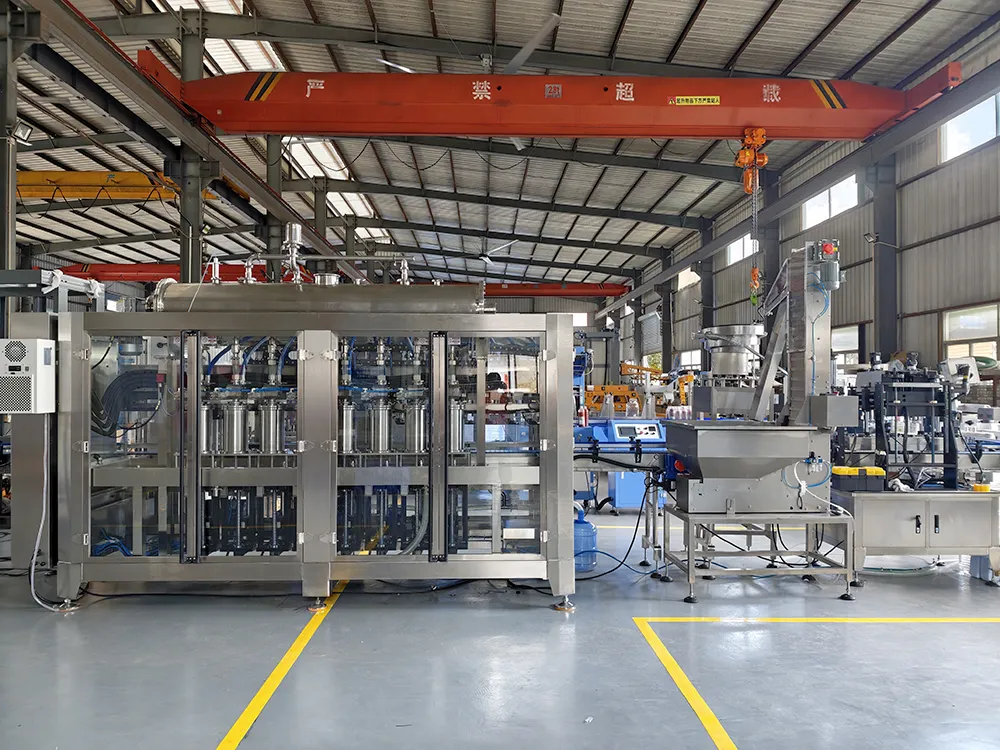
Qu’est-ce qu’une gamme de remplissage de sauce et condiment ?
Une chaîne de remplissage de condiments est un système automatisé qui dose, remplit, bouche, étiquete et emballe les sauces et vinaigrettes à une capacité fixe (généralement 2 000 à 8 000 bouteilles par heure, BPH). Elle sert les fabricants alimentaires embouteillant leur propre marque, les emballeurs sous contrat proposant plusieurs recettes, et les startups qui entrent sur le marché des condiments avec une seule gamme semi-automatique. Le principal défi n’est pas de « déplacer le liquide » — il s’agit de déplacer un produit dont l’épaisseur, les particules et la sensibilité varient selon la recette, sans goutter, mousser ou contaminer.
Le type de sauce détermine la technologie de garniture
Avant de lister les machines, choisissez le comportement du remplissage par produit. Le mauvais remplissage goutte, coince ou cisaille votre sauce.
| Sauce / condiment | Comportement de l’écoulement | Produit de comblement recommandé |
|---|---|---|
| Sauce soja, vinaigre, vin de cuisine | Fine, fluide | Remplissage à pression négative / gravité |
| Ketchup, vinaigrette à salade, sauce aux huîtres | Visqueux, sans particules | Servo piston de remplissage |
| Sauce pimentée, confiture de fruits avec pulpe | Particules visqueuses + solides | Bouchon de piston, cylindre à gros alésage |
| Mayonnaise, beurre de cacahuète | Très visqueux, sensible au cisaillement | Piston servo / lobe rotatif, vitesse lente |
- Sauces fines (soja, vinaigre) sont remplis par vide ou gravité — bon marché et rapide, mais ne fonctionnent que lorsque le produit fonctionne.
- Sauces visqueuses (ketchup, vinaigre) Il faut un piston qui pousse un volume mesuré — précis même lorsqu’il est épais.
- Sauces avec des particules (chili, confiture) il faut un alésage de piston plus large et une buse coupée pour que les morceaux passent sans se coincer.
- Sauces sensibles au cisaillement (mayonnaise) nécessite un mouvement servo lent pour que l’émulsion ne se casse pas.
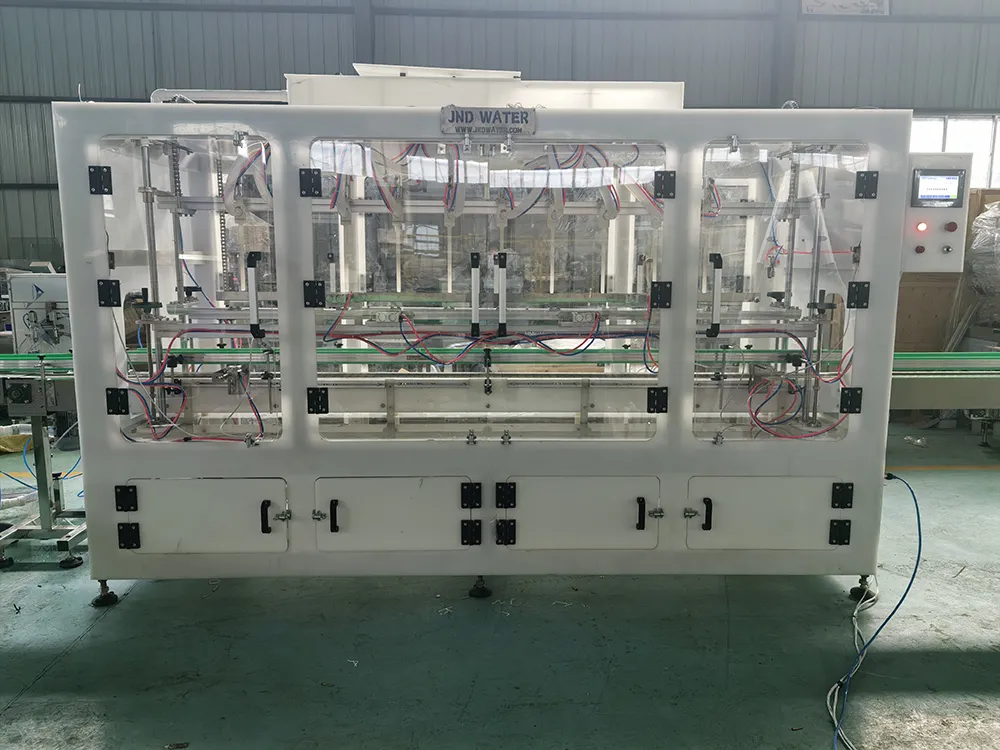
Liste complète des équipements pour une gamme de garniture de condiments
Une file automatique standard de sauces contient huit stations. Les capacités s’ajustent — un chargeur de 4 000 BPH est associé à un boucheur et un étiqueteur à 4 000 BPH.
| # | Équipement | Rôle |
|---|---|---|
| 1 | Cuve de traitement / mélange | Mélangez, chauffez et homogénéisez la recette ; Souvent en chemise |
| 2 | Stérilisateur / UHT | Tue les microbes pour la stabilité de l’étagère à chaud (optionnel pour le remplissage à froid) |
| 3 | Machine de remplissage à pistons | Station de dosage du cœur ; Volume contrôlé par servo |
| 4 | Machine à boucher | Bouchon à vis ou à presser ; Contrôle par couple |
| 5 | Étiqueteuse | Auto-adhésif ou étiquette de pochette |
| 6 | Codage de la date (TTO / laser) | Code de batch et d’expiration |
| 7 | Emballage plastique / emballage | Pack multiple et emballage de boîtiers |
| 8 | Paletteuse / dépaletteuse | Caisses empilées pour l’expédition |
Pour une ligne semi-automatique de 2 000 BPH, les stations 1 à 4 sont assistées manuellement ; à partir de 4 000 BPH et plus, les stations 5 à 8 sont généralement automatiques. Voir notre Machine à remplir des huiles comestibles pour une configuration de pistons presque identique utilisée sur des produits épais.
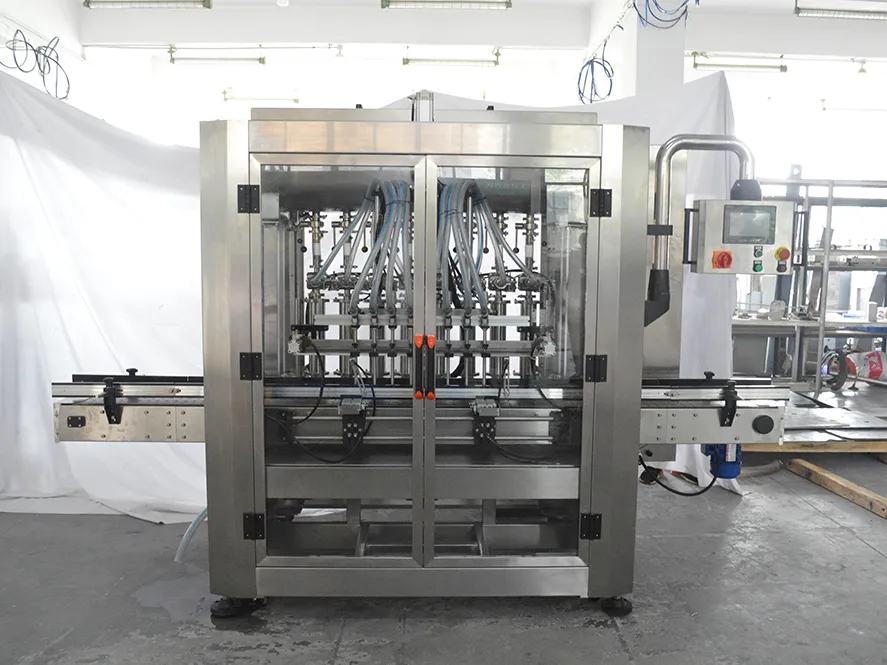
Comment fonctionne une ligne d’embouteillage de sauces
- Mélange La sauce dans le bac de traitement (la chauffe si la recette en a besoin).
- Stériliser via UHT lors d’une conduite de remplissage à chaud (le produit sort au-dessus de 85 °C).
- Remplissage Bouteilles avec un chargeur à piston — la buse sans goutte coupe le jet proprement.
- Cap Immédiatement pour verrouiller l’hygiène et l’espace d’esprit.
- Étiquette La bouteille (pochette pour les bocaux contourés, auto-adhésif pour les bouteilles droites).
- Code Fourre-lot et date d’expiration.
- Emballer et palettiser dans des caisses et sur des palettes.
Faites une CIP (nettoyage sur place) alterner entre les recettes ou à la fin du service — cela n’est pas négociable pour les files d’attente et est intégré aux systèmes JNDWATER.
5 points d’ingénierie qui font ou défont une gamme de sauce
- Buses sans goutte. Des sauces visqueuses s’enfilent et coulent ; Une buse de coupure servo empêche la perte de produit et la saleté des bouteilles.
- Dé-aération / anti-mousse. Mousse de pansements aérés dans le cylindre ; Une trémie de dégazage maintient la précision du poids de remplissage.
- Inox 316L + CIP/SIP. Les pièces en contact alimentaire doivent être de 316L, polies au miroir et entièrement nettoyables.
- Remplissage à chaud vs remplissage à froid. Le remplissage à chaud (>85 °C) offre une durée de conservation sans conservateurs ; Le remplissage à froid nécessite des conservateurs ou une réfrigération. C’est votre recette qui décide.
- Intégrité des particules. Les particules de piment ou de confiture nécessitent un gros calibre et un mouvement de servo doux pour que les morceaux restent entiers.
Coût de la ligne de remplissage de la sauce en USD (indicatif)
Les prix ci-dessous sont des fourchettes indicatives à titre de référence uniquement ; Le coût final dépend de la capacité, de la forme de la bouteille, de la stérilisation et des options. Confirmez avec un devis de JNDWATER.
| Capacité des lignes | Automatisation | USD indicatif |
|---|---|---|
| 2 000 BPH | Semi-automatique | 25 000 $ – 45 000 $ |
| 4 000 BPH | Automatique | 50 000 $ – 90 000 $ |
| 6 000–8 000 BPH | Automatique + CIP | 100 000 $ – 180 000 $ |
Coûts cachés pour budgétiser : Expédition et assurance, installation et formation sur site, pièces de rechange (buses, joints), moules de bouteilles, et conformité électrique/air locale. Pour une vision plus large de l’économie de l’embouteillement, voir combien coûte une machine à embouteiller de l’eau.
FAQ
Une seule ligne peut-elle remplir à la fois le ketchup et la sauce soja ?
Oui, avec un changement rapide. Le ketchup utilise le chargeur à piston ; La sauce soja fine peut passer en mode pression négative ou en mode plus petit piston. Prévoyez 30 à 60 minutes pour un changement propre, plus le CIP.
Un chargeur à piston ou à pompe servo pour mayonnaise ?
Utilisez un servo piston à faible vitesse. La mayonnaise est sensible au cisaillement ; Un mouvement lent et contrôlé maintient l’émulsion stable. Évitez les pompes rotatives à grande vitesse qui le fouettent.
Remplissage chaud ou froid pour la sauce ?
Le remplissage chaud (au-dessus de 85 °C) offre une durée de conservation ambiante sans conservateurs — ce qui est courant pour le ketchup et la sauce piment. Le remplissage à froid nécessite des conservateurs ou une réfrigération et est utilisé pour les vinaigrettes fraîches.
Comment remplir la sauce avec des particules de chili sans faire de confiture ?
Utilisez un vérin à piston à gros alésage, une trémie à produit avec un agitateur doux, et une buse de coupe adaptée à votre plus grande particule. Les lignes JNDWATER proposent régulièrement du chili crisp et de la confiture de fruits.
Quel est le délai et le MOQ ?
Le délai typique est de 30 à 60 jours après le dépôt ; MOQ est une seule ligne. Les pièces détachées sont expédiées à partir de l’inventaire.
Conclusion
Une fourchette de remplissage de sauce dépend des détails : le bon remplissage adapté à votre viscosité, des buses sans goutte-à-goutte, 316L + CIP hygiène, et une décision de remplissage chaud/froid adaptée à votre recette. JNDWATER construit des gammes de condiments à pistons de 2 000 à 8 000 BPH avec des kits complets de CIP et de changement.