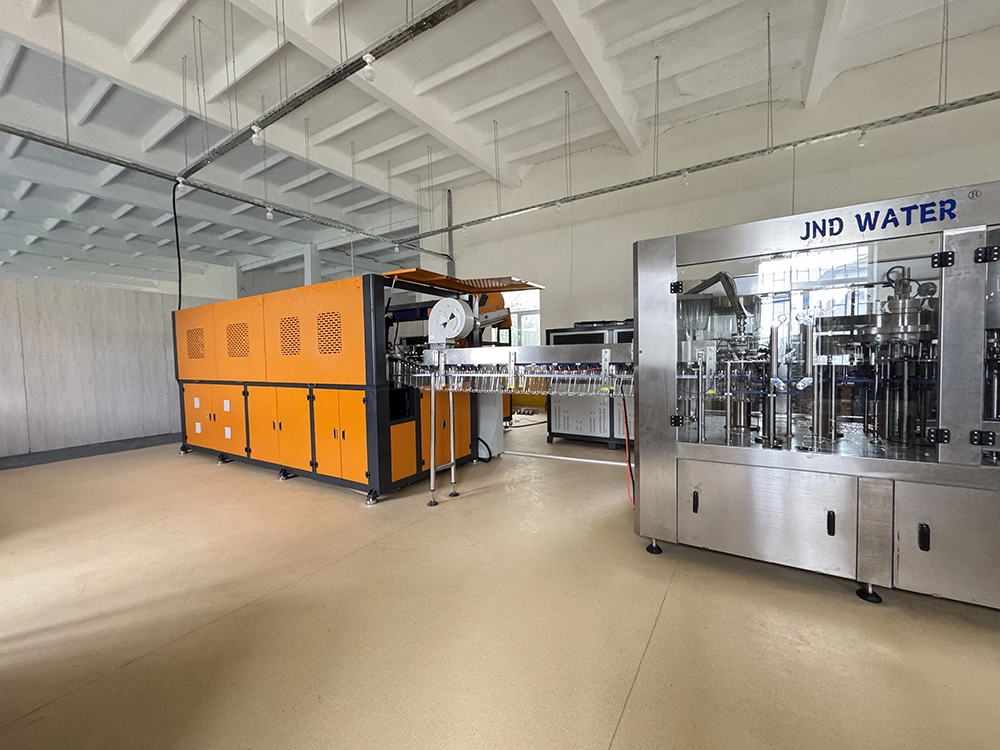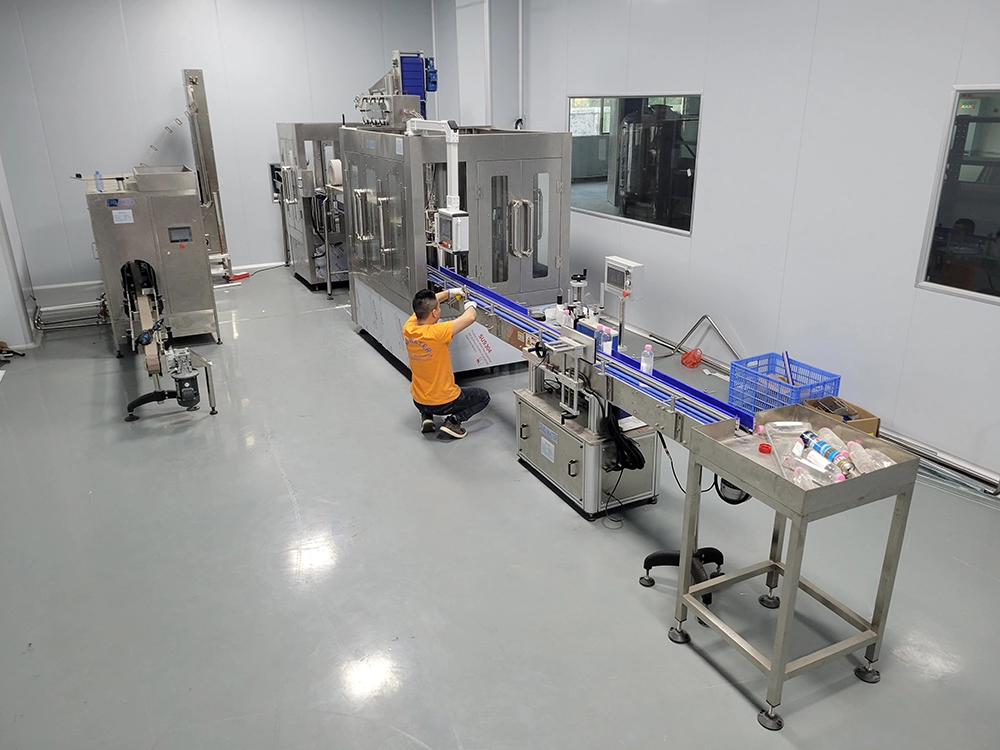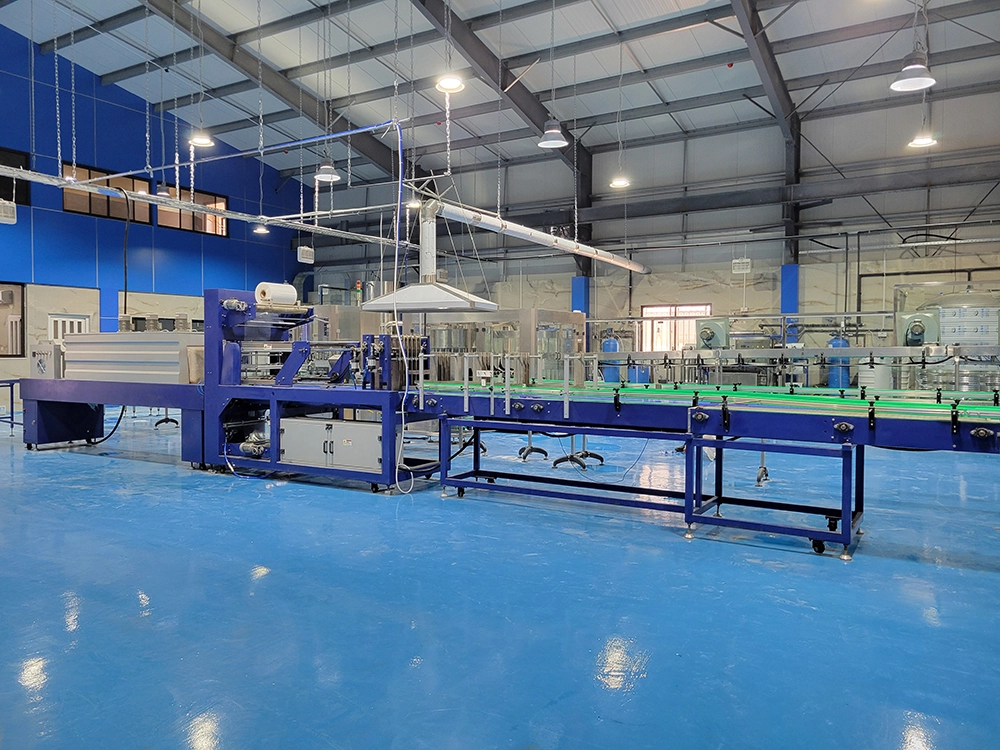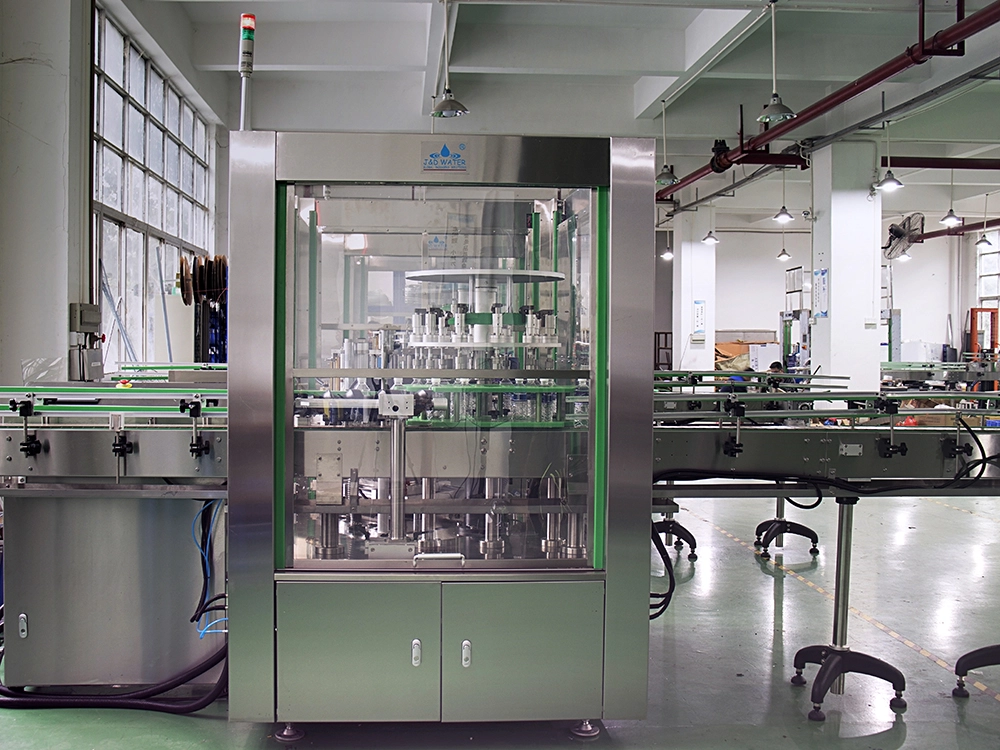
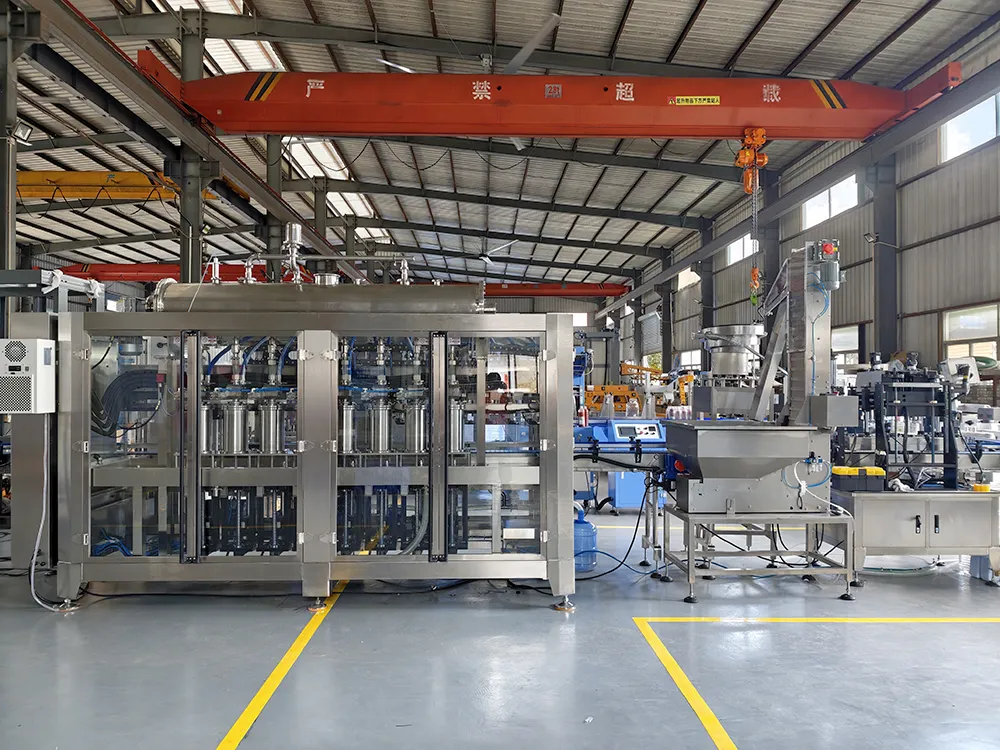
Barisan isian sos atau perasa menukar satu kumpulan makanan cecair atau separa cecair — sos tomato, sos cili, mayonis, dressing salad, sos tiram, kicap, cuka — menjadi botol yang disegel, berlabel dan sedia disimpan. Berbanding dengan saluran air, sos lebih keras: kelikatan berbeza, banyak resipi mengandungi zarah pepejal, dan peraturan kebersihan makanan adalah ketat. Panduan ini membincangkan senarai peralatan, teknologi inti di sebalik setiap jenis sos, konfigurasi barisan tipikal, butiran kejuruteraan yang benar-benar menentukan kualiti, dan julat kos USD indikatif.
Apakah Barisan Inti Sos & Perasa?
Barisan pengisian perasa ialah sistem automatik yang mendos, mengisi, menutup, melabel dan membungkus sos serta dressing pada kapasiti tetap (biasanya 2,000–8,000 botol sejam, BPH). Ia berkhidmat untuk pengeluar makanan yang membotolkan jenama mereka sendiri, pembungkus kontrak yang menjalankan pelbagai resipi, dan syarikat permulaan yang memasuki pasaran perasa dengan satu barisan separa automatik. Cabaran utama bukanlah "cecair bergerak" — ia adalah menggerakkan produk yang ketebalan, zarah dan kepekaan berubah mengikut resipi, tanpa menitis, berbuih atau mencemari.
Jenis Sos Menentukan Teknologi Inti
Sebelum menyenaraikan mesin, pilih pengisi mengikut tingkah laku produk. Pengisi yang salah menitis, menyekat atau menggunting sos anda.
| Sos / perasa | Tingkah laku aliran | Pengisi yang disyorkan |
|---|---|---|
| Kicap, cuka, wain memasak | Nipis, mengalir bebas | Pengisi tekanan negatif / graviti |
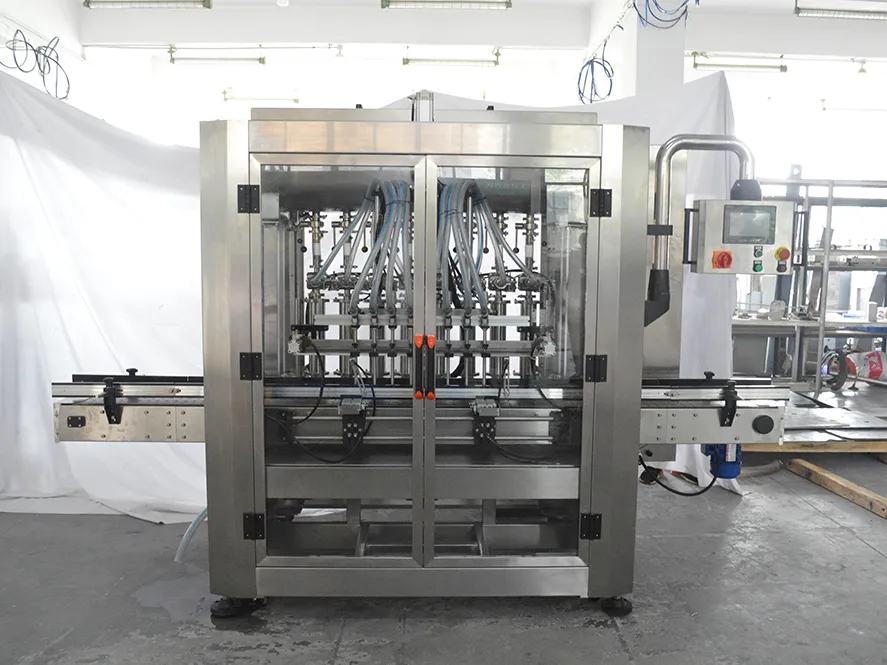
| Sos tomato, sos salad, sos tiram | Likat, tiada zarah | Pengisi piston servo |
| Sos cili, jem buah dengan isi | Zarah likat + pepejal | Pengisi piston, silinder bore besar |
| Mayones, mentega kacang | Sangat likat, sensitif terhadap ricih | Servo piston / lobe putar, kelajuan perlahan |
- Sos nipis (soya, cuka) diisi dengan vakum atau graviti — murah dan pantas, tetapi hanya berfungsi apabila produk berjalan.
- Sos likat (sos tomato, salutan) perlukan piston yang menolak isipadu yang diukur — tepat walaupun tebal.
- Sos dengan zarah (Chili, jem) Perlukan lubang piston yang lebih lebar dan muncung potong supaya ketulan boleh lalu tanpa tersekat.
- Sos sensitif gunting (mayonis) perlukan gerakan servo perlahan supaya emulsi tidak pecah.
Senarai Lengkap Peralatan untuk Barisan Pengisian Perasa
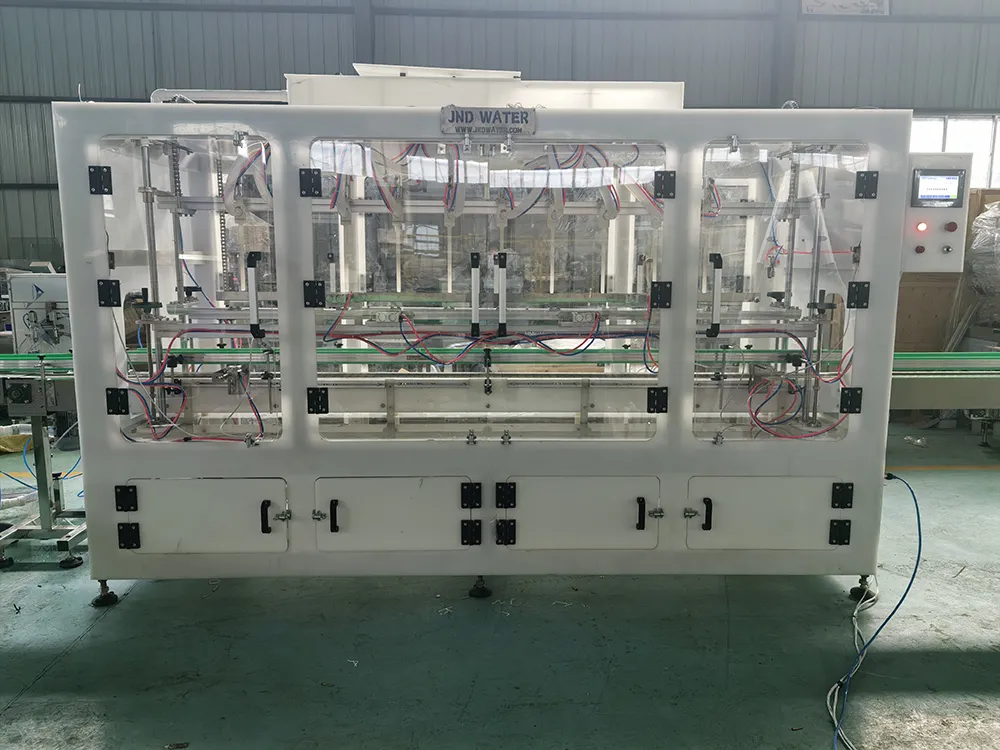
Satu barisan sos automatik standard mengandungi lapan stesen. Kapasiti diskalakan bersama — pengisi 4,000 BPH dipadankan dengan penutup dan pelabel 4,000 BPH.
| # | Peralatan | Peranan |
|---|---|---|
| 1 | Tangki pemprosesan / pencampuran | Campurkan, panaskan dan seragamkan resipi; sering berjaket |
| 2 | Pensteril / UHT | Membunuh mikrob untuk kestabilan rak pengisian panas (pilihan untuk pengisian sejuk) |
| 3 | Mesin pengisian omboh | Stesen dos teras; isipadu dikawal servo |
| 4 | Mesin penutup | Penutup skru atau tekan; dikawal tork |
| 5 | Mesin Pelabelan | Label pelekat sendiri atau sarung |
| 6 | Pengekodan tarikh (TTO / laser) | Kod kumpulan & tamat tempoh |
| 7 | Pembalut pengecut / pembungkus karton | Pek berganda dan pembungkusan kotak |
| 8 | Palletizer / depalletizer | Susun kotak untuk penghantaran |
Untuk laluan separa automatik 2,000 BPH, stesen 1–4 dibantu secara manual; dari 4,000 BPH ke atas, stesen 5–8 biasanya automatik. Lihat kami mesin pengisian minyak boleh makan untuk konfigurasi piston yang hampir sama digunakan pada produk tebal.
Bagaimana Barisan Pembotolan Sos Berfungsi
- Blend sos dalam tangki pemprosesan (panaskan jika resipi memerlukannya).
- mensterilkan melalui UHT apabila menjalankan talian pengisian panas (produk keluar melebihi 85 °C).
- Isi botol dengan pengisi piston — muncung tanpa titisan memotong aliran dengan bersih.
- Cap segera untuk mengunci kebersihan dan ruang fikiran.
- Label Botol (lengan untuk balang berkontur, pelekat sendiri untuk botol lurus).
- Kod Batch dan tarikh luput.
- Bungkus & paletkan ke dalam kotak dan ke atas palet.
Jalankan CIP (bersih di tempat) Kitaran antara resipi atau pada akhir syif — ini tidak boleh dirunding untuk barisan makanan dan dibina dalam sistem JNDWATER.
5 Titik Kejuruteraan Yang Menentukan Atau Gagal Garis Sos
- Nozel tanpa titisan. Sos likat bertali dan menitis; Muncung pemotong servo menghalang kehilangan produk dan botol yang kotor.
- Penyahudaraan / anti-buih. Pembalut berudara dalam silinder; Hopper de-gas memastikan berat isi kekal tepat.
- Tahan karat 316L + CIP/SIP. Bahagian yang bersentuhan dengan makanan mesti 316L, digilap seperti cermin, dan boleh dibersihkan sepenuhnya.
- Isi panas vs isi sejuk. Isian panas (>85 °C) memberikan jangka hayat tanpa bahan pengawet; Isian sejuk memerlukan bahan pengawet atau penyejukan. Resipi anda yang tentukan.
- Integriti zarah. Zarah cili atau jem memerlukan lubang besar dan gerakan servo yang lembut supaya ketulan kekal utuh.
Kos Barisan Inti Sos dalam USD (Indikatif)
Harga di bawah adalah julat indikatif untuk rujukan sahaja; Kos akhir bergantung pada kapasiti, bentuk botol, pensterilan dan pilihan. Sahkan dengan sebut harga JNDWATER.
| Kapasiti talian | Automasi | USD Indikatif |
|---|---|---|
| 2,000 BPJ | Separa automatik | $25,000 – $45,000 |
| 4,000 BPH | Automatik | $50,000 – $90,000 |
| 6,000–8,000 BPJ | Automatik penuh + CIP | $100,000 – $180,000 |
Kos tersembunyi untuk bajet: Penghantaran & insurans, pemasangan dan latihan di tapak, alat ganti (muncung, meterai), acuan botol, dan pematuhan elektrik/udara tempatan. Untuk pandangan yang lebih luas mengenai ekonomi pembotolan, lihat Berapa kos mesin pembotolan air.
FAQ
Bolehkah satu baris memenuhi kedua-dua sos tomato dan kicap?
Ya, dengan pertukaran yang cepat. Sos tomato menggunakan pengisi piston; Kicap nipis boleh bertukar kepada mod tekanan negatif atau piston yang lebih kecil. Bajet 30–60 minit untuk pertukaran bersih serta CIP.
Pengisi pam piston atau servo untuk mayonis?
Gunakan pengisi piston servo pada kelajuan rendah. Mayonis sensitif terhadap ricih; Gerakan perlahan dan terkawal memastikan emulsi kekal stabil. Elakkan pam putar berkelajuan tinggi yang boleh memutarnya.
Isi panas atau isi sejuk untuk sos?
Pengisian panas (melebihi 85 °C) memberikan jangka hayat simpanan tanpa bahan pengawet — biasa untuk sos tomato dan cili. Isian sejuk memerlukan bahan pengawet atau penyejukan dan digunakan untuk sos segar.
Bagaimana cara mengisi sos dengan zarah cili tanpa tersekat?
Gunakan silinder piston berdiameter besar, hopper produk dengan pengaduk lembut, dan muncung pemotong bersaiz untuk zarah terbesar anda. Saluran JNDWATER mengalirkan cili rangup dan jem buah dengan konsisten dengan cara ini.
Berapa masa dan MOQ?
Masa penyediaan tipikal adalah 30–60 hari selepas deposit; MOQ adalah satu baris. Alat ganti dihantar dari stok.
Kesimpulannya
Barisan pengisian sos bergantung pada butiran: pengisi yang sesuai untuk kelikatan anda, muncung tanpa titisan, kebersihan 316L + CIP, dan pilihan isian panas/sejuk yang sesuai dengan resipi anda. JNDWATER membina barisan perasa berasaskan piston dari 2,000 hingga 8,000 BPH dengan kit CIP dan penukaran penuh.