

Share this:
Stainless Steel Chain Plate Conveyor | JNDWATER
A stainless steel chain plate conveyor moves bottles between machines that cannot be joined directly: out of the blow molding machine, into the water filling machine, on to the labeling machine.
Stainless Steel Chain Plate Conveyor | JNDWATER Detailed Description
A stainless steel chain plate conveyor moves bottles between machines that cannot be joined directly: out of the blow molding machine, into the water filling machine, on to the labeling machine.
Frame, chain and guide rails are stainless steel. The plates are flat-top, perforated or slatted, chosen by the container and the area it runs through.
Four numbers size a section: line speed, chain width, the smallest curve in the layout, and the height of the two infeeds it joins.
Key Features
- 304 stainless frame as standard, 316L for washdown areas or acidic product
- Flat-top plate, also called table top chain, plus perforated, open slat and side-flexing options
- UHMWPE wear strips and guide rails on stainless brackets
- Each section built to the measured distance between two machines
- Bottle sensors at every transfer, so a full section stops the one behind it
What It Does on a Line
The bottle conveyor carries containers single file at line speed, and it sets the buffer the line runs on when one machine stops.
A 12,000 BPH line moves 200 bottles a minute. At 80 mm pitch the chain runs at 0.27 m/s, trimmed by the drive to match the filling machine.
Chain width is the widest container plus rail clearance. One lane of 500 ml bottles runs in [TO CONFIRM] mm, and a second lane needs the same width again plus a centre rail. Thirty seconds of buffer on that line is 100 bottles, or 8 m of conveyor.
A 90 degree turn at that speed sets the radius. A rise of more than [TO CONFIRM] mm over one section needs an inclined frame with flights rather than a longer flat run.
Slat conveyor belts are exceptionally robust; they are driven by stainless steel chains and constructed from stainless steel plates. They are well-suited for transporting small, high-density items, offering smooth operation, ease of installation and replacement, and a long service life. These belts are designed for medium to heavy-duty conveying applications. The steel plates are bent to form hinges, which are then connected to the chains using cross-rods (pivot pins). The chains can be secured at both ends using either cotter pins or washers; the use of cotter pins facilitates easier disassembly and maintenance.
Applications
- Bottled water and mineral water lines, from filling machine to labeling machine
- Juice, tea and carbonated drinks in PET or glass
- Aluminium cans between filler and packer
- After a warmer or air dryer, where an open slat chain conveyor lets bottles shed water and heat
- Layouts with a turn or a level change in a short distance
- Existing lines where one section is added or replaced
Products List
Recent Products
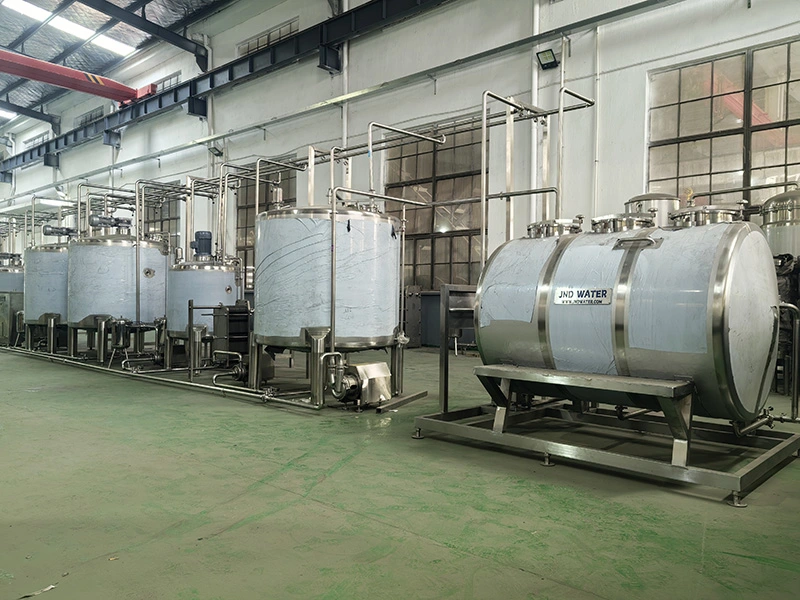
beverage & juice mixing system automatically mixes juice concentrate, syrup, water, acid and flavor into a consistent finished drink. Built for juice, tea, carbonated and non-carbonated drink production lines, it delivers accurate ratio control and stable taste batch after batch.
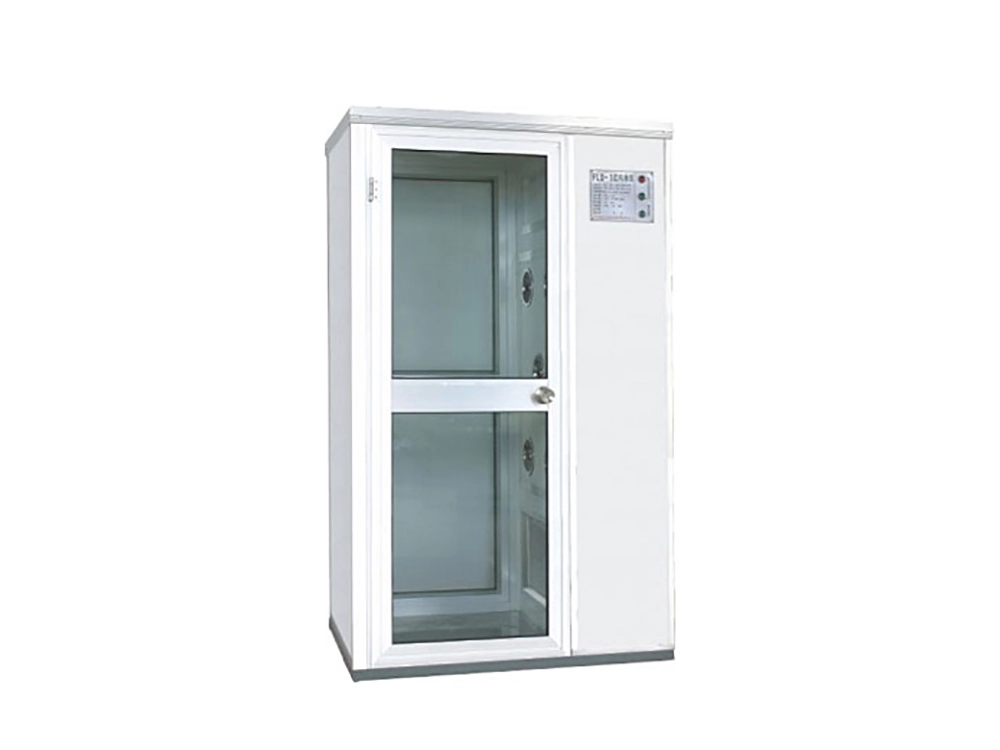
Air showers are essential equipment in cleanrooms and factories. They are used to air shower personnel before they enter the clean working environment to remove dust from their bodies and carried items. At the same time, they also act as airlocks to prevent unpurified air from entering the clean area, thus ensuring the cleanliness of
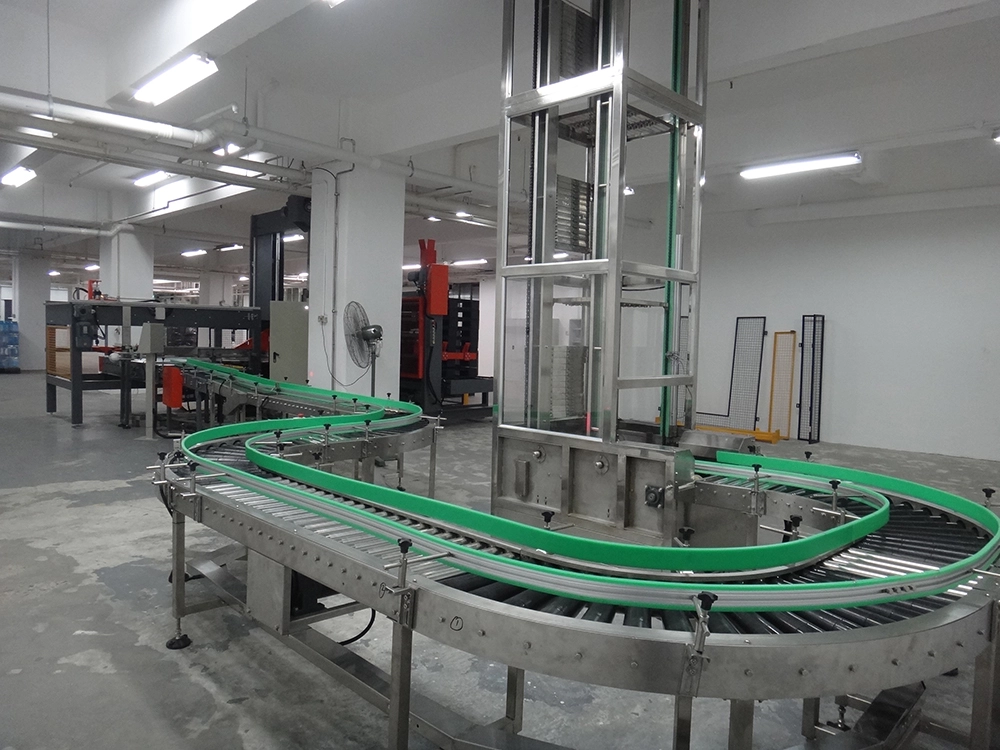
Vertical Conveyor is a key equipment used in bottled water filling production lines to achieve vertical lifting and conveying of products. It adopts a modular structure of high-strength engineering plastic chain plate and aluminum alloy frame, which smoothly transports PET bottles, glass bottles or bottled water from low to high (or reverse) through clamping or
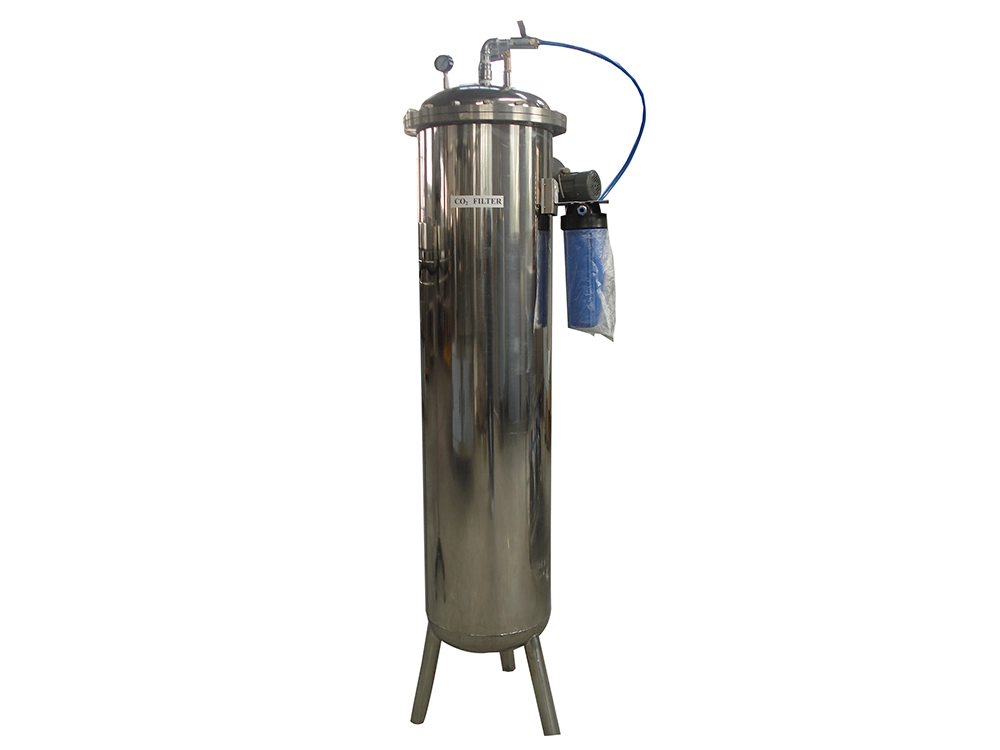
Carbon dioxide filter is an industrial equipment used to purify CO ₂ gas. Its core function is to remove impurities such as particulate matter, microorganisms, oil, moisture, and odors from CO ₂, ensuring that CO ₂ meets food grade usage standards.
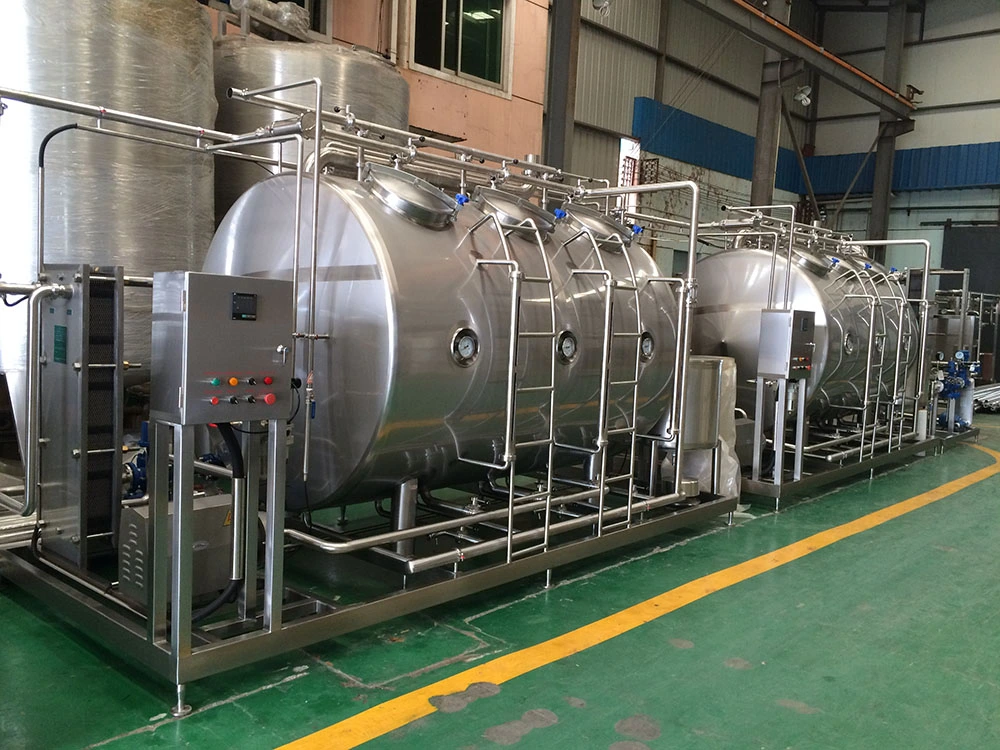
The CIP equipment is used to clean drink pipe system, filling tanks, drink storage tanks with the heating or normal temperature detergent or clean water, it is necessary equipments for the drink industries like milk products, juice, beverage, etc.
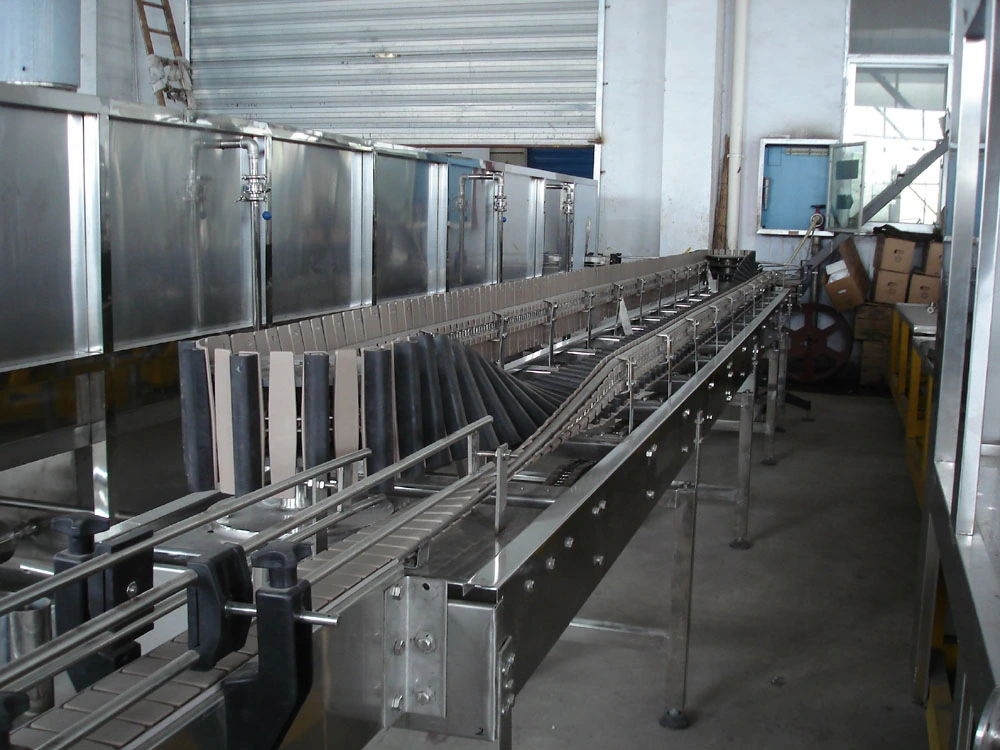
It's suitable for tea ,fruit juice drinks,mainly used for the sterilization of bottle mouths and caps which couldn't be touched by high-temperature material after hot-filling and capping, the capped bottles are inverted by 90 degrees, automatically by this machine and so bottles are put even. It sterilizes the caps inner wall and then stand vertical
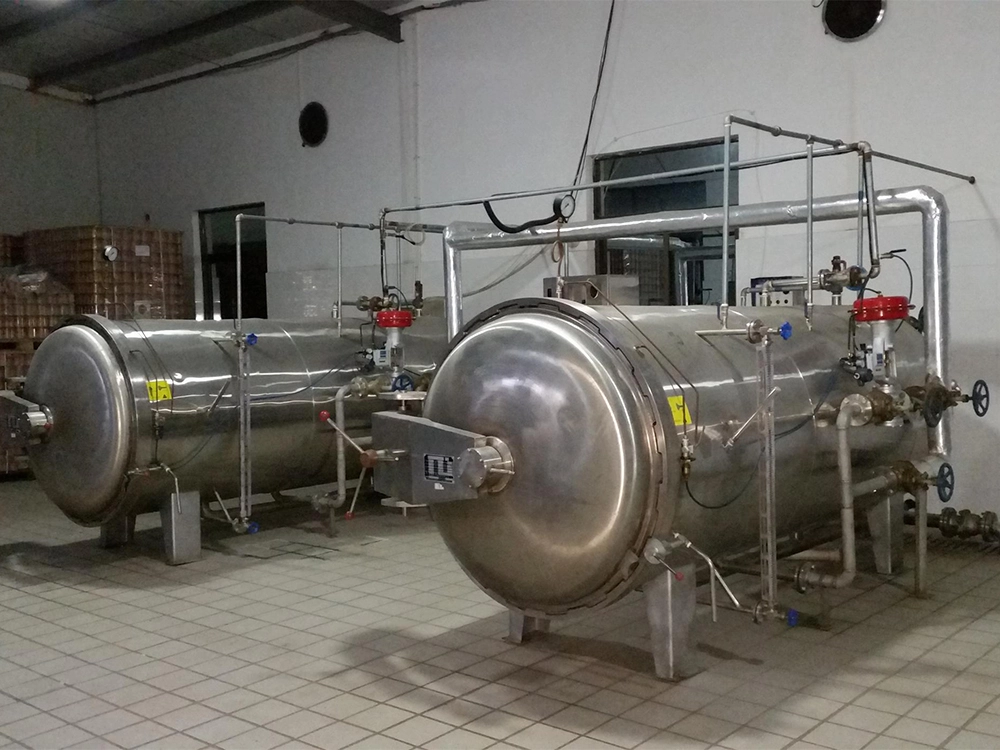
In retort, food basket in the static state, static spraying retorts is currently the world’s most popular batch retort, because of its high mechanical reliability and practically include all package types of sterilization static spraying retorts can be suitable for high temperature sterilization, pasteurization and cooking(low temperature) sterilization of all types of packaging almost any
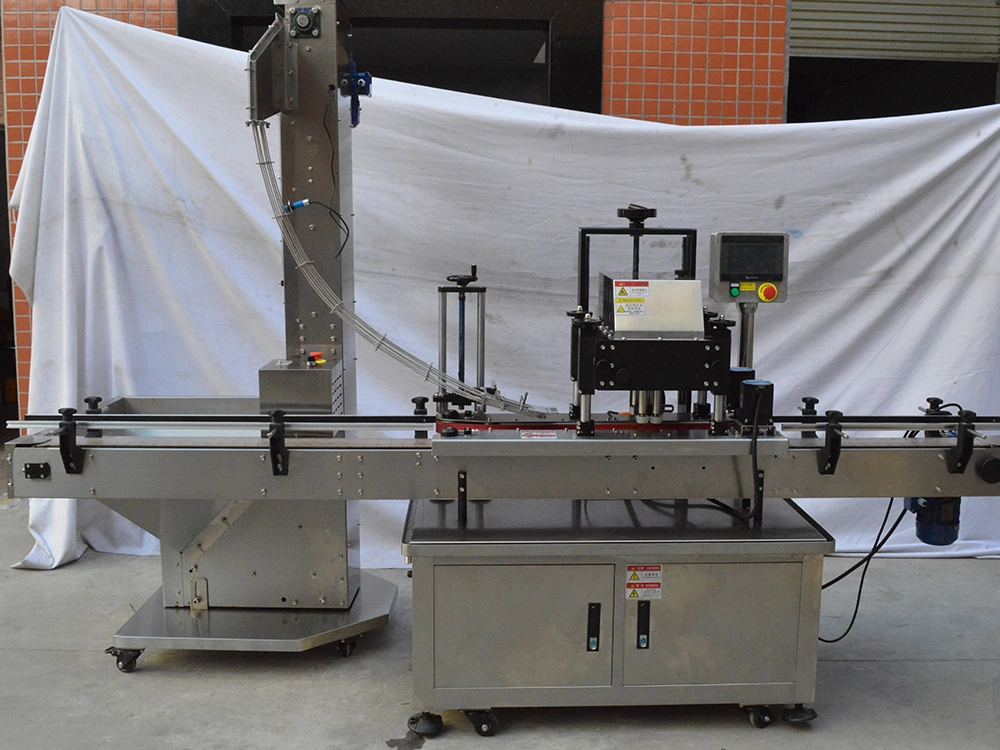
The fully automatic Screw capping machine is an improved design based on international advanced models, with fast capping speed, high qualification rate, and easy operation. Can be used for different bottle shapes of screw caps in industries such as food, pharmaceuticals, daily chemicals, pesticides, cosmetics, etc. Four speed regulating motors are used for capping, bottle
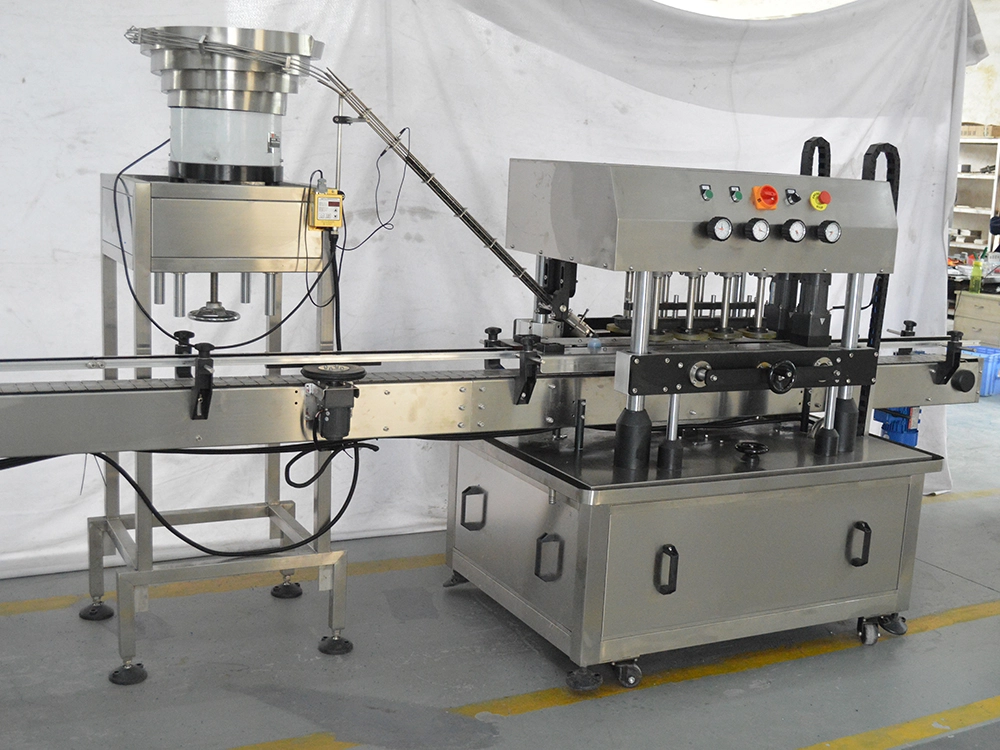
The Jndwater fully automatic high-speed capping machine is an improved design based on international advanced models, with fast capping speed, high qualification rate, and easy operation. Can be used for different bottle shapes of screw caps in industries such as food, pharmaceuticals, daily chemicals, pesticides, cosmetics, etc. Providing capping, bottle clamping, conveying, and capping, the
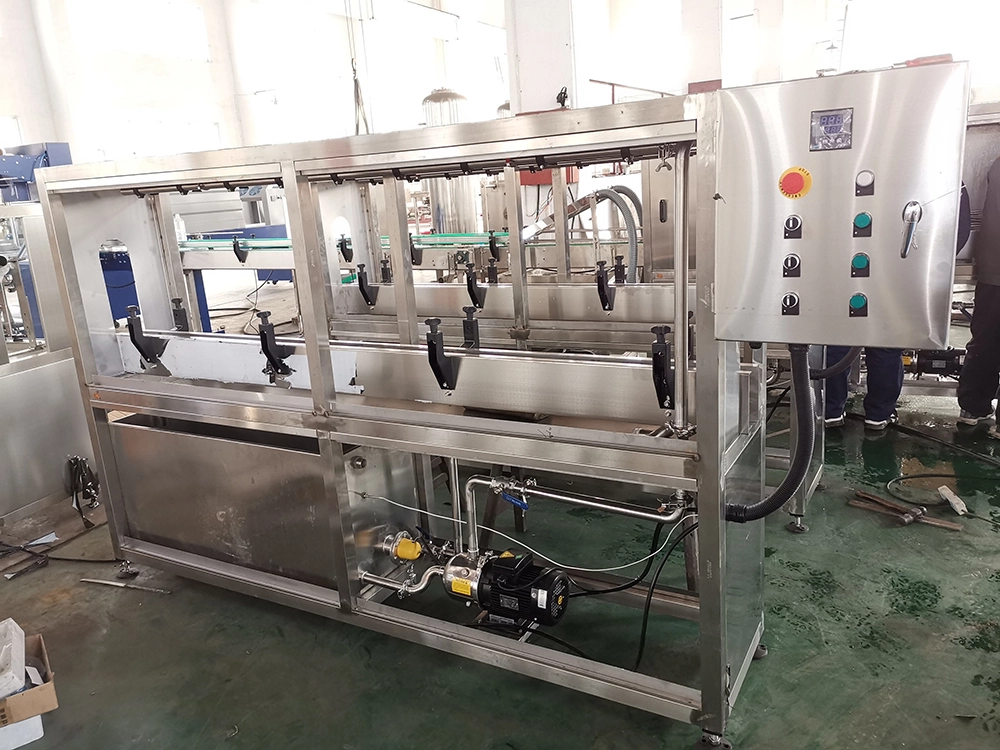
Based on advanced same technologies from Germany, Italy and Taiwan, we developded this new type of bottle cooling/heating machine Its working process can be divided into 3 stages: circulating hot water spraying, warm water pre-cooling and cold water-cooling. The cooling/heating temperature and time can be regulated in according to the requirements of user. It is