


Share this:
Stainless Steel Mesh Belt
A stainless steel mesh belt carries product on an open wire surface instead of a solid plate. It is specified where air, water or heat has to pass through the belt: cooling tunnels, fryers, blanchers, dryers, freezer tunnels and washing stations.
Stainless Steel Mesh Belt Detailed Description
Product Overview
A stainless steel mesh belt carries product on an open wire surface instead of a solid plate. It is specified where air, water or heat has to pass through the belt: cooling tunnels, fryers, blanchers, dryers, freezer tunnels and washing stations.
The weave decides what the belt does. A balanced weave belt gives a dense, flat surface. A spiral mesh belt with cross rods drains faster. A chain edge belt is driven by sprockets, so it holds a straight edge over a long run.
Grade follows the duty. 304 covers wet and general food contact, 316L covers salt and acidic product, and 310S is used where the belt runs through an oven.
Key Features
- 304, 316L or 310S wire
- Balanced, spiral, flat wire and chain-edge weaves
- Sprocket drive on the chain edge, or friction drive on a plain edge
- Open surface for airflow, drainage and washdown
- Supplied as a belt alone, or fitted to a conveyor frame
What It Does on a Line
Dwell time is set by belt speed and tunnel length. A 6 m cooling tunnel at 0.1 m/s holds product for 60 seconds, so the drive is sized for the slowest speed the product needs, not for the fastest.
On a cooling tunnel the open surface lets air reach the product from below, which a solid plate cannot do. The same open area is why a wire mesh conveyor belt drains after a washer or a blancher without carrying water into the next station.
For bottles that have to stand upright through a warmer or a cooler, a chain plate conveyor is the better fit.
A chain edge belt tracks on its sprockets and needs no side guide. A plain-edge belt is cheaper but needs a take-up unit and tracking rollers, and it wanders as soon as the load is uneven.
Applications
- Cooling tunnels after frying, baking or blanching
- Fryers and blanchers, where oil or water has to drain back
- Dryers, oven exits and warm-air tunnels
- Freezer tunnels for frozen vegetables and prepared food
- Washing and sterilizing stations for glass bottles and crates
- Transfers where product must not stand in water
Products List
Recent Products

A stainless steel chain plate conveyor moves bottles between machines that cannot be joined directly: out of the blow molding machine, into the water filling machine, on to the labeling machine.
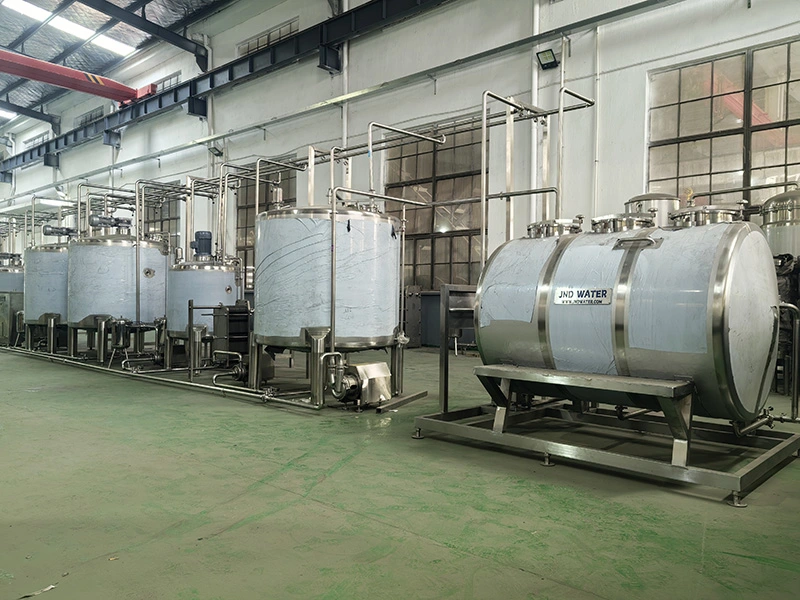
beverage & juice mixing system automatically mixes juice concentrate, syrup, water, acid and flavor into a consistent finished drink. Built for juice, tea, carbonated and non-carbonated drink production lines, it delivers accurate ratio control and stable taste batch after batch.
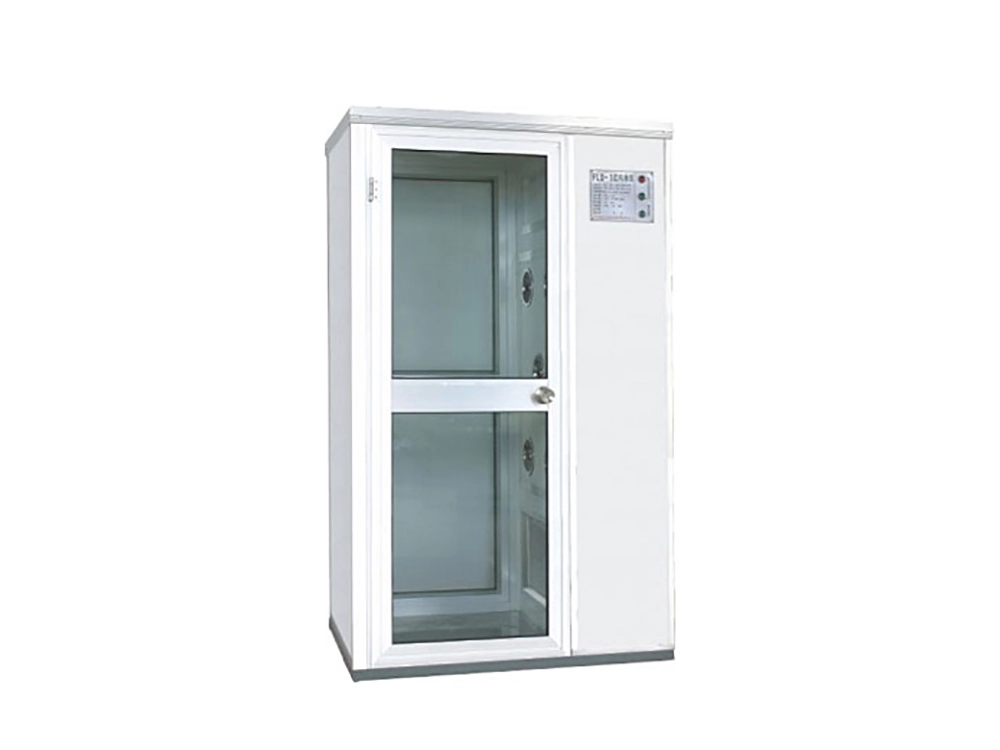
Air showers are essential equipment in cleanrooms and factories. They are used to air shower personnel before they enter the clean working environment to remove dust from their bodies and carried items. At the same time, they also act as airlocks to prevent unpurified air from entering the clean area, thus ensuring the cleanliness of
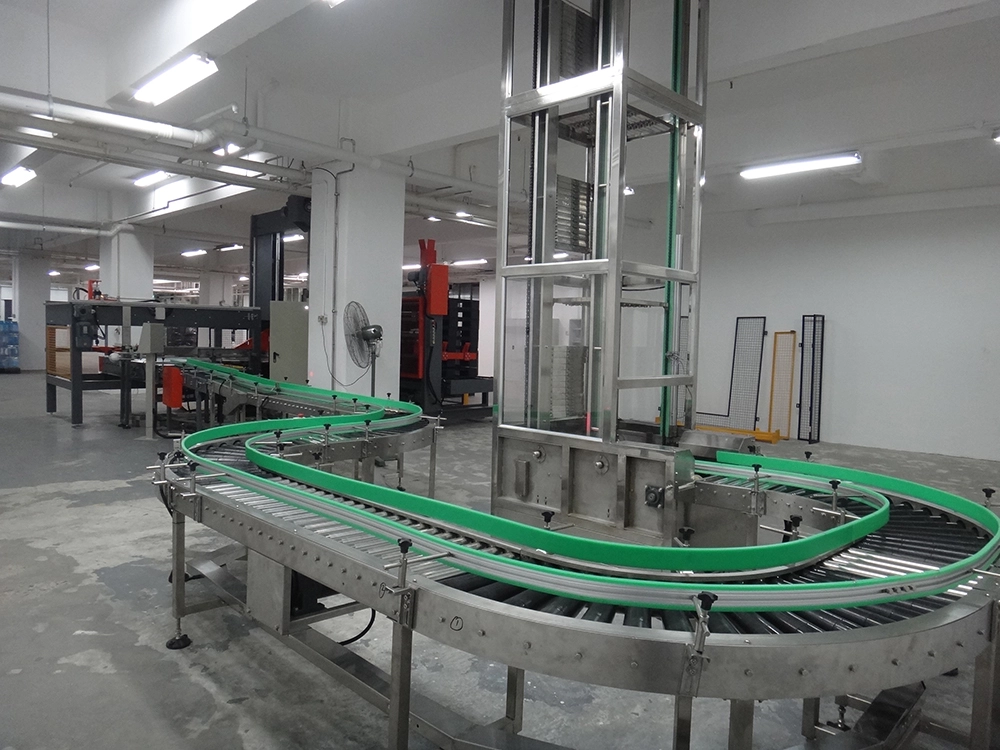
Vertical Conveyor is a key equipment used in bottled water filling production lines to achieve vertical lifting and conveying of products. It adopts a modular structure of high-strength engineering plastic chain plate and aluminum alloy frame, which smoothly transports PET bottles, glass bottles or bottled water from low to high (or reverse) through clamping or
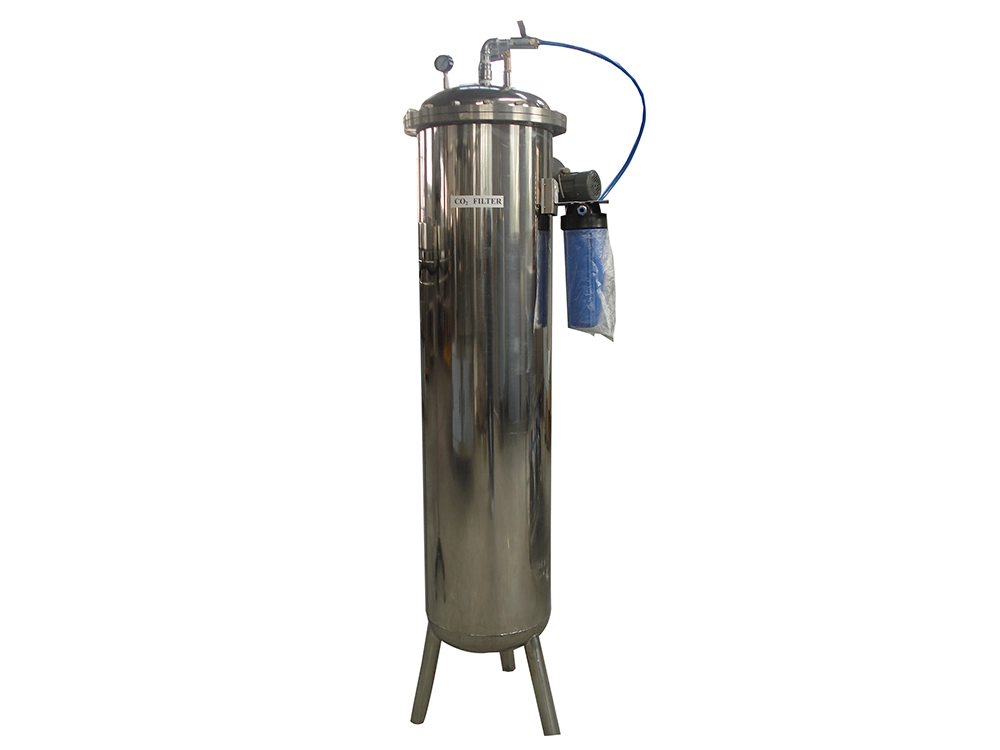
Carbon dioxide filter is an industrial equipment used to purify CO ₂ gas. Its core function is to remove impurities such as particulate matter, microorganisms, oil, moisture, and odors from CO ₂, ensuring that CO ₂ meets food grade usage standards.
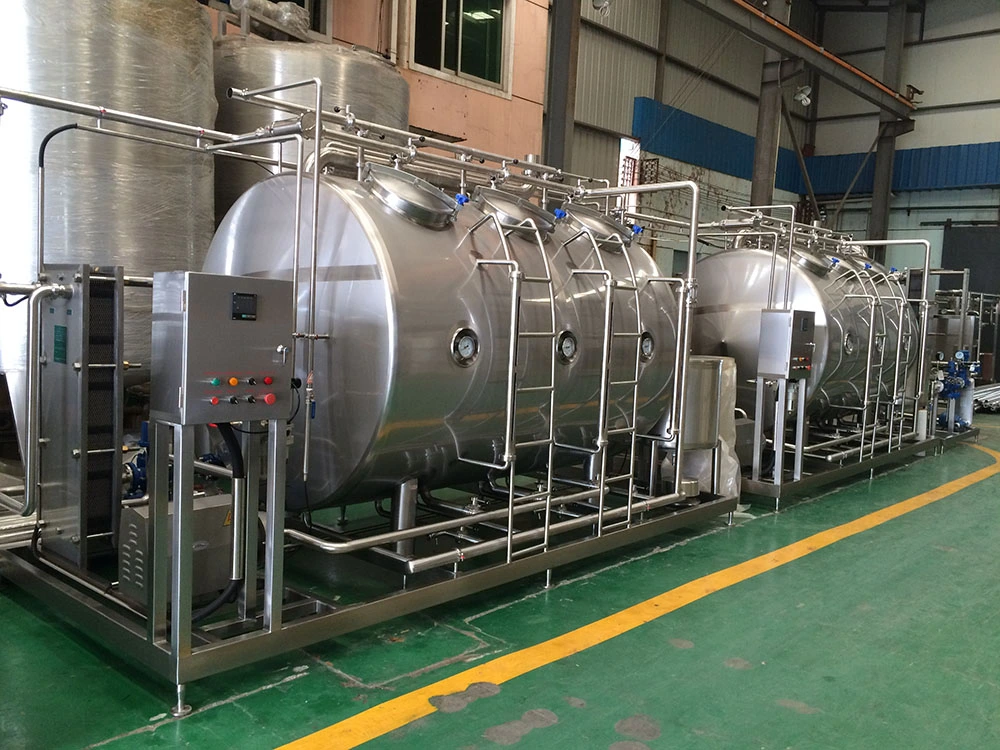
The CIP equipment is used to clean drink pipe system, filling tanks, drink storage tanks with the heating or normal temperature detergent or clean water, it is necessary equipments for the drink industries like milk products, juice, beverage, etc.
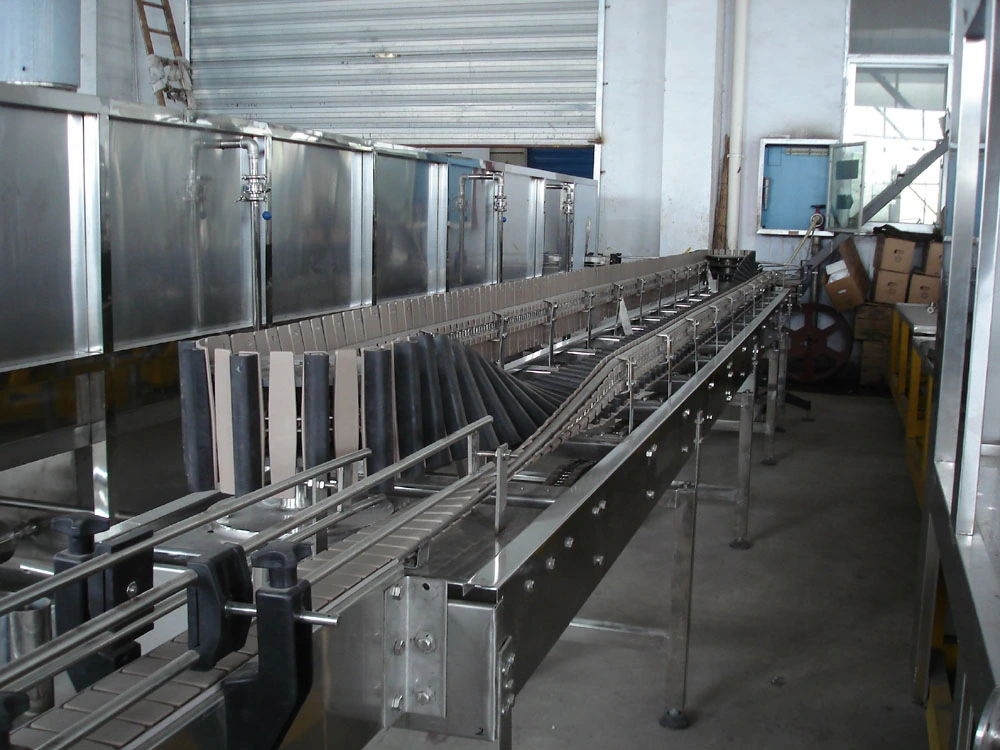
It's suitable for tea ,fruit juice drinks,mainly used for the sterilization of bottle mouths and caps which couldn't be touched by high-temperature material after hot-filling and capping, the capped bottles are inverted by 90 degrees, automatically by this machine and so bottles are put even. It sterilizes the caps inner wall and then stand vertical
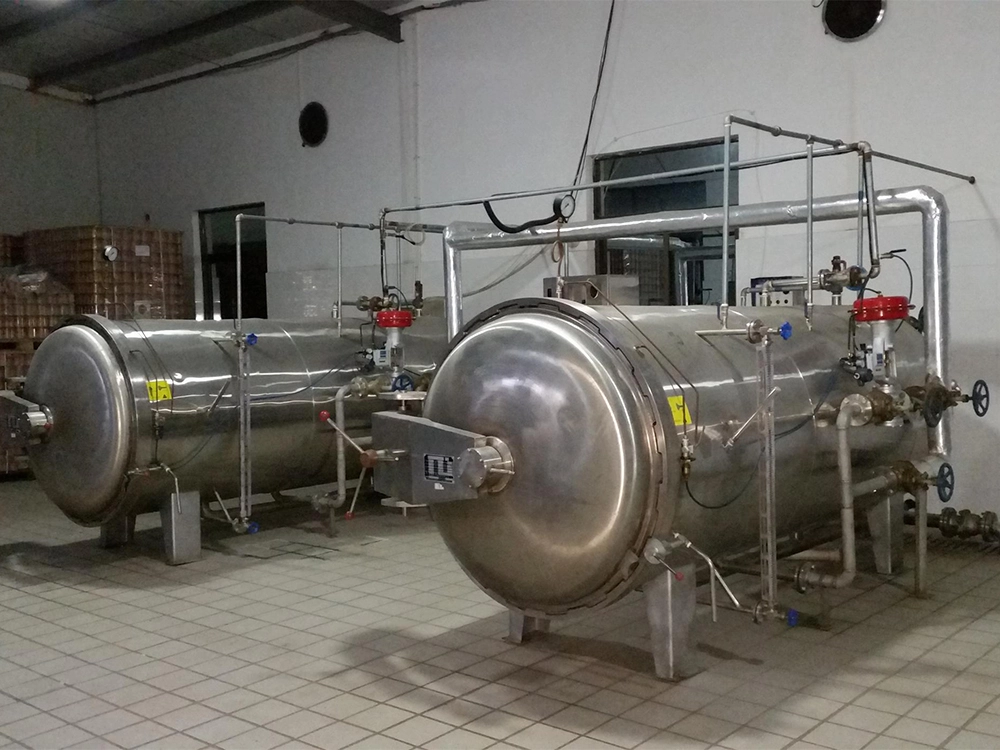
In retort, food basket in the static state, static spraying retorts is currently the world’s most popular batch retort, because of its high mechanical reliability and practically include all package types of sterilization static spraying retorts can be suitable for high temperature sterilization, pasteurization and cooking(low temperature) sterilization of all types of packaging almost any
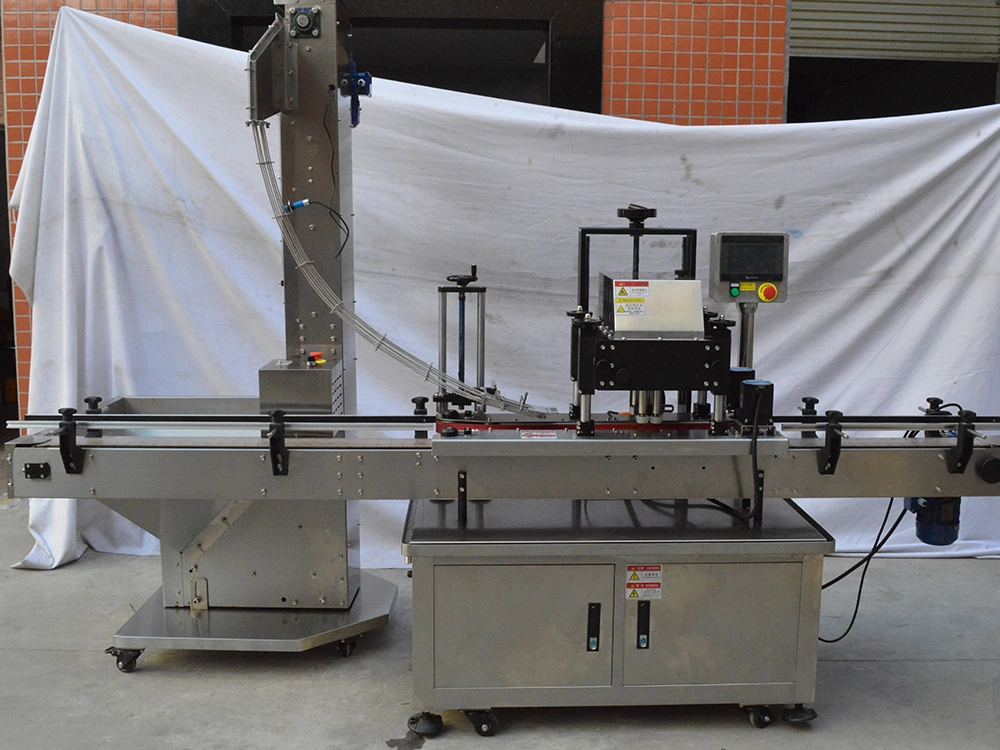
The fully automatic Screw capping machine is an improved design based on international advanced models, with fast capping speed, high qualification rate, and easy operation. Can be used for different bottle shapes of screw caps in industries such as food, pharmaceuticals, daily chemicals, pesticides, cosmetics, etc. Four speed regulating motors are used for capping, bottle
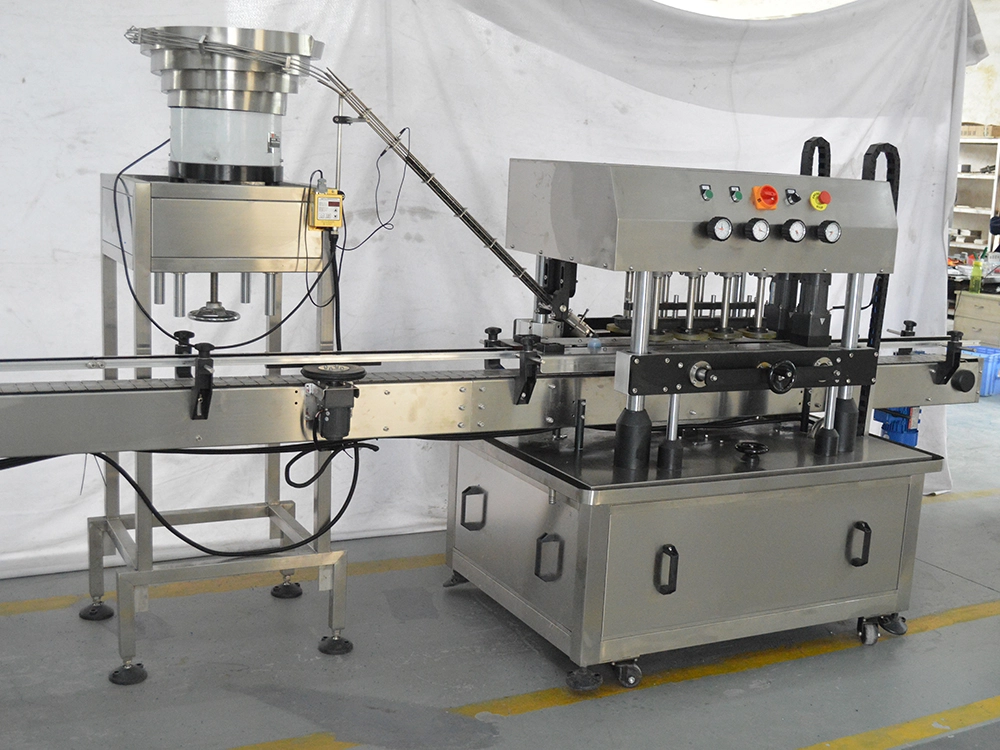
The Jndwater fully automatic high-speed capping machine is an improved design based on international advanced models, with fast capping speed, high qualification rate, and easy operation. Can be used for different bottle shapes of screw caps in industries such as food, pharmaceuticals, daily chemicals, pesticides, cosmetics, etc. Providing capping, bottle clamping, conveying, and capping, the